
Celestron isn’t just another optics brand trying to look premium with shiny coatings and exaggerated specs. It’s one of the few companies that actually understands how people use binoculars in the real world — whether That’s scanning a tree line at sunrise, tracking a moving object across the night sky, or trying to squeeze detail out of low light when everything starts turning into silhouettes.
This Celestron binoculars buying guide 2026 isn’t a recycled spec sheet parade. It’s built from how these binoculars behave outside marketing pages, in dust, in humidity, in real hands, under real expectations.
If you’re here, you’re either:
- Confused by specs like “BAK-4” and “multi-coated”
- Trying not to waste money
- Or already burned once by cheap optics
Good. Let’s fix that.
Why This Celestron Binoculars Buying Guide 2026 Matters
Most people don’t fail at buying binoculars because the options are bad. They fail because they’re trying to decode specs without context. That’s exactly why this Celestron binoculars buying guide 2026 exists, to bridge the gap between technical features and real-world use.
Instead of overwhelming you with numbers, the goal here is simple: help you understand what actually impacts your experience. Things like light transmission, field of view, and build quality sound technical, but they directly affect whether you enjoy using your binoculars or regret buying them after a week.
Celestron, as a brand, makes this process slightly easier by designing models around specific use cases. The problem is, most buyers don’t match the right binocular to their actual needs. That’s where bad decisions happen.
This guide focuses on aligning:
- Your environment (birding, stargazing, travel)
- Your comfort (weight, grip, stability)
- And your expectations (clarity, brightness, durability)
Because once those three line up, the choice becomes obvious, and suddenly, binoculars stop being confusing and start being useful.
Why Celestron Binoculars Stand Out in 2026
Celestron sits in a very specific sweet spot: serious performance without ridiculous pricing.
Most brands fall into two traps:
- Overpriced optics with marginal gains
- Cheap builds that collapse under real use
Celestron avoids both by focusing on practical optical performance — not showroom bragging rights.
What Actually Makes Them Different:
- Strong emphasis on light transmission (huge for dawn/dusk use)
- Better-than-average edge clarity in mid-range models
- Wide field of view in key series like SkyMaster
- Reliable coatings that don’t degrade after a season
And most importantly, they design binoculars for specific use cases, not generic “all-purpose” nonsense.
Understanding Celestron’s Key Series (Before You Buy Anything)
Before you even look at a product, you need to understand their lineup. Otherwise, you’ll buy a telescope-grade binocular for birdwatching and then wonder why your arms hate you.
Nature DX Series — The Smart All-Rounder
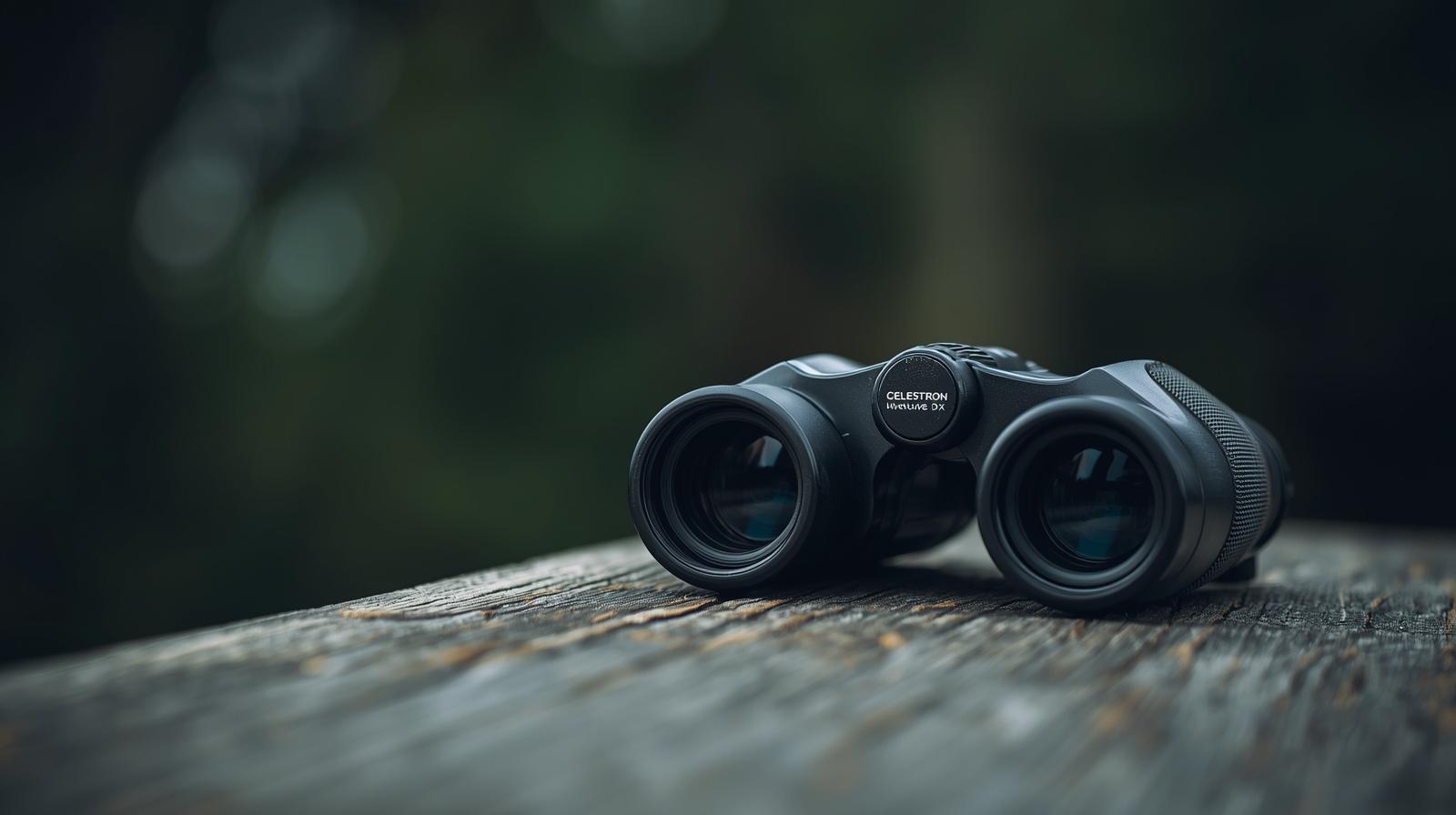
This is where most people should start — and honestly, many should stop here too.
What it’s built for:
- Birdwatching
- Travel
- Hiking
- General outdoor use
Real-world feel:
You pick it up, and it doesn’t feel like a compromise. The focus is smooth, the image snaps quickly, and it doesn’t fight you when light conditions drop.
Why it works so well:
- Fully multi-coated optics
- Phase-coated prisms (rare at this price)
- Waterproof + fog-proof build
Who it’s perfect for:
Someone who wants one binocular that actually performs everywhere.
SkyMaster Series — Built for Distance and Darkness
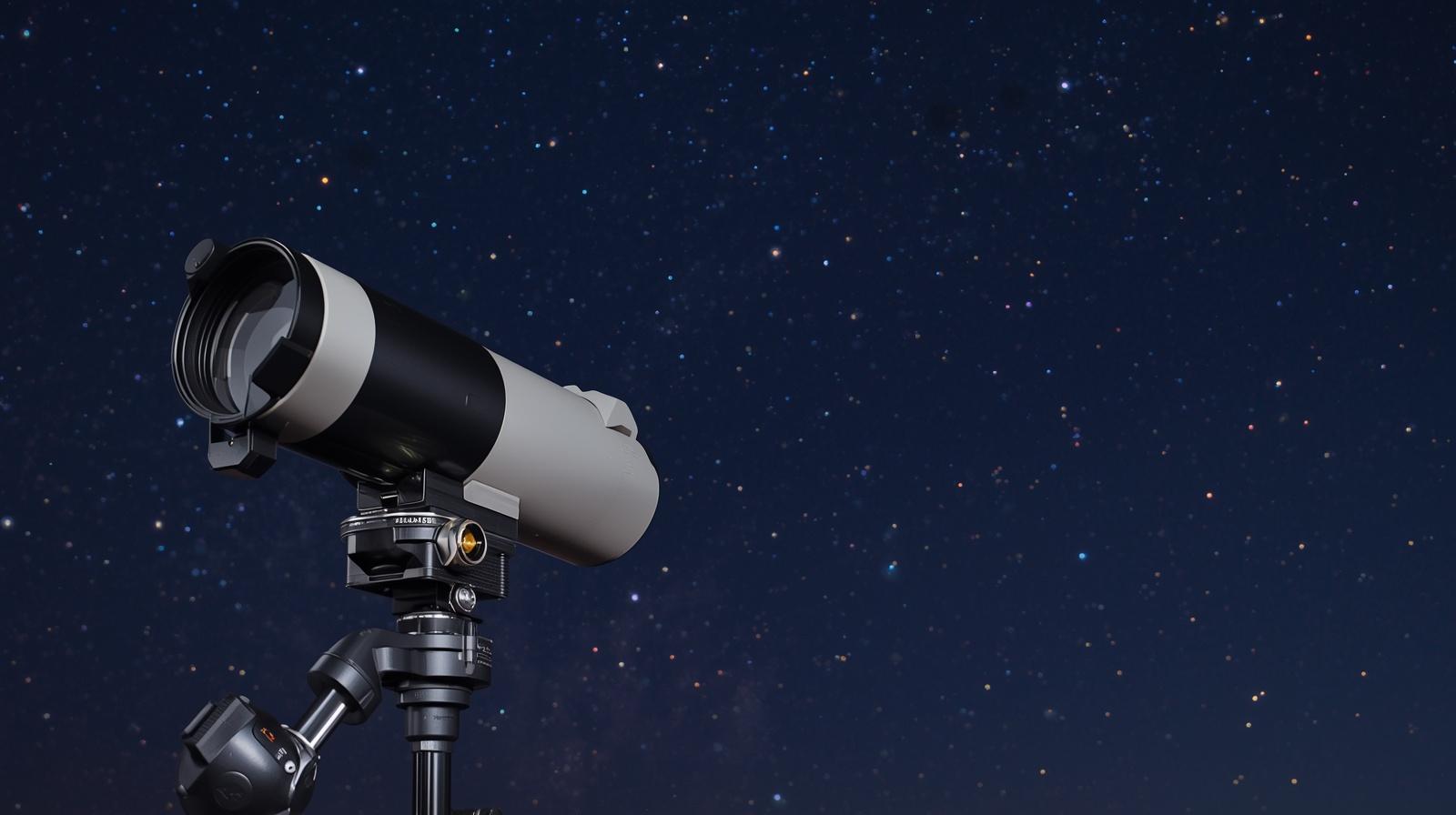
SkyMaster is where things get serious — and slightly impractical if you don’t know what you’re doing.
What it’s built for:
- Astronomy
- Long-distance observation
- Open landscapes
Real-world truth:
These are not casual binoculars. They’re powerful, heavy, and demand stability.
Why people love them:
- Massive objective lenses (70mm+)
- Incredible light gathering
- Surprisingly sharp central image
The catch:
You’ll likely need a tripod. Your hands are not superheroes.
UpClose / Outland Series — Entry-Level Reality Check

These are beginner-friendly, but let’s not romanticize them.
They’re good for:
- Casual users
- Kids or first-time buyers
- Backup optics
They’re not good for:
- Serious birding
- Low-light performance
- Detail-heavy observation
How to Choose the Right Celestron Binoculars (Without Guessing)
If you’re choosing based on “10x looks better than 8x,” congratulations, you’ve joined 90% of confused buyers.
Let’s simplify it.
1. Magnification vs Stability
- 8x → Stable, wider view, better for moving targets
- 10x → More detail, but shakier
- 15x+ → You need support, or you’ll see nothing but vibration
2. Objective Lens (Light Matters More Than You Think)
- 32mm → Lightweight, decent in daylight
- 42mm → Best balance
- 50mm+ → Low-light performance, but heavier
3. Field of View (FOV)
This is where people mess up.
- Wider FOV = easier tracking
- Narrow FOV = tunnel vision
For birding or moving subjects, FOV matters more than magnification.
4. Build Quality (Ignore Marketing Words)
Focus on:
- Rubber armor grip
- Waterproof rating
- Fog-proof nitrogen purging
Everything else is marketing decoration.
Top 3 Celestron Binoculars Worth Buying (2026 Picks)
No fluff. Just what actually holds up.
1. Celestron Nature DX 8×42 — Best Overall
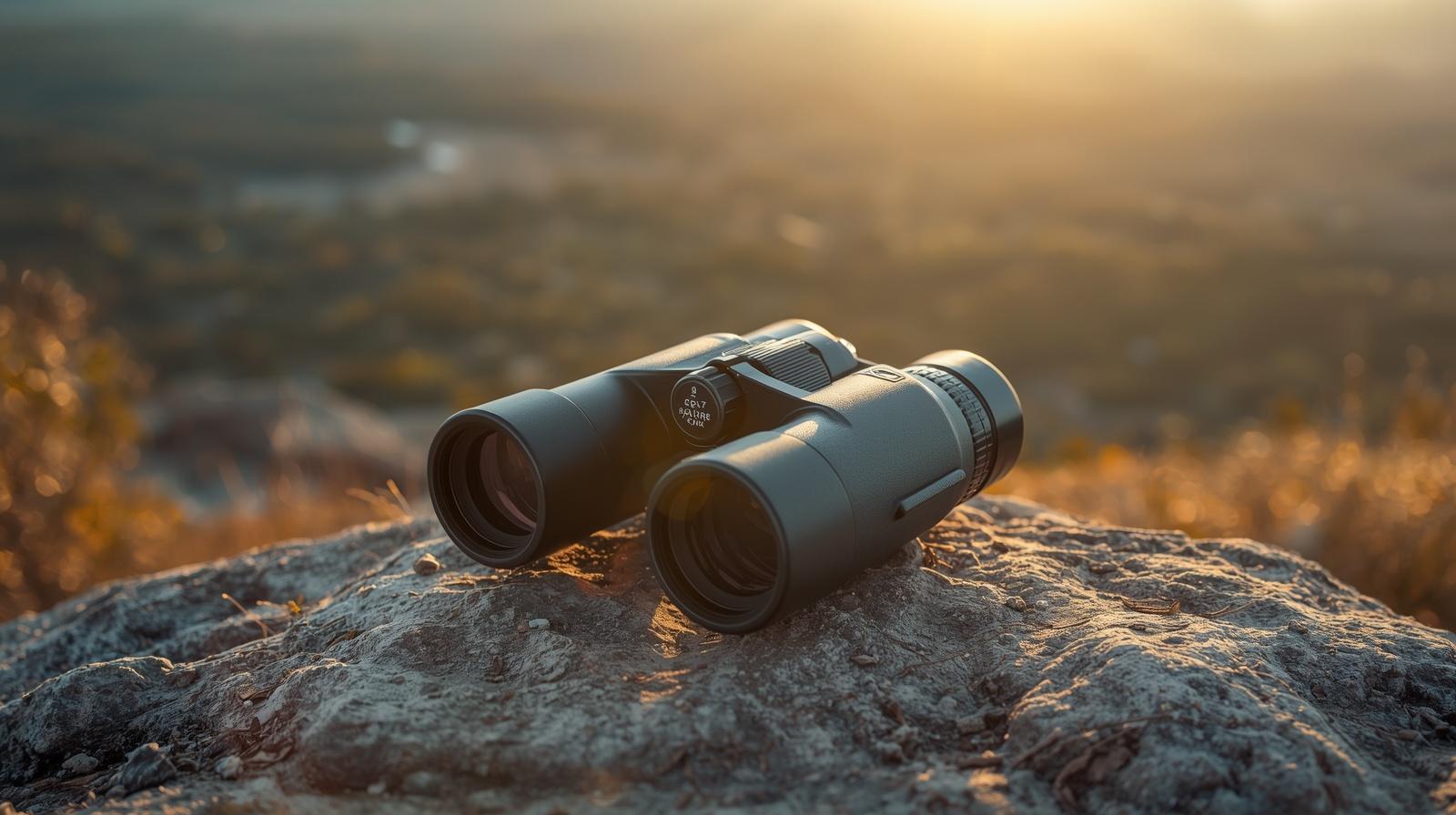
Why it wins:
- Balanced magnification
- Strong low-light performance
- Comfortable for long use
Real use case:
Early morning birdwatching where light is soft and contrast matters.
Pros:
- Sharp center image
- Durable build
- Excellent value
Cons:
- Slight softness at edges
- Not ultra-premium
2. Celestron SkyMaster 15×70 — Best for Stargazing
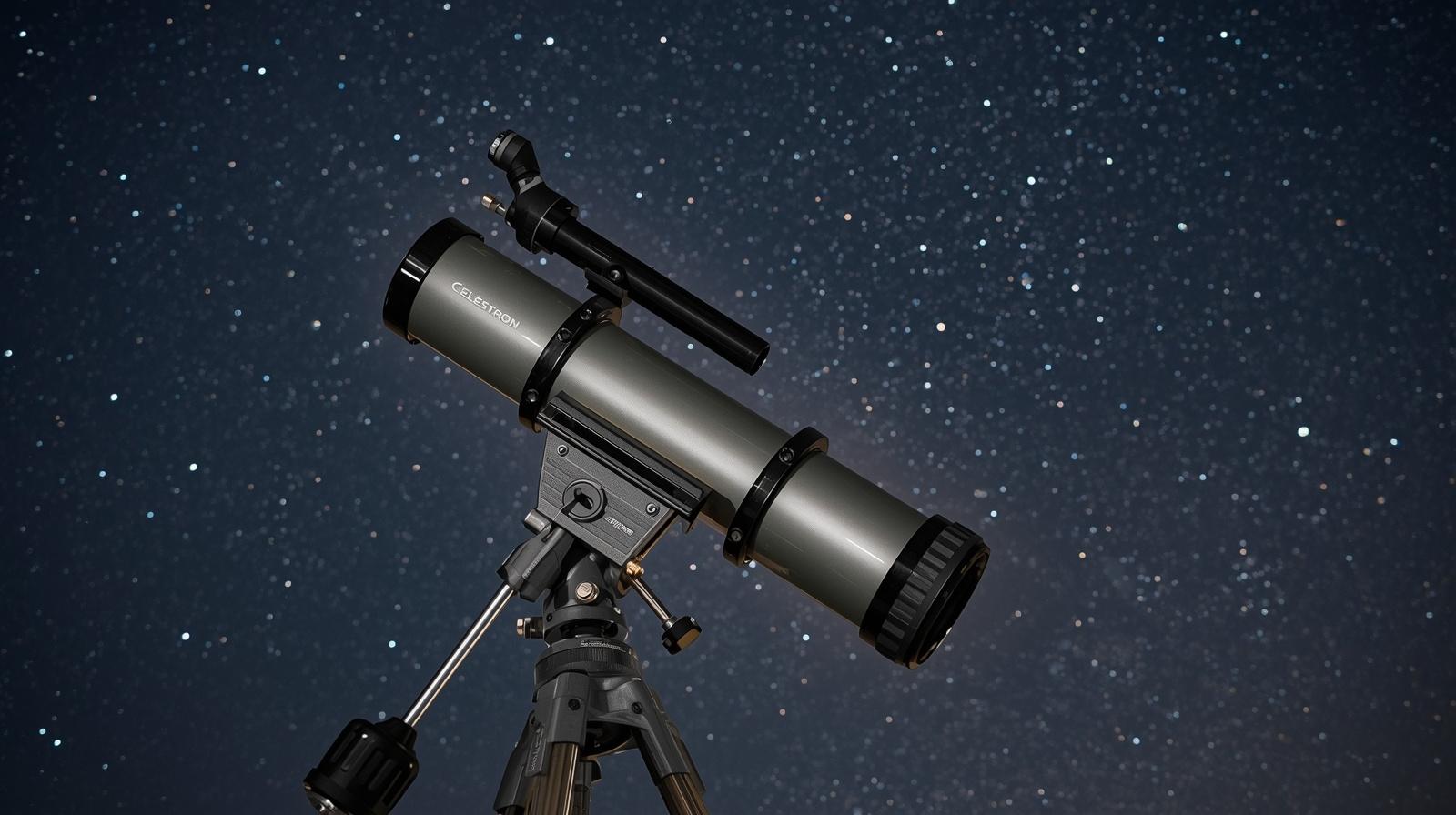
Why it stands out:
- Huge light intake
- Great for celestial viewing
Real use case:
Viewing the moon’s craters or scanning star clusters.
Pros:
- Bright images
- Massive reach
Cons:
- Heavy
- Needs tripod
3. Celestron Outland X 10×42 — Budget Performance Pick
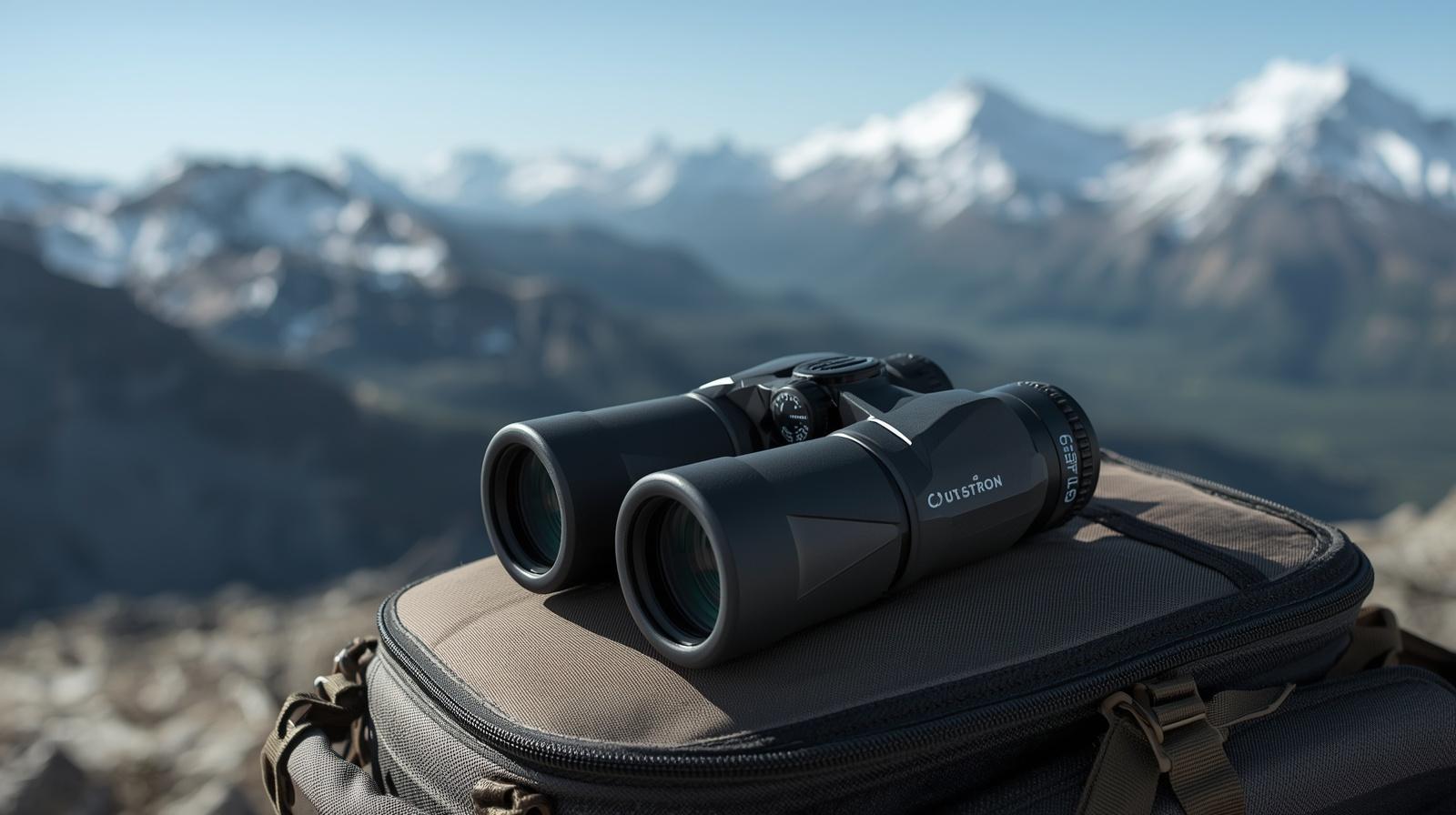
Why it works:
- Affordable but usable
- Decent optics for casual use
Real use case:
Travel, hiking, occasional wildlife spotting.
Pros:
- Lightweight
- Good grip
Cons:
- Average clarity
- Limited low-light performance
Comparison Table (Quick Decision View)
| Model | Best For | Strength | Weakness |
|---|---|---|---|
| Nature DX 8×42 | All-purpose | Balanced optics | Edge softness |
| SkyMaster 15×70 | Astronomy | Light gathering | Heavy |
| Outland X 10×42 | Budget use | Affordable | Average clarity |
Real Use Case Scenarios (Where People Actually Use Them)
Birdwatching at Dawn

You need:
- Wide FOV
- Good light transmission
Best choice: Nature DX 8×42
Stargazing in Low Light
You need:
- Large objective lenses
- Stability
Best choice: SkyMaster 15×70
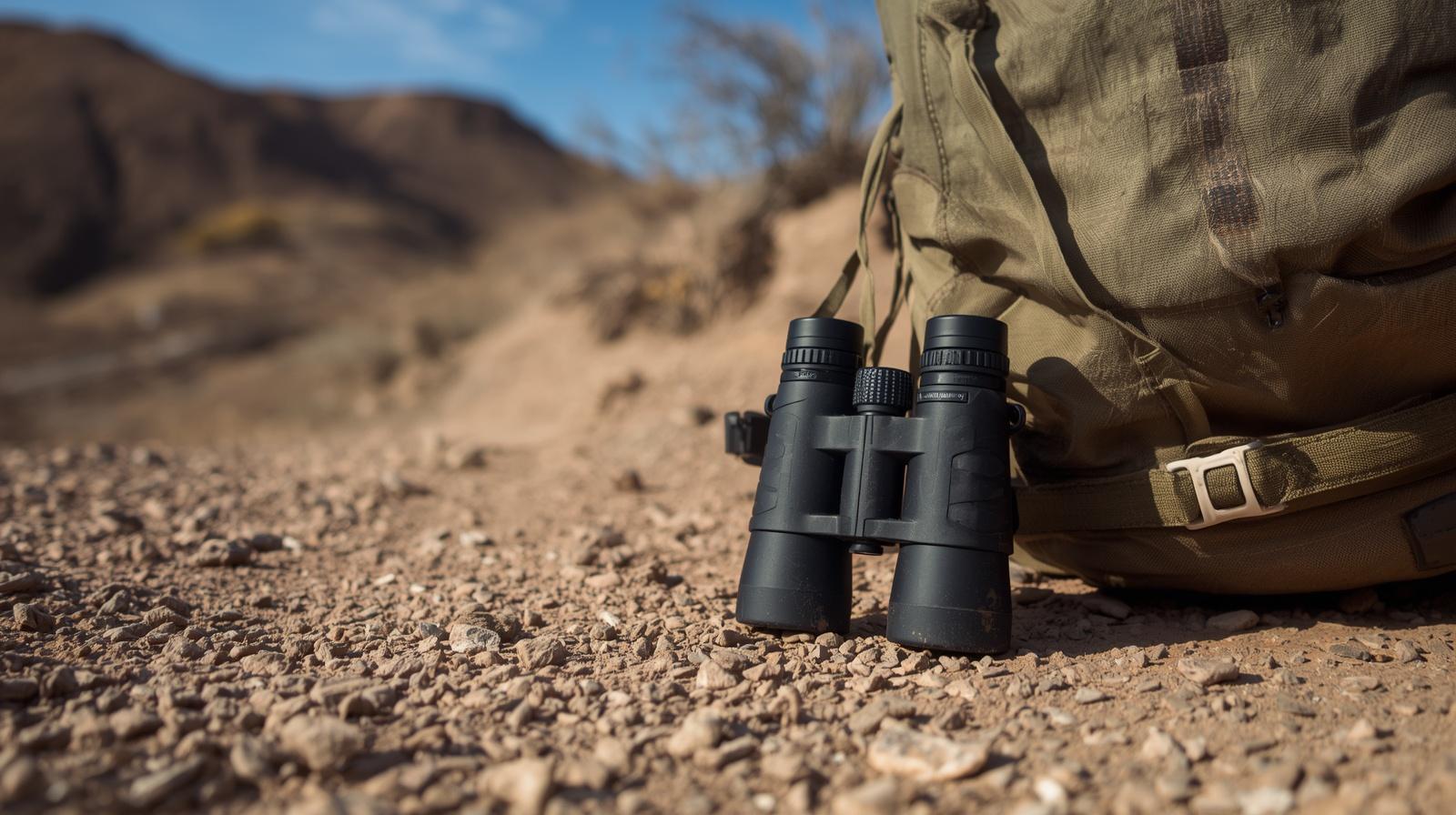
Travel & Hiking
You need:
- Lightweight
- Durable
Best choice: Outland X 10×42
Celestron vs Competitors (Reality Check)
People love comparing brands like it’s a football match.
Here’s the honest breakdown:
- Celestron vs Nikon → Nikon wins in premium optics, Celestron wins in value
- Celestron vs Bushnell → Bushnell stronger in rugged builds, Celestron better for astronomy
- Celestron vs cheap brands → Not even a competition
For a deeper breakdown, read:
👉 Celestron vs Nikon Binoculars (2026): Which Brand Is Better?
Are Celestron Binoculars Worth It?
Short answer: yes — if you choose the right model.
Long answer:
They deliver where it matters — clarity, usability, and purpose-built design — without draining your wallet.
For a full breakdown of strengths and weaknesses:
👉 Are Celestron Binoculars Good? Honest Pros & Cons Explained
Buyer Psychology: What Most People Get Wrong
Let’s call it out.
People:
- Overestimate magnification
- Ignore ergonomics
- Buy based on price alone
The result?
A binocular they don’t enjoy using.
The right choice is the one you’ll actually use regularly, not the one with the biggest numbers.
Common Mistakes Buyers Make When Choosing Celestron Binoculars
Before jumping into FAQs, let’s address the quiet disasters happening in buyers’ heads. Most poor purchases don’t happen because Celestron made a bad product. They happen because the buyer misunderstood what they needed.
Overvaluing Magnification Numbers
There’s this obsession with “more zoom = better.” It sounds logical, but in practice, higher magnification often reduces usability. A 15x binocular might sound impressive until your hands turn the image into a vibrating mess. Unless you’re using a tripod, anything above 10x can quickly become frustrating.
Ignoring Ergonomics and Handling
Specs don’t tell you how a binocular feels after 20 minutes. Models like the Nature DX series succeed because they balance weight, grip, and comfort. If a binocular feels awkward, you won’t use it. And unused gear is just expensive decoration.
Buying Without a Clear Use Case
This one is surprisingly common. People buy astronomy binoculars for hiking or compact travel binoculars for night sky observation. Different environments demand different optics. The SkyMaster series thrives in low light, while something like Outland X is better suited for portability.
Falling for “Budget Traps”
Cheap binoculars often look like a deal upfront, but poor coatings and weak build quality show up quickly. Fogging, blurry edges, and poor durability turn that “budget win” into a regret purchase. Celestron’s mid-range models exist for a reason — they avoid this trap.
Not Thinking About Long-Term Use
The right binocular isn’t just about today. It’s about whether you’ll still enjoy using it six months from now. A well-chosen model like the Nature DX keeps delivering because it adapts to multiple scenarios, from travel to wildlife observation.
Still Not Sure? Explore These Celestron Guides Before You Decide
If you’re still overthinking (you probably are), here’s where to go next:
- 👉 Best Celestron Binoculars for Stargazing (2026 Guide)
- 👉 Best Celestron Binoculars for Beginners (2026 Complete Guide)
- 👉 Celestron Binoculars Review: Are They Worth Buying in 2026?
- 👉 Celestron Binoculars Price Guide (2026): What You Should Expect to Pay
- 👉 How to Choose Celestron Binoculars (Step-by-Step Buyer’s Guide)
- 👉 Celestron Binoculars for Astronomy vs Birding: Key Differences Explained
And if you want the full ecosystem instead of just one brand:
👉 Explore everything on the main hub: Best Binoculars Buying Guides & Expert Reviews
Final Thoughts
Celestron doesn’t try to impress you with unnecessary luxury. It focuses on usable performance, and that’s exactly why it works.
If you:
- Want reliable optics
- Don’t want to overspend
- Actually plan to use your binoculars
Then yes, Celestron deserves your attention.
Pick the right series, match it to your use, and suddenly binoculars stop being confusing and start being… useful. Funny how that works.
FAQs
What is the best Celestron binocular for beginners?
Nature DX 8×42 offers the best balance of usability, clarity, and price.
Are Celestron binoculars good for stargazing?
Yes, especially the SkyMaster series with large objective lenses.
Is 10x better than 8x magnification?
Not always. 8x is more stable and easier to use for most people.
Do Celestron binoculars work in low light?
Models like Nature DX and SkyMaster perform well due to better coatings and lens size.
Are they waterproof?
Most mid-range models like Nature DX and Outland X are waterproof and fog-proof.




