
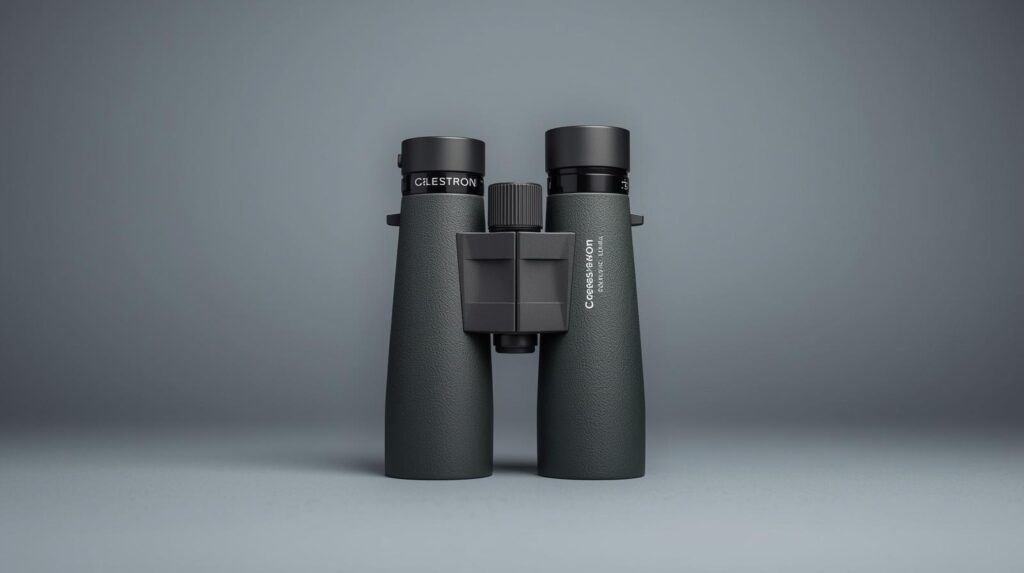
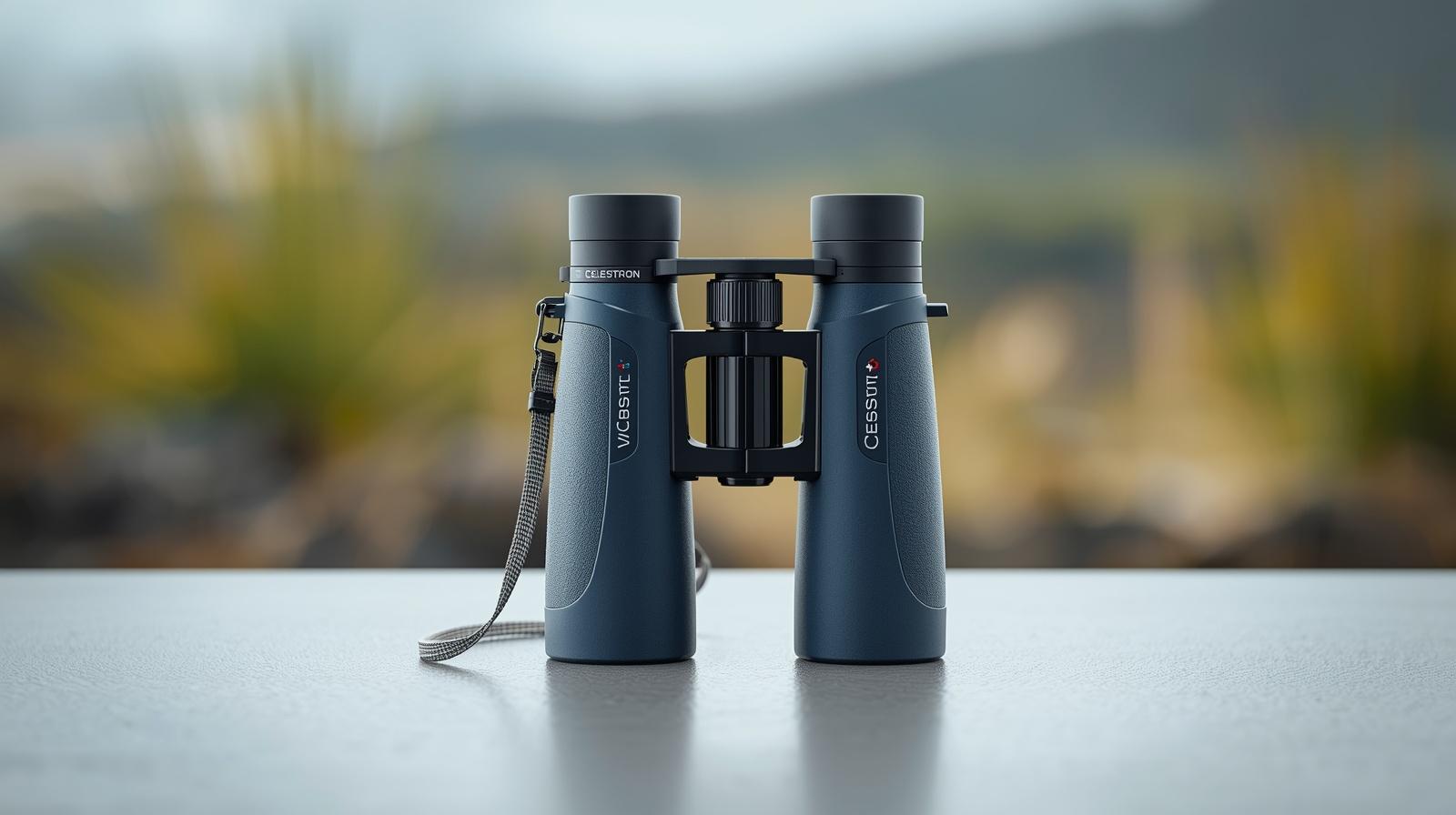
Getting into binoculars sounds simple until you actually try to buy one. Suddenly you’re staring at specs like 8×42, BAK-4 prisms, multi-coated lenses, and wondering if you need a physics degree just to watch birds or the night sky.
If you’re searching for the best Celestron binoculars for beginners, you’re already on the right track. Celestron has quietly built a reputation for offering beginner-friendly optics that don’t feel cheap after a month of use.
This guide cuts through the noise. No spec dumping. No recycled nonsense. Just what actually works for beginners in real situations.
Why Celestron Is a Smart Starting Point
Most beginners make one mistake: they either go too cheap and regret it instantly, or overspend on features they don’t understand.
Celestron sits right in that sweet spot.
- Reliable optical quality without premium pricing
- Beginner-friendly models that don’t overwhelm
- Wide range covering birding, travel, and stargazing
- Durable builds that survive actual use (not shelf display)
If you want a deeper breakdown of how the brand performs overall:
👉 Celestron Binoculars (Ultimate Buying Guide 2026)
What Beginners Actually Need (Not What Specs Tell You)
Let’s simplify this before we dive into models.
Magnification: Keep It Manageable
- 8x → Stable, easy to use (best for beginners)
- 10x → More zoom, but shakier
- 15x+ → Tripod territory, not beginner-friendly
Objective Lens (the second number)
- 32–42mm → Ideal balance of brightness + portability
- 50mm+ → Brighter but heavier
Weight Matters More Than You Think
If your arms get tired in 5 minutes, you’ll stop using them. Simple.
Field of View
Wider = easier to find and track objects. Beginners benefit massively from this.
Best Celestron Binoculars for Beginners (Top Picks)
1. Celestron Nature DX 8×42 — The Safe, Smart Choice
If you want one recommendation and zero regrets, this is it.
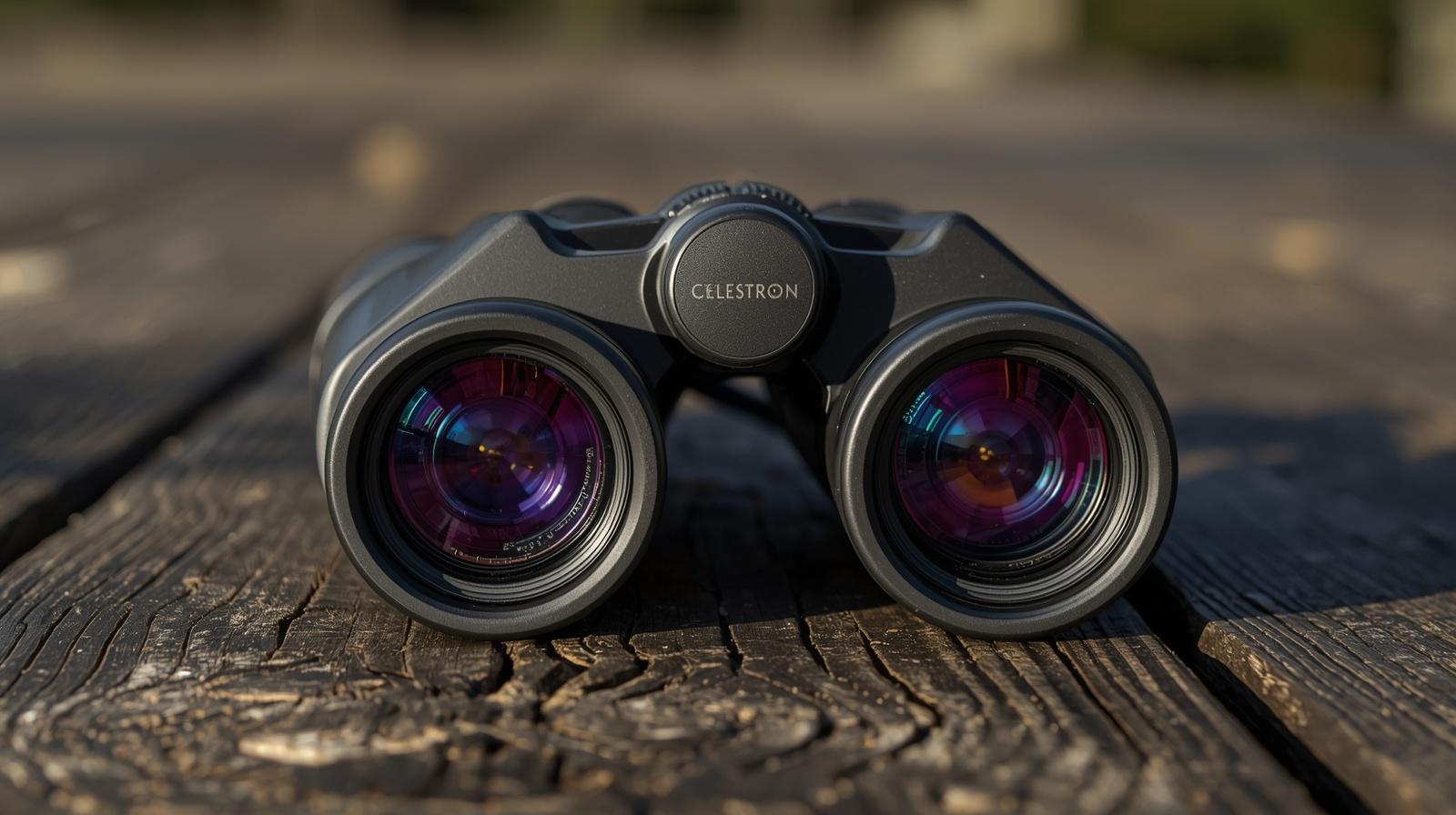
Why it works:
- 8x magnification keeps things steady
- 42mm lenses give solid brightness even at dusk
- Waterproof and fog-proof (not a gimmick, actually useful)
- Wide field of view makes tracking easy
Real-world use:
You’re standing in a park trying to follow a moving bird or scanning a distant building. These don’t fight you. They cooperate.
Pros:
- Extremely beginner-friendly
- Sharp image for the price
- Comfortable for long use
- Durable build
Cons:
- Not ultra-light
- Not meant for deep-sky astronomy
Verdict:
If you’re confused, buy this and move on with your life.
2. Celestron Nature DX 10×42 — More Reach, Slight Trade-Off
Same family, slightly more zoom.
What changes:
- 10x magnification gives more detail
- Slightly harder to keep steady
- Narrower field of view
Use case:
Better for:
- Long-distance viewing
- Coastal or open landscapes
Not ideal if:
- You have shaky hands
- You’re completely new
Verdict:
Upgrade option if you want more reach and can handle stability.
3. Celestron SkyMaster 15×70 — For Beginners Interested in Stargazing
This is where things shift.
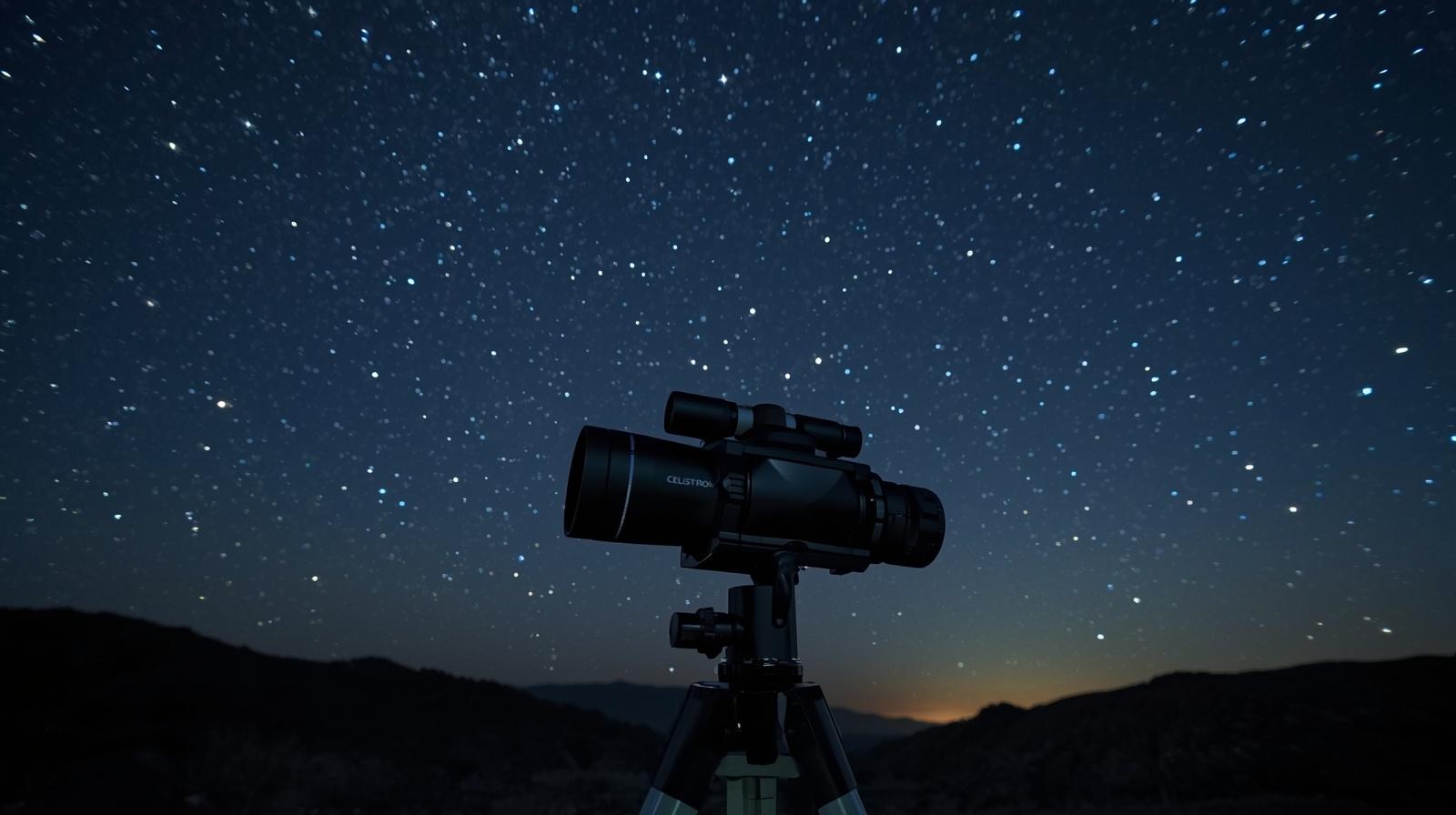
Why it stands out:
- Massive light-gathering capability
- Perfect for moon, star clusters, and bright deep-sky objects
- Budget-friendly entry into astronomy
Reality check:
- Heavy
- Needs a tripod
- Not for casual daytime use
Pros:
- Incredible night sky visibility
- High magnification
- Great value for astronomy
Cons:
- Not handheld-friendly
- Bulky
- Narrow use case
If you’re serious about space viewing:
👉 Best Celestron Binoculars for Stargazing (2026 Guide)
Verdict:
Not a general beginner binocular. But for stargazing? Excellent.
Quick Comparison Table
| Model | Best For | Magnification | Ease of Use | Portability |
|---|---|---|---|---|
| Nature DX 8×42 | General beginners | 8x | Very easy | Medium |
| Nature DX 10×42 | Distance viewing | 10x | Moderate | Medium |
| SkyMaster 15×70 | Stargazing | 15x | Difficult | Low |
Real Use Cases (Where Each Actually Shines)
Birdwatching or Nature Walks
Go with Nature DX 8×42
- Wide view
- Easy tracking
- Lightweight enough
Travel and General Use
Again, 8×42 wins
- Versatile
- Doesn’t scream “heavy gear”
Coastal or Mountain Viewing
10×42 makes more sense
- Better reach
- Slight trade-off in stability
Night Sky Exploration
SkyMaster 15×70
- Only if you’re okay using a tripod
Common Beginner Mistakes (That You’ll Regret)
1. Chasing High Magnification
More zoom ≠ better experience.
It usually means shaky views and frustration.
2. Ignoring Comfort
If it’s uncomfortable, you won’t use it. Period.
3. Buying Ultra-Cheap Models
Blurry optics = instant disappointment.
You’ll end up buying again anyway.
4. Overthinking Specs
You don’t need to memorize prism types.
Focus on usability.
Buyer Tips That Actually Matter
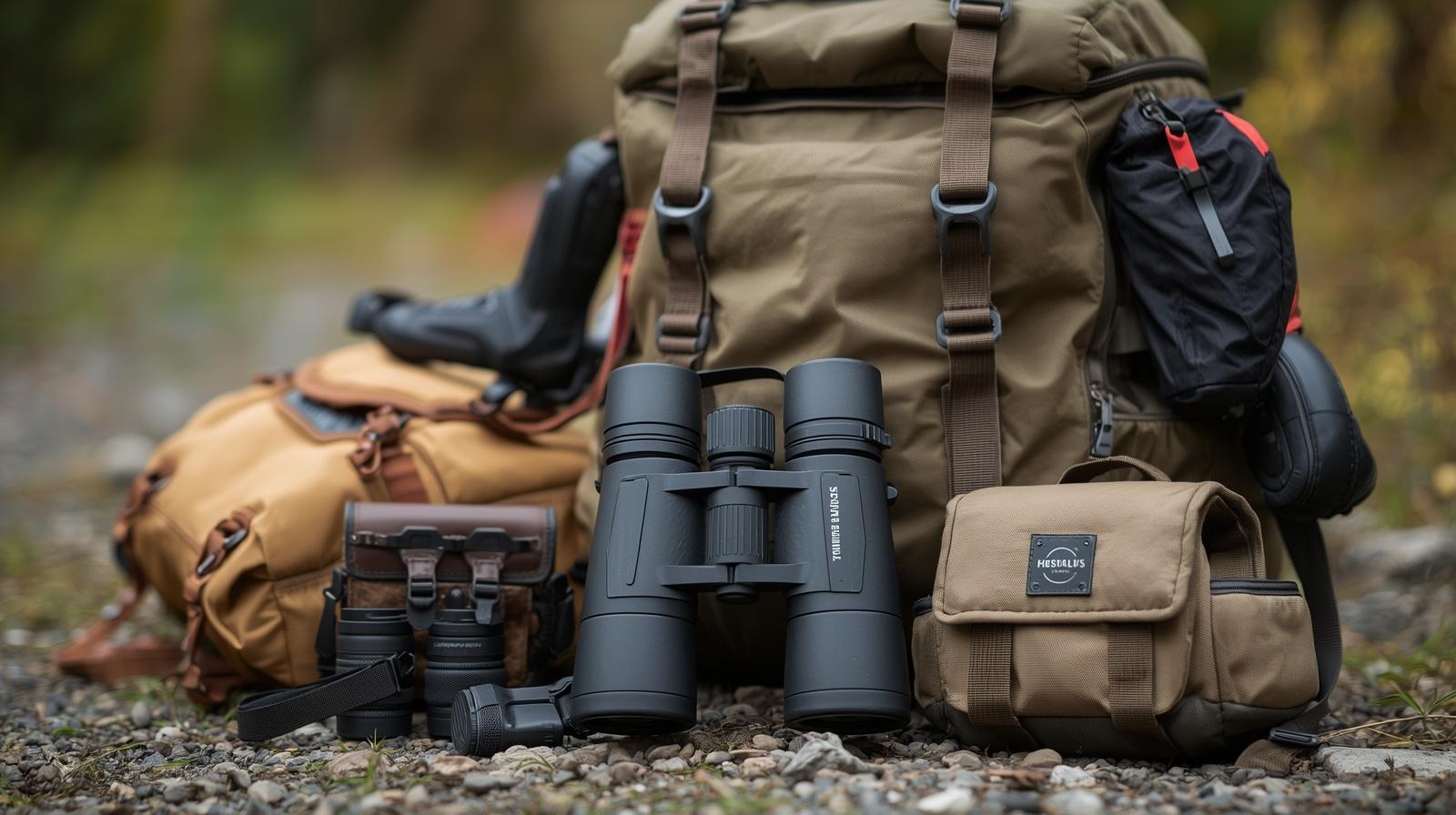
Test Grip and Feel (if possible)
Comfort matters more than specs.
Start with 8x Magnification
There’s a reason experienced users recommend it.
Consider Your Primary Use
- Nature → 8×42
- Distance → 10×42
- Space → 15×70
Don’t Skip Build Quality
Waterproofing and coating aren’t marketing fluff. They matter.
Are Celestron Binoculars Good for Beginners?
Short answer: yes.
Long answer: they’re one of the few brands that don’t punish beginners for not knowing everything.
For a deeper breakdown:
👉 Are Celestron Binoculars Good? Honest Pros & Cons Explained
And if you’re comparing brands:
👉 Celestron vs Nikon Binoculars (2026): Which Brand Is Better?
Honest Take: Which One Should You Buy?
Let’s remove the drama.
- If you want simplicity → Nature DX 8×42
- If you want more zoom → Nature DX 10×42
- If you want stars → SkyMaster 15×70
That’s it. No need to overcomplicate it.
What Most Beginners Still Wonder
By the time someone reaches this point in the guide, they usually have one thing going on in their head:
“Okay… but am I actually choosing the right one for my situation?”
And honestly, fair. Specs don’t answer that. Real-life usage does.

Here’s the part most guides skip.
Even after narrowing it down to something like the Nature DX or SkyMaster series, beginners still hesitate because:
- They don’t trust their decision yet
- They’re unsure if they’ll actually use it enough
- They’re afraid of buying “the wrong one”
Let’s simplify that.
If your usage looks like this:
- Casual outdoor trips
- Travel, parks, occasional nature viewing
→ You will not regret choosing Nature DX 8×42
If your usage is more like:
- Long-distance viewing
- Mountains, coastline, open landscapes
→ Then Nature DX 10×42 makes more sense
And if you’re sitting there thinking:
“I mainly want to look at the sky, not trees”
→ Then just accept reality and go with SkyMaster 15×70 + tripod
That’s it. Decision made. No need to spiral into 25-tab research mode.
Also, one uncomfortable truth:
Your first binocular is rarely your “forever” binocular.
It’s your learning tool. The one that teaches you what you actually enjoy.
Once you use it consistently for a few weeks, your preferences become obvious. Until then, chasing perfection is just procrastination disguised as research.
Now that your internal debate is (hopefully) under control, let’s handle the most common beginner questions properly.
FAQs
What is the best Celestron binocular for beginners?
The Celestron Nature DX 8×42 is the best beginner option due to its balance of clarity, ease of use, and durability.
Are Celestron binoculars good for first-time users?
Yes, they are known for offering user-friendly designs and reliable optics at affordable prices, making them ideal for beginners.
Should beginners choose 8x or 10x binoculars?
Beginners should start with 8x magnification because it is easier to stabilize and provides a wider field of view.
Are SkyMaster binoculars good for beginners?
They are good for beginners interested specifically in astronomy, but they are not ideal for general everyday use.
Final Thoughts (From Someone Who’s Seen Too Many Bad Choices)
Most beginners don’t fail because binoculars are complicated. They fail because they try to be “smart” and over-optimize.
Start simple. Use something that works. Build experience.
If you want more detailed insights and comparisons across models:
👉 Celestron Binoculars Review: Are They Worth Buying in 2026?
Or explore more guides and resources here:
👉 bestbinocular.net
You don’t need the “best binocular.” You need the one you’ll actually use.




