
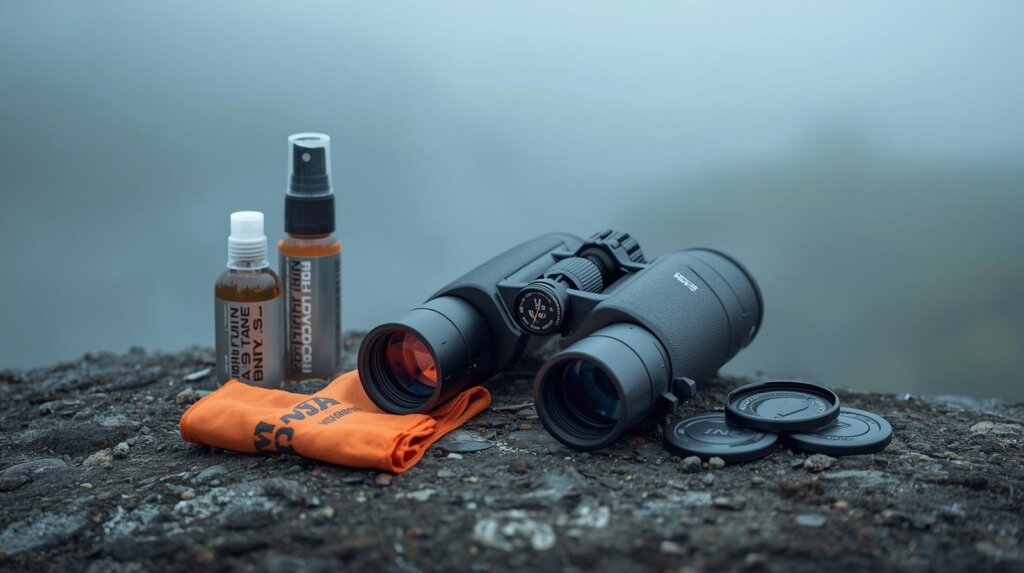
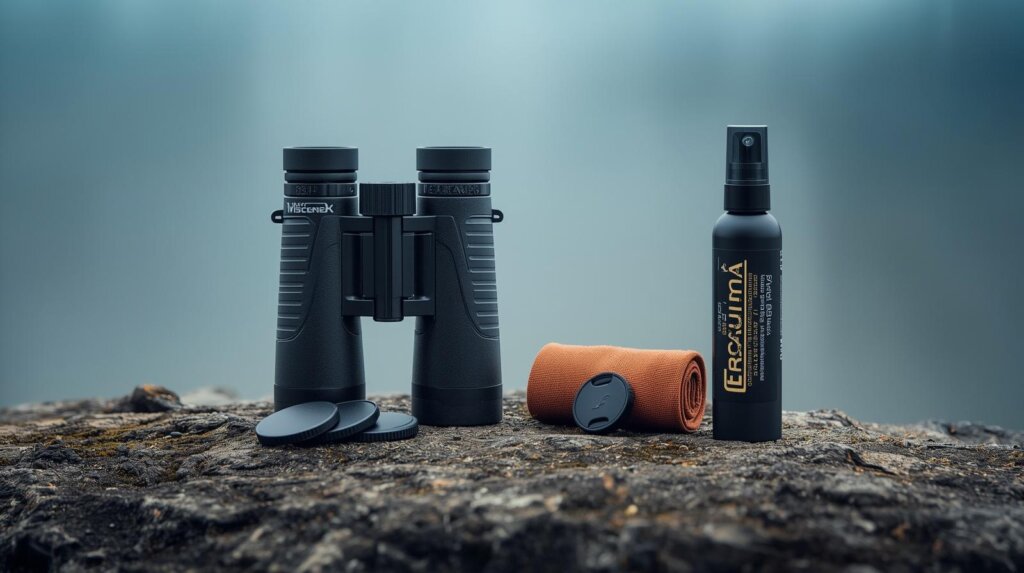
How to Prevent Lens Fogging Outdoors
You do not notice lens fogging when you are standing in your hallway. You notice it when the light gets good, the air turns cold, and the moment you wanted to see lasts about three seconds. A bird lands on a nearby branch, wildlife appears across a clearing, or the clouds finally lift from a distant peak—and all you see is a blurry haze.
That is why learning how to prevent lens fogging outdoors is more than a tiny maintenance question. It is a real usability issue for binocular owners, hikers, hunters, birders, and travelers. A fogged lens can ruin a ridge view at sunrise, interrupt a wildlife sighting, or leave you repeatedly wiping your binoculars instead of enjoying the view.
Fogging happens when moisture in the air condenses on a lens surface that is cold enough. You might notice it after taking chilled binoculars into warm, humid air or when your breath reaches cold eyepieces. Even binoculars designed to resist internal fogging can still develop condensation on their outer lenses.
The frustrating part is that fogging is not always caused by “bad binoculars.” Sometimes it is your storage habit, your breathing pattern, or the way you carry them between viewing sessions. The weather, your jacket pocket, and your car heater can all affect the temperature and moisture around the lenses. Wiping them may briefly clear the view, but the haze can return if those conditions remain the same.
The good news is that a few practical habits can help reduce the problem. Allowing time for temperature changes, keeping damp equipment out of a closed case, and avoiding breathing directly onto the eyepieces are useful starting points. Understanding when your lenses fog makes it easier to prepare before your next outing—and spend more time watching what you came to see.
If you are already dealing with moisture problems, start with our full guide on how to stop binoculars from fogging. If the lenses are already misted over, read our related post on how to defog binocular lenses.
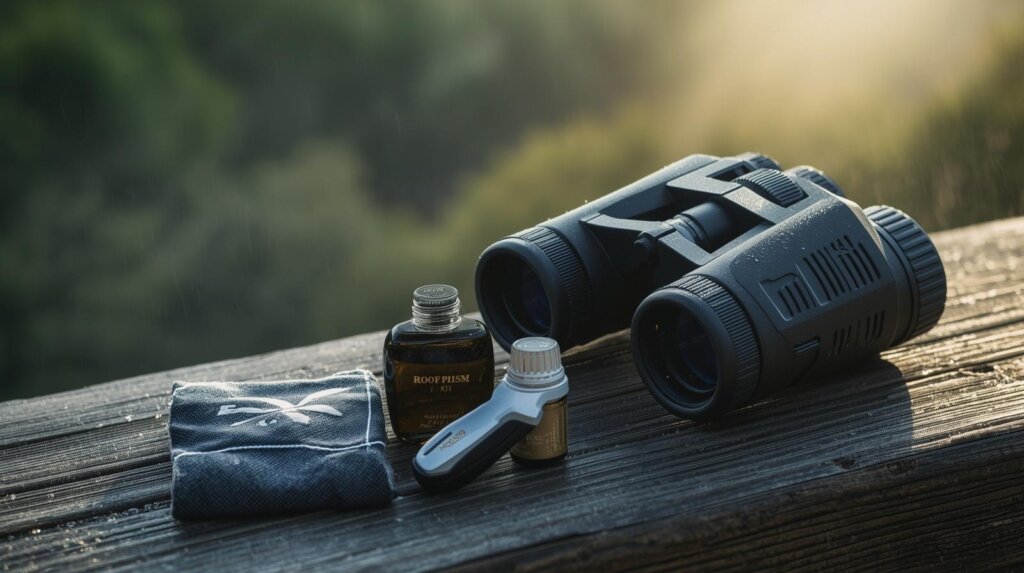
Why lenses fog outdoors in the first place
Fogging is simple in theory and annoying in practice. Warm air carries moisture. When that warm, moist air hits a colder lens surface, that moisture turns into tiny droplets. Those droplets scatter light, and suddenly your clear view becomes a gray blur.
With binoculars, this happens most often in a few situations:
- You leave a warm car and step into cold air
- You pull binoculars out from under a warm jacket
- You breathe too close to the eyepieces
- You move from an air-conditioned room into humid weather
- You use optics at dawn, dusk, rain, snow, or heavy humidity
This is why people often think the binocular is the problem when the real issue is the temperature transition.
External fogging vs internal fogging
This distinction matters more than most buyers realize.
External fogging happens on the outer lens surfaces. It is common, fixable, and usually tied to temperature and humidity.
Internal fogging happens inside the binocular. That is more serious. It usually points to a failed seal, poor waterproofing, or moisture intrusion over time.
If your lenses only fog on the outside during cold or humid outings, that is usually an outdoor-use issue. If you keep seeing haze inside the optics, read our guide on how to defog binocular lenses so you can tell whether the moisture is external or internal.
The fastest way to prevent lens fogging outdoors
The best answer to how to prevent lens fogging outdoors is not one product. It is a routine.
Here is the routine that works best in real use:
Let binoculars acclimate before use
This is the biggest fix, and most people skip it.
If your binoculars were in a warm house or heated car, do not snap them into use the second you step outside. Give them a few minutes to adjust to the outdoor temperature. That one habit prevents a surprising amount of fog.
For winter birding or cold-weather glassing, I prefer keeping binoculars in an unheated entryway, gear bag, or trunk for a short time before the outing instead of bringing them straight from a hot room.
Stop breathing directly onto the eyepieces
A lot of fogging is self-inflicted.
When you raise binoculars quickly, your breath can hit the eyecups and eyepieces, especially if you wear a neck gaiter, scarf, mask, or high-collar jacket. In cold weather, this becomes obvious fast.
Try a slightly lower chin angle and keep a bit of space between your face covering and the eyepieces. Small change, big difference.
Use the objective and eyepiece caps when you are not actively viewing
Caps are not just for storage. Outdoors, they reduce exposure to moist air, drizzle, and sudden temperature shifts between uses. If you glass in short intervals, capping between viewing sessions helps more than people think.
Keep lenses clean, but do not over-clean
Dirty lenses fog more annoyingly because oils and residue make condensation spread unevenly. But constant rubbing is not the answer either.
A clean lens surface, wiped properly with optics-safe materials, is less frustrating in humid conditions than a smeared one with sunscreen, fingerprints, and dust.
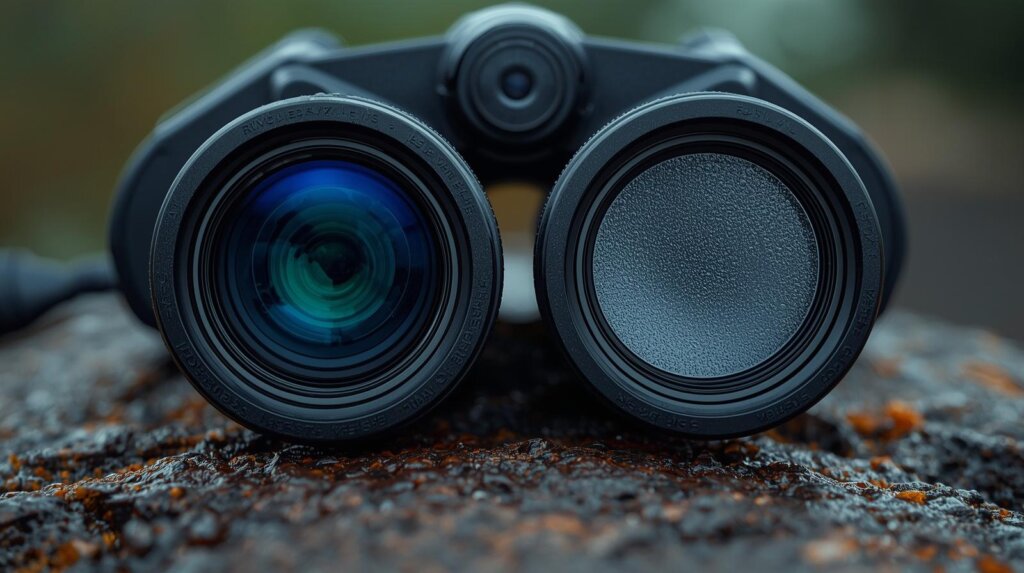
What actually helps and what is mostly hype
There are dozens of “anti-fog” solutions out there, and not all of them belong anywhere near coated optics.
The options that make sense
| Solution | Works well for outdoor fogging? | Best use case | Downsides |
|---|---|---|---|
| Temperature acclimation | Yes | Everyday outdoor use | Requires patience |
| Lens caps between uses | Yes | Intermittent viewing | Easy to forget |
| Optics-safe anti-fog treatment | Sometimes | Humid or cold repeated use | Must be lens-safe |
| Waterproof nitrogen- or argon-purged binoculars | Yes | Frequent outdoor users | Costs more |
| Proper storage case with silica gel | Yes | Long-term moisture control | Not an instant fix |
What I would avoid
- Household glass sprays
- Random anti-fog products meant for bathroom mirrors
- Shirt hems, tissues, or paper towels
- Heavy breathing into the lens and then wiping it off
- Cheap “miracle cloths” with unclear coatings
This is where people accidentally damage lens coatings while trying to solve fogging.
One product worth considering
If you want one practical affiliate-style recommendation that actually fits this topic, choose an optics-safe anti-fog treatment like the ZEISS AntiFOG Kit. It makes sense for users who spend a lot of time outdoors in damp mornings, cold transitions, or mixed weather. I would not rely on it as the only solution, but paired with acclimation and good storage habits, it can reduce repeated surface fogging without turning your maintenance routine into a science project.
The Mistake People Make When Shopping for “Fog-Proof” Binoculars
A lot of buyers search for “fog-proof binoculars” and assume that means the lenses will never fog outdoors.
That is not what it means.
Usually, when brands say fog-proof, they mean the binoculars are sealed and gas-purged to reduce internal fogging. That is valuable. It helps a lot. But it does not mean the outside glass will magically ignore humidity and temperature shifts.
So when you shop, think like this:
- If you hike, hunt, birdwatch, or travel in changing weather, prioritize waterproof and purged binoculars
- If you mostly use binoculars casually, good habits may matter more than premium sealing
- If you wear glasses or face coverings outdoors, pay extra attention to breathing-related fog
In other words, spend money where your environment justifies it.
Real-world outdoor scenarios where fogging shows up fast
Early morning birding
Dawn is beautiful and annoying at the same time. Cool air, wet grass, rising humidity, and warm breath all gang up on your binoculars. In this case, acclimation plus careful breathing control usually works better than frantic wiping.
Winter sports and mountain viewpoints
This is where face coverings make fogging worse. Warm exhaled air rises straight into the eyepieces. If you are stopping often to glass from scenic pull-offs or ridgelines, keep your binoculars outside the jacket and as close to ambient temperature as possible.
Humid trails and tropical travel
Humidity creates a different problem. The air is already heavy with moisture, so any cooler lens surface becomes a magnet for condensation. On these outings, anti-fog treatment can help, but clean lenses and a dry storage setup matter more over the course of the trip.
Boat decks, marshes, and rainy days
Waterproof construction matters most here. If your binoculars are not properly sealed, moisture problems become cumulative. If you spend serious time around water, your next pair should not just be “weather resistant.” It should be truly waterproof.
Storage habits that reduce outdoor fogging later
People usually focus on what to do during the trip. The smarter move is also fixing what happens before and after.
Do not seal damp binoculars in a case
If moisture got on the body or around the eyecups, let the binoculars dry before sealing them away. Trapped moisture creates repeat problems later.
Store with silica gel packs
This is a low-cost habit and one of the best ones. A dry case is a friendlier place for optics than a soft bag that lives in a humid closet.
Avoid car-dashboard storage
A hot dashboard followed by a cool outdoor outing is practically asking for condensation trouble. Temperature swings like that make outdoor fogging more likely.
Keep your cleaning kit simple
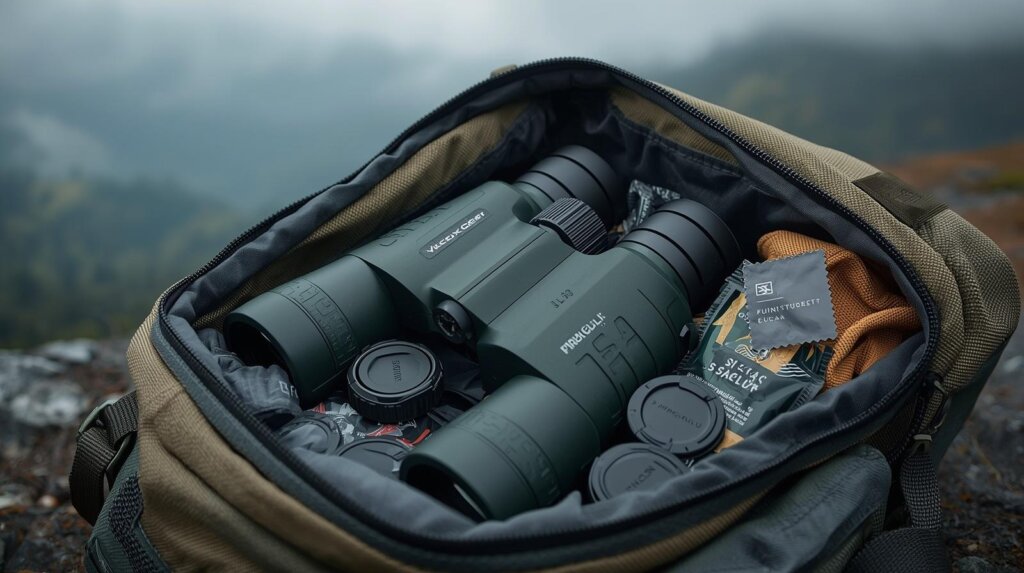
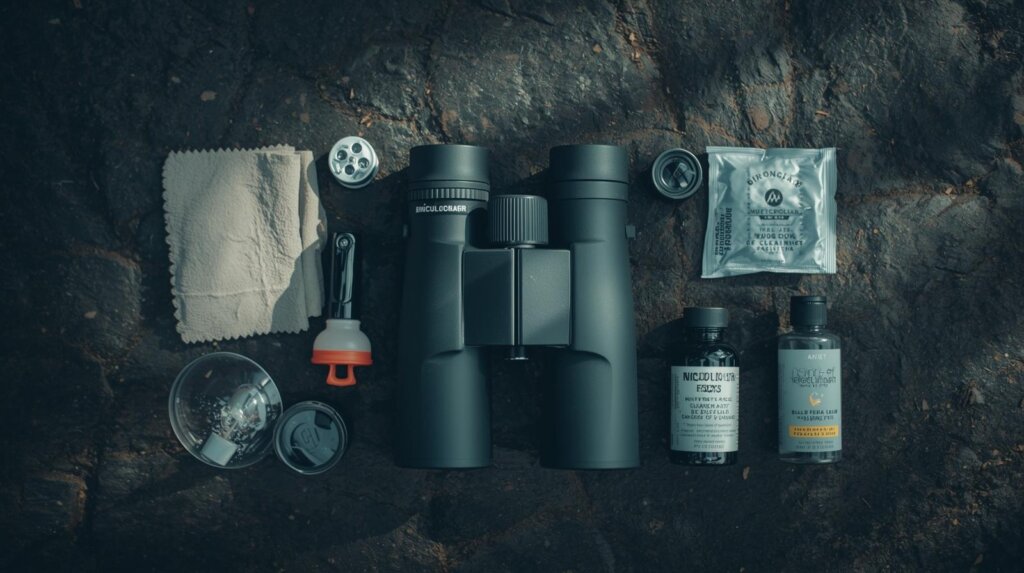
You do not need a drawer full of gadgets. A blower, an optics-safe microfiber cloth, and a lens-safe cleaning solution are enough for most people.
For more maintenance habits beyond fogging alone, browse the latest tips on the Best Binocular blog or head back to the bestbinocular.net home page to explore buying advice and comparison content across different use cases.
Common mistakes that make outdoor lens fogging worse
Tucking binoculars inside your jacket
It feels smart because you are “protecting” them from the cold. In reality, you are warming them with body heat and setting them up to fog the second they meet cold air again.
Wiping fog immediately with whatever is nearby
A fogged lens plus a dirty sleeve equals smeared grime. And smeared grime is harder to clean than light condensation.
Buying non-waterproof binoculars for wet conditions
If your typical outings involve cold mornings, damp woods, marshes, coastal air, or sudden rain, this is false economy. You save once and deal with fogging issues every trip after that.
Ignoring eyecup and face setup
Sometimes the issue is not the lens. It is the airflow around your face. Eyecup position, glasses fit, neck gaiters, and breathing angle all affect fogging more than beginners expect.
Use-case comparison: what works best for different outdoor users
| Outdoor user | Main fogging trigger | Most effective fix | Nice extra |
|---|---|---|---|
| Birdwatcher at dawn | Cool humid air + warm breath | Acclimate before use | Anti-fog kit |
| Hunter in cold weather | Jacket warmth + freezing air | Keep optics outside jacket | Waterproof purged binoculars |
| Traveler in humid climate | AC to outdoor humidity shift | Dry storage + clean lenses | Silica gel packs |
| Hiker in mixed weather | Intermittent use and drizzle | Lens caps between uses | Waterproof case |
| Glasses wearer | Breath and facial airflow | Adjust eyecups and face angle | Anti-fog treatment |
How to choose binoculars if outdoor fogging is a constant problem
If this issue keeps bothering you, do not just keep fighting symptoms. Match the binocular to the climate.
Prioritize waterproofing first
Waterproof binoculars are usually better built for variable outdoor conditions. That alone does not stop all external fogging, but it gives you a much better starting point.
Look for nitrogen or argon purging
This helps prevent internal moisture problems, which is especially important if you regularly move through wet or cold environments.
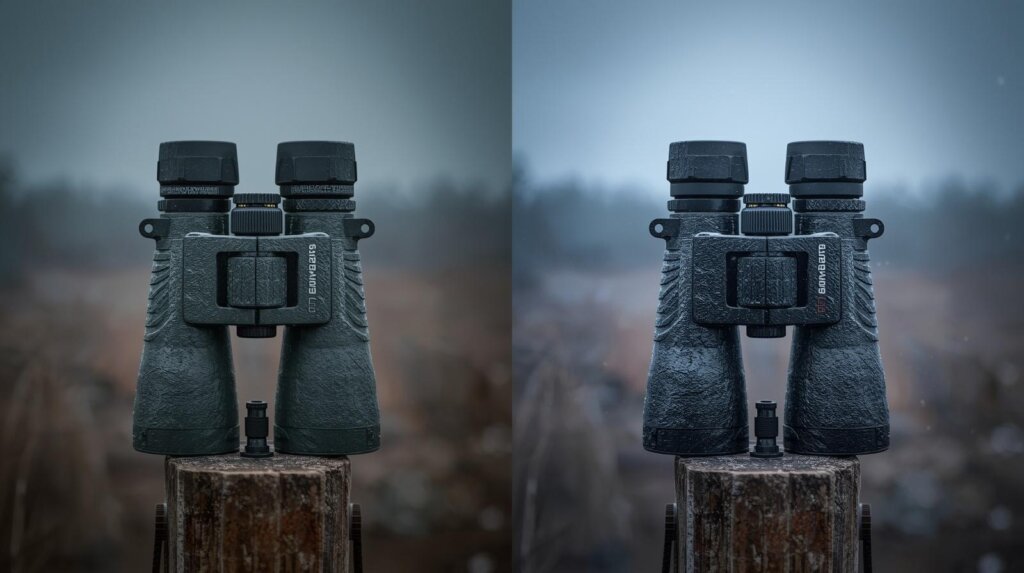
Check the armor and grip
Why does this matter? Because if a binocular is easy to handle with gloves or damp hands, you are less likely to fumble it, breathe on it awkwardly, or shove it into a warm jacket between uses.
Think about your actual environment, not the product page fantasy
A lot of people buy for bright, sunny days and actually use their binoculars in cold mornings, mist, woods, lakesides, or travel conditions. Buy for the weather you really face.
Pros and cons of the main anti-fog approaches
Acclimation
Pros: Free, effective, safe for coatings, works almost everywhere
Cons: Requires planning and patience
Anti-fog lens treatment
Pros: Useful in repeat fogging conditions, portable, easy to reapply
Cons: Must be optics-safe, not a complete solution
Waterproof purged binoculars
Pros: Better long-term reliability, less internal moisture risk, ideal for outdoor use
Cons: Higher price
Dry storage with silica gel
Pros: Cheap, smart, preventive, helpful for long-term care
Cons: Does not fix instant field fogging
Final thoughts
The best answer to how to prevent lens fogging outdoors is usually less dramatic than people expect. It is not about one magic coating or one miracle wipe. It is about understanding why fog happens, then removing the small habits that trigger it.
Let the binoculars acclimate. Keep them out of your jacket. Control where your breath goes. Use lens caps between viewing sessions. Store them dry. And if you spend a lot of time in cold or humid places, stop treating waterproof, purged binoculars as a luxury feature. For serious outdoor use, they are often the practical choice.
If you want the broader big-picture strategy, read how to stop binoculars from fogging. If you are trying to clear already-fogged optics, visit how to defog binocular lenses. And if cold-weather outings are your main pain point, the next article to read is how to keep binoculars from fogging in cold weather.
FAQs
Can anti-fog spray damage binocular lenses?
It can if it is not made for coated optical lenses. That is the key point. Never assume a general anti-fog spray is safe just because it works on glasses or mirrors. Use products specifically labeled safe for coated optics.
Why do my binoculars fog when I take them outside?
Because the lens temperature and the surrounding air are out of sync. Warm binoculars meeting cold air, or cool binoculars meeting humid air, can both create condensation on the outer lens surfaces.
Are waterproof binoculars completely fog-proof?
Not completely. They are much better at preventing internal fogging, but the exterior lenses can still fog in the right conditions.
Is it okay to wipe fog off with a shirt?
It is common, but it is not a good habit. Fabric can grind dust, oils, or grit across the lens surface and make cleaning worse over time.
What is the best low-cost way to prevent lens fogging outdoors?
Acclimate the binoculars before use, avoid warming them inside your jacket, and store them with silica gel in a dry case. Those three habits solve a lot without costing much.
Do glasses make binocular fogging worse?
Sometimes, yes. They change airflow and can push warm breath toward the eyepieces, especially in cold weather or when wearing a face covering.




