
How to Stop Binoculars From Fogging
You do not really notice how much fogging ruins a viewing session until it happens at the exact wrong moment. A bird breaks from the reeds at sunrise, a buck steps out just before last light, a distant ridge finally clears after rain, and your binocular lenses turn milky at the edges. Not broken. Not dirty. Just useless for a minute when you needed them most.
That is why learning how to stop binoculars from fogging matters more than most buyers realize. Sharp glass is only sharp when you can actually see through it. And in the field, fogging is one of those small annoyances that becomes a big performance problem fast.
The tricky part is that fogging is not one single issue. Sometimes it is surface mist from warm breath. Sometimes it is sudden temperature shock when you walk outside from a heated room. Sometimes it is poor storage habits. And sometimes it points to a deeper problem inside the binocular that no cloth or spray will truly fix. Treat every fogging issue the same way and you usually end up half-solving it.
So this page is built around real use, not showroom theory. The goal is simple: help you stop fogging before it starts, deal with it fast when it does, and understand when the problem is minor versus when your binoculars are telling you something is wrong. If you hunt, birdwatch, travel, hike, watch sports in winter, or keep binoculars in a vehicle, this is one of those boring-sounding topics that quietly saves a lot of frustration.
There is also a buying angle here, and it is worth saying plainly. Some anti-fog habits cost nothing. Others depend heavily on the design and sealing quality of the binocular itself. A nitrogen- or argon-purged waterproof binocular with good external coatings generally handles harsh transitions far better than a cheap, loosely sealed model. That does not mean you need to overspend. It does mean the cheapest glass often becomes expensive in annoyance.
If your main goal is better all-weather viewing, the short answer to how to stop binoculars from fogging is this: avoid rapid temperature swings, manage moisture before it hits the glass, store your binoculars intelligently, and choose gear that is sealed well enough to resist condensation in the first place. The longer answer is what actually helps in the field, so let’s get into it.
Why Binoculars Fog in the First Place
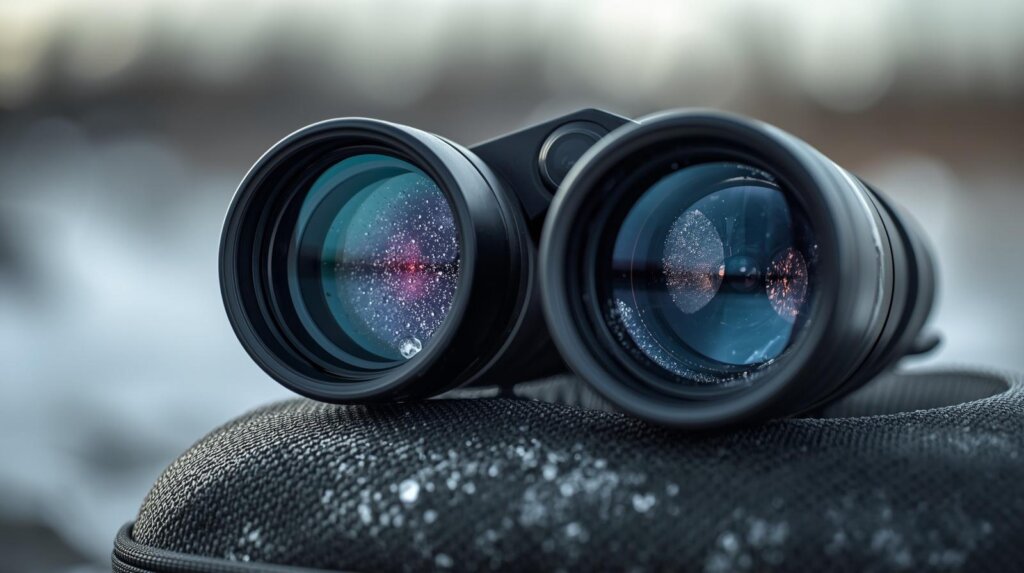
Fogging is moisture turning into a thin layer of condensation on a cooler surface. With binoculars, that cooler surface is often the eyepiece, objective lens, or sometimes the internal optics if sealing has failed. The reason it feels random is because it depends on three things arriving at the same time: temperature difference, humidity, and exposure.
A binocular coming from an air-conditioned car into hot, humid air is a perfect example. The glass is cool, the surrounding air is moist, and condensation forms quickly. The reverse can happen too. Take a warm binocular from indoors into freezing air, and now the heat from your face and breath can fog the eyepieces while the outer body struggles to equalize.
That is why people who spend time near marshes, coastlines, snowfields, riverbanks, dawn blinds, mountain overlooks, or stadiums in winter usually complain about fogging more than casual backyard users. The environment is doing most of the work.
External Fogging vs Internal Fogging
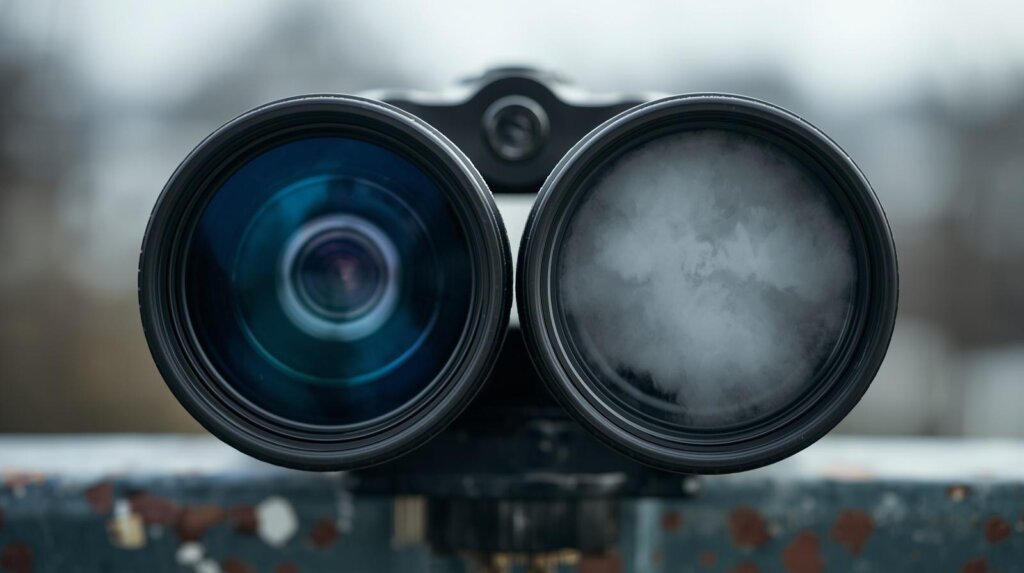
This distinction matters. External fogging appears on the outside surfaces and is usually fixable in the moment. Internal fogging shows up inside the binocular and often indicates compromised seals or moisture intrusion.
External fogging is the common problem. It comes from breath, humidity, body heat, damp bags, or rapid transitions between warm and cold environments. You can usually wipe it, warm the binocular gradually, or prevent it with better habits.
Internal fogging is different. If you keep seeing haze, ghosty moisture, or a fog-like film inside the optics, that is not normal field behavior. It often means the binocular is no longer properly sealed, and any gas purging that once helped prevent condensation has likely been lost. If that sounds familiar, this companion read explains the warning signs in more detail: why do binoculars fog up inside.
Why Some Binoculars Fog More Than Others
Not all fogging problems come from user habits. Build quality matters. Better binoculars usually have tighter sealing, more dependable waterproofing, and more consistent purging. Budget models may claim weather resistance but still struggle with repeated humidity swings.
Lens shape and eyecup design also play a role. Some eyepieces seem to trap warm facial moisture more easily. Some users with deep-set eyes or who wear neck gaiters, masks, or high collars create a little fog chamber around the ocular lenses without realizing it.
And then there is use pattern. A binocular sitting in a dry cabinet behaves differently from one stored in a truck door, used at dawn, handled with wet gloves, then dropped back into a damp case. Same model, very different life.
How to Stop Binoculars From Fogging Before It Starts
Prevention is where almost all the real wins happen. Once lenses fog mid-session, you are already reacting. The smarter play is reducing the conditions that cause condensation in the first place.
Let the Binocular Acclimate Gradually
The fastest route to fogging is a sudden temperature swing. If your binoculars are cool and the air is warm and damp, or warm and the air is cold, condensation gets a head start.
Try not to move binoculars straight from one extreme into another and start using them immediately. Leave them in a vestibule, entryway, car trunk, or closed bag for a short time so the temperature can change more gently. Even a modest transition period helps.
This sounds minor, but it is one of the most effective answers to how to stop binoculars from fogging. A lot of fogging problems are not about bad glass. They are about impatience.
Keep Them in a Protective Case, but Not a Damp One
A case helps buffer fast temperature changes, but only if the case itself is dry. A damp padded case can become its own little humidity box. If your binoculars go into storage slightly wet, that moisture lingers close to the surfaces.
Dry the case regularly. Open it after wet outings. Never assume a zipped case equals safe storage.
If storage is where your problems begin, this related page is worth reading next: how to store binoculars to prevent fogging.
Watch Your Breath Around the Eyepieces
This is a classic cold-weather problem. People lean in, exhale, and the eyepieces haze instantly. The binocular did not fail. Your breath got there first.
Scarves, masks, high collars, and neck gaiters can make this worse by redirecting warm air upward. If you have ever wondered why your binoculars fog more in winter than your friend’s identical pair, check your breathing pattern and face covering setup before blaming the optics.
For cold-condition tactics that actually work in the field, take a look at how to keep binoculars from fogging in cold weather.
Avoid Leaving Binoculars in a Car Overnight
Vehicles are rough on optics. Heat during the day, cold at night, trapped humidity, and repeated temperature cycling all add up. A binocular that lives in a glovebox, dashboard compartment, or truck console tends to experience more condensation stress than one stored indoors.
It is convenient, yes. It is also one of the quiet reasons people keep searching how to stop binoculars from fogging after buying a supposedly weatherproof model.
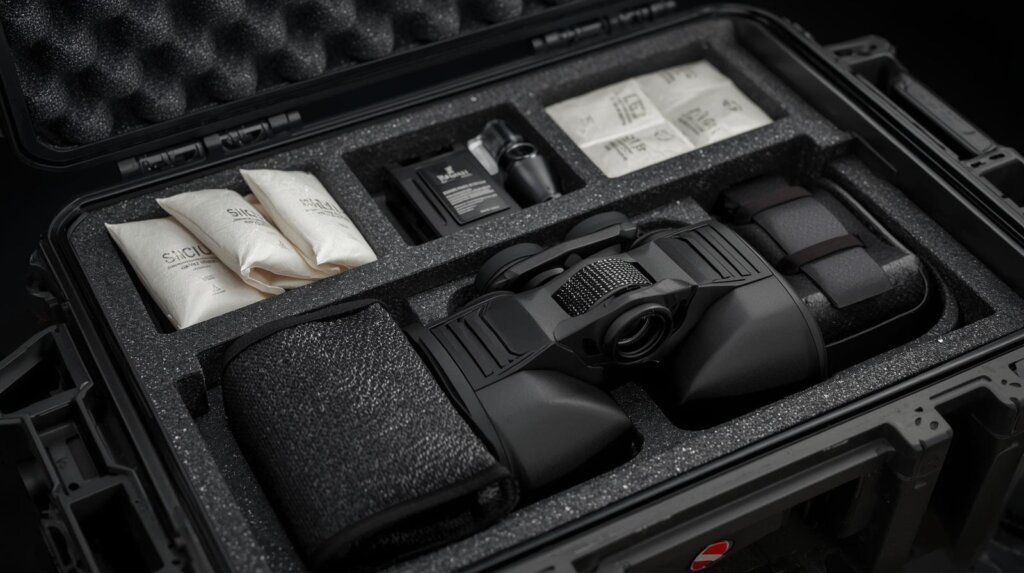
Use Silica Gel Packs the Right Way
Silica packs help in storage, especially inside a cabinet, dry box, or larger gear case. They reduce ambient moisture and support long-term dryness. But they are not magic if the binocular is already wet or if the storage area is constantly humid.
Use fresh or recharged packs. Replace weak ones. Keep them near the binocular in storage, not rubbing against lenses or stuffed into eyecups.
Field-Proven Ways to Handle Fogging Outdoors
When fogging happens outdoors, speed matters. You want the lens clear without grinding in grit, smearing moisture, or making the problem worse.
Use a Clean Microfiber Cloth, Not Your Shirt
A shirt hem works in a pinch, but it is not ideal. Dirt, detergent residue, and fabric texture can leave streaks or micro-abrasion over time. A dedicated microfiber cloth is cheap insurance.
Wipe gently. Let the moisture lift. Do not scrub in frustration.
This is especially important if the fogging mixes with fine dust, salt spray, or pollen. Smearing that slurry over coated glass is how people slowly ruin lens surfaces while trying to save them.
Move the Binocular Out of the Humid Zone
Sometimes the solution is not wiping. It is changing where the binocular is sitting relative to your body and breath. Pull it slightly away from your face. Let the lenses clear. Keep your exhale pointed down and away. Then resume viewing.
That tiny adjustment often works faster than repeated wiping on cold mornings.
Warm the Binocular Slowly With Your Hands, Not Direct Heat
Do not blast a fogged binocular with a heater, hair dryer, dashboard vent, or campfire warmth. Fast, uneven heat can stress seals and coatings, especially on lower-end builds.
Your hands or a protected bag can help the optic equalize more gently. Avoid direct heat and avoid repeatedly moving the binocular between a warm jacket and cold air.
Anti-Fog Cloths and Sprays: Useful, but Not Universal
Some anti-fog products work well on certain external surfaces. Some leave haze, residue, or weird streaking. And some are not ideal for every lens coating. Always check compatibility before applying anything.
In practice, I tend to like anti-fog products more for occasional problem conditions than as a daily routine. They can help, especially for eyepieces in cold weather, but they are not a substitute for good moisture control and better storage habits.
If you want a focused breakdown of quick fixes and daily habits, jump into anti-fog tips for binoculars.
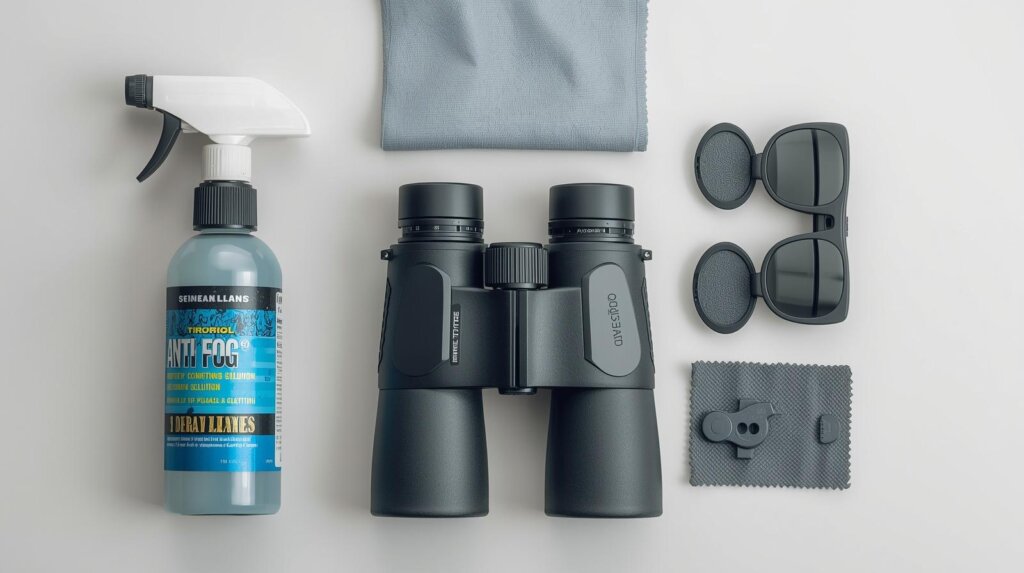
Best Products That Naturally Help Stop Binoculars From Fogging
Some products reduce fogging without turning your binocular routine into a chemistry experiment. The best choices are practical, boring, and effective.
Waterproof and Purged Binoculars
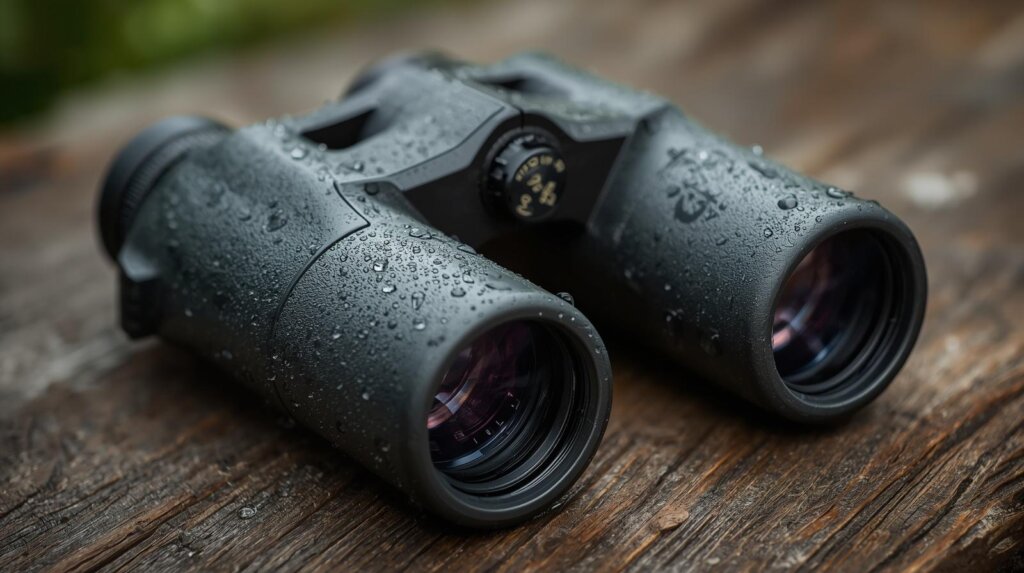
If you are still shopping, a truly waterproof and nitrogen- or argon-purged binocular is the strongest product-level answer to how to stop binoculars from fogging. This does not stop every bit of outside condensation, but it dramatically lowers the chance of internal moisture trouble and usually improves all-weather reliability.
Look for:
- Fully waterproof construction, not vague “weather resistant” wording
- Nitrogen or argon purging
- Better-reviewed sealing consistency
- Twist-up eyecups that do not trap moisture too aggressively
Microfiber Lens Cloths
This is the easiest add-on recommendation because almost everyone needs one. Keep one in the bino case and one in your pocket. Cheap cloths are fine if they stay clean. The real issue is replacing them once they become damp, oily, or gritty.
Anti-Fog Lens Treatment
For users dealing with repeat eyepiece fogging in winter, a lens-safe anti-fog treatment can be worth testing. I would not pitch it as essential for every user, but for stadium viewing, dawn observation, marine use, and cold-weather glassing, it can be a nice backup tool.
Dry Storage Box or Dehumidified Cabinet
If you own more than one binocular, or you live in a humid climate, storage upgrades matter more than people think. A dry cabinet is not just for camera people. It is genuinely helpful if your optics spend months cycling through damp seasons.
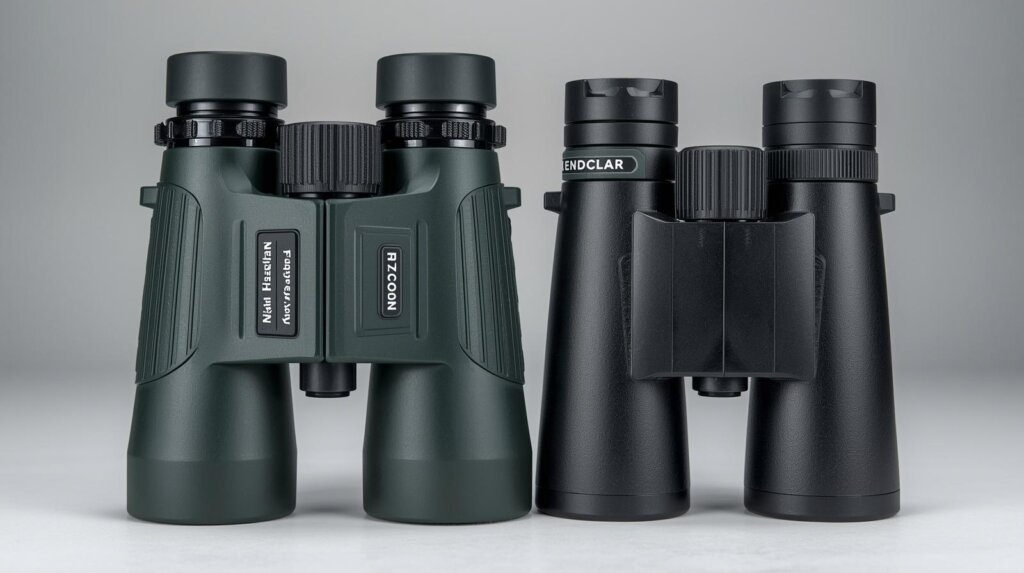
Quick Comparison: What Actually Helps Most?
| Method | Best For | Cost | Immediate Effect | Long-Term Value |
|---|---|---|---|---|
| Gradual acclimation | Temperature shock | Low | High | High |
| Dry storage with silica | Humid homes and gear cases | Low | Medium | High |
| Microfiber cloth | External surface fog | Low | High | Medium |
| Anti-fog treatment | Repeat eyepiece fogging | Low to Medium | Medium | Medium |
| Waterproof purged binocular | Internal moisture resistance | Medium to High | Medium | Very High |
| Better cold-weather breathing habits | Winter eyepiece fogging | Free | High | High |
The pattern is pretty clear. The most effective solutions are rarely flashy. Good transitions, dry storage, better breathing control, and well-sealed optics do more than gimmicky fixes.
Common Mistakes That Make Fogging Worse
A lot of users are doing one or two small things that almost guarantee fogging. Usually without noticing.
Wiping Too Early or Too Aggressively
If moisture has mixed with grit, wiping hard can smear abrasive particles across the lens. Better to let the fog settle or lift first when possible, then wipe gently with the right cloth.
Storing Binoculars Wet
This one is more common than people admit. You get home tired, zip the binocular into its case, and tell yourself you will deal with it later. Later turns into next week.
That trapped moisture is exactly what starts recurring fog and funky smell problems.
Assuming All “Waterproof” Claims Mean the Same Thing
They do not. Some models are genuinely field-ready. Others feel more like marketing language stretched over decent but imperfect sealing. Read reviews from people who actually use them in rain, snow, wetlands, and boats.
Using Household Glass Cleaner
Binocular lenses are not kitchen windows. Avoid generic cleaners unless the manufacturer specifically says they are safe. Better to use lens-safe solutions and a cloth you trust.
If you already have haze or moisture trouble and want the safest recovery steps, read how to defog binocular lenses and how to remove condensation from binoculars.
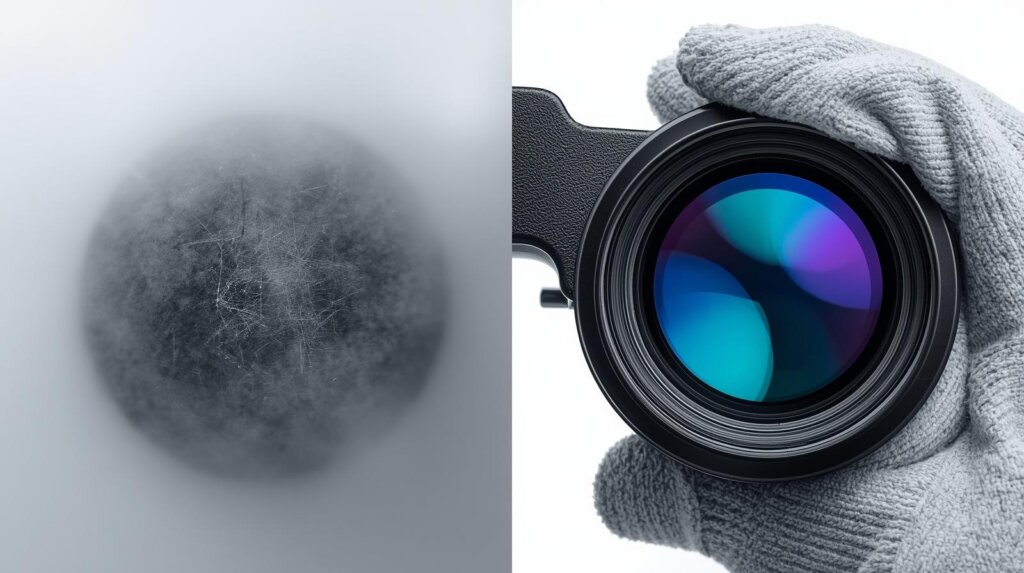
Real-World Use Cases: What Works in Different Conditions
This is where the advice becomes practical. How to stop binoculars from fogging depends a little on where and how you use them.
Birding at Dawn Near Water
Marshes, lakes, and rivers are prime fogging environments. Humidity is high, temperatures are often shifting, and birders tend to raise and lower binoculars constantly.
Best approach:
- Keep the binocular in a dry case before use
- Let it acclimate before active glassing
- Avoid breathing directly onto eyepieces
- Carry a microfiber cloth in a dry pocket
- Prefer waterproof purged binoculars if dawn birding is routine
Hunting in Cold Weather
Cold-weather hunters get hit from both sides: ambient cold and warm breath. Eyepieces fog quickly, especially during heavy breathing after movement.
Best approach:
- Keep neck gaiters lower under active viewing
- Pull binocular slightly off the face between scans
- Use anti-fog treatment if your lens coatings allow it
- Warm the binocular gradually, not with direct heat
- Store it dry overnight, never sealed while damp
Marine and Coastal Use
Salt air and humidity create sticky condensation patterns that are more annoying than quick morning mist. Marine users need good sealing, corrosion resistance, and disciplined cleaning habits.
Best approach:
- Prioritize truly waterproof marine-grade or weatherproof optics
- Wipe salt moisture gently with proper cloths
- Vent and dry the carrying case after every trip
- Use a dry cabinet or low-humidity storage area
Travel and Road Trips
Travelers often keep binoculars in bags, trunks, or vehicles, then pull them out for scenic stops. That constant shift between air conditioning, outdoor heat, and packed storage is a fog recipe.
Best approach:
- Avoid leaving optics in cars for long periods
- Use a case as a transition buffer
- Open the case after damp outings
- Do not store next to wet clothing or towels
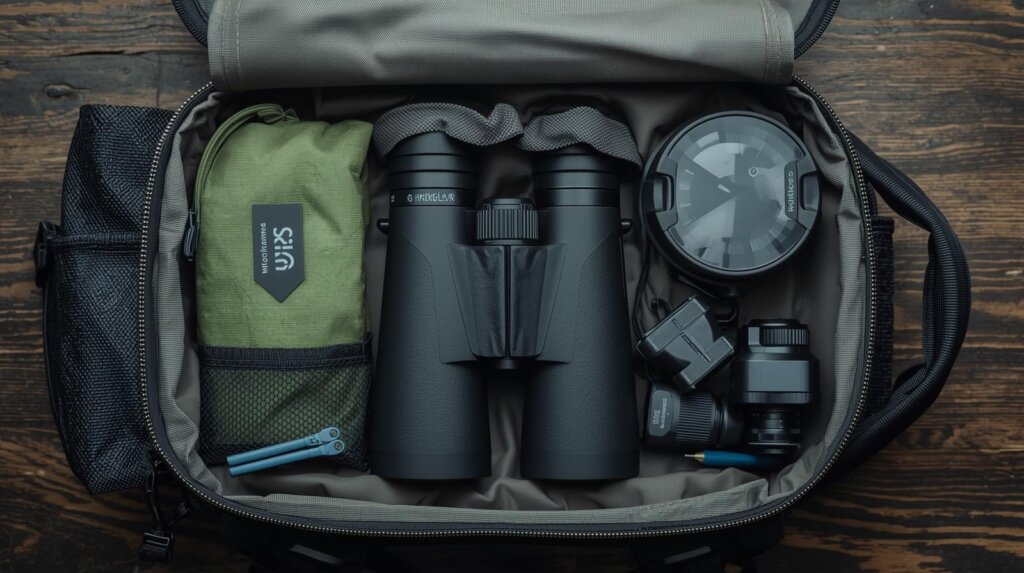
Should You Buy Anti-Fog Accessories or Upgrade the Binocular?
This depends on what kind of fogging you are dealing with.
If the issue is occasional external fogging, especially on eyepieces, accessories can help. A good cloth, storage discipline, and maybe a lens-safe anti-fog treatment are often enough.
If the issue is repeated moisture trouble, especially in humid weather or inside the binocular, it may be smarter to stop patching the problem and upgrade to a sealed, purged model. There is no point babying a poorly protected binocular forever if your use conditions are consistently wet, cold, or changeable.
That is the buyer psychology angle many people miss. They keep spending small amounts on workarounds while ignoring the core limitation of the optic. Sometimes the most economical move is a better binocular, not more accessories.
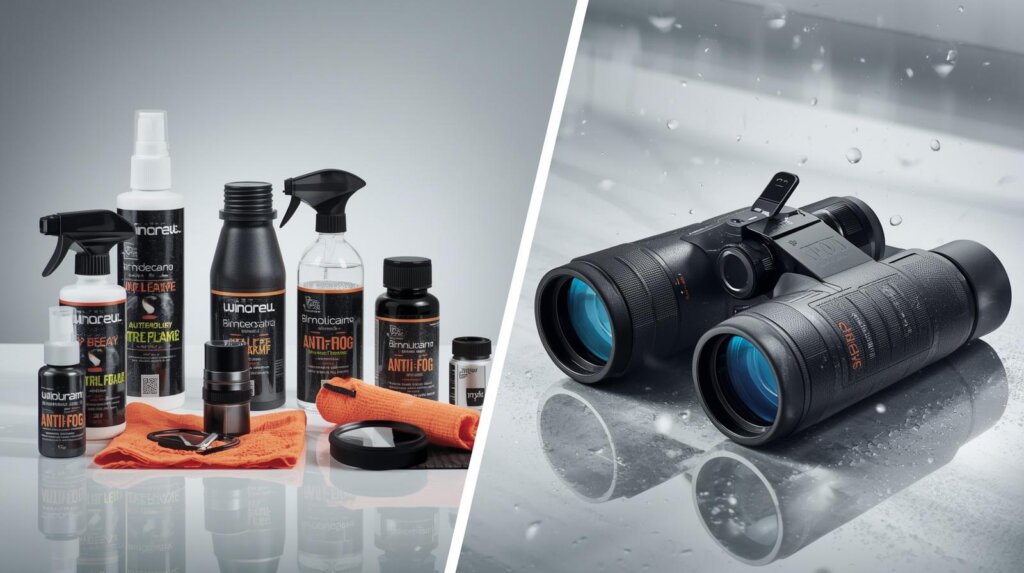
What to Do if Your Binoculars Keep Fogging Internally
At this point, you are no longer dealing with normal outside moisture. You are dealing with a binocular problem.
Persistent internal fogging often means:
- Seal failure
- Moisture intrusion
- Lost gas purging
- Aging components or impact damage
Do not keep experimenting with sprays or household drying tricks if the fog is clearly inside the optic. Sometimes people leave binoculars near heaters, in rice, or under fans and hope the issue resolves. Occasionally it improves temporarily. Usually it comes back.
If the binocular is under warranty, use it. If it is a quality model, professional service may be worth the cost. If it is a cheap pair with repeat internal haze, replacement is often the more rational move.
And if you want the deeper breakdown before deciding, these supporting reads fit perfectly here: why do binoculars fog up inside and how to remove condensation from binoculars.
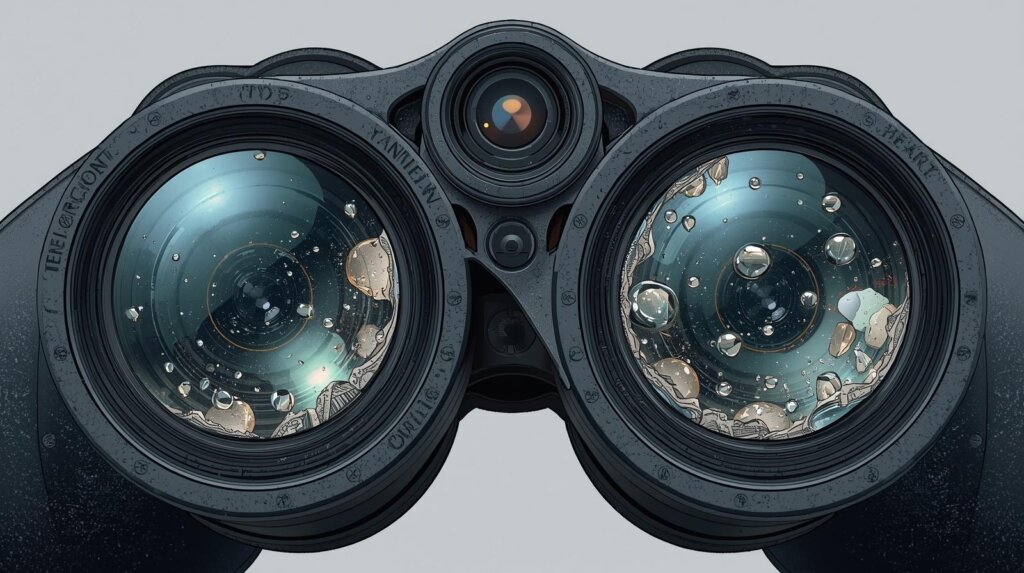
A Smarter Routine for Long-Term Fog Prevention
The best answer to how to stop binoculars from fogging is not one heroic trick. It is a repeatable routine.
- Bring them in gradually after cold use.
- Do not zip them into a damp case.
- Keep a clean cloth where you can reach it.
- Store them dry, not just hidden.
- Manage your breath in winter.
- Treat recurring internal fog as a repair issue, not a wiping issue.
It sounds obvious when written out. But that is what most reliable gear care looks like. Small habits, done consistently.
This is also why experienced users often sound less dramatic about fogging. It is not because they never deal with it. It is because they quietly structure around it.
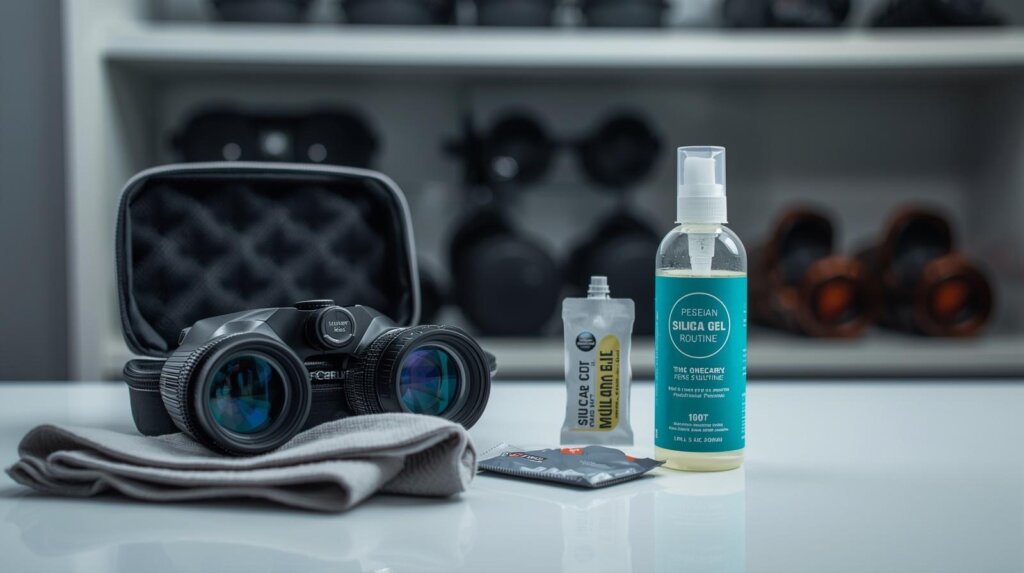
Related Reading to Build Your Fog-Proof Binocular Routine
- If you want to solve the issue from every angle instead of just wiping lenses when they haze, these are the next pages worth opening:
- If you suspect the problem is deeper than surface moisture, start with why do binoculars fog up inside.
- If you mostly glass in wet fields, coastal air, or after rain, go to how to prevent lens fogging outdoors.
- If your lenses are already hazed and you need the safest recovery steps, read how to defog binocular lenses.
- If winter is where the trouble starts every time, move next to how to keep binoculars from fogging in cold weather.
- If you want a tighter list of practical daily habits, save anti-fog tips for binoculars.
- If you are dealing with actual moisture buildup after exposure, use how to remove condensation from binoculars.
- If storage is the weak point in your setup, finish with how to store binoculars to prevent fogging.
- And when you want more field-tested binocular advice, gear comparisons, and practical buying help, browse bestbinocular.net.
Final Thoughts
Fogging feels like a small issue until it starts costing you the view. Then it becomes one of the most important parts of binocular ownership.
The good news is that most people can dramatically improve the problem without turning their routine upside down. Better transitions. Drier storage. Cleaner handling. Less breath on the glass. Smarter product choices. Those are the real answers to how to stop binoculars from fogging.
And the best part is this: once you build those habits, they disappear into the background. Your binoculars just stay clearer, longer, in the places where it actually matters. That is the kind of upgrade you feel every time you raise them to your eyes.
FAQs About How to Stop Binoculars From Fogging
Q1: How do I stop my binoculars from fogging up in cold weather?
The biggest fix is controlling warm breath around the eyepieces and avoiding sudden temperature transitions. Keep the binocular in a case while moving between environments, lower face coverings if they redirect breath upward, and use a clean microfiber cloth for external moisture.
Q2: Do anti-fog sprays work on binocular lenses?
They can help with external fogging, especially on eyepieces, but only if they are safe for your lens coatings. Some leave residue or haze. Test carefully and treat them as a support tool, not the entire solution.
Q3: Why do my binoculars fog inside instead of outside?
Internal fogging usually points to compromised seals or moisture entering the binocular body. That is different from everyday external condensation and often means the binocular needs service or replacement.
Q4: Are waterproof binoculars completely fog-proof?
Not completely. They are much better at resisting internal condensation and moisture intrusion, but outside lens surfaces can still fog in the right conditions, especially with temperature shock or warm breath.
Q5: Can I use a hair dryer to clear fogged binoculars?
It is a bad idea. Direct heat can stress seals, coatings, and adhesives. Let the binocular warm gradually instead.
Q6: What is the fastest way to clear external fog on binoculars?
Move the binocular away from your face, stop adding warm breath to the eyepieces, and wipe gently with a clean microfiber cloth once moisture lifts enough to avoid smearing.
Q7: Is fogging more common in cheap binoculars?
Often, yes. Lower-cost models may have weaker sealing and less dependable purging, making them more vulnerable to moisture issues over time.
Q8: How should I store binoculars to prevent fogging?
Store them dry, clean, and not sealed while damp. A ventilated case, silica gel packs, and indoor storage away from temperature extremes help a lot.




