
How to Remove Condensation From Binoculars Without Damaging Them
Condensation on binoculars can interrupt an otherwise perfect outing. You take them out of your bag, focus on a distant bird or trail, and find yourself looking through a cloudy haze instead of a clear image. Sometimes it appears as tiny droplets on the lenses; other times, the view simply looks soft and washed out. It can happen on cold mornings, during humid weather, or when you move between an air-conditioned car and warm outdoor air.
If you are wondering how to remove condensation from binoculars, the first step is to work out where the moisture is. Fog on the outer lens surfaces is different from moisture trapped inside the binocular body. External condensation usually clears as the binoculars adjust to the surrounding temperature, while internal fogging can indicate that moisture has entered through a damaged or weakened seal.
Before reaching for a cloth, check the front lenses and eyepieces. If the exposed surfaces look clear but the view remains cloudy, the moisture may be deeper inside. Repeatedly wiping the outside will not solve that problem, and rubbing lenses with dust or grit on them can leave scratches.
The temptation is to speed things up, especially when you are outdoors and want to get back to watching wildlife. However, using a hair dryer, placing binoculars near a heater, or trying to open the body can cause more trouble than the original fogging. A gradual approach is safer, and persistent internal moisture deserves attention from the manufacturer or a qualified repair service.
This guide explains how to identify the condensation, what you can safely do at home, and when to seek help. A few simple precautions can also reduce the chances of the same problem interrupting your next outing.
For everyday prevention, read our guide on how to stop binoculars from fogging. If you regularly notice moisture after taking your binoculars out of their case, our guide on how to store binoculars to prevent fogging covers storage habits that can help keep them dry between trips.
Why binoculars get condensation in the first place
Condensation forms when warm, moist air meets a colder surface. Binocular lenses and metal or polycarbonate housings can cool down fast, especially if they were sitting in a cold bag, a vehicle trunk, or an unheated room. The moment that cold surface meets humid air, moisture appears.
This can happen in a few common ways:
- Taking binoculars from an air-conditioned car into summer humidity
- Bringing cold binoculars indoors after a winter outing
- Storing them in damp basements, garages, or zipped soft cases
- Breathing too close to eyepieces during cold weather
- Using poorly sealed binoculars in wet field conditions
The part many people miss is this: not all condensation means the same thing. A little fog on the exterior objective lens is annoying but manageable. Moisture inside the optics is more serious and often signals worn seals or failed nitrogen/argon purging.
External condensation vs internal condensation
Before you do anything, figure out where the moisture is.
External condensation
If the haze wipes away gently with a microfiber cloth or disappears after the binoculars rest in a dry room, it is usually external condensation. This is the easier problem.
Internal condensation
If the fog looks trapped between the lenses, returns quickly, or stays visible even after the outside glass looks clean, you may be dealing with internal condensation. This often shows up as a cloudy patch, a soft milky ring, or a stubborn blur you cannot reach.
That is where people make mistakes. They assume more wiping, more heat, or more cleaning fluid will solve it. It usually will not.
How to remove condensation from binoculars safely
The safest way to remove condensation from binoculars depends on patience more than force. Fast fixes often create scratches, push moisture deeper into creases, or damage coatings.
Let the binoculars acclimate first
Set the binoculars in a dry, ventilated room and let the temperature stabilize naturally. Do not rush this part. In real use, I have found that many cases of mild fogging clear up once the binoculars stop going through rapid temperature swings.
Place them lens-cap off in a shaded indoor area with decent airflow. Leave them for a while rather than sealing them immediately in a case.
Use a clean microfiber cloth only after the moisture softens
If droplets or surface haze remain on the outside lenses, wipe very gently with a clean microfiber lens cloth. Do not rub hard. If there is grit or dust mixed with the moisture, rubbing can leave fine scratches.
A better move is to use a blower first, remove loose particles, then wipe once the lens surface is cleaner.
Dry the exterior body and eyecups too
Moisture often hides around the focus wheel, hinges, neck strap points, and rubber eyecups. If those areas stay damp, condensation tends to return faster. Wipe the full exterior, not just the glass.
Move them near dry air, not direct heat
A room with moderate warmth and dry air works well. A dehumidified room is even better. What you do not want is direct heat from a radiator, heater vent, hairdryer, or strong sun through a window. Too much heat can affect adhesives, seals, armor, and internal alignment over time.
What not to do when binoculars fog up
A lot of damage happens because owners panic and try to “dry” binoculars the same way they would dry a wet phone case or bathroom mirror.
Do not use a hairdryer
This is probably the most common bad fix. High or even medium heat can stress seals and warm one section faster than another. That is not what precision optics need.
Do not leave them on a dashboard in direct sun
It sounds clever because heat seems like the answer. In reality, dashboards can get brutally hot. That can warp rubber armor, weaken adhesives, and create more internal humidity movement.
Do not spray random anti-fog chemicals on every surface
Some anti-fog products are made for goggles or bathroom mirrors, not coated optical glass. Using the wrong formula can smear the view or damage lens coatings.
Do not seal damp binoculars in a case
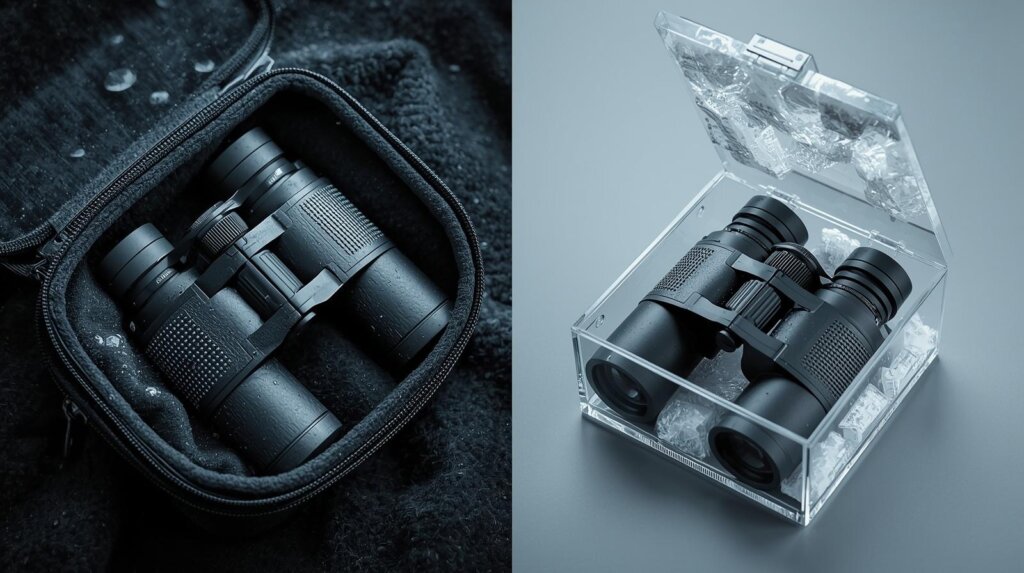
This traps moisture right where you do not want it. Soft zip cases are especially bad for this. They protect from scratches, but they can hold humid air like a mini greenhouse.
Best methods compared
Here is a practical comparison of the most common ways people deal with condensation.
| Method | Best For | Works Well? | Risk Level | Notes |
|---|---|---|---|---|
| Air-drying in a dry room | Mild external condensation | Yes | Low | Best first step in most cases |
| Microfiber wipe after acclimation | Surface moisture on lenses | Yes | Low | Safe if cloth is clean |
| Lens blower + microfiber | Moisture with dust present | Yes | Low | Good for protecting coatings |
| Silica gel container or dry box | Damp storage recovery | Yes | Low | Excellent for recurring moisture issues |
| Hairdryer or heater | Quick DIY drying | No | High | Can damage seals and coatings |
| Direct sunlight on dashboard | Wet gear panic fix | Poor | High | Risky for optics and rubber parts |
| Opening binocular body at home | Suspected internal condensation | No | Very High | Usually makes things worse |
The one product that actually makes sense
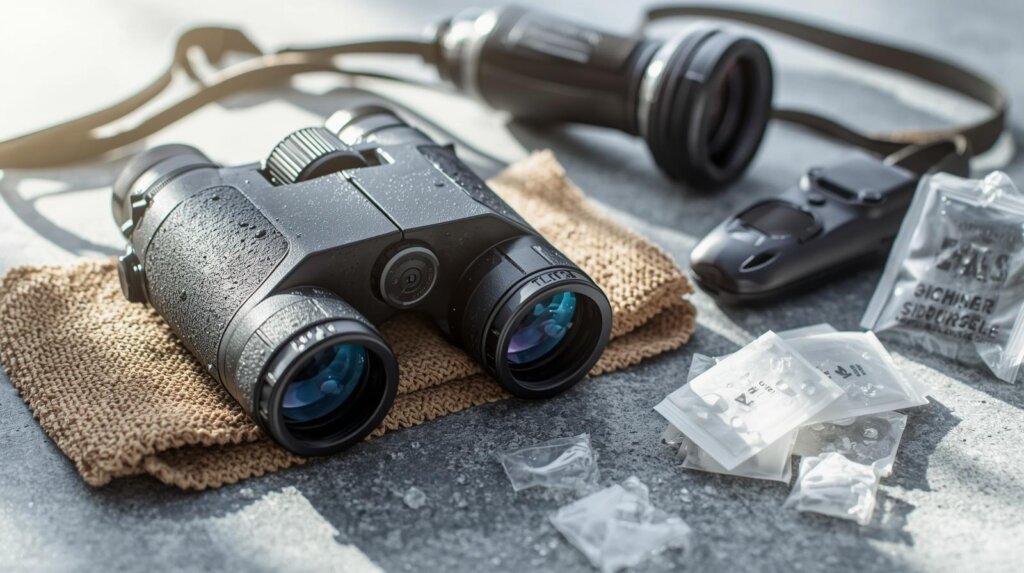
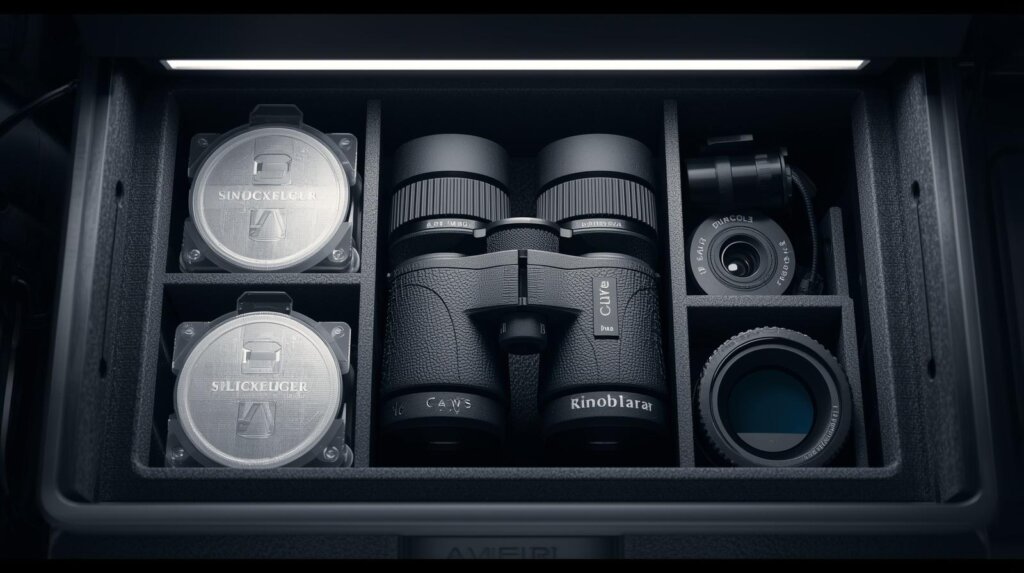
If you only buy one thing for this issue, make it a rechargeable silica gel dehumidifier or a proper dry box setup. This is one of those rare accessories that solves a real problem instead of just looking tactical.
Why it matters: if your binoculars pick up condensation more than once, the problem is often not field use alone. It is storage. A reusable moisture absorber helps pull residual dampness out of the storage environment without exposing the binoculars to direct heat.
Pros
- Helps remove lingering moisture from storage spaces
- Reduces repeat fogging between outings
- Safer than heat-based drying tricks
- Useful for binoculars, cameras, scopes, and lenses
Cons
- Not an instant field fix
- Will not repair failed internal seals
- Works best when paired with proper storage habits
If you spend time in humid climates, this is a smarter buy than most gimmicky anti-fog wipes.
What to do if condensation is inside the binoculars
This is where the answer gets less comfortable.
If the moisture is inside the binoculars, you usually cannot fix it properly with home cleaning. You may reduce symptoms temporarily by keeping the binoculars in a dry environment, but the root problem is likely compromised sealing.
Signs the condensation is internal
- Cloudiness stays after the outside lenses are cleaned
- Fog appears between glass elements
- The haze returns quickly after minor temperature change
- The binoculars were recently exposed to heavy rain or long-term damp storage
- You notice a musty smell or signs of internal haze over time
Your best next step
If the binoculars are mid-range or premium and worth keeping, send them for professional service or warranty inspection. Waterproof and nitrogen-purged binoculars should not be developing internal condensation under normal use. If they are, something has failed.
For budget binoculars with no real sealing, internal moisture can sometimes be a sign that replacement is the more sensible choice.
Real-world use cases where condensation shows up fast
Cold morning birding from a warm car
You drive to the spot with the heater on, step into chilly morning air, and your binoculars haze up immediately. In that case, the fix is simple: give them a few minutes to adjust before serious use. Trying to wipe instantly often creates smears.
Humid evening hunting or field scanning
In sticky air, even sealed binoculars can get exterior fogging when the glass temperature shifts. Keep them exposed to the outside air a bit longer before use instead of pulling them repeatedly in and out of a closed bag.
Bringing binoculars indoors after winter use
This is where many people create storage condensation. Cold binoculars go straight into a zipped case inside a warm house, and moisture gets trapped. Let them warm gradually in open air first.
Common mistakes that keep the problem coming back
The reason some users keep searching how to remove condensation from binoculars again and again is that they solve the symptom, not the routine causing it.
Storing binoculars in the wrong place
Garages, car trunks, damp closets, and basements are all repeat offenders. A dry indoor shelf beats a fancy padded case in a humid corner every time.
Leaving lens caps on wet lenses
Caps protect glass, but they also trap moisture if the lenses are still damp.
Buying cheap “waterproof” claims
Some binoculars use marketing language loosely. Water-resistant is not the same as truly waterproof and purged. If you regularly use optics in cold or humid conditions, sealing quality matters more than flashy magnification numbers.
For long-term prevention, our article on how to store binoculars to prevent fogging goes deeper into storage habits that actually work.
External fogging vs internal fogging: which is worse?
External fogging is annoying. Internal fogging is expensive.
That is the blunt version.
External condensation usually comes from weather, breath, humidity, or storage transitions. It is often removable with patience and proper drying. Internal condensation suggests the binoculars are no longer protecting the optics the way they should.
If you are comparing the two, here is the practical difference:
| Issue | Can You Fix It at Home? | Cost Impact | Long-Term Risk |
|---|---|---|---|
| Exterior lens condensation | Usually yes | Low | Low if handled properly |
| Moisture around eyecups/body | Usually yes | Low | Moderate if storage stays damp |
| Internal lens condensation | Rarely | Medium to high | High due to haze, fungus, seal failure |
Buyer tips if your binoculars fog often
If this keeps happening, the problem may be your binoculars, not your technique.
Look for real waterproof construction
O-ring sealing and nitrogen or argon purging are not luxury features if you use binoculars outdoors often. They are practical protection.
Pay attention to storage accessories
A decent hard case with airflow periods, plus a dry storage habit, beats constant emergency cleaning.
Think honestly about your climate
If you live or travel in high humidity, coastal areas, rainy regions, or places with sharp temperature swings, you need binoculars built for that environment.
For more practical optics care guides, you can explore the bestbinocular.net homepage and the latest blog tips page.
Final thoughts
The best answer to how to remove condensation from binoculars is usually simple: slow down, let the binoculars acclimate, dry them in clean moving air, and stop using heat-based shortcuts. That handles most outside condensation without turning a minor annoyance into lens damage.
But if the fog is inside, be honest about it. That is not a cloth problem. That is a seal problem.
And once you get the moisture out, the smarter move is preventing the next round. Read the full prevention guide on how to stop binoculars from fogging, then pair it with our storage-focused article on how to store binoculars to prevent fogging. That combination will save you more frustration than any last-minute wipe ever will.
FAQs about how to remove condensation from binoculars
Can condensation damage binoculars?
Yes, especially if the moisture is internal or keeps happening repeatedly. External condensation alone is usually manageable, but trapped moisture can lead to haze, mold risk, and seal-related problems over time.
Is it safe to wipe fog off binocular lenses?
Yes, but only after loose dust is removed and only with a clean microfiber cloth. Wiping gritty moisture straight across the lens is a bad habit.
Can I use anti-fog spray on binoculars?
Only if it is specifically safe for coated optical lenses. Many general anti-fog sprays are not ideal for binocular glass.
How long does it take for condensation to clear?
Mild external fogging can clear fairly quickly in a dry environment. Internal moisture usually lasts longer and may not clear fully without service.
Why do my binoculars fog every time I go outside?
That usually points to sudden temperature change, high humidity, poor storage, or weaker sealing than the binoculars’ marketing suggests.
Should I put binoculars in rice?
No. Rice is a messy internet fix, not good optics care. Fine dust from rice can create more trouble than it solves.




