
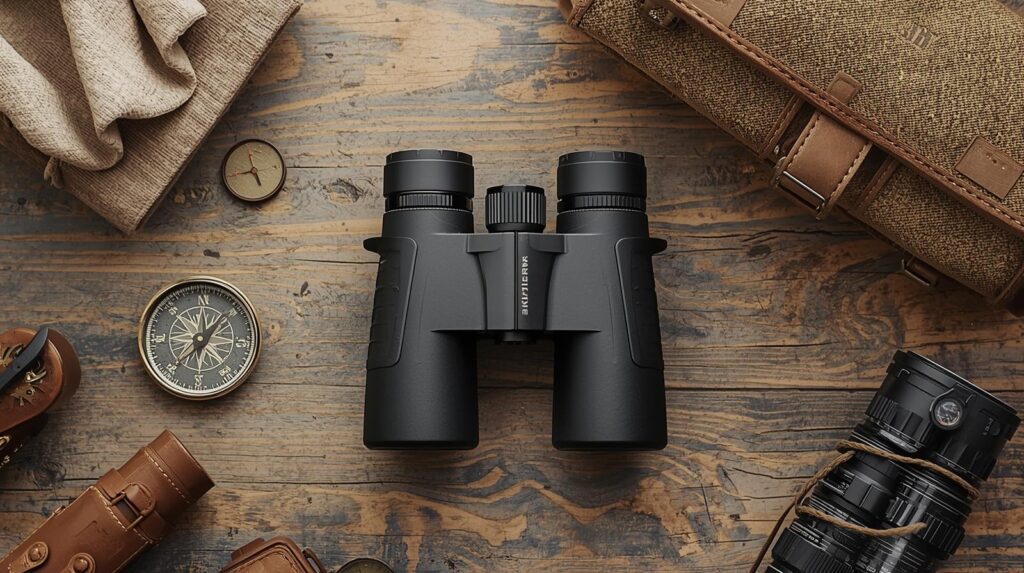
Why Rangefinder Binoculars Under $500 Need Realistic Expectations
Finding the best rangefinder binoculars under 500 sounds simple until you start comparing real options.
On paper, many budget models promise long ranging distance, sharp glass, waterproof housing, angle compensation, and fast readings. In real use, the story is more mixed. Some are surprisingly useful for outdoor observation, golf distance checks, hiking, land viewing, and general field use. Others look powerful in the product photos but feel awkward once you try to range a small object in dim light.
That is why this price range needs realistic expectations.
Under $500, you are not buying premium European glass or elite-level electronics. You are buying a practical two-in-one tool: binoculars for viewing plus a laser rangefinder for distance measurement. The best models in this class save space, reduce the need to carry two separate devices, and work well for people who want solid function without spending $1,000+.
For a full higher-end comparison, you can also check the main silo page on best rangefinder binoculars before choosing your final model.
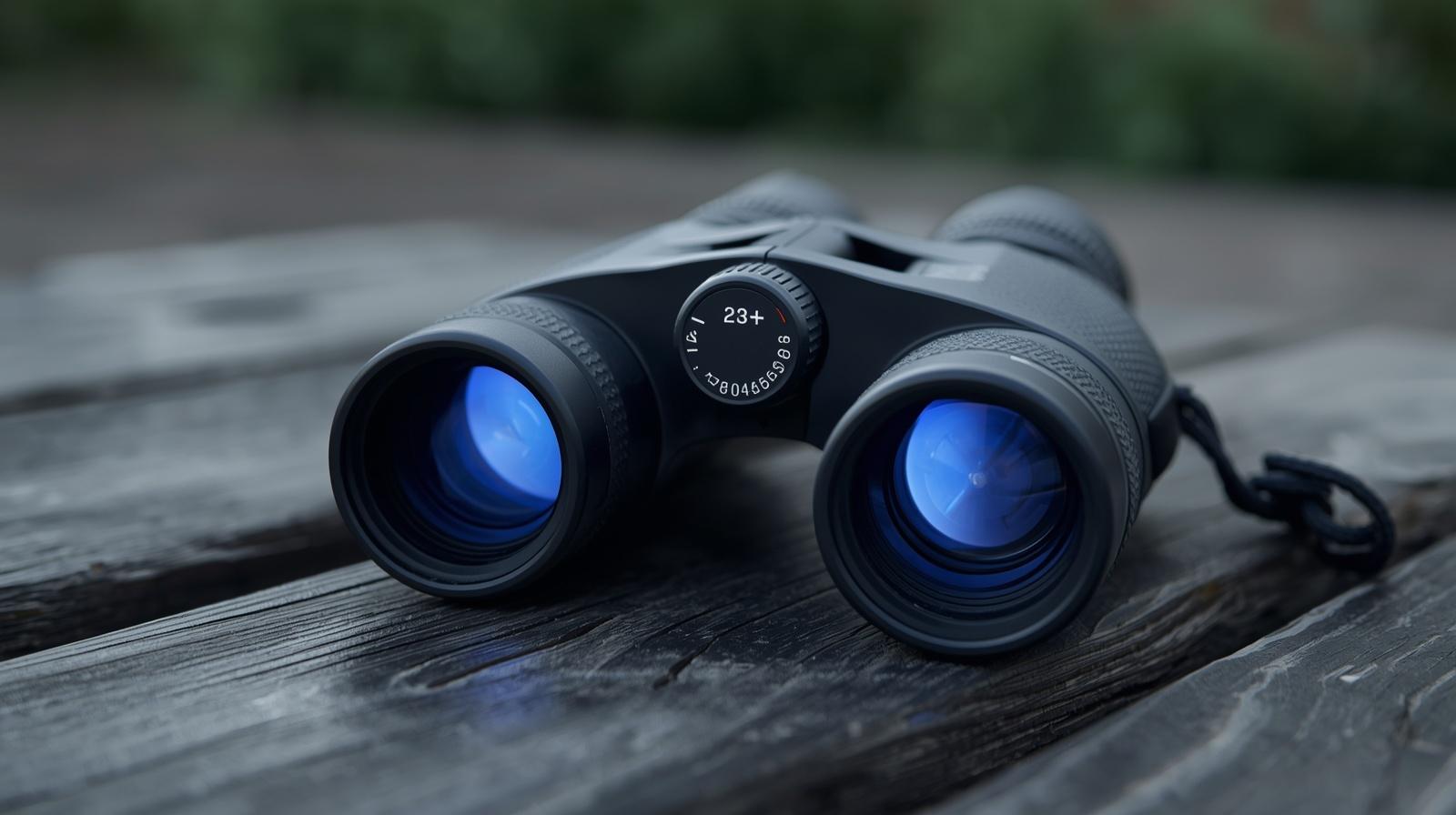
Are Rangefinder Binoculars Under $500 Actually Worth It?
Yes, but only for the right buyer.
The best rangefinder binoculars under 500 are worth it when you want convenience more than premium optical perfection. They are especially useful if you often switch between looking at distant objects and checking distance. Instead of lifting binoculars, lowering them, grabbing a separate rangefinder, then finding the same target again, you do everything through one device.
That sounds small, but outdoors it matters.
If you are checking distance across open land, viewing landmarks, measuring tree lines, or using them during golf practice, a combined unit feels faster and cleaner. The main advantage is not luxury. It is efficiency.
But here is the honest part: cheap rangefinder binoculars are not always better than buying separate mid-range binoculars and a separate handheld rangefinder. If glass clarity matters more than ranging, separate devices may still give better results. If distance reading is the main feature you care about, then rangefinder binoculars make more sense.
Under $500, the sweet spot is a 10×42 laser rangefinder binocular with decent coatings, readable display, angle measurement, and reasonable weather resistance.
What You Should Expect in This Budget
When shopping for the best rangefinder binoculars under 500, do not judge only by the longest advertised range. A model claiming 2,600 yards does not mean it will easily range every small object at that distance.
Most budget rangefinder binoculars perform better on large, reflective, or high-contrast objects. Small, dark, low-reflective targets are harder. Fog, rain, harsh glare, and low light can also reduce performance.
A practical buyer should look for:
| Feature | What to Look For Under $500 | Why It Matters |
|---|---|---|
| Magnification | 8x or 10x | 10x gives more detail, 8x is steadier |
| Objective lens | 42mm is the safest pick | Good balance of brightness and size |
| Display | Clear LCD or OLED-style readout | Helps in low light and shaded areas |
| Ranging speed | Around 0.1–0.3 seconds is good | Faster readings feel smoother |
| Weather protection | IP54 minimum, IP65/IP67 better | Outdoor use needs sealing |
| Weight | Around 28–32 oz is manageable | Heavy models get tiring |
| Eye relief | 15mm+ is helpful | Better for comfort, especially with glasses |
A lot of buyers get distracted by huge range numbers. In real life, comfort, display visibility, and optical clarity matter more for everyday use.
Best Product Pick Under $500: Astra Optix HBX 1600B
For one highly relevant pick, the Astra Optix HBX 1600B is one of the stronger options to consider in this budget. Astra Optix lists the HBX 1600B as a laser rangefinder binocular with a sale price of $389 and regular price of $449, which keeps it inside the under-$500 category at the time checked.
The main reason it makes sense here is the feature balance. It offers a 10×42 roof prism setup, fully multi-coated lenses, BaK4 prisms, 15.1mm eye relief, and a field of view listed at 330 feet at 1,000 yards. Its product specs also list a 0.15-second response time, ±1 yard accuracy, 10-yard minimum ranging distance, and IP67 waterproof/fogproof/dustproof protection.
That is a strong spec package for people who want one device for outdoor viewing and distance checking without jumping into the $1,000 range.
Why It Makes Sense
The 10×42 format is the safest all-around choice. It gives enough magnification for distance viewing without becoming too shaky for most users. The 42mm objective lens keeps the body manageable while still allowing usable brightness.
The HBX 1600B is not perfect. Some buyer feedback may vary around durability, display quality, and rangefinder reliability, so it is better to treat this as a strong value pick rather than a premium lifetime optic.
Best For
The Astra Optix HBX 1600B makes the most sense for:
| Use Case | Fit |
|---|---|
| Outdoor distance checking | Strong |
| Hiking and land viewing | Good |
| Golf practice and course distance reading | Good |
| Wildlife observation from safe distance | Good |
| Low-light premium glass expectations | Average |
| Ultra-light backpacking | Not ideal |
If your budget can stretch higher, compare this with the best rangefinder binoculars under 1000 because that next price tier usually gives better glass, smoother electronics, and stronger long-term reliability.
8x vs 10x: Which Is Better Under $500?
For most people searching for the best rangefinder binoculars under 500, 10×42 is the better choice.
Why? Because rangefinder binoculars are usually used for distance-based viewing. You are not just scanning casually. You are trying to identify an object, hold it steady, press the range button, and read the distance. The extra magnification helps.
But 10x is not always easier.
If your hands shake a lot or you mostly scan wide open areas, 8x can feel steadier and more relaxed. It also usually gives a wider field of view. That can make it easier to find objects quickly.
Here is the simple comparison:
| Format | Pros | Cons | Best For |
|---|---|---|---|
| 8×42 | Wider view, steadier image, easier handheld use | Less detail at long distance | Casual scanning, hiking, general outdoor viewing |
| 10×42 | More detail, better long-distance view, popular all-rounder | Slightly shakier, narrower view | Distance checking, golf, land viewing, mixed outdoor use |
If you want a deeper breakdown, the best 10×42 rangefinder binoculars page is the better next read because 10×42 is where most serious budget buyers end up.
What Makes the Best Rangefinder Binoculars Under 500 Different?
A normal binocular only helps you see. A rangefinder binocular helps you see and measure.
That sounds obvious, but the real difference is workflow. A good rangefinder binocular keeps your eyes on the view while giving you distance data inside the display. When it works well, it feels natural. When it works badly, it feels annoying.
The best budget models usually get three things right:
1. The Display Is Easy to Read
This is underrated.
A rangefinder binocular can have sharp glass, but if the distance numbers disappear against a dark background, it becomes frustrating. Black LCD displays can be harder to read in low light or against shadows. Brighter display systems are easier, but they often cost more.
When buying under $500, check user feedback about display visibility. That one detail can change the whole experience.
2. The Laser Locks Quickly
A slow rangefinder breaks the flow. You press the button, wait, move slightly, lose the object, and try again. Good budget models should feel quick on large objects and reasonably stable in scan mode.
Do not expect flawless performance in fog, rain, or heavy glare. Even expensive rangefinders can struggle there.
3. The Binocular Side Is Still Usable
Some cheap models put too much attention on the laser feature and not enough on the view. The result is a device that measures distance but feels dull, narrow, or uncomfortable as binoculars.
That is not what you want.
The best rangefinder binoculars under 500 should still be pleasant enough to use as regular binoculars. Look for fully multi-coated lenses, BaK4 prisms, decent eye relief, and a stable focus wheel.
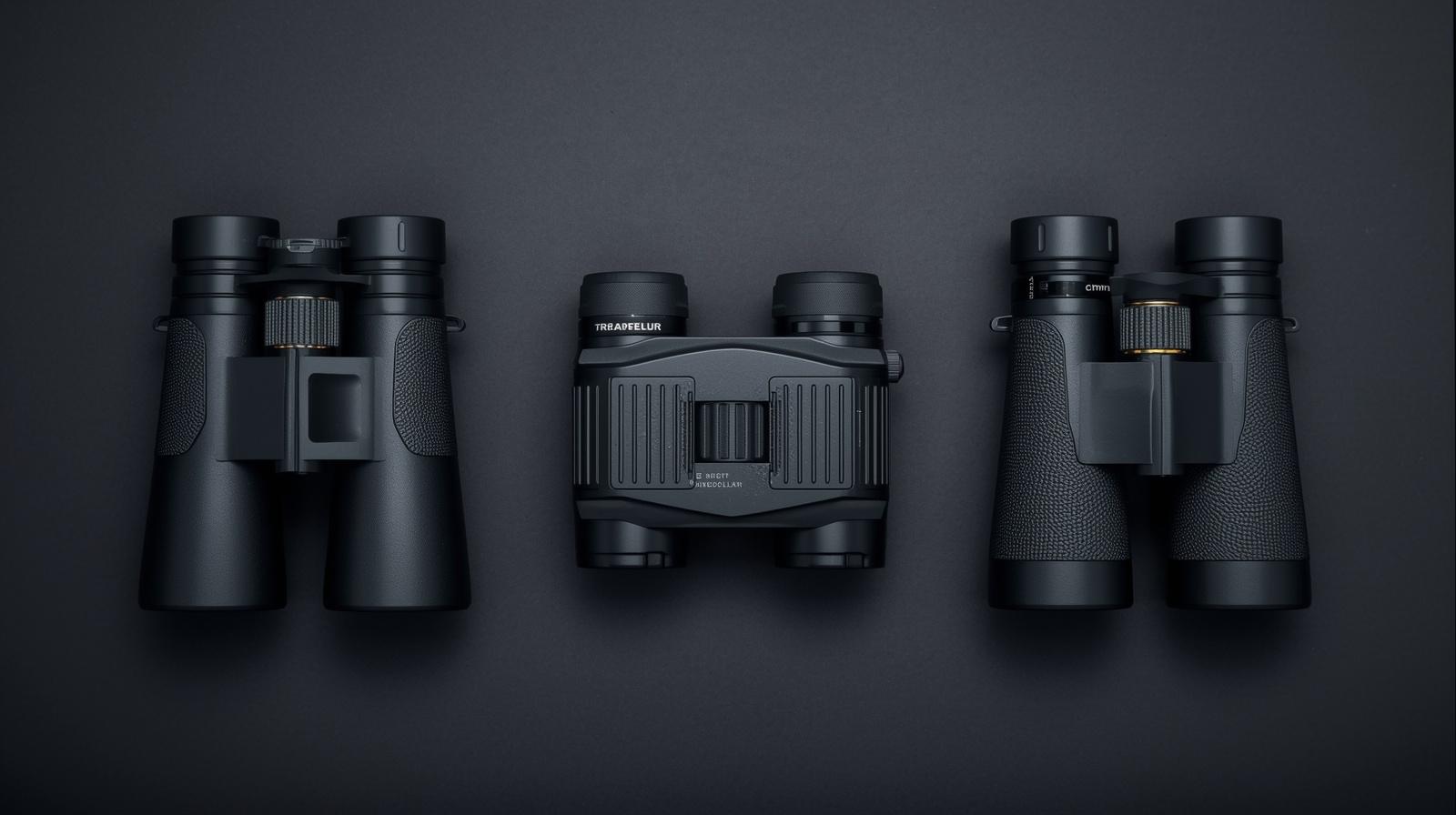
Pros and Cons of Rangefinder Binoculars Under $500
Pros
- One device replaces binoculars and rangefinder
- Less gear to carry
- Faster viewing and distance measuring
- Easier outdoor setup
- Budget models are improving
- Good value for casual users
Cons
- Not best for premium image quality
- Optics may be limited
- Lower brightness and clarity than regular binoculars
- Part of the price goes into electronics
- More parts can fail over time
Weight is another issue. Rangefinder binoculars are usually bulkier than regular 10×42 binoculars.
Who Should Buy Rangefinder Binoculars Under $500?
The best rangefinder binoculars under 500 are ideal for buyers who want practical distance data without obsessing over premium glass.
They fit people who:
- Want one compact tool for viewing and measuring
- Prefer convenience over elite optical performance
- Use binoculars outdoors in mixed daylight conditions
- Do not want to spend $1,000+
- Need distance readings for general field, golf, or property use
- Like simple gear setups
They are not ideal for people who:
- Want the brightest possible low-light view
- Need premium edge-to-edge sharpness
- Want ultra-light binoculars
- Expect flawless laser performance in bad weather
- Prefer long warranty support from top-tier optics brands
That is the buyer psychology most reviews skip. People do not buy these only for specs. They buy them because carrying fewer things feels easier.
Common Mistakes When Buying Budget Rangefinder Binoculars
Mistake 1: Trusting the Maximum Range Too Much
A 2,000-yard claim does not mean the binocular will easily range everything at 2,000 yards. Maximum range is usually based on ideal reflective targets. For normal outdoor use, expect shorter practical performance.
Mistake 2: Ignoring Display Type
The display matters a lot. If the readout is hard to see, you will hate using the device even if the optics are decent.
Mistake 3: Buying Too Much Magnification
More power is not always better. 12x sounds exciting, but it is harder to hold steady. For most users, 10×42 is the safer option.
Mistake 4: Forgetting About Weight
Rangefinder binoculars are heavier because of the electronics. If you plan to carry them for hours, check weight before buying.
Mistake 5: Expecting Premium Glass at a Budget Price
Under $500, you should expect useful glass, not luxury glass. That mindset prevents disappointment.
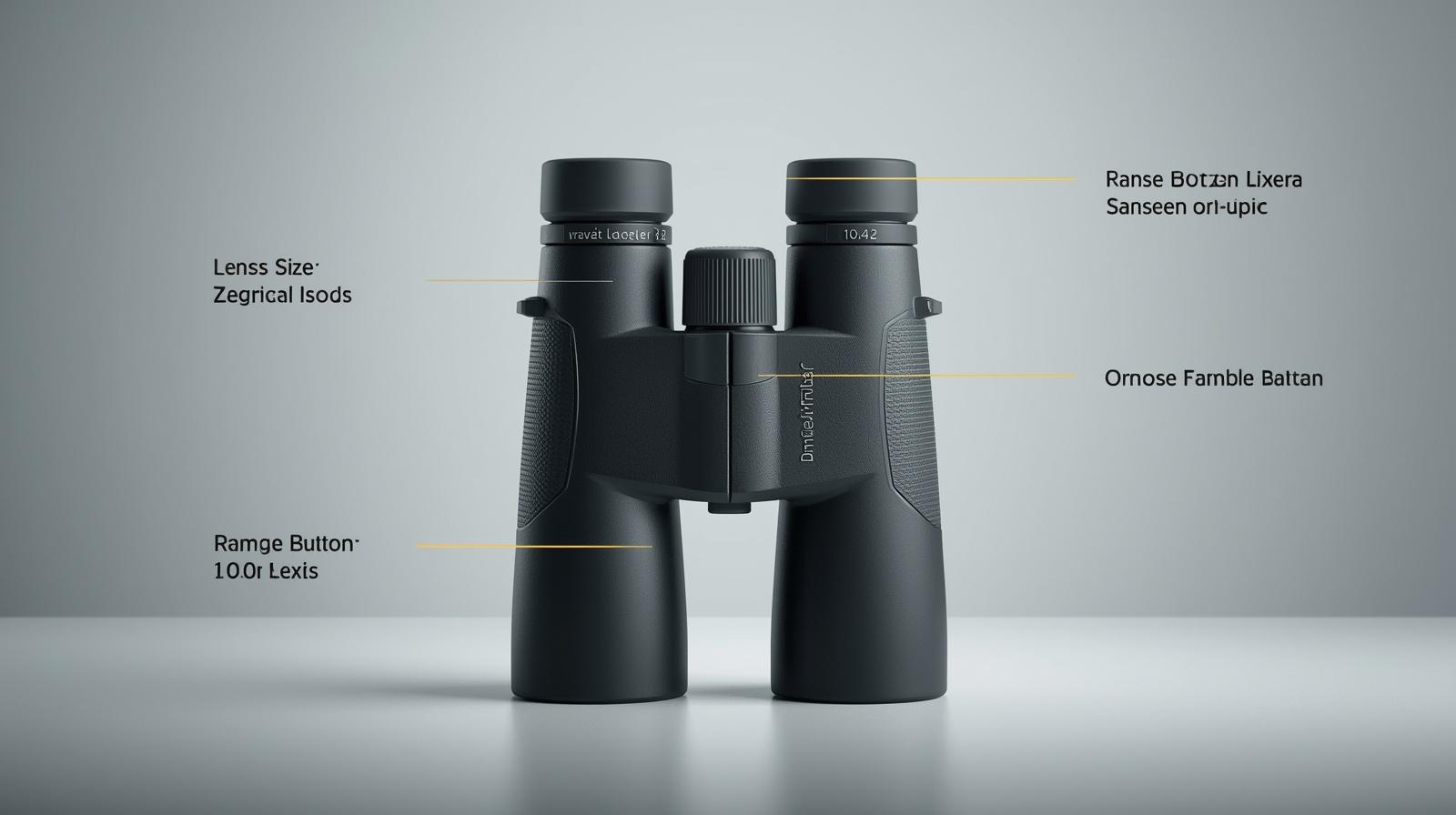
Real-World Use Cases
Golf Distance Checking
Rangefinder binoculars can work well for golfers who prefer a wider two-eye view instead of a small handheld monocular rangefinder. The binocular format feels more stable for some users, especially when viewing longer fairway distances.
For golf, look for pin lock, slope mode, fast readings, and a display that stays visible in bright daylight.
Hiking and Outdoor Landmarks
For hiking, a rangefinder binocular helps you check distance to ridgelines, trail markers, buildings, or open terrain features. The downside is weight. If you already carry a camera, water, and other gear, a heavy binocular may feel like overkill.
Property and Land Viewing
This is one of the most underrated uses. If you often view open land, tree lines, fences, buildings, or distant markers, rangefinder binoculars are genuinely useful. You can observe and measure without switching devices.
Wildlife Observation from a Safe Distance
For wildlife watching, rangefinder binoculars help estimate distance without moving closer. That is useful because staying back is safer and less disruptive. In this use case, optical comfort matters more than extreme range numbers.
Under $500 vs Under $1,000: Should You Spend More?
Here is the honest difference.
| Price Range | What You Usually Get | Best Buyer |
|---|---|---|
| Under $500 | Useful features, decent glass, more compromises | Budget-focused users |
| $500–$1,000 | Better glass, smoother controls, stronger build | Serious outdoor users |
| $1,000+ | Premium optics, better low-light performance, refined electronics | Heavy long-term users |
If you only use rangefinder binoculars occasionally, under $500 is enough. If you use them often, travel with them, or care about long-term durability, the under-$1,000 category may be the smarter buy.
That is why it helps to compare both before buying. Start with this article, then move to best rangefinder binoculars under 1000 if you want fewer compromises.
Quick Buying Checklist
Before choosing the best rangefinder binoculars under 500, check these points:
| Buying Point | Good Sign | Red Flag |
|---|---|---|
| Glass | Fully multi-coated lenses | Vague “HD vision” claims only |
| Prism | BaK4 roof prism | No prism details |
| Rangefinder | Fast scan or angle modes | Slow or unclear ranging specs |
| Display | Easy-to-read numbers | Complaints about dark readout |
| Weatherproofing | IP54/IP65/IP67 | No rating listed |
| Weight | Comfortable for your use | Too bulky for long carry |
| Warranty | Clear support policy | No warranty details |
Final Verdict: What Is the Best Rangefinder Binocular Under $500?
The best rangefinder binoculars under 500 should be judged by real-world usefulness, not just the biggest advertised distance number.
For most buyers, a 10×42 laser rangefinder binocular is the safest format. It gives enough magnification for distance viewing, enough light for normal daytime use, and enough versatility for golf, hiking, land viewing, and general outdoor observation.
The Astra Optix HBX 1600B stands out as a strong value pick because it stays under $500, uses a practical 10×42 setup, includes modern ranging features, and offers a useful balance of optics and electronics for the money. Just go in with realistic expectations: it is a budget-friendly rangefinder binocular, not a premium European optic.
If you want the cleanest path, use this rule:
- Choose under $500 if you want convenience and value.
- Choose under $1,000 if you want better glass and fewer compromises.
- Choose premium only if you use rangefinder binoculars seriously and often.
For more buying help, visit the main best rangefinder binoculars guide. You can also explore our binocular tips page or start from the BestBinocular.net homepage for more practical optics advice.
FAQs About the Best Rangefinder Binoculars Under 500
Are rangefinder binoculars under $500 accurate?
Good models can be accurate for normal outdoor distance checking, especially on large or reflective objects. Accuracy becomes less consistent on small, dark, distant, or low-contrast objects. Weather and lighting also affect performance.
What magnification is best for rangefinder binoculars under $500?
10×42 is the best all-around choice for most buyers. It gives a strong distance view without becoming too bulky or shaky. 8×42 is better if you prefer a steadier image and wider field of view.
Are cheap rangefinder binoculars better than separate binoculars and a rangefinder?
Not always. Separate devices can give better optical quality for the same money. A rangefinder binocular is better when convenience matters more than maximum glass performance.
Can I use rangefinder binoculars for golf?
Yes, many rangefinder binoculars can be useful for golf distance checks, especially if they include slope mode, scan mode, and pin lock features. Make sure the display is clear in bright daylight.
What is the biggest downside of budget rangefinder binoculars?
The biggest downside is compromise. Under $500, you usually give up some optical brightness, display quality, durability, or premium build feel compared with higher-end models.
Should I buy rangefinder binoculars under $500 or save for under $1,000?
Buy under $500 if you want good value and occasional use. Save for under $1,000 if you want better optics, smoother controls, stronger build quality, and more confidence for frequent outdoor use.




