
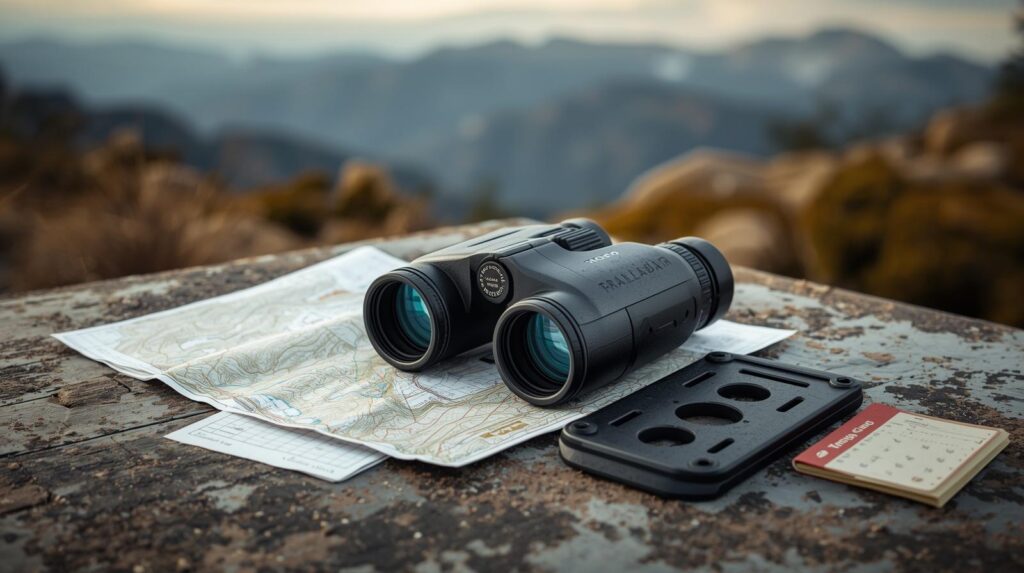

Why Rangefinder Binoculars Matter in Real Field Use
Finding the best rangefinder binoculars is not just about buying binoculars with a laser inside them. That sounds simple, but in the field it gets more complicated very quickly.
A regular binocular helps you see. A rangefinder tells you distance. A good rangefinder binocular does both without forcing you to drop one tool, grab another, refocus, re-range, and lose precious seconds.
That matters when the light is fading, the wind is shifting, or the target is standing in broken terrain instead of a clean open field.
The real question is not, “Which rangefinder binocular has the longest advertised range?” The better question is:
Which rangefinder binocular gives you the fastest, clearest, most trustworthy distance reading in the exact conditions you actually face?
That is where many buyers make mistakes. They look at a 5,000-yard or 6,000-yard number and assume it means the binocular will range every real-world target that far. It will not. Reflective targets, trees, rocks, dark backgrounds, rain, haze, angle, hand shake, and target size all change the result.
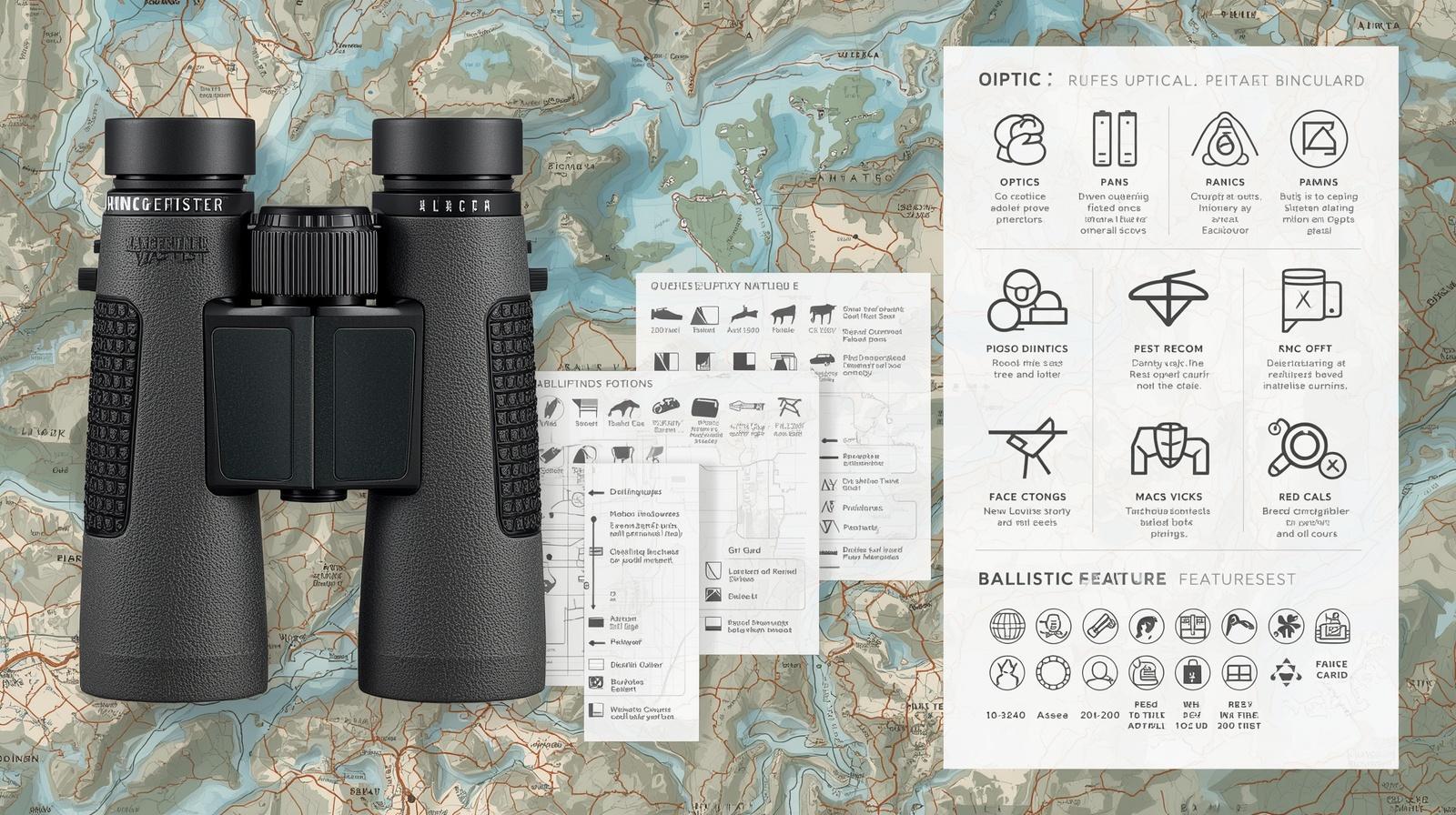
The best rangefinder binoculars balance five things: optical clarity, laser reliability, ballistic intelligence, handheld stability, and comfort during long glassing sessions.
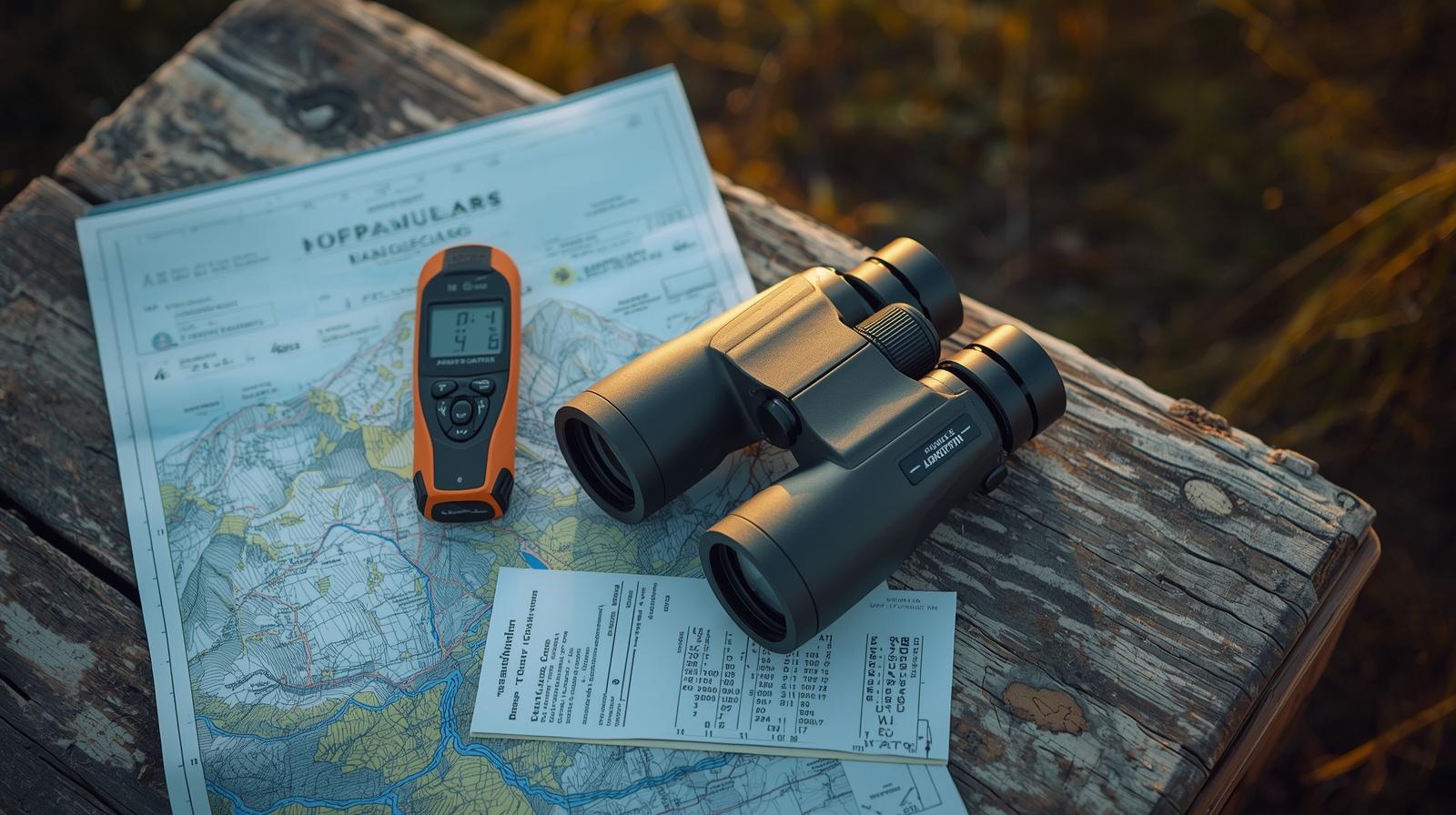
What Are Rangefinder Binoculars?
Rangefinder binoculars combine two optical tools into one body:
| Feature | What It Does | Why It Matters |
|---|---|---|
| Binocular optics | Magnifies distant objects | Helps you identify detail, terrain, edges, and movement |
| Laser rangefinder | Measures distance to a target | Helps with shooting, hunting, archery, and long-range observation |
| Angle compensation | Adjusts distance for uphill/downhill shots | Useful in mountains, canyons, and tree stands |
| Ballistic calculator | Gives holdover or shooting solution | Helpful for long-range rifle shooting |
| Display system | Shows distance and data inside the view | Saves time compared to using separate tools |
The main benefit is speed. With separate binoculars and a handheld rangefinder, you may spot something through the binocular, lower it, pick up the rangefinder, find the same object again, range it, then return to the binocular. In easy conditions, that is fine.
In real conditions, it can be clumsy.
With the best rangefinder binoculars, you keep your eyes on the target and get the distance inside the same view.
That one advantage is why serious hunters, long-range shooters, and western glassers often move toward rangefinding binoculars once they have used separate tools for a while.
Quick Picks: Best Rangefinder Binoculars by Use Case
This section gives you the fast answer before the deep buying guide.
| Category | Recommended Model | Best For |
|---|---|---|
| Best overall | Vortex Fury HD 5000 AB 10×42 | Hunters and shooters who want strong ballistics without premium-European pricing |
| Best premium optics | Swarovski EL Range TA 10×42 | Users who prioritize glass quality, comfort, and premium build |
| Best smart ballistic option | SIG Sauer KILO6K HD 10×42 | Long-range rifle shooters wanting app connectivity and ballistic support |
| Best luxury ballistic binocular | Leica Geovid Pro 42 | Hunters who want refined optics plus advanced ballistic tools |
| Best value under premium tier | Leupold BX-4 Range HD Gen 2 10×42 | Practical hunters wanting HD glass and reliable ranging |
| Best budget-friendly pick | Bushnell Fusion X 10×42 | Buyers moving from separate binocular and rangefinder setups |
| Best 10×50 option | Athlon Cronus UHD 10×50 | Low-light glassing and value-focused long-range use |
| Best simple classic option | Nikon LaserForce 10×42 | Users wanting straightforward ranging without too much tech |
If you are building a full buying plan, start with this helpful supporting guide: [best rangefinder binoculars for the money]. It helps you avoid paying extra for features you may never use.
Best Overall Rangefinder Binoculars: Vortex Fury HD 5000 AB 10×42
The Vortex Fury HD 5000 AB is one of the easiest recommendations because it sits in a very practical middle ground. It is not cheap, but it gives you a serious combination of 10×42 glass, Applied Ballistics support, angle compensation, and a field-ready build.
This is the rangefinder binocular I would point most serious hunters toward if they want one optic that can handle rifle hunting, open-country glassing, and longer shots without jumping into ultra-premium pricing.
The 10x magnification is strong enough for western terrain, yet still manageable from the hands. The 42mm objective size keeps it usable in low light without making the binocular overly bulky.
Where the Fury HD 5000 AB stands out is its balance. Some rangefinder binoculars have nice glass but weaker ballistic features. Others have powerful electronics but feel average optically. The Fury does both well enough that most hunters will not feel under-equipped.
It is especially useful if you hunt mixed terrain: open ridges, timber edges, rolling fields, and occasional steep angles. The AB version makes more sense than the standard Fury if you shoot at distance and actually use ballistic profiles.
Pros:
| Pros | Why It Helps |
|---|---|
| Strong all-around feature set | Works for hunting, shooting, and general ranging |
| Applied Ballistics support | Useful for longer rifle shots |
| Good 10×42 format | Practical balance of reach, brightness, and size |
| Reliable build | Suited for rough field use |
| Better value than many premium European models | Serious capability without the highest price tier |
Cons:
| Cons | Why It Matters |
|---|---|
| Heavier than regular binoculars | You will feel it on long hikes |
| Ballistic setup takes time | Not ideal if you hate apps and profiles |
| Optical quality is good, not luxury-level | Swarovski and Leica still feel more refined |
The Vortex Fury HD 5000 AB is one of the best rangefinder binoculars for buyers who want performance, trust, and smart features without spending top-tier European money.
For a deeper price-focused comparison, read [best rangefinder binoculars under 1000] before deciding whether the Fury is worth stretching your budget.
Best Premium Option: Swarovski EL Range TA 10×42
The Swarovski EL Range TA is for the buyer who does not want to compromise on glass.
A lot of rangefinder binoculars are built around electronics first. The Swarovski feels like a premium binocular that also happens to range. That distinction matters if you spend hours glassing, not just a few seconds checking distance.
The image is comfortable, wide, bright, and easy on the eyes. That may sound like a luxury detail, but during a long day behind glass, eye comfort becomes performance. Less fatigue means you stay sharper for longer.
The Tracking Assistant feature also gives it a unique field advantage. If you need to mark where a shot was taken or where a target was located, that tool can be genuinely useful. It is not something every buyer needs, but for serious hunting situations, it adds value.
Swarovski’s official specifications list the EL Range 10×42 with a 10–2200 yard measuring range, 359 feet field of view at 1,000 yards, 90% light transmission, and about 32.6 oz weight without batteries.
This is not the budget choice. It is not the “best deal.” It is the premium experience pick.
Pros:
| Pros | Why It Helps |
|---|---|
| Excellent optical comfort | Great for long glassing sessions |
| Strong low-light performance | Useful at dawn and dusk |
| Tracking Assistant | Helpful in real field recovery and location marking |
| Premium build quality | Made for serious outdoor use |
| Wide, natural view | Easier terrain scanning |
Cons:
| Cons | Why It Matters |
|---|---|
| Expensive | Not ideal for casual users |
| Ballistic system may feel less aggressive than SIG/Vortex options | Long-range shooters may prefer deeper ballistic tools |
| You pay heavily for optical refinement | Budget buyers may not notice enough difference |
The Swarovski EL Range TA belongs on any serious list of the best rangefinder binoculars, especially for hunters who glass more than they shoot.
Best for Smart Ballistics: SIG Sauer KILO6K HD 10×42
The SIG Sauer KILO6K HD is built for people who care about ranging speed, ballistic tools, and data.
It feels more like a modern shooting system than a traditional binocular with a rangefinder added. That can be a good or bad thing depending on your personality.
If you enjoy ballistic profiles, Bluetooth connectivity, environmental sensors, and long-range shooting workflows, SIG makes a lot of sense. The KILO6K HD has a maximum reflective range of 6,000 yards and includes Applied Ballistics Ultralight onboard, environmental sensors, and support for connecting with external devices like Kestrel and Garmin units.
In plain English: this is one of the best rangefinder binoculars for shooters who want data quickly.
For hunting, it can be excellent, especially in open terrain. For a very simple woodland hunter who only ranges inside 300 yards, it may be more technology than needed.
Pros:
| Pros | Why It Helps |
|---|---|
| Strong ranging engine | Useful for long-range targets and reflective objects |
| Applied Ballistics Ultralight | Helpful for practical shooting solutions |
| Environmental sensors | Adds data for more informed long-range decisions |
| Strong app/device ecosystem | Works well for tech-friendly shooters |
| Fast ranging workflow | Good when seconds matter |
Cons:
| Cons | Why It Matters |
|---|---|
| More tech-heavy | Can feel overwhelming for simple hunting |
| Battery and setup matter more | You need to manage profiles and settings |
| Optical feel may not match premium European glass | Electronics are the main strength |
If your main goal is ballistic intelligence, the SIG KILO6K HD deserves serious attention.
For more focused shooting setups, compare it with this supporting article: [best rangefinder binoculars with ballistic calculator].
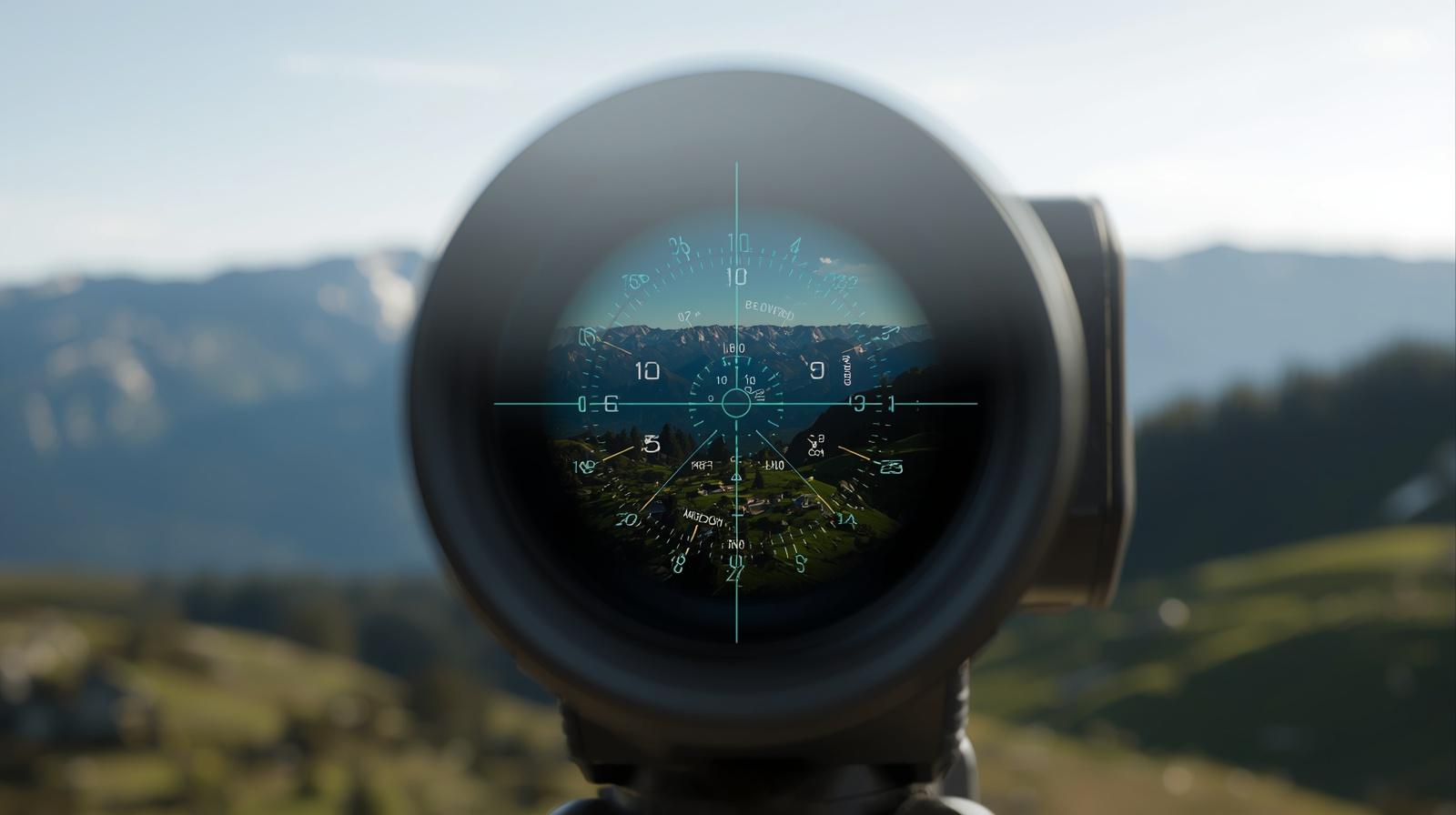
Best Luxury Ballistic Pick: Leica Geovid Pro 42
Leica’s Geovid line has a long-standing reputation among serious hunters, and the Geovid Pro 42 continues that tradition with a refined mix of optics, ranging, and ballistic support.
The Leica Geovid Pro series is positioned around first-class optics, rangefinding, smart ballistics, rugged design, and connectivity through the Leica Ballistics App.
What makes Leica different is the viewing character. Leica glass often has a rich, contrasty image that many users love. It does not always feel as clinically bright as some competitors, but it has depth and detail that helps when reading terrain.
The Geovid Pro 42 is a strong fit for hunters who want premium optics but also care about advanced ballistic support. It is especially appealing if you do not want your binocular to feel like a gadget first.
Pros:
| Pros | Why It Helps |
|---|---|
| Excellent image character | Great contrast and detail |
| Smart ballistic features | Useful for longer ethical shots |
| Compact premium design | Easier to carry than some large models |
| Leica app connectivity | Helpful for custom ballistic data |
| Strong field reputation | Trusted by serious hunters |
Cons:
| Cons | Why It Matters |
|---|---|
| High price | Not for casual buyers |
| App setup requires patience | Best for users willing to configure data |
| Some users may prefer Swarovski ergonomics | Fit and feel are personal |
The Leica Geovid Pro 42 is one of the best rangefinder binoculars for hunters who want premium glass and smart ballistic confidence in one serious tool.
Best Practical Hunting Pick: Leupold BX-4 Range HD Gen 2 10×42
The Leupold BX-4 Range HD Gen 2 is a strong practical option for hunters who want good glass, reliable ranging, and a familiar hunting-focused feature set.
Leupold describes the BX-4 Range HD Gen 2 10×42 as waterproof and fogproof, with HD clarity, edge-to-edge performance, and fast target acquisition.
This is not trying to be the fanciest optic in the world. That is part of its appeal. It feels like something built for hunters who want to use it hard, understand it quickly, and trust it in rough weather.
The TBR/W feature is especially useful for rifle hunters because it helps with angle-adjusted ballistic ranges. In steep country, that can prevent poor distance judgment.
Pros:
| Pros | Why It Helps |
|---|---|
| Strong hunting-focused design | Made for practical field use |
| HD optical system | Good clarity for the price tier |
| TBR/W ballistic support | Helpful for rifle hunters |
| Waterproof and fogproof | Useful in bad weather |
| Familiar Leupold ergonomics | Easy to adopt |
Cons:
| Cons | Why It Matters |
|---|---|
| Not the lightest option | Weight matters on long hikes |
| Less premium than Leica/Swarovski | Image is good, not elite |
| Ballistic system may not satisfy extreme data users | SIG or Vortex AB may be better |
The Leupold BX-4 Range HD Gen 2 is one of the best rangefinder binoculars for hunters who want a serious tool without chasing every luxury feature.
Best Budget-Friendly Rangefinder Binoculars: Bushnell Fusion X 10×42
The Bushnell Fusion X is often the kind of binocular that gets people into the rangefinding binocular category.
It makes sense for buyers who are tired of carrying separate optics but do not want to spend premium money. The 10×42 format is familiar, the ActivSync display is easy to read, and the price is usually far more approachable than high-end European models.
Bushnell lists the Fusion X 10×42 with a 10×42 configuration and ActivSync display, and the company positions it as a single optic that gives both sharp viewing and distance data.
You should keep expectations realistic. The Fusion X is not going to beat Swarovski in optical refinement or SIG in ballistic depth. But for practical use, especially inside normal hunting distances, it can be a smart buy.
Pros:
| Pros | Why It Helps |
|---|---|
| More affordable | Easier entry into rangefinder binoculars |
| ActivSync display | Improves readability in changing backgrounds |
| 10×42 format | Versatile for hunting and general outdoor use |
| Simple enough for most users | Less intimidating than advanced ballistic models |
| Good upgrade from separate tools | Saves time in the field |
Cons:
| Cons | Why It Matters |
|---|---|
| Not premium glass | Low-light and edge clarity have limits |
| Less advanced ballistics | Not ideal for long-range precision shooters |
| Heavier feel than some expect | Combo optics are rarely featherweight |
The Bushnell Fusion X is one of the best rangefinder binoculars for budget-conscious buyers who want real field convenience without entering the premium price bracket.
For tighter budget planning, use this supporting guide: [best budget rangefinder binoculars].
Best 10×50 Rangefinder Binoculars: Athlon Cronus UHD 10×50
The Athlon Cronus UHD 10×50 is an interesting option because it steps away from the common 10×42 format and gives you a larger 50mm objective lens.
That extra glass can help in low light. It also makes the binocular larger and heavier. So this is not the pick for someone who wants the most compact chest-harness setup.
Athlon says the Cronus rangefinding binoculars can range from 5 yards to 800 yards on deer-sized targets and out to 2,000 yards on reflective targets.
The Cronus makes sense for glassing from fixed positions, open fields, shooting benches, or situations where optical brightness matters more than shaving every ounce.
Pros:
| Pros | Why It Helps |
|---|---|
| 50mm objective lenses | Better light gathering potential |
| Good value for the feature set | Strong performance for the money |
| Wide and bright viewing feel | Useful for longer observation |
| Practical ranging ability | Enough for many hunters and shooters |
| Good option for tripod use | Stable when mounted |
Cons:
| Cons | Why It Matters |
|---|---|
| Larger and heavier | Not ideal for ultralight hiking |
| Less compact in chest harness | Bulk can be annoying |
| Not as refined as premium glass | Still value-focused |
The Athlon Cronus UHD 10×50 is one of the best rangefinder binoculars for users who want more low-light glass and do not mind extra size.
Best Simple Classic Pick: Nikon LaserForce 10×42
The Nikon LaserForce 10×42 is for the buyer who wants a more straightforward setup.
It does not feel as modern as some app-connected ballistic binoculars, but that can be a benefit. Not everyone wants Bluetooth, profiles, syncing, and multiple modes.
Nikon lists the LaserForce 10×42 as a rangefinder binocular with a 10–1900 yard range, ID incline/decline technology, ED glass, full multilayer-coated lenses and prisms, and long eye relief design.
This is a practical choice for hunters who mostly need distance and angle compensation, not an entire shooting computer.
Pros:
| Pros | Why It Helps |
|---|---|
| Straightforward operation | Easier for non-tech users |
| ED glass | Helps reduce color fringing |
| Good 10×42 format | Versatile and familiar |
| Incline/decline compensation | Useful for real terrain |
| Nikon optical background | Trusted by many outdoor users |
Cons:
| Cons | Why It Matters |
|---|---|
| Less advanced than newer smart models | Not ideal for ballistic-data users |
| Older platform feel | Some competitors offer newer displays and apps |
| May not be the best value depending on price | Compare current deals carefully |
The Nikon LaserForce remains a solid mention among the best rangefinder binoculars for people who prefer simple, practical performance.
10×42 vs 10×50 Rangefinder Binoculars
Most buyers should start with 10×42. It is the safest all-around format.
A 10×42 rangefinder binocular gives you enough magnification for distance, enough objective size for normal low-light use, and a manageable body size. It fits better in a chest harness and feels less punishing after a long walk.
A 10×50 rangefinder binocular gives you more objective lens size, which can help in dim conditions. But you pay for it with weight and bulk.
| Format | Best For | Main Advantage | Main Drawback |
|---|---|---|---|
| 8×42 | Dense woods, steadier handheld view | Easier to hold steady | Less reach |
| 10×42 | All-around hunting and shooting | Best balance | Slightly shakier than 8x |
| 10×50 | Low-light glassing, tripod use | Brighter feel | Heavier and bulkier |
| 12×50 | Open country and tripod work | More detail at distance | Harder handheld use |
For most people searching for the best rangefinder binoculars, 10×42 is the smart starting point.
If you specifically want that format, read [best 10×42 rangefinder binoculars] before buying.
How Much Should You Spend on Rangefinder Binoculars?
Rangefinder binoculars are expensive because you are buying optical glass, waterproof housing, laser electronics, display systems, and sometimes ballistic software in one device.
Here is a realistic breakdown.
| Price Range | What to Expect | Best Buyer Type |
|---|---|---|
| Under $500 | Basic ranging, basic glass, fewer advanced features | Casual users and tight budgets |
| $500–$1,000 | Better displays, better coatings, practical hunting performance | Value-focused hunters |
| $1,000–$1,800 | Stronger glass, better rangefinders, ballistic tools | Serious hunters and shooters |
| $1,800–$3,000+ | Premium optics, advanced ballistics, luxury build | Demanding users and guides |
Cheap rangefinder binoculars can work, but the compromise usually appears in low light, display quality, ranging reliability, or durability.
A simple buying rule is this: if the binocular is mostly for occasional daylight use, you can save money. If it will influence real hunting or shooting decisions, buy the most reliable model you can reasonably afford.
For affordable picks, compare [best rangefinder binoculars under 500]. For stronger mid-tier choices, read [best rangefinder binoculars under 1000].
What Makes the Best Rangefinder Binoculars Actually Better?
The best rangefinder binoculars are not always the ones with the longest listed range. The difference shows up in annoying real-world moments.
1. They Range Non-Reflective Targets Better
Advertised maximum range is often based on reflective targets. Real field targets are usually not reflective. Trees, rocks, brush, dark hillsides, and textured surfaces are harder to range.
A binocular that says “5,000 yards” may not range a deer-sized target anywhere near that number. That does not mean the company is lying. It means target type matters.
Look for realistic deer, tree, or non-reflective target range numbers when possible.
2. The Display Is Readable in Changing Light
A great rangefinder with a bad display is frustrating.
Black LCD displays can disappear against dark backgrounds. Bright red OLED displays can be easier to read, but they must be adjustable or they may overpower the image in low light.
The best display is one you can read quickly without thinking about it.
3. The Binocular Feels Stable
Rangefinder binoculars are heavier than standard binoculars. That weight can sometimes help stability, but it can also fatigue your arms.
A 10x binocular that feels great for 30 seconds may feel different after 20 minutes of glassing.
If you are using 10x or higher, a tripod adapter becomes more important.
4. The Ballistic Features Match Your Skill Level
Do not buy advanced ballistic tools just because they sound impressive.
If you shoot inside 300 yards, angle compensation may be enough. If you shoot past 500 yards, ballistic profiles, environmental data, and wind inputs become more important.
The best rangefinder binoculars for you should match your real field use, not just the features that sound impressive online.
For serious distance work, continue with [best rangefinder binoculars for long range shooting].
Best Rangefinder Binoculars for Hunting
For hunting, the best rangefinder binoculars should be fast, quiet, rugged, and easy to read.
A hunting optic is not used in perfect showroom light. It gets pulled from a chest harness with cold hands. It gets bumped against rocks. It gets used before sunrise, after sunset, in rain, dust, and awkward positions.
For most hunters, I would choose in this order:
| Hunting Need | Best Choice |
|---|---|
| Best overall hunting setup | Vortex Fury HD 5000 AB |
| Best premium glassing experience | Swarovski EL Range TA |
| Best simple hunting setup | Leupold BX-4 Range HD Gen 2 |
| Best budget hunting setup | Bushnell Fusion X |
| Best advanced ballistic hunting setup | Leica Geovid Pro 42 or SIG KILO6K HD |
A bowhunter in timber does not need the same binocular as a western rifle hunter glassing across basins. A whitetail hunter in a tree stand may care more about angle compensation and low-light display readability. A mountain hunter may care more about ranging steep slopes, weight, and optical comfort.
That is why “best” depends on terrain.
Best Rangefinder Binoculars for Long-Range Shooting
Long-range shooting changes the priority list.
For casual hunting, distance and angle may be enough. For long-range shooting, you start caring about ballistic profiles, temperature, pressure, wind, muzzle velocity, bullet data, and device connectivity.
The SIG KILO6K HD and Vortex Fury HD 5000 AB are strong here because they lean into ballistic support. Leica also performs well for users who want premium glass with smart ballistic integration.
Important long-range features:
| Feature | Why It Matters |
|---|---|
| Ballistic calculator | Helps convert distance into a shooting solution |
| Angle compensation | Critical in steep terrain |
| Environmental sensors | Improve data quality |
| Bluetooth/app support | Makes profile setup easier |
| Fast scan mode | Helps track multiple distances quickly |
| Tripod compatibility | Improves stability and ranging precision |
The best rangefinder binoculars for long-range shooting should not just give you distance. They should help you make better decisions.
Rangefinder Binoculars vs Separate Binocular and Rangefinder
This is one of the most important buying decisions.
| Setup | Advantages | Disadvantages |
|---|---|---|
| Separate binocular + rangefinder | Cheaper, lighter binocular, easier to upgrade separately | Slower, more gear, easy to lose target |
| Rangefinder binocular | Faster, cleaner workflow, one view for glassing and ranging | More expensive, heavier, harder to upgrade separately |
A separate setup still makes sense if you are on a budget or only range occasionally. But once you get used to ranging through binoculars, it is hard to go back.
The biggest benefit is not just convenience. It is continuity. You spot, judge, range, and decide without breaking your view.
That is why the best rangefinder binoculars feel so efficient in the field.
Buyer Psychology: What Most People Regret After Buying
A lot of buyers regret one of three things.
First, they buy too cheap and realize the glass is tiring. The rangefinder works, but the binocular is not enjoyable to use.
Second, they buy too much technology and never learn it. The optic can do amazing things, but they use only the basic distance mode.
Third, they chase maximum range instead of real-world performance. Ranging a reflective sign at 4,000 yards sounds impressive. Ranging a dark hillside in bad light is more useful.
A smart buyer asks:
“Where will I use this most?”
Not:
“What has the biggest number on the box?”
That mindset will lead you toward the best rangefinder binoculars for your actual use.
Common Mistakes to Avoid
Mistake 1: Ignoring Weight
Rangefinder binoculars are heavier than standard binoculars. A few extra ounces may not sound like much until you carry them all day.
Mistake 2: Buying Ballistics You Will Not Use
Ballistic calculators are excellent, but only if you set them up correctly. Bad input data can create false confidence.
Mistake 3: Forgetting Low-Light Performance
Many shots and observations happen in marginal light. Glass quality matters more than people expect.
Mistake 4: Not Checking Eye Relief
If you wear glasses, eye relief is not optional. Poor eye relief makes the binocular uncomfortable and reduces usable field of view.
Mistake 5: Trusting Advertised Range Too Literally
Always separate reflective range from real target range. They are not the same.
Best Rangefinder Binoculars Comparison Table
| Model | Magnification | Best Use | Strength | Weakness |
|---|---|---|---|---|
| Vortex Fury HD 5000 AB | 10×42 | All-around hunting and shooting | Great balance of glass, range, and ballistics | Not luxury-level optics |
| Swarovski EL Range TA | 10×42 | Premium hunting and glassing | Excellent optical comfort | Very expensive |
| SIG KILO6K HD | 10×42 | Smart ballistic shooting | Strong tech and ranging engine | More complex |
| Leica Geovid Pro 42 | 8×42 / 10×42 options | Premium ballistic hunting | Refined optics and app support | High price |
| Leupold BX-4 Range HD Gen 2 | 10×42 | Practical hunting | Rugged, clear, hunting-focused | Heavy compared to some |
| Bushnell Fusion X | 10×42 | Budget entry | Affordable and useful | Limited premium performance |
| Athlon Cronus UHD | 10×50 | Low-light value | Bright 50mm format | Bulky |
| Nikon LaserForce | 10×42 | Simple use | Straightforward and reliable | Older feature set |
Final Recommendation: Which Rangefinder Binocular Should You Buy?
If I had to choose one model for most serious users, I would choose the Vortex Fury HD 5000 AB. It gives you strong optical performance, real ballistic value, good field usability, and enough technology to grow into.
- If glass quality matters more than anything, choose the Swarovski EL Range TA.
- If you are a long-range shooter who loves ballistic tools, choose the SIG Sauer KILO6K HD.
- If you want premium European optics with smart hunting-focused ballistics, choose the Leica Geovid Pro 42.
- If you want a practical hunting tool without luxury pricing, choose the Leupold BX-4 Range HD Gen 2.
- If you are buying your first pair and want to keep the price lower, start with the Bushnell Fusion X.
The best rangefinder binoculars are the ones that help you make faster, calmer, more accurate decisions in the field. Not the ones with the loudest marketing number.
For more binocular buying guides and field comparisons, explore BestBinocular.net and choose your next optic with more confidence.
FAQs About the Best Rangefinder Binoculars
What are the best rangefinder binoculars overall?
The best rangefinder binoculars overall for most serious hunters and shooters are the Vortex Fury HD 5000 AB because they offer a strong balance of 10×42 optics, long-range capability, Applied Ballistics support, and field-ready durability. Premium users may prefer Swarovski EL Range TA or Leica Geovid Pro 42 for superior optical refinement.
Are rangefinder binoculars worth it?
Yes, rangefinder binoculars are worth it if you regularly glass and range targets in the same session. They save time, reduce movement, and help you keep your eyes on the object while getting distance data. They are especially useful for hunting, long-range shooting, and open-country observation.
What magnification is best for rangefinder binoculars?
For most people, 10×42 is the best magnification and objective size combination. It gives enough reach for distance work while staying manageable for handheld use. An 8×42 is steadier in close terrain, while a 10×50 can help in low light but adds weight.
What are the best rangefinder binoculars for hunting?
The best rangefinder binoculars for hunting include the Vortex Fury HD 5000 AB, Swarovski EL Range TA, Leica Geovid Pro 42, Leupold BX-4 Range HD Gen 2, and Bushnell Fusion X. The right choice depends on your budget, terrain, and whether you need advanced ballistic features.
Do rangefinder binoculars work in low light?
Yes, good rangefinder binoculars work in low light, but performance depends on glass quality, lens coatings, objective size, and display brightness. Premium models usually perform better at dawn and dusk because they provide brighter, clearer images and more readable displays.
What is the difference between angle compensation and ballistic calculation?
Angle compensation adjusts the distance for uphill or downhill shots. Ballistic calculation goes further by using bullet data, velocity, environmental factors, and distance to provide a more complete shooting solution. Hunters inside moderate ranges may only need angle compensation, while long-range shooters often benefit from ballistic calculators.
Are expensive rangefinder binoculars better?
Expensive rangefinder binoculars are usually better in optical clarity, low-light performance, display quality, build quality, and ballistic features. However, not every buyer needs the most expensive model. A practical mid-range binocular may be the better choice if you do not use advanced features.
Can rangefinder binoculars replace a spotting scope?
No, rangefinder binoculars do not fully replace a spotting scope. They are better for scanning, ranging, and handheld observation. A spotting scope is still better for high-magnification detail at long distances. Many serious users carry both.
What are the best rangefinder binoculars for long range shooting?
The best rangefinder binoculars for long range shooting are models with strong ranging engines, ballistic calculators, angle compensation, and app connectivity. The SIG KILO6K HD, Vortex Fury HD 5000 AB, and Leica Geovid Pro 42 are strong options for this use.
Should I buy rangefinder binoculars under $500?
You can buy rangefinder binoculars under $500 if your expectations are realistic. They can work for basic ranging and casual use, but they usually compromise on glass quality, low-light performance, display clarity, or advanced ballistic features. Serious hunters and shooters may be happier saving for a higher tier.




