
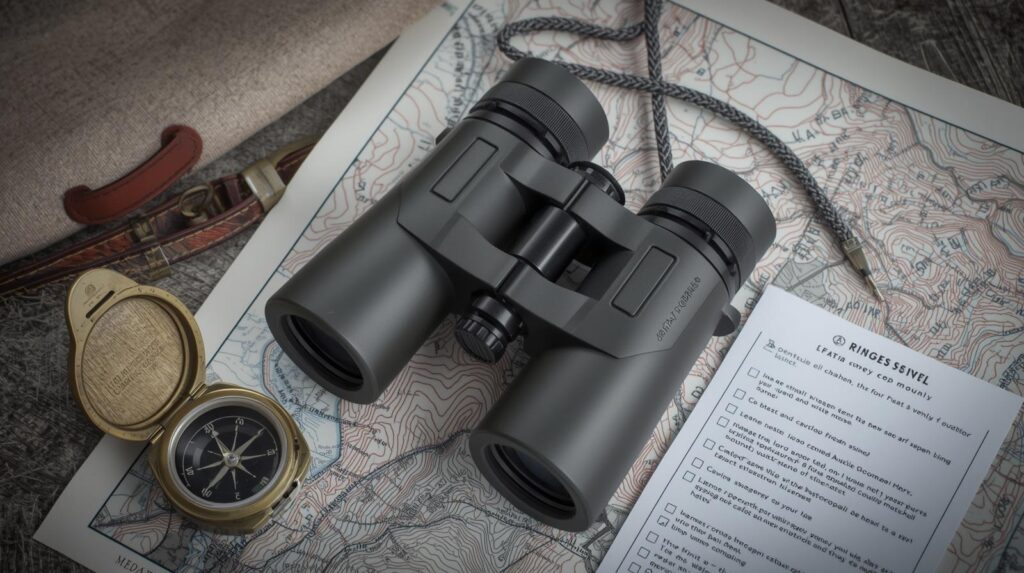
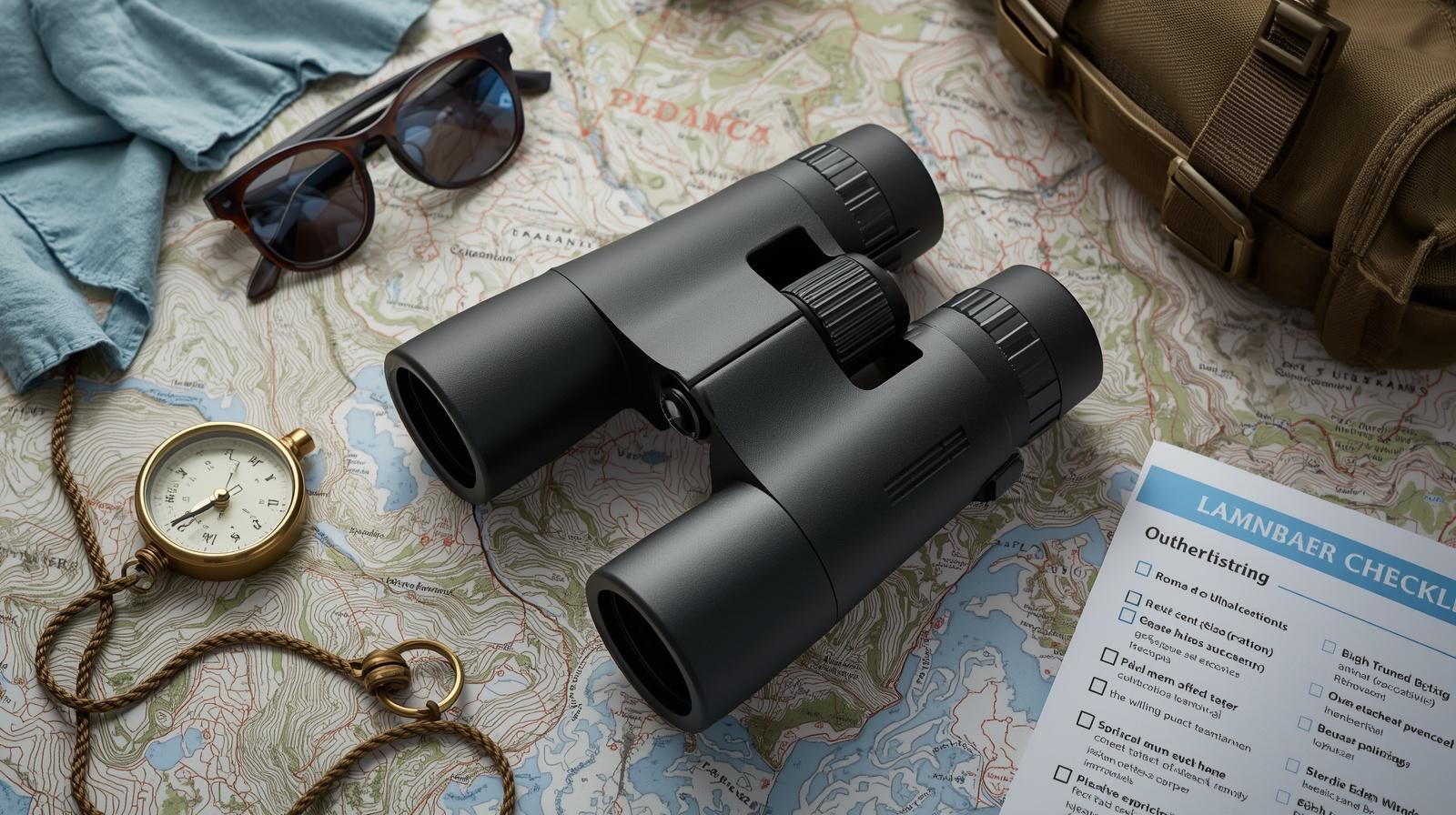
Buying the best rangefinder binoculars for the money is not about finding the cheapest pair with a laser inside. That is usually how people end up with heavy glass, weak ranging, confusing buttons, or poor low-light performance.
The smarter move is to look for the point where optical quality, reliable distance readings, durability, and everyday usability meet at a fair price.
That matters because rangefinder binoculars are not casual gear. You are paying for two tools in one: binoculars for observation and a laser rangefinder for distance measurement. When both parts are done well, they save time, reduce guesswork, and make outdoor planning easier. When one part is weak, the whole experience feels annoying.
For most users, the best value sits in the middle of the market. Cheap models often compromise on glass clarity, display quality, or weather sealing. Premium models can be excellent, but they sometimes charge extra for features many people rarely use.
So, if you want the best rangefinder binoculars for the money, focus on usable performance, not hype.
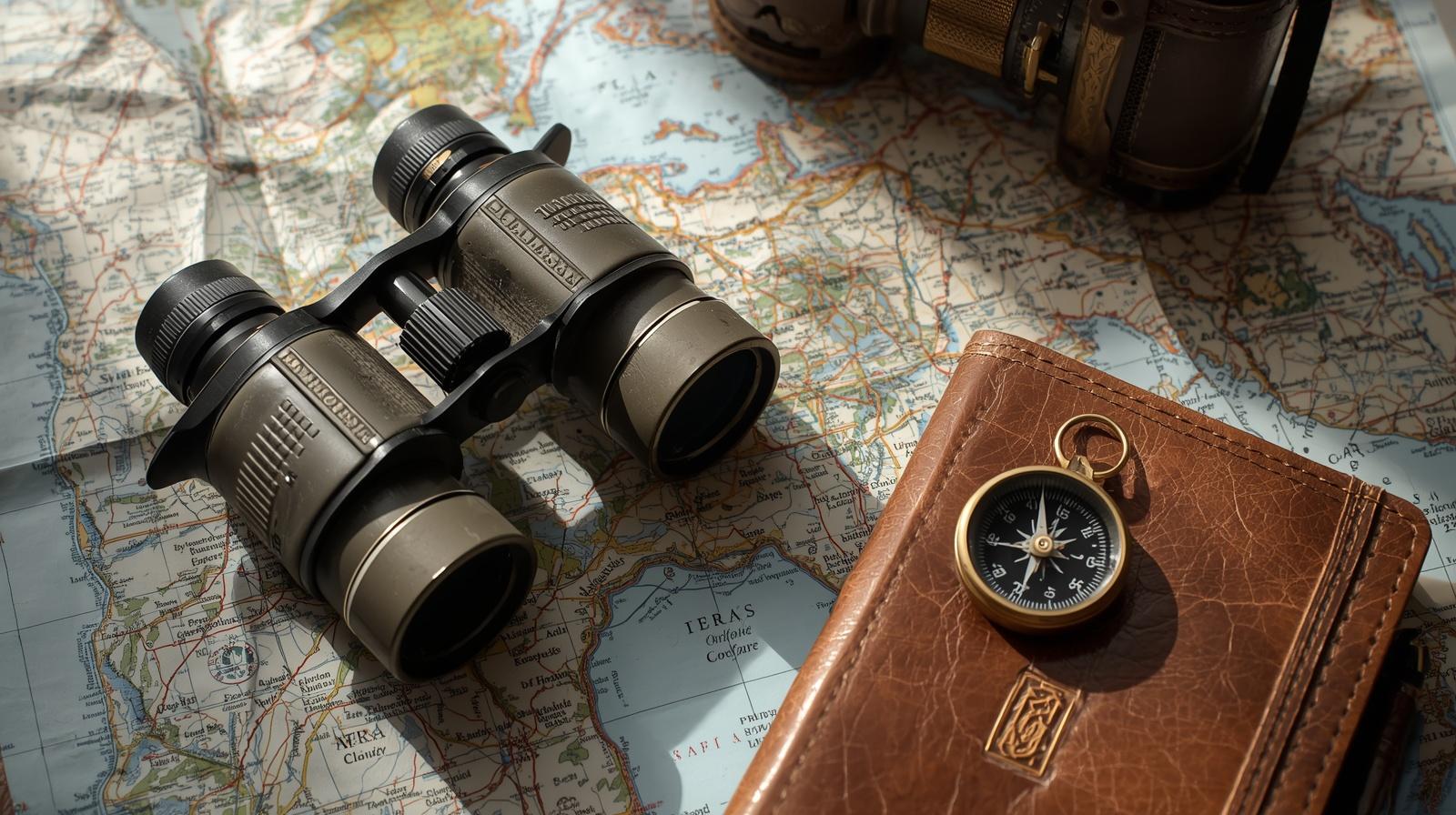
What “for the Money” Really Means With Rangefinder Binoculars
A good value rangefinder binocular should do three things well.
First, it should give you a clear image. If the glass is dull, blurry around the edges, or hard to focus, you will not enjoy using it for long observation sessions.
Second, it should range consistently. You do not need a wild marketing number if real-world readings are slow or inconsistent on trees, rocks, signs, shorelines, or uneven terrain.
Third, it should feel practical in the field. Weight, grip, button layout, battery access, eye relief, and display brightness matter more than people think.
The best rangefinder binoculars for the money are not always the ones with the longest claimed range. A model that gives fast, readable, repeatable distance readings at realistic outdoor distances is usually more useful than one with a huge number printed on the box.
That is where many buyers get trapped. They chase max range, then realize they mostly needed a clear view, steady handling, and easy readings in normal conditions.
Who Should Buy Rangefinder Binoculars?
Rangefinder binoculars make sense if you regularly need both observation and distance information.
They are useful for:
| Use Case | Why Rangefinder Binoculars Help |
|---|---|
| Hiking and route planning | Estimate distance to ridges, trail markers, or terrain features |
| Wildlife observation from a safe distance | Watch animals without needing to move closer |
| Boating and shoreline viewing | Measure distance to docks, markers, or visible shore points |
| Outdoor photography planning | Judge distance and framing before setting up |
| Farm, ranch, and property use | Check distance across open land, gates, tree lines, or structures |
| Search and outdoor safety planning | Understand distance across rough terrain faster |
If you only need binoculars for casual sightseeing, regular binoculars may be enough. But if you often ask, “How far is that?” then rangefinder binoculars are worth considering.
For a broader comparison of top models and buying categories, you can also check the main silo guide on best rangefinder binoculars. That pillar page is useful when you want to compare different price levels before choosing a final model.
The Best Value Zone: Mid-Range Beats Cheap Gear
Here is my honest take: the cheapest rangefinder binoculars rarely feel like the best deal after a few weeks.
They may work fine in bright daylight, but problems usually show up when conditions become less perfect. The image may lose contrast near sunset. The laser may struggle on darker objects. The display may be hard to read. The body may feel bulky. The controls may feel slow.
That does not mean you need to buy the most expensive model either.
The sweet spot for the best rangefinder binoculars for the money is usually a model with:
| Feature | Good Value Target |
|---|---|
| Magnification | 8x or 10x |
| Objective lens | 32mm to 42mm |
| Display | Clear red or OLED-style display |
| Weather protection | Waterproof and fog-resistant body |
| Ranging performance | Reliable readings on practical outdoor targets |
| Weight | Comfortable enough for long carry |
| Controls | Simple one-hand operation |
| Warranty | Strong brand support |
A 10×42 model is popular because it gives strong detail and decent light gathering. An 8×32 or 10×32 model can be better if you want something smaller and easier to carry.
My One Practical Product Pick: Vortex Fury HD 5000
One highly relevant product to consider is the Vortex Fury HD 5000 rangefinding binocular.
Why this one?
Because it sits in that useful value zone where you get serious ranging capability, strong optical performance, and a field-ready build without jumping into the most expensive premium class. Vortex lists the Fury HD 5000 AB version as a 10×42 rangefinding binocular with 5–5000-yard reflective ranging, 5–2400-yard tree ranging, and 5–1600-yard deer-sized target ranging. The included accessories also make it feel complete out of the box, including a harness, straps, covers, lens cloth, and battery.
For safe general outdoor use, the key value is not the extreme number. The key value is that the platform is built around dependable distance measurement, real binocular usability, and durable field handling.
Pros:
| Pros | Why It Matters |
|---|---|
| Strong distance capability | Useful for open terrain, property viewing, and route planning |
| 10×42 format | Good balance of detail and light gathering |
| Field-ready accessories | Less extra gear to buy later |
| Established optics brand | Better confidence in long-term support |
Cons:
| Cons | What to Know |
|---|---|
| Not ultralight | May feel heavy on long walks |
| More than casual users need | Overkill for simple sightseeing |
| Takes practice | Menu and ranging modes require learning |
This is the type of model I would consider if someone wants one serious pair instead of buying cheap first and upgrading later.
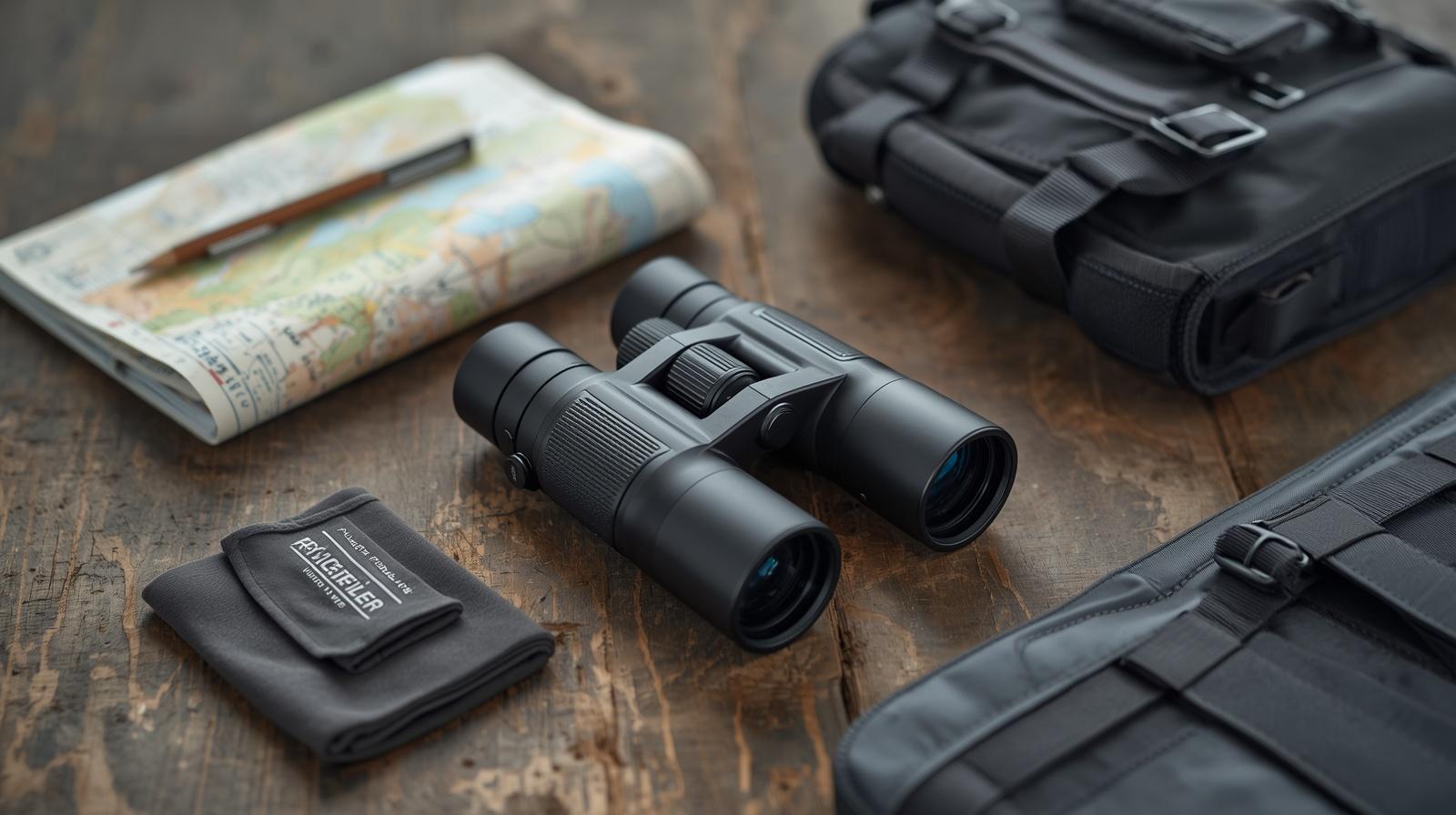
8x vs 10x: Which Gives Better Value?
Many buyers assume 10x is automatically better. Not always.
A 10x rangefinder binocular gives more detail at distance, which is helpful in open country, large properties, shoreline viewing, and long-distance observation. But it also shows more hand shake. If the binocular is heavy, 10x can feel tiring after a while.
An 8x model usually gives a wider field of view and a steadier image. That makes it easier to scan an area, follow movement, and use handheld for longer periods.
For the best rangefinder binoculars for the money, choose based on how you actually use them.
Choose 8x if:
You want easier handheld viewing, wider scanning, better comfort, and less shake.
Choose 10x if:
You want more detail at distance, often use open terrain, and do not mind a slightly less steady image.
Most people shopping for one do-it-all pair will be happy with 10×42. But if you walk a lot and care more about comfort than maximum detail, do not ignore 8x or compact 32mm options.
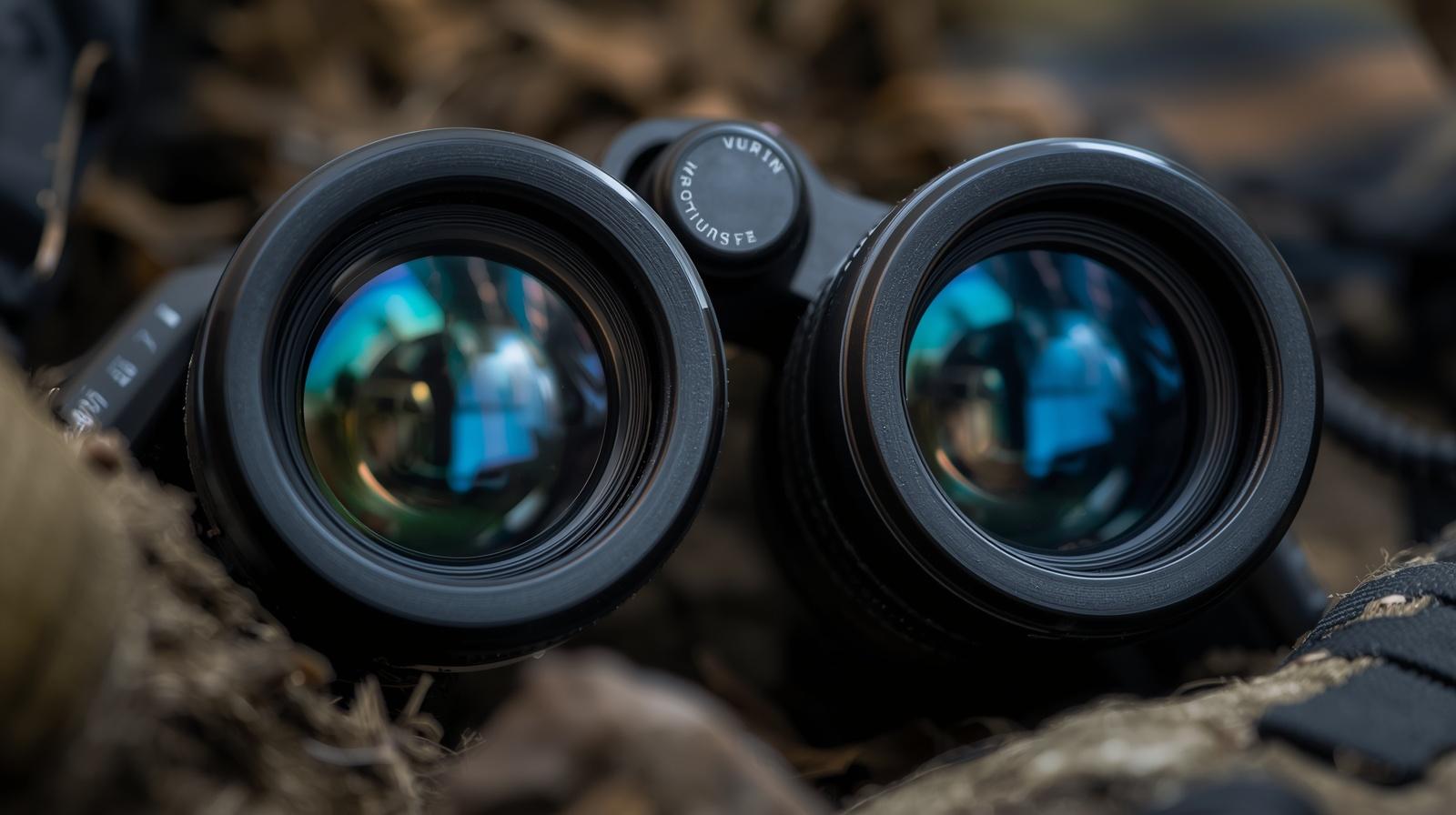
Glass Quality Matters More Than Huge Range Claims
A rangefinder binocular is still a binocular.
That sounds obvious, but many buyers forget it. They spend all their attention on laser range and ignore the view.
A strong value model should give you:
Clear center sharpness
Good contrast in mixed light
Comfortable eye relief
Easy focus control
A display that does not overpower the image
Acceptable edge clarity
Good color and brightness for the price
Low-quality glass becomes frustrating fast. You may get the distance reading, but you will not enjoy looking through the binoculars.
This is why I would rather buy a slightly shorter-ranging binocular with better glass than a cheaper model with a flashy max range and weak optics.
Real-World Use Cases: Where Value Actually Shows Up
Hiking and Trail Planning
On a trail, rangefinder binoculars help you estimate distance to ridgelines, trail signs, rock formations, or visible campsites. This helps with pacing and decision-making.
A cheap model may work on obvious objects, but a better value model gives faster readings and a clearer view when the light gets harsh or uneven.
Property and Land Use
For landowners, farmers, or outdoor workers, rangefinder binoculars can quickly estimate distance between fences, gates, trees, buildings, and open areas. That saves time compared with guessing or walking everything out.
This is where the best rangefinder binoculars for the money feel practical rather than fancy.
Boating and Shoreline Observation
Around water, distance can be hard to judge. A rangefinder binocular can help measure distance to docks, buoys, shorelines, or visible structures.
Water glare can make poor optics feel worse, so lens coating and display readability matter here.
Outdoor Photography Planning
Photographers can use rangefinder binoculars to estimate distance to landscape features before choosing lenses, positions, or framing. This is especially useful when planning shots across valleys, hills, coastlines, or large open spaces.
What to Avoid When Buying
The biggest mistake is buying based only on maximum range.
A listed range number is usually measured under ideal conditions. Real-world results depend on light, surface reflectivity, angle, steadiness, weather, and target size.
Another mistake is ignoring weight. Some rangefinder binoculars are noticeably heavier than regular binoculars. If you carry them all day, weight becomes a real issue.
Also, avoid models with confusing displays. A cluttered screen can slow you down. You want information that is readable without blocking the view.
Finally, do not buy a model only because it has advanced features. If you will not use them, they are not value. They are just cost.
Quick Comparison: Budget vs Mid-Range vs Premium
| Category | Best For | Main Advantage | Main Weakness |
|---|---|---|---|
| Budget rangefinder binoculars | Casual distance checking | Lower upfront cost | Weaker glass and less reliable ranging |
| Mid-range rangefinder binoculars | Most serious outdoor users | Best balance of price and performance | Still not cheap |
| Premium rangefinder binoculars | Heavy users and professionals | Better optics, build, and features | Price can jump fast |
For most buyers, the mid-range category is the smartest choice. That is where you usually find the best rangefinder binoculars for the money.
Buyer Psychology: Why People Overpay
Rangefinder binoculars trigger “spec chasing.”
People see big range numbers, advanced modes, premium coatings, app connectivity, and expensive branding. Suddenly the budget doubles.
But be honest about your actual use.
Are you really going to use every advanced mode?
Will you carry them for hours?
Do you need top-tier ranging, or just reliable practical readings?
Would better comfort matter more than one extra feature?
The best purchase is the one that still makes sense six months later.
If a model saves you time, gives a clean view, feels comfortable, and delivers reliable distance readings, that is real value.
Build Your Buying Knowledge
Before you buy, compare this article with the full best rangefinder binoculars guide so you can understand where value models fit against premium and specialist options.
For broader outdoor optics help, visit the Best Binocular home page and explore related buying tips before making a final decision.
For extra help, a simple guide on how to choose binoculars by use case can make the buying decision easier because many buyers need clear explanations before they feel ready to purchase.
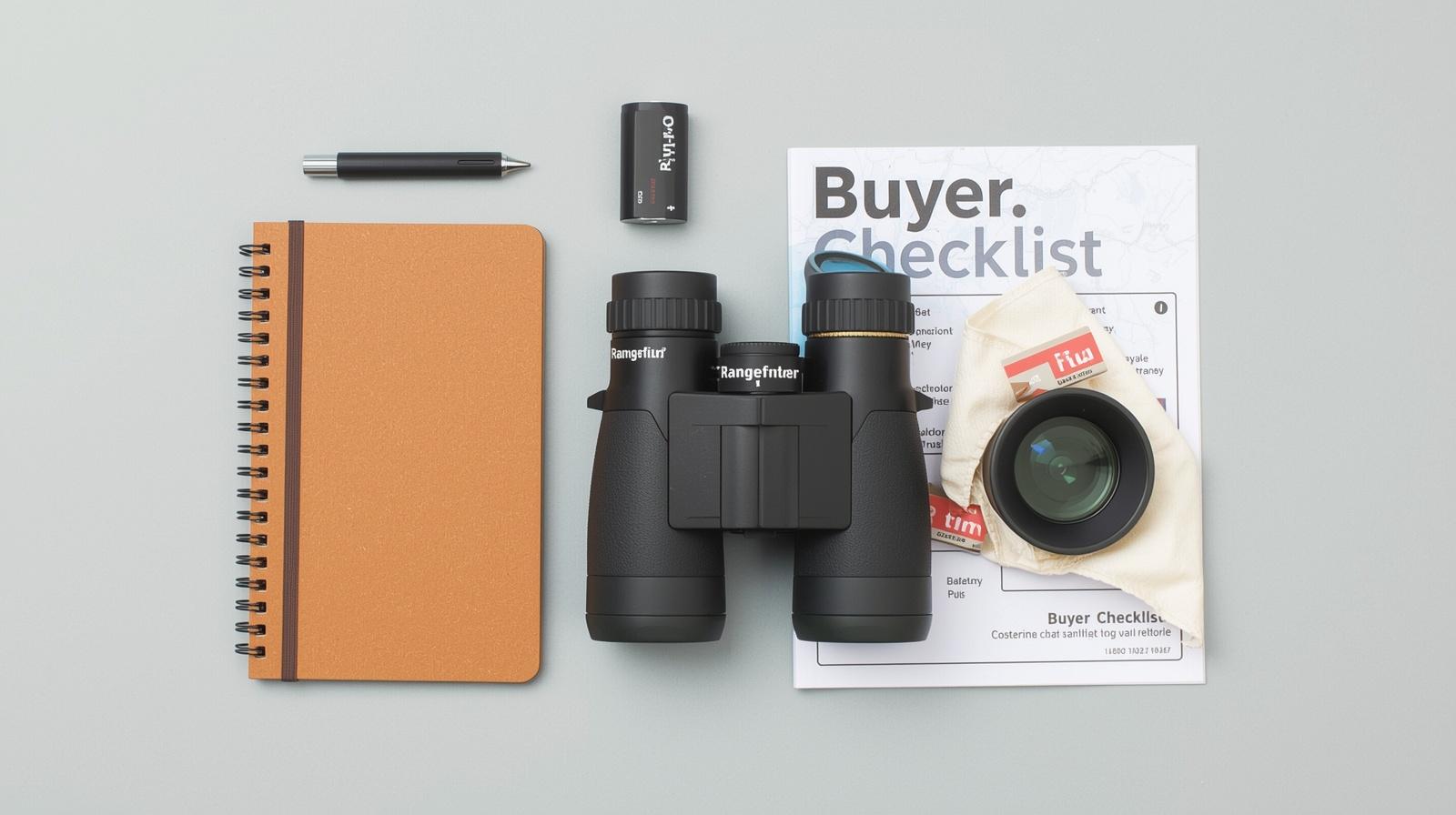
Final Buying Checklist
Before choosing the best rangefinder binoculars for the money, ask these questions:
- Does the binocular view look sharp enough for long sessions?
- Is the display readable in bright and dim conditions?
- Can it range practical outdoor objects consistently?
- Is the weight manageable for your normal use?
- Are the controls simple enough to use quickly?
- Does the brand offer reliable support?
- Are you paying for features you will actually use?
If the answer is yes to most of these, you are probably looking at a smart buy.
FAQs About the Best Rangefinder Binoculars for the Money
What are the best rangefinder binoculars for the money?
The best rangefinder binoculars for the money are models that balance clear optics, reliable distance readings, durable construction, and comfortable handling without charging for features most users will not need. For many buyers, a strong mid-range 10×42 model gives the best value.
Are expensive rangefinder binoculars always better?
Expensive models can offer better glass, faster ranging, improved displays, and stronger build quality. But they are not always the best value. If you only need practical distance readings for hiking, property use, boating, or general outdoor observation, a mid-range model may make more sense.
Is 10×42 good for rangefinder binoculars?
Yes, 10×42 is one of the most popular formats because it gives good detail at distance while still collecting enough light for early morning or late afternoon viewing. However, 8x models may feel steadier and easier to use handheld.
Do rangefinder binoculars work in low light?
Good models can work well in low light, but optical quality and display brightness matter. Cheap models may show a dim image or a display that is either too weak or too bright. For low-light use, prioritize better glass and a clear display.
Are rangefinder binoculars worth it?
Rangefinder binoculars are worth it if you often need both magnified viewing and distance measurement. They save time because you do not have to switch between separate binoculars and a separate rangefinder.
What should I avoid when buying rangefinder binoculars?
Avoid buying only for the biggest maximum range number. Also avoid poor glass, heavy designs, weak weather sealing, and complicated menus. Real-world usability matters more than flashy specs.
Final Verdict
The best rangefinder binoculars for the money should feel useful every time you pick them up. They should give you a clean view, fast distance readings, comfortable handling, and enough durability for real outdoor use.
Do not chase the cheapest option. Do not overpay for features you will never touch. Aim for the middle ground where performance feels dependable and the price still feels reasonable.
For most buyers, that is where the real value is.




