
Why Long Range Shooting Needs More Than Advertised Ranging Distance
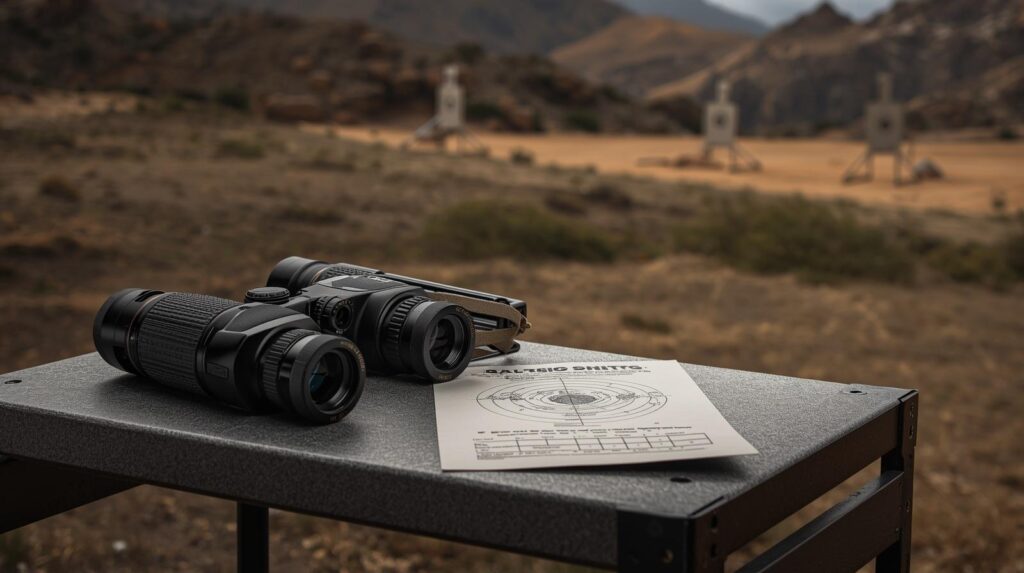
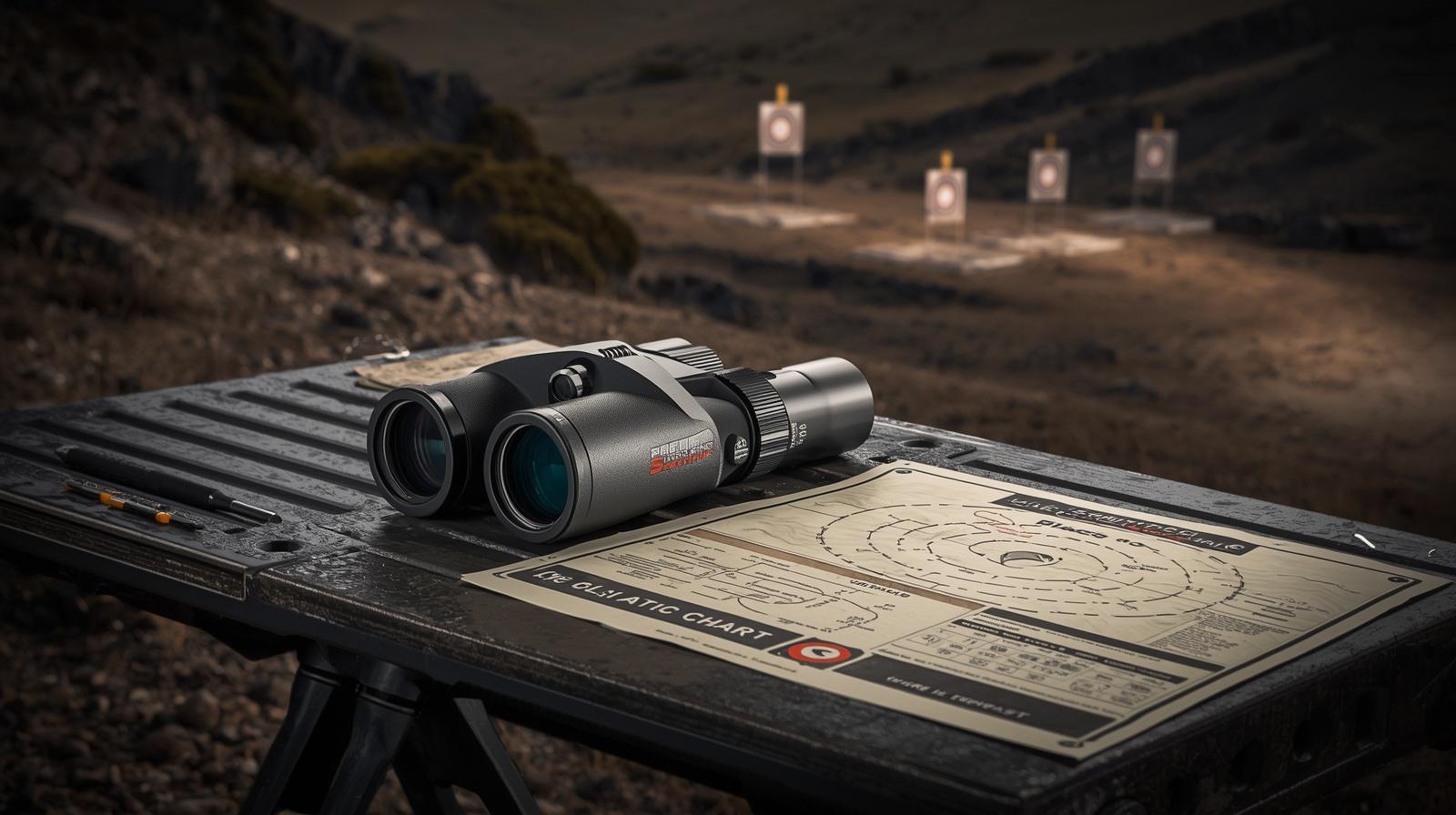
Finding the best rangefinder binoculars for long range shooting is not just about buying the model with the biggest advertised ranging distance. That number looks impressive on a product page, but real shooting conditions are messier: heat shimmer, angled terrain, dark targets, uneven backgrounds, wind, low light, and the pressure of making the right call before the target disappears.
A good rangefinder binocular for long range work should do three things well: show you the target clearly, give you reliable distance data, and help you make faster decisions without juggling separate devices.
That is why long range shooters often prefer rangefinding binoculars over a separate binocular and handheld rangefinder setup. You scan, identify, range, and plan from one optic. Less movement. Less gear. Fewer mistakes.
Why Rangefinder Binoculars Matter for Long Range Shooting
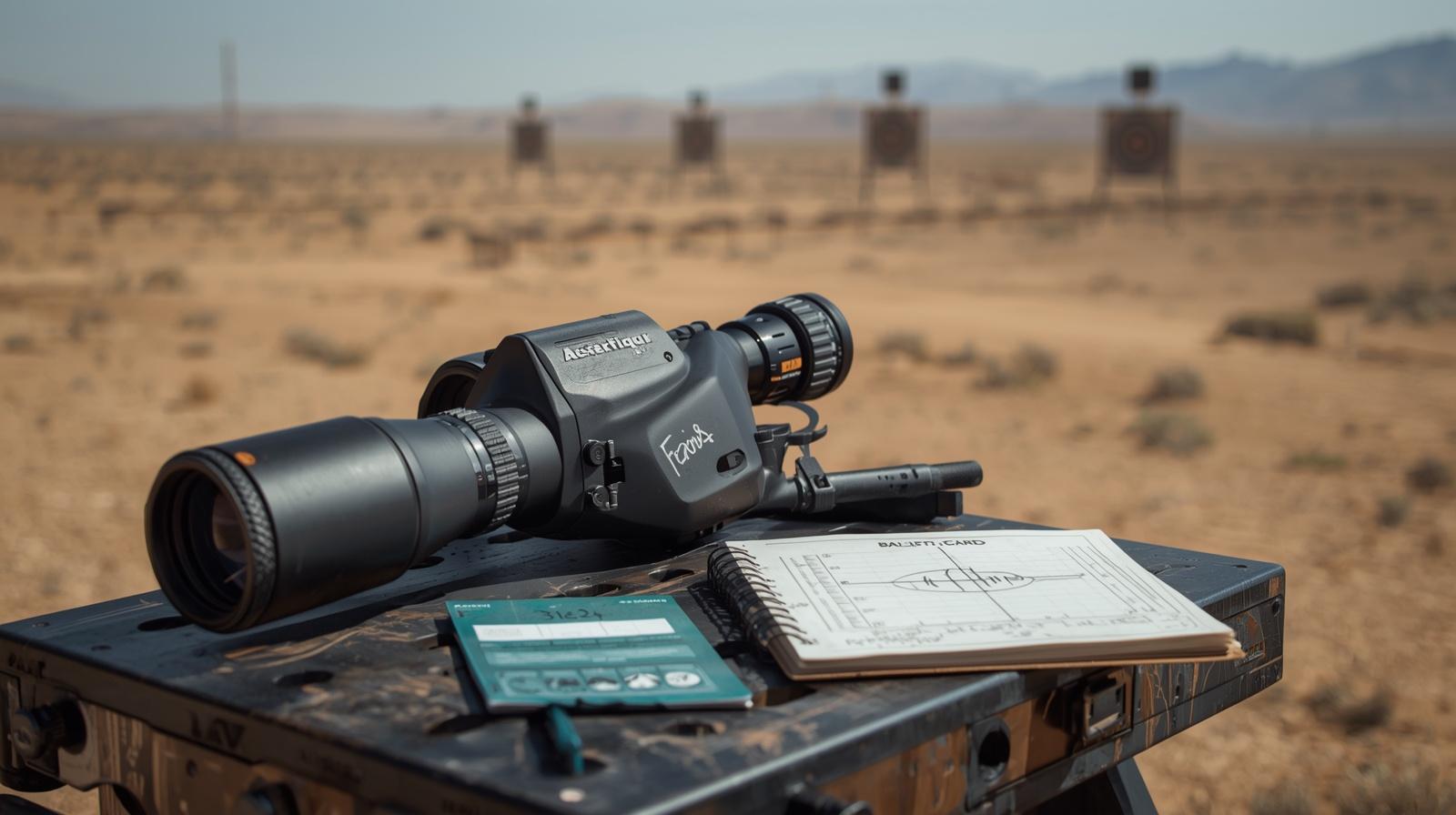
At short distances, a small ranging error may not ruin your shot. At longer distances, it can completely change your holdover or turret adjustment. That is where the best rangefinder binoculars for long range shooting become more than a convenience.
They help you:
| Long Range Need | Why It Matters |
|---|---|
| Accurate distance reading | Small distance errors become bigger ballistic problems at longer ranges |
| Clear target identification | You need to confirm what you are ranging before trusting the number |
| Stable two-eye viewing | Less eye fatigue during long glassing sessions |
| Ballistic data support | Helps with elevation corrections and angle compensation |
| Faster workflow | Scan, range, and observe without switching tools |
The biggest benefit is speed with confidence. You are not looking through binoculars, then lowering them, then pulling out a rangefinder, then trying to find the same object again. With rangefinding binoculars, the workflow feels smoother and more natural.
For readers building a full optics setup, the main guide on best rangefinder binoculars gives a broader breakdown of the full category.
What Makes the Best Rangefinder Binoculars for Long Range Shooting Different?
Not every rangefinder binocular is made for long range use. Some models are excellent for golf, bowhunting, or casual outdoor viewing, but they struggle when you start ranging smaller targets across wide open country.
For long range shooting, you want to pay close attention to these features.
1. Real-World Ranging Performance
The advertised maximum range is usually measured on highly reflective targets in ideal conditions. That does not always translate to field use.
A binocular may claim extreme ranging distance, but what matters is how well it ranges:
- Dull steel targets
- Dark rocks
- Tree lines
- Dirt berms
- Animals in shade
- Targets against cluttered backgrounds
- Angled terrain
For long range shooting, I would rather have a binocular that gives repeatable readings at realistic distances than one that only performs well on reflective signs.
2. Ballistic Features That Actually Help
The best rangefinder binoculars for long range shooting often include angle compensation, environmental inputs, or ballistic solver compatibility. These features are valuable because distance alone is not the whole story.
A steep uphill or downhill shot does not behave the same as a flat shot. Temperature, altitude, and pressure can also affect bullet performance at longer distances. You do not need every advanced feature if you are shooting casually, but serious long range shooters should not ignore ballistic support.
The key is usability. A complicated ballistic system that takes too long to adjust in the field can become annoying. A slightly simpler system that you actually use correctly is often better.
3. Optical Clarity at Distance
A cheap rangefinder binocular might give you a number, but if the image looks soft or washed out at distance, it becomes hard to confirm the target.
Long range shooting requires more than magnification. You need contrast, edge clarity, and good light transmission. A crisp image helps you spot target edges, bullet splash, terrain features, and mirage patterns.
This is why budget models can feel limiting past mid-range distances. They may work fine at 300–600 yards, but beyond that, glass quality starts to matter more.
Best Overall Product Recommendation: Vortex Fury HD 5000 AB
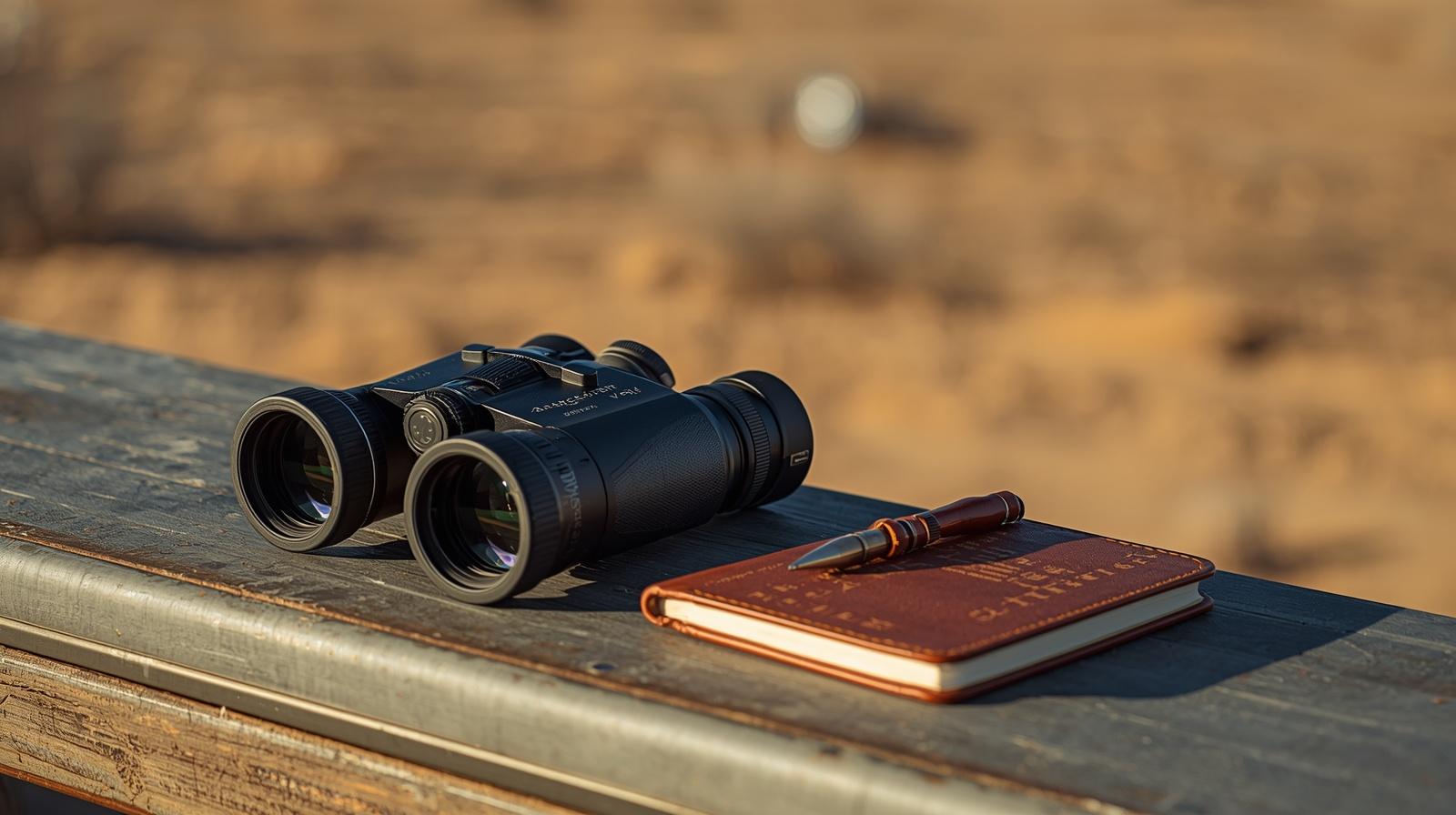
If I had to recommend one highly relevant product for this topic, it would be the Vortex Fury HD 5000 AB.
It fits the sweet spot for many long range shooters because it combines strong ranging capability, good glass, and Applied Ballistics support in a binocular format that feels practical rather than overly complicated. It is not the cheapest option, but for serious target shooters and western hunters who need reliable distance readings, it makes sense.
Why It Makes Sense
The Vortex Fury HD 5000 AB is useful when you are glassing open terrain, ranging steel, checking landmarks, or building a shot plan from one position. The ballistic side is the real advantage. Instead of only giving you distance, it can help support a more complete shooting solution when configured properly.
It is also a strong pick for people who already understand the basics of long range shooting and want their optic to speed up the process.
Pros
| Pros | Why It Helps |
|---|---|
| Built for serious ranging | Better suited to long distance use than casual rangefinders |
| Ballistic support | Helpful for shooters who want more than line-of-sight distance |
| Two-in-one setup | Reduces gear switching in the field |
| Good practical size | Easier to carry than using separate large optics |
| Trusted brand support | Vortex warranty reputation gives buyers more confidence |
Cons
| Cons | What to Consider |
|---|---|
| Not a budget buy | Overkill if you only shoot short distances |
| Takes setup time | Ballistic features need proper input to be useful |
| Heavier than basic binoculars | You may want a harness for long sessions |
| Advanced features require learning | Not ideal for someone wanting a simple point-and-range tool |
My honest take: the Vortex Fury HD 5000 AB is not for everyone, but it is one of the most sensible choices if you want the best rangefinder binoculars for long range shooting without jumping into the most expensive elite-tier options.
Rangefinder Binoculars vs Separate Binocular and Rangefinder
A lot of shooters ask whether rangefinder binoculars are really worth it. The answer depends on how you shoot.
| Setup | Best For | Main Advantage | Main Drawback |
|---|---|---|---|
| Rangefinder binoculars | Long range shooting, hunting, open-country glassing | Faster scan-and-range workflow | Higher upfront cost |
| Separate binocular + rangefinder | Budget-conscious shooters, flexible setups | You can upgrade each tool separately | Slower and more movement |
| Spotting scope + rangefinder | Range days and precision observation | Better detail at extreme distance | Bulkier and less mobile |
For long range shooting, rangefinder binoculars usually feel better when you are moving, glassing, or working from natural terrain. At a formal range, a spotting scope still has value, especially for seeing tiny impacts or reading mirage. But in the field, the two-eye rangefinding workflow is hard to beat.
If your budget is tighter, check the supporting post on best rangefinder binoculars under 500 before overspending. For a stronger mid-range balance, the best rangefinder binoculars under 1000 article is a better next step.
Real-World Use Cases
Long Range Target Shooting
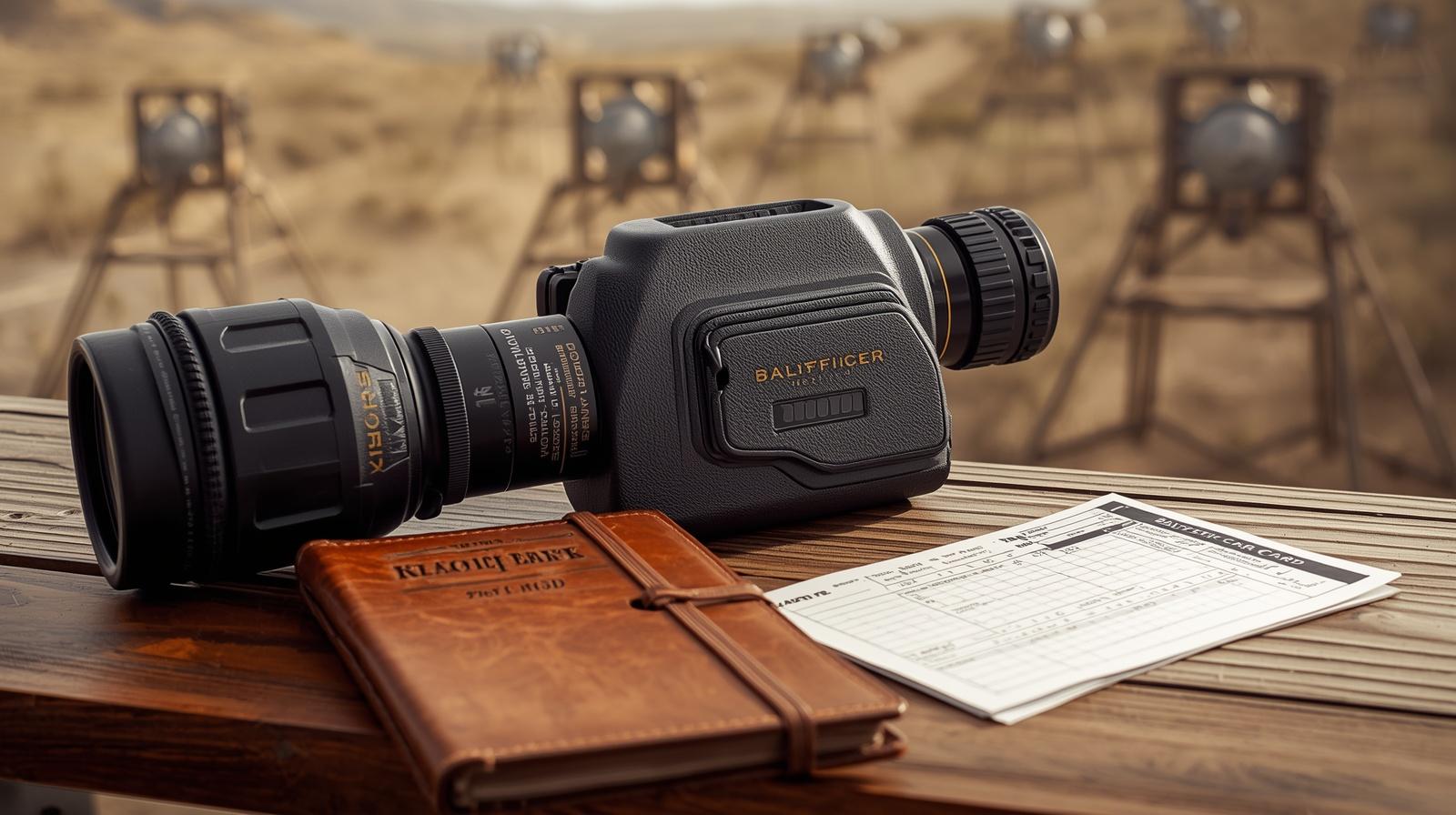
For steel targets at longer distances, rangefinder binoculars help you confirm distance to multiple plates quickly. This is useful when targets are spread across different berms or uneven ground.
A good model lets you range the target, check the background, and watch for splash without constantly changing tools.
Western Hunting and Open Terrain
Open country makes ranging more difficult because distance can be deceptive. A ridge that looks close may be much farther than expected. The best rangefinder binoculars for long range shooting help you build a better understanding of the whole area, not just one target.
Even if you are not taking a shot, ranging landmarks gives you a mental map of the terrain.
Competition and Field Matches
In practical shooting matches, time matters. A rangefinder binocular can help you identify target order, confirm distances, and reduce gear handling. It will not replace skill, but it can make your process cleaner.
Spotting and Planning From a Fixed Position
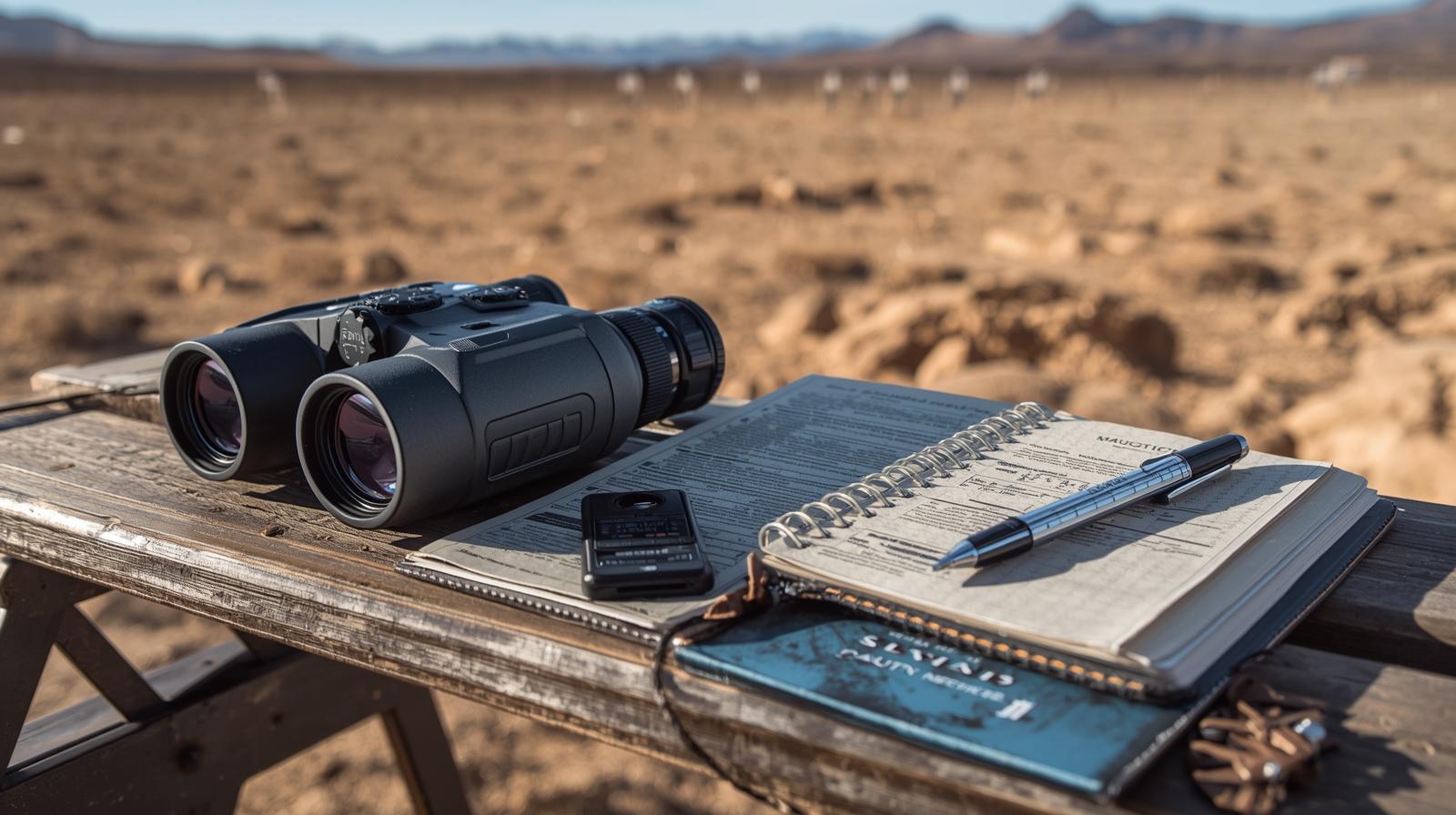
If you shoot from a blind, bench, or hilltop, rangefinder binoculars are excellent for pre-ranging objects. You can mark distances to rocks, trees, berms, and target zones before the actual shot opportunity appears.
Buyer Tips Before You Choose
Do Not Buy Only for Maximum Yardage
The highest number on the box is not always the best choice. A model that ranges reflective targets at extreme distances may still struggle on darker, softer, or smaller targets.
Look for practical performance, not marketing distance.
Choose the Right Magnification
Most rangefinder binoculars for long range shooting come around 10x magnification. That is a good balance for detail and handheld stability.
Higher magnification sounds tempting, but it can be harder to hold steady. If your image shakes too much, the extra power becomes less useful.
Pay Attention to Display Visibility
A rangefinder display should be easy to read in bright sun and low light. If the readout disappears against a dark background or becomes too bright at dusk, it can slow you down.
Check Ballistic Compatibility
If you already use a ballistic app or specific rifle profile, make sure the binocular’s system fits your workflow. The best gear is the gear that matches how you already shoot.
Think About Carry Comfort
Rangefinder binoculars are usually heavier than regular binoculars. A good chest harness is not optional if you plan to carry them for hours.
Common Mistakes Buyers Make
Mistake 1: Buying Too Cheap for Long Range Work
Budget rangefinder binoculars can be fine for casual use, but long range shooting exposes weaknesses fast. Soft glass, slow readings, and inconsistent ranging become frustrating.
If you only shoot occasionally, a cheaper setup may be enough. But if you are serious about distance, invest once instead of upgrading twice.
Mistake 2: Ignoring the Reticle or Aiming Point
The ranging reticle needs to be precise enough to hit the object you want to range. If the aiming point feels too large or vague, it becomes harder to range small targets at distance.
Mistake 3: Forgetting About Low Light
Long range shooters often glass early or late in the day. Poor low-light performance makes it harder to identify targets and read terrain. Good coatings and objective size matter here.
Mistake 4: Trusting One Reading
Even with quality gear, take more than one reading when possible. Range the target, then range nearby objects. If the numbers make sense together, your confidence goes up.
Mistake 5: Buying Advanced Ballistics Without Learning It
Ballistic features are powerful, but only if you set them up correctly. Wrong rifle data, wrong bullet profile, or ignored environmental settings can create bad outputs.
What I Would Prioritize First
For the best rangefinder binoculars for long range shooting, my priority list would look like this:
| Priority | Why It Comes First |
|---|---|
| Reliable ranging | Without accurate distance, everything else falls apart |
| Optical clarity | You need to identify what you are ranging |
| Ballistic support | Important for serious long range use |
| Display quality | Fast reading matters in real conditions |
| Comfort and durability | Heavy optics need to survive field use |
Notice that I did not put “maximum range” at the top. That is intentional. Real performance matters more than the biggest number in the ad.
Buyer Psychology: What Are You Really Paying For?
When people shop for the best rangefinder binoculars for long range shooting, they often think they are paying for distance. In reality, they are paying for confidence.
- Confidence that the target is correctly identified.
- Confidence that the distance is repeatable.
- Confidence that the optic will work in poor light.
- Confidence that the ballistic data is not just a gimmick.
- Confidence that they do not need to carry three separate tools.
That confidence is why serious shooters spend more on rangefinder binoculars than casual users expect. It is not about showing off gear. It is about removing uncertainty.
Final Verdict
The best rangefinder binoculars for long range shooting should not just range far. They should help you make cleaner, faster, and more confident decisions in real shooting conditions.
For most serious users, the Vortex Fury HD 5000 AB is one of the strongest all-around choices because it blends practical glassing, dependable ranging, and useful ballistic support. It is not the cheapest option, but it makes sense for shooters who care about long range accuracy and field efficiency.
If you are still comparing categories, start with the main best rangefinder binoculars pillar page. For budget-focused options, compare the best rangefinder binoculars under 500 and best rangefinder binoculars under 1000 before making a final decision.
For more optics buying tips, field-use advice, and comparison articles, visit the Best Binocular blog tips page or explore the full site at BestBinocular.net.
FAQs About the Best Rangefinder Binoculars for Long Range Shooting
What are the best rangefinder binoculars for long range shooting?
The best rangefinder binoculars for long range shooting are models that combine reliable ranging, clear optics, stable magnification, and useful ballistic features. The Vortex Fury HD 5000 AB is a strong choice for many serious shooters because it offers a practical balance of performance, features, and brand support.
Are rangefinder binoculars better than a separate rangefinder?
For long range shooting, rangefinder binoculars are often better because they let you scan, identify, and range without switching devices. A separate rangefinder can still work well, especially on a budget, but the workflow is slower.
Is 10x magnification enough for long range shooting?
Yes, 10x is usually enough for rangefinder binoculars. It gives good target detail while remaining manageable for handheld use. Higher magnification may show more detail, but it can also increase image shake.
Do I need ballistic features in rangefinder binoculars?
You do not need ballistic features for casual shooting, but they are very helpful for serious long range work. Angle compensation and ballistic solver support can make distance data more useful when shooting across uneven terrain.
Are budget rangefinder binoculars good for long range shooting?
Budget models can work for shorter distances and casual target use, but they often struggle with optical clarity, display quality, and consistent readings at longer ranges. If long range shooting is your main use, it is usually worth stepping into a better-quality model.
What should I check before buying rangefinder binoculars?
Check real-world ranging performance, glass quality, ballistic features, display visibility, weight, warranty, and how well the binocular fits your shooting workflow. Do not buy based only on maximum advertised range.




