
Why Rangefinder Binoculars Under $1000 Are a Practical Choice
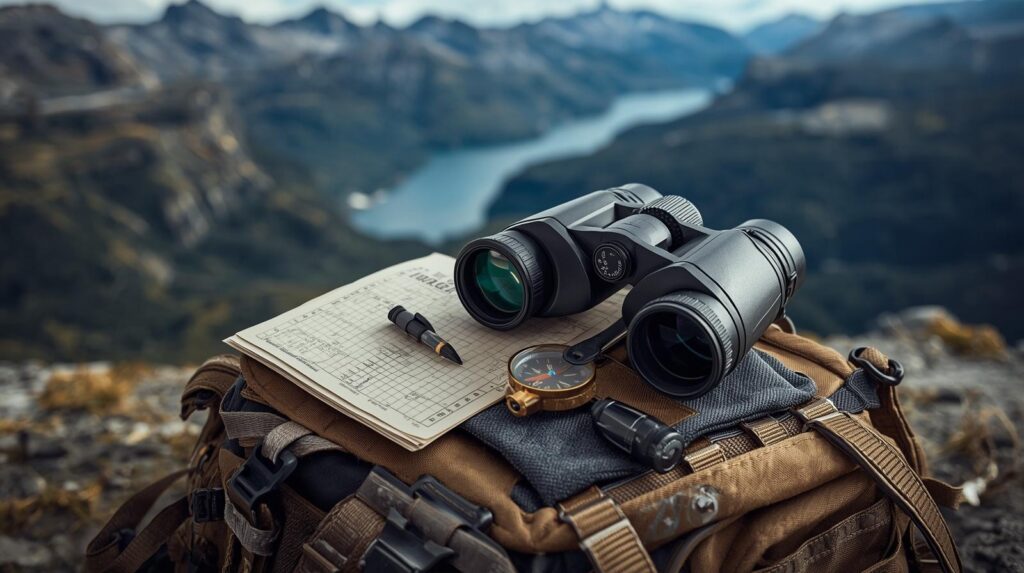
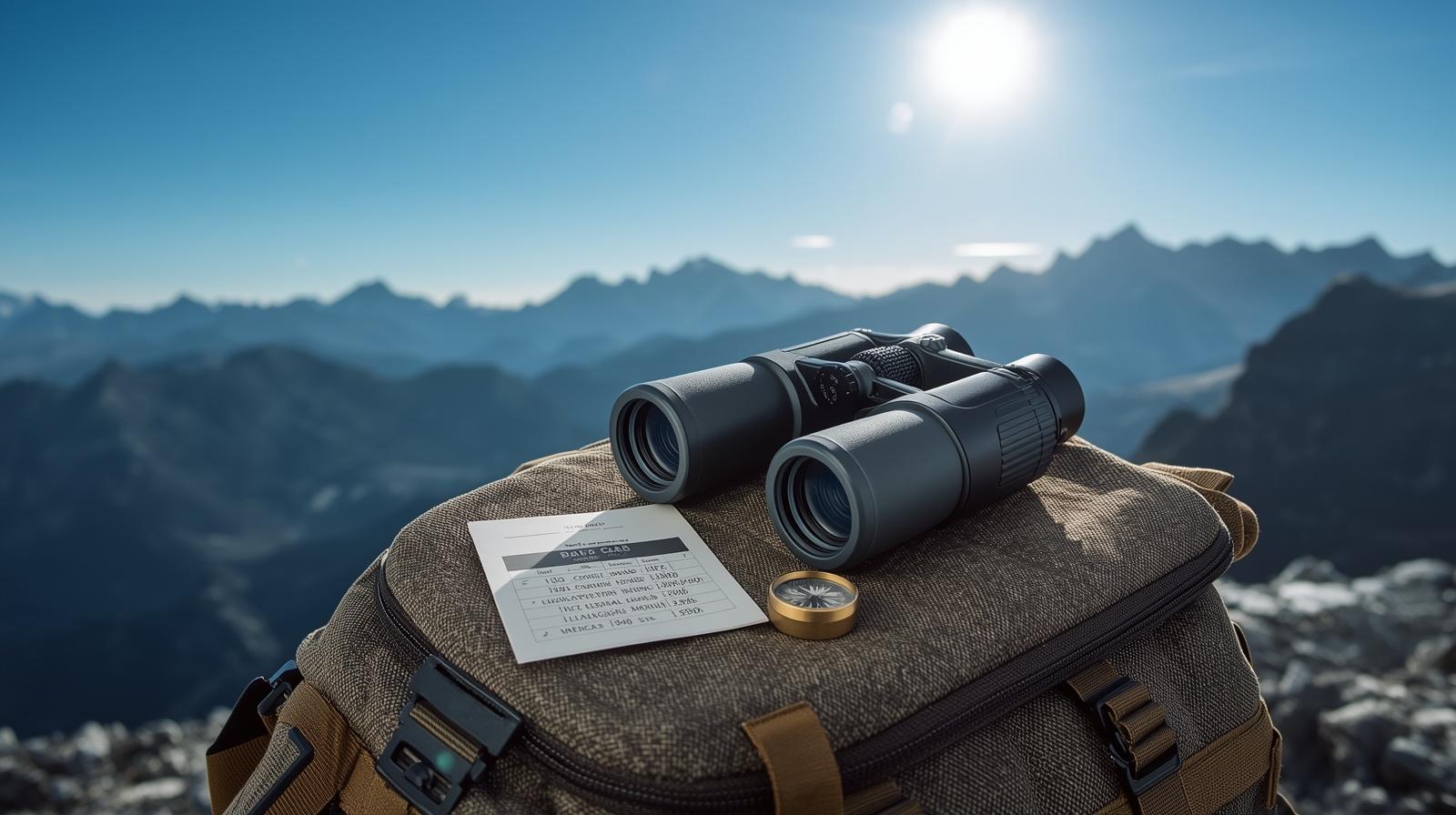
Finding the best rangefinder binoculars under 1000 is not about chasing the cheapest optic with a laser inside. It is about getting one tool that can actually replace two pieces of gear in the field: your binoculars and your handheld rangefinder.
That matters more than most people think.
When you are glassing a hillside, watching a treeline, checking distance across a canyon, or trying to confirm whether that dark shape is worth paying attention to, switching between binoculars and a rangefinder wastes time. Sometimes it also costs you the moment. A good rangefinder binocular lets you spot, judge, range, and make a decision without dropping your eyes.
The under-$1000 category is interesting because it sits right in the practical buyer’s zone. You are not paying elite European-optics money, but you are also avoiding the flimsy “budget gadget” feel that shows up in cheap rangefinding binoculars. For most hunters, ranch users, long-range shooters, and outdoor observers, this is where value starts to become real.
Why the Under-$1000 Range Matters
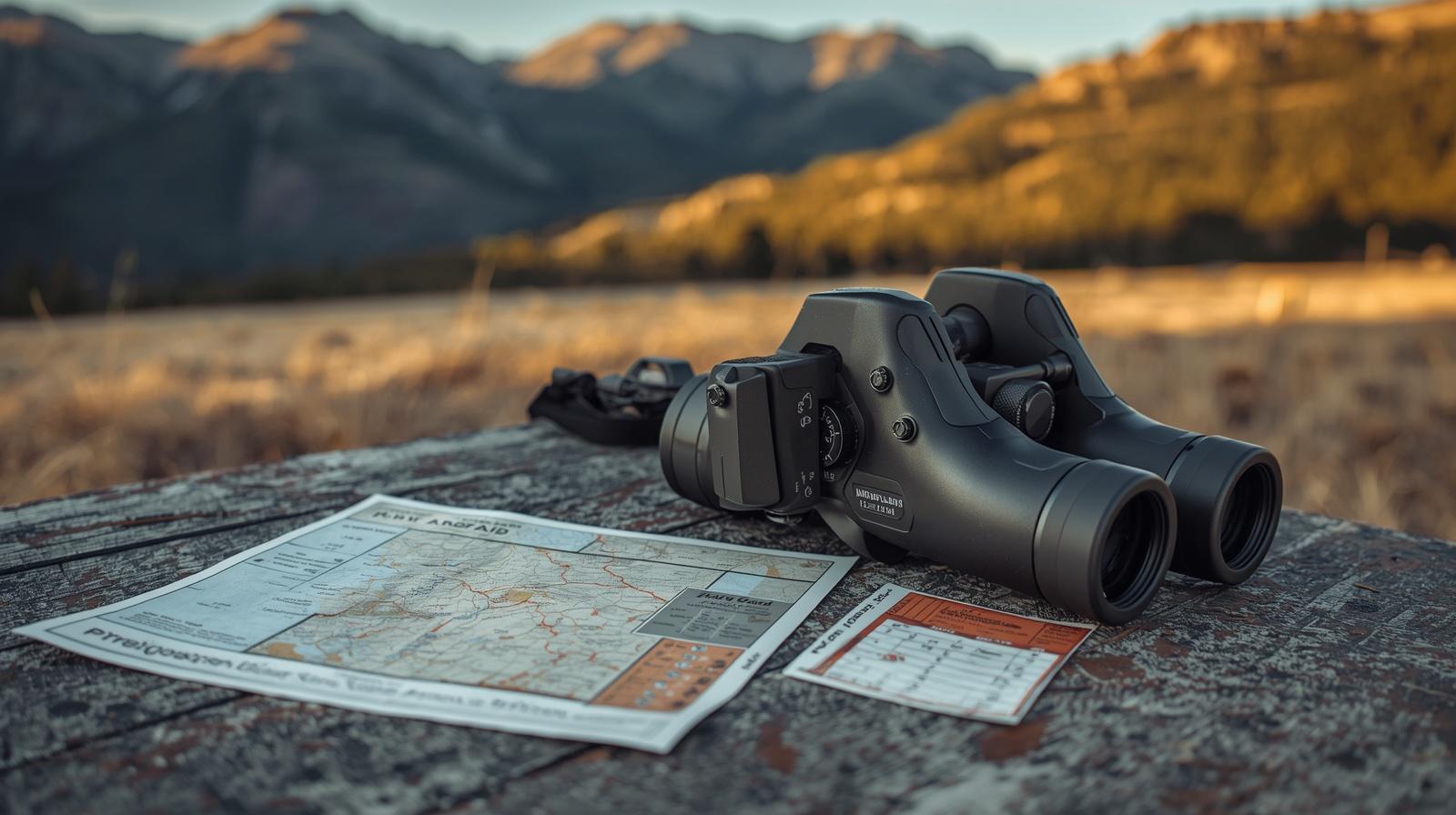
The best rangefinder binoculars under 1000 are built for people who want serious function without turning one purchase into a luxury investment. This price point usually gives you a stronger laser, better coatings, a more readable display, waterproofing, and a body that can survive real field use.
The mistake many buyers make is comparing these binoculars only by magnification or max advertised range. That is not how they perform in real life.
A rangefinder binocular that claims 2,000 yards on reflective targets might only give you dependable readings on deer-sized objects at much shorter distances. A model with “HD optics” might still struggle at last light if the glass, coatings, or display are weak. And a laser readout that looks fine in a shop can disappear against bright grass, snow, or dark timber.
This is why the under-$1000 range should be judged by practical performance:
- How steady does it feel in the hand?
- Can you read the display quickly?
- Does it give repeatable ranges on trees, rocks, and slopes?
- Is the image clear enough to glass for more than five minutes?
- Will it survive rain, dust, and rough backpack use?
That is the real test.
For a broader breakdown of premium, mid-range, and hunting-focused options, you can also visit our main silo page on best rangefinder binoculars, where the full category is compared by user intent and field use.
What Makes a Rangefinder Binocular Worth Buying Under $1000?
A good rangefinder binocular under this budget should not feel like a compromise in every direction. You may not get elite glass, built-in advanced ballistic software, or ultra-crisp edge-to-edge clarity, but you should still get a dependable field tool.
Optical Quality Comes First
The binocular side still matters. A weak optical system with a rangefinder attached is frustrating because you spend most of your time looking, not pressing the range button.
For hunting and general outdoor use, 10×42 is usually the safest configuration. It gives enough reach for open fields and ridgelines while still being manageable without a tripod. If you go higher in magnification, the image may shake more. If you go lower, you may lose detail at distance.
That is why many people searching for the best rangefinder binoculars under 1000 end up comparing 10×42 models first. They hit the balance between brightness, size, field of view, and usable magnification.
For a deeper look at this specific setup, read our supporting article on best 10×42 rangefinder binoculars before choosing your final model.
The Display Should Be Easy to Read
This is one of the most underrated features.
A rangefinder binocular can have a strong laser, but if you cannot read the number instantly, it slows you down. In bright daylight, some red displays wash out. In dark timber, some black displays disappear. The better designs adjust contrast or brightness so the readout stays visible in changing conditions.
This matters in real scenarios. Imagine glassing a field edge near sunset. The background shifts from pale grass to dark brush as you scan. A poor display makes you pause and re-range. A good display gives you the number without forcing your eye to work.
Angle Compensation Is Not Optional
If you hunt or shoot in flat farmland only, angle compensation may not feel essential. But for hills, ridges, elevated stands, mountain draws, or steep ravines, it becomes very important.
Angle-compensated distance helps you understand the true horizontal distance, not just the line-of-sight distance. This is especially useful for bowhunters and rifle hunters working on uneven terrain.
When comparing the best rangefinder binoculars under 1000, I would not buy one without angle compensation unless the price was extremely low and the use case was very simple.
Best Overall Pick Under $1000: Bushnell Fusion X 10×42
If I had to recommend one highly relevant product in this category, the Bushnell Fusion X 10×42 is the most sensible pick for many buyers looking for the best rangefinder binoculars under 1000.
It is not trying to be a luxury binocular. It is trying to solve a real field problem: give you a usable 10×42 binocular and a dependable rangefinder in one tool without pushing the price into premium territory.
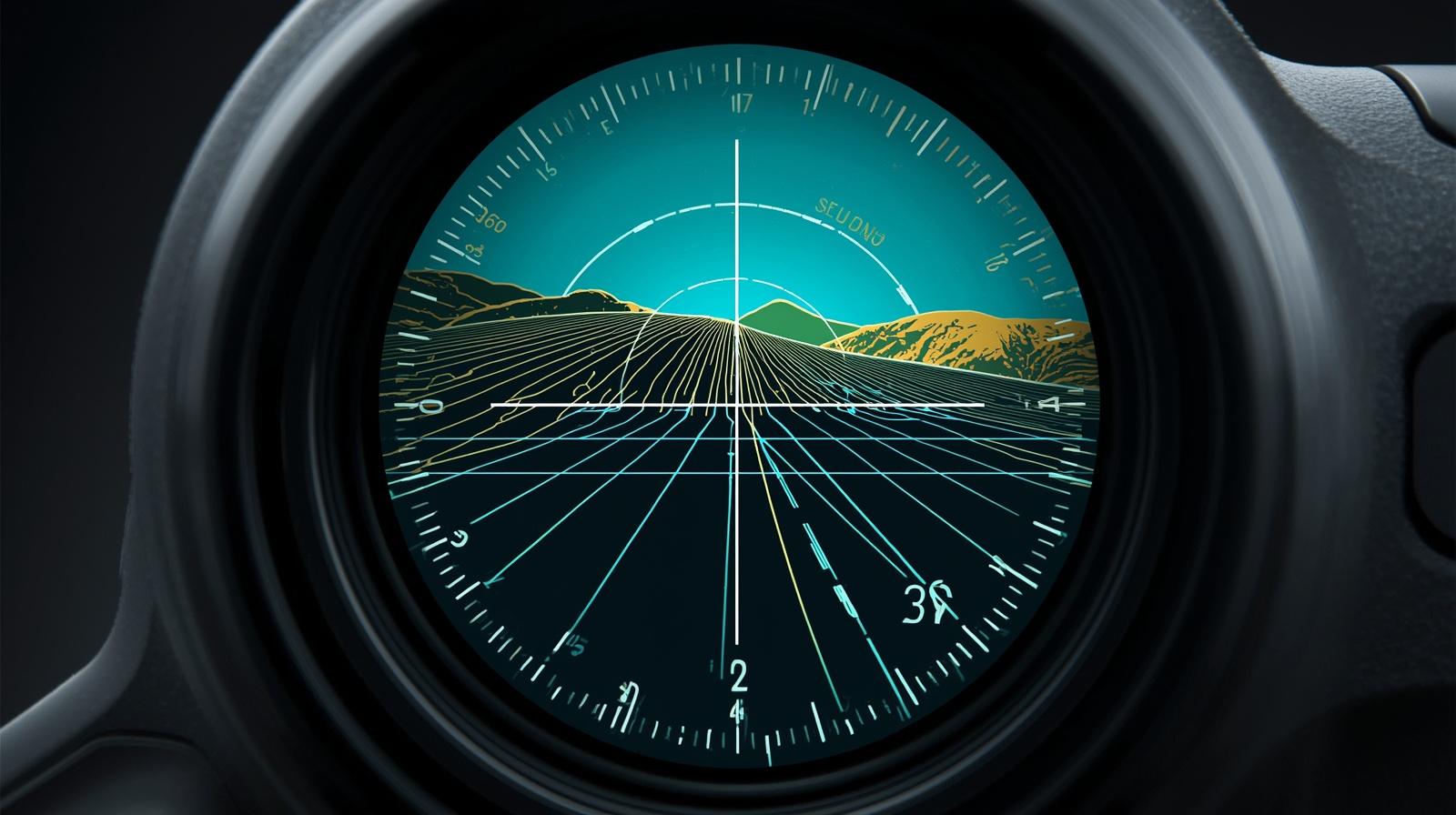
The Fusion X 10×42 uses a 10×42 configuration, an ActivSync display, IPX7 water resistance, ARC angle modes, and a listed range of 1,750 yards with stated ±1 yard accuracy according to Bushnell’s own specifications.
What I like about it is the practical design. The display is the feature that stands out most. Bushnell’s ActivSync system is designed to shift the reticle/readout for better contrast in different backgrounds, which helps when you move from bright open ground to darker cover. That sounds like a small thing until you have used a rangefinder that gives you unreadable numbers at the wrong time.
Where It Performs Best
The Bushnell Fusion X makes the most sense for hunters and outdoor users who glass often but do not want to carry separate optics. It works especially well for:
- Whitetail hunting from field edges
- Western scouting on ridges
- Range checks before a stalk
- Rifle hunting across broken terrain
- Farm, ranch, and property distance checks
- General long-range outdoor observation
It is also a good option for someone upgrading from a handheld rangefinder. The biggest improvement is workflow. You do not spot with binoculars, drop them, grab a rangefinder, re-find the target, range it, then switch back. You simply glass and range from the same view.
That feels faster, calmer, and more natural.
Where It Is Not Perfect
The Fusion X is not the binocular I would choose if glass quality is your only priority. A non-rangefinding binocular at the same price can often give you better pure optical performance because all the money goes into glass instead of electronics.
It is also not the best choice for buyers who want advanced ballistic syncing, app-based profiles, or premium low-light performance. For that, you usually need to spend more.
But inside the best rangefinder binoculars under 1000 category, it hits the practical sweet spot: useful features, field-ready build, readable display, and a price that usually stays below premium models.
Quick Comparison: What to Expect Under $1000
| Feature | What You Should Expect Under $1000 | Why It Matters |
|---|---|---|
| Magnification | 10x is usually ideal | Good reach without too much shake |
| Objective Lens | 42mm is the safest all-around size | Balanced brightness and weight |
| Rangefinder | Reliable mid-range performance | Real-world ranging matters more than max claims |
| Display | Bright, readable, preferably adaptive | Fast decisions in changing light |
| Angle Compensation | Strongly recommended | Helps with uphill and downhill distance |
| Waterproofing | At least weather-resistant, ideally waterproof | Electronics need protection |
| Ballistic Features | Basic to moderate | Enough for most hunters, not elite shooters |
| Weight | Heavier than normal binoculars | You are carrying glass plus electronics |
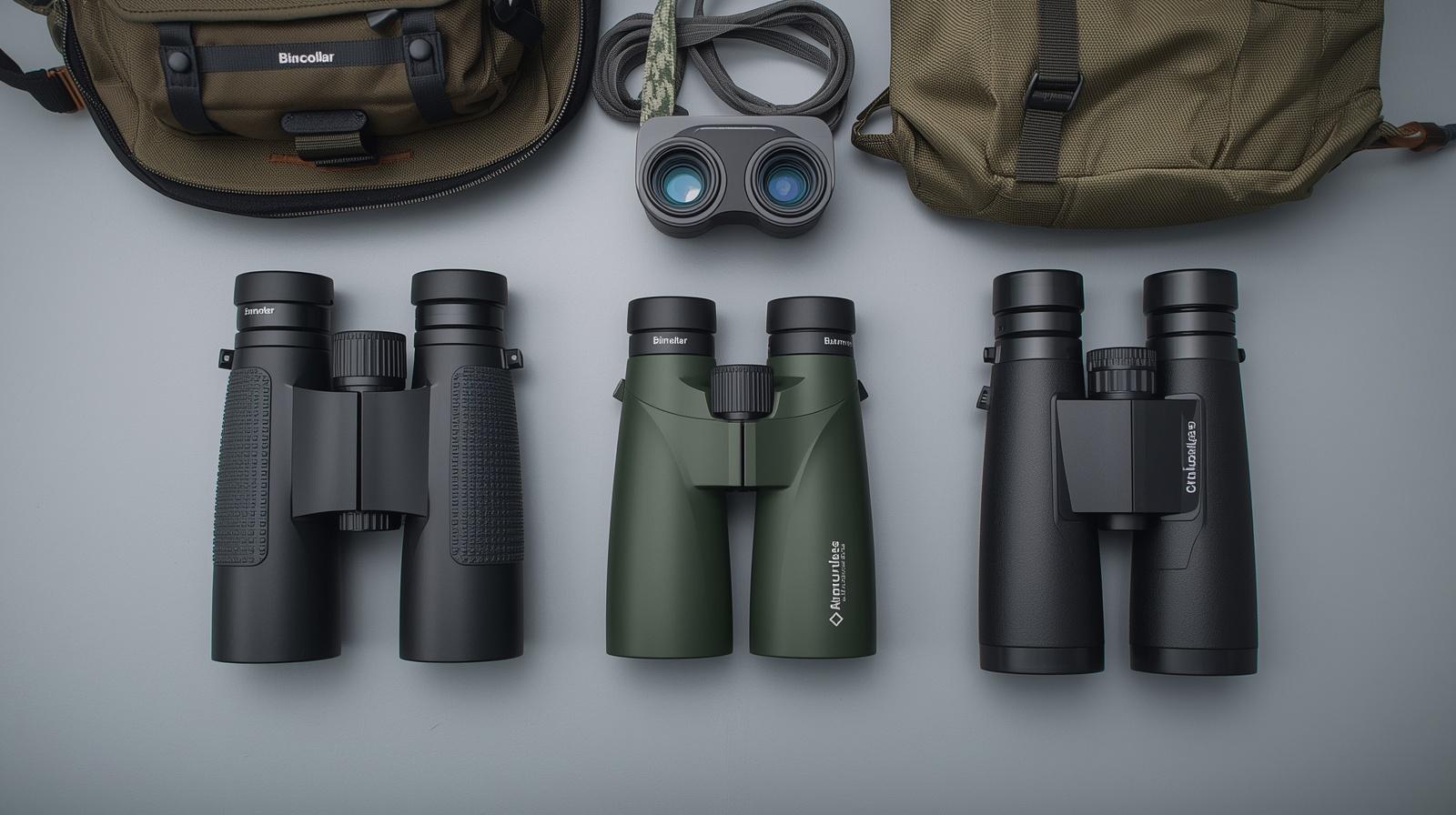
Pros and Cons of Rangefinder Binoculars Under $1000
Pros
- Fast distance scanning without switching tools
- Useful for hunting and long-distance viewing
- Less gear to carry
- Easier handling in the field
- Helps range landmarks before spotting animals
- Makes quicker and smarter decisions easier
- Good performance available under $1000
Cons
- Heavier than regular binoculars
- Less comfortable for long walks
- Optical quality may be lower than standard binoculars
- Part of the price goes into electronics
- Rangefinder needs battery power
- Repairs can be more complicated
- Budget models may have weak displays or inconsistent ranging
Real-World Use Cases
For Whitetail Hunters
In a whitetail setup, the biggest value is pre-ranging. Before the evening movement starts, you can range the treeline, fence corner, food plot edge, and trail openings. When something steps out later, you already know the distance.
For this use, the best rangefinder binoculars under 1000 do not need extreme ranging numbers. They need a clear view, fast readout, and dependable angle compensation from stands or elevated terrain.
For Western Hunters
Western terrain is where a rangefinder binocular starts to feel like a serious advantage. You may be glassing across draws, checking rock faces, or judging distance from one ridge to another.
Here, handheld stability and display quality matter a lot. If you are ranging rocks, trees, or open slopes repeatedly, you want fast readings without fighting the unit.
For Long-Range Shooters
Shooters need repeatable readings and clear target separation. Under $1000, you can get useful ranging performance, but you should be realistic. This category is not usually built for advanced ballistic ecosystems.
For casual to intermediate long-range work, it can be very effective. For serious competition-style shooting, you may eventually want a higher-end unit with stronger ballistic integration.
For Budget-Conscious Buyers
If your main concern is price, you may also want to read our article on best budget rangefinder binoculars. That page focuses more on affordable options, while this article is about the stronger under-$1000 sweet spot.
Common Mistakes Buyers Make
Chasing Maximum Range Numbers
Do not get too excited by huge range claims. Maximum range is often measured on reflective targets in ideal conditions. Trees, dark brush, rocks, and animals are harder to range.
Look for consistent real-world performance instead.
Ignoring the Display
A poor display ruins the experience faster than average glass. If you hunt in mixed light, display contrast should be a major buying factor.
Buying Too Much Magnification
More magnification is not always better. A 12x rangefinder binocular may sound powerful, but it can be harder to hold steady. For most people, 10x is easier to use in real conditions.
Forgetting About Weight
Rangefinder binoculars are heavier than standard binoculars. If you hike long distances, use a proper harness. Neck straps get uncomfortable fast.
Expecting Premium Glass at Mid-Range Pricing
This is the buyer psychology trap. You want premium glass, advanced electronics, rugged construction, and a low price. Something has to give. Under $1000, the goal is balance, not perfection.
What I Would Personally Prioritize
If I were buying the best rangefinder binoculars under 1000 for mixed hunting and outdoor use, I would prioritize five things in this order:
- Readable display
- Reliable 10×42 format
- Angle compensation
- Waterproof or weatherproof build
- Comfortable button layout
Optical sharpness still matters, but I would not choose slightly better glass over a much better display. In the field, speed matters. A binocular that gives you a clean number quickly is more useful than one that looks a little nicer but slows you down.
This is especially true during last-light decisions, quick range checks, and uneven terrain.
Final Verdict: Who Should Buy Rangefinder Binoculars Under $1000?
The best rangefinder binoculars under 1000 are ideal for buyers who want a serious two-in-one field tool without paying premium-tier prices. They are best for hunters, landowners, long-range hobbyists, and outdoor users who value speed and simplicity.
If you only glass casually, a normal binocular may be enough. If you need elite optics and advanced ballistic tools, you may need to spend more. But if you want one dependable optic that lets you spot and range from the same view, this price range makes a lot of sense.
My top practical recommendation is the Bushnell Fusion X 10×42 because it focuses on the things that matter in the field: usable 10x magnification, angle compensation, weather resistance, and a display designed for changing backgrounds.
For more buying help, visit the Best Binocular homepage and explore our latest binocular tips on the blog. For more buying help, explore our Best Binocular homepage and latest binocular tips to compare rangefinder binoculars, hunting binoculars, budget optics, and field-ready gear before choosing a model.
FAQs About the Best Rangefinder Binoculars Under 1000
Are rangefinder binoculars under $1000 worth it?
Yes, rangefinder binoculars under $1000 are worth it if you regularly glass and range targets in the same outing. They save time, reduce gear switching, and make field decisions easier. They are especially useful for hunting, scouting, and long-range outdoor observation.
What magnification is best for rangefinder binoculars under $1000?
For most users, 10×42 is the best all-around choice. It gives enough magnification for distance while staying steady enough for handheld use. Higher magnification can be useful, but it often adds shake and weight.
Are rangefinder binoculars better than carrying separate binoculars and a rangefinder?
They are better for speed and convenience. A separate binocular and rangefinder setup may give better optical quality for the money, but a rangefinder binocular is faster because you can observe and range through the same device.
What is the best rangefinder binocular under $1000 for hunting?
The Bushnell Fusion X 10×42 is one of the strongest practical choices under $1000. It offers a useful 10×42 setup, angle compensation, waterproofing, and an adaptive display that helps in changing light.
Do rangefinder binoculars work in low light?
They can work in low light, but performance depends on glass quality, coatings, objective size, and display readability. A 10×42 model is usually a good balance for dawn and dusk use, but premium non-rangefinding binoculars may still perform better optically.
What should I avoid when buying rangefinder binoculars under $1000?
Avoid buying only because of maximum range claims. Also avoid models with poor display visibility, no angle compensation, weak weather protection, or uncomfortable controls. Real-world usability matters more than impressive numbers on a spec sheet.




