
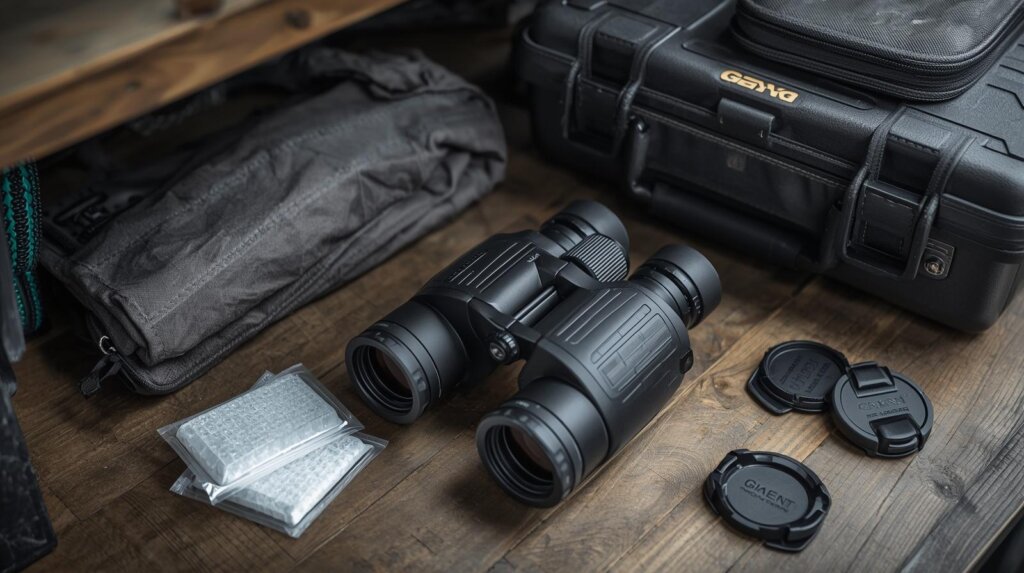
Binoculars are designed for outdoor adventures, but even the best optics can struggle when moisture and poor storage habits become part of the routine. Many people invest in waterproof or nitrogen-purged binoculars and assume fogging will never happen. However, storage conditions still play a major role in keeping lenses clear and protecting internal components.
A pair of binoculars that is stored while damp, left inside a humid bag, or exposed to sudden temperature changes can eventually develop problems such as lens haze, condensation, or internal fogging.
The good news is that preventing these issues does not require complicated equipment. A few consistent habits — drying binoculars properly, controlling humidity, and choosing the right storage environment — can help maintain optical clarity for years.
Whether you use binoculars for birdwatching, hiking, hunting, travel, sports, or wildlife observation, learning how to store binoculars to prevent fogging is one of the easiest ways to protect your investment.
For a complete overview of fog prevention methods, including cleaning, weather protection, and field techniques, you can also read our main guide on how to stop binoculars from fogging.
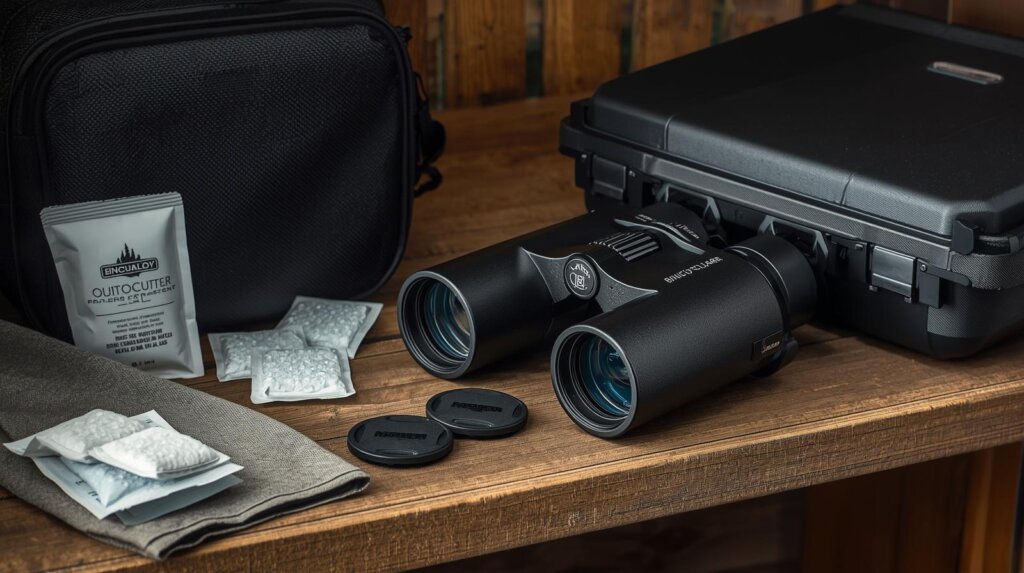
Why Binocular Storage Affects Fogging Problems
Most fogging issues are connected to one thing: moisture control.
Binoculars often move between different environments during outdoor activities. A typical day might involve cold morning temperatures, humid air, rain exposure, and then a warm indoor room afterward.
For example, imagine finishing a winter hiking trip. Your binoculars have been sitting outside in freezing temperatures. When you bring them directly into a warm room, the temperature difference causes moisture in the air to condense on cooler surfaces.
This can happen:
- On external lens surfaces
- Around eyecups and focus wheels
- Inside the optical system if moisture enters through damaged seals
Waterproof binoculars reduce the risk of water entering the body, but they do not remove the need for proper storage.
Good storage protects against:
- Excess humidity
- Temperature shock
- Dust buildup
- Accidental damage
- Long-term optical problems
What to Do Before Storing Binoculars After Outdoor Use
The most important storage habit is simple: never store binoculars immediately after a wet or cold outdoor session.
Many users make the mistake of placing binoculars straight into a backpack or closed case after returning home. This traps moisture and creates the perfect environment for condensation problems.
Before storage, follow these steps.
Allow Binoculars to Dry Naturally
If your binoculars were exposed to rain, snow, fog, or heavy humidity, give them time to dry before storing them.
Place them in a clean, dry indoor area and allow them to return naturally to room temperature.
Avoid:
- Hair dryers
- Room heaters
- Direct heat sources
High temperatures can affect rubber coatings, seals, and lens adhesives.
Natural drying is slower, but it is safer for optical equipment.
Remove Moisture From the Exterior
Before putting binoculars away, inspect areas where water usually collects:
Lens Edges
Small drops can remain around lens borders even when the glass looks clean.
Focus Wheel
The moving mechanism can collect dust and moisture during outdoor use.
Eyecups
Foldable eyecups often trap small amounts of humidity.
Rubber Armor
The textured outer surface protects binoculars but can hold moisture after wet conditions.
Use a clean microfiber cloth to gently remove moisture and dirt.
Avoid household tissues or clothing because small fibers can scratch lens coatings over time.
Should You Store Binoculars in a Case?
A protective case is one of the easiest ways to protect binoculars, but only when used correctly.
A common mistake is thinking a sealed case will fix moisture problems. In reality, storing damp binoculars inside a closed case can make fogging worse because the moisture has nowhere to escape.
A good storage case should protect against:
- Dust
- Scratches
- Accidental impacts
- Minor environmental exposure
But binoculars should always be dry before they are placed inside.
Hard Case vs Soft Case for Binocular Storage
| Storage Option | Benefits | Possible Problems |
|---|---|---|
| Hard protective case | Excellent impact protection and travel safety | Less airflow if moisture is trapped |
| Soft case | Lightweight and allows more ventilation | Lower protection from drops |
| Waterproof case | Strong outdoor protection | Requires careful drying before sealing |
For most users, a padded protective case combined with moisture control is a practical solution.
Using Silica Gel to Prevent Moisture During Storage
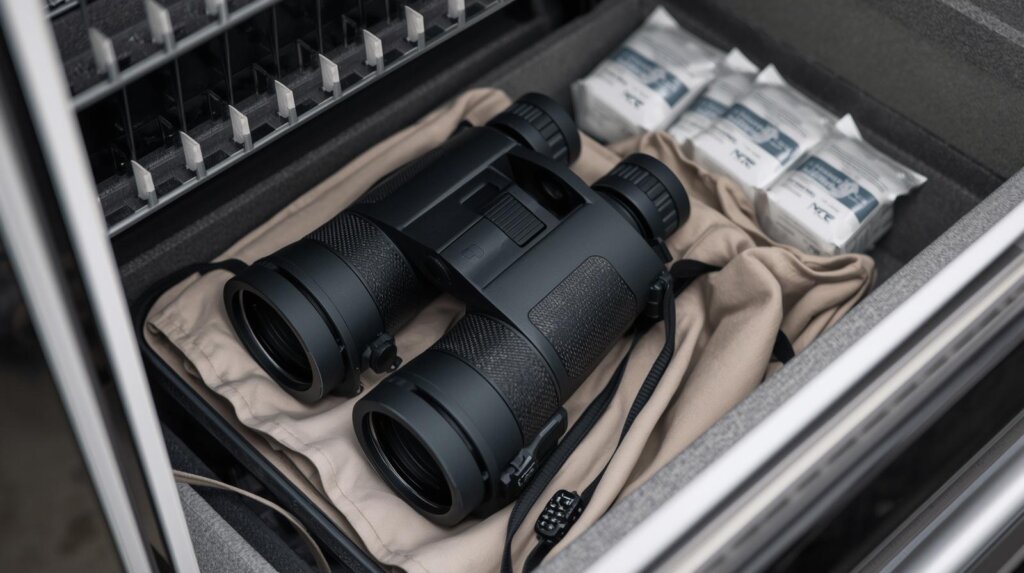
Silica gel packets are one of the simplest accessories for keeping binocular storage areas dry.
They work by absorbing moisture from the surrounding air, helping reduce humidity inside a case, drawer, or equipment box.
They are especially useful for people living in:
- Coastal areas
- Tropical climates
- Rainy regions
- High-humidity environments
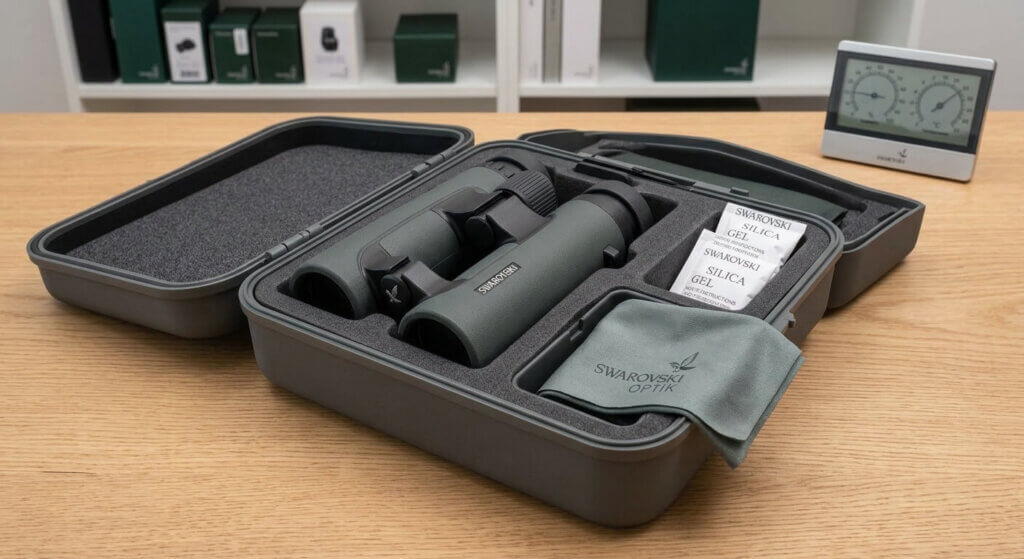
A simple storage setup can include:
- A clean binocular case
- One or two silica gel packets
- A microfiber cloth
- Regular moisture checks
However, remember that silica gel is a prevention tool. It will not remove water that is already trapped inside binoculars.
If you want to learn more about reducing condensation during use, our guide on anti-fog tips for binoculars covers additional methods for outdoor conditions.
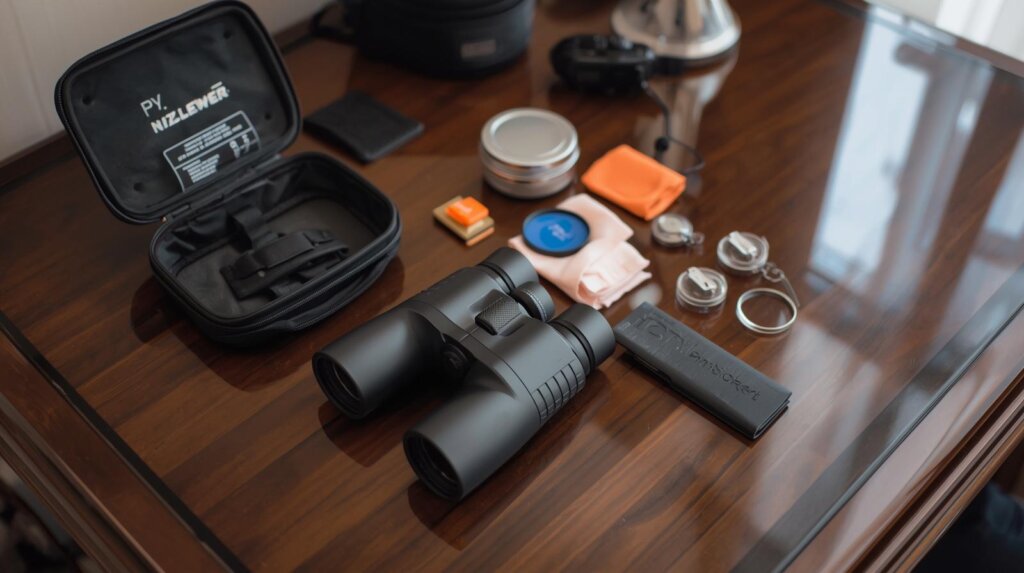
Best Places to Store Binoculars at Home
Where you keep your binoculars between uses matters more than many people realize.
A stable indoor environment is usually the safest option.
Good storage locations include:
- Bedroom shelves
- Office cabinets
- Dry equipment drawers
- Temperature-controlled storage areas
Avoid these locations:
Bathroom Cabinets
Bathrooms experience frequent humidity changes from showers and steam.
Vehicle Storage
Leaving binoculars in a car exposes them to extreme temperature swings. A hot vehicle in summer and a freezing vehicle in winter can increase condensation risks.
Damp Basements
Basements often contain higher humidity levels that can slowly affect optical equipment.
Direct Sunlight Areas
Continuous sunlight exposure can damage coatings and heat internal components.
Long-Term Binocular Storage: What to Do When You Don’t Use Them Often
Many binocular owners only use their equipment during vacations, seasonal trips, or occasional outdoor activities.
Long periods without use require extra attention.
Before storing binoculars for months:
Clean the Exterior
Remove dust, fingerprints, and outdoor residue.
Check Lens Condition
Make sure lenses are completely dry and clear.
Add Moisture Protection
Place silica gel inside the storage case.
Inspect Occasionally
Every few months, check for:
- Moisture buildup
- Dust
- Lens haze
- Unusual odors
This small maintenance routine can prevent expensive repairs later.
Storing Binoculars in Cold Weather Without Creating Condensation
Cold weather is one of the biggest challenges for binocular storage because temperature changes happen quickly.
A common situation is this:
You spend several hours outdoors in freezing conditions. Your binoculars become cold from exposure to winter air. When you return to a warm cabin, car, or home, moisture in the warmer air can condense on colder surfaces.
This is why some users notice fogging right after coming indoors.
The safest approach is to allow binoculars to warm up slowly.
Use a Gradual Temperature Transition
After cold-weather use:
- Keep binoculars inside their protective case.
- Avoid opening the case immediately in a warm room.
- Allow the temperature to adjust naturally.
- Check that everything is dry before long-term storage.
This simple habit reduces sudden condensation and protects internal optical components.
For more winter-specific methods, read our detailed guide on how to keep binoculars from fogging in cold weather.
Common Binocular Storage Mistakes That Cause Fogging
Many binocular problems are not caused by poor-quality optics. They happen because of small storage mistakes repeated over time.
Here are the habits experienced users avoid.
Storing Binoculars While They Are Still Wet
This is the most common mistake.
After outdoor activities, binoculars may appear dry but still have moisture around:
- Lens edges
- Focus controls
- Rubber armor
- Carrying attachments
When placed inside a closed bag, this moisture becomes trapped.
Better method: Let binoculars dry completely before storing them.
Keeping Binoculars Inside a Backpack for Days
A backpack is useful during outdoor activities, but it is not ideal for long-term storage.
Backpacks often contain:
- Humidity from outdoor conditions
- Dirt particles
- Wet fabric after rain
Remove binoculars after every trip and store them properly.
Using Incorrect Cleaning Materials
Binocular lenses have special coatings that improve brightness and clarity.
Avoid:
- Paper towels
- Shirts or clothing
- Household window cleaners
Instead use:
- Microfiber lens cloth
- Optical cleaning solution
- Soft lens brush
Proper cleaning protects the coatings and reduces the chance of moisture-related damage.
Best Accessories for Preventing Binocular Fogging During Storage
The right accessories make a storage routine easier and more reliable.
1. Protective Binocular Storage Case
A good case should provide:
- Cushioning against impacts
- Protection from dust
- Space for moisture absorbers
- Easy access during travel
For frequent outdoor users, a durable case is especially useful because binoculars are often exposed to unpredictable weather.
2. Moisture Absorber or Silica Gel Packs
Silica gel is inexpensive and practical.
Benefits include:
- Helps maintain lower humidity
- Protects stored equipment
- Useful for travel and long-term storage
Replace disposable packets regularly or use reusable moisture absorbers.
3. Lens Cleaning Kit
A small cleaning kit is worth keeping with your binocular equipment.
A useful kit includes:
- Lens blower
- Microfiber cloth
- Lens brush
- Optical cleaning liquid
Cleaning before storage prevents dust and moisture from combining into a difficult-to-remove layer.
4. Binocular Strap or Harness System
A reliable carrying system can also indirectly protect binoculars.
When binoculars are comfortable to carry, users are less likely to place them on wet surfaces or repeatedly move them in and out of bags.
You can explore different carrying options in our binocular straps and harnesses accessories category.
Travel Storage Tips for Binoculars
Travel creates some of the most difficult conditions for optical equipment because binoculars experience many environments in a short period.
A single trip may include:
- Cold airplane cabins
- Hot outdoor locations
- Humid forests
- Rainy areas
- Dry desert conditions
Each change can affect moisture levels.
How to Store Binoculars During Air Travel
Whenever possible, keep binoculars in your carry-on luggage.
Avoid placing expensive optics in checked baggage because they may experience:
- Rough handling
- Temperature changes
- Limited protection
Use a padded case and keep moisture protection nearby.
How to Store Binoculars During Road Trips
Do not leave binoculars permanently inside a vehicle.
Cars experience large temperature swings.
A vehicle that feels comfortable during the day can become extremely hot or cold when parked.
Better approach:
- Carry binoculars with you
- Remove them overnight
- Store them indoors
How to Store Binoculars During Hiking Trips
Outdoor storage requires balance between protection and accessibility.
After hiking in rain or humid conditions:
- Remove binoculars from your backpack.
- Wipe away external moisture.
- Allow them to dry.
- Store with moisture protection.
Can Waterproof Binoculars Still Fog Inside?
Yes, waterproof binoculars can still experience fogging problems.
Waterproof ratings mainly protect against external water entering the binocular body. They do not completely prevent condensation caused by temperature changes or poor storage conditions.
Internal fogging may happen because of:
- Damaged seals
- Trapped humidity
- Extreme temperature changes
- Long-term exposure to moisture
Quality binoculars often use nitrogen or argon gas filling to reduce internal condensation, but proper storage is still important.
If you already notice moisture inside your binoculars, storing them correctly may not remove it completely. Follow proper drying methods explained in our guide on how to remove condensation from binoculars.
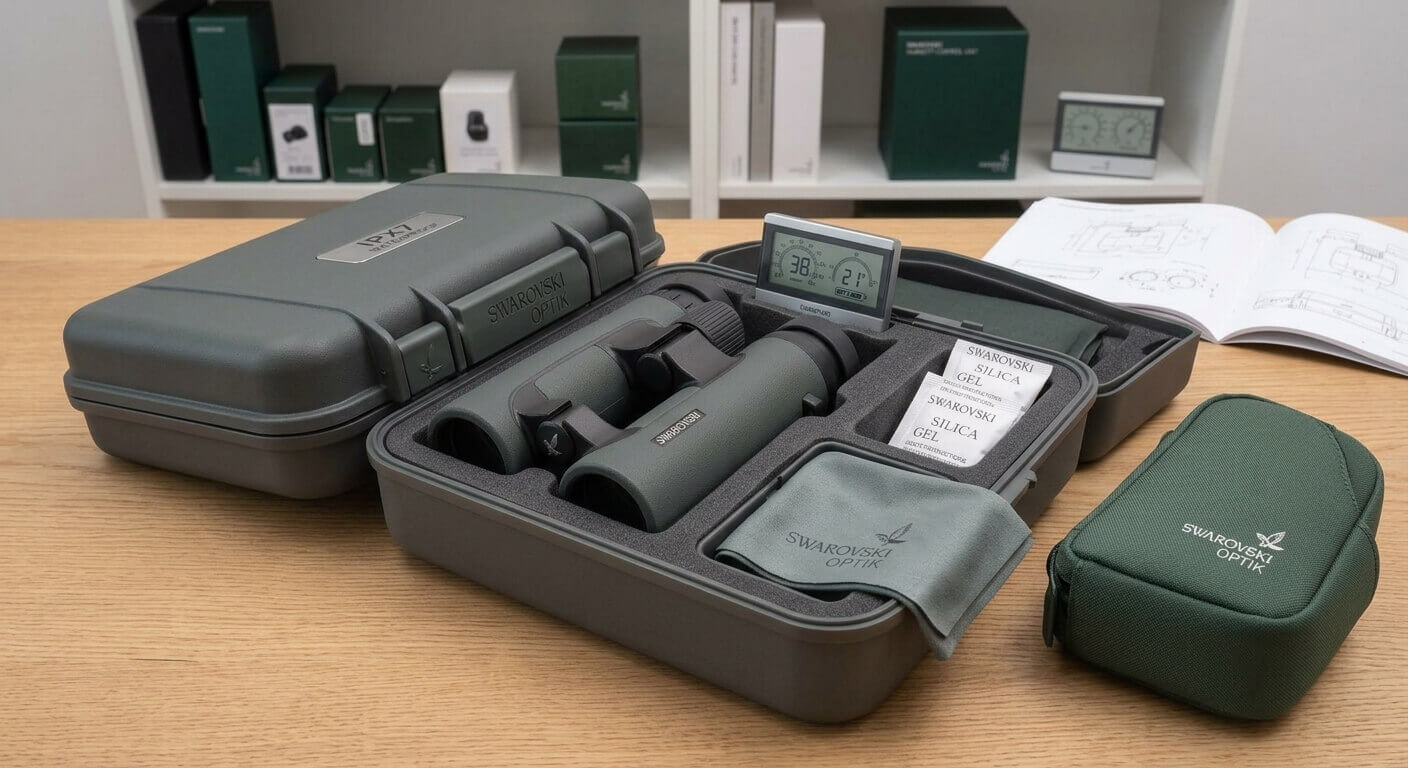
Binocular Storage Comparison: Everyday Use vs Long-Term Storage
| Storage Method | Best For | Advantages | Things To Remember |
|---|---|---|---|
| Protective case storage | Regular users | Easy access and protection | Dry binoculars before storing |
| Dry storage box | Expensive optics | Maximum humidity control | Check moisture levels regularly |
| Backpack storage | Short outdoor trips | Convenient access | Not suitable for long-term storage |
| Vehicle storage | Emergency situations | Always available | Temperature changes increase risk |
Recommended Moisture Control Product for Binocular Storage
If you frequently store binoculars in humid conditions, adding a small moisture-control product can make your storage setup more reliable.
A reusable option such as the Eva-Dry E-333 Renewable Mini Dehumidifier can be useful for small storage areas where you keep binoculars, cameras, and other outdoor equipment.
It is especially helpful for:
- Humid homes
- Equipment cabinets
- Storage containers
- Outdoor gear rooms
Keep the link inside this section because readers are already looking for moisture-control solutions, making it a natural buying point.
How Different Users Should Store Binoculars
Coastal Birdwatchers
People living near oceans often deal with salty air and high humidity.
Recommended routine:
- Dry binoculars after every trip
- Use silica gel
- Avoid garage storage
- Keep equipment indoors
Winter Hikers
Cold-weather users should focus on temperature transitions.
Recommended routine:
- Avoid opening the case immediately indoors
- Allow slow warming
- Check for moisture before storage
Occasional Users
People who only use binoculars a few times a year should focus on long-term protection.
Recommended routine:
- Clean before storage
- Use moisture control
- Inspect every few months
FAQs
How long should binoculars dry before storage?
The drying time depends on how much moisture they have collected.
After light outdoor use, a few hours may be enough. After rain or snow exposure, allowing them to dry overnight is safer.
The important thing is making sure binoculars are completely dry before placing them inside a closed case.
Can silica gel prevent binocular lenses from fogging?
Silica gel helps control humidity around stored binoculars, but it cannot remove existing internal condensation.
It works best as part of a complete storage routine.
Is it okay to store binoculars in a waterproof case?
Yes, but only when the binoculars are dry.
A waterproof case protects against outside moisture, but sealing wet equipment inside can trap humidity.
Why do binoculars fog after being stored?
Common reasons include:
- Moisture trapped before storage
- High humidity
- Temperature changes
- Damaged seals
- Poor ventilation
Proper drying and storage reduce these risks.
Should binoculars be stored with lens caps on?
Lens caps are useful for protecting lenses from dust and scratches.
However, if binoculars are still damp, allow them to dry before covering them completely.
Final Thoughts: A Simple Storage Routine Keeps Binoculars Clear
The best way to prevent binocular fogging is not a single product or technique. It is a combination of small habits.
After every outdoor trip:
- Dry your binoculars
- Clean away moisture and dirt
- Avoid sudden temperature changes
- Store them in a suitable case
- Control humidity with silica gel or moisture absorbers
These steps take only a few minutes but can protect your binoculars for many years.
Whether you own a basic pair for occasional adventures or premium optics like Leica binoculars, proper storage helps maintain sharp views and reliable performance.
For more binocular buying guides, maintenance tips, and outdoor optics advice, visit BestBinocular.net and explore our latest articles.




