
Practical Anti-Fog Tips for Binoculars That Actually Work Outdoors
If you use binoculars in the real world, not just from a car window or a backyard deck, you already know the annoying truth: fogging never shows up when conditions are easy. It happens when the air is cold, your hands are damp, the light is perfect, and the thing you wanted to see is moving fast. That is why practical anti-fog tips for binoculars matter so much.
A lot of people assume fog is just “part of using binoculars outdoors.” I do not agree. Some fogging is preventable, some fogging is manageable, and some fogging is actually a warning sign that your binoculars or your routine need attention. The trick is knowing which is which.
If you are trying to build a full prevention system, start with this deeper guide on how to stop binoculars from fogging. And if your lenses already look hazy after exposure, this walkthrough on how to remove condensation from binoculars is worth reading before you touch the glass.
Why binoculars fog in the first place
Fogging is basically a temperature and moisture problem. Warm humid air hits a cooler lens surface, and suddenly your clean optics turn into a blurry mess. It sounds simple, but it usually happens through a chain of bad habits: pulling cold binoculars out into warm humidity, breathing across the eyepieces, sealing damp gear into a case, or cleaning lenses the wrong way after fog appears.
There is also a big difference between external fogging and internal fogging. External fogging happens on the outside lens surfaces and is usually fixable with better handling. Internal fogging is more serious. It often points to moisture intrusion, aging seals, or damage that lets water vapor get inside the binocular body. That is not a “wipe it and move on” problem. It is a maintenance problem.
The mistake I see most often is panic-cleaning. Someone sees fog, then rubs the eyepiece with a shirt hem, jacket sleeve, tissue, or whatever is nearby. That can leave oils, grind grit into coatings, and make the lens worse than the fog ever did.
The anti-fog mindset that actually works
The best anti-fog tips for binoculars are not about one miracle product. They are about reducing the number of times moisture gets a chance to settle on the glass.
Think of it like this:
- Keep your binoculars closer to the temperature of the environment
- Reduce sudden warm-to-cold or cold-to-warm transitions
- Control moisture before storage
- Clean the right way, not the fast way
- Use anti-fog products only when they genuinely fit the lens type and situation
That is the difference between someone who is always fighting fog and someone who barely notices it anymore.
Best anti-fog tips for binoculars in daily use
Let your binoculars acclimate before serious viewing
This is the most underrated tip, and honestly, it saves more frustration than fancy accessories. If you move from a warm car into cold air, or from an air-conditioned room into humid weather, do not expect instant perfect clarity.
Give the binoculars a few minutes to adjust. Keep them in a shaded bag pocket or around your neck under a jacket layer instead of exposing them immediately to a drastic temperature shock. That small delay often prevents the first wave of haze.
Stop breathing directly onto the eyepieces
It sounds obvious until you notice how often it happens. In winter, during hiking, or while speaking to someone between scans, warm breath rolls right onto the eyepiece glass. Then people blame the weather.
If you are glassing in cold conditions, hold the binoculars slightly away from your face between looks instead of leaving them pressed against your eyes while talking or breathing heavily. It is a tiny habit change, but it works.
Use a dry microfiber cloth, not random fabric
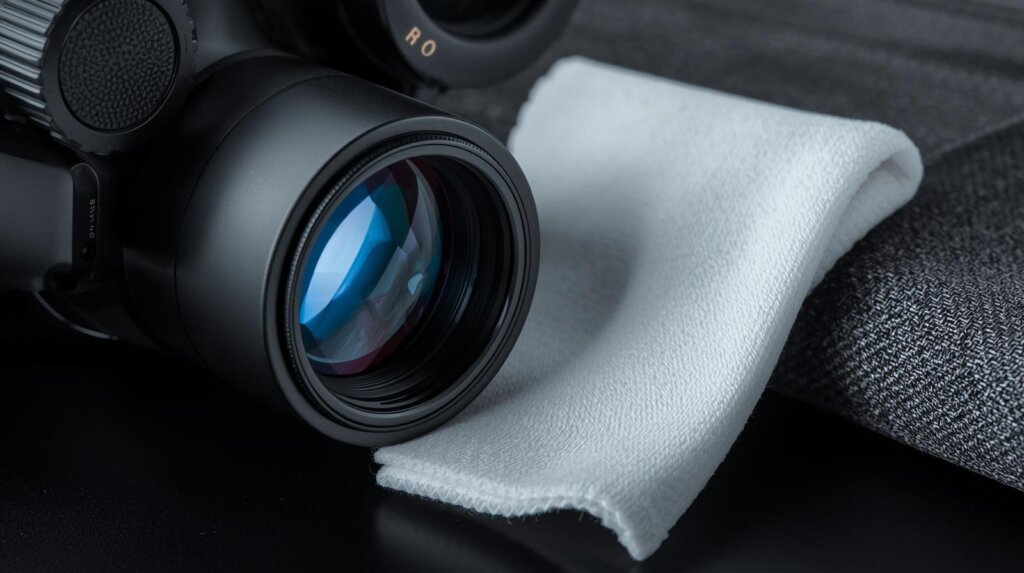
A proper microfiber cloth helps with light exterior moisture and smudges. A hoodie sleeve does not. Neither does a paper towel.
The key is keeping that cloth dry and clean. A microfiber cloth that has been floating around in a dusty bag for two weeks is not a cleaning tool anymore. It is a lens-scratching trap.
Do not cap wet lenses too quickly
This is a common mistake after a damp morning outing. People see moisture, throw on the caps, zip the case, and assume they are protecting the binoculars. In reality, they are trapping humidity.
If the lenses are damp from temperature change or mist, let the binoculars air out in a dry indoor space before sealing them away. That simple step goes a long way, especially if you want to avoid recurring fog later. For long-term care, this guide on how to store binoculars to prevent fogging connects the storage side of the problem beautifully.
What works best in different outdoor conditions
In cold weather
Cold weather fogging is often caused by warm breath and sudden temperature transitions. In this case, the best anti-fog tips for binoculars are boring but effective: acclimate the binoculars, avoid breathing on the eyepieces, keep them out of overheated vehicles when possible, and use a clean cloth only after the glass has stabilized.
One extra trick: avoid bringing the binoculars inside your jacket for too long and then pulling them back into freezing air. That warming-cooling cycle can create more trouble than just keeping them consistently cool.
In humid weather
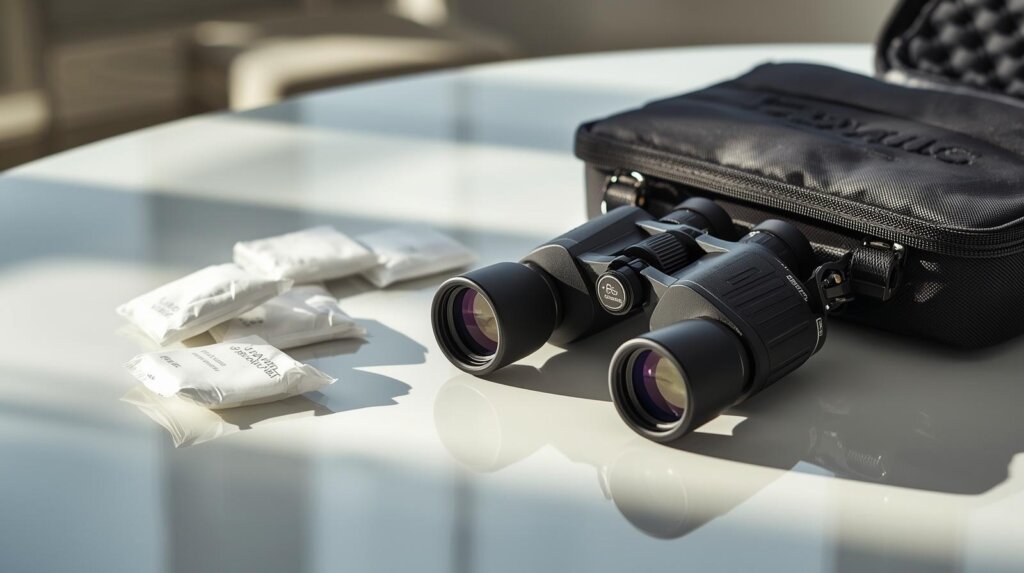
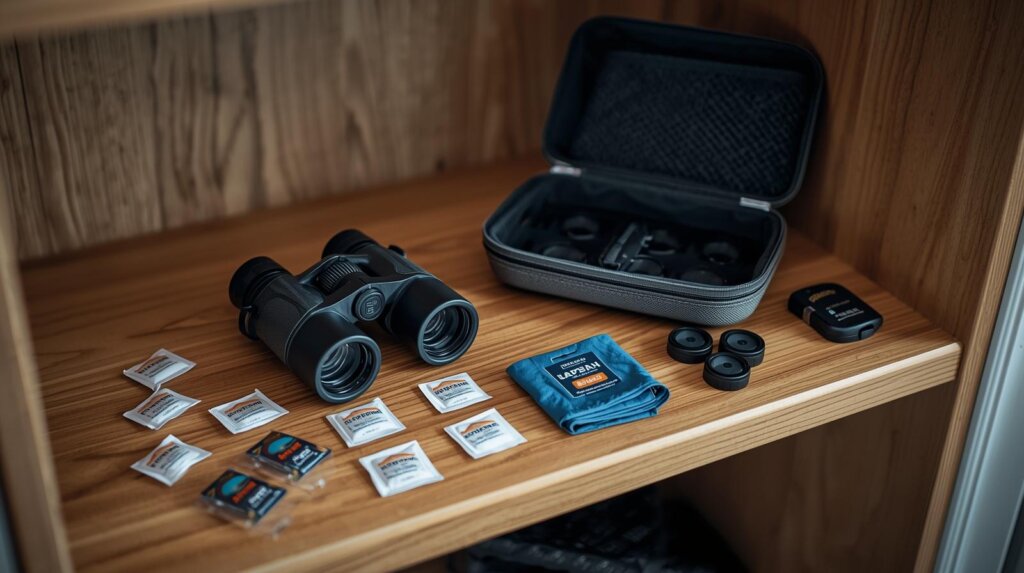
Humidity is harder because the air is already full of moisture. Here, your best defense is prevention before the outing. Start with dry gear, pack a microfiber cloth, keep a few silica gel packs in your case, and avoid closing the binoculars into a damp bag.
This is where anti-fog treatments can actually be useful, especially for people who birdwatch near marshes, hunt in dawn humidity, or spend time on boats.
In rainy or misty conditions
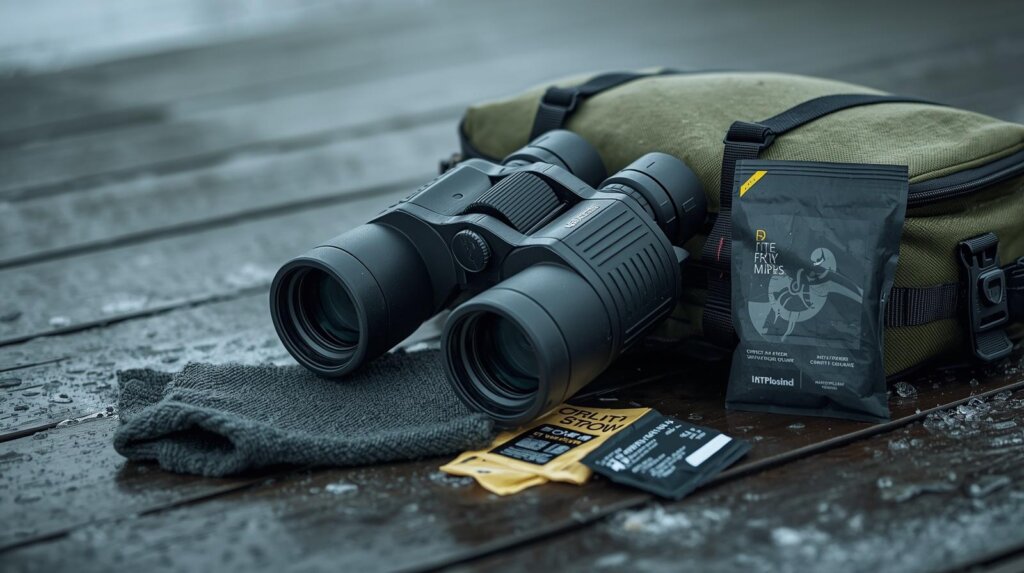
Rain is not the same as fog, but it leads to fog problems fast. Water on the outside surface, wet hands, and a damp case create perfect conditions for later haze. Use lens covers when walking, wipe moisture off gently before it dries into marks, and never store the binoculars wet just because you are tired after the trip.
One product that genuinely makes sense
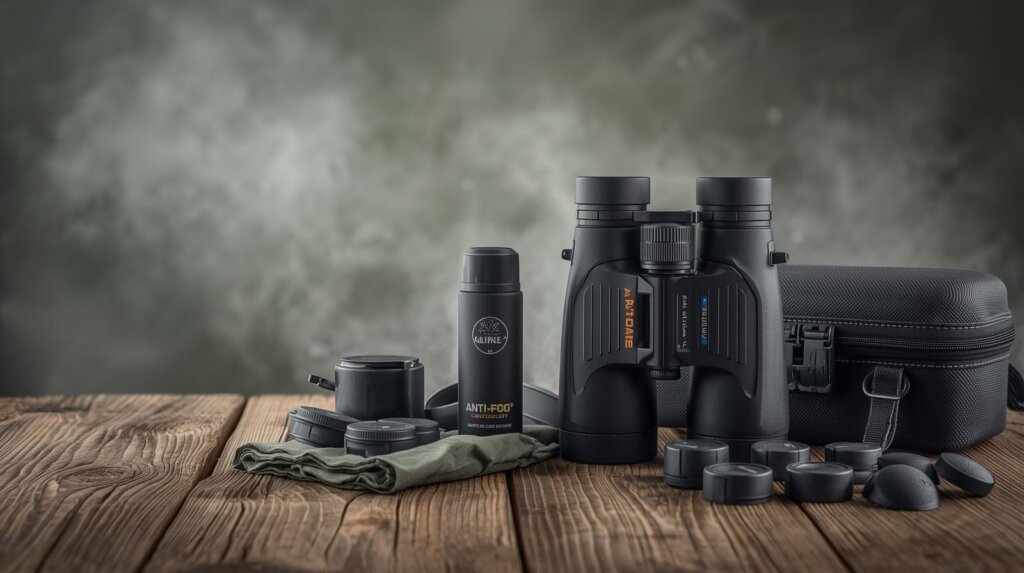
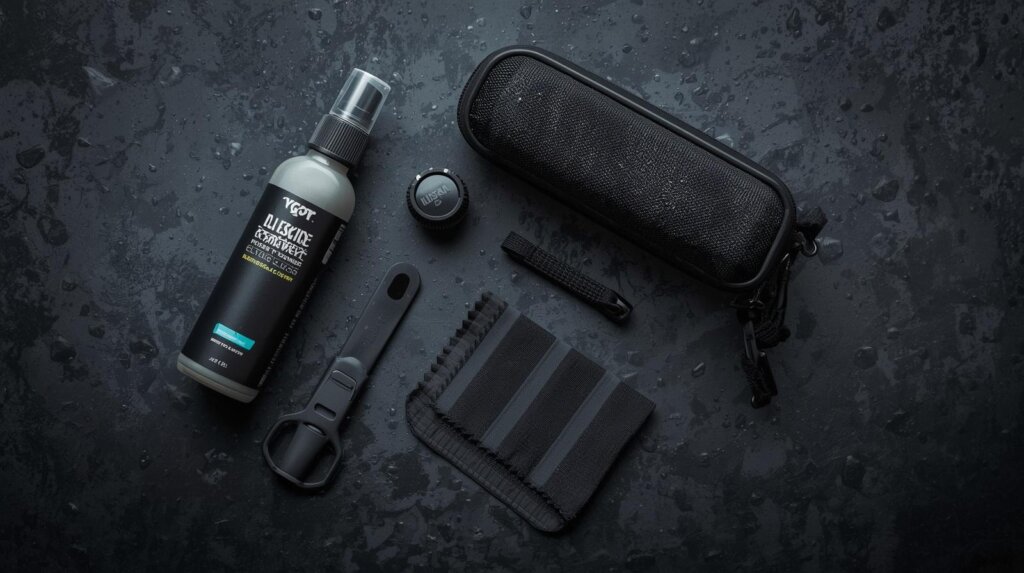
A solid example is the ZEISS AntiFOG Kit. ZEISS says the spray used with its anti-fog cloth can keep lenses fog-free for up to 72 hours, and the brand also states its anti-fog wipes are formulated for coated lenses including binoculars. That makes it more relevant than the cheap mystery sprays people grab online with no idea how they interact with coatings.
My take: use a product like this for stubborn external fogging, not as a replacement for good habits. If your binoculars are fogging internally, no anti-fog wipe is going to solve the real issue.
Quick comparison: what helps most
| Method | Best for | Main benefit | Main downside |
|---|---|---|---|
| Acclimating binoculars before use | Cold-to-warm or warm-to-cold transitions | Prevents fog before it starts | Requires patience |
| Dry microfiber cloth | Light exterior haze and smudges | Safe, simple, cheap | Useless if the cloth is dirty or wet |
| Silica gel in the case | Storage moisture control | Helps keep the case environment drier | Does not fix active fogging outdoors |
| Anti-fog treatment | Repeated external fogging in humid or cold conditions | Can improve short-term usability | Needs careful application |
| Better storage habits | Chronic recurring fog issues | Solves the root routine problem | Easy to ignore after trips |
Common mistakes that make fogging worse
Cleaning too aggressively
Fogging makes people impatient. That is when they rub fast, use pressure, and try to “polish” the blur away. Bad move. If there is grit on the lens, you are dragging it around. If there is moisture mixed with skin oil, you are spreading a film, not removing it.
Storing binoculars in a damp case
A wet case quietly ruins routines. Even if the binocular body looks fine, the trapped moisture keeps creating that clammy environment that leads to repeat fogging and funky odors.
Assuming all fog is normal
Some users live with persistent haziness because they think binoculars just do that. They do not. Occasional exterior fogging in rough conditions is normal. Internal haze, recurring condensation after storage, or moisture that keeps returning in normal use is not.
Buying “fogproof” and ignoring maintenance
Even sealed, nitrogen-purged binoculars are not magic forever. Good build quality helps, but it does not cancel sloppy storage, repeated water exposure, or years of wear.
Real-world use cases where anti-fog habits matter most
Birding at sunrise
This is the classic fogging trap. Cool morning air, damp ground, excited fast viewing, and repeated face-to-eyepiece contact. If you birdwatch early, prep matters more than cleaning. Dry gear, a clean cloth, and controlled handling usually outperform over-cleaning in the field.
Hunting in late fall
Cold breath plus adrenaline is a bad combination for eyepieces. Hunters often pull binoculars up quickly, breathe hard, then wonder why the image hazes over at the worst moment. In these conditions, lens position and acclimation matter as much as lens treatment.
Marine use and coastal viewing
Salt air, humidity, and changing temperatures can turn even premium binoculars annoying if you store them carelessly. In coastal use, anti-fog tips for binoculars should always include drying the body, checking the case, and never leaving gear sealed while damp.
Sports and stadium use in winter
This one surprises people. Binoculars are not just for wilderness trips. If you go from a heated car to cold stadium seating and keep lifting the binoculars while chatting, fogging shows up fast. Same solution: temperature control, breath awareness, and dry handling.
Buyer tips if you are shopping with fog prevention in mind
If you are buying binoculars and fogging is one of your pain points, do not focus only on magnification or brand hype. Pay attention to:
Waterproof and fogproof construction
These features matter because they usually indicate sealing and gas purging. That helps resist internal moisture intrusion and makes the binocular more dependable in tough weather.
Lens coatings and cleaning compatibility
Not every random anti-fog product should touch every coated lens. Stick with optics-safe cleaners from brands that clearly state compatibility.
Case quality
A bad case traps moisture, offers poor airflow, and becomes an afterthought. A decent case plus a few silica packs can quietly improve your whole routine.
Pros and cons of using anti-fog treatments
Pros
- Helpful for recurring exterior fogging
- Useful in humid or cold-weather outings
- Can reduce the need for constant wiping
- Small and easy to carry in the field
Cons
- Not a fix for internal fogging
- Some users apply too much and create streaking
- Needs a coating-safe product
- Easy to over-rely on instead of fixing handling habits
My honest opinion after years of seeing the same issue
Most fog problems are not caused by bad binoculars. They are caused by rushed transitions, damp storage, and careless wiping. People often spend more time searching for a miracle anti-fog trick than fixing the routine that keeps causing the issue.
That is actually good news. It means you usually do not need to replace your binoculars. You need a better field habit, a drier case, and a smarter response when fog shows up.
For more practical optics care guides, browse the latest posts on BestBinocular.net.
Final thoughts
Good anti-fog tips for binoculars are rarely glamorous. They are about timing, storage, cleaning discipline, and knowing when a fog issue is just weather and when it is something deeper.
If you build a simple routine around dry storage, gentle lens care, and smarter outdoor handling, your binoculars become much less frustrating to use. And if you are already dealing with moisture after the fact, read how to remove condensation from binoculars next. It pairs naturally with this article and can save you from making the classic “wipe first, regret later” mistake.
FAQs About Anti-Fog Tips for Binoculars
How do I keep binoculars from fogging up in cold weather?
Let them acclimate before use, avoid breathing onto the eyepieces, and do not move them repeatedly between warm and cold environments. Those three changes solve a surprising amount of cold-weather fogging.
Can I use anti-fog spray on binocular lenses?
Yes, but only if the product is designed for coated optical lenses and applied correctly. A reputable option like the ZEISS AntiFOG line is specifically marketed for coated lenses including binoculars.
Why do my binoculars keep fogging inside?
That usually suggests internal moisture intrusion rather than simple outside condensation. Seals may be compromised, or moisture may already be inside the binocular body. That is a repair or replacement issue, not just a cleaning issue.
Are fogproof binoculars completely immune to fogging?
No. Fogproof binoculars are more resistant to internal fogging because sealed, gas-purged construction helps reduce moisture inside the body. However, the outside lens surfaces can still fog in cold, humid, or fast-changing weather.
Is wiping fog off with a shirt really that bad?
Yes, especially if there is dust or grit on the lens. It is one of the fastest ways to leave smears or fine scratches on coated glass.
Should I store binoculars with silica gel packs?
Yes, especially if you live in a humid area or often use binoculars at dawn, near water, or in wet weather. Silica gel is a simple extra layer of moisture control inside the case.




