

Best Binocular Covers for Full Protection in 2026 are designed to protect your optics from scratches, dust, moisture, branches, and everyday outdoor wear without making them difficult to access.
A good pair of binoculars is built for outdoor use, but that does not mean it should spend every trip exposed to rough terrain, backpack hardware, wet vegetation, and other gear. Most damage happens while walking, hiking, traveling, or carrying binoculars for long periods rather than while actually looking through them.
That is where a reliable binocular cover becomes useful.
Unlike a traditional storage case, a protective binocular cover stays close to your optics while you are using them. It helps shield the lenses and binocular body while still allowing quick access whenever a bird, animal, or distant subject suddenly appears.
For birders, hunters, hikers, wildlife observers, and travelers, the right cover can help reduce everyday wear while keeping binoculars ready when something worth seeing suddenly appears.
For 2026, one option stands out for this kind of practical field protection: the Carson BinoArmor BA-03 Protective Binocular Wrap.
It is lightweight, simple, and built around a clever idea—protect the binoculars while keeping them immediately accessible.
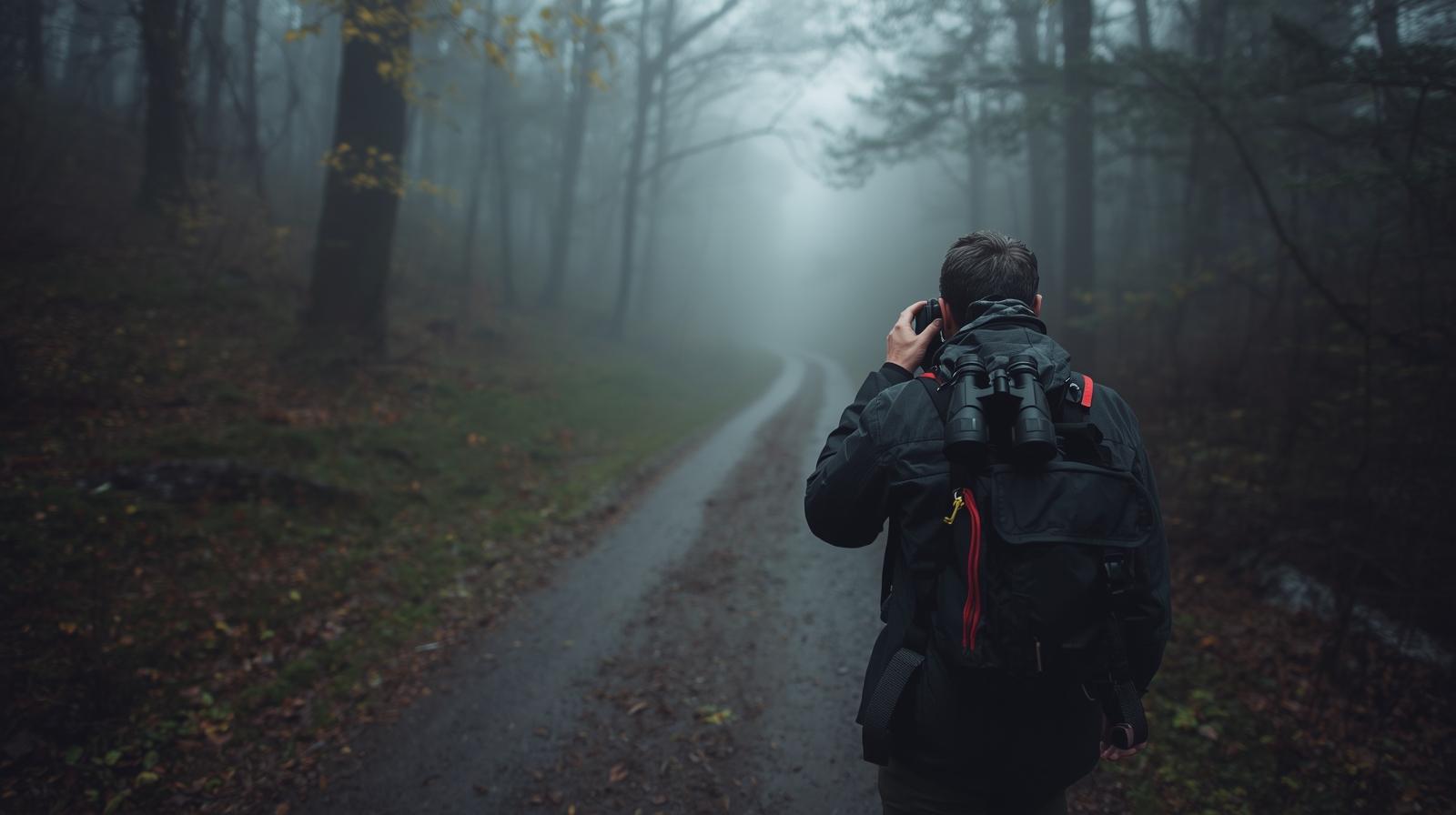
Why Binoculars Need Extra Protection Outdoors
Many modern binoculars already come with rubber armor, weather sealing, and lens caps, so it is reasonable to wonder whether another protective layer is really necessary.
The answer depends on how you use them.
If your binoculars spend most of their time at home or inside a padded bag, an additional cover may not be essential. But regular outdoor use exposes optics to much more than occasional rain.
A typical birding or hiking trip can involve:
- Dust and fine grit
- Wet vegetation
- Branches and shrubs
- Backpack buckles
- Clothing zippers
- Camera equipment
- Mud and moisture
- Accidental bumps
- Repeated contact with other gear
Rubber armor helps protect the binocular chassis, but it does not fully cover the objective lenses, eyepieces, or every exposed surface.
A protective wrap creates another barrier between your binoculars and the environment.
That can be particularly useful if you own a pair of binoculars you plan to keep for several years.
Small scratches and scuffs may not ruin optical performance immediately, but preventing them is easier than dealing with damage later.
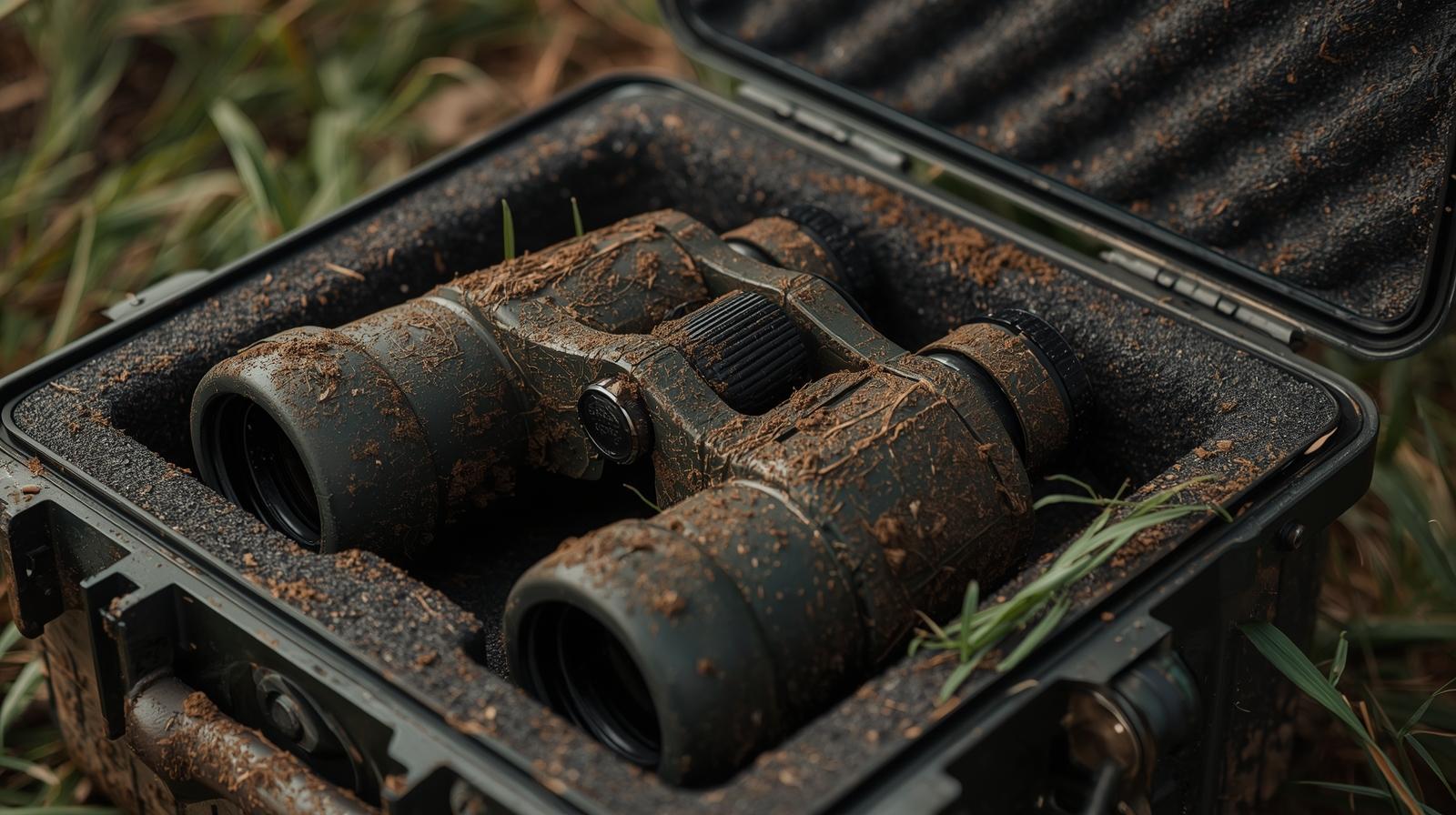
Binocular Cover vs Binocular Case
A binocular cover and a binocular case perform similar jobs, but they are not designed for the same situation.
A binocular case is usually better for storage and transportation.
A padded or semi-rigid case can protect binoculars inside a vehicle, suitcase, or backpack. The disadvantage is access. You normally have to open the case, remove the binoculars, and then store or carry the empty case somewhere else.
A binocular cover is designed for active use.
It stays around the binoculars while you walk and opens when you need to start viewing.
This matters more than it might sound.
Birds and wildlife rarely wait for you to organize your equipment. A bird can move to another branch or disappear into cover before you finish opening a traditional zippered case.
For active birding, hunting, and wildlife observation, quick access can be more useful than heavy padding.
A traditional case still has value for travel and storage. In fact, using both can make sense if you own expensive binoculars.
The case protects them during transportation.
The cover protects them while they are actually being carried outdoors.
You can also explore our binocular accessories guides for straps, cases, harnesses, lens protection, and other useful equipment.
Best Binocular Cover for Full Protection in 2026: Carson BinoArmor BA-03
The Carson BinoArmor BA-03 takes a different approach from a standard binocular pouch.
Instead of completely enclosing the binoculars inside a separate case, the BinoArmor wraps around them.
It uses a lightweight neoprene construction, an elastic retaining system, and magnetic flaps that protect both ends of the binoculars while allowing quick access.
The design is intended mainly for common 42mm binoculars, which makes it particularly relevant for birders and wildlife observers using popular 8×42 or 10×42 models.
The biggest advantage is straightforward: you do not have to remove the binoculars from the cover before using them.
Open the protective flaps, raise the binoculars, and start viewing.
When you are finished, close the cover again.
For people who constantly move between walking and observing, that simplicity is the main reason to consider the BA-03.
Lightweight Neoprene Protection
Neoprene is a sensible material for this type of accessory.
It is flexible enough to wrap around the binocular body and provides a small amount of cushioning without turning the binoculars into a bulky package.
It can help protect against:
- Surface scratches
- Minor bumps
- Dust
- Trail debris
- Light moisture
- Contact with other outdoor gear
The important thing is to understand what this protection does—and what it does not do.
The BinoArmor is not a hard-shell case.
If binoculars fall several feet onto rock, neoprene cannot provide the same level of impact protection as a thick padded or rigid case.
Its purpose is everyday field protection.
For walking, birding, hunting, hiking, and carrying binoculars against your body, that lighter approach often makes more sense.
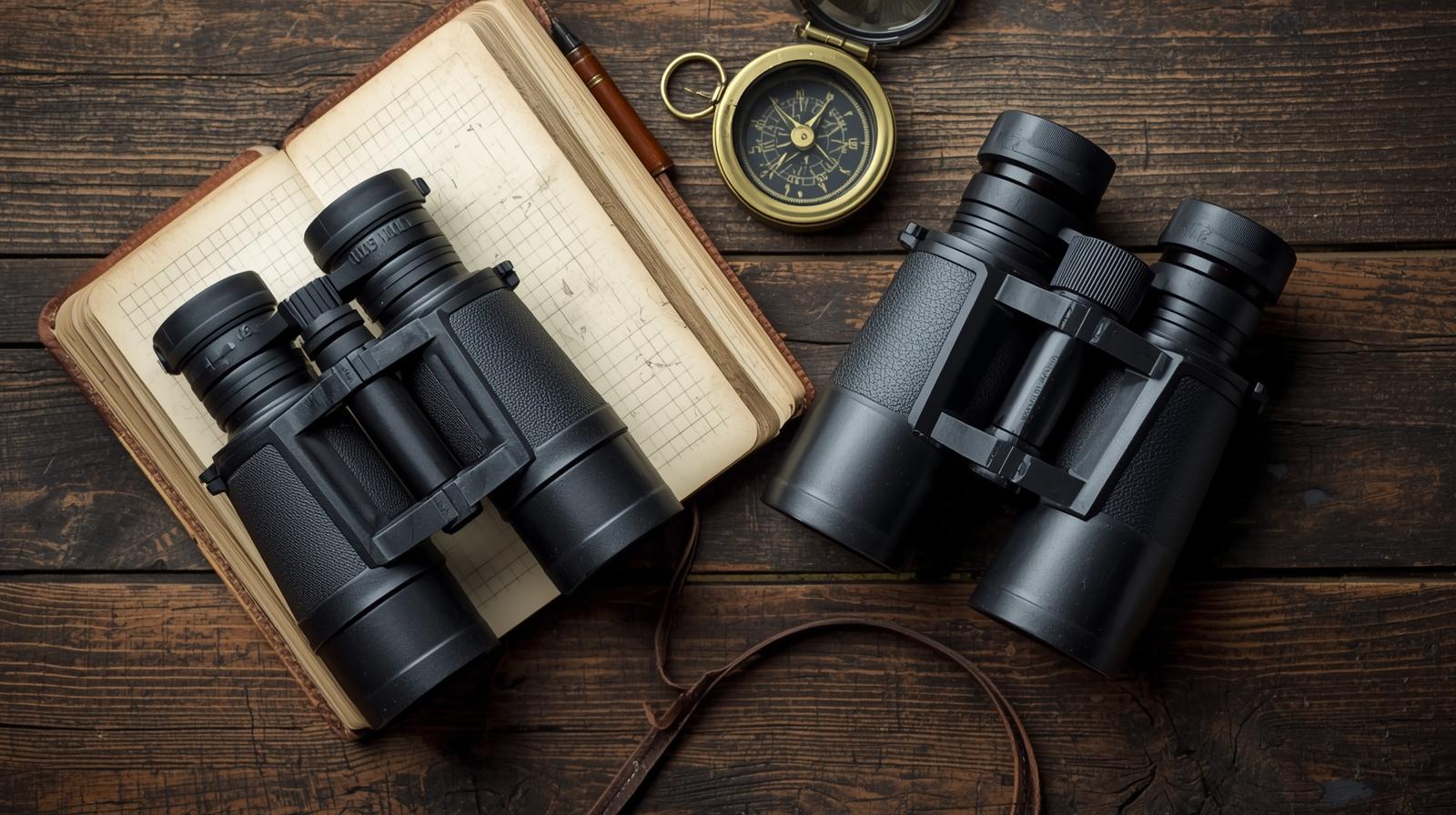
Lens Protection Is One of Its Biggest Advantages
The lenses are among the most vulnerable parts of any binocular.
Objective lenses at the front are exposed to dust, vegetation, sand, fingerprints, and accidental contact with other equipment.
Eyepieces face similar problems.
Standard lens caps help, but they are not always convenient in the field.
Objective caps can hang loose, catch on vegetation, or eventually become detached. Eyepiece covers can also shift around when you are walking.
A wrap-style cover provides broader protection.
When the Carson BinoArmor is closed, the front and rear sections of the binoculars are covered rather than leaving the lenses exposed.
This is particularly useful when your binoculars are hanging from a neck strap or harness.
Instead of allowing the lenses to face whatever is in front of you, the cover creates a simple barrier.
That can reduce the amount of dust and debris that reaches the glass in the first place.
And with binocular optics, prevention is always better than aggressive cleaning.
Repeatedly wiping dusty lenses can damage coatings if fine grit is dragged across the surface.
Keeping contaminants away from the lenses reduces how often deep cleaning is needed.
Quick Access Makes It Better for Birding
Birders probably benefit the most from the BinoArmor’s design.
Birdwatching involves frequent transitions between moving and viewing.
You may walk for several minutes, spot movement, raise your binoculars for a few seconds, and then continue walking again.
A traditional case becomes inconvenient very quickly in that situation.
The Carson design uses magnetic flaps instead of a conventional zipper.
That means the cover can be opened without completely removing it from the binoculars.
For a birder, this can make the entire viewing process feel more natural.
You see movement.
You open the cover.
You raise the binoculars.
You observe the bird.
Then you close the cover and continue walking.
There is no loose case to hold and no zipper to repeatedly open and close.
That is a small design choice, but it addresses a real problem.
Quiet Operation Is Useful for Wildlife and Hunting
Quick access is not the only advantage of the magnetic closure.
It is also quiet.
Velcro-style fasteners can create a noticeable ripping sound, while some zippers become noisy when used quickly.
That may not matter during casual sightseeing, but it can matter when you are close to wildlife.
Hunters and wildlife photographers often try to reduce unnecessary movement and sound.
A quieter closure allows you to reach your binoculars without adding much noise to the environment.
The magnetic system therefore has a practical purpose beyond convenience.
It helps the cover stay simple, quick, and discreet.
How Well Does the Carson BinoArmor Fit?
Fit is probably the most important thing to check before buying the BA-03.
It is commonly marketed for 42mm binoculars, but that does not mean every 42mm binocular has the same dimensions.
An 8×42 binocular from one manufacturer can have a noticeably different body shape from an 8×42 made by another brand.
Differences can include:
- Barrel length
- Body width
- Bridge design
- Focus-wheel size
- Rubber armor thickness
- Eyecup shape
For that reason, you should not buy a binocular cover based only on the number printed on the binocular.
Check the actual dimensions.
A cover that is too loose may move around while walking.
A cover that is too tight may not close correctly or may become frustrating to use.
The BinoArmor makes the most sense when the fit is secure enough to stay in place without making access difficult.
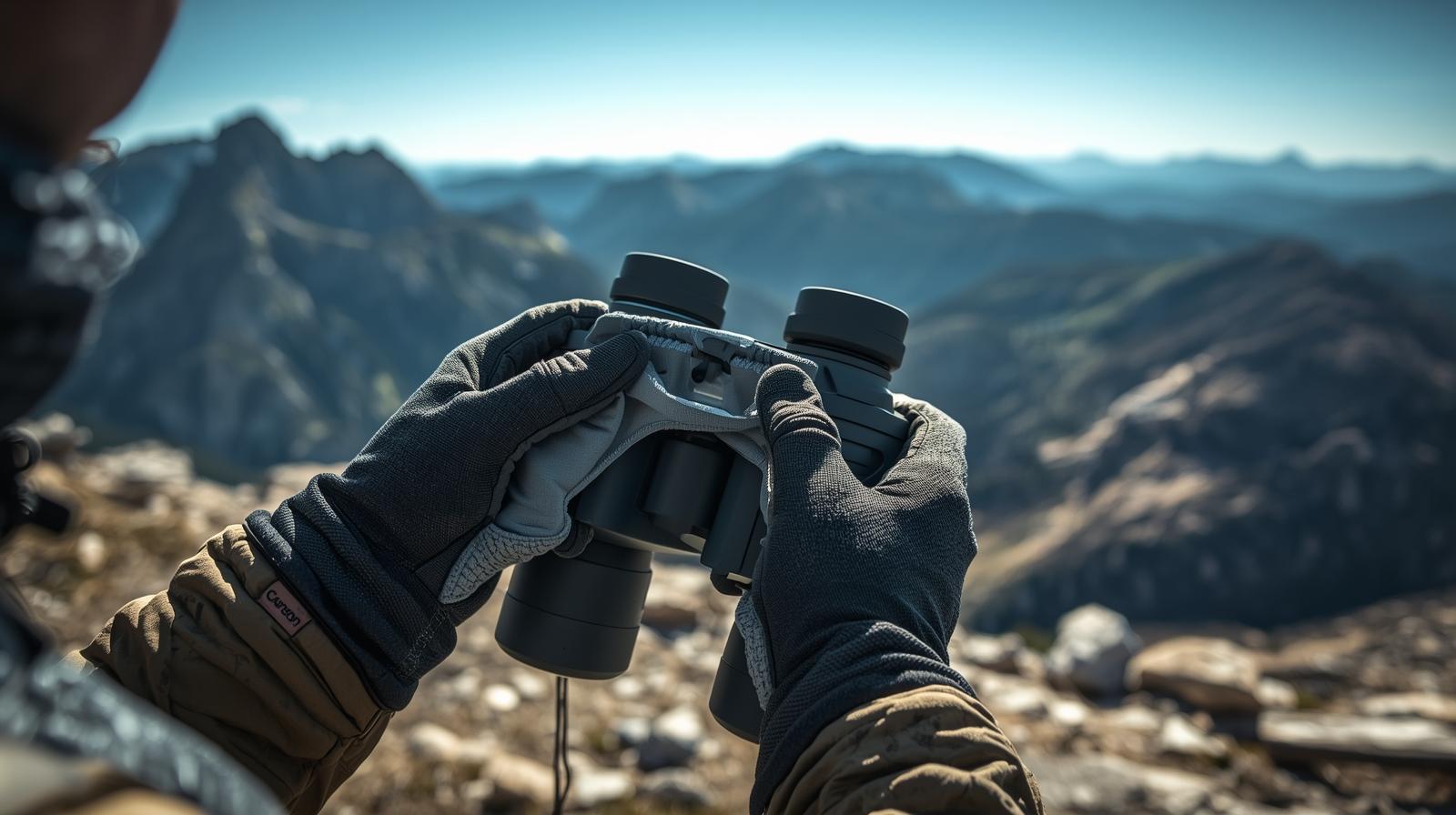
Is the Carson BinoArmor Waterproof?
This is one area where buyers should keep expectations realistic.
The BinoArmor provides useful protection from normal outdoor moisture, but it should not be treated like a sealed waterproof dry case.
Its design has to remain openable because quick access is one of its main features.
That makes it suitable for situations such as:
- Light drizzle
- Morning dew
- Damp vegetation
- Minor splashes
- General humid conditions
It is not the right solution for prolonged immersion, boating accidents, or situations where binoculars may end up fully submerged.
For serious water exposure, a sealed waterproof case is the safer choice.
This distinction matters because the phrase “waterproof binocular cover” is often used broadly online.
There is a big difference between protection from everyday outdoor moisture and a completely sealed waterproof enclosure.
For normal birding, hiking, and hunting conditions, weather resistance may be enough.
For kayaking or marine use, you need something more substantial.
Protection Against Dust and Sand
Dust rarely creates dramatic damage immediately.
Instead, it builds up over time.
Fine particles can settle around:
- Eyecups
- Lens edges
- Hinges
- Focus mechanisms
- Objective lenses
Sand is even more concerning because it can be abrasive.
If you regularly use binoculars near beaches, dry trails, deserts, dusty roads, or safari environments, keeping the lenses covered while you are not actively viewing can make a noticeable difference.
This is where a wrap is convenient.
You do not have to replace several individual caps every time you lower the binoculars.
Close the wrap and continue walking.
The easier a protective system is to use, the more consistently you are likely to use it.
That is an underrated advantage.
Scratch Protection During Hiking and Travel
Many binocular scratches come from completely ordinary situations.
The binoculars rub against a jacket zipper.
They swing into a backpack buckle.
They sit next to a camera.
They are packed beside a metal water bottle.
None of these situations looks particularly dangerous, but repeated contact can eventually leave visible marks.
A neoprene cover creates a softer outer layer around the binoculars.
That makes it especially useful during hiking and day trips where binoculars are constantly moving against clothing and other equipment.
It can also help people who care about keeping their binoculars in good cosmetic condition.
That may be important if you tend to upgrade your optics every few years and eventually sell older equipment.
Protecting the exterior helps maintain both appearance and resale value.
Using a Binocular Cover With a Harness
Many birders and hunters prefer a binocular harness over a standard neck strap.
A harness spreads the weight more evenly across the shoulders and chest, which can be more comfortable during long days outside.
It also helps reduce the amount of swinging while walking.
The Carson BinoArmor can remain around the binoculars while they are carried with a compatible strap or harness.
That makes the combination useful.
The harness handles carrying comfort.
The cover handles surface and lens protection.
Together, they can create a more practical setup for long birding walks, hunting trips, and wildlife observation.
If you are still using the basic strap that came with your binoculars and regularly experience neck discomfort, upgrading the carrying system may make almost as much difference as changing the cover itself.
You can find more options in our binocular accessories section.
What We Like About the Carson BinoArmor BA-03
The biggest strength of the BA-03 is that it solves a simple problem without creating another one.
You want your binoculars protected, but you still want to reach them quickly.
The BinoArmor manages both reasonably well.
Its main advantages include:
- Lightweight design
- Soft neoprene protection
- Quick magnetic opening
- Coverage for both ends of the binoculars
- Protection from everyday scratches and debris
- Quiet operation
- Compatibility with common 42mm binoculars
- Ability to stay attached during use
It is particularly well suited to people who keep their binoculars ready throughout the day.
That includes birders, hunters, hikers, safari travelers, and wildlife observers.
What Could Be Better?
No binocular cover is perfect, and the BA-03 has a few limitations worth knowing before buying.
Fit Is Not Truly Universal
The biggest limitation is compatibility.
Many 42mm binoculars should work, but body shape matters.
If your binoculars are unusually wide, long, or heavily armored, check measurements carefully.
It Is Not a Hard Case
Neoprene provides useful everyday protection, but it will not replace a heavily padded case for rough transportation.
If your binoculars are going into checked luggage or a bag filled with heavy equipment, stronger protection makes sense.
It Is Not a Sealed Dry Bag
The cover can help with normal moisture exposure, but it should not be treated as a fully waterproof enclosure.
The Magnetic Closure Will Not Suit Everyone
Because the BA-03 uses magnets, users with pacemakers or implantable cardioverter defibrillators should avoid this particular product and choose a non-magnetic alternative.
Being clear about these limitations actually makes the product easier to recommend to the right buyer.
It is a field cover, not an indestructible storage case.
Who Should Buy the Carson BinoArmor BA-03?
The Carson BinoArmor is most suitable for someone using compatible full-size binoculars who wants protection without sacrificing quick access.
It makes particular sense for:
Birdwatchers
Birders constantly switch between walking and viewing, so a cover that stays attached is much more convenient than repeatedly removing binoculars from a pouch.
Hunters
The quiet magnetic opening and low-profile design are useful when unnecessary noise should be avoided.
Hikers
Neoprene protection can reduce scratches caused by straps, clothing hardware, vegetation, and other equipment.
Wildlife Observers
Wildlife often appears unexpectedly, making quick binocular access important.
Travelers
The BinoArmor can provide an additional layer of protection during normal travel, although a padded case is still better for rough transportation.
Who Should Choose Something Else?
The Carson BinoArmor is not automatically the best option for every user.
- A padded binocular case may be better if you mostly carry binoculars inside a backpack.
- A hard case makes more sense for maximum impact protection.
- A sealed waterproof case is better for kayaking, boating, or serious water exposure.
- A compact lens-cover system may also be enough if your binoculars rarely leave a controlled environment.
- The best protection depends on how you actually use your optics.
- Buying the thickest or most expensive case is not automatically better.
The goal is to protect the binoculars without making them inconvenient enough that you stop using the protection.
How to Choose the Right Binocular Cover in 2026
Before buying a binocular cover, think about the situations where your binoculars are most vulnerable.
If you spend most of your time hiking through forests, you probably need scratch protection and quick access.
If you bird near beaches or dry open areas, dust and sand protection become more important.
Hunters may care more about quiet operation.
Travelers may need additional impact protection.
Someone using premium binoculars may prefer a combination of a lightweight field cover and a padded travel case.
Check the Actual Binocular Dimensions
Do not rely entirely on labels such as 8×42 or 10×42.
Those numbers describe optical specifications, not body size.
Measure the binoculars and compare those dimensions with the cover before ordering.
Choose the Material According to Use
Neoprene works well for:
- Lightweight field protection
- Scratch resistance
- Minor cushioning
- Flexible fit
Padded cases are better for:
- Travel
- Backpack storage
- Stronger impact protection
Hard cases are better for:
- Expensive optics
- Rough transportation
- Maximum physical protection
Sealed waterproof cases are better for:
- Boats
- Kayaks
- Marine environments
- Situations involving possible immersion
The best cover is not the one with the longest feature list.
It is the one that fits the way you use your binoculars.
Should You Still Use Lens Caps?
Yes, especially if the original lens caps fit securely.
- A binocular cover and lens caps can work together.
- Objective caps provide direct protection over the front glass.
- An eyepiece rain guard protects the viewing end.
- A wrap adds another layer over the complete binocular.
This combination can be particularly useful if you carry binoculars inside a bag with other equipment.
If your original lens caps have become loose or disappeared, replacing them is usually inexpensive and worthwhile.
Our binocular accessories guides also cover lens caps, harnesses, straps, carrying cases, cleaning tools, and other useful upgrades.
How to Keep a Binocular Cover Clean
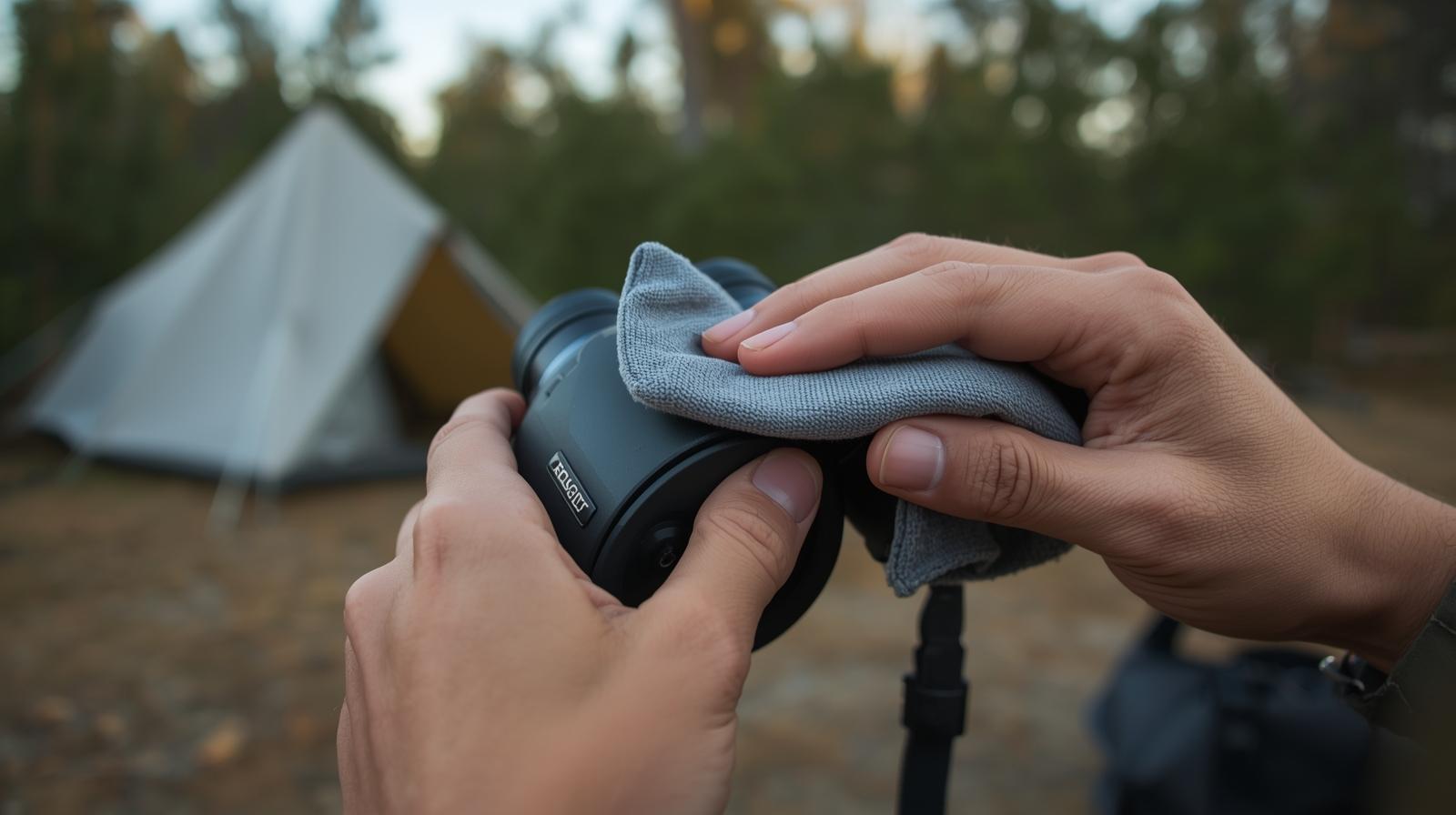
A binocular cover protects your optics by collecting much of the dirt that would otherwise reach the binoculars.
That means the cover itself needs occasional attention.
If the wrap becomes dusty or muddy, remove it before cleaning.
Make sure no grit remains trapped on the inside surface.
That is particularly important with sand.
A dirty protective cover can eventually become abrasive if hard particles remain between the neoprene and binocular body.
After using binoculars in wet weather, let both the binoculars and cover dry before storing them for a long period.
Avoid harsh chemical cleaners or aggressive scrubbing.
For most everyday dirt, gentle cleaning and thorough air drying are enough.
Keeping the inside surface clean is more important than making the outside look perfect.
Are Binocular Covers Worth the Money?
For regular outdoor users, a binocular cover is a relatively inexpensive way to protect equipment that often costs much more.
It will not prevent every possible type of damage.
That is not the point.
Its value comes from reducing the everyday scratches, dust exposure, moisture, and minor contact that binoculars experience repeatedly over time.
More importantly, a good cover makes protection convenient.
A padded case sitting inside your vehicle cannot protect binoculars that are hanging from your chest while you hike through thick vegetation.
A cover that remains attached continues protecting the binoculars during the part of the trip when they are most exposed.
For birders, hunters, hikers, and wildlife observers, that practicality is what makes the accessory worth considering.
Is the Carson BinoArmor BA-03 Worth Buying in 2026?
For compatible 42mm binoculars, the Carson BinoArmor BA-03 remains a practical choice in 2026.
Its strongest feature is not maximum padding or extreme weather protection.
It is convenience.
The cover stays with your binoculars, protects the areas most likely to collect scratches and debris, and opens quickly when you need to start viewing.
That makes it particularly useful for active outdoor users.
The neoprene provides enough protection for normal bumps and surface contact without making the binoculars unnecessarily bulky.
The magnetic flaps make access fast and quiet.
And because the cover remains attached, there is no separate case to manage every time you stop to look at something.
The limitations are clear.
It is not a hard case.
It is not a waterproof dry box.
It will not fit every binocular body.
And the magnetic design is not suitable for people using certain implanted medical devices.
For the right user, however, it does exactly what a good field cover should do: protect the binoculars without getting in the way of using them.
Final Verdict
The best binocular covers for full protection in 2026 should do more than simply add padding.
They should protect the binoculars during the moments when damage is actually most likely—while walking, hiking, traveling, hunting, or moving through outdoor environments.
For heavy transportation, a padded or hard-shell case is still the better option.
For active field use, a lightweight wrap makes more sense.
The Carson BinoArmor BA-03 stands out because it offers a useful balance between protection and accessibility.
It helps shield compatible binoculars from everyday scratches, dust, debris, vegetation, light moisture, and contact with other equipment while still allowing fast access to the optics.
For birdwatchers, hunters, hikers, and wildlife observers who regularly carry 42mm binoculars, that combination makes the BA-03 a practical accessory rather than something that spends the whole trip inside a backpack.
Check the dimensions of your binoculars before buying.
If the fit is right and you want simple protection that stays out of your way, the Carson BinoArmor BA-03 is an easy option to recommend.
👉Protect Your Binoculars Before Your Next Adventure
👉 Upgrade Your Gear Before Your Next Trip
Your binoculars deserve the best protection.
FAQs
What is the best binocular cover for outdoor use in 2026?
For users who want lightweight protection and quick access to compatible 42mm binoculars, the Carson BinoArmor BA-03 is a strong option. If maximum impact protection is your priority, consider a padded or hard-shell case instead.
Do binoculars really need a protective cover?
Not always. However, people who regularly use binoculars outdoors can benefit from additional protection against scratches, dust, moisture, vegetation, and contact with other equipment.
Does the Carson BinoArmor fit every 8×42 binocular?
No. Binocular body dimensions vary even when the optical specification is the same. Check the actual dimensions of your binoculars before ordering.
Is neoprene good for binocular protection?
Yes, for everyday use. Neoprene provides flexibility, light cushioning, and scratch protection without adding much bulk. It does not provide the same protection as a rigid case against serious drops.
Is the Carson BinoArmor fully waterproof?
No. It can provide useful protection against light moisture and normal outdoor conditions, but it should not be treated as a sealed waterproof container.
Can you use a binocular cover with a harness?
Yes, depending on the design. A wrap-style cover such as the BinoArmor can remain around compatible binoculars while they are carried using a strap or harness.
Can a binocular cover prevent lens scratches?
It can reduce the risk by keeping lenses away from dust, branches, clothing hardware, and other equipment while the binoculars are not being used. Proper lens caps and careful cleaning are still important.
Is a binocular cover useful for birdwatching?
Yes. Birdwatchers frequently carry binoculars ready for immediate use, so a quick-opening protective cover can be more convenient than a traditional zippered case.
Should I use both a binocular case and a cover?
It can be a good combination. Use the lightweight cover during active field use and a padded case when transporting or storing expensive binoculars.
How do I choose the right binocular cover size?
Measure the length, width, and overall shape of your binoculars. Do not rely only on specifications such as 8×42 because different models can have very different body dimensions.




