
Best Compact Binocular Adapter Setup for Stable, Shake-Free Viewing
Compact binoculars are brilliant until your hands start shaking.
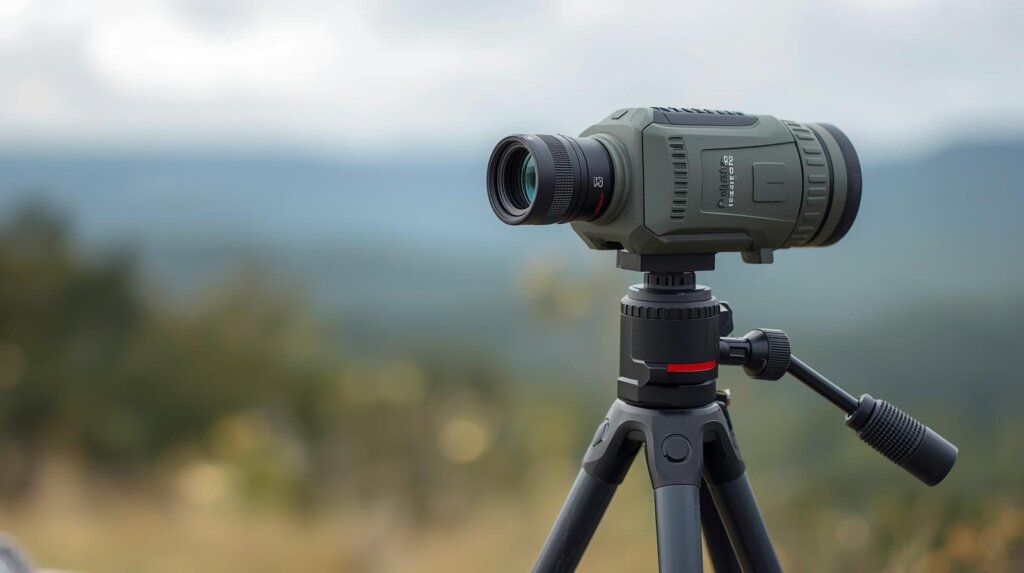
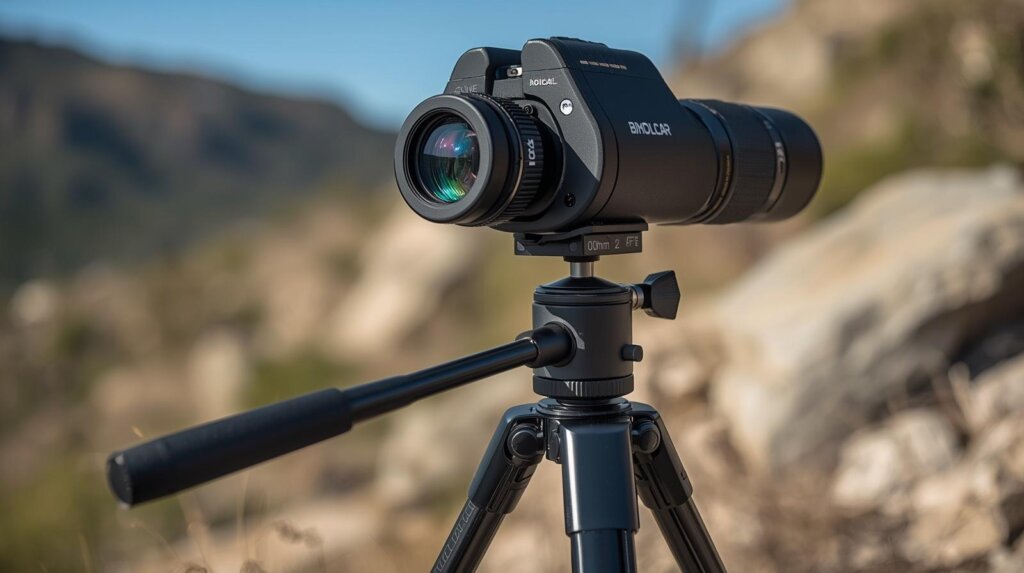
That is usually the moment people realize small binoculars are not automatically easier to use for long viewing sessions. In fact, lightweight optics often make tiny hand movements more obvious, especially when you are glassing distant ridgelines, scanning shorelines, or trying to lock onto detail during a trip. The right compact binocular adapter setup fixes that problem without turning a small, packable binocular into a clumsy mess.
The tricky part is this: not every adapter that works fine on a full-size 42mm binocular feels right on a compact model. Some are too bulky. Some interfere with the focus wheel. Some technically fit, but make a sleek travel binocular feel front-heavy and awkward. That is where buyers waste money.
This article is for people who want a clean, stable, real-world solution. Not a drawer full of accessories they stop using after two weekends.
If you are still comparing adapter styles overall, start with our full breakdown of the best binocular adapter so you can see how compact setups fit into the wider picture. And if you are just getting started with tripod-mounted optics, our guide to the best binocular adapter for beginners explains the simplest styles to use without frustration.
Why Compact Binoculars Need the Right Adapter More Than You Think
A lot of buyers assume a compact binocular is so light that tripod support is optional. Sometimes that is true for quick scans. It is not true when you are watching for ten minutes instead of ten seconds.
Small binoculars magnify movement fast
With 8×25, 10×25, and even many 8×32 models, small hand tremors become more noticeable the longer you stare through them. The image may not look terrible, but it rarely looks fully settled either. Mounting them on a tripod with the best compact binocular adapter instantly cleans up the view.
You notice it most in these situations:
- travel sightseeing from towers, rooftops, or scenic pull-offs
- long-distance landscape viewing
- casual astronomy with compact roof prism binoculars
- hunting from a fixed glassing point
- birding from a blind or static observation spot
- digiscoping-style alignment experiments with phones
Compact binoculars have less room for adapter error
Full-size binoculars can sometimes hide a bad adapter choice. Compact ones cannot.
A bulky bracket on a tiny body can:
- block the focus wheel
- make hinge access annoying
- create balance issues
- add unnecessary pack weight
- scratch the bridge or barrel finish
That is why the best option is usually not the biggest or toughest-looking accessory. It is the one that fits neatly, locks securely, and disappears once mounted.
What Makes the Best Compact Binocular Adapter?
Before buying, focus on fit and usability rather than marketing words.
1. Low bulk matters more than brute strength
Compact binoculars do not need an oversized metal block built for giant 15×56 glass. They need a stable adapter with a small footprint. The sweet spot is enough rigidity to hold position, without turning your setup into an awkward metal puzzle.
2. Bridge and hinge compatibility is everything
Many compact binoculars use a narrow hinge or limited front bridge space. Some adapters look universal but do not sit properly on slimmer roofs. Others technically attach, yet sit off-center.
Always check:
- hinge width
- front-thread access
- center clearance
- focus wheel clearance
- barrel shape around the bridge
3. Fast mounting makes you more likely to use it
This is underrated. If mounting your binocular takes too long, you will stop doing it.
The best compact binocular adapter is not just stable. It is easy enough to attach during actual use, whether you are on a trail, in a vehicle, or at a viewpoint where light conditions are changing quickly.
4. A compact setup should still feel compact
This sounds obvious, but many people ruin a lightweight binocular kit by pairing it with a chunky adapter and a heavy tripod head. If portability is your reason for buying compact binoculars, your adapter should support that goal, not work against it.
Who Actually Benefits Most From a Compact Binocular Adapter?
Not everyone needs one. But some users absolutely do.
Travel users
If you carry 8×25 or 10×25 binoculars on city breaks, scenic drives, or historic sites, viewpoints, outdoor attractions, or scenic city stops an adapter lets you turn quick handheld optics into a stable observation tool. It is especially useful when you are viewing architecture, coastlines, or mountains from a static position.
Hikers and backpackers
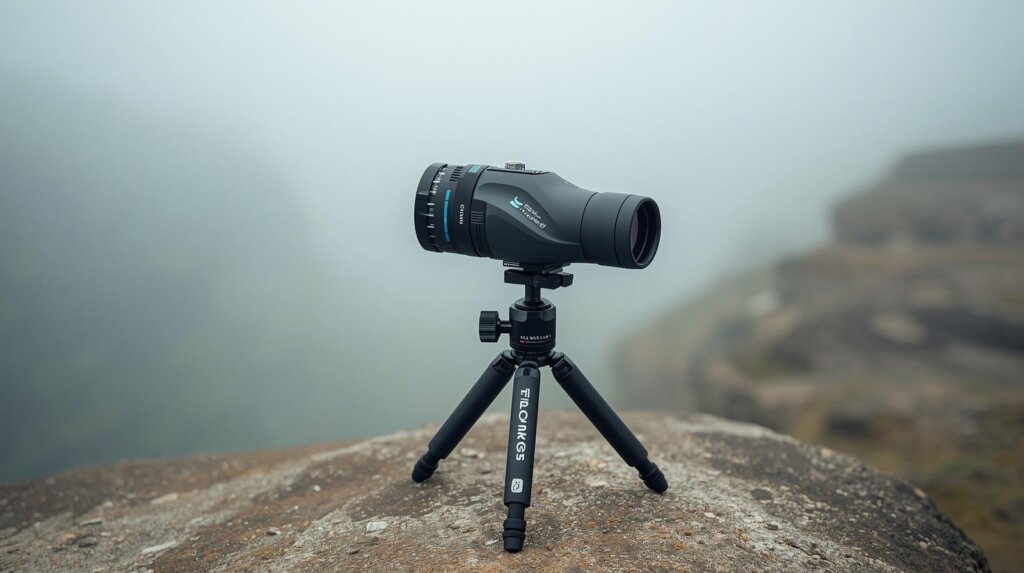
A compact binocular plus small tripod is one of the smartest lightweight observation kits you can carry. You keep pack weight under control, but still get steady glass when you stop for a proper look.
Casual birders
Handheld scanning is fine. Long stationary viewing is where a compact adapter earns its place. If you often watch from a deck, hide, or park bench, mounting your binocular reduces fatigue and helps you stay on target longer.
Hunters, landowners, and property viewers
If you spend time glassing fields, edges, or ridges from one point, compact binoculars on a support system are more useful than many people think. Not everyone wants to carry a full-size binocular harness system all day.
Compact Binocular Adapter vs Standard Binocular Adapter
Here is where buyers often get confused. A standard adapter may work. That does not mean it is ideal.
| Feature | Compact Binocular Adapter | Standard Full-Size Adapter |
|---|---|---|
| Size profile | Smaller and cleaner | Often bulkier |
| Best use | 8×25, 10×25, 8×32, travel models | 10×42, 12×50, larger binoculars |
| Weight impact | Minimal | More noticeable on small optics |
| Focus wheel clearance | Usually better when designed well | Can get cramped |
| Packability | Better for travel kits | Less friendly in small bags |
| Balance on small binoculars | More natural | Can feel overbuilt |
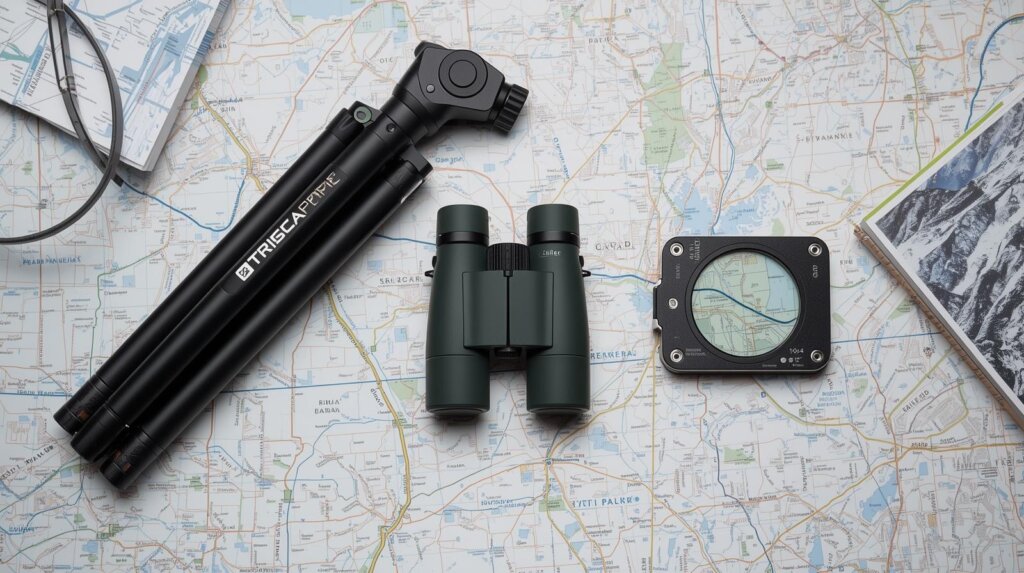
The real-world difference is simple: a standard adapter can make compact binoculars feel less compact. A good compact-friendly model preserves the reason you bought small binoculars in the first place.
The One Product I Would Actually Recommend
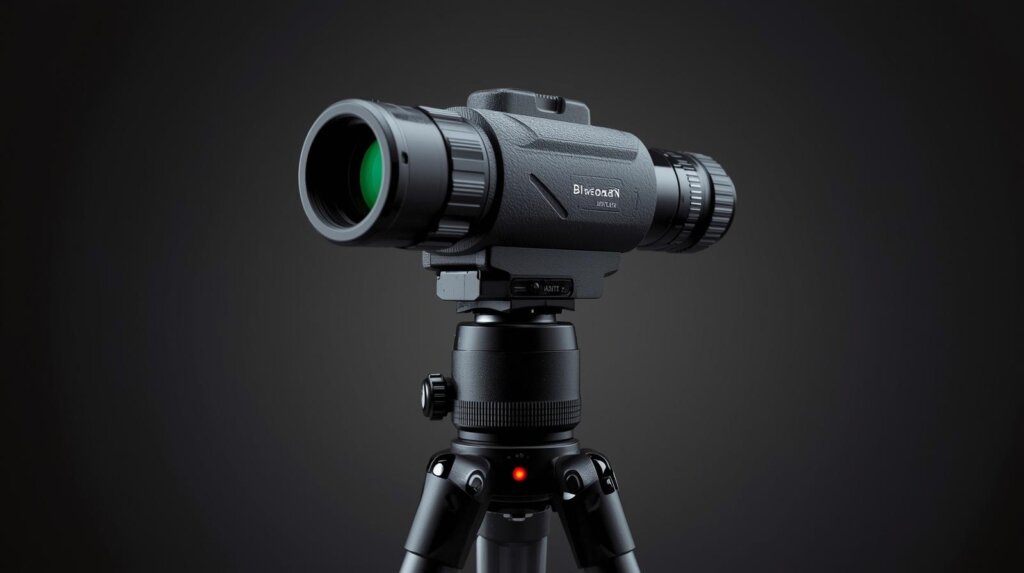
There are plenty of generic adapters online, but most of them are a gamble. For buyers who want a reliable option without overcomplicating the decision, the Vortex Uni-Daptor is one of the most sensible picks.
Why this one stands out
It works especially well for people who own compact roof prism binoculars that are not always friendly with traditional rigid post-style adapters. The flexible connection approach makes it useful when bridge shape or barrel spacing is not perfectly standard.
Why I like it for compact binoculars
- lighter and less awkward than many heavy bracket designs
- more forgiving on binocular shape compatibility
- fast to attach and remove
- easy to pack in a day bag or side pocket
- practical for travel, birding, and general outdoor use
Where it makes the most sense
The Vortex Uni-Daptor is a smart buy if you:
- own compact roof prism binoculars
- want one adapter that works across more than one pair
- dislike bulky metal brackets
- value convenience as much as stability
Trade-offs to know
It is not the hardest-core option for giant high-magnification binoculars, and if you want a permanently mounted feel, a rigid metal adapter may feel more locked in. But for small binoculars, I would take cleaner handling over overbuilt hardware almost every time.
Real Buying Mistakes People Make With Compact Binocular Adapters
This is the part most roundup articles skip, and it is usually where buyers go wrong.
Buying for strength instead of proportion
People see machined aluminum and assume better. Sometimes better just means heavier. On a compact binocular, proportion matters. An adapter should feel matched to the optic, not like it belongs on something twice the size.
Ignoring focus wheel access
A mount that blocks or crowds the focus wheel becomes annoying fast. You may tolerate it at home for five minutes. You will hate it outside.
Thinking “universal” means perfect fit
Universal usually means broad compatibility, not elegant compatibility. There is a difference.
Pairing a good adapter with a bad tripod
Even the best compact binocular adapter cannot fix a flimsy tripod with a shaky head. A lightweight travel tripod is fine, but it still needs decent leg stiffness and a head that locks without drift.
Using a compact setup for the wrong viewing style
If most of your observation time is stationary and long-form, a compact binocular may not be the ideal optic in the first place. Some users are trying to solve an optic mismatch with an accessory.
Best Use Cases for a Compact Binocular Adapter
Scenic travel stops
You pull over at a mountain lookout, coastal road, or desert overlook. Handheld viewing is okay for a minute. Mounted viewing lets you actually study the terrain, spot distant structures, and enjoy the scene without image wobble.
Lightweight hiking kits
This is where compact setups shine. A small binocular, adapter, and travel tripod can live in one side pocket or daypack compartment without dominating your carry load.
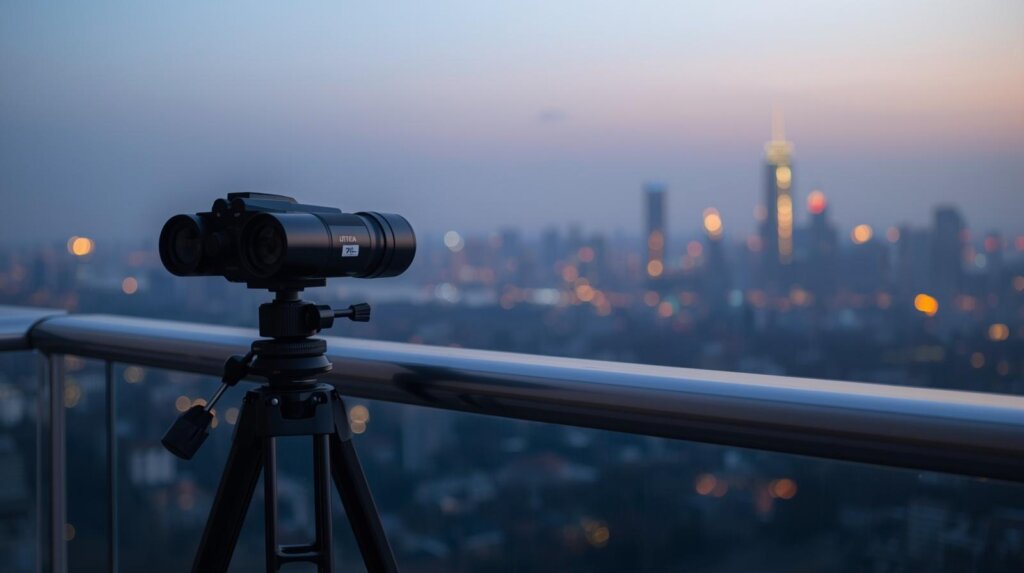
Window, balcony, or deck viewing
A lot of buyers use compact binoculars at home more than they expected. If you watch distant skylines, hills, harbors, or weather movement, an adapter makes the experience much more relaxing.
Intro-level sky viewing
No, a compact binocular is not replacing a serious astronomy setup. But mounted compact binoculars are a fun, low-effort way to enjoy the moon and bright night-sky targets without arm fatigue.
How to Choose the Best Compact Binocular Adapter for Your Binoculars
Check your binocular type first
Most compact binoculars fall into one of these groups:
- dual-hinge pocket binoculars
- small roof prism travel binoculars
- compact 32mm-class binoculars
Each style interacts differently with adapters. Pocket binoculars with narrow hinges can be trickier. Compact 8×32 models are usually easier.
Decide whether you want flexibility or a rigid mount
A flexible adapter works better for mixed compatibility and convenience. A rigid adapter can feel more secure if your binocular design supports it cleanly.
Think about your actual bag space
A tiny binocular with a chunky adapter stuffed beside it defeats the purpose. Buyers often overlook how accessories affect packing convenience more than total weight.
Match the adapter to your tripod use
If you only mount occasionally during travel, convenience matters most. If you mount often from one location, you may prefer a more structured solution.
Quick Comparison: What Type of Buyer Needs What?
| Buyer Type | Best Adapter Style | Why |
|---|---|---|
| Travel viewer | Slim, low-bulk adapter | Easier to pack and quicker to deploy |
| Casual birder | Flexible universal adapter | Works well with small roof prism binoculars |
| Hiker | Lightweight adapter with compact profile | Keeps overall kit portable |
| Static home viewer | Stable mid-rigidity adapter | Better for repeated mounted use |
| Multi-binocular owner | Flexible compatibility adapter | More forgiving across different models |
Pros and Cons of Using a Compact Binocular Adapter
Pros
- noticeably steadier image
- less eye strain during longer sessions
- better detail recognition at distance
- more enjoyable static viewing
- useful for travel, hiking, and home observation
- helps small binoculars feel more capable
Cons
- adds one more item to carry
- not every compact binocular fits elegantly
- cheap adapters can be more frustrating than helpful
- may tempt you into overbuilding a lightweight setup
- less useful if you mostly scan briefly while walking
More Guides That Help You Pick the Right Adapter
If you are deciding between compact and universal setups, read our detailed breakdown of the best binocular adapter to understand which adapter style matches your binocular type and tripod habits.
If this is your first time buying one, our guide to the best binocular adapter for beginners is useful because it focuses on simple setups, common compatibility issues, and the mistakes new buyers usually regret.
You can also explore more binocular tips and buying guides on our main binocular blog before choosing your final setup.
Final Thoughts
The best compact binocular adapter is not the one with the most metal, the most bolts, or the most aggressive product photos. It is the one that lets a small binocular stay small while finally becoming stable.
That matters more than people realize.
A good compact setup should feel easy to carry, quick to mount, and satisfying to use. If the adapter makes your binocular awkward, you will leave it at home. If it makes the image steady without adding hassle, you will use it all the time.
That is why I lean toward compact-friendly, low-bulk designs over oversized universal hardware for this category. Small binoculars are about freedom. Your adapter should protect that, not cancel it.
FAQs About the Best Compact Binocular Adapter
What is the best compact binocular adapter for travel?
The best travel-friendly option is usually a lightweight, low-profile adapter that mounts quickly and does not crowd the binocular’s focus wheel or hinge. For many compact roof prism binoculars, a flexible adapter design is the easiest to live with on the road.
Can compact binoculars be mounted on a tripod?
Yes, many can. The main issue is not weight capacity. It is compatibility. Some compact binoculars have narrow hinges or limited front access, so you need an adapter that fits the shape cleanly.
Is a compact binocular adapter worth it for 8×25 binoculars?
Yes, especially for static viewing. An 8×25 binocular is light, but image shake is still visible during long observation. If you spend time watching scenery, distant detail, or the night sky, mounting makes a real difference.
Are universal binocular adapters good for compact binoculars?
Some are. The best ones are compact-friendly and forgiving on shape. The worst ones feel oversized, block controls, or sit awkwardly on small binocular bodies.
Do I need a special tripod for a compact binocular adapter?
Not necessarily. A small travel tripod is often enough, provided the head locks well and the legs are not overly flimsy. Stability matters more than size.
What is the biggest mistake when buying a compact binocular adapter?
Choosing a heavy, overbuilt adapter just because it looks durable. With compact binoculars, fit, access, and packability matter more than brute strength.




