
Best Premium Binocular Adapter for Stability, Fit, and Long-Term Reliability
A cheap adapter can ruin an expensive binocular session faster than most people expect. That sounds dramatic, but it is true in the field. The whole point of buying premium glass is to enjoy sharp detail, edge clarity, and a steady image. If the adapter flexes, slips, or slowly loosens while you scan a ridgeline, you lose the advantage you paid for.
That is why finding the best premium binocular adapter is not about chasing a fancy finish or a high price tag alone. It is about secure fit, real stability, clean balance, and long-term confidence when you mount valuable binoculars on a tripod.
If you are already comparing serious mounting options, this guide will help you cut through the noise. I am focusing on what actually matters in real use: build quality, compatibility, vibration control, ease of mounting, and whether a premium adapter feels like an upgrade or just expensive metal.
If you are still weighing the basics first, start with this broader guide to the best binocular adapter so you can see how premium models compare to everyday options.
Why a Premium Adapter Makes More Sense Than Most People Think
A lot of buyers assume all adapters do the same job. Technically, yes, they all connect binoculars to a tripod. In practice, no, they do not perform the same.
A budget adapter can be fine for casual backyard use. But once you start using heavier binoculars, glassing for longer periods, or working in wind, weaknesses show up quickly. The adapter twists a little. The connection point develops play. You keep tightening things mid-session. That tiny frustration becomes the whole experience.
The best premium binocular adapter solves that by doing three things well:
- It locks in more securely
- It reduces unwanted movement
- It holds alignment better over time
That matters whether you are glassing open country, scanning distant shorelines, or doing long astronomy sessions from a fixed spot.
Who Actually Needs the Best Premium Binocular Adapter?
Not everyone needs to spend extra here. But some users absolutely benefit from it.
Serious birders who glass for long sessions
If you spend an hour or more behind binoculars, comfort and stability become part of image quality. Small shakes cause eye fatigue. A premium adapter helps keep your view relaxed and usable.
Hunters using 10×42, 12×50, or 15×56 binoculars
Heavier binoculars expose weak adapters fast. If your setup tips forward or vibrates with every touch, the tripod system is not doing its job.
Astronomy users who value precision
Night viewing punishes unstable gear. Slight movement feels exaggerated when you are tracking stars, moon detail, or distant lights. This is one area where premium hardware genuinely feels worth it.
Anyone protecting expensive optics
If your binoculars cost real money, it makes little sense to trust them to the lowest-quality connection point in the setup.
If you are just getting started and do not want to overspend yet, this guide to the best binocular adapter for beginners gives you a more practical entry point.
What Separates a Premium Adapter From a Regular One?
This is where many lists get lazy. They say “aircraft-grade aluminum” and move on. That phrase alone does not tell you whether the adapter is actually better in the field.
Material quality
Many premium adapters use stronger materials, cleaner machining, or tighter-fitting parts than budget options. The benefit is not just durability. A better-made adapter can also create a more secure fit and reduce unwanted wobble during longer viewing sessions.
Better threading
Cheap threading feels fine on day one, then starts binding, cross-threading, or loosening over time. Premium threading feels smoother, seats better, and inspires more trust.
Clamp and bridge security
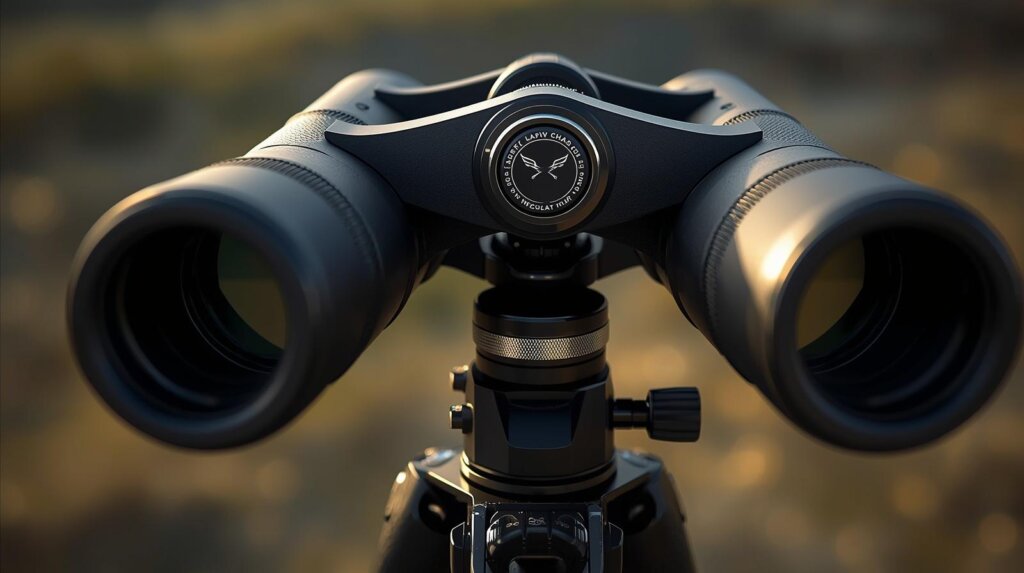
Some premium models grip the binocular bridge more evenly, which matters a lot with heavier optics. A weak hold creates micro-shifts that are annoying during long viewing.
Less vibration transfer
This is one of those things you do not appreciate until you use a good one. Better contact surfaces and more rigid construction cut down on image jitter.
Cleaner user experience
A premium adapter is often faster to attach, easier to level, and less likely to interrupt your session with little fixes.
My Top Recommendation
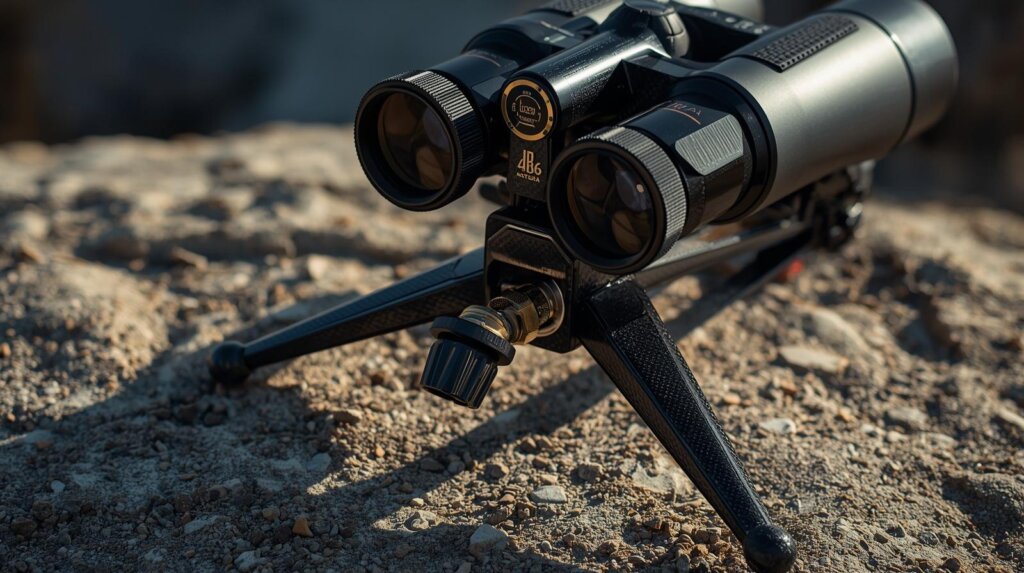
Based on its premium positioning and universal mounting design, the Swarovski UTA is one of the stronger options serious buyers may consider.
It makes sense for users who care about fit, finish, and confidence with high-end binoculars. The design appears more purpose-built than generic, which matters when you are mounting costly optics repeatedly in the field.
Why this one stands out
The Swarovski UTA stands out because it focuses on secure mounting, clean handling, and a more premium overall setup than many basic universal adapters. It is not the cheapest path, but it makes sense for buyers who want a more polished solution instead of another workaround.
Pros
- Excellent build quality
- Secure and confidence-inspiring hold
- Better suited to premium binocular setups
- Smooth handling and polished design
- A good match for long glassing sessions
Cons
- Expensive for casual users
- Overkill if you only mount binoculars occasionally
- Best value comes when paired with serious optics
Quick Comparison: Premium vs Standard Adapter
| Feature | Premium Binocular Adapter | Standard Binocular Adapter |
|---|---|---|
| Build quality | Tighter machining, stronger materials | More basic metal or plastic mix |
| Stability | Better at minimizing shake | Acceptable, but can flex under load |
| Thread quality | Smoother and more reliable | More likely to bind or loosen |
| Long-session comfort | Higher due to reduced micro-vibration | Can become annoying over time |
| Best for | Heavy optics, serious users, long sessions | Light binoculars, casual use |
| Value | Better long-term if used often | Better for short-term budgets |
The real difference is not just durability. It is how the setup feels after 45 minutes, in wind, with cold hands, when you are trying to stay locked on a distant subject.
Real-World Use Cases Where Premium Pays Off
Mountain and ridge glassing
Open terrain exposes weak gear. You touch the focus wheel, and the entire image shivers. A premium adapter helps keep the tripod-and-binocular system feeling settled instead of fussy.
Coastal scanning and shore viewing
If you spend time scanning waterlines or distant structures, subtle movement gets tiring fast. Stable support makes it easier to hold a line and pick out detail.
Backyard astronomy
This is an underrated use case. Even a solid pair of binoculars becomes more enjoyable when mounted properly. A premium adapter helps you spend more time observing and less time re-centering.
Travel with compact premium optics
Some users pair compact but expensive binoculars with lightweight tripods. In that situation, it makes sense to match the rest of the kit with a solid adapter. If that sounds like your setup, this guide to the best compact binocular adapter will help you build a more balanced system.
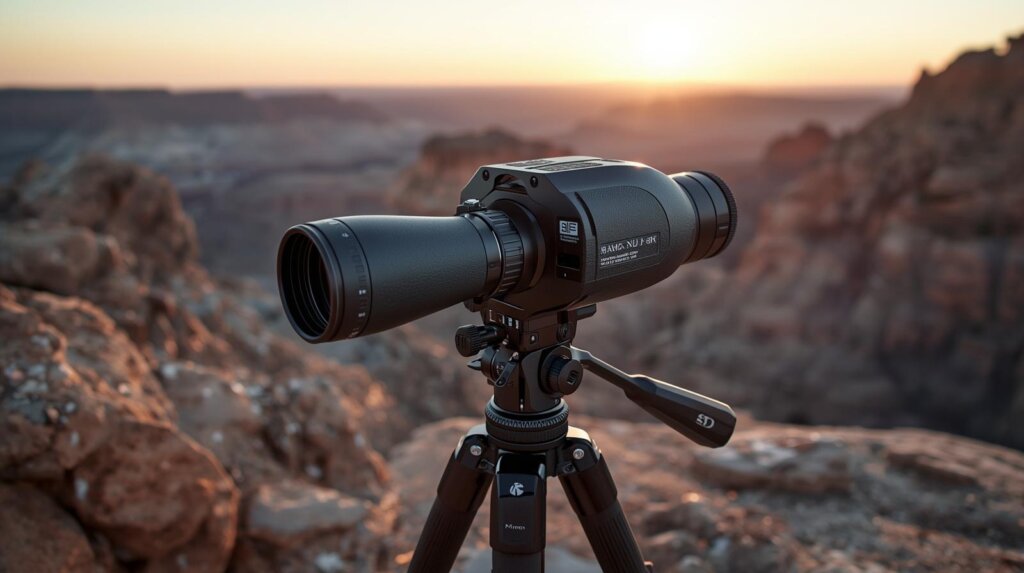
How to Choose the Best Premium Binocular Adapter
A premium price does not automatically mean premium fit for your binoculars. Here is what I would check before buying.
Match it to binocular size and weight
This is the first filter. A premium adapter that works beautifully with one roof prism model may not feel right with a larger binocular body.
Check bridge compatibility
Not every binocular bridge shape works equally well with every universal adapter. A product can be beautifully made and still be wrong for your specific design.
Look at the mounting interface
Pay attention to how the adapter connects and whether the threaded engagement looks reliable. Weak or awkward engagement kills confidence.
Think about session length
If you only mount binoculars twice a year, premium may not be necessary. But if tripod use is part of your routine, paying more makes more sense.
Consider your tripod head too
A great adapter cannot compensate for a poor tripod head. Premium binocular stability is a system, not a single part.
Common Mistakes Buyers Make
Buying based on price alone
Expensive is not always better. But extremely cheap is often cheap for a reason.
Ignoring balance
A secure adapter still needs to feel balanced with your binoculars and tripod. If the front dips or the connection feels awkward, the setup will annoy you.
Assuming universal means perfect
Universal compatibility is often broad, not flawless. Always think in terms of “works well with my binoculars,” not “fits everything.”
Forgetting about repeated use
Some adapters feel okay in the first five minutes. The real question is whether they stay enjoyable after weeks of attaching, removing, packing, and reusing.
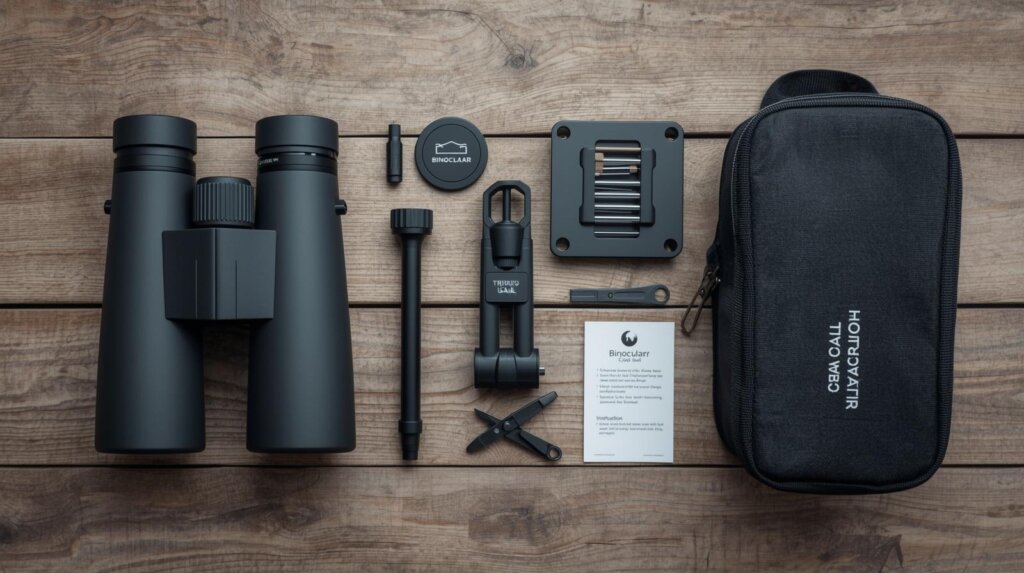
When Premium Is Worth It
This is where people often hesitate. They know they want the best premium binocular adapter, but they wonder if they are just paying for branding.
Sometimes branding is part of the price. But sometimes the extra cost buys smoother threads, better tolerances, more secure mounting, and fewer headaches. That is not marketing fluff. That is daily-use value.
My rule is simple: if your binoculars are expensive, your sessions are long, and tripod use is regular, premium is justified. If your binoculars are mid-range and tripod use is occasional, a good standard adapter is probably enough.
That is the honest middle ground.
More Guides That Help You Choose the Right Adapter
Most readers do better when they compare within a full content silo instead of reading one isolated review. If you want the bigger picture, go back to the best binocular adapter roundup for broader comparisons.
If portability matters more than ultimate rigidity, the best compact binocular adapter guide is worth reading next.
And if you are helping someone build their first tripod-ready setup without wasting money, this breakdown of the best binocular adapter for beginners is the smarter next click.
You can also explore more binocular tips, tripod setup guides, and field-friendly buying advice across the main blog.
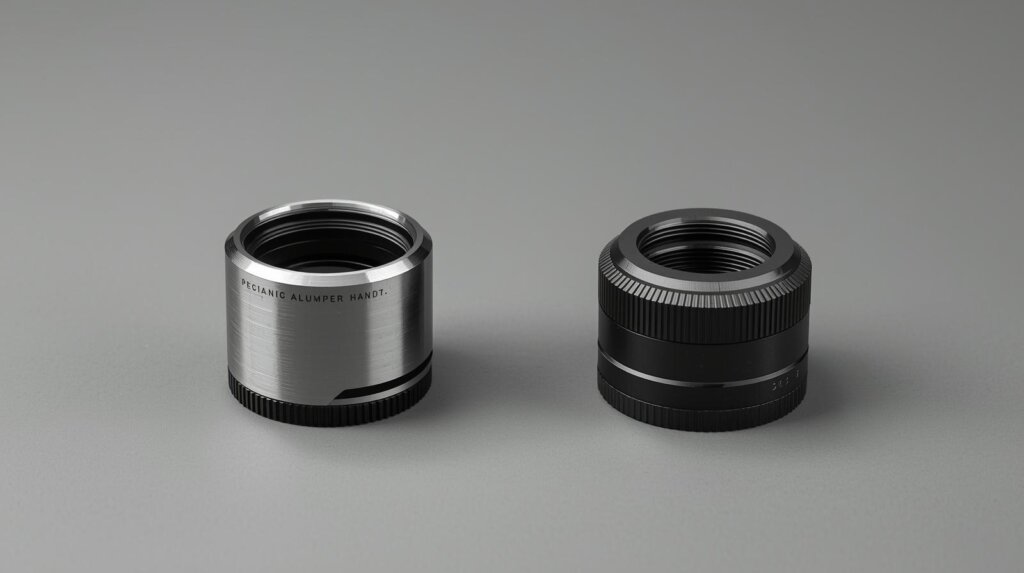
Final Thoughts
The best premium binocular adapter is not the one with the fanciest label. It is the one that disappears during use because everything feels steady, secure, and easy.
That is the real test.
If your binocular sessions are serious enough that small annoyances keep showing up, upgrading the adapter is not a minor tweak. It can be the missing piece that makes your tripod setup finally feel complete.
For most casual buyers, standard models still do the job. But for experienced users, premium adapters often make sense in the same way a better tripod head makes sense. You stop thinking about the gear problem and start enjoying the view.
FAQs About the Best Premium Binocular Adapter
What is the best premium binocular adapter for heavy binoculars?
The best premium binocular adapter for heavy binoculars is usually one with rigid metal construction, reliable threading, and a secure bridge connection. In real use, stability matters more than flashy specs.
Is a premium binocular adapter worth it for birding?
Yes, especially if you spend long periods glassing from one position. Reduced shake and better comfort can make viewing less tiring and more enjoyable.
Can a premium adapter improve image quality?
Not directly through optics, but absolutely through stability. A steadier image lets you see more detail, which feels like a quality upgrade in practice.
Are universal premium adapters reliable?
Many are, but not all. Compatibility depends on binocular design, bridge shape, and mounting style. Universal does not always mean ideal.
Do compact binoculars need a premium adapter?
Not always. If your compact binoculars are lightweight and used casually, a standard adapter may be enough. But premium compact optics deserve better support when used often.




