
The Best Beginner Binocular Adapter Is the One You’ll Actually Use
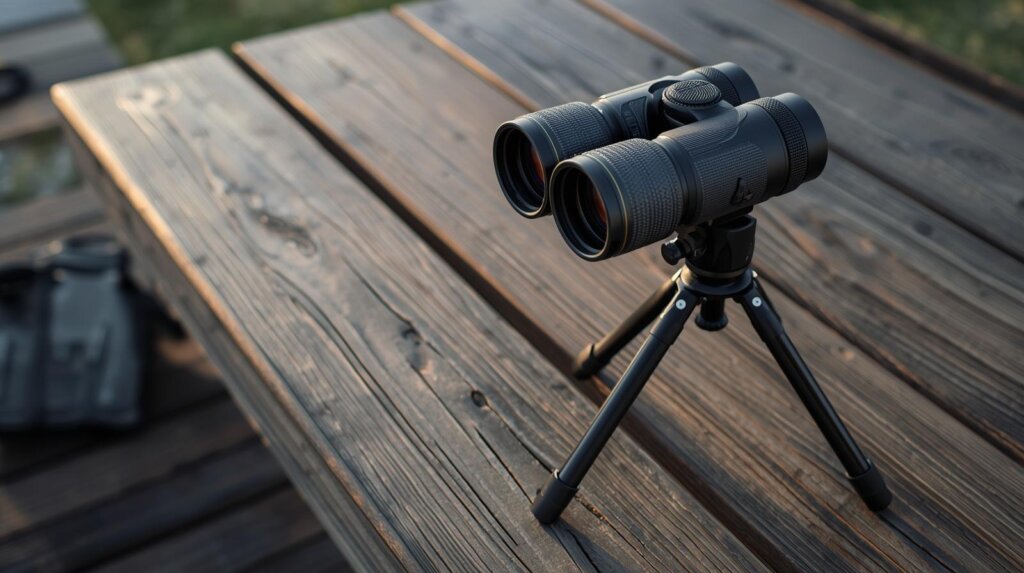
The best binocular adapter for beginners is not the fanciest model, the lightest model, or the one hunters on forums argue about for 40 comments straight. It is the one that makes your binoculars easier to use on day one.
That sounds obvious, but beginner buyers often get pulled toward “pro” gear too early. They buy an adapter that is too specialized, too bulky, or annoying to mount in low light. Then it ends up in a drawer.
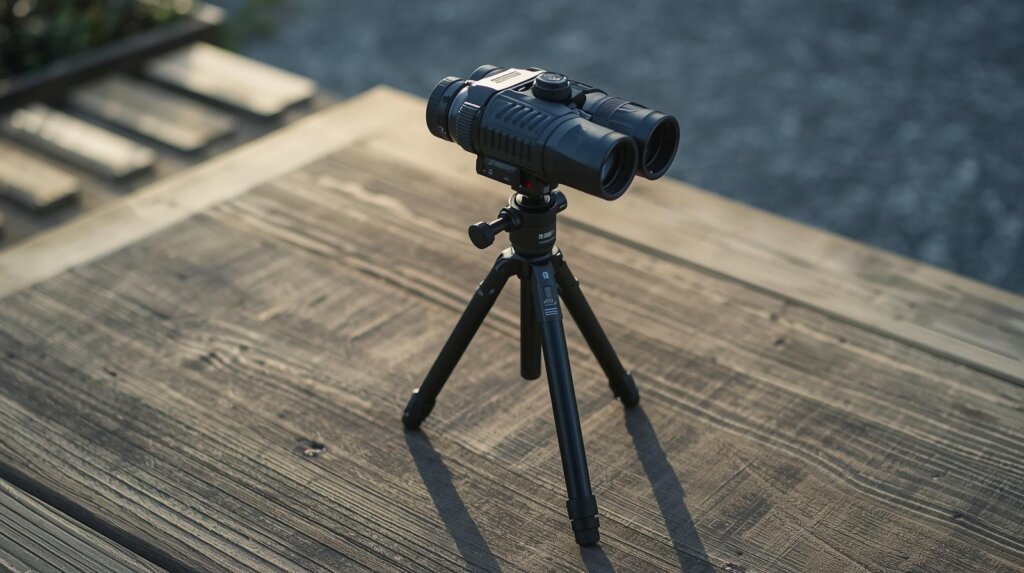
If you are new to tripod-mounted binoculars, you probably want three things: easy attachment, steady viewing, and a setup that does not feel like a small engineering project every time you step outside. That is where the right beginner-friendly adapter changes everything. A good first adapter makes casual birding, long-distance scanning, backyard stargazing, and even shoreline viewing feel calmer and sharper. Less shake. Less arm fatigue. More time actually seeing details.
If you are still figuring out the overall market, start with this deeper guide to the best binocular adapter. And if your binoculars are on the larger side, the article on the best binocular tripod adapter for heavy binoculars will save you from buying something too flimsy for your setup.
What beginners usually get wrong about binocular adapters
Most first-time buyers assume the adapter is just a tiny connector, so any cheap option should work.
Not quite.
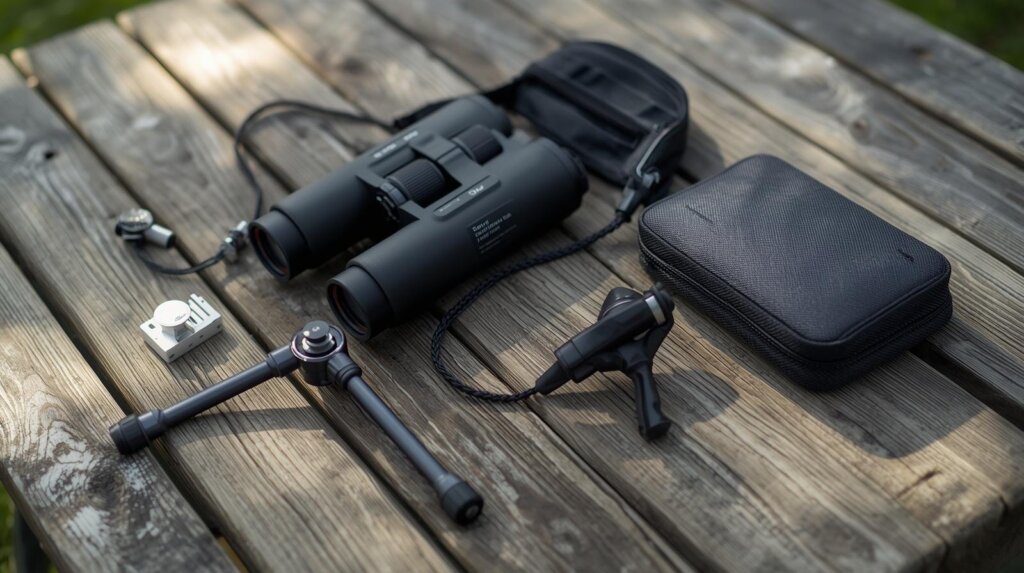
A binocular adapter sits between two things that punish weak design: moving optics and shaky hands. If the fit is sloppy, the view vibrates. If the screw is awkward, setup becomes annoying. If the shape blocks the bridge or barrels badly, the whole thing feels wrong even before you start glassing.
The best binocular adapter for beginners should reduce friction, not create it.
That usually means:
- a straightforward mounting system
- a secure fit on common binocular sizes
- enough rigidity to cut shake
- no weird learning curve
- reasonable price for a first setup
Beginners also tend to overlook how they actually use binoculars in real life. You might not be glassing elk on a windy ridge for four hours. You might just want a stable setup for your rooftop at sunset, a local wetland, or your first meteor shower. Your first adapter should match that reality.
What makes the best binocular adapter for beginners?
It should be simple to mount
If attaching the adapter takes too long, you will start leaving it at home.
A good beginner model does not demand fiddling, re-tightening, and second-guessing. You want something that feels intuitive after the second or third use, not the twentieth.
It should fit common binocular sizes
Most beginners own 8×42, 10×42, or compact roof prism binoculars. The best beginner adapter should work with common tripod-adaptable binoculars, not only one specific high-end design.
If you need maximum flexibility across different shapes and brands, this guide to the best universal binocular adapter is worth reading next.
It should feel stable, not just look stable
This is where many low-grade adapters disappoint. On paper, they “fit.” In practice, they allow just enough play to make the image feel nervous.
For beginners, that is frustrating because you may assume the binocular is the problem. Often it is not. It is the weak link between the optic and the tripod.
It should not be overbuilt for a basic setup
A heavy-duty adapter can be excellent, but not every beginner needs one. If you are using lightweight or mid-size binoculars, a simple slim adapter usually makes more sense than a thick clamp system designed for much larger glass.
The main adapter styles beginners should know
Before buying, it helps to understand the common styles. This alone can save you from wasting money.
| Adapter Type | Best For | Beginner-Friendly? | Main Trade-Off |
|---|---|---|---|
| Standard L-adapter | General use, 8×42 and 10×42 binoculars | Yes | Basic design, not always fastest to remove |
| Quick-release adapter | Frequent switching between tripod and handheld use | Yes | Usually costs a bit more |
| Universal clamp-style adapter | Binoculars with awkward shape or uncertain fit | Yes, in some cases | Can be bulkier |
| Heavy-duty metal adapter | Large binoculars, longer glassing sessions | Sometimes | More weight than many beginners need |
For most people starting out, the sweet spot is simple: either a standard L-adapter or a slim quick-release model.
Real-world use cases where a beginner adapter actually helps
Backyard birding without arm fatigue
This is one of the most overlooked reasons to buy an adapter. When you are new, you spend a lot of time trying to keep the image centered. Your arms tense up. Tiny shakes make details disappear.
A tripod adapter changes that immediately. Suddenly, you notice feather edges on distant branches, rooftop details, or movement in hedges that handheld viewing kept smearing.
Casual stargazing from home
A beginner often discovers the value of an adapter the first time they aim binoculars at the moon and realize how shaky the handheld view feels. Even basic astronomy becomes far more relaxing when the image stops drifting every few seconds.
Travel and scenic viewpoints
At a viewpoint, binoculars are often used in short bursts. That is where a quick-release style becomes useful. You can mount for a steady scan, then detach quickly when you want to move around again.
What Beginners Should Prioritize First
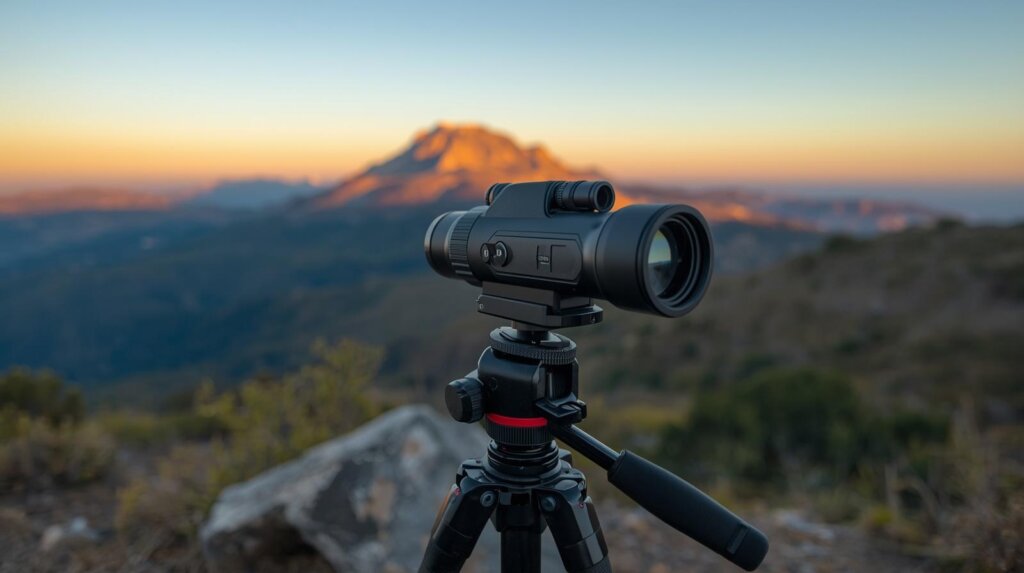
If you are shopping for the best binocular adapter for beginners, prioritize this order:
- Fit
- Ease of mounting
- Stability
- Weight
- Price and extra features
That order matters.
A slightly heavier adapter that fits well is better than a super-light one that shifts. A simple adapter you can mount in 20 seconds is better than a premium design that annoys you every time you use it.
A lot of beginner buyers chase “best value” in the wrong way. They focus only on the cheapest price. Real value is buying something that gets used often enough to justify owning it.
One product that makes sense for beginners
For one straightforward recommendation instead of ten “top picks,” a slim quick-release option like the Vortex Uni-Daptor makes sense for many beginners. Vortex describes it as a slim adapter for tripod-adaptable binoculars, with a quick-release connector that makes it easier to switch between tripod use and handheld viewing. Its narrow profile also helps it fit between binocular barrels, which is useful when you want a cleaner, less bulky beginner setup.
That kind of design is beginner-friendly for one reason above all: it removes friction. You are more likely to actually use an adapter when it feels fast and low-drama.
Pros and cons of beginner-friendly binocular adapters
Pros
- steadier image at medium and long distances
- less arm and neck fatigue during longer sessions
- easier focusing because the image is not constantly moving
- better for learning what your binocular can really show
- useful for birding, astronomy, shoreline scans, and sports viewing
Cons
- one more piece of gear to carry
- some cheap models loosen over time
- not every binocular shape feels equally convenient with every adapter
- beginners sometimes underestimate tripod quality, which matters too
The last point is important. Even the best binocular adapter for beginners cannot save a wobbly tripod with a poor head.
Common mistakes first-time buyers make
Buying a heavy-duty adapter for small binoculars
It sounds smart, but it often makes the setup less pleasant. The balance can feel clunky, especially for quick sessions.
Ignoring the binocular’s tripod socket
Not every beginner checks whether their binocular is actually tripod adaptable. That is a fast way to buy the wrong accessory.
Focusing only on the adapter and not the tripod head
A decent adapter on a jerky tripod head still feels bad. Smooth panning matters more than many first-timers expect.
Choosing “universal” without thinking about bulk
Universal clamp systems can solve fit problems, but some are more awkward than a basic threaded adapter. If your binocular already has a standard adapter socket, simpler is often better.
Expecting miracles from a bad viewing position
A stable adapter helps, but if you are standing on a soft balcony mat or trying to pan too fast, the image can still feel messy.
How to choose the right adapter by scenario
For birding beginners
Choose a light, simple adapter that does not make your binocular cumbersome. You will probably switch between handheld and mounted viewing more often than you expect.
For backyard stargazing
Go for stability first. Even a little movement feels exaggerated when you are looking at the night sky. A slightly sturdier adapter is worth it here.
For travel and sightseeing
A quick-release design is usually the better match. Travel viewing is stop-and-go, and convenience matters.
For larger 10×50 or 15x binoculars
Do not assume a tiny budget adapter will feel solid. This is where stronger construction starts to matter more. If that sounds like your setup, move from beginner gear into the more supportive options covered in the heavy binocular adapter guide.
What Actually Feels “Worth It”
Here is the truth many buying guides skip: beginners usually do not regret paying a little more for convenience. They regret buying something irritating.
That is the emotional side of this purchase.
A binocular adapter is a small accessory, but it controls whether your tripod setup feels smooth or annoying. If your first experience is annoying, you start telling yourself you prefer handheld viewing. In many cases, you do not dislike tripod viewing. You dislike bad accessory design.
That is why the best binocular adapter for beginners is usually the one that disappears into the routine.
Beginner comparison: simple vs universal vs quick-release
| Feature | Simple L-Adapter | Universal Adapter | Quick-Release Adapter |
|---|---|---|---|
| Learning curve | Low | Medium | Low |
| Speed of setup | Good | Fair to good | Very good |
| Flexibility across binocular shapes | Moderate | High | Moderate |
| Best for first-time users | Yes | Sometimes | Yes |
| Best use case | Standard tripod-ready binoculars | Uncertain fit | Mixed handheld + tripod use |
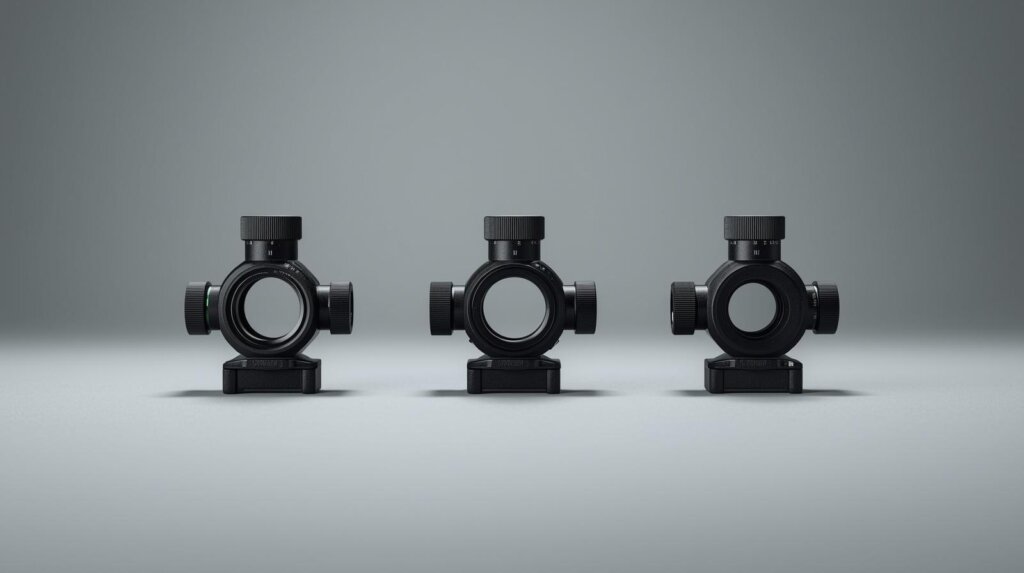
My view? If your binocular is standard and tripod-ready, start simple. If you hate taking gear apart, quick-release is worth the step up. Go universal only when fit is uncertain or your binocular shape makes standard adapters awkward.
When you should skip buying an adapter for now
Not everyone needs one immediately.
You can wait if:
- you mostly use compact binoculars for short handheld scans
- you rarely observe for more than a few minutes
- your tripod is poor enough that the whole setup will still frustrate you
- you are planning to upgrade binoculars very soon
But if you already notice hand shake, fatigue, or trouble locking onto distant detail, the adapter is no longer optional. It is the missing part of the experience.
Final thoughts
The best binocular adapter for beginners is the one that makes binocular use feel more natural, not more technical.
Start with your actual habits. If you watch birds from the yard, scan distant buildings, catch moon detail from the roof, or want steadier scenic viewing on trips, a beginner-friendly adapter can make your binocular feel like a better optic overnight.
Keep it simple. Prioritize fit and stability. Avoid overbuying.
And if you want to build a smarter setup around your binoculars, browse the full bestbinocular.net home page and check the site’s latest blog for more practical gear advice before your next purchase.
FAQs: Best binocular adapter for beginners
What is the best binocular adapter for beginners?
The best binocular adapter for beginners is usually a simple, stable model that fits common tripod-adaptable binoculars and is easy to mount without fiddling. For many people, that means a standard L-adapter or a slim quick-release adapter.
Do beginners need a universal binocular adapter?
Not always. If your binocular has a standard tripod socket and normal bridge design, a basic adapter is often easier and cheaper. Universal models are more useful when fit is uncertain.
Is a metal binocular adapter better for beginners?
Often, yes. Metal usually feels more rigid and confidence-inspiring than very cheap plastic. That said, some beginners do not need a heavy-duty model unless their binoculars are larger.
Can I use a binocular adapter for birding and stargazing?
Yes, and that is one reason the best binocular adapter for beginners is such a smart buy. It helps with both daylight and low-light viewing by reducing shake and fatigue.
Does the tripod matter as much as the adapter?
Close to it. A good adapter on a weak tripod still produces a frustrating viewing experience. Stability is a system, not one part.
Are quick-release binocular adapters worth it for beginners?
Yes, especially if you switch between handheld and tripod viewing often. They make the routine feel easier, which means you are more likely to keep using the setup.




