
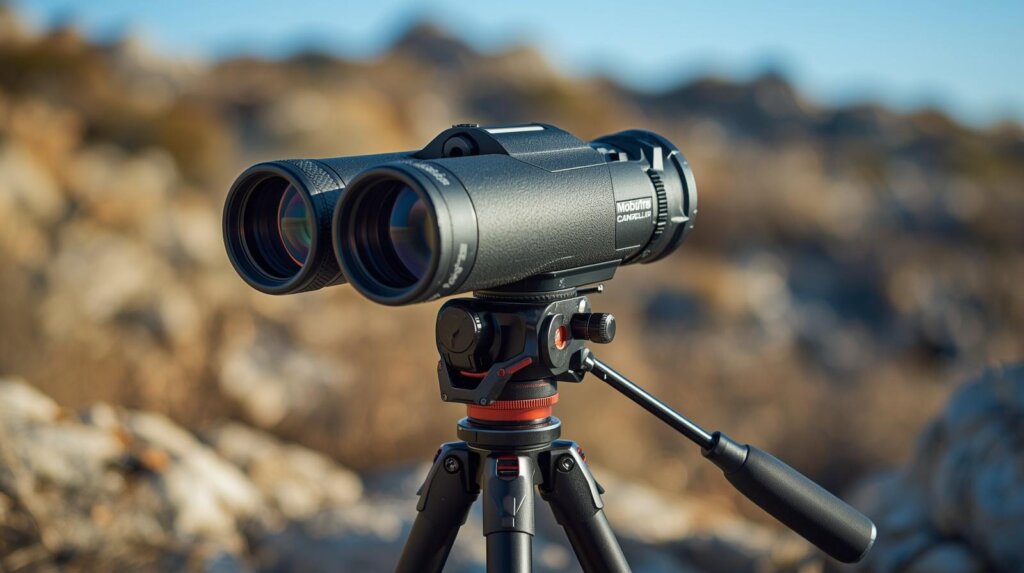
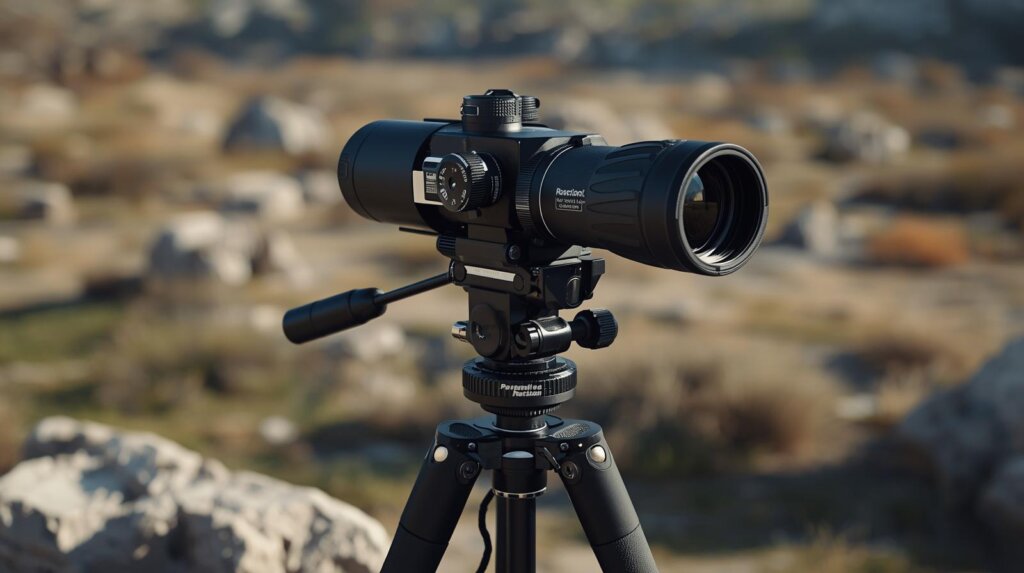
Why a Cheap Adapter Fails with Heavy Binoculars
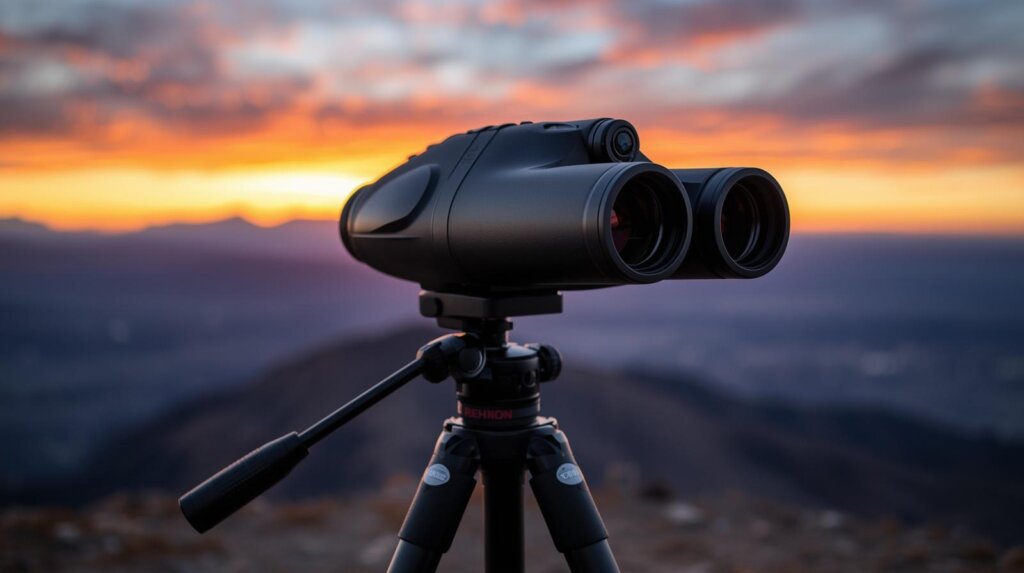
Heavy binoculars are a joy right up until your wrists start complaining. A good 12×50, 15×56, or larger pair can pull in serious detail, but handholding them for more than a few minutes turns a sharp view into a shaky mess. That is exactly where the best binocular tripod adapter for heavy binoculars stops being an accessory and starts becoming part of the viewing system.
The problem is simple: heavy binoculars expose every weakness in a cheap adapter. Flex, wobble, weak threads, thin metal, awkward knobs, poor clearance around the hinge—none of that feels like a big deal in the product photos. Out in the field, it is the difference between a stable image and a frustrating setup that makes you stop using the tripod altogether.
If your binoculars are on the heavier side, this article is for you. I’m not talking about lightweight casual travel glass. I mean the binoculars people actually mount because they plan to glass for a while: hunting binoculars, long-range observation binoculars, marine binoculars, and oversized optics that punish flimsy gear fast.
If you are still building your setup, start with the main best binocular adapter guide first. It gives you the broader picture. This page focuses on one thing only: finding the best binocular tripod adapter for heavy binoculars without wasting money on brackets that twist under load.
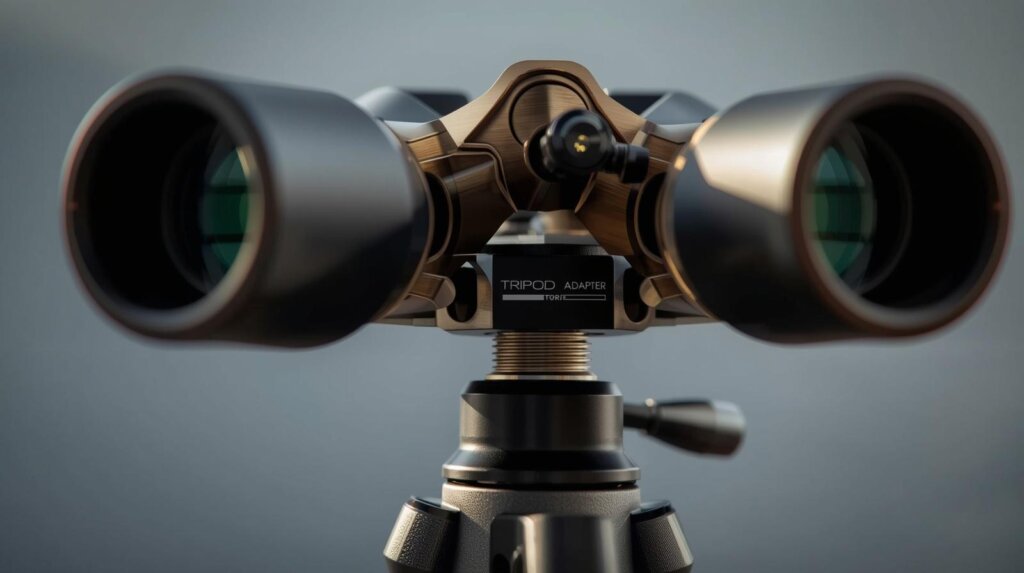
Why Heavy Binoculars Need a Better Adapter
A light binocular can get away with an average adapter. A heavy one cannot.
Once you move into bigger optics, the adapter has to manage more than just attachment. It has to resist torque when you pan, hold position when you tilt, and keep the binoculars from feeling loose at the hinge. That is why people who buy strong binoculars but pair them with a bargain adapter often end up blaming the tripod first. In many cases, the weak link is actually the mount between the two.
With heavy binoculars, three things happen fast:
More weight exposes flex
Thin aluminum or cheap cast parts can bend just enough to create a soft, floating feel in the view. You may not notice it at 8x. You absolutely notice it at higher magnification.
Longer sessions make comfort matter
If you glass for 30 seconds, almost anything works. If you glass for 45 minutes from a ridge, blind, shoreline, or deck, small design flaws become annoying fast.
Bad fit becomes a real problem
Some adapters look universal but struggle with large bridge areas, wide barrels, or deep-set front hinge sockets. Heavy binocular users feel this pain more because they are already working with larger bodies.
That is why many buyers who start with a universal budget bracket eventually upgrade to a stronger option. If you want something broader in fit before going fully heavy-duty, read our take on the best universal binocular adapter. But for heavier optics, strength matters more than “works with everything.”
What Actually Matters in the Best Binocular Tripod Adapter for Heavy Binoculars
The right adapter is not just “metal.” Plenty of metal adapters are still mediocre. Here is what actually separates a good one from a throwaway bracket.
Solid metal construction
For heavy binoculars, plastic is a shortcut to disappointment. You want aluminum or another sturdy metal body with clean machining, not a flimsy mixed-material build.
A strong all-metal adapter does two things well: it reduces flex, and it inspires confidence when you tighten it down. That matters when you are mounting an expensive pair of binoculars over hard ground or rocky terrain.
Tight thread engagement
The front hinge thread on the binocular and the tripod thread on the adapter both need to seat cleanly. Sloppy threading creates micro movement. That tiny movement turns into visible vibration in use.
Good heavy-duty adapters feel precise when you mount them. They do not need to be forced, and they do not feel loose after a few pans.
Adequate clearance around the hinge
This is a big one, and it gets overlooked all the time. Some heavy binoculars have thick barrels or tight bridge spacing. If the adapter design crowds the hinge area, installation becomes annoying or impossible.
Low flex design
A short, stout bracket usually feels better than a thin, extended one when weight increases. The farther the binocular sits from the tripod head, the more leverage and wobble you introduce.
Easy grip knob or tool-free tightening
Nobody wants to fumble with a tiny knob in cold weather. A tripod adapter for heavy binoculars should be easy to tighten securely without feeling like it is stripping or slipping.
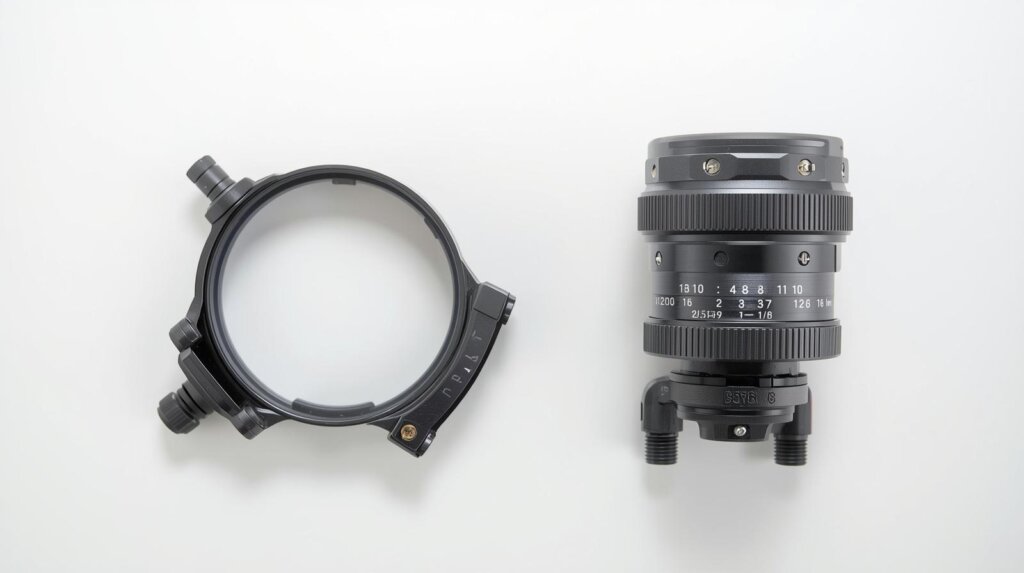
Quick Comparison: Which Adapter Style Works Best?
| Adapter Style | Best For | Strength Level | Main Advantage | Main Limitation |
|---|---|---|---|---|
| Thin budget L-bracket | Light binoculars | Low | Cheap and simple | Flexes too much with heavy binoculars |
| All-metal compact adapter | Most heavy roof prism binoculars | High | Stable, durable, better thread security | May not fit every oversized design |
| Extra-clearance metal adapter | Bulky or awkward binocular bodies | High | Better fit around thick barrels and bridge areas | Sometimes heavier and less compact |
| Universal mixed-material adapter | Buyers with multiple binoculars | Medium | Broader compatibility | Often less rigid than purpose-built metal designs |
For this category, the sweet spot is usually an all-metal compact adapter with clean machining and enough hinge clearance. That is where the best binocular tripod adapter for heavy binoculars usually lives.
My Top Practical Pick
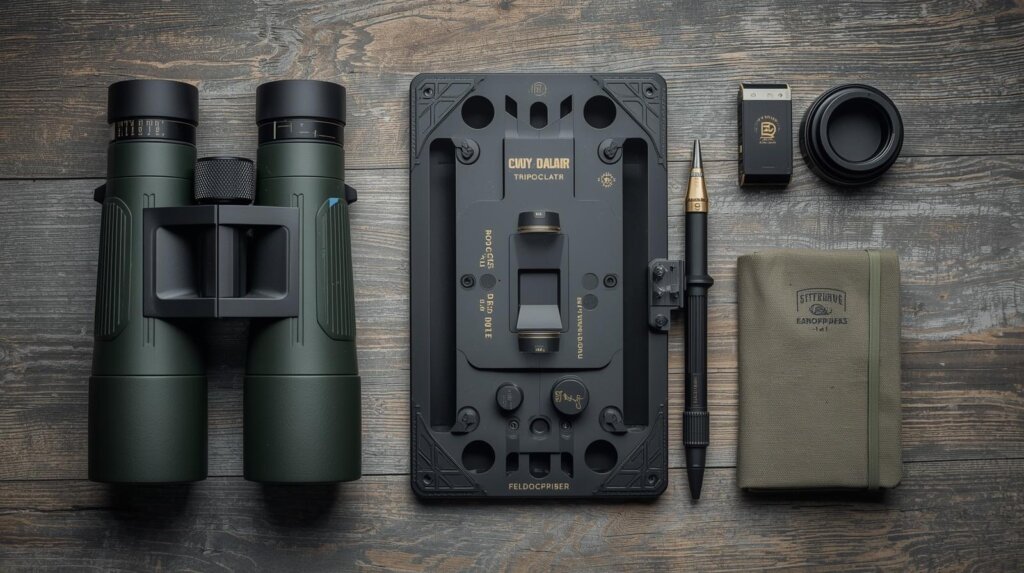
For most users with heavy roof prism binoculars, the Vortex Pro Binocular Adapter is a sensible option to consider.
It fits this category because Vortex describes it as a two-part system with a fast, stable mount for tripod-adaptable binoculars. It also works with tripods that use a 1/4″-20 socket/thread, which makes it practical for many common tripod setups.
Why it makes sense
It is a better match for binoculars that actually benefit from tripod use, especially when you spend long stretches glassing from one position. The more time you stay behind the binocular, the more you appreciate an adapter that keeps the setup simple, stable, and easy to repeat.
Where it works best
It is especially useful for hunters, long-range observers, and anyone using mid-to-heavy roof prism binoculars in the 10×42 to 15×56 class.
The honest limitation
If you are running giant astronomy-style binoculars or a very unusual body design, you may need something more specialized than a typical front-hinge adapter.
Pros
- Stronger feel than cheap generic brackets
- Better suited to heavier binocular setups
- Simple, field-friendly design
- Good choice for regular tripod users
Cons
- Not ideal for every oversized or non-standard binocular body
- Costs more than entry-level adapters
- Still depends on your binocular’s hinge design
If your priority is brute strength, our separate roundup on the best metal binocular tripod adapter is worth reading next. That page leans even harder into materials and durability.
Real-World Use Cases Where the Right Adapter Pays Off
A lot of buyers search for the best binocular tripod adapter for heavy binoculars after having the same experience: “I already own the binoculars, but I’m not enjoying them as much as I expected.”
That usually comes down to stability.
Ridge glassing for hunting
You are sitting down, elbows settled, tripod planted, trying to pick apart shadowed pockets at distance. This is exactly where a rigid adapter shines. With a bad one, every touch of the focus wheel sends a wobble through the image. With a good one, the glass feels planted.
Marine or shoreline viewing
Wind adds movement. So does constant panning. Heavy binoculars already stress the system, and wind exposes weak adapters immediately. A sturdier bracket helps keep the view controlled instead of twitchy.
Backyard sky watching
Even casual astronomy gets better when the adapter does not flex each time you nudge the binocular. Heavy binoculars are often chosen for this use, and cheap mounts ruin the experience faster than people expect.
Common Buying Mistakes
Most people do not buy the wrong binocular tripod adapter because they are careless. They buy the wrong one because product listings oversimplify everything.
Mistake 1: Buying “universal” before buying “stable”
Universal fit sounds appealing, but once binocular weight rises, rigidity matters more than flexibility.
Mistake 2: Underestimating magnification shake
At higher magnification, tiny movement becomes obvious. A mediocre adapter can make good optics feel worse than they are.
Mistake 3: Ignoring tripod head quality
Even the best binocular tripod adapter for heavy binoculars cannot fix a weak tripod head. The adapter and head need to work together.
Mistake 4: Focusing only on price
A cheap adapter can be expensive if it ends up unused in a drawer after two frustrating outings.
What Smart Buyers Usually Want
Heavy-binocular buyers are not really shopping for a bracket. They are shopping for trust.
They want to tighten the adapter once, settle behind the glass, and stop thinking about the connection point. That is the psychology here. Nobody enjoys babying a shaky setup when they are supposed to be glassing game, scanning water, or watching distant detail.
That is why the best purchase is usually not the cheapest one. It is the one that makes the binoculars feel more useful more often.
If you are comparing setups across your whole site build, it also makes sense to browse the latest tips page for practical field advice and go back to the bestbinocular.net home page when you want the wider gear picture.
How to Tell You Picked the Right One
You picked the right adapter if your binoculars feel more usable after mounting—not just more supported.
That sounds obvious, but it is the real test. A good adapter improves your session in practical ways:
- You spend less time fighting image shake
- You pan with more control
- You refocus without the whole view bouncing
- You trust the setup with expensive optics
- You stay behind the binoculars longer
That last point matters. Heavy binoculars often deliver their best value during longer sessions. The right mount helps you actually benefit from the glass you paid for.
Final Take
The best binocular tripod adapter for heavy binoculars is the one that makes your big glass feel settled, stable, and worth using for longer sessions. That usually means skipping the flimsy bargain bracket and choosing a rigid metal adapter with better fit and better thread security.
If you only remember one thing, make it this: heavy binoculars punish weak accessories. The adapter matters more than many buyers expect.
So if your current setup feels shaky, twitchy, or less enjoyable than it should, the problem may not be the binoculars at all. It may just be the small piece in the middle. And once you fix that, the whole system starts making a lot more sense.
FAQs
What is the best binocular tripod adapter for heavy binoculars?
The best choice is usually an all-metal, low-flex adapter with secure threading and enough clearance for larger binocular bodies. For many heavy roof prism binoculars, a sturdier option like the Vortex Pro Binocular Adapter makes more sense than a cheap universal bracket.
Are metal binocular tripod adapters better for heavy binoculars?
Yes. Metal adapters generally handle weight better, flex less, and feel more secure during long observation sessions. For heavier binoculars, that extra rigidity is noticeable in real use.
Can I use a universal binocular adapter with heavy binoculars?
You can, but it depends on the build quality. Many universal adapters prioritize fit over rigidity. For heavy binoculars, that tradeoff often leads to more wobble.
Do heavy binoculars need a tripod adapter?
If you want steady detail for extended viewing, yes. Heavy binoculars benefit more from tripod mounting than lighter models because hand shake becomes more obvious as size and magnification increase.
Why does my binocular image still shake on a tripod?
The issue may be the adapter, the tripod head, or both. A weak adapter introduces flex, and a soft tripod head adds movement during panning and focusing.
Is a cheap tripod adapter good enough for 15×56 binoculars?
Sometimes for occasional use, but rarely for satisfying long sessions. A 15×56 setup usually deserves a sturdier adapter if you actually plan to glass for more than a few minutes.




