
Best Metal Binocular Tripod Adapter for Stability and Long-Term Durability
A plastic binocular tripod adapter can feel fine right up until the moment it doesn’t. Maybe the binoculars start to flex at the connection point. Maybe the threads feel rough after a few field trips. Maybe you tighten it once too often and suddenly the whole setup feels like a weak link. That is exactly why many outdoor users start searching for the best metal binocular tripod adapter instead of settling for the cheapest option.
If you use binoculars for long glassing sessions, astronomy, shoreline scanning, or tripod-based birding from a fixed point, the adapter matters more than most people expect. A good metal adapter does not just “hold binoculars.” It reduces shake, protects the hinge area, handles repeated mounting better, and gives the whole setup a more trustworthy feel.
For a bigger overview of how different mounting styles compare, check the main best binocular adapter roundup. If you are trying to spend less, the best budget binocular adapter breakdown is worth reading next. And if you want higher-end fit, finish, and long-term durability, the best premium binocular adapter article goes deeper.
Why a Metal Binocular Tripod Adapter Is Worth It
There is a reason experienced users often move toward metal. It is not about looking tactical or “premium.” It is about confidence in the field.
A metal adapter usually gives you three practical advantages:
- better long-term thread durability
- less flex under heavier binoculars
- a more secure connection during repeated setup and takedown
That matters most when you use 10×50, 12×50, 15×56, or other full-size binoculars that already put more stress on the mounting point.
The difference shows up in real use
With lightweight binoculars at home, plastic can seem good enough. Out in the field, things change. Cold weather makes some materials feel brittle. Dust gets into threads. Quick adjustments happen with gloves on. You mount and unmount more often than expected. That is when a metal adapter starts making sense.
A solid metal binocular tripod adapter feels less like an accessory and more like part of the support system.
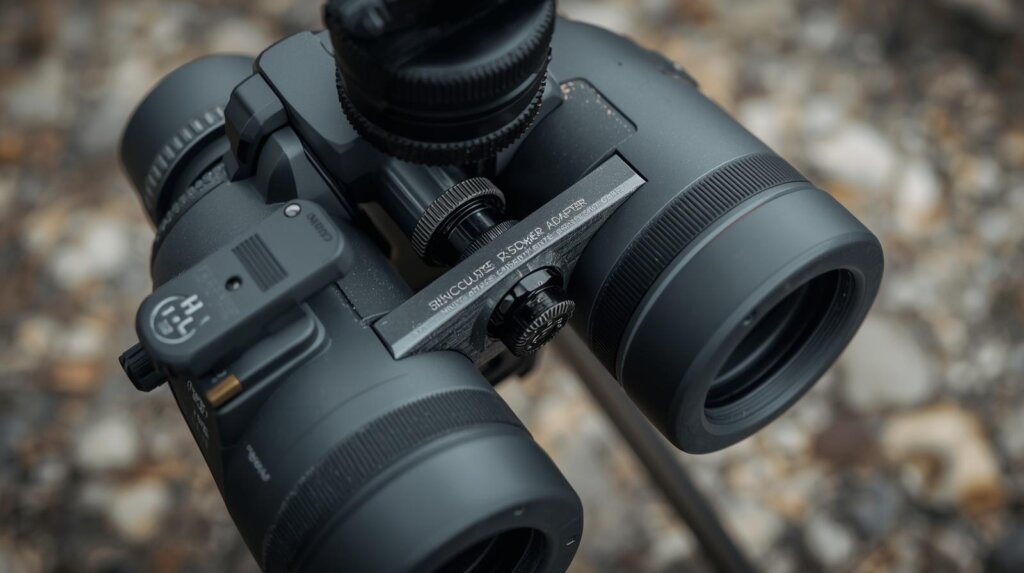
Who Should Buy the Best Metal Binocular Tripod Adapter?
Not everyone needs one. That is the honest answer.
If you only use compact binoculars a few times a year and rarely mount them, a basic adapter may be enough. But a metal option becomes much easier to justify when your binocular use is more demanding.
It makes the most sense for these users
Hunters and long-range glassers
If you spend long periods scanning ridgelines, fields, or open country, hand fatigue and image shake become annoying fast. A metal adapter helps create a more dependable tripod setup, especially with heavier binoculars.
Backyard and casual astronomy users
For moon viewing, star fields, and slow sky scanning, even small vibrations become obvious. A weak adapter can ruin the whole point of mounting binoculars in the first place. Metal tends to hold alignment better and feel more planted.
Birders using fixed observation points
If you watch wetlands, coastal areas, or feeders from a hide or deck setup, tripod-mounted binoculars can be excellent. A metal adapter holds up well when your gear stays in rotation and gets used often.
Users with heavier binoculars
This is the biggest one. Once you move beyond lightweight compact glass, the adapter is no longer a throwaway accessory. It becomes a structural part of the system.
What Actually Makes a Metal Adapter Good?
This is where buyers often get misled. “Metal” alone does not guarantee quality. Some cheap adapters use metal in the marketing, but the design still has weak points.
Here is what separates a good one from one you regret.
Thread quality matters more than people think
If the tripod threads are rough, shallow, or poorly finished, mounting becomes frustrating. Good adapters thread smoothly onto both the tripod and the binocular connection point without feeling gritty or delicate.
The shape should leave room for your hands
A bulky adapter can interfere with focusing or make it awkward to carry binoculars while mounted. A better design feels compact but still sturdy.
The bridge needs to feel rigid
If the center section flexes when you apply pressure, that defeats the purpose. The best metal binocular tripod adapter should feel firm, not overly thin or flimsy.
Finish and edge quality matter in the field
This sounds minor until you handle one with sharp edges or poor machining. Better adapters feel clean, smooth, and well finished. That usually means less irritation during repeated use.
Quick Comparison: Metal vs Plastic Binocular Tripod Adapters
| Feature | Metal Adapter | Plastic Adapter |
|---|---|---|
| Durability | Better for long-term use | More likely to wear or crack |
| Stability | Usually more rigid | Can flex under load |
| Heavy binocular support | Better choice | Often less confidence-inspiring |
| Thread life | Typically stronger | Can wear faster |
| Weight | Slightly heavier | Lighter |
| Price | Usually higher | Usually cheaper |
The tradeoff is simple: metal usually costs more and weighs a little more, but it tends to feel far more dependable.
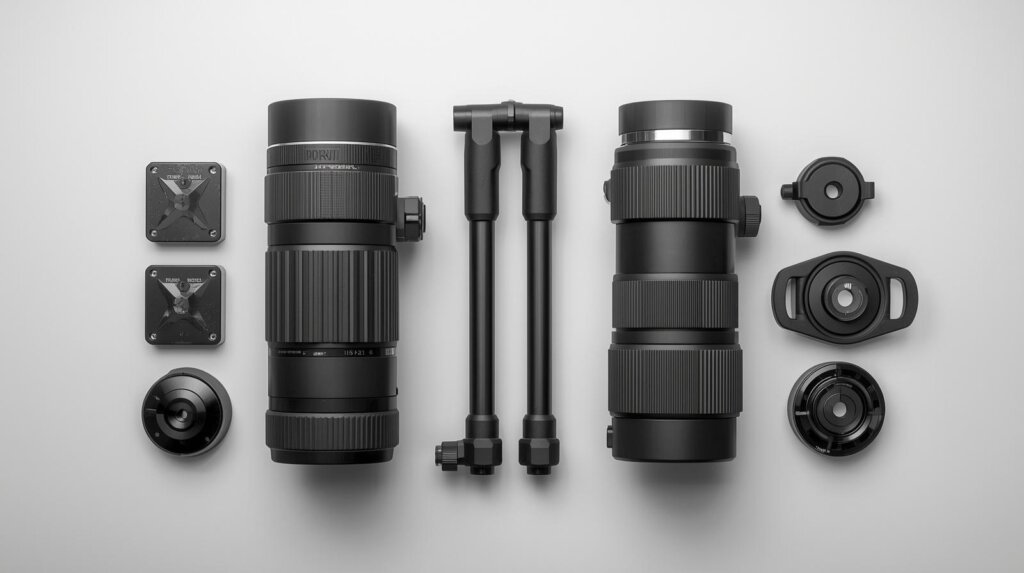
My Top Pick: Vortex Uni-Daptor Tripod Adapter
If I had to recommend one highly relevant product in this category without stuffing the article full of gear, the Vortex Uni-Daptor Tripod Adapter would be a sensible option to consider.
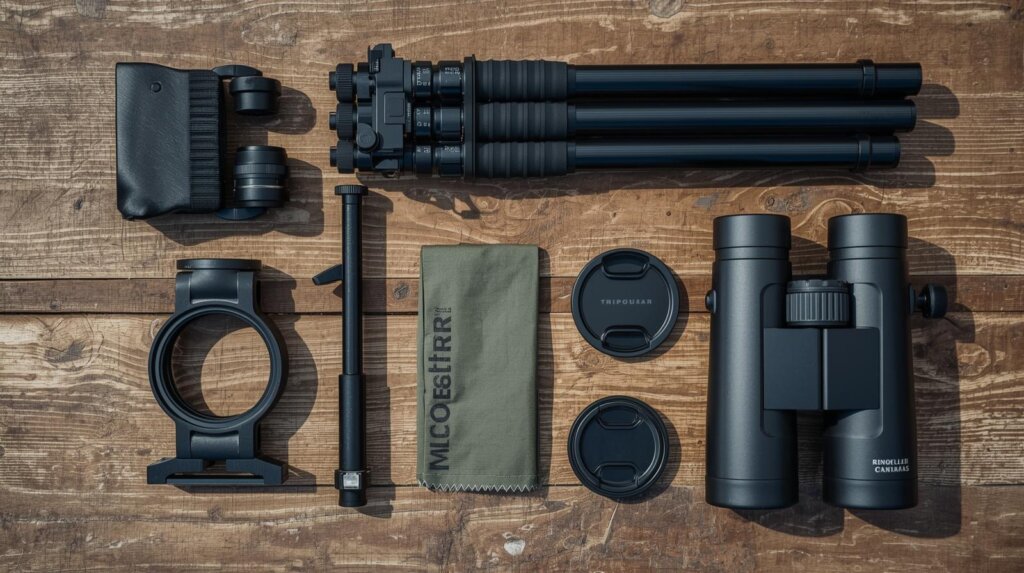
It fits this category because it uses a precision-machined metal construction, has a low-profile design, and includes a quick-release connector for easier detachment. That makes it more practical than many basic plastic adapters while still staying simple enough for everyday tripod use.
Why this one stands out
The biggest strength here is balance. It is sturdy enough for regular use, compact enough not to feel awkward, and simple enough that you do not fight with it every time you mount your binoculars.
It is especially appealing if you want something that feels like a clear step up from cheap plastic adapters but do not want to move into expensive premium territory.
Pros
- solid metal construction
- dependable feel with regular use
- suitable for many mainstream binocular sizes
- compact and easy to carry in a field kit
- better confidence with mid-size to heavier binoculars
Cons
- costs more than entry-level plastic options
- not every binocular body shape feels equally convenient
- overkill for very occasional tripod users
For readers comparing price tiers, this pick sits neatly between throwaway cheap adapters and expensive niche options. That makes it a practical long-term choice for users who want something sturdier than a basic plastic adapter.
Real-World Use Cases Where Metal Pays Off
The value of a metal adapter becomes obvious in certain situations.
Use case 1: Windy overlook scanning
You are glassing from a scenic overlook or open ridge. Wind is already making the tripod work harder. A rigid metal adapter helps prevent that extra layer of small movement that makes the image feel loose.
Use case 2: 12×50 binoculars on extended sessions
At 12x magnification, shake gets tiring quickly. A stable adapter makes it easier to sit down, settle in, and actually enjoy the detail you paid for.
Use case 3: Frequent setup during travel
If you pack binoculars, tripod, and adapter repeatedly for road trips or campsite use, durability matters. Metal tends to handle constant attachment cycles better than bargain-bin plastic.
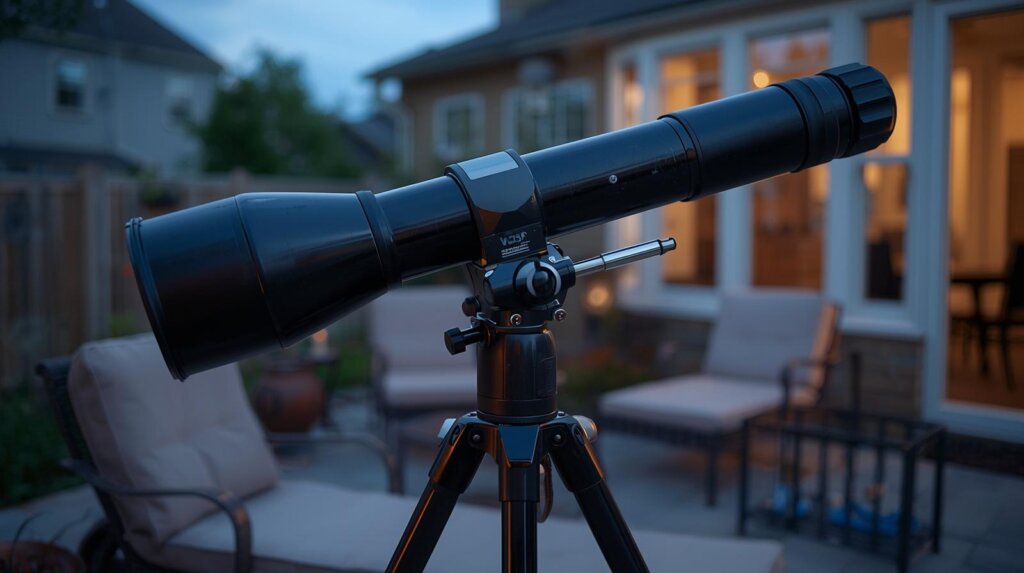
Use case 4: Night sky viewing from the backyard
Astronomy is where shaky gear gets exposed. A decent metal tripod adapter helps the binoculars stay still while you study the moon or track brighter deep-sky targets.
Common Buying Mistakes to Avoid
A lot of shoppers do not buy the wrong adapter because they are careless. They buy the wrong adapter because product listings are vague.
Mistake 1: Assuming all metal adapters are equally strong
Some are better machined, better shaped, and better finished than others. Material is only part of the story.
Mistake 2: Ignoring binocular size and weight
A light 8×32 setup and a heavier 15×56 setup do not place the same demands on an adapter. Match the adapter to the binoculars you actually use.
Mistake 3: Buying based on price alone
The cheapest option often looks fine in the product photos. The disappointment usually shows up later in thread wear, flex, or awkward fit.
Mistake 4: Forgetting about comfort and access
A sturdy adapter is not helpful if it blocks your fingers, makes focus access annoying, or creates a clumsy carrying setup.
Mistake 5: Overbuying for very casual use
Not everyone needs the most rugged option. If you only mount binoculars twice a year, you may not need a premium-feeling metal model.
How to Choose the Best Metal Binocular Tripod Adapter for Your Setup
This decision gets easier when you think about usage, not just specs.
Ask yourself how often you mount binoculars
If it is part of your routine, durability becomes a real value point. If it is rare, keep expectations realistic.
Think about binocular size first
Heavier binoculars push you toward metal faster. Lighter binoculars give you more flexibility.
Consider your tripod style
A good adapter still needs a stable foundation. A flimsy tripod undercuts the benefit. The adapter helps, but it cannot rescue a weak support system.
Decide whether compactness matters
Some users want the smallest possible field kit. Others care more about maximum rigidity. There is no universal answer here.
Metal Adapter vs Premium Adapter: Are They the Same Thing?
Not always.
A metal adapter can be affordable and still good. A premium adapter usually adds better machining, better finish quality, sometimes improved ergonomics, and occasionally better brand-specific compatibility.
So yes, many premium adapters are metal, but not every metal adapter is truly premium.
That is why it helps to compare categories instead of just materials. If you are still torn between value and refinement, the best premium binocular adapter piece helps sort that out in plain language.
More Guides That Help You Choose the Right Adapter
A lot of readers land on this topic when they are already frustrated. Their adapter feels weak. Their binoculars shake. Something about the setup feels cheap.
Here is the smarter path:
- Start with the broad best binocular adapter roundup if you want the full picture
- Look at the best budget binocular adapter article if you want to keep costs down
- Stay with metal if durability and rigidity are your real priorities
- You can also browse more field tips, tripod setup guides, and binocular buying advice across the main blog before choosing your final setup.
That sequence usually helps buyers make a better decision without overspending.
Pros and Cons of Choosing a Metal Binocular Tripod Adapter
Pros
- stronger feel during mounting and adjustment
- better suited to repeated use
- usually more confidence with heavier binoculars
- less flex than many cheap plastic options
- often a better long-term value
Cons
- costs more up front
- slightly heavier in a pack
- not always necessary for compact binocular users
- poor designs still exist even in metal versions
Final Verdict: Is a Metal Binocular Tripod Adapter Worth Buying?
For the right user, absolutely.
If you regularly mount binoculars, use heavier glass, or simply hate the weak, disposable feel of cheap plastic accessories, a metal adapter is one of those upgrades that quietly improves every session. It is not flashy. It does not change your optics. But it makes your viewing steadier, more relaxed, and more trustworthy.
That matters.
The best metal binocular tripod adapter is not just about toughness. It is about removing one small but annoying point of failure from your setup. And if you have ever dealt with flex, sloppy threads, or a wobbly connection in the middle of a good viewing session, you already know how valuable that can be.
FAQs About the Best Metal Binocular Tripod Adapter
What is the main advantage of a metal binocular tripod adapter?
The main advantage is rigidity. A metal binocular tripod adapter usually feels stronger, flexes less, and holds up better under repeated use than many plastic models.
Is a metal tripod adapter better for heavy binoculars?
Yes, in most cases. Heavier binoculars put more stress on the adapter, and metal designs are generally better suited to handling that load with less wobble.
Are all metal binocular tripod adapters premium products?
No. Some are basic but well made, while others are premium models with better machining and finish. Metal is a useful feature, not a guarantee of top-tier quality.
Can I use a metal binocular tripod adapter for astronomy?
Yes. In fact, astronomy is one of the best reasons to use one. Stable mounting makes a big difference when viewing the moon, bright planets, or star fields with binoculars.
Is a metal adapter worth it for casual users?
Sometimes, but not always. If you rarely mount binoculars, you may not need one. If you mount regularly or use heavier binoculars, the upgrade makes more sense.
Does a metal adapter make binoculars fully shake-free?
Not by itself. It helps reduce movement, but total stability also depends on the tripod, head, binocular weight, and how well the setup is balanced.




