
How the Right Binocular Adapter Turns Shaky Views into Stable Detail
A good pair of binoculars can show you a lot. A good binocular adapter lets you actually hold onto that detail.
That’s the difference people often miss.
When users search for the best binocular adapter, they’re usually not looking for a fancy accessory. They’re trying to solve a real annoyance: hand shake at higher magnification, neck fatigue during long sessions, image bounce while scanning ridgelines, or that frustrating moment when a perfectly sharp binocular view turns soft because your hands never fully settle.
I’ve used enough tripod-mounted binocular setups to know this much: the adapter is never the glamorous part of the kit, but it can quietly make or break the entire experience. A weak one flexes. A bulky one gets left at home. A cheap one might “work” on day one, then start loosening at exactly the wrong time. And a truly solid binocular tripod adapter? It disappears into the setup and lets your glass do its job.
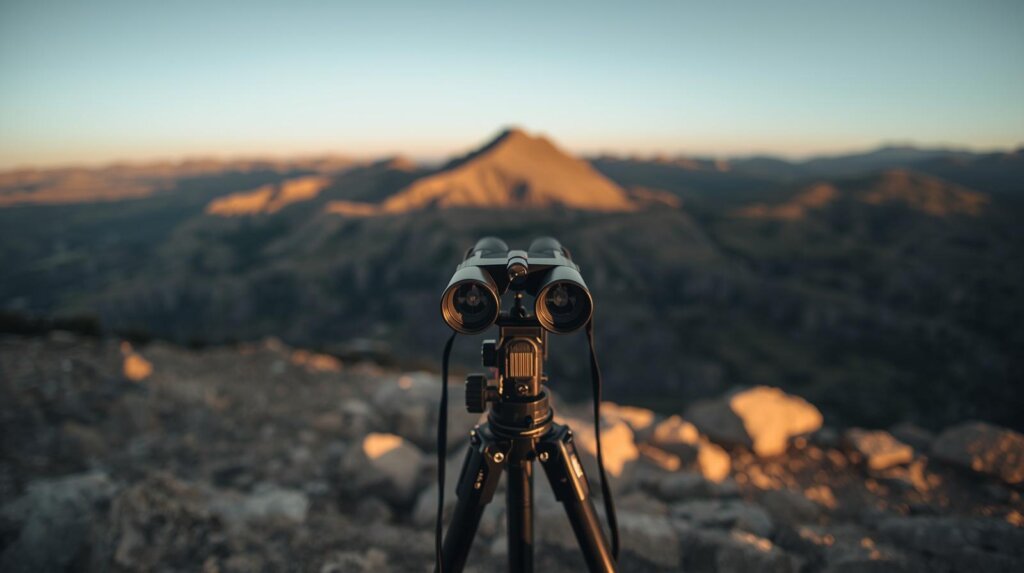
Whether you glass for birds at first light, scan hillsides during hunting season, watch ships from the coast, or spend clear nights tracing craters on the moon, the right adapter makes binoculars feel more capable than they did in your hands.
This guide gives you a clear starting point before you buy. You’ll learn what makes a binocular adapter worth using, which styles work best for different setups, and how to choose between budget, premium, compact, metal, and universal options without wasting money on the wrong fit.
If you want the short version first, here it is.
Quick Picks: Best Binocular Adapter Options at a Glance
| Category | Recommendation | Why It Stands Out | Best For |
|---|---|---|---|
| Best Overall | Vortex Pro Binocular Adapter | More confidence-inspiring than flimsy entry-level brackets, clean fit, dependable everyday choice | Most users with roof prism binoculars |
| Best Budget | Celestron Binocular Tripod Adapter | Cheap, easy to find, simple solution for light to mid-weight binoculars | Casual users and first-time buyers |
| Best Universal | Vortex Uni-Daptor | Useful when your binoculars do not have the most straightforward front-thread fit | Mixed binocular collections |
| Best for Heavy Binoculars | Outdoorsmans Binocular Adapter System | Field-proven stability, faster setup, excellent for serious glassing | 12×50, 15×56, and long glassing sessions |
| Best Premium | Swarovski UTA Universal Tripod Adapter | Refined fit and finish, secure hold, premium feel that matches high-end glass | Users already invested in premium optics |
| Best Compact | Nikon TRA-3 | Slim, light, packable, easy to live with | Travel kits and lightweight binoculars |
| Best for Beginners | Standard Vortex Binocular Tripod Adapter | Simple learning curve, reliable enough to show why tripod glassing matters | New binocular tripod users |
Why the Best Binocular Adapter Matters More Than Most Buyers Expect
People spend hours comparing binocular coatings, field of view, edge sharpness, eye relief, and low-light performance. Then they attach all that glass to a cheap adapter that flexes the moment stability actually matters.
That’s backward.
A binocular adapter has one job: hold your binoculars to a tripod without adding movement, awkward balance, or setup frustration. The better it does that, the more detail you can actually see.
A stable view changes user behavior. You scan slower. You stay on target longer. You catch subtle motion. You stop blaming the binocular for things that were really caused by your hands.
That’s not theory. It’s the difference between “I think I saw something” and “there it is.”
Who Actually Needs a Binocular Adapter?
Not everyone. Let’s be honest.
If you use compact 8×25 binoculars for quick sightseeing, a tripod adapter may spend more time in a drawer than on a tripod. But for these users, it makes immediate sense:
- Birders using 10×42 or 12x binoculars for long sessions
- Hunters glassing wide country for extended periods
- Backyard astronomy users with 10×50 or 15x binoculars
- Coastal or landscape observers who stay on one viewpoint
- Anyone with shaky hands or fatigue during long viewing sessions
Who Can Probably Skip It?
You might not need the best binocular adapter yet if:
- You only use lightweight compact binoculars for short bursts
- You value speed and mobility over prolonged observation
- Your tripod is poor enough that the adapter upgrade won’t help much
- You rarely stop long enough to justify mounting binoculars
Still, once users try a genuinely stable setup, many don’t go back.
What Makes a Great Binocular Adapter?
There’s no single “perfect” design because binoculars, tripods, and use cases vary. But the best options usually get these details right.
1. Rigidity
This is the big one.
If the adapter flexes under load, especially with larger binoculars, you’ll see micro-vibration in the image. That may not look dramatic in your hand, but it becomes obvious when you’re trying to hold a distant object in view for more than a few seconds.
Metal adapters usually win here, especially on heavier optics.
2. Fit and Compatibility
Some binoculars accept a standard front-thread adapter beautifully. Others have recessed threads, tight spacing, or awkward body shapes that make a regular adapter harder to fit cleanly.
That’s why universal binocular adapters exist. They can be a lifesaver if your binocular design doesn’t play nicely with standard L-brackets.
3. Balance
A binocular tripod adapter should support the glass without making it feel front-heavy or twisty. Poor balance is tiring, and it often makes panning worse.
This matters a lot on 12×50 and 15×56 binoculars.
4. Speed
The best gear is gear you actually use.
If an adapter takes too long to thread in, remove, tighten, re-tighten, and re-seat, it starts feeling optional. Quick-attach systems cost more, but frequent users often end up preferring them for exactly that reason.
5. Packability
Some adapters are light enough to stay attached or ride in a bino harness pocket. Others are solid, but clunky. Neither is “wrong.” It depends whether your priority is maximum rigidity or minimum bulk.
6. Material Quality
Plastic has a place in the budget end of the market. For light binoculars, it can be perfectly adequate. But once binocular weight rises or field use gets rough, metal becomes more attractive.
If you already know you dislike flex, skip ahead and read our deeper breakdown of best metal binocular tripod adapter.
The Best Binocular Adapter Reviews
This is where the category separates. Some models are perfectly fine. A few are genuinely satisfying to use. And a couple feel like they were designed by people who actually spend long days behind glass.
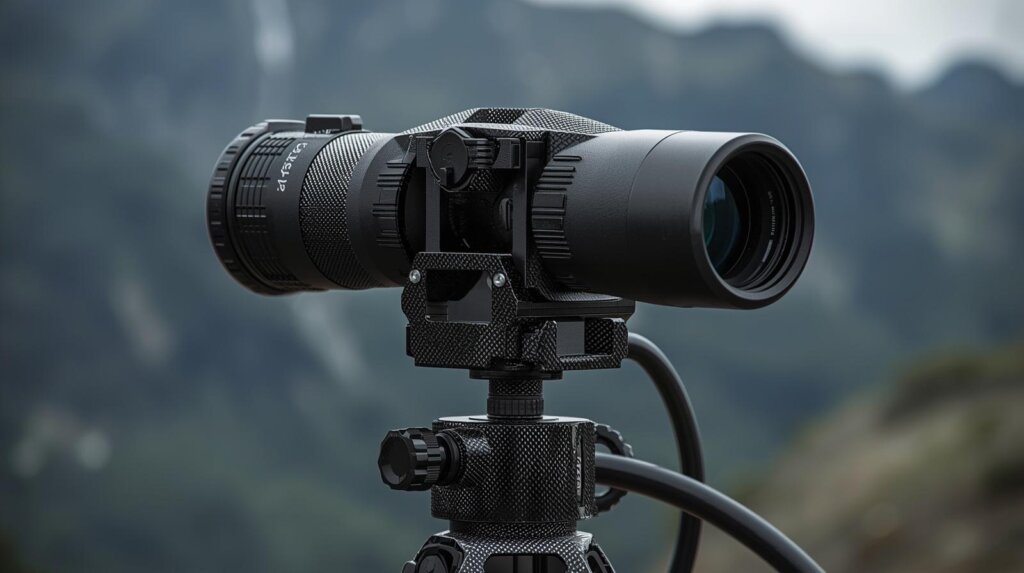
Vortex Pro Binocular Adapter — Best Overall
The Vortex Pro Binocular Adapter is the kind of product that makes sense for most people because it sits in the sweet spot between price, strength, and day-to-day usability.
It feels more confidence-inspiring than the flimsier entry-level brackets that technically do the job but never fully calm you down. If you run a standard roof prism binocular with front-thread compatibility, this is the sort of adapter that lets you mount, glass, and forget about the adapter itself.
That’s a compliment.
It’s especially good for 10×42 and 12×50 users who want a sturdier platform without jumping straight into premium-system pricing.
Pros
- Better rigidity than bargain plastic options
- Good match for mainstream binoculars
- Sensible upgrade from starter adapters
- Feels more dependable than disposable entry-level options
Cons
- Not the smallest option
- Still not the best answer for every binocular shape
- Serious heavy-glass users may want a faster premium system
Celestron Binocular Tripod Adapter — Best Budget
The Celestron Binocular Tripod Adapter has been the entry point for a lot of users for one simple reason: it’s cheap, easy to find, and functional enough to prove the concept.
For lightweight to mid-weight binoculars, that can be enough.
I would not call it elegant. I would not call it a long-term upgrade piece. But for a casual user, beginner, or buyer testing whether tripod-mounted binocular viewing even fits their style, it makes sense.
The key is expectation. Buy it because it’s affordable, not because it’s the last binocular adapter you’ll ever need.
Pros
- Very budget-friendly
- Easy starting point for new users
- Widely available
- Fine for light binoculars and occasional use
Cons
- Feels more basic than premium options
- Less reassuring with heavier binoculars
- Long-term durability confidence is lower
If your goal is simple value without overthinking the category, our dedicated breakdown of best budget binocular adapter goes deeper on what you should and should not accept at the low end.
Vortex Uni-Daptor — Best Universal Option
The Vortex Uni-Daptor is appealing because it solves an annoying compatibility problem. Not every binocular body shape is friendly to a standard front-thread L-adapter, and that’s where a universal-style system earns its keep.
This is a strong choice for people who own more than one binocular, buy and sell optics frequently, or simply don’t want to gamble on whether a classic adapter will fit cleanly.
Universal adapters are sometimes slightly less sleek than dedicated-thread options, but flexibility matters. If your collection changes often, that convenience starts to feel smart rather than compromised.
Pros
- Better compatibility across multiple binocular designs
- Useful for users with mixed optics
- Reduces fit uncertainty
- Practical for shared gear setups
Cons
- Can feel less clean than a dedicated model-specific fit
- Not always the most compact solution
- Some users still prefer hard-mount simplicity
If compatibility worries are keeping you stuck, don’t guess. Jump into the full comparison in best universal binocular adapter.
Outdoorsmans Binocular Adapter System — Best for Heavy Binoculars
Some adapters simply mount binoculars. The Outdoorsmans system feels built for serious, repeated field glassing.
That distinction matters.
When users spend serious time behind 12×50, 15×56, or similar full-size binoculars, stability and speed become non-negotiable. Heavy binoculars punish weak adapters. You’ll feel twist, vibration, and annoyance very quickly.
The Outdoorsmans approach is popular for a reason: it’s fast, stable, and confidence-inspiring in the field. It costs more, yes, but it behaves like gear meant to be relied on, not merely tried.
Pros
- Excellent stability for heavier binoculars
- Quick in and quick out
- Strong reputation among serious glassers
- Worth considering for long sessions in open terrain
Cons
- Expensive compared to basic adapters
- Better value for committed users than casual buyers
- System-style approach may be more than some people need
If you use larger glass and hate image bounce, start with best binocular tripod adapter for heavy binoculars.
Swarovski UTA Universal Tripod Adapter — Best Premium
Premium adapters can look unnecessary until you actually use a well-made one. Then you understand where the money went.
The Swarovski UTA Universal Tripod Adapter is refined in the way high-end optics accessories often are: cleaner tolerances, more polished feel, and less of the loose, basic feel common in cheaper options It’s a serious buy, not an impulse accessory.
This won’t be the right value choice for everyone. But if you already own premium binoculars, pairing them with a weak bargain adapter can limit the experience you paid for. The UTA makes more sense in that context.
Pros
- Premium fit and finish
- Secure, confidence-inspiring hold
- Feels appropriate for top-tier optics
- Great for users who care about gear quality end to end
Cons
- High price
- Overkill for casual users
- Premium value only makes sense if you actually use it often
Want the best upper-end options without wasting money on cosmetic luxury? The full shortlist in best premium binocular adapter is where to look.
Nikon TRA-3 — Best Compact Choice
The Nikon TRA-3 is not the most overbuilt option in the category, and that’s precisely why some users like it.
Compact gear has a job: stay out of the way. This adapter is appealing for travel, lightweight binocular kits, and users who don’t want a bulky metal piece rattling around in their pack. If your binoculars are moderate in size and your priority is portability, it fits the brief nicely.
Some buyers over-shop this category. They buy for the once-a-year extreme scenario instead of the setup they’ll actually carry every weekend. The TRA-3 is a reminder that lighter, simpler gear can be the smarter choice.
Pros
- Light and packable
- Easy to keep in a small gear pouch
- Good match for lighter binoculars
- More likely to stay in your kit permanently
Cons
- Less ideal for large heavy binoculars
- Not the most rugged-feeling pick
- Users wanting maximum stiffness may prefer metal
If you care more about travel-friendliness than brute strength, see our full picks for best compact binocular adapter.
Standard Vortex Binocular Tripod Adapter — Best for Beginners
For beginners, the right adapter is not always the “best” one in abstract terms. It’s the one that makes the whole category easy to understand.
The standard Vortex Binocular Tripod Adapter works because it strips away drama. It mounts easily, feels less disposable than ultra-cheap options, and gives new users a clean first experience with tripod glassing. That matters more than a long feature list.
Beginners rarely need the most advanced system. They need a product that helps them notice why tripod-mounted binoculars are useful in the first place.
Pros
- Easy first buy
- Straightforward and practical
- Good introduction to tripod-mounted binocular use
- More trustworthy than many no-name alternatives
Cons
- Not the highest-performance option
- Upgrade temptation may come later
- Serious users may outgrow it
If you’re shopping for someone new to optics or buying your first adapter yourself, this is a good lane to start in. We go further on that in best binocular adapter for beginners.
Dedicated vs Universal vs Premium Systems: What Actually Fits Your Use Case?
A lot of confusion around the best binocular adapter comes from buyers lumping everything together. These products solve the same broad problem, but not in the same way.
| Adapter Type | Best For | Strengths | Trade-Offs |
|---|---|---|---|
| Basic threaded L-adapter | Most standard binoculars | Affordable, simple, easy to use | Can flex more, fit varies |
| Universal clamp/strap adapter | Mixed binocular collections | Better compatibility, flexible | Less sleek than dedicated fits |
| Metal reinforced adapter | Mid to heavy binoculars | More rigid, more durable | Heavier, usually pricier |
| Premium quick-attach system | Serious long-session users | Faster, steadier, more refined | Expensive |
| Compact lightweight adapter | Travel and casual use | Easy to carry, low bulk | Less ideal for heavy optics |
If You Mostly Birdwatch
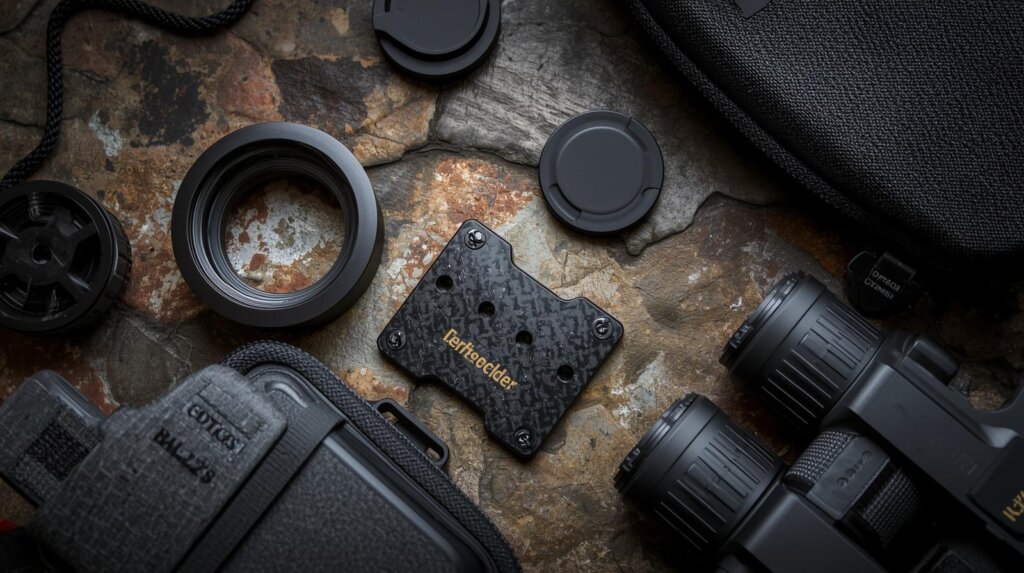
Go for a stable but not overly bulky adapter. Most birders with 8×42 or 10×42 binoculars do well with a solid mid-tier threaded option. You want enough stiffness to calm the view without turning your field kit into a hardware project.
If You Hunt or Glass Open Country
This is where the adapter matters more than many people expect. You will feel the difference between “cheap and usable” and “stable and confidence-inspiring.” Heavy-binocular hunters should lean toward reinforced or premium systems.
If You Travel or Pack Light
Prioritize compact size and fast deployment. A small adapter you actually carry beats a bombproof adapter you leave at home.
If You Own Premium European Glass
Don’t under-support expensive binoculars. That doesn’t mean you must buy the priciest adapter, but it does mean the weakest bargain bracket is usually the wrong match, in both feel and performance
Real-World Use Cases: Which Binocular Adapter Is Best for You?
For 10×42 Everyday Binoculars
This is the sweet spot for most buyers. A mid-range, rigid threaded adapter usually works beautifully. You don’t need the heaviest-duty system unless you glass for hours at a time.
For 12×50 Binoculars
At 12x, image shake gets more visible. Adapter quality matters more. I’d lean away from the cheapest plastic choices here unless use is very occasional.
For 15×56 and Bigger
This is premium-system territory, or at least strong metal-adapter territory. Heavy binoculars expose weakness fast. If your main use is long-distance glassing, do not cheap out here.
For Backyard Astronomy
A steady adapter changes astronomy viewing dramatically. You notice more lunar detail, star clusters feel easier to inspect, and eye fatigue drops because you are no longer fighting the image.
For Beginners on a Budget
Buy something functional but not junk. That’s the right middle ground. You need enough stability to understand the benefit of mounting binoculars without overspending before you know your habits.
Common Mistakes Buyers Make
Buying Purely on Price
A low-cost adapter is not automatically a bad buy. But price-only shopping usually leads to two outcomes: frustration or replacement.
Ignoring Binocular Weight
This is one of the biggest mistakes in the category. The adapter that feels “fine” on 8×32 binoculars may feel annoying on 15×56 glass.
Overbuying for Casual Use
The opposite mistake happens too. A casual user with lightweight binoculars sometimes buys a premium system designed for long-range, all-day field glassing. Nice? Sure. Necessary? Often no.
Assuming Universal Means Perfect
Universal means more likely to fit, not magically flawless in every setup.
Forgetting the Tripod Head Matters Too
Even the best binocular adapter can’t fix a shaky tripod or sloppy head. If the whole setup wobbles, the adapter won’t save it.
What Type of Adapter Buyer Are You?
This matters more than product specs.
Some people are “use it twice a year” buyers. Some are “I’ll carry this every weekend” buyers. Some are gear minimalists. Others hate replacing things and would rather buy once.
Be honest about that.
- If you already know flimsy gear annoys you, start with a metal or premium adapter instead of replacing a cheap one later.
- If you test hobbies slowly, start budget-friendly.
- If you own multiple binoculars, go universal.
- If you pack light, go compact.
- If you glass hard, prioritize rigidity over price.
This is where supporting pages help sharpen the decision. If your priority is material confidence, check best metal binocular tripod adapter. If you’re trying not to overspend, go straight to best budget binocular adapter. If you want maximum finish and a more refined field feel, the right page is best premium binocular adapter.
Best Binocular Adapter vs Binocular Tripod Adapter: Is There a Difference?
In practice, most readers use these terms interchangeably.
“Binocular adapter” is the broader phrase. “Binocular tripod adapter” is the more specific phrase and often the better one for product intent. Search behavior overlaps heavily, and the same products usually appear in both conversations.
So yes, when you’re looking for the best binocular adapter, you’re usually looking for the best tripod-mounting solution for binoculars.
That is why this guide also points you toward more specific choices, whether you need a budget-friendly adapter, a premium setup, a compact option, a universal fit, or something strong enough for heavy binoculars.
Comparison Scenarios That Actually Help Buyers Decide
Best Binocular Adapter for Casual Weekend Use
A standard Vortex or Celestron-style adapter usually does the job. Simple wins.
Best Binocular Adapter for Serious Long Glassing Sessions
Outdoorsmans-style systems or rigid metal options make more sense. Less vibration. Less annoyance. Better overall field experience.
Best Binocular Adapter for One-Bag Travel Kits
Compact options like the Nikon TRA-3 are more realistic than heavier premium systems.
Best Binocular Adapter for Users Who Upgrade Optics Often
Universal adapters reduce compatibility headaches and keep your accessory kit more flexible.
Final Verdict: Which Best Binocular Adapter Should You Buy?
If you want the safest answer for most readers, buy a solid mid-tier option like the Vortex Pro Binocular Adapter and move on. It covers the widest range of normal use cases without forcing you into premium pricing.
If price is your main concern, start budget and sensible with Celestron. If compatibility is the headache, go universal. If your binoculars are heavy and your sessions are long, stop pretending a flimsy adapter will be enough and buy a more serious system. And if you already own premium glass, pairing it with a premium adapter usually feels right for a reason.
The best binocular adapter is not just the strongest one or the cheapest one. It’s the one that matches how you actually use binoculars in the field.
For the smartest next step, explore the supporting pages that fit your exact situation:
- Bigger binoculars and more stability: best binocular tripod adapter for heavy binoculars
- Easier compatibility across different optics: best universal binocular adapter
- More confidence in material quality: best metal binocular tripod adapter
- Better value without wasting money: best budget binocular adapter
- Higher-end choices for serious users: best premium binocular adapter
- Smaller, travel-friendly setups: best compact binocular adapter
- Simpler options for first-time buyers: best binocular adapter for beginners
And if you want to build the rest of your optics setup with the same practical, no-fluff approach, start from the bestbinocular.net homepage and explore the full gear guide library.
FAQs
What is the best binocular adapter overall?
For most users, a mid-to-upper midrange option like the Vortex Pro Binocular Adapter is the safest all-around choice because it balances rigidity, value, and real-world usability without pushing buyers into premium-system pricing.
Is a metal binocular adapter better than plastic?
Usually, yes. A metal binocular adapter tends to be more rigid and durable, especially with heavier binoculars. Plastic can still be fine for light binoculars and occasional use, but metal is the better long-term choice for demanding users.
Do all binoculars work with the same adapter?
No. Some binoculars fit standard front-thread adapters easily, while others work better with a universal binocular adapter. Compatibility is one of the most overlooked issues in this category.
Is a premium binocular adapter worth it?
It depends on your habits. If you glass often, use expensive binoculars, or hate flex and setup friction, premium can be worth it. If you only mount binoculars occasionally, a simpler adapter often makes more financial sense.
What is the best binocular adapter for heavy binoculars?
For larger binoculars like 12×50 or 15×56, a more robust system such as the Outdoorsmans Binocular Adapter System usually makes the most sense because it offers more stability and confidence under weight.
What is the best binocular adapter for beginners?
A straightforward, dependable option like the standard Vortex Binocular Tripod Adapter or a solid budget-friendly model is best for beginners because it makes tripod use simple without overwhelming the buyer.
Can a cheap binocular adapter damage binoculars?
A very poor-quality adapter can create frustration, stress mounting points, or fit awkwardly. Damage is not guaranteed, but a badly designed or poorly fitting adapter is not worth the risk on expensive optics.
Is a universal binocular adapter worth buying?
Yes, especially if you own multiple binoculars, switch optics often, or are unsure whether a dedicated threaded adapter will fit your binocular design cleanly.




