
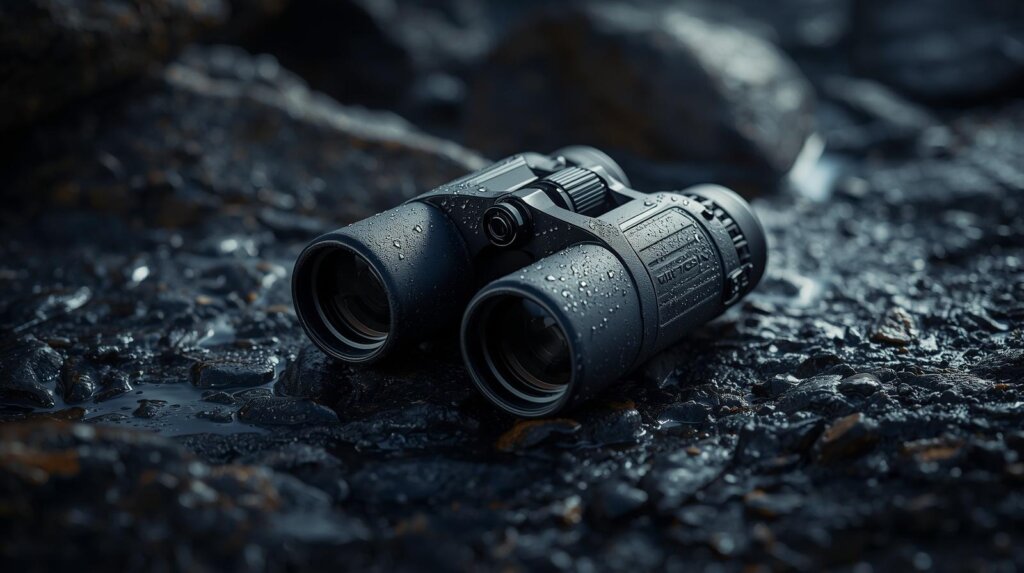
What Makes the Best Waterproof Binoculars Under $200 Worth Buying?
If you are shopping for the best waterproof binoculars under $200, you are probably trying to avoid a dumb purchase.
Not because there are no good options in this price range. There are. The problem is that a lot of binoculars under $200 look rugged, sound “outdoor-ready,” and still disappoint the moment the weather turns ugly, the lens fogs up, or the image gets soft near the edges.
That matters more than people think.
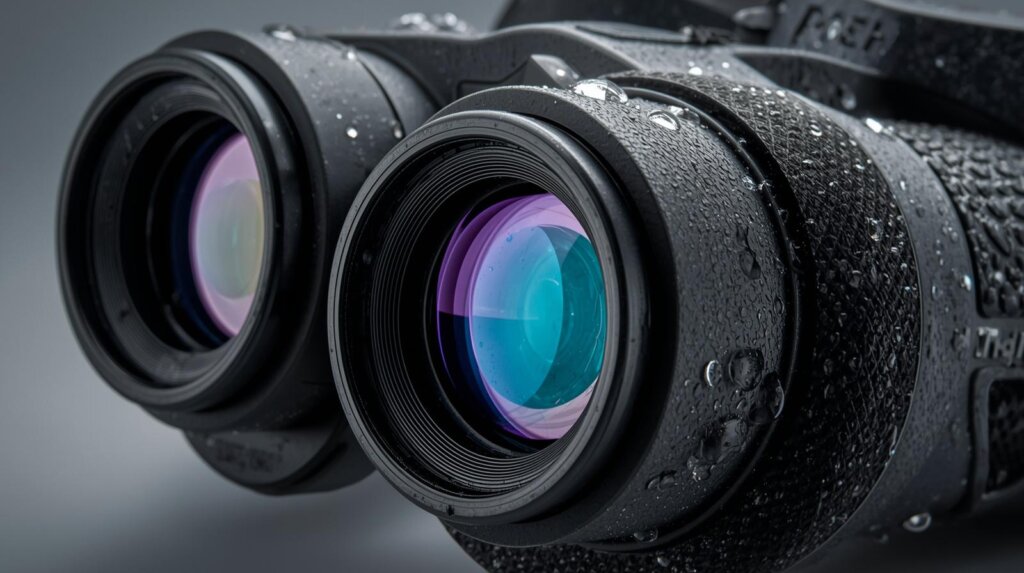
A waterproof binocular is not just for rainy days. It is for damp mornings, sudden weather changes, kayak trips, coastal air, muddy trails, hunting blinds, birding in marshes, and travel where your gear gets tossed around more than you planned. If your binoculars cannot handle moisture, they stop being reliable right when you need them most.
For most buyers, the sweet spot here is simple: 8×42 or 10×42, fully waterproof, fogproof, easy to grip, and actually comfortable to use for more than 10 minutes.
That is what this article focuses on.
If you are still comparing all-around budget picks, start with our guide to the best binoculars under $200 for a wider shortlist. If your main use is more specific, our breakdown of the best binoculars under $200 for bird watching and the best binoculars under $200 for hunting can help you narrow things down faster.
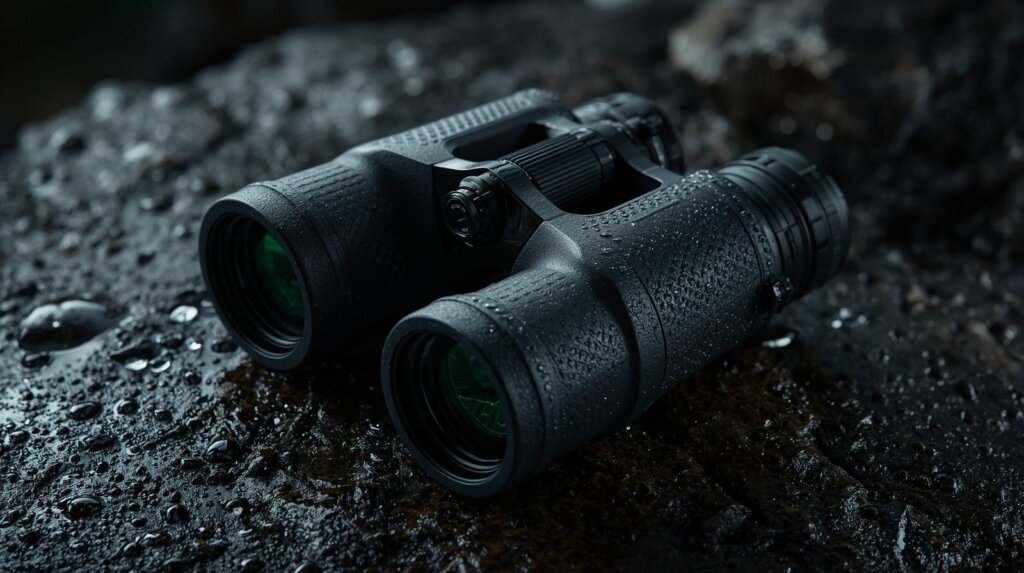
What actually makes binoculars waterproof?
This is where a lot of buyers get tricked.
“Water-resistant” is not the same thing as waterproof. And splash-proof marketing language is not the same thing as sealed construction.
A proper waterproof binocular usually has:
- O-ring sealing to block moisture
- Nitrogen or argon purging to reduce internal fogging
- Rubber armor for grip and impact protection
- A body that can handle cold mornings, damp air, and rough outdoor use
That last one matters because some binoculars technically survive moisture but still feel slippery, flimsy, or annoying in real outdoor conditions.
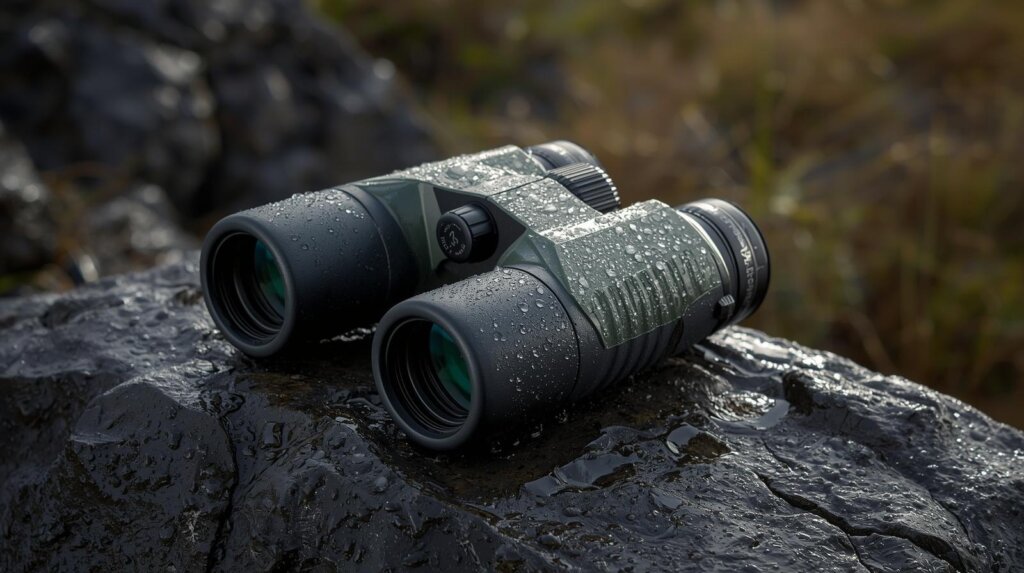
A few current budget models do this well. Nikon says its PROSTAFF P7 line is waterproof down to 3.3 feet and fogproof with nitrogen filling, while Vortex states the Triumph HD line is O-ring sealed and gas purged for waterproof and fogproof performance. Celestron lists the Nature DX ED 8×42 as waterproof and nitrogen filled as well.
My top pick: Nikon PROSTAFF P7 10×42
If I had to recommend one highly relevant product for most people searching this keyword, it would be the Nikon PROSTAFF P7 10×42.
Why this one?
Because it hits the balance that budget buyers usually want but rarely say clearly: strong outdoor durability, enough magnification for open-country use, a trustworthy brand, and a build that feels like it belongs outside instead of in a glovebox.
Nikon lists the PROSTAFF P7 10×42 with 10x magnification, 42mm objectives, waterproofing down to 3.3 feet, nitrogen-filled fogproof construction, and a locking diopter ring.
Why it makes sense
The 10×42 format works well when you want reach without stepping into oversized binocular territory. It is a strong match for:
- hiking with broad views
- hunting in more open terrain
- shoreline scanning
- travel where weather can change fast
- casual wildlife viewing from a distance
Pros
- Strong all-round outdoor specification
- Waterproof and fogproof for real field use
- 42mm lenses give decent brightness without too much bulk
- Better sense of distance reach than 8x models
- Trusted optical brand
Cons
- 10x can show more hand shake than 8x
- Not as relaxed for close birding in dense woods
- Slightly less forgiving for beginners than 8×42
For a lot of people, this is the pair that feels like an upgrade from “cheap binoculars” rather than just a slightly nicer budget model.
Best waterproof binoculars under $200 at a glance
| Model | Best For | Strength | Watch Out For |
|---|---|---|---|
| Nikon PROSTAFF P7 10×42 | Best overall recommendation | Great balance of reach, durability, and outdoor use | 10x can feel shakier for some users |
| Celestron Nature DX ED 8×42 | Best for brighter, easier viewing | ED glass feel at a budget-friendly price point | Slightly less reach than 10x |
| Vortex Triumph HD 10×42 | Best for rugged value | Tough build and strong weather sealing | Image feel may not be as refined as pricier options |
| Budget waterproof 8×42 options | Best for casual outdoor use | Often affordable and simple | Specs can look better on paper than in the field |
This is also where use case matters more than hype. The “best” waterproof binocular for a hiker is not always the same as the best one for a marsh birder or a deer hunter.
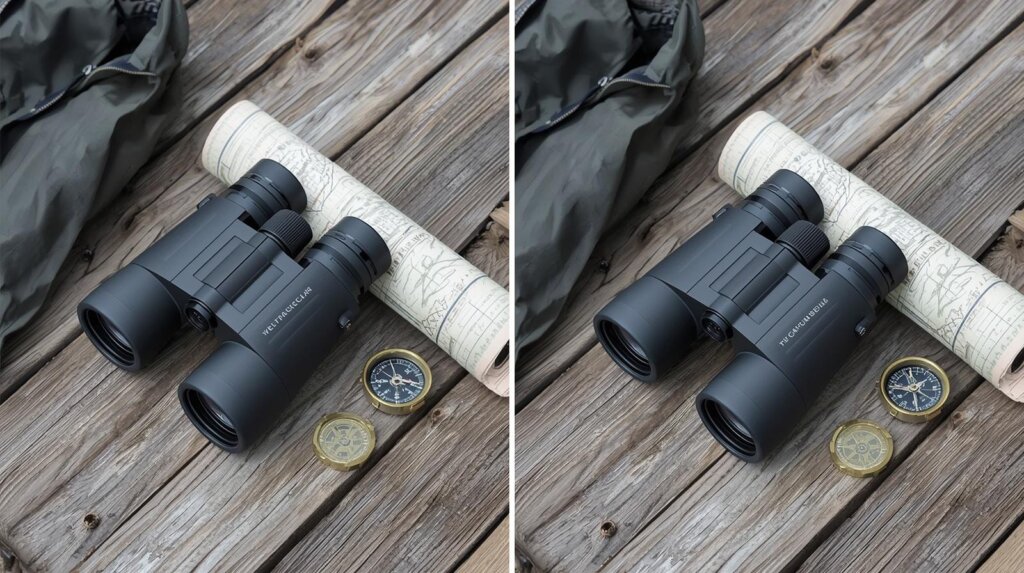
8×42 vs 10×42: the smarter choice depends on how you use them
This is the decision that saves people money.
A lot of buyers assume 10x is automatically better because more magnification sounds better. In real use, it depends.
Choose 8×42 if:
- you want a steadier image
- you are new to binoculars
- you do birding in woods, parks, or mixed terrain
- you want wider views
- you use binoculars for longer sessions
Choose 10×42 if:
- you want more reach
- you scan open spaces, ridgelines, lakes, or fields
- you hunt in open country
- you do not mind slightly more hand shake
- you value detail at longer distance
This is why I usually tell people: 8×42 is usually easier to use, while 10×42 gives you more reach when distance matters.
That sounds a little harsh, but it is true. Some people buy 10x, then realize they actually preferred the steadier, more relaxed view of 8x.
If birding is your main goal, the best binoculars under $200 for bird watching page goes deeper into why 8×42 is often the safer pick. If your use leans more toward dawn scanning, field edges, and stand use, the best binoculars under $200 for hunting article is a better fit.
Real-world use cases: when waterproofing actually matters
1. Coastal travel
Salt air, mist, wind, and surprise moisture can wear down weak gear fast. Waterproof binoculars make way more sense here than a lightweight “indoor-safe” pair.
2. Early morning birding
Cool air plus warm hands plus humidity equals fogging problems if the binocular is not sealed well.
3. Hunting in rough weather
Rain does not have to be heavy to become annoying. Damp conditions are enough to test cheap binoculars.
4. Hiking and camping
Binoculars get set down on wet surfaces, clipped onto packs, and exposed to temperature swings. Waterproofing is part of durability, not just weather protection.
5. Boat decks, kayaks, and lakeside trips
Even if the binocular never falls in the water, spray and moisture exposure are constant.
That is why “waterproof” should not be treated like a bonus feature. For outdoor use, it is baseline value.
The one mistake buyers keep making
They over-focus on magnification and ignore comfort.
A binocular that is technically sharp but uncomfortable to hold, annoying to focus, or tiring after 15 minutes does not feel like a good purchase. This happens all the time with budget optics.
What actually affects satisfaction more:
- grip texture in wet hands
- focus wheel smoothness
- eyecup comfort
- weight balance
- field of view
- how stable the image feels
In other words, buyers do not return binoculars because they lacked one extra buzzword. They return them because the pair never felt enjoyable to use.
What to look for in the best waterproof binoculars under $200
Fully sealed and fogproof construction
If the listing sounds vague, that is not a good sign. You want explicit waterproof and fogproof claims.
42mm objective lenses
For most people, 42mm is the sweet spot. Enough brightness, still portable enough for field use.
Roof prism design
Most modern waterproof binoculars under $200 that feel practical for everyday outdoor use are roof prism models. They are compact, easier to carry, and usually better suited to rough handling.
Good eye relief
If you wear glasses, this matters a lot more than you think.
Reasonable weight
You do not want a pair that feels great in a spec chart but becomes neck fatigue after an hour.
Reliable brand support
Not exciting, but important. In the budget category, support and warranty confidence can matter almost as much as the optics.
Comparison: waterproof budget binoculars by user type
For birding
An 8×42 waterproof model usually makes more sense. Wider field, steadier image, easier tracking.
For hunting
A 10×42 often feels more useful, especially in open terrain where reaching farther matters more.
For travel
A compact waterproof 8x or 10x can be smarter if weight is your top concern, but full-size 42mm models are still better if image quality is the priority.
For general outdoor use
The safest bet is still a well-made 8×42 or 10×42 from a known brand.
If you want more budget-friendly outdoor binocular ideas and buyer comparisons, browse the latest posts on our blog page or go back to the home page to explore the rest of the binocular guides.
Common mistakes to avoid
Buying “water-resistant” and assuming it is enough
Usually not worth the gamble.
Chasing the highest magnification
12x on a budget sounds exciting until you actually try to hold it steady.
Ignoring field of view
This affects how easy and enjoyable the binocular feels in real use.
Underestimating lens quality
A waterproof body is great, but if the image is dull, your outdoor experience still suffers.
Buying for rare scenarios instead of regular use
Buy for the way you will use the binocular 80% of the time, not the one dramatic trip you might take once.
My honest take on budget waterproof binoculars
Here is the truth: under $200, you are not getting alpha glass. You are not getting top-tier edge clarity, elite coatings, or that expensive “wow” factor people talk about in premium optics.
But you can absolutely get a pair that feels dependable, sharp enough to enjoy, and weather-ready for real use.
That is the win.
The best buys in this category are not the binoculars trying to sound luxurious. They are the ones that quietly do the job every time you pull them out in less-than-perfect conditions.
That is why the Nikon PROSTAFF P7 10×42 stands out for me. It does not just check the waterproof box. It makes sense as a serious budget outdoor binocular.
Final verdict
The best waterproof binoculars under $200 are the ones that still feel dependable when the conditions stop being convenient.
That means sealed construction, fog resistance, practical magnification, and a body you actually want to carry outside.
For most buyers, the Nikon PROSTAFF P7 10×42 is the strongest single recommendation because it brings together outdoor-ready weather protection, usable reach, and real budget value without feeling like a compromise purchase.
If you want the wider budget picture before buying, read the full best binoculars under $200 roundup. And if your choice depends on a specific use, compare it with the best binoculars under $200 for bird watching and best binoculars under $200 for hunting guides.
FAQs about the best waterproof binoculars under $200
Are waterproof binoculars worth it under $200?
Yes, especially if you use them outdoors more than occasionally. In this price range, waterproofing is one of the best features to prioritize because it improves reliability, not just durability.
What is the best size for waterproof binoculars under $200?
For most buyers, 8×42 or 10×42 is the best balance of brightness, portability, and usability.
Are fogproof and waterproof the same thing?
Not exactly, but they are closely related. Waterproof binoculars are often nitrogen- or gas-purged to help prevent internal fogging. Nikon, Vortex, and Celestron all describe this kind of sealed construction on current budget models.
Is 10x too much for handheld binoculars?
Not for everyone, but it can feel shakier than 8x. If you are sensitive to hand movement or want a more relaxed view, 8x is usually the safer pick.
Can I use waterproof binoculars for bird watching and hunting?
Yes. That is actually one of the biggest reasons to buy them. You get one pair that can handle damp woods, field use, changing weather, and general outdoor abuse.
Do waterproof binoculars work for boating?
Yes, but make sure they are truly waterproof and not just marketed for “outdoor use.” Moisture exposure around water is constant, even when it is not raining.




