
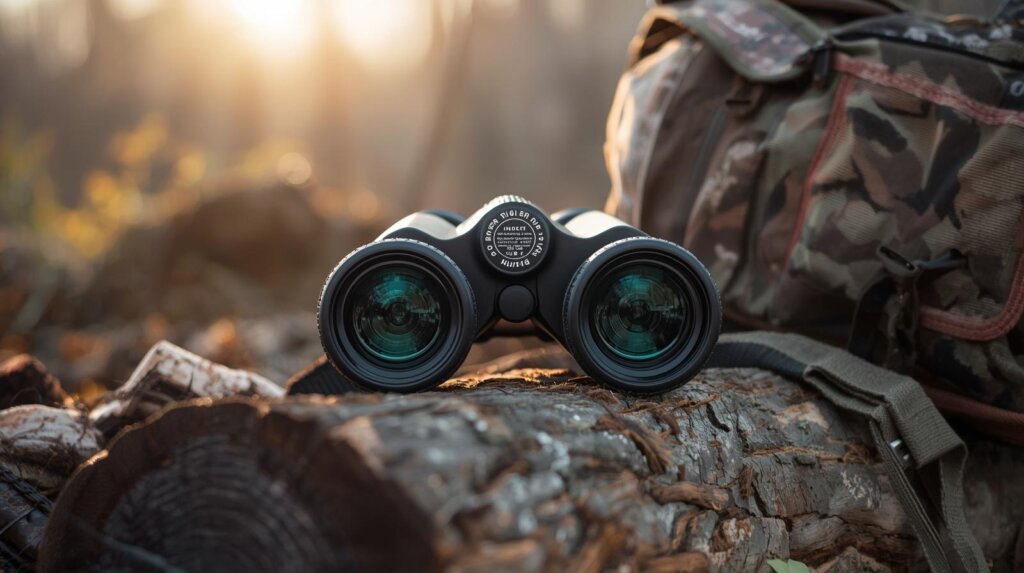
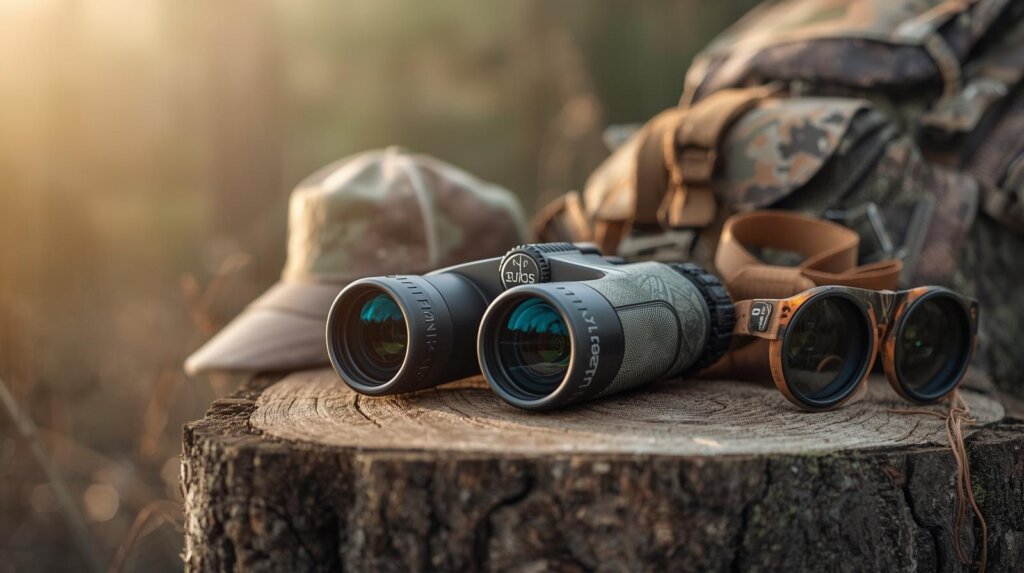
What Makes Binoculars Under $200 Good for Hunting?
A lot of hunters waste money on the wrong binoculars for one simple reason: they shop specs, not situations.
On paper, almost every budget bino looks decent. In the woods at first light, that changes fast. The focus wheel feels stiff with cold fingers. The image starts to wash out right when movement matters. The glass is “fine” until you’re trying to separate an ear flick from a branch at 180 yards.
That is exactly where the best binoculars under $200 for hunting need to earn their keep.
You are not buying bragging rights here. You are buying time behind glass, faster animal detection, less eye strain, and a setup you will actually carry instead of leaving in the truck. And in this price range, that means being honest about what matters most: usable low-light performance, practical magnification, decent field of view, weather resistance, and a shape that works when your hands are cold or damp.
A good budget hunting binocular should help you spot more, not make you work harder. The best ones are the pairs you trust during that quiet half hour after sunrise when the woods still feel asleep and everything important happens in fragments.
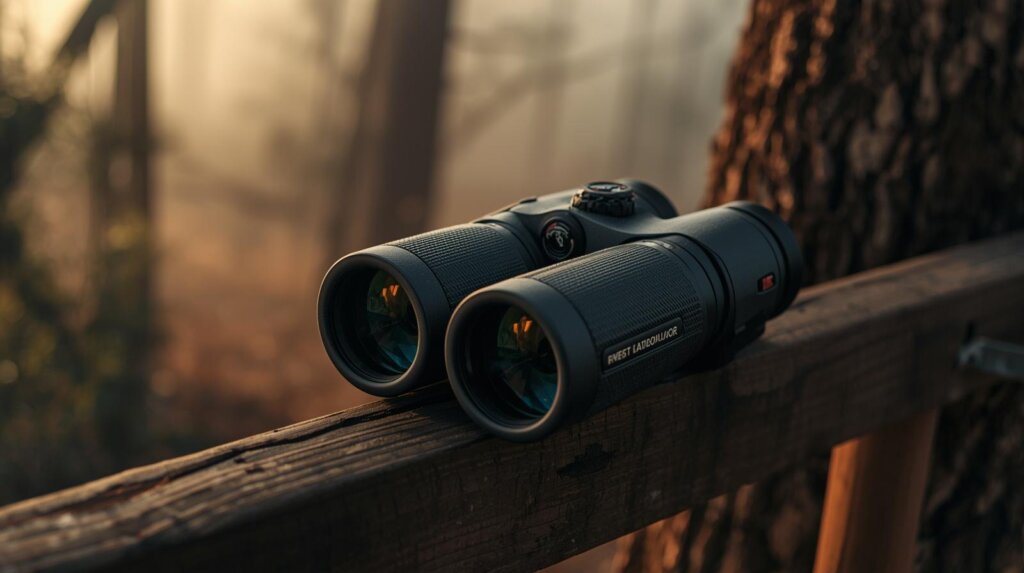
What actually matters in hunting binoculars under $200
For most hunters, the sweet spot is simple: 10×42.
The first number is magnification, and the second is objective lens size. Bigger objective lenses gather more light, and lower magnification is usually easier to hold steady by hand. Vortex also notes that 8×42 tends to shine in thick timber, while higher-power options like 12×50 are more at home in open country and often benefit from tripod use.
That is why 10×42 keeps showing up as the safe recommendation for the best binoculars under $200 for hunting. It is the middle ground. Enough reach for field edges, cutovers, open lanes, and western-style glassing on a budget. Still manageable enough for whitetail woods if you are not trying to inspect every leaf at 400 yards.
Here is the quick breakdown:
| Configuration | Best Use | What It Feels Like in Real Hunting |
|---|---|---|
| 8×42 | Thick woods, still-hunting, close cover | Easier to hold steady, faster to find animals, more forgiving when scanning |
| 10×42 | Most hunters, mixed terrain | Best overall balance of reach, brightness, and portability |
| 10×50 | Low light and more open ground | Brighter on paper, but bulkier and more noticeable on long walks |
My honest take? If you only want one pair and you want to stop overthinking it, go 10×42.
What the best budget hunting binoculars should feel like in the field
This is where basic buying advice often falls short.
A binocular can be “clear” and still be annoying to hunt with. A lot of entry-level glass looks fine in a backyard test. Hunting exposes the weak points fast.
The best binoculars under $200 for hunting should feel like this:
At first light
You lift them and the image does not instantly collapse into a dim gray mess. You can still read texture in brush, bark, rocks, and shadows.
When scanning
You do not fight the binocular to get on target. It comes to the eyes naturally, focuses without drama, and lets you move from near cover to mid-range openings without feeling clumsy.
On long sits
It does not become a neck burden. The grip stays secure. The eye relief is forgiving enough that you are not constantly resetting your face.
In bad weather
You are not babying it. Hunting binoculars in this price range do not need to feel luxurious, but they do need to feel dependable.
That matters more than people think. Budget gear earns its place when it stays out of your way.
My single product recommendation
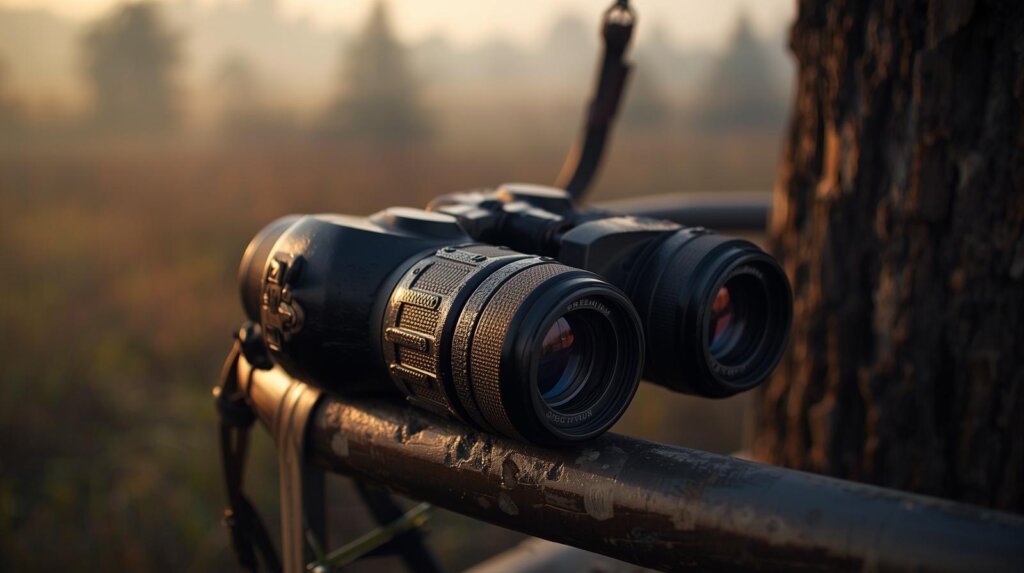
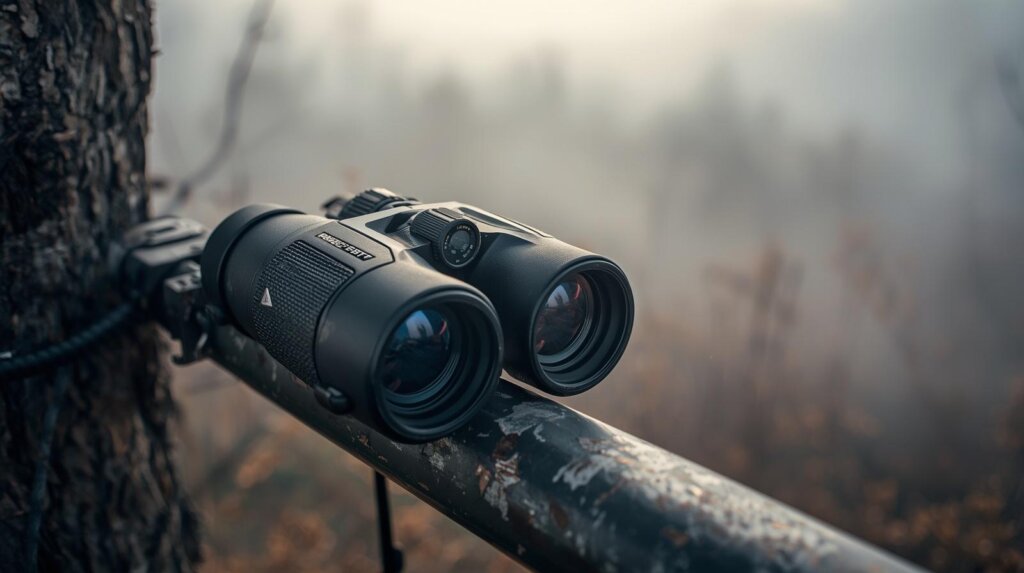
If I had to recommend one model for this topic, it would be the Vortex Triumph HD 10×42.
Vortex positions the Triumph HD 10×42 as a simple, no-nonsense binocular for hunters. It brings the practical features that matter in the field, including fully multi-coated lenses, waterproof and fogproof construction, tripod adaptability, and a build that suits new hunters who need something dependable without overcomplicating the choice. The same product page also frames it around helping hunters pick apart the woods and spot game with more confidence.
That recommendation makes sense because it solves the actual shopping problem behind this keyword. Most people searching best binoculars under $200 for hunting are not building a luxury optics system. They want something they can buy now, trust this season, and carry without regret.
Why this one stands out
It gets the basics right.
Not “basic” in a bad way. Basic in the way a dependable truck is basic.
You get a hunting-friendly 10×42 format, a compact roof-prism body, decent eye relief, weather sealing, and a package that feels purpose-built instead of generic. The included harness/case setup is also nice at this level because budget binoculars often become more useful when they are easier to carry than to stash.
Pros
- Excellent value for a true hunting-oriented 10×42
- Waterproof and fogproof for real field use
- Compact enough to carry all day
- Easy recommendation for beginners and intermediate hunters
- Tripod adaptable if you want more stability later
Cons
- Not the brightest glass you will ever use in the last minutes of legal light
- You will notice the difference if you have spent time behind mid-range or premium optics
- For wide-open western glassing, some hunters will eventually want more than budget 10×42 can give
Which hunter should buy which setup?
Not every hunter uses binoculars the same way, and that is where a lot of buying mistakes begin.
Whitetail hunter in timber
If most of your glassing is from a stand, blind, or slow walk through woods, you are usually looking for movement first, detail second. In that case, steadiness and fast target pickup matter more than maximum reach.
A compact, dependable 10×42 still works well, but this is one of the few situations where an 8×42 argument makes sense. It is calmer in the hands and easier to scan with.
Hunter covering mixed terrain
This is the biggest group, and it is why 10×42 wins so often.
You might sit one weekend, walk a creek bottom the next, and glass a bean field after that. You need one binocular that does not feel wrong in any of those places. That is exactly what a good 10×42 does.
Open-country hunter on a budget
If you are mainly glassing long distances, a sub-$200 binocular can still work, but you need realistic expectations. It will help you locate, sort, and re-check. It is not going to replace a higher-end tripod glassing setup.
In that case, use the bino to find, then move, then verify.
Common mistakes hunters make when buying budget binoculars
Chasing magnification instead of usefulness
More power sounds better until the image shakes and your field of view narrows enough to make scanning annoying. A shaky 12x is often less useful than a stable 10x.
Buying the smallest bino possible
Compact binoculars are nice in theory, but hunting often punishes tiny objectives. The smaller and lighter you go, the more you usually give up when light gets thin.
That is one reason your broader buying decision should start with our best binoculars under $200 guide before narrowing into hunting-specific needs.
Ignoring carry comfort
A bino that stays in the truck is not a good bino. Weight, balance, armor texture, and harness comfort matter more in the real world than many shoppers admit.
Expecting premium dusk performance at a budget price
This one is big. Under $200 can absolutely get you something useful. It usually will not get you elite edge sharpness or magical last-light brightness. Buy for real field use, not wishful thinking.
Quick comparison: what matters most by hunting style
| Hunting Style | Best Budget Choice | Why |
|---|---|---|
| Tree stand whitetail | 8×42 or calm-handling 10×42 | Easy scanning in brush and short windows |
| Spot-and-stalk on mixed ground | 10×42 | Best all-around compromise |
| Blind hunting over fields | 10×42 | Enough reach without too much shake |
| Mountain hunting on a strict budget | 10×42 with tripod option | Versatile, but not a replacement for higher-end tripod glass |
| All-day carry hunter | Lightweight 10×42 | Best balance of comfort and performance |
If portability matters more than all-out hunting use, check our guide to best compact binoculars under $200 because that category makes more sense for travel-style carry than for serious dawn-and-dusk glassing.
And if your hunts regularly include steep trails, elevation, and longer days on foot, the practical crossover advice in best binoculars under $200 for hiking is worth reading too.
How to get better performance from cheap hunting binoculars
This is the part buyers skip, but it matters.
A modest binocular used well will beat a better binocular used lazily.
Use support whenever possible
Brace your elbows on your knees. Lean into a tree. Rest on a blind window. A little stability makes budget glass look better.
Slow your scan
Hunters miss animals because they sweep too fast. Move slower than feels natural. Pause on likely bedding edges, transitions, and shadow lines.
Keep lenses clean, but not over-cleaned
Dust and fingerprints reduce contrast, but over-wiping can scratch coatings and make the view even worse. Use a blower or soft brush first, then clean the lenses properly.
Wear it where you can grab it fast
A binocular in a pack is backup gear. A binocular on your chest is hunting gear.
For more practical buying help, explore our binocular tips before you choose. You can also return to the bestbinocular.net home page to compare more budget-friendly guides.
Final verdict
The best binoculars under $200 for hunting are not the pair with the longest feature list. They are the pair that help you glass calmly, carry easily, and trust what you are seeing when the light gets tricky.
For most hunters, that means sticking with a solid 10×42 and avoiding the temptation to overbuy magnification or underbuy objective size.
If you want the simple answer, here it is:
Buy a dependable 10×42, and if you want one straightforward pick, go with the Vortex Triumph HD 10×42.
It is not flashy. That is exactly why it works.
FAQs
What magnification is best for hunting binoculars under $200?
For most hunters, 10×42 is the safest all-around choice. It balances reach, brightness, and portability better than most other configurations in this price range.
Are 10×42 binoculars good for deer hunting?
Yes. They are especially good for mixed deer hunting situations where you may glass woods edges, openings, trails, crop fields, and mid-range terrain in the same season.
Are cheap hunting binoculars worth it?
Yes, if your expectations are realistic. Under $200 can absolutely get you a dependable, useful hunting binocular. It usually will not match premium glass in edge clarity or extreme low-light performance.
Is 8×42 or 10×42 better for hunting?
8×42 is often easier in thick woods and shaky hand-held conditions. 10×42 is better if you want one setup for broader use across different terrain types.
Can I hunt with compact binoculars?
You can, but compact binoculars are usually less forgiving in low light. For dedicated hunting, full-size 42mm binoculars are usually the better choice.
Do I need a tripod with binoculars under $200?
Not always. For 10×42, most hunters can hand-hold them just fine. A tripod becomes more useful if you glass for long periods or hunt more open country.
What should I avoid when buying hunting binoculars on a budget?
Avoid chasing high magnification, buying ultra-compact models for serious dawn hunting, and ignoring comfort, weather sealing, and carry setup. Those mistakes cost more than people expect.




