
Why Compact Binoculars Under $200 Should Be Small, Sharp, and Actually Usable
Compact binoculars are easy to buy badly.
A lot of people start with the same idea: I want something small enough to carry everywhere, but still sharp enough to feel worth using. That is exactly where finding the best compact binoculars under $200 gets tricky. Go too small, and the view starts feeling cramped, dim, or fussy to focus. Go too big, and you stop carrying them at all.
For most people, the sweet spot is not “smallest possible.” It is small enough to take everywhere, but big enough to enjoy for more than five minutes.
That matters whether you want binoculars for travel days, city viewpoints, hiking breaks, cruise decks, sports, roadside wildlife stops, or just keeping something decent in the car door pocket. Compact binoculars under $200 can absolutely be good. They just need to be chosen with the right expectations.
If you want the wider shortlist first, our full roundup of the best binoculars under $200 covers compact, mid-size, and full-size options in one place.
What “compact” should mean in real life
In this price range, “compact” usually includes 8×25, 10×25, 8×28, 8×30, and 8×32 models.
Here is the truth many quick buying guides miss: not all compact sizes behave the same in the field.
A tiny 8×25 fits in a jacket pocket and feels brilliant in a store. Then you use it at dusk, on a windy overlook, or from a moving boat, and suddenly that tiny size stops feeling clever. On the other hand, an 8×32 is still compact enough for travel, but gives you a calmer, brighter, easier view. That is usually the better buy unless absolute pocketability is your top priority.
The compact size comparison that actually helps
| Size | Best for | Main advantage | Main compromise |
|---|---|---|---|
| 8×25 | sightseeing, concerts, light daytime travel | truly pocketable | dimmer image, smaller viewing comfort |
| 10×25 | long-distance daytime viewing | more reach in a tiny body | shakier image, narrower feel |
| 8×28 / 8×30 | best all-around compact choice | better balance of brightness and size | slightly less pocket-friendly |
| 8×32 | travel, birding, hiking, general use | easiest view in the compact category | usually needs a small bag, not a pocket |
If your goal is the best compact binoculars under $200 for general use, I would start with 8×30 or 8×32, not 10×25.
That is the difference between binoculars you admire on day one and binoculars you still enjoy six months later.
Who should buy compact binoculars instead of full-size binoculars?
Compact binoculars are not for everyone. They make sense for a specific kind of buyer.
Compact binoculars make sense if you value carry comfort first
Some people genuinely leave larger binoculars at home. If that sounds like you, compact wins.
A compact pair is easier to throw into a daypack, glove box, luggage side pocket, or coat pocket. You notice the difference at airports, on short hikes, while walking old city streets, and during long sightseeing days when every ounce starts to matter.
If that is your pattern, a slightly smaller binocular you actually carry beats a better full-size binocular sitting on a shelf.
Full-size binoculars still win for low light and long sessions
There is no magic here. Compact binoculars under $200 are convenient, but they do not break physics.
If your main use is dawn wildlife viewing, long birding sessions, heavy forest cover, or serious glassing from one position, a full-size 8×42 will usually feel more relaxed and brighter. That is why the broader best binoculars under $200 category still matters.
But if your use is mixed and mobile, compact is often the smarter call.
What matters most when buying the best compact binoculars under $200
1. Choose 8x before 10x unless you know why you want more magnification
This is probably the biggest mistake first-time buyers make.
They assume 10x must be better because it sounds stronger. In compact binoculars, that often backfires. You get more hand shake, a less forgiving view, and a narrower feeling image. For casual travel, hiking, and general use, 8x is easier, faster, and more enjoyable.
That ease matters more than spec-sheet bragging rights.
2. Do not obsess over the smallest body
People often chase the tiniest binocular possible and then feel disappointed outdoors.
A very small binocular can be hard to grip, slower to align with your eyes, and less pleasant for extended viewing. A slightly larger compact model often feels dramatically better in real use. That is why 8×30 and 8×32 models have such a loyal following.
3. Eye relief matters more than many buyers realize
If you wear glasses, compact binoculars can become frustrating fast if the eye relief is too tight. Even if you do not wear glasses, more forgiving eyecups and viewing position can make a compact pair feel less fiddly and more natural.
4. Waterproofing is not just for storms
Even if you are not hiking in heavy rain, waterproof and fogproof construction is worth having. It helps with humidity, temperature changes, light drizzle, and the general abuse that travel gear tends to absorb.
5. Focus feel matters in everyday use
Cheap compact binoculars often fail in small ways: stiff focus, loose hinge tension, vague eye placement, or soft edges that make the image feel less satisfying than the box promised.
That is why I would rather buy a well-made 8×30 from a trusted line than a feature-stuffed bargain model with shaky quality control.
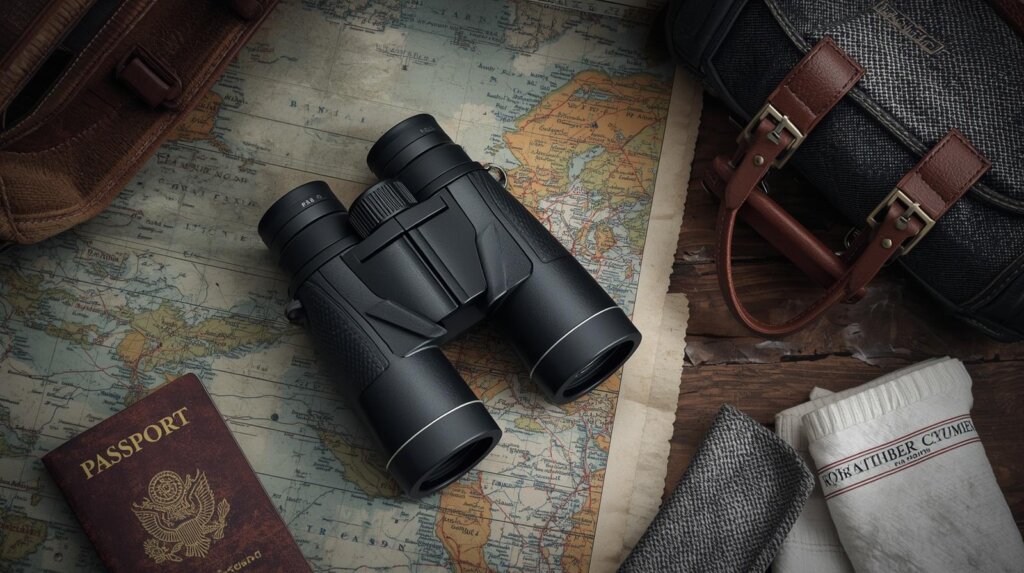
My top practical pick: Nikon PROSTAFF P3 8×30
If you want one straightforward answer for the best compact binoculars under $200, this is the type of model I would point most people toward.
The Nikon PROSTAFF P3 8×30 sits in that sweet spot where the binocular still feels compact, but the view does not feel punishingly small. It gives you 8x magnification, a wide field of view, manageable weight, close focus that works well for nearby subjects, and waterproof/fogproof construction. That makes it a very strong everyday-use package for travel, hiking, sports, and general outdoor carry.
Why this model makes sense
It avoids the usual compact-binocular trap.
It is not trying to be absurdly tiny. Instead, it gives you enough objective size and enough viewing ease that you can actually enjoy the binocular in the field. For city travel, scenic pull-offs, whale-watch decks, national parks, and casual wildlife viewing, that balance is more important than shaving one more ounce off the body.
Pros
- Compact without feeling toy-like
- Wide, easy-to-follow view
- Better general comfort than many 8×25 options
- Waterproof and fogproof for real travel use
- Safer choice for first-time buyers
Cons
- Not truly pocket-sized for very small jacket pockets
- Still not ideal for serious low-light use
- Buyers wanting maximum reach may prefer 10x, though most casual users should not
If your priority is even more travel-specific packing efficiency, you should also read our guide to the best binoculars under $200 for travel. If you care more about trail durability and all-day carry comfort, the best binoculars under $200 for hiking page narrows the field in a more useful way.
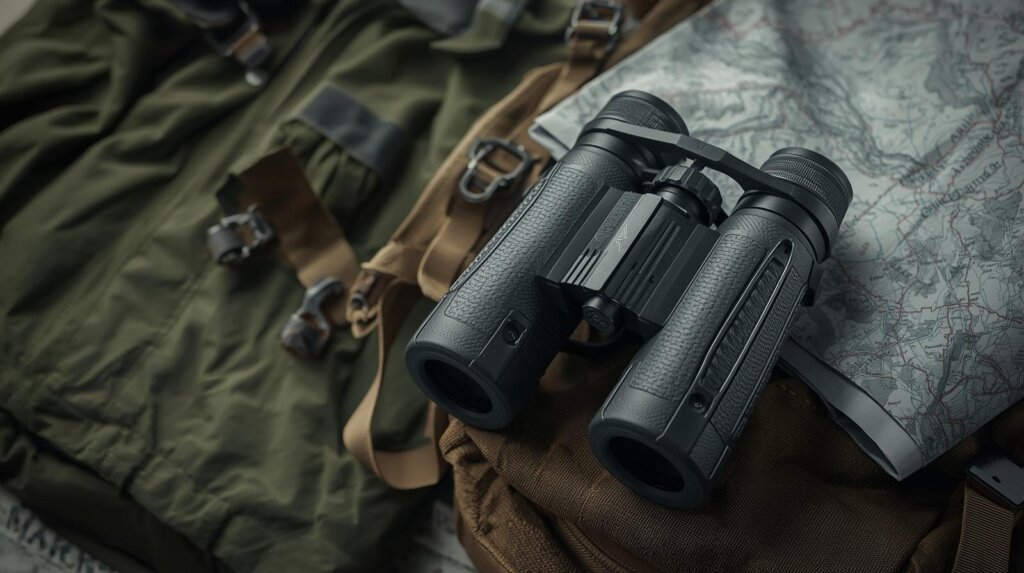
Real-world use cases: where compact binoculars under $200 shine
Travel and sightseeing
This is where compact binoculars earn their keep.
Think observation decks, coastal drives, train windows, fortress viewpoints, desert stops, and old-city rooftops. You do not want a bulky 42mm binocular swinging from your neck all day. A good compact model gives you the fun part of binocular ownership without turning the day into gear management.
Hiking and national parks
For hikers, compact binoculars are often the smarter compromise.
You are already carrying water, layers, snacks, maybe trekking poles, maybe a camera. A lightweight compact pair makes spontaneous viewing easy. Pull them out for a canyon overlook, a far ridgeline, or a scenic lake on the way down. That is real value.
Sports and events
Compact binoculars are excellent for stadium seating, racing events, and outdoor festivals. They are easier to pack, less awkward in crowded spaces, and quicker to stash when you need both hands free.
Car kit or glove box use
This is underrated.
A compact binocular that lives in the car gets used more than many expensive optics. Road trips, scenic detours, unexpected wildlife sightings, and random roadside lookouts suddenly become more fun.
Common mistakes buyers make
Buying for the number, not the experience
A lot of shoppers buy 10x because it sounds more powerful, or 25mm because it sounds more compact. Then they end up with a binocular that is technically impressive but less enjoyable.
The better question is simpler: Will this be easy and pleasant to use?
Ignoring how the binocular will actually be carried
Do not pretend you are a minimalist pocket-carry person if you always use a sling bag or daypack. In that case, an 8×30 or 8×32 is often the better choice.
Expecting compact binoculars to replace everything
Compact binoculars are versatile, but they are still a compromise. They are best viewed as do-more, go-anywhere binoculars, not as perfect low-light wildlife glass.
Chasing features instead of trustworthiness
Under $200, I would rather buy from a solid binocular line with proven basics than get pulled into a no-name model promising impossible performance.
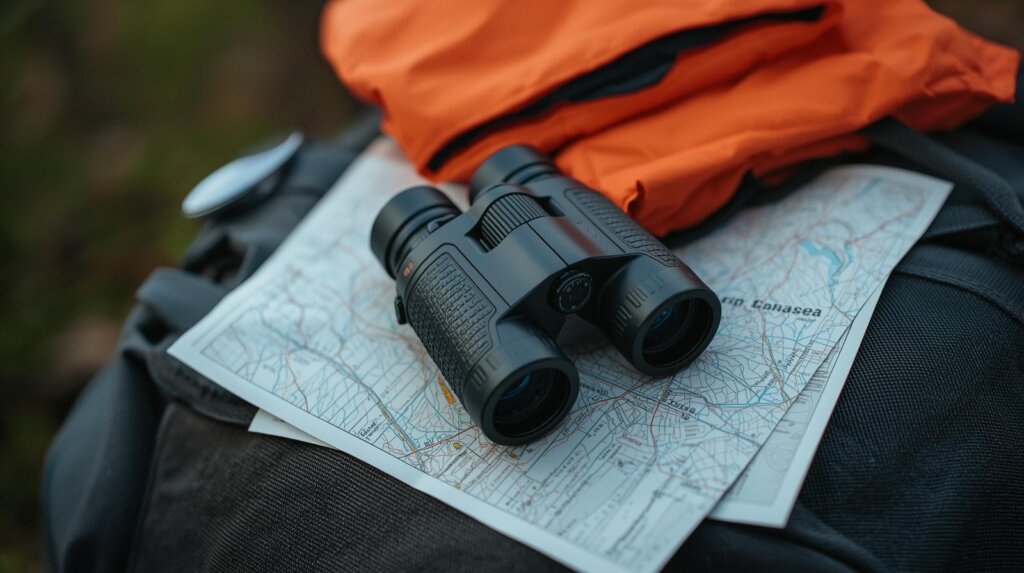
Buyer tips that make the difference
Start with your most common use, not your fantasy use.
If most of your viewing happens on holidays, road trips, easy hikes, and casual outdoor days, buy for that. Do not choose based on the one rare moment when you think you might need extra reach at sunset in heavy woods.
Also, remember this: the best compact binoculars under $200 are usually the ones that feel stable, easy, and inviting. That sounds less exciting than talking about coatings and prism jargon, but it is what makes you reach for them again.
For more practical binocular advice, maintenance tips, and buying shortcuts, explore our latest binocular guides. You can also return to the bestbinocular.net home page to browse more categories and budget-friendly recommendations.
Final verdict
The best compact binoculars under $200 are not necessarily the smallest pair you can find. They are the pair that gives you real portability without making the view feel like a compromise every time you lift it to your eyes.
For most buyers, that means skipping ultra-tiny 10×25 models and leaning toward an 8×30 or 8×32. That size class gives you a more relaxed image, easier subject tracking, and better everyday satisfaction.
If you want one sensible, low-regret option, the Nikon PROSTAFF P3 8×30 is the kind of compact binocular that gets the balance right.
It is portable enough to bring along, capable enough to enjoy, and reasonably priced enough that you do not feel silly using it for everyday moments instead of saving it for “serious” outings.
And honestly, that is what a good compact binocular should do.
FAQs
What magnification is best for compact binoculars under $200?
For most people, 8x is the best choice. It is easier to hold steady, usually gives a wider field of view, and feels less frustrating in compact bodies than 10x.
Are compact binoculars under $200 good for birding?
They can be, especially for casual birding, backyard use, and travel birding. But for long birding sessions or low-light woodland use, a full-size 8×42 still has the edge.
Is 8×25 too small?
Not always. An 8×25 can be great for pure daytime sightseeing and pocket carry. But if you want a more relaxed, brighter, easier view, 8×30 or 8×32 is usually the smarter buy.
Are compact binoculars good for hiking?
Yes, especially if you care about pack weight and want something easy to carry all day. Our best binoculars under $200 for hiking roundup covers that use case in more detail.
Are compact binoculars better for travel than full-size binoculars?
Usually, yes. They take up less room, weigh less, and are easier to bring on flights, tours, and city walks. For travel-specific picks, see the best binoculars under $200 for travel guide.
What is the best compact binocular size for most people?
For most buyers, 8×30 or 8×32 is the sweet spot. It gives you a compact body while keeping the view comfortable enough for repeated use.




