
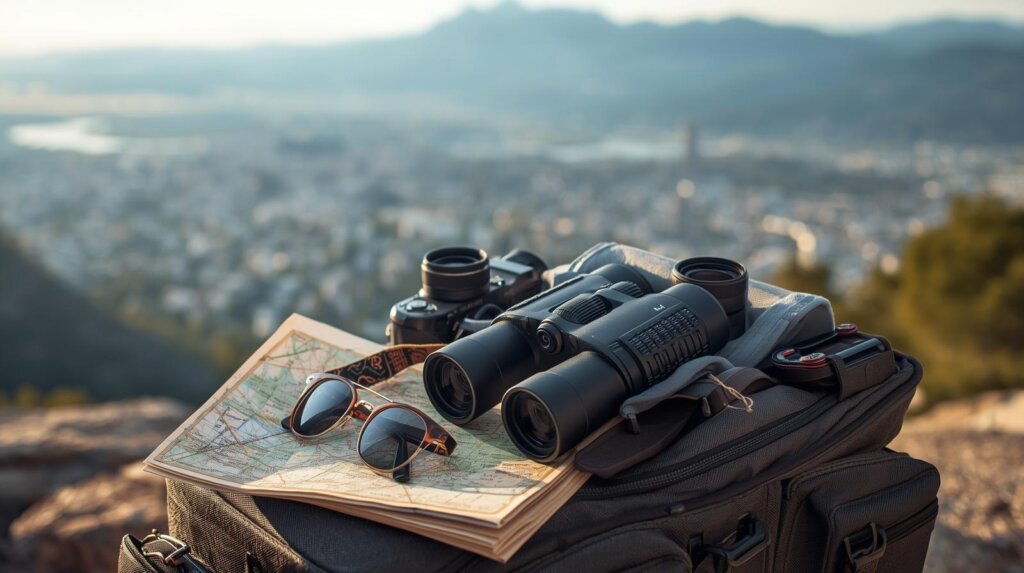
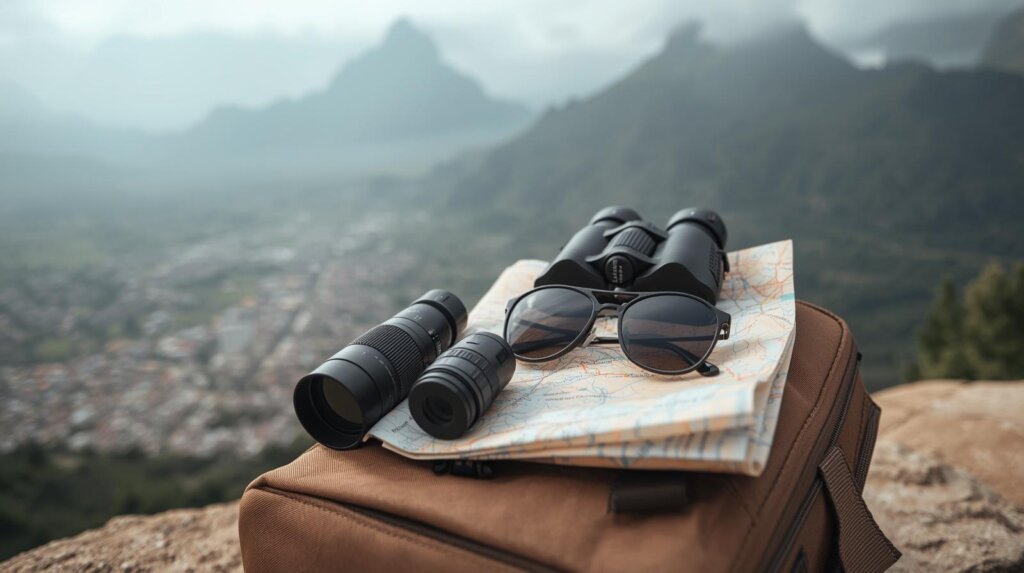
Why Travel Binoculars Under $200 Need to Balance Size, Clarity, and Durability
Packing binoculars for a trip can sound unnecessary… until you bring a good pair.
Then suddenly, city skylines look sharper from hotel rooftops. Coastal viewpoints feel bigger. Historic architecture stops looking like a blur. Even a casual road trip gets more interesting when you can pull distant details closer without hauling bulky gear. That is exactly why the best binoculars under $200 for travel have a very specific job: they need to be compact enough to carry all day, sharp enough to feel worth packing, and durable enough to survive airports, buses, backpacks, and random weather changes.
Travel binoculars are not the same as birding binoculars you carry for six hours in one wet forest. They are also not the same as heavy astronomy binoculars you keep in the car. For travel, the sweet spot is usually somewhere between portability and usefulness. If they are too big, you leave them in the hotel. If they are too weak, you stop using them after day two.
That is where this guide helps.
If you are still comparing broader options, start with our main guide to the best binoculars under $200. But if your goal is travel specifically, this page narrows the field to what actually works when you are moving from place to place.
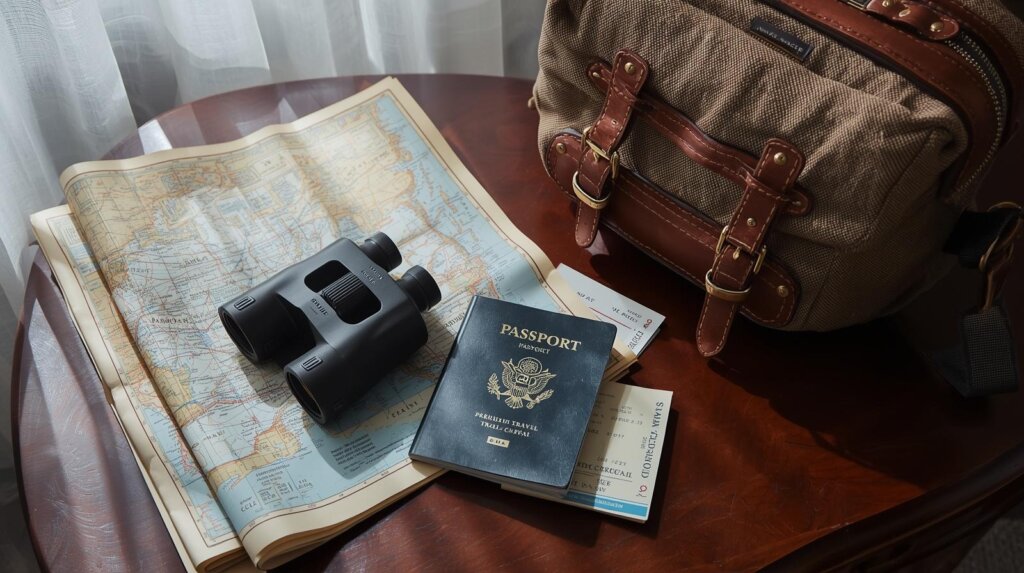
What makes binoculars good for travel?
A travel pair needs to earn its place in your bag.
That means size matters, but not in the obvious way. Tiny pocket binoculars look convenient online, but many of them feel shaky, dim, or frustrating in real use. On the other side, full-size binoculars can deliver a better view but become dead weight when you are already carrying chargers, a power bank, documents, snacks, and whatever else every trip turns into.
For most travelers, the best balance usually comes from:
8x magnification
This is where travel gets easy. An 8x view is stable enough to use quickly from a balcony, ferry deck, hiking trail, old fort, or city viewpoint. It gives you reach without turning every hand movement into shake.
Objective size around 25mm to 42mm
Smaller objectives help keep weight down. Mid-size models are often better for general travel because they still gather enough light for early mornings, cloudy afternoons, and sunset views.
Roof prism design
Roof prism binoculars are slimmer and easier to pack than chunky porro prism models. For travel, that shape matters more than people think.
Weather resistance
Even if you are not heading into extreme conditions, travel includes unpredictability. Humid air, light rain, beach spray, dusty roads, and sudden temperature changes happen.
Comfortable carry
If the focus wheel is stiff, the eyecups feel cheap, or the neck strap annoys you, that stuff gets old fast on a trip.
A lot of people shopping for the best binoculars under $200 for travel focus only on magnification. That is usually the wrong starting point. Ease of use matters more. A binocular you actually enjoy carrying beats a more “powerful” one you leave behind.
The best pick: Nikon Prostaff P3 8×42
If I had to recommend one travel binocular under this budget without making it complicated, it would be the Nikon Prostaff P3 8×42.
This is not the tiniest option. It is not the flashiest either. But for real travel use, it hits the most practical middle ground. You get an easy 8x view, a bright 42mm objective, dependable build quality, and the kind of handling that works for travelers who want one binocular for city breaks, scenic drives, national parks, boat tours, and general sightseeing.
What makes it a smart travel buy is that it does not force you into one niche. It is good enough for wildlife spotting from a distance, detailed enough for architecture and landscape viewing, and forgiving enough for beginners who do not want a steep learning curve.
Why it stands out for travel
- Clear, bright image in mixed lighting
- 8x power is easier to hold steady than 10x
- Comfortable for longer viewing sessions
- Reliable brand with solid entry-level optics
- Feels more premium than many under-$200 alternatives
Pros
- Versatile for almost every travel scenario
- Good low-light performance for sunrise and sunset viewpoints
- Easy focus and comfortable grip
- Waterproof and fog resistant
- Great value for the price
Cons
- Bigger than true compact travel binoculars
- Not the lightest option for minimalist packing
- Better for backpacks and day bags than jacket pockets
For travelers who care more about actually enjoying the view than obsessing over tiny size savings, this is the one I would trust most.
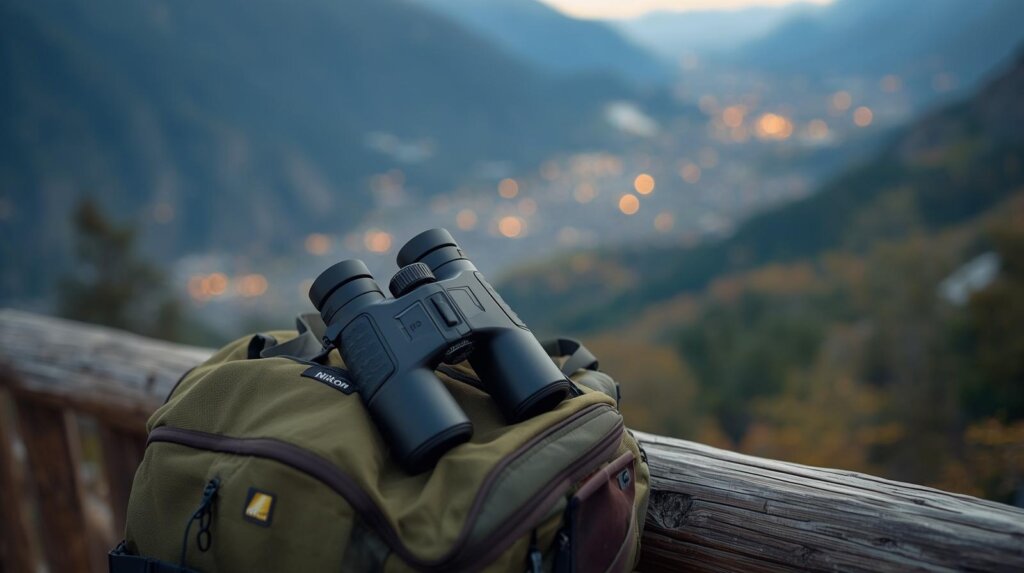
When travel binoculars actually become useful
Many buying guides treat binoculars like single-purpose gear. Real travel asks more from them.
Here is where a good pair makes sense:
From hotel rooftops and observation decks
You notice things you would normally miss: building details, boats in the harbor, distant landmarks, hilltop forts, and mountain ridges beyond the city.
On road trips
Travel binoculars are great when you keep stopping at viewpoints. Instead of taking a photo and moving on, you can actually scan the distance and explore the scene.
Coastal travel
On beaches, cliffs, ferries, and waterfront cities, binoculars are weirdly addictive. Ships, lighthouses, rock formations, and distant shorelines all become more interesting.
National parks and scenic routes
Even if wildlife is not your main goal, you will still use them for landscapes, canyon walls, waterfalls, and lookout points.
Historical sites and architecture-heavy cities
This is underrated. Good binoculars let you study domes, towers, carvings, facades, and old stonework from a distance without needing to physically get closer.
That is why the best binoculars under $200 for travel are usually generalists, not specialists.
8×42 vs 10×42 for travel
This is one of the most common travel-buying debates, and honestly, most people pick 10x because it sounds stronger.
That is not always smarter.
| Feature | 8×42 | 10×42 |
|---|---|---|
| Image stability | Easier to hold steady | More handshake visible |
| Field of view | Wider | Narrower |
| Ease for beginners | Better | Slightly harder |
| Detail at distance | Very good | Better |
| All-day travel comfort | Higher | Lower for some users |
| Best for | General travel, sightseeing, mixed use | Open landscapes, distant details |
For travel, I lean toward 8×42 unless you already know you prefer more magnification and can handle the shake. That is why our deeper roundup of best 10×42 binoculars under $200 is useful if you travel to wide-open areas and want more reach.
But for mixed trips? Cities, coastlines, viewpoints, old towns, forests, and casual wildlife? 8x is usually the better call.
Should travel binoculars be waterproof?
Yes, if possible.
Not because you plan to drop them in a river, but because travel is full of small annoyances. Humidity in tropical destinations. Sudden rain. Sea spray on boat tours. Foggy mornings. Dusty roads. Air-conditioned interiors and warm outdoor air.
Waterproof binoculars usually hold up better over time, even when you use them casually.
If that matters most to you, check our breakdown of the best waterproof binoculars under $200. For travel, waterproofing is one of those features you barely think about until the day you really need it.
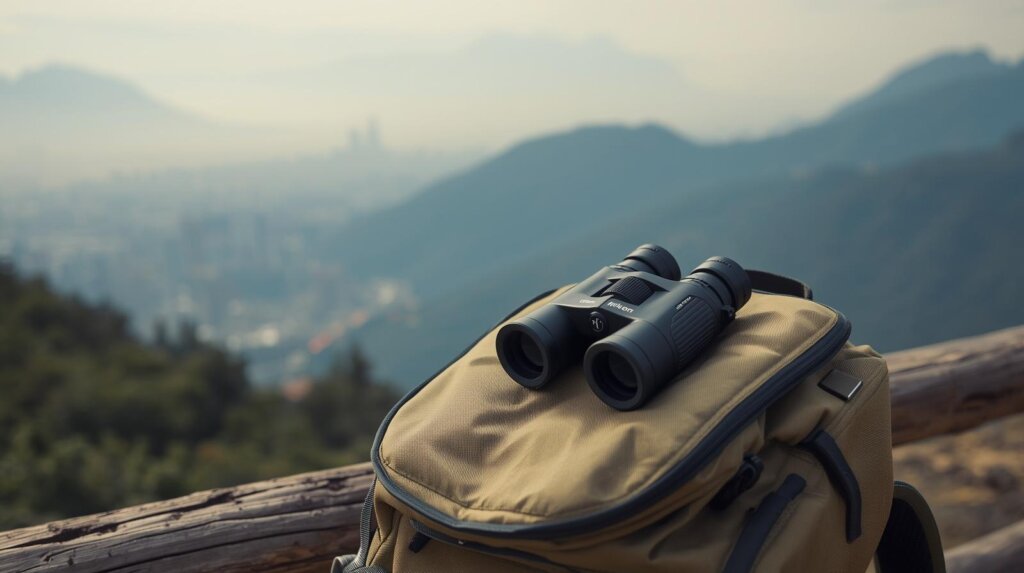
What to avoid when buying travel binoculars
This is where people waste money.
Buying the smallest binoculars just because they look portable
Super-compact models can be fun, but many are frustrating in real use. The view may be dimmer, the eye placement fussier, and the handling less stable.
Choosing 12x magnification for regular travel
It sounds exciting. In practice, it is often too shaky for handheld sightseeing.
Ignoring weight and strap comfort
A binocular that feels fine for five minutes can become annoying after a full day of walking.
Prioritizing spec sheets over actual use
A long feature list is not the same as a pleasant viewing experience. Smooth focus, decent eye relief, and natural handling matter more than people expect.
Buying a cheap unknown brand with inflated claims
A lot of low-cost models throw around words like HD, military-grade, professional, and high-powered. That does not guarantee anything. In this category, trusted brands usually win.
What Most Travelers Really Want from Binoculars
Most travelers are not buying binoculars for one perfect technical scenario.
They want a pair that feels useful without feeling like work.
That means:
- fast to grab
- easy to focus
- comfortable to carry
- clear enough to impress
- versatile enough to justify packing
If you are overthinking every spec, zoom out for a second. The right travel binocular is the one that fits how you actually move. Weekend city traveler? Go lighter. Scenic road trip person? Go mid-size. Nature-heavy traveler? Prioritize brightness and weather protection.
If you are still comparing options, explore our latest binocular guides for more practical buying advice, field tips, and budget-friendly recommendations. You can also return to the home page to browse the full binocular guide collection.
Real-world travel scenarios and the best fit
Best for city travel
An 8×32 or lightweight 8×42 works well. You get enough detail for rooftops, towers, skyline views, and architectural scanning without carrying something oversized.
Best for cruise travel or coastal vacations
Go for waterproof binoculars with good grip. Salt air and moisture make protection more important here.
Best for national park travel
A brighter 8×42 is a safer pick. It handles early and late light better and gives you flexibility for landscapes and wildlife.
Best for minimalist backpack travel
Compact 8×25 or 10×25 models save space, but only if you accept trade-offs in comfort and brightness.
Best for mixed travel
This is where the Nikon Prostaff P3 8×42 makes the most sense. It covers more situations without forcing a compromise that you will notice every day.
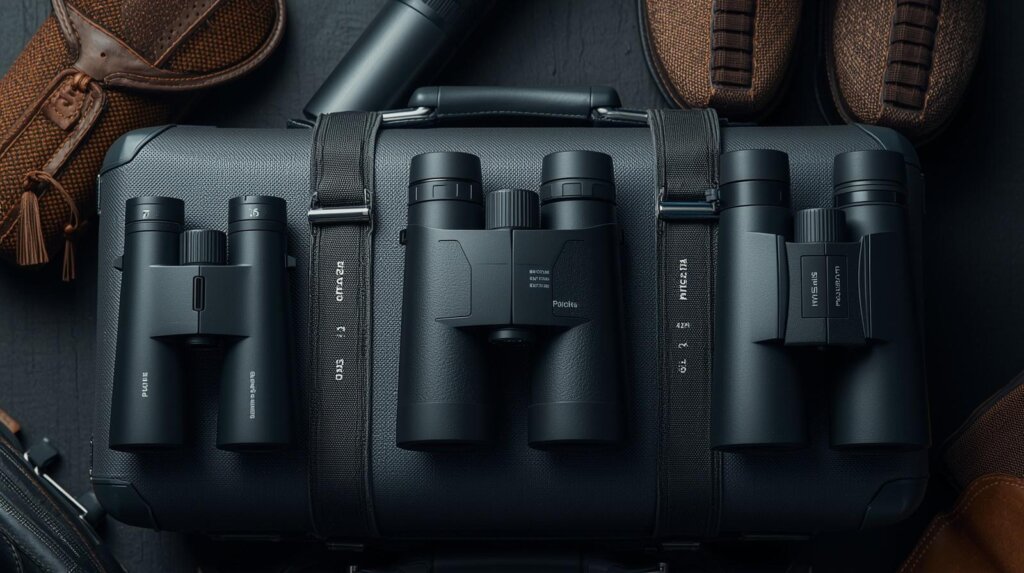
Quick comparison: travel binocular styles
| Type | Best for | Main advantage | Main drawback |
|---|---|---|---|
| 8×25 compact | Ultralight packing | Very portable | Less bright, less comfortable |
| 10×25 compact | Distant city views | More reach | Harder to hold steady |
| 8×32 mid-size | Balanced travel use | Good portability and comfort | Less low-light power than 42mm |
| 8×42 full-size travel pick | All-around travel | Bright, easy, versatile | More space in bag |
| 10×42 distance-focused | Open-country travel | Stronger detail | More shake, narrower view |
My Honest Take on the Best Travel Binocular Sweet Spot
For most people searching best binoculars under $200 for travel, the real sweet spot is not the smallest or most powerful option.
It is a binocular that feels easy.
That is why 8×32 and 8×42 models usually age better as purchases. They are more forgiving, more pleasant, and more likely to get used again after the trip. If you mainly care about distant detail and do not mind extra shake, 10×42 still has a place. But for general travel, 8x is the safer bet.
I would rather pack a slightly larger binocular that gives a relaxed, bright view than a tiny model that feels clever in theory and disappointing on day three.
Final thoughts
The best binoculars under $200 for travel are the ones that help you notice more without turning into another thing you regret packing.
That is the whole point.
You want something light enough to bring, sharp enough to enjoy, and versatile enough to use in more than one type of destination. For most travelers, that means avoiding extremes. Not the tiniest binocular. Not the most aggressive magnification. Just a good, well-balanced pair that feels useful from the first day of the trip to the last.
If you want one safe recommendation, the Nikon Prostaff P3 8×42 is the smartest all-around choice in this category. It is not trying to be trendy. It just works in the real world, and that matters more than flashy specs.
FAQs about the best binoculars under $200 for travel
Are 10x binoculars good for travel?
Yes, but they are not always ideal. They bring distant objects closer, but they also amplify hand shake. For general sightseeing and mixed travel, 8x is often more comfortable.
What size binoculars are best for travel?
For most travelers, 8×32 and 8×42 are the best balance of portability, brightness, and usability. Compact 8×25 models are easier to pack but often less enjoyable to use.
Are cheap travel binoculars worth it?
Some are, but the lower end gets crowded with overhyped models. Under $200 is actually a strong value range because you can still get reliable optics from known brands.
Do I need waterproof binoculars for travel?
Not always, but it is a smart feature. Waterproof binoculars handle unpredictable weather, humidity, and coastal conditions better.
Are binoculars better than a camera zoom for travel?
For quick viewing, yes. Binoculars are more direct, more immersive, and easier for scanning. A camera zoom is better for capturing an image, but not always as satisfying for simply observing.
Can I use travel binoculars for wildlife too?
Absolutely. A good travel binocular can handle casual wildlife spotting, especially in parks, reserves, coastlines, and scenic rural areas.




