
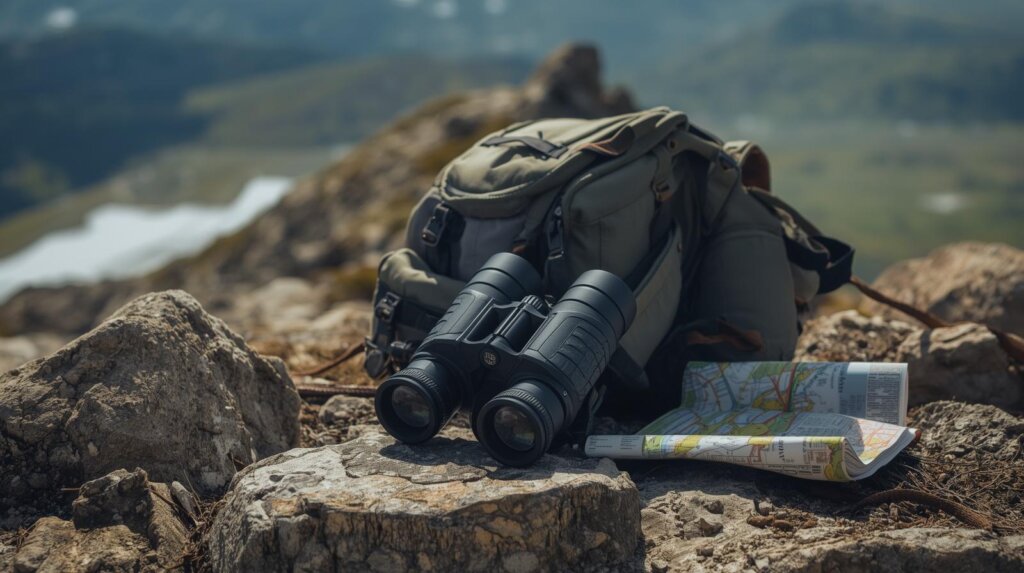
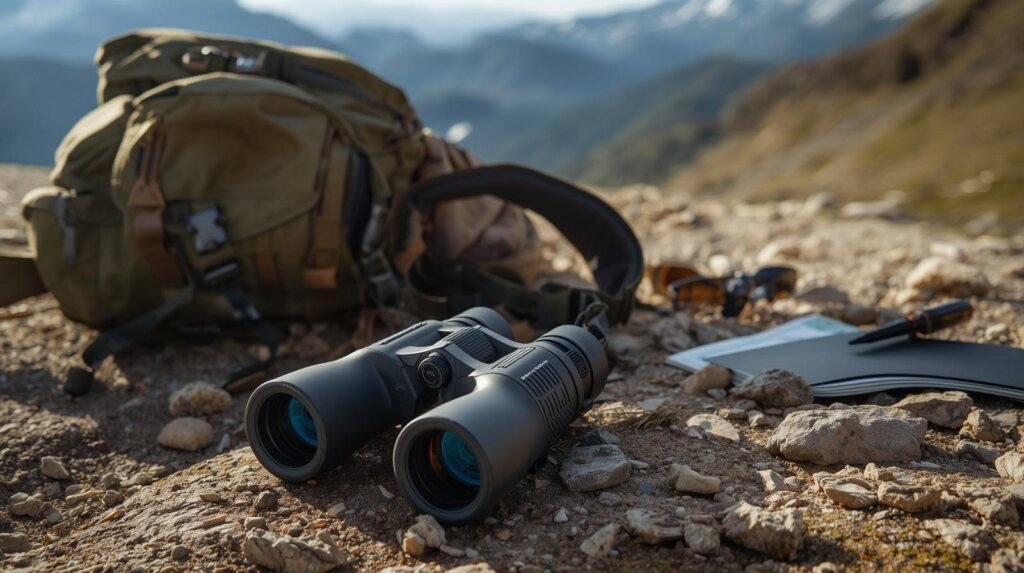
Why Hiking Binoculars Under $200 Should Be Light, Tough, and Easy to Carry
You do not need “pro” binoculars for hiking. You need binoculars that make sense on a trail.
That usually means something lighter than a brick, tough enough for dust and bumps, bright enough for tree cover and open ridgelines, and easy to focus when you stop for five seconds to check a far-off rock face, trail marker, or distant ridge. The best binoculars under $200 for hiking are not always the most powerful pair on paper. They are the ones you will actually carry from the trailhead to the last mile without regretting it.
A lot of hikers make the same mistake: they buy the biggest binoculars they can afford, then leave them at home on the next trip. On a hike, comfort matters just as much as optical quality. Weight, grip, balance, weather resistance, and how fast you can bring them to your eyes all matter in real use.
If you are still narrowing down the overall value picks in this price range, start with our main guide to the best binoculars under $200. If your priority is trail use specifically, this guide is the one to read first.
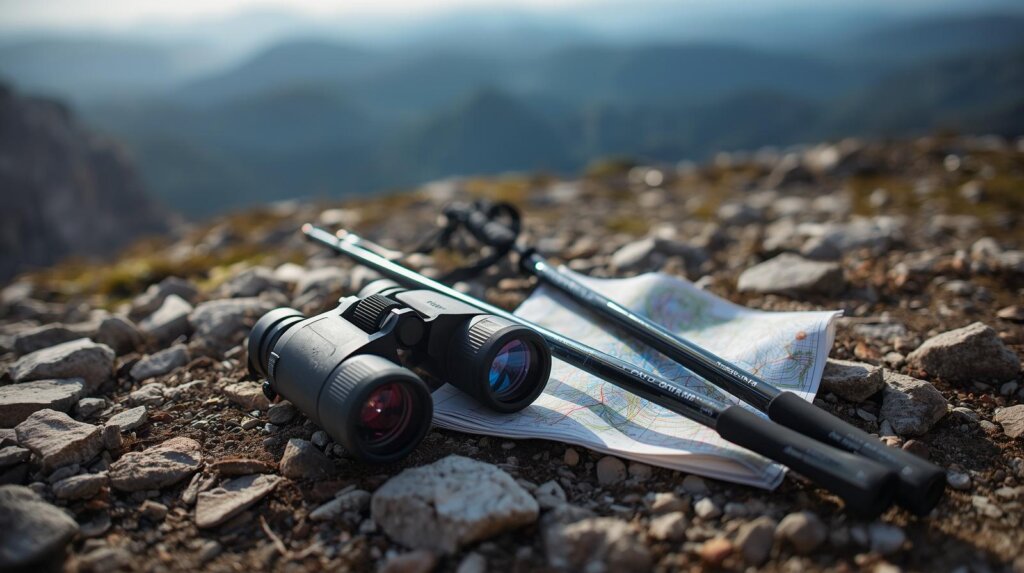
What Makes Binoculars Good for Hiking?
Hiking binoculars live in a different world than backyard binoculars.
At home, a heavier pair is fine. On a trail, every extra ounce becomes a little tax on your neck, chest, or backpack. That is why the best hiking binoculars under $200 usually sit in the sweet spot between compact and usable.
Here is what matters most:
1. Weight you can live with
For hiking, lighter is usually better, but too small is not always ideal. Tiny compact binoculars can save weight, but many sacrifice low-light performance and eye comfort. A hiking-friendly range is often around 20 to 25 ounces for a full-size pair, or less for a compact model if the optics are still solid.
2. Magnification that works on a moving body
A lot of people assume more magnification is better. On a hike, that is not always true. 8x binoculars are often easier to hold steady when you are breathing hard after an uphill climb. 10x binoculars give you more reach, but they amplify hand shake too.
For most hikers, 8×42 is the easiest all-around format. For wide views, trail scanning, and less eye strain, it is hard to beat.
3. Enough light for shaded trails
Hiking is not always bright alpine sunshine. Forest cover, cloudy ridges, late afternoon descents, and canyon shade all change how a binocular feels. Objective lens size matters here. A 42mm lens gathers more light than a 25mm compact. That makes a big difference when the trail dips into darker sections.
4. Waterproofing is not optional
Even if you do not hike in storms, moisture happens. Morning mist, sweat, light rain, stream crossings, and temperature shifts can all mess with a cheaper unsealed pair. A waterproof, fogproof binocular is the safer buy for hiking.
5. Fast, simple focusing
On the trail, you are not setting up for a long viewing session every time. You stop, look, refocus, move on. A smooth focus wheel and decent depth of field make a huge difference in how enjoyable the binocular feels.
Best overall pick: Nikon Prostaff P3 8×42
If I had to recommend just one model to most hikers in this budget, it would be the Nikon Prostaff P3 8×42.
This is the kind of binocular that makes sense the moment you use it outdoors. It is not trying to impress with crazy specs. It just gets the basics right for hiking: manageable weight, reliable build, good brightness, easy handling, and a wide enough view to feel natural when scanning landscapes or spotting something off-trail.
For day hikes, national park trips, weekend treks, and casual wildlife spotting from overlooks, it hits the value sweet spot better than most sub-$200 options.
Why it works so well for hiking
The 8×42 setup gives you a calm, easy image. You can raise it quickly, find what you want, and keep the view steady without fighting the binocular. On a windy ridge or after a steep climb, that matters more than people think.
The Prostaff P3 also feels trail-friendly in the hand. It is not overly bulky, and the ergonomics are good enough that you do not feel like you are wrestling with the binocular every time you stop. That makes it more likely you will actually use it.
Pros
- Excellent balance of brightness and portability
- 8x magnification is steady and forgiving
- Waterproof and fogproof for real trail use
- Comfortable for longer glassing sessions
- Strong value for hikers who want one do-it-all pair
Cons
- Not as compact as 8×25 or 10×25 travel binoculars
- Edge sharpness is good, not premium-level
- Chest carry is better than neck carry on longer hikes
If you prefer more magnification for long-distance views, read our breakdown of the best 10×42 binoculars under $200. But for most hiking situations, I still lean 8×42.
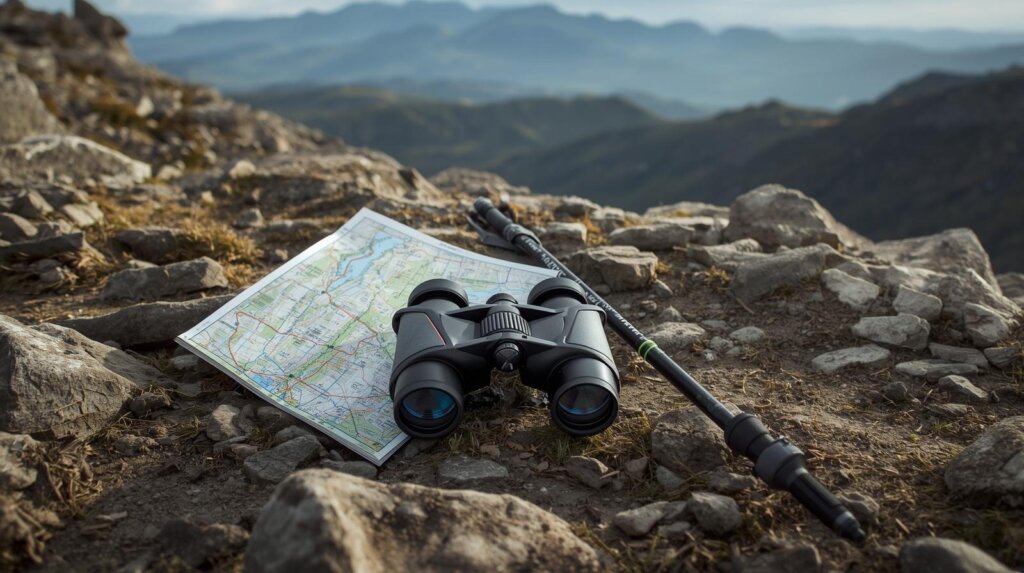
8×42 vs 10×42 for hiking
This is where a lot of buyers get stuck.
On paper, 10×42 sounds better because it brings things closer. In real hiking use, it depends on how you hike.
Choose 8×42 if:
- You hike longer distances and care about comfort
- You often stop briefly instead of glassing for long periods
- You want a wider field of view
- You hike in forests, mixed terrain, or rolling hills
- You want an easier, more relaxed view
Choose 10×42 if:
- You spend time on open ridgelines or desert trails
- You like spotting distant landmarks or terrain features
- You are comfortable holding binoculars steady
- You do more scenic observation than quick scanning
For many hikers, 8×42 simply feels easier. Less shake, less visual fuss, less frustration. That often leads to more real use on the trail.
If your trips mix hiking with city breaks, transit, and general sightseeing, our guide to the best binoculars under $200 for travel may help you decide whether a smaller format fits your style better.
Full-size hiking binoculars vs compact hiking binoculars
There is no universal winner here. It comes down to how serious you are about views versus how strict you are about pack weight.
| Type | Best For | Main Advantage | Main Trade-Off |
|---|---|---|---|
| 8×42 / 10×42 full-size | Most day hikers, scenic trails, mixed terrain | Better brightness, easier viewing, stronger all-around performance | Heavier and bulkier |
| 8×32 | Fast-and-light hiking, travel-hiking mix | Good middle ground between size and image quality | Less low-light performance than 42mm |
| 8×25 / 10×25 compact | Ultralight hiking, backup carry, occasional use | Very portable and easy to stash | Smaller image, less comfort, weaker in shade |
My honest take? If binoculars are part of the reason you hike, go with a quality 8×42. If binoculars are more of a “nice to have” item and you care most about saving space, then a compact model makes sense.
A lot of people buy compact binoculars because they look convenient. Then they realize the image feels dim and the view is less immersive than expected. That is why full-size models still dominate serious hiking recommendations, even under $200.
Real hiking scenarios: what works best?
Forest trail hiking
In wooded areas, brightness and ease of use matter more than long-distance power. An 8×42 works beautifully here. You are often viewing through gaps in trees, under changing light, and at moderate distances. A steady image beats extra magnification.
Mountain viewpoint hikes
This is where people get tempted by 10x binoculars, and sometimes that is fair. If you regularly hike exposed routes with big open views, 10×42 can be rewarding. But if you mostly stop for short scenic checks, 8×42 still feels more relaxed.
National park day hikes
For mixed trail conditions, casual wildlife spotting, scenic overlooks, and easy carry, 8×42 is the safest recommendation. It is versatile without being fussy.
Ultralight or long-distance hikes
If every ounce matters, a compact binocular or 8×32 can be the smarter trail companion. Just go in knowing that you are trading some brightness and comfort for pack efficiency.
Buyer tips that actually matter on the trail
Use a chest harness, not the basic neck strap
This is one of the easiest upgrades you can make. A chest harness keeps the binocular stable while you walk and stops that annoying bounce against your chest. It also makes a slightly heavier binocular far more comfortable on longer hikes.
Do not chase magnification first
A shaky 10x view is not better than a stable 8x view. New buyers often learn this the hard way.
Check close focus if you enjoy trail details
Not every hiker is only looking at distant ridges. Some people also enjoy viewing flowers, rock textures, signs, or nearby trail features. A decent close focus distance makes the binocular more versatile.
Eye relief matters if you wear glasses
This gets ignored way too often. If you wear glasses on the trail, look for binoculars with enough eye relief and comfortable twist-up eyecups. Otherwise, even a good binocular can become annoying fast.
Weather sealing is worth paying for
A non-waterproof bargain pair may look like a deal until the first damp morning or sudden weather shift.
Common mistakes hikers make when buying binoculars
Buying the heaviest “best deal”
A big, bright binocular can seem like amazing value until you carry it for six miles uphill. Hiking gear is not judged in a product photo. It is judged on mile four.
Going too small just to save weight
Super-compact binoculars are easy to pack, but some are frustrating to use for more than a quick glance. If image comfort matters to you, do not go too tiny without accepting the trade-off.
Ignoring grip and handling
A binocular can have decent optics and still feel awkward in the hand. On a hike, fast handling matters. If it feels clumsy, you will use it less.
Expecting one binocular to be perfect for every job
Travel, birding, hiking, stadium use, and backpacking can overlap, but not perfectly. It is okay to choose the binocular that best fits your main use case instead of trying to win every category at once.
Who should buy the Nikon Prostaff P3 8×42?
This binocular makes the most sense for:
- Hikers who want one reliable all-around pair under $200
- National park travelers who hike and sightsee
- Beginners who want better-than-entry-level performance
- People who value ease of use more than spec-chasing
- Buyers who want trail-ready optics without jumping into premium pricing
It is not the best fit for:
- Ultralight hikers trying to cut every ounce
- Users who only want a pocket-size binocular
- People who mainly glass at long range from open terrain and strongly prefer 10x
How to choose the best binoculars under $200 for hiking without overthinking it
If you want the simple version, here it is:
Choose 8×42 if you want the safest all-around hiking option.
Choose 10×42 if you mainly hike open terrain and want more reach.
Choose 8×32 or compact if cutting weight matters more than optical comfort.
That is really the core of it.
Most hikers do not need a huge comparison spreadsheet. They need a binocular that fits their trail style. If your hikes are varied, your weather is unpredictable, and you want one pair that feels dependable almost everywhere, 8×42 remains the best answer for most people shopping under $200.
For more help choosing the right pair, explore our latest binocular guides for practical buying tips, trail advice, and budget-friendly recommendations. You can also return to the home page to browse the full binocular guide collection.
Final verdict
The best binoculars under $200 for hiking are the ones that work with how people actually hike, not how they shop online.
That is why the Nikon Prostaff P3 8×42 stands out. It is practical. It is comfortable enough to carry. It is bright enough for real trail conditions. And it avoids the two most common hiking binocular mistakes: being too bulky to enjoy or too small to be satisfying.
If you want a hiking binocular that feels like the smart choice rather than the flashy one, this is where I would start. Before you decide, compare it with our full guide to the best binoculars under $200 so you can see how it stacks up against other strong budget options.
FAQs about the best binoculars under $200 for hiking
Are 10x binoculars too shaky for hiking?
Not always, but they are less forgiving than 8x. If you often stop after steep climbs or want quick handheld views, 8x is usually easier to manage.
Is 8×42 better than 10×42 for hiking?
For most hikers, yes. It is usually steadier, wider, and more comfortable for mixed trail use. 10×42 is better when you regularly view distant terrain in open country.
Are compact binoculars good enough for hiking?
They can be, especially for ultralight hikers or casual users. But most compact models feel less bright and less comfortable than a good 8×42, especially in shaded conditions.
What is the best magnification for hiking binoculars?
8x is the best all-around choice for most people. It balances reach, steadiness, and field of view better than higher magnification options for trail use.
Do hiking binoculars need to be waterproof?
Yes, ideally. Hiking exposes gear to moisture, fog, sweat, and sudden weather changes. Waterproof and fogproof binoculars are the safer long-term choice.
Is a chest harness worth it for hiking binoculars?
Absolutely. It reduces bounce, improves comfort, and keeps the binocular accessible without swinging around while you walk.




