
What Causes Binoculars to Fog Up Inside?
You can ignore a little haze on the outside of your binoculars for a minute or two. That is ordinary condensation. But when you notice the fog is inside the optics, the story changes.
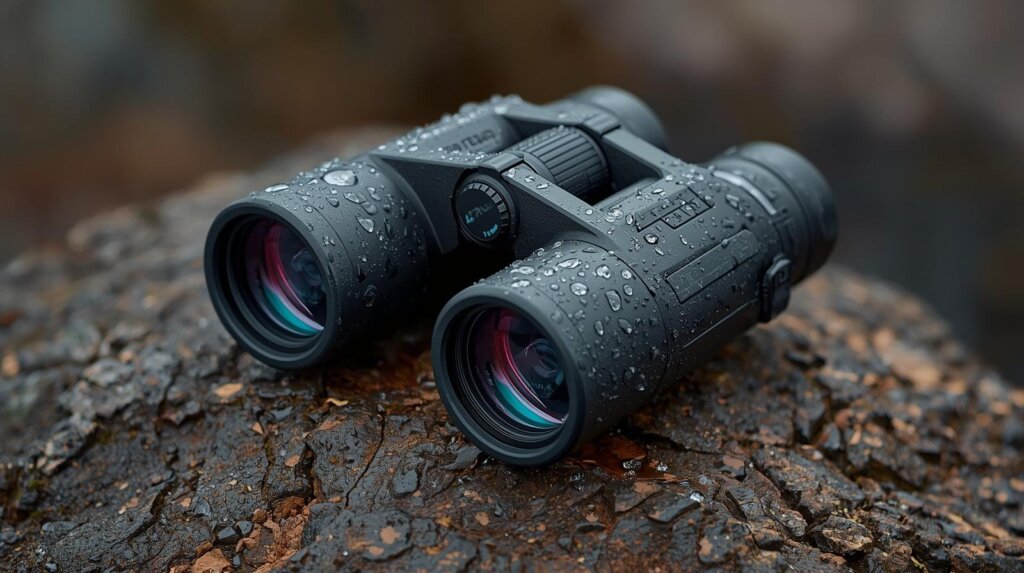
That kind of mist usually means moisture has made its way into the optical housing, or the dry sealed environment inside the binocular is no longer doing its job. Fogproof binoculars are typically built with O-ring seals and dry gas purging specifically to prevent internal condensation, so when binoculars fog up inside, it is often a sign that the sealing system has weakened, failed, or been compromised over time.
This is exactly why the question “why do binoculars fog up inside” matters so much. People usually search it after one bad surprise: a hunting morning ruined by cloudy barrels, a birding walk where one eyepiece never clears, or an old pair pulled from storage that suddenly looks milky from within.
And here is the honest answer: internal fogging is not just annoying. It is usually a warning sign.
What “Fogging Up Inside” Actually Means
When people say their binoculars are fogging, they are often describing two very different problems.
External fog is common. Internal fog is not.
External fog happens when warm moist air meets a cooler lens surface. Think of stepping out of an air-conditioned car into humid summer air, or coming back indoors with cold optics. The lenses cloud over, then clear once temperatures equalize.
Internal fogging is different. The haze appears behind the outer lens surface or inside the eyepiece area, and it often lingers much longer. Persistent internal fogging usually points to a seal or moisture problem, and it often cannot be fully solved with casual at-home cleaning.
Why inside fogging matters more
In real use, inside fogging does three things fast:
- reduces contrast
- softens fine detail
- kills confidence in the field
That is why experienced users treat internal moisture very differently from ordinary outside dew. Outside fog is a weather event. Inside fog is an equipment issue.
Common Reasons Binoculars Fog Up Inside
There is rarely one dramatic reason. Usually, it is a slow combination of age, storage habits, weather exposure, and build quality.
1. The seals are no longer doing their job
This is the big one.
Modern fogproof binoculars rely on sealed construction and dry gas filling to keep internal air moisture-free. If those seals weaken, crack, or shift after impact or age, humid air can enter the body and condense when temperatures change. That is why many fogproof models specifically advertise gas purging and O-ring sealing as key protection against internal fogging.
In plain English: your binocular body is no longer as protected as it used to be.
2. Big temperature swings trigger the problem
This catches people all the time.
A binocular stored in a cool room, then taken into humid dawn air, can experience sudden condensation pressure. If the inside is properly sealed, no problem. If the seal is compromised, moisture gets a chance to show itself.
This is why some users only notice internal fogging during:
- winter-to-indoor transitions
- early morning birding
- rainy hikes
- marine use
- mountain trips with quick weather changes
3. Moisture was trapped after use
One of the most common mistakes is putting binoculars away damp.
Not soaked. Just damp enough.
A little mist on the armor, moisture around the eyecups, light rain around the focus wheel, then straight into a zipped case or car compartment. Over time, repeated exposure like that can worsen whatever tiny weakness already exists.
4. Older or cheaper binoculars are more vulnerable
This is not snobbery. It is market reality.
Entry-level binoculars can be perfectly usable, but many budget models are only “weather-resistant” rather than truly waterproof and fogproof. That matters. If you use binoculars in humidity, hunting blinds, coastal air, or cold mornings, the difference shows up over time.
Real-World Situations Where Internal Fogging Shows Up
This is where the keyword becomes more than a technical question.
The dawn field problem
You leave the house before sunrise. The binoculars were in a cool room overnight. The air outside feels wet. Ten minutes into glassing, the image looks veiled. You wipe the outer lenses, but the fog stays.
That is classic “why do binoculars fog up inside” territory.
The rainy hike mistake
You finish a walk in drizzle, wipe the barrels casually with your sleeve, cap them, then toss them into the bag. Two days later, one side looks cloudy. Not dirty. Cloudy.
That often means moisture found its way deeper than expected.
The car-storage trap
Hot car by day, cool night by evening, repeat for weeks. Binoculars hate that cycle. Adhesives, seals, grease, and internal air stability all suffer. I have seen more mystery haze come from bad storage than hard use.
How to Tell If the Fog Is Really Inside
People misdiagnose this all the time, so here is the simplest way to judge it.
Quick comparison: outside fog vs inside fog
| Sign | Outside Lens Fog | Inside Binocular Fog |
|---|---|---|
| Clears after wiping | Usually yes | No |
| Changes shape when wiped | Yes | No |
| Disappears after a few minutes | Often | Sometimes not |
| Looks behind the glass | No | Yes |
| Suggests seal/moisture issue | No | Often yes |
Use the flashlight test carefully
Shine a small light through the objective lens at an angle in a dark room. If you see a diffuse haze that seems suspended inside, that is different from surface smudging.
Do not overdo this test and panic over every dust speck. A few internal particles are normal in older optics. A soft cloudy veil is not.
Watch how long it lasts
Outside condensation usually behaves honestly. It appears, then fades.
Inside fogging often hangs around longer, especially in one barrel or one eyepiece. That inconsistency is the giveaway.
What You Should Do If Your Binoculars Fog Up Inside
This is the part most articles either oversimplify or dramatize. The truth sits in the middle.
First, stop making it worse
If you suspect internal moisture:
- keep the binoculars in a dry indoor room
- remove the case if it feels damp
- let the binocular acclimate naturally
- keep lens caps off for a while in a clean, dry environment
Do not rush them from cold to hot, or wet to sealed storage.
What not to do
Do not blast the binoculars with a hairdryer, place them near direct heat, or start unscrewing optics because a forum comment made it sound easy. Direct heat can damage seals, adhesives, and rubber armor, so avoid hairdryers, heaters, and strong sunlight.
Rice is also one of those internet fixes that sounds clever and rarely deserves the confidence people give it. If you want a moisture-absorbing step, silica gel or a proper dry box makes more sense than kitchen hacks.
When professional service is worth it
Professional servicing makes sense when:
- the fog keeps returning
- one barrel is noticeably worse
- image clarity has dropped
- the binocular has decent resale or replacement value
- the model was expensive enough to justify resealing
If the binocular is very cheap, very old, or poorly made, repair may cost more than replacement makes sense.

Can Internal Fogging Be Fixed at Home?
Sometimes reduced, rarely solved.
That is the blunt version.
If moisture is minor and recent, a controlled dry environment may improve the appearance temporarily. But if the underlying seal is compromised, the fog usually comes back. That is why internal condensation is less of a cleaning problem and more of a structural one.
Repair vs replace: the practical call
| Option | Best For | Downsides |
|---|---|---|
| Dry storage and monitoring | Mild, recent haze | May be temporary |
| Professional repair | Mid-range to premium binoculars | Cost and turnaround time |
| Full replacement | Old, budget, repeatedly fogging pair | Higher upfront spend |
My opinion? If your binoculars are central to hunting, birding, marine use, or travel, repeated internal fogging is one of the clearest signs it is time to upgrade.
What to Look for If You’re Replacing a Fog-Prone Pair
This is where buyers often repeat the same mistake.
They replace a bad binocular with another cheap “good enough” pair, then end up back on the same search six months later asking why do binoculars fog up inside.
Prioritize true fogproof construction
Look for three words together:
- waterproof
- O-ring sealed
- nitrogen- or argon-purged
Those features are not marketing fluff when internal moisture is your pain point. They are the whole reason fogproof binoculars exist. Fogproof binoculars usually work by sealing the body and replacing moisture-bearing internal air with dry nitrogen or argon gas.
One relevant product that actually fits this problem
If you are replacing a pair that keeps fogging internally, a model like the Vortex Triumph HD 10×42 makes sense because the official product details describe it as nitrogen gas purged and O-ring sealed for fogproof and waterproof performance. That directly addresses the failure point behind internal fogging.
I would not force a product into every section of this article, because this problem is less about accessorizing and more about avoiding the wrong construction.
Buyer mistakes to avoid
- choosing “weather-resistant” when you really need sealed optics
- storing binoculars in a damp case after use
- assuming anti-fog wipes fix internal moisture
- ignoring one-barrel fog because “it cleared once”
- buying on magnification alone instead of build integrity
Habits That Help Prevent Internal Fogging
You cannot make a poorly sealed binocular perfect, but you can absolutely reduce the odds of trouble.
Let your binoculars acclimate
Moving optics gradually between temperature zones helps more than people think. Fast transitions are hard on any weak seal.
Dry them before storage
Not a quick sleeve wipe. Actually dry them.
Leave them out in a clean room for a bit after humid use. Then store them in a dry place, ideally with silica gel nearby.
Respect the case
A case protects against impact, not moisture. If the binocular went in damp, the case becomes a little humidity chamber.
For broader prevention, start with our full guide on how to stop binoculars from fogging. For outdoor-specific habits, read how to prevent lens fogging outdoors. And if your binoculars are already hazy, our guide on how to defog binocular lenses explains the safer next steps.
Internal Fogging vs Other Binocular Problems
Sometimes people say “fog” when they mean something else.
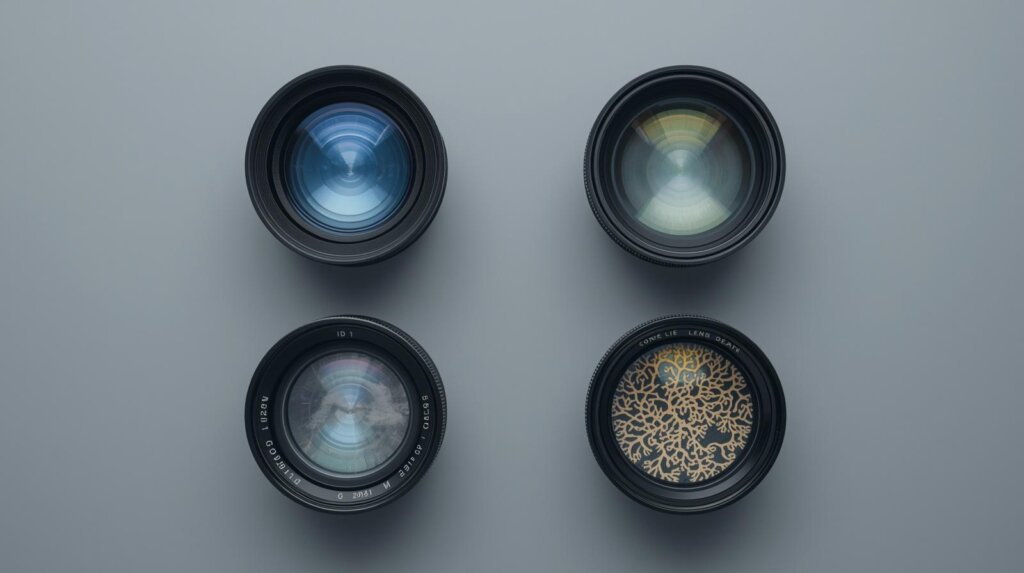
| Problem | What It Looks Like | Typical Cause |
|---|---|---|
| Internal fogging | soft haze inside, often persistent | moisture ingress or seal failure |
| External condensation | surface mist that wipes away | temperature difference |
| Dirty lenses | smears, fingerprints, dust | handling and poor cleaning |
| Fungus | threadlike or patchy growth patterns | long-term moisture and poor storage |
| Coating damage | blotchy glare or patchy reflections | harsh cleaning or wear |
If the binocular has been damp for a long time and the view looks strange even after the haze fades, fungus becomes a real concern. That is another reason not to ignore recurring internal moisture.
Final Thoughts
If you searched why do binoculars fog up inside, the most important thing to understand is this: internal fogging is usually not random bad luck. It is often your binocular telling you that moisture has crossed a line it should never have crossed.
Sometimes the fix is better storage. Sometimes it is professional service. And sometimes the smartest move is replacing a fog-prone pair with a properly sealed, fogproof model before it fails during a trip that actually matters.
For more helpful binocular care tips, check out the latest articles on the Best Binocular blog, visit our tips page for practical optics advice, or return to the homepage to explore the full binocular guide collection.
FAQs
Why do binoculars fog up inside but not outside?
Because the moisture is trapped within the optical housing rather than sitting on the surface. That usually points to compromised sealing or internal humidity rather than normal outside condensation.
Can binoculars fog up inside after being dropped?
Yes. A hard knock can weaken seals even if the binocular still looks fine from the outside. Sometimes the fogging shows up later, not immediately.
Will anti-fog spray fix internal binocular fogging?
No. Anti-fog sprays and wipes only work on accessible outer surfaces. They do not solve moisture trapped inside the binocular body.
Is internal fogging a warranty issue?
Sometimes. If the binocular is sold as waterproof or fogproof, recurring internal condensation may fall under service or warranty coverage, depending on brand terms and condition.
Should I keep using binoculars that fog up inside?
You can, but image quality usually worsens and the underlying issue often continues. If you depend on the binocular regularly, this is not a problem I would ignore.
Are nitrogen-purged binoculars worth it?
Yes, especially if you use binoculars in humidity, cold mornings, rain, coastal air, or changing temperatures. They are built specifically to reduce the internal moisture problem behind this article’s keyword.
How can I prevent binoculars from fogging up inside?
To reduce the risk of internal fogging, avoid exposing binoculars to sudden temperature changes, keep them dry, and store them in a cool, low-humidity place. Waterproof and nitrogen-purged binoculars offer better protection against moisture entering the optical housing.




