
Getting into binoculars feels simple… until you actually try to choose one and realize half the internet is either overselling junk or drowning you in specs that read like a physics exam.
If you’ve been circling around Celestron, you’re asking the right question:
are Celestron binoculars good, or just “good for the price”?
Short answer?
They’re good. Sometimes very good. But not universally perfect, and definitely not for everyone.
This guide breaks it down the way real buyers actually think, so you can decide for yourself whether Celestron binoculars are actually good for your needs:
- Where Celestron wins
- Where it falls short
- Which models are genuinely worth it
- And who should avoid them entirely
No fluff. No spec-dumping. Just what matters in real use.
What Celestron Binoculars Are Actually Known For
Celestron didn’t build its reputation chasing luxury optics. They built it by doing something far more practical:
making usable, affordable optics that don’t feel disposable.
That’s why you’ll constantly see their two main series come up:
- Nature DX → Entry-to-mid level all-rounders
- SkyMaster → Budget-friendly large binoculars for astronomy
If you want the full breakdown of how their lineup fits together:
👉 Celestron Binoculars (Ultimate Buying Guide 2026)
Real-World Performance: Where Celestron Actually Delivers
1. Everyday Use (Nature DX Series)
This is where most people land.
Take something like the Nature DX 8×42. On paper, it’s just another mid-range binocular. In real use:
- You get a bright image even at dusk
- The grip doesn’t feel slippery or cheap
- Focus wheel is smooth enough for quick adjustments
It’s the kind of binocular you can:
- Keep in your car
- Take on a trip
- Use casually without “babying” it
Not luxury. But not frustrating either.
2. Stargazing (SkyMaster Series)
Now here’s where things get interesting.
The SkyMaster series isn’t pretending to be premium astronomy gear. It’s doing something smarter:
making large-aperture binoculars accessible.
What that means in real life:
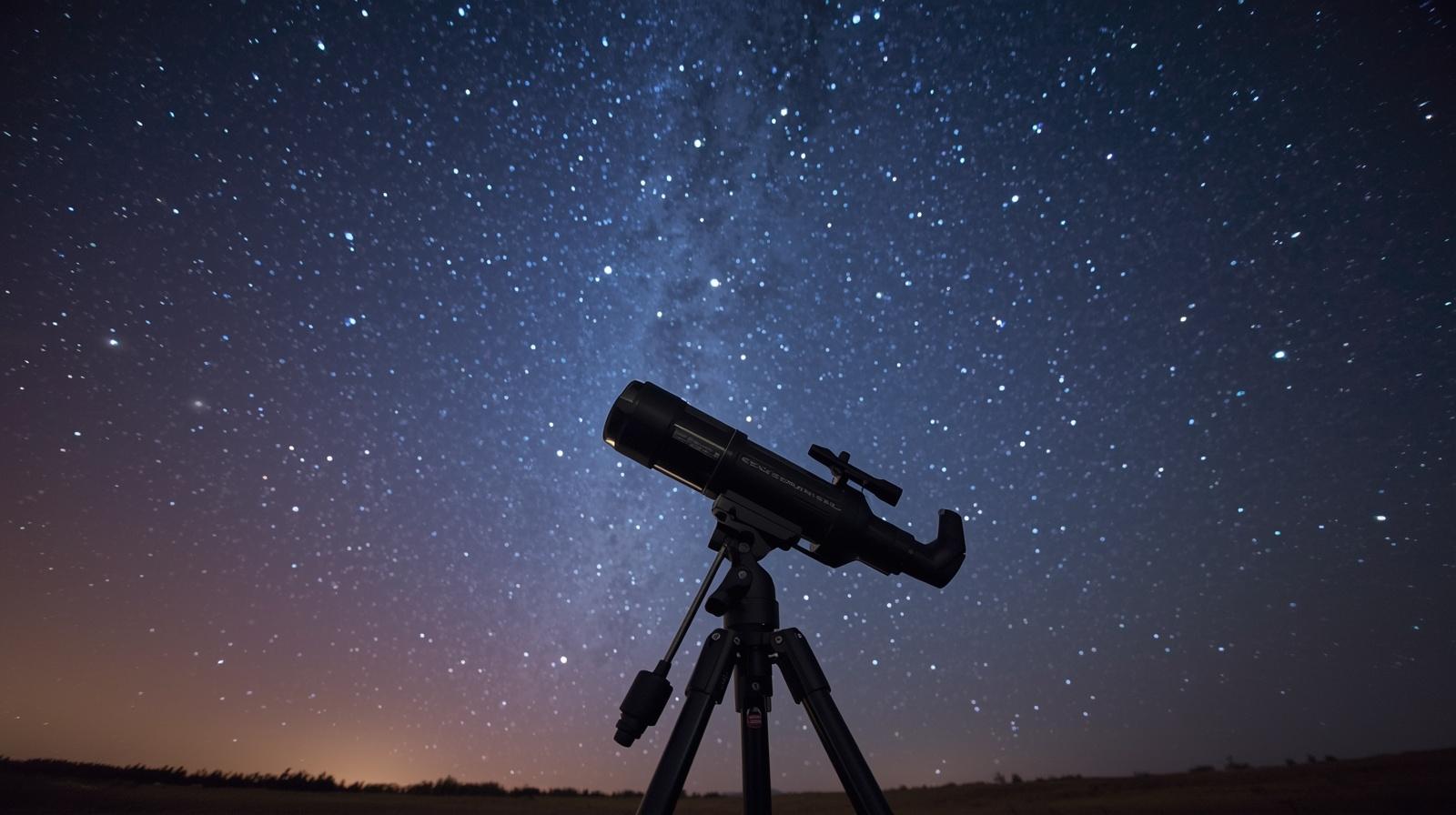
- You can see the moon in detail
- Star clusters actually look like clusters, not faint dots
- You get that “wow” moment without buying a telescope
But there’s a catch:
These are big and heavy.
You’re not casually holding 25×70 binoculars for 20 minutes unless you enjoy arm pain.
If you’re serious about stargazing:
👉 Best Celestron Binoculars for Stargazing (2026 Guide)
Honest Pros of Celestron Binoculars
✔️ Strong Value for Money
This is their biggest strength.
You’re not paying for branding. You’re paying for:
- Functional optics
- Durable build
- Decent coatings
For beginners or casual users, that’s exactly what matters.
✔️ Beginner-Friendly Without Feeling Cheap
A lot of budget binoculars feel like toys.
Celestron avoids that. Even entry models:
- Have decent weight
- Don’t rattle
- Actually hold alignment
✔️ Wide Range of Options
You’re not locked into one style.
- Compact → travel
- Mid-size → birding/hiking
- Large → astronomy
You can stay within one brand as your needs evolve.
✔️ Good Low-Light Performance (For the Price)
Models like Nature DX punch above their weight in:
- Early morning
- Late evening
- Cloudy conditions
No, it’s not premium clarity. But it’s usable. Which matters more.
The Cons No One Likes Talking About
❌ Not Premium Optical Clarity
Let’s be honest.
If you compare Celestron to higher-end brands:
- Edge sharpness drops
- Contrast isn’t as crisp
- Color accuracy can feel slightly muted
For casual users, it’s fine. For perfectionists, it’s noticeable.
❌ Build Quality Varies by Model
Not all Celestron binoculars are equal.
Lower-end models can:
- Feel plasticky
- Have less precise focus
- Show minor quality inconsistencies
You get what you pay for. Shocking, I know.
❌ SkyMaster Models Need Support
They’re big. Really big.
Without a tripod:
- Image shake ruins detail
- Long sessions become uncomfortable
So factor in extra gear if you go that route.
❌ Not Built for Hardcore Professionals
If you’re:
- A serious wildlife observer
- A dedicated birder
- A perfectionist with optics
You’ll eventually outgrow them.
Quick Comparison: Nature DX vs SkyMaster
| Feature | Nature DX | SkyMaster |
|---|---|---|
| Use Case | General outdoor use | Astronomy |
| Size | Compact to mid-size | Large |
| Portability | Easy | Low |
| Tripod Needed | No | Yes (recommended) |
| Image Type | Balanced | Light-gathering |
| Best For | Beginners & casual users | Night sky viewing |
Real Use Cases (Where They Actually Make Sense)
Scenario 1: Weekend Traveler
You want something versatile.
Pick: Nature DX 8×42
- Lightweight
- Works for landscapes, birds, general use
Scenario 2: First-Time Stargazer
You want that “space is real” moment.
Pick: SkyMaster 15×70 or 20×80
- Bright night views
- Affordable entry into astronomy
Scenario 3: Casual Birdwatcher
You’re not writing a documentary.
Pick: Nature DX 10×42
- Enough magnification
- Stable enough for handheld use
Scenario 4: Budget-Conscious Buyer
You want something decent, not disposable.
Celestron is honestly one of the safest bets.
If budget is your main concern:
👉Celestron Binoculars Price Guide (2026): What You Should Expect to Pay
Recommended Pick (One That Actually Makes Sense)
If you just want one safe recommendation:
Celestron Nature DX 8×42
Why it works:
- Balanced magnification
- Good brightness
- Easy to carry
- Beginner-friendly without feeling limiting
It’s not exciting. But it’s reliable. Which is better.
Common Buying Mistakes (Please Avoid These)
Mistake 1: Chasing High Magnification
More zoom sounds better. It isn’t.
Higher magnification:
- Reduces stability
- Narrows field of view
For most people, 8x or 10x is ideal.
Mistake 2: Ignoring Weight
SkyMaster looks cool… until you hold it for 5 minutes.
Always check:
- Weight
- Intended use
Mistake 3: Expecting Premium at Budget Price
Celestron is good for the price.
It is not magic.
Mistake 4: Not Matching Binocular to Use Case
Birding ≠ Stargazing ≠ Travel
If you want clarity on choosing properly:
👉 How to Choose Celestron Binoculars (Step-by-Step Buyer’s Guide)
Celestron vs Other Brands (Quick Reality Check)
People often compare Celestron with Nikon.
Here’s the honest difference:
- Celestron: better value, wider range
- Nikon: better optics, higher consistency
If you want the full breakdown:
👉 Celestron vs Nikon Binoculars (2026): Which Brand Is Better?
Are Celestron Binoculars Good? Final Verdict
They’re good if:
- You’re a beginner
- You want value
- You care about practicality over perfection
They’re not ideal if:
- You demand premium optical performance
- You’re a serious enthusiast
- You want lifelong “endgame” binoculars
For most people?
They hit that sweet spot where things just… work.
What Most Reviews Won’t Tell You (But You’ll Notice Later)
A lot of content online treats binoculars like specs on paper. Real life doesn’t work like that.
The “5-Minute vs 30-Minute” Test
Almost any binocular feels decent for the first 5 minutes.
The real difference shows up after:
- your hands start to tire
- your eyes try to stay focused
- you keep adjusting focus again and again
This is where Celestron quietly does well.
The Nature DX, for example, doesn’t fatigue you quickly. The grip is comfortable, and the focus wheel doesn’t fight you every few seconds. That’s not exciting marketing material, but it’s exactly what makes people keep using them.
The “Do I Actually Use This?” Factor
Here’s the part people hate admitting:
Most binoculars don’t get used because they’re inconvenient.
Too heavy → stays at home
Too complex → stays in the case
Too fragile → you stop taking it outside
Celestron’s biggest advantage is that many of their models sit in that middle zone:
- usable
- portable
- not intimidating
That’s why beginners stick with them longer than expected.
The “Expectation Gap” Problem
This is where most disappointment happens.
People buy a $100–$150 binocular expecting:
- razor-sharp edges
- perfect color
- zero distortion
That’s not happening. Not with any brand.
What Celestron does instead is give you:
- a clear center image
- decent brightness
- acceptable edges
And for most real-world situations, that’s enough.
When Celestron Is Actually the Right Choice
Let’s simplify it.
Choose Celestron if:
- You’re starting out and don’t want to overspend
- You want something reliable for casual use
- You’re exploring hobbies like birding or stargazing
Avoid Celestron if:
- You’re chasing top-tier optical perfection
- You already know exactly what premium optics look like
- You’re upgrading from high-end gear
If you’re still figuring things out, this is exactly where you should be:
👉 Celestron Binoculars (Ultimate Buying Guide 2026)
A Quick Reality Check Before You Decide
You don’t need:
- the highest magnification
- the biggest lenses
- the most expensive option
You need something you’ll actually use.
That’s the entire game.
And now, since you’ve survived the practical reality section, here are the answers to the questions people usually Google at 2 AM before finally clicking “buy.”
FAQs
Are Celestron binoculars good for beginners?
Yes, they’re one of the best beginner-friendly brands because they balance affordability with usable performance. Models like Nature DX are especially easy to start with.
Are Celestron binoculars good for stargazing?
Yes, especially the SkyMaster series. They offer large objective lenses that gather more light, making them suitable for viewing the moon and star clusters.
How long do Celestron binoculars last?
With proper care, mid-range models can last several years. Higher-end models tend to hold up better over time.
Are Celestron binoculars better than Nikon?
Not exactly. Celestron offers better value, while Nikon generally provides superior optical clarity and consistency.
Which Celestron binoculars should I buy?
For general use, Nature DX 8×42 is a safe choice. For astronomy, SkyMaster 15×70 or higher is better.
Final Thought (Before You Overthink This)
Most people don’t need “the best binoculars.”
They need something:
- Clear enough
- Comfortable enough
- Reliable enough
Celestron delivers exactly that.
If you’re still comparing endlessly, congratulations, you’ve entered the classic “analysis paralysis” phase. Happens to everyone.
When you’re ready to actually decide:
👉 bestbinocular.net
That’s where you stop reading and start using.




