Buying Celestron binoculars gets confusing fast, not because the brand has too many bad options, but because the right model depends heavily on how you will actually use them. A pair that feels perfect on a forest trail can feel annoying under the night sky. And a model that looks great on paper can become a brick around your neck after 20 minutes outside.
That is why the smartest way to learn how to choose Celestron binoculars is not by price first. It is by use case, magnification, lens size, portability, and whether you are genuinely willing to use a tripod.
If you want the big-picture overview of the lineup first, start here:
👉 Celestron Binoculars (Ultimate Buying Guide 2026)
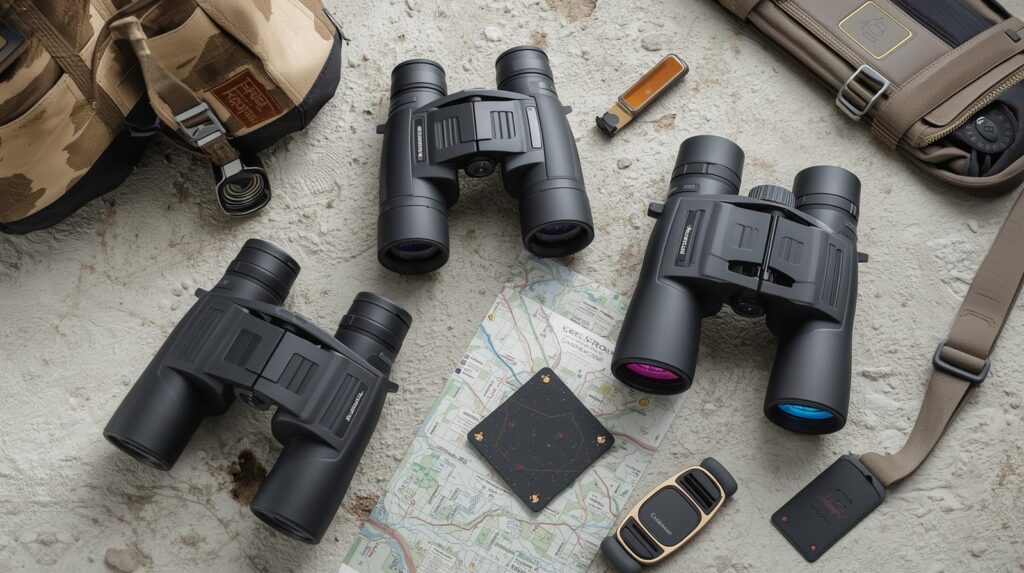
![how to choose Celestron binoculars buyer guide with Nature DX and SkyMaster models]](https://bestbinocular.net/wp-content/uploads/2026/04/how-to-choose-Celestron-binoculars-buyer-guide-with-Nature-DX-and-SkyMaster-models.jpg "how to choose Celestron binoculars buyer guide with Nature DX and SkyMaster models]")
How to Choose Celestron Binoculars for Your Main Viewing Style
The easiest way to understand how to choose Celestron binoculars is to start with your main viewing style instead of jumping straight into specs. If you mostly plan to use binoculars for hiking, birdwatching, travel, or general outdoor use, a lighter and more versatile option usually makes more sense. But if your main goal is stargazing or long-distance viewing from a fixed spot, you may need a larger model with stronger magnification and bigger objective lenses. This is where many buyers go wrong. They choose based on numbers alone, then realize the binocular feels too heavy, too shaky, or too limited for the way they actually use it.
Start Here: What Will You Use Them For Most?
Before you compare specs, answer this honestly:
What will these binoculars do 70% of the time?
That one answer usually points you toward the right Celestron series.
Choose Nature DX if your real life looks like this
Nature trails. Backyard birding. Hiking. Travel. General wildlife viewing. Occasional sports or scenic overlooks.
This is where Nature DX makes sense. The Nature DX 8×42 is waterproof, fully rubber armored, uses phase-coated BaK-4 prisms, fully multi-coated optics, and offers a close focus of 6.5 feet with 17.5 mm eye relief. Those are exactly the kinds of specs that matter when you are moving around, dealing with changing light, and occasionally looking at something close instead of far away.
Choose SkyMaster if your real life looks like this
Backyard astronomy. Moon viewing. scanning star fields. Looking across wide open terrain from a fixed spot. Watching ships, hillsides, or very distant targets from a tripod or stable support.
This is where the SkyMaster series starts to make more sense. The standard SkyMaster 15×70 and 25×70 both use large 70 mm objective lenses, multi-coated optics, and include tripod adapters. Celestron explicitly positions them for terrestrial or astronomical use.
That difference matters more than most buyers expect. A person shopping for “better zoom” often ends up with too much binocular for casual daytime use. That is one of the most common buying mistakes.
Step 1: Pick the Magnification You Can Actually Live With
This is where people get seduced by numbers.
A lot of buyers see 15x or 25x and assume it automatically means “better.” In real use, it often means heavier, shakier, narrower, and less forgiving unless you are set up properly.
8x: the easiest choice for most people
If this is your first decent pair of binoculars, 8x is usually the least frustrating place to start.
Why it works:
- easier to hold steady
- wider field of view
- faster to find birds or moving subjects
- less tiring over longer sessions
- more forgiving for beginners
That is a big reason the Nature DX 8×42 is such a safe buy for mixed outdoor use. It gives you enough reach without feeling twitchy or fussy. Its close focus also makes it more versatile than giant astronomy binoculars.
10x: more reach, slightly less comfort
10x can be great if you mostly watch open landscapes, shorelines, or larger wildlife and you already know you want a bit more reach.
But this is the first point where hand shake becomes more noticeable. For some people, 10x still feels fine. For others, it feels like the image never fully settles.
15x and above: only buy this if you mean it
This is the line where casual browsing turns into “equipment.”
A SkyMaster 15×70 can be fantastic for moon viewing, brighter deep-sky objects, and long-distance daytime viewing from a stable position. But it is not the pair I would hand to someone who just wants a grab-and-go binocular for walks. Celestron includes a tripod adapter for a reason.
A SkyMaster 25×70 pushes even further. You get more reach, but it becomes even less forgiving. This is much closer to a tripod-first binocular than an all-purpose one.
Step 2: Match Objective Lens Size to the Way You Observe
The second number in binocular specs matters just as much as the first.
In 8×42, the 42 means a 42 mm objective lens.
In 15×70, the 70 means a 70 mm objective lens.
Bigger objective lenses usually help with brightness, especially in low light, but they also make binoculars bulkier.
When 42 mm is the sweet spot
A 42 mm binocular is the classic middle ground for good reason.
It is large enough to feel capable in morning or late-day light, but still portable enough to carry without regretting it. That is why 8×42 models keep showing up as the default recommendation for birding and general outdoor use.
When 70 mm is the better tool
A 70 mm binocular starts making sense when low-light viewing and reach matter more than mobility. This is exactly why SkyMaster models appeal to stargazers and long-range viewers. Celestron describes both the 15×70 and 25×70 as offering maximum image brightness in low-light and long-range conditions.
That sounds exciting, and it is. But the trade-off is size, weight, and the reality that you probably will not want them hanging around your neck on a long trail.
Step 3: Decide Between Nature DX and SkyMaster
This is the fork in the road for most buyers.
| Series / Model | Best For | What It Feels Like in Real Use | Watch Out For |
|---|---|---|---|
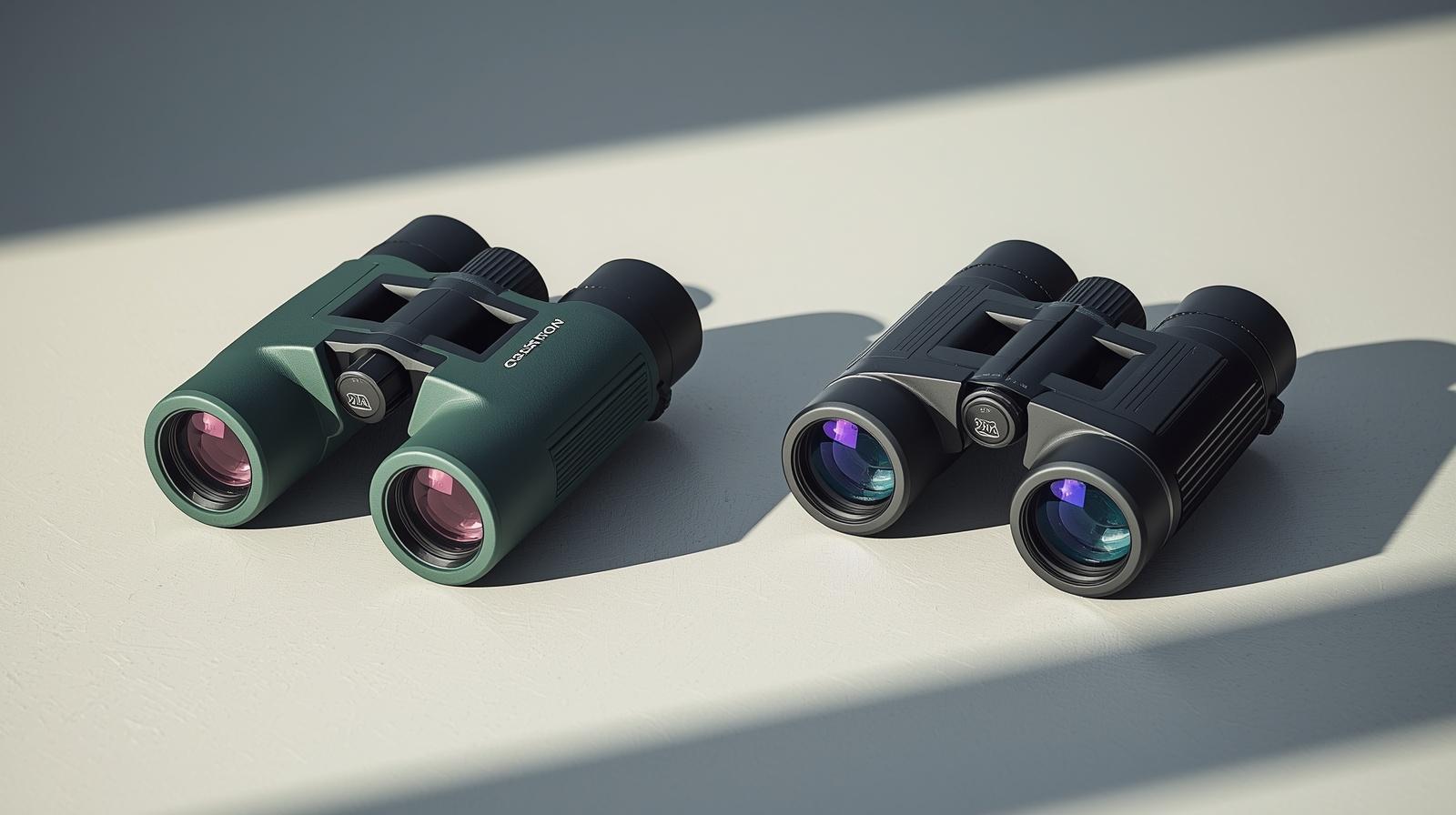
| Nature DX 8×42 | birding, hiking, travel, general outdoor use | balanced, easy to hold, versatile | not built for serious astronomy reach |
| Nature DX ED 8×42 | outdoor users who want a step up in image quality | cleaner, more refined choice for regular use | costs more than the base Nature DX |
| SkyMaster 15×70 | backyard astronomy, long-distance viewing from a fixed spot | immersive, bright, dramatic step up in reach | much less grab-and-go |
| SkyMaster 25×70 | sky-first buyers who want more magnification | impressive reach when stabilized | hand-held use is not realistic for most people |
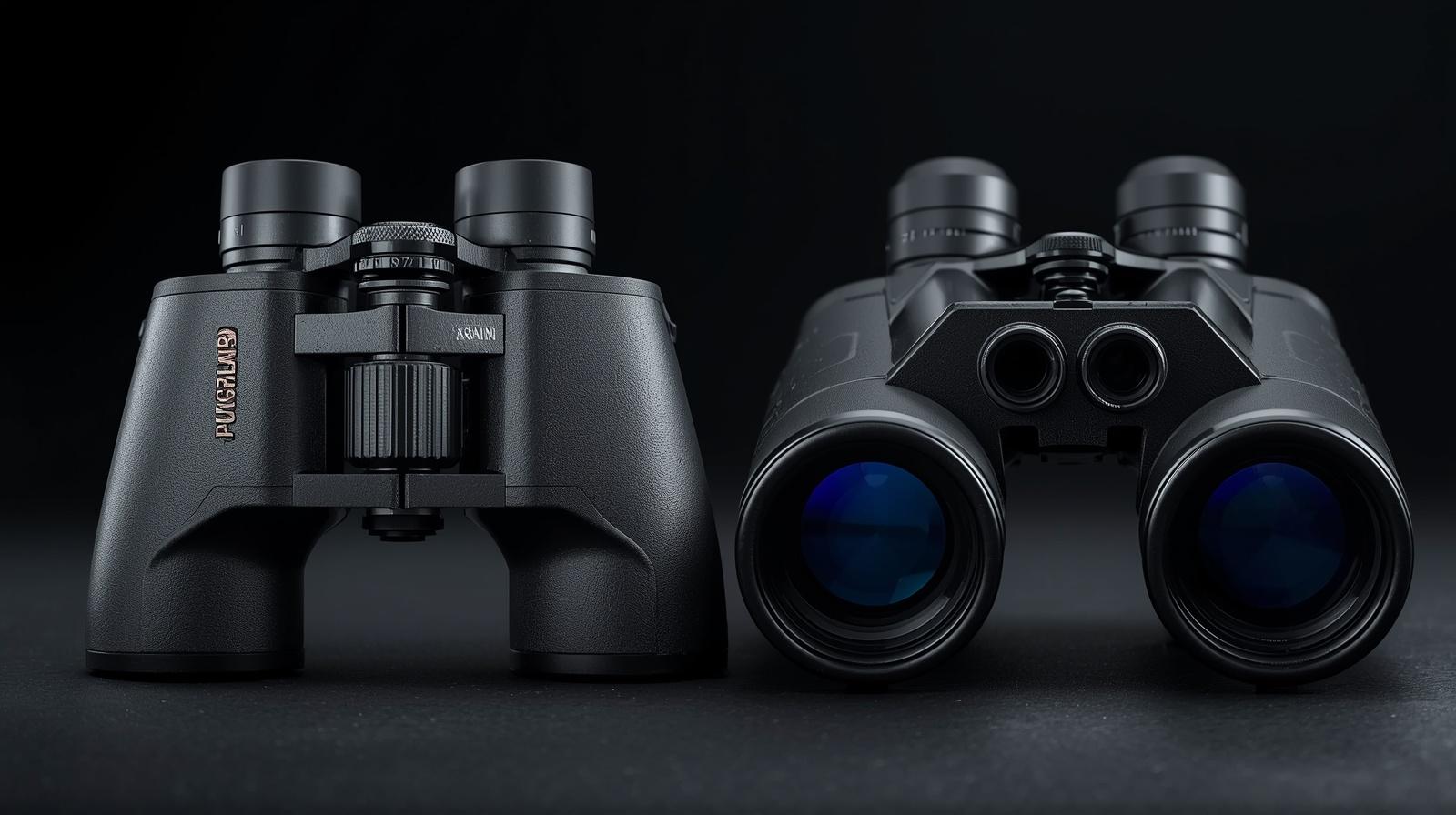
The logic behind that table is straightforward: Nature DX models are outdoor-friendly and close-focusing, while the SkyMaster line is built around large objective lenses and long-range or astronomical viewing. The Nature DX 8×42 is waterproof and close-focusing at 6.5 feet, while the SkyMaster 15×70 and 25×70 are large 70 mm models designed for terrestrial or astronomical viewing and include tripod adapters. The Nature DX ED 8×42 keeps the same 8×42 format and 6.5-foot close focus, but moves the buyer toward a more premium outdoor experience.
Step 4: Be Honest About Tripod Use
Here is the part people skip.
A lot of buyers say, “I can always add a tripod later.”
Then later never happens.
If you know you are not the kind of person who wants to set up a tripod, adjust it, and carry extra gear, do not romanticize giant binoculars. Buy something you will actually use often.
A good rule
- No tripod lifestyle? Stay closer to Nature DX territory.
- Happy to observe from a patio, deck, or fixed viewing spot? SkyMaster becomes a much better idea.
- Want astronomy, but better build and coatings? The SkyMaster Pro line is the upgrade path worth knowing about. Celestron says the SkyMaster Pro 15×70 uses better optics, coatings, internal parts, and housing materials than lower-priced large-aperture models, along with BaK-4 prisms, fully multi-coated optics, and XLT coating technology.
That last point matters if you are already sure your use case is serious stargazing and you do not want the cheapest giant binocular available.
For a sky-focused breakdown, go here:
👉 Best Celestron Binoculars for Stargazing (2026 Guide)
Step 5: Buy for Your Frustration Level, Not Just Your Dream Scenario
This is the buyer psychology part most reviews ignore.
You are not just buying optical specs. You are buying how much friction you are willing to tolerate.
Ask yourself:
- Do I want something I can pick up in 5 seconds and use immediately?
- Will I carry this on hikes or trips?
- Am I usually observing from one place?
- Do I want to scan the sky casually, or sit down and really observe?
- Do I wear glasses?
- Do I get annoyed by heavy gear?
If you hate friction, a simpler binocular often wins in the long run.
If you love setup, routine, and longer sessions, a more specialized model will feel rewarding instead of annoying.
My One Straightforward Recommendation for Most Buyers
If you want one Celestron model that makes sense for the largest number of people, I would start with the Celestron Nature DX 8×42.
Why this one?
- It is easier to live with than a giant astronomy binocular.
- It handles birding, travel, trail use, and backyard nature well.
- It is waterproof and rubber armored.
- It focuses close enough for nearby wildlife and detail work.
- It is more beginner-friendly than high-magnification SkyMaster models.
That does not mean it is the best Celestron binocular for every person. It means it is the best starting point for the average buyer who wants a genuinely useful pair instead of a spec-sheet fantasy.
If you are shopping for your first pair, this will help next:
👉 Best Celestron Binoculars for Beginners (2026 Complete Guide)
When SkyMaster Is the Better Buy
Now the other side of the story.
If your main goal is to look upward or far outward, the SkyMaster line becomes much more compelling.
Choose SkyMaster 15×70 if:
- you want your first real astronomy binocular
- you will observe from home or a fixed location
- you want stronger reach without jumping straight into an extreme setup
- you are comfortable using support
Choose SkyMaster 25×70 if:
- you are specifically chasing more magnification
- you understand that stability becomes a bigger issue
- you want a sky-first binocular, not a general-use one
A lot of buyers should stop at 15×70. It is usually the smarter balance. The 25×70 sounds more exciting, but it is also more demanding.
For a broader verdict on the lineup, read:
👉 Celestron Binoculars Review: Are They Worth Buying in 2026?
And for the honest pros and cons:
👉 Are Celestron Binoculars Good? Honest Pros & Cons Explained
Common Mistakes Buyers Make
1. Buying too much magnification
This is the classic mistake. Bigger numbers look better until the image shakes and the binocular stays in a closet.
2. Ignoring portability
A binocular that is “technically better” can still be the wrong one if it is too bulky for your routine.
3. Thinking astronomy and hiking need the same binocular
Usually they do not. One wants portability and quick use. The other often rewards bigger lenses and more support.
4. Underestimating close focus
If you watch birds, insects, or nearby detail, close focus matters more than buyers expect. Nature DX is much better positioned for that kind of use than a giant SkyMaster model.
5. Paying for premium features you will not notice
Not every casual user needs the more refined step-up option. Sometimes the base model is the smarter buy.
Quick Use-Case Recommendations
Best Celestron binoculars for hiking and birding
Go with Nature DX 8×42.
Best Celestron binoculars for beginners
Again, Nature DX 8×42 is the safest place to start.
Best Celestron binoculars for backyard astronomy
Start looking seriously at SkyMaster 15×70.
Best Celestron binoculars for more serious long-range viewing
Consider SkyMaster 15×70 or step into SkyMaster Pro if you want better coatings and build quality.
Best Celestron binoculars if you want one pair for “everything”
Be careful with that idea. In practice, the all-rounder answer is usually Nature DX, not SkyMaster.
FAQs About Choosing Celestron Binoculars
Which Celestron binoculars are best for beginners?
For most beginners, the Nature DX 8×42 is the easier and safer choice because it balances magnification, portability, and versatility better than the giant SkyMaster models.
Are Celestron SkyMaster binoculars good for handheld use?
Short sessions, maybe. Regular handheld use, not really for most people. The higher-magnification SkyMaster models make far more sense when stabilized.
Is Nature DX better than SkyMaster?
Not universally. Nature DX is better for general outdoor use, while SkyMaster is better for astronomy and long-distance viewing from a stable setup.
Should I choose 8×42 or 15×70?
Choose 8×42 if you want easy daytime use, hiking, birding, and travel. Choose 15×70 if your priority is backyard astronomy or long-distance observation.
Is the Nature DX ED worth paying more for?
It can be, especially if you use binoculars often and want a more refined outdoor viewing experience in the same practical 8×42 format.
Do I need a tripod for Celestron SkyMaster binoculars?
For the best experience, yes. You may get away with brief handheld use on some models, but tripod use is where the SkyMaster idea really starts to make sense.
Final Thoughts
The easiest way to choose Celestron binoculars is this:
- buy Nature DX if you want a binocular that fits normal outdoor life
- buy SkyMaster if you want a binocular built around reach, brightness, and more serious long-distance or sky use
- buy SkyMaster Pro if you already know you are in that second camp and want a better version of the idea
If you still feel torn, that usually means you are trying to make one binocular do two very different jobs. In that situation, I would rather see you buy the pair you will use weekly than the one that only sounds impressive in a spec table.
For more binocular buying tips and the latest guides, visit the 👉 BestBinocular.net home page.