
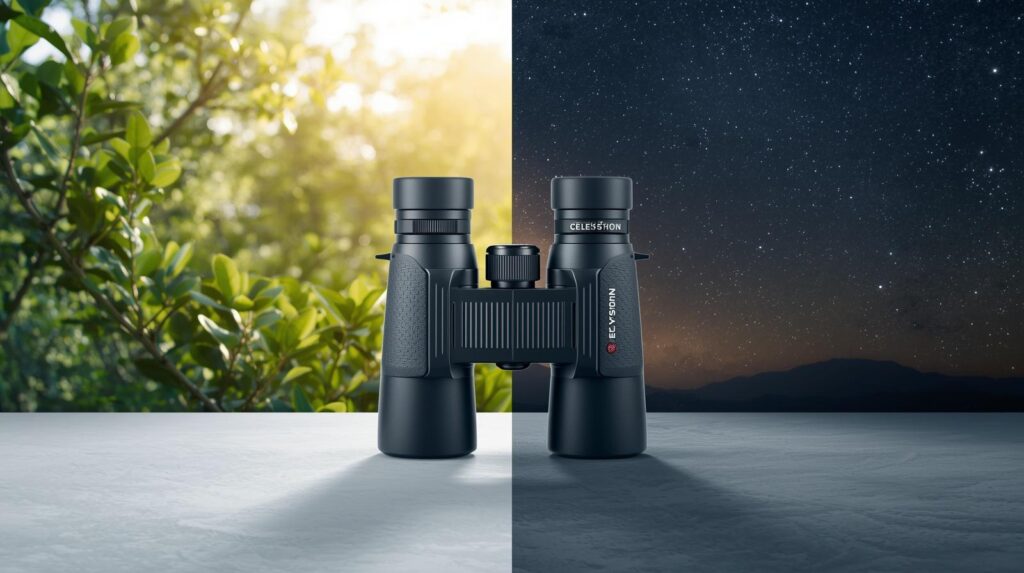
If you are trying to choose between Celestron binoculars for astronomy vs birding, the real question is not “which series is better?” It is “what are you actually going to do with them most often?”
That sounds obvious, but people get this wrong constantly. They buy giant astronomy binoculars because the specs look dramatic, then realize they are too heavy for a two-hour bird walk. Or they buy a neat, compact birding binocular and expect it to turn the night sky into a private planetarium. It does not. Physics remains rude.
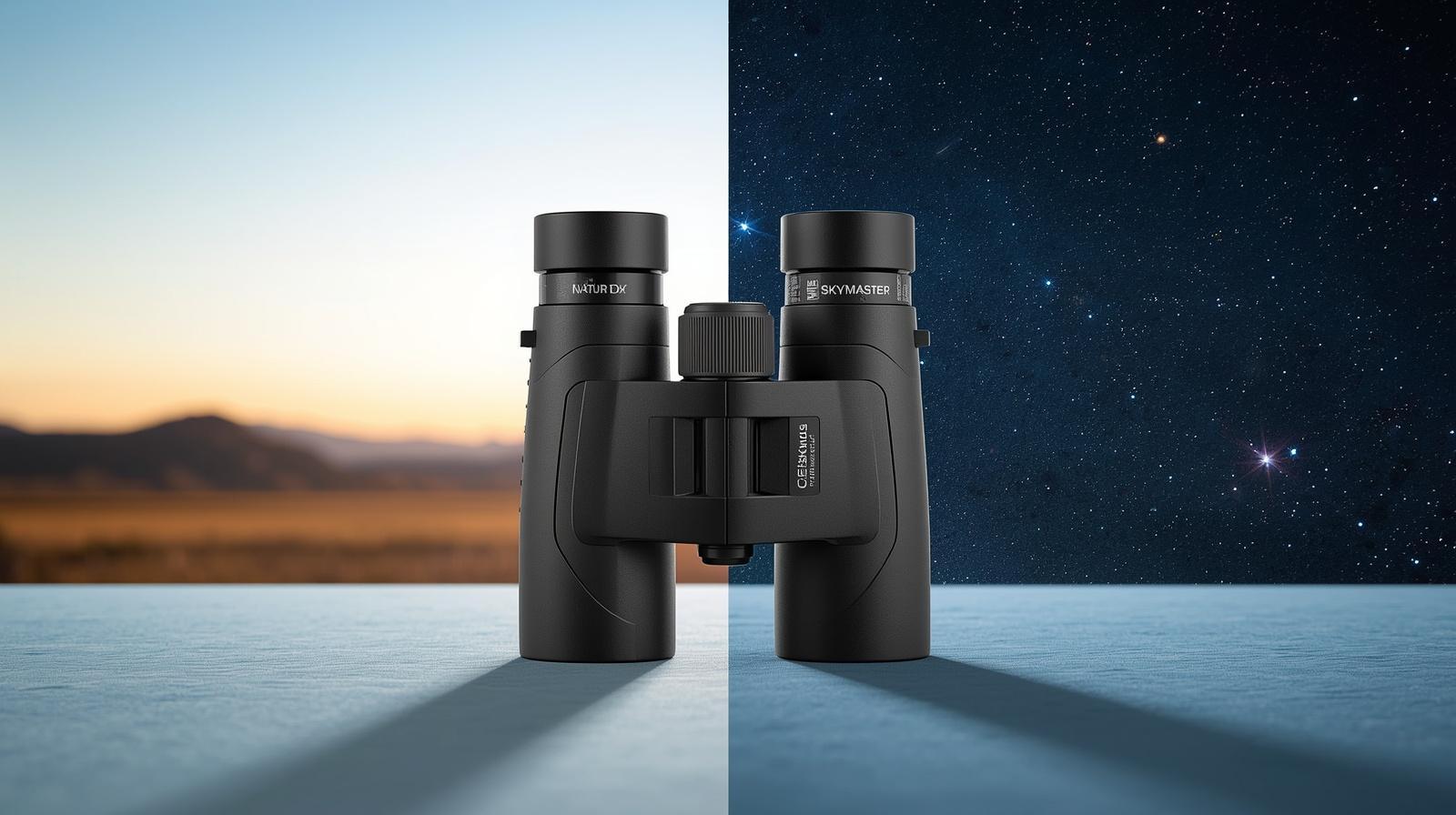
Celestron makes this decision more confusing because its lineup covers both worlds well. The Nature DX series is the one most people should be looking at for birding and general outdoor use. The SkyMaster series is where Celestron leans into large objectives, more light gathering, and that classic “sit still and scan the sky” experience.
This guide breaks down Celestron binoculars for astronomy vs birding in practical terms: comfort, magnification, low-light performance, portability, focus behavior, and what actually feels right in the field.
For a broader overview of the whole lineup, start with the pillar guide here:
👉 Celestron Binoculars (Ultimate Buying Guide 2026)
The Short Answer: Astronomy and Birding Need Different Strengths
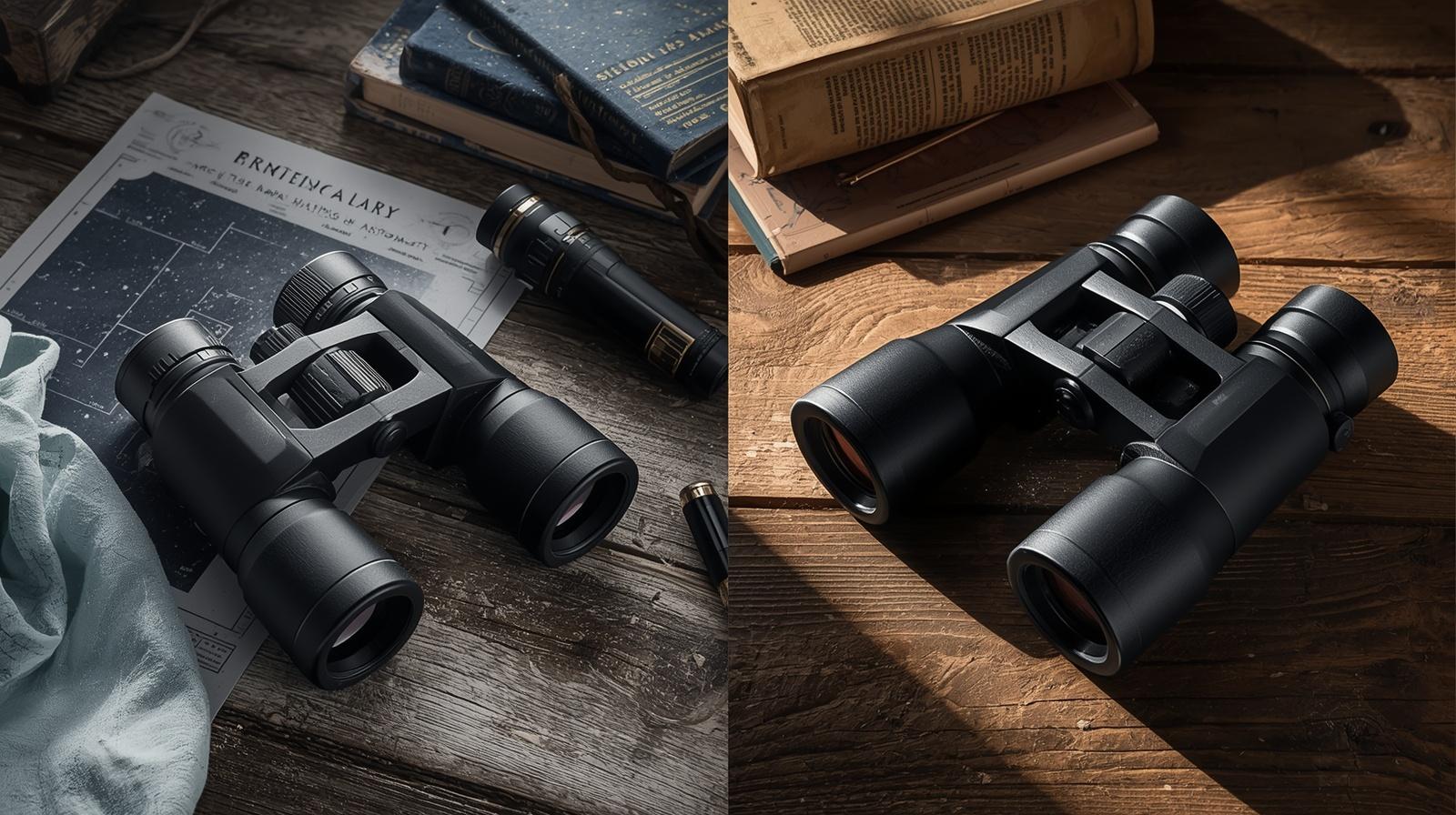
When comparing Celestron binoculars for astronomy vs birding, the biggest differences come down to this:
- Birding binoculars need to be light, fast to focus, easy to carry, and comfortable for long handheld use.
- Astronomy binoculars need to gather more light, work well at dusk or night, and often benefit from a tripod or at least a very steady position.
That is why the Nature DX and SkyMaster lines feel so different in real life.
A birding session is active. You are walking, stopping, lifting the binoculars quickly, locking focus, then moving again. You need a binocular that disappears in your hands.
Astronomy is slower. You are scanning the moon, star fields, clusters, and brighter deep-sky objects. You are not chasing a warbler through branches. You are fighting darkness, hand shake, and your neck.
That is the core of Celestron binoculars for astronomy vs birding. Same brand, totally different job.
Why the Nature DX Series Fits Birding Better
The Nature DX line is where Celestron gets practical. These are the binoculars that make sense when you are out in daylight, moving around, and need something that feels balanced rather than impressive on paper.
The most important thing here is not just image quality. It is usability.
What Birders Usually Need
A good birding binocular usually gives you:
- Moderate magnification, often 8x or 10x
- A bright enough view for early morning and late afternoon
- Fast focus response
- A wider field of view than most astronomy-focused binoculars
- Enough comfort to stay around your neck for hours
That is why models like Nature DX 8×42 and Nature DX 10×42 get attention. They are not trying to be everything. They are trying to be useful.
With birding, a wider field matters more than new buyers expect. Birds do not pose for your shopping logic. They dart, hop, vanish behind leaves, then show up in a different spot like tiny feathered pranksters. A wider view makes initial spotting easier.
Why Nature DX Works in Real Use
In actual outdoor use, the Nature DX series tends to feel more natural because it is:
- Easier to handhold
- Faster to bring to your eyes
- Less tiring over time
- Better suited to mixed distances and moving targets
If you are spending a morning on trails, wetlands, or even just scanning trees from a backyard deck, a bulky binocular becomes annoying faster than people admit. This is where the Celestron binoculars for astronomy vs birding debate gets real. On paper, giant objectives sound exciting. On a strap after 90 minutes, not so much.

Why the SkyMaster Series Fits Astronomy Better
Now to the fun part. The SkyMaster series is what happens when portability stops being the priority and light gathering takes over.
For astronomy, bigger objectives matter because they pull in more light. That makes dimmer objects easier to see and gives the night sky more depth. This is where a binocular like a SkyMaster starts feeling rewarding in ways a smaller daytime binocular simply cannot match.
What Astronomy Binoculars Usually Need
For stargazing, people generally benefit from:
- Larger objective lenses, often 50mm, 70mm, or more
- Strong low-light performance
- Better reach for the moon and brighter deep-sky targets
- A setup that works from a seated or stable position
- Less emphasis on fast, constant refocusing
This is where the SkyMaster line earns its place. It is built for the sky first.
A model like the SkyMaster 15×70 is not subtle. It is not pretending to be a “take everywhere” binocular. It is for someone who wants brighter night views and understands that bigger optics come with more weight, more shake, and often the need for support.
The Catch With SkyMaster for Day Use
Can you use a SkyMaster for birding? Technically, yes. You can also use a kitchen chair as a ladder until reality files an objection.
Large astronomy binoculars are usually:
- Too heavy for comfortable all-day carry
- Harder to hold steady at higher magnification
- Narrower in feel when tracking quick movement
- Less convenient for fast focus changes
That is the heart of Celestron binoculars for astronomy vs birding. SkyMaster excels when your subject is not sprinting through a hedge.
For a deeper stargazing-focused breakdown, this guide helps:
👉 Best Celestron Binoculars for Stargazing (2026 Guide)
Celestron Binoculars for Astronomy vs Birding: Side-by-Side Comparison
Here is the practical difference in plain terms.
| Feature | Birding Binoculars (Nature DX) | Astronomy Binoculars (SkyMaster) |
|---|---|---|
| Best Use | Daytime wildlife viewing | Night sky observation |
| Typical Feel | Light, agile, handheld | Heavy, light-hungry, often tripod-friendly |
| Magnification Style | Moderate and versatile | Higher and more specialized |
| Objective Size | Balanced for portability | Larger for brightness |
| Focus Needs | Fast and frequent | Less frantic, more stable |
| Field Comfort | Better for walking and scanning | Better for sitting and observing |
| Low-Light Strength | Good for dawn/dusk | Much better for true night use |
| Travel Convenience | Easy | Often awkward |
| Best Series Priority | Nature DX | SkyMaster |
That table is the clean answer to Celestron binoculars for astronomy vs birding, but let’s make it more real.
Real-World Use Cases: What Actually Feels Better?
Scenario 1: Early Morning Birding on a Trail
You are walking for two hours. Light is changing. Birds appear for seconds, not minutes. You are lifting the binoculars constantly and focusing at different distances.
Use the Nature DX.
This is what it is built for. A SkyMaster in this situation feels like carrying ambition instead of gear.
Scenario 2: Backyard Moon and Star Cluster Viewing
You are outside after dark with a chair, maybe a tripod adapter, and enough patience to let your eyes adjust. You want brighter views, more detail, and a stronger sense of depth.
Use the SkyMaster.
This is the situation where a larger astronomy binocular finally makes sense.
Scenario 3: One Binocular for Travel, Nature, and Occasional Night Sky Use
This is where people want one answer that does two jobs. Fair enough. The best compromise is not the biggest binocular. It is the one you will actually carry and use.
This is where I would lean toward the Nature DX 8×42.
Not because it beats a SkyMaster for astronomy. It does not. But because it is the more realistic cross-use option. It handles birding properly, works for general outdoor viewing, and still gives you enjoyable casual moon and bright star field viewing. That matters.
The One Celestron Product I’d Recommend Most Carefully
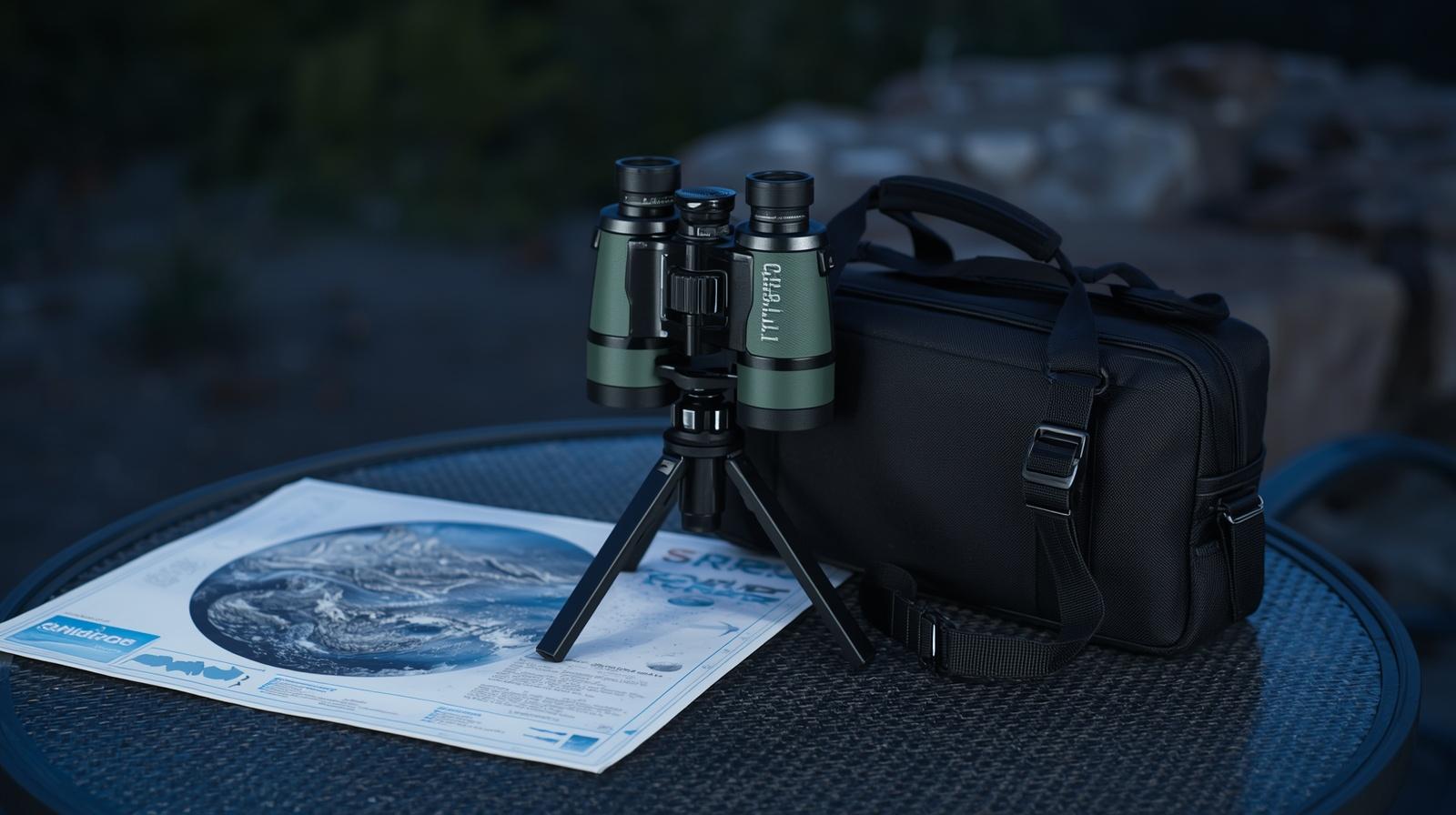
If you want just one highly relevant Celestron pick in this conversation, it is the Celestron Nature DX 8×42.
That recommendation is not because it is the “best” at astronomy. It is because in the Celestron binoculars for astronomy vs birding debate, it is the smarter choice for the largest number of real buyers.
Why this one?
- It is genuinely usable for birding
- It is comfortable enough for regular outdoor carry
- It is bright enough for dawn, dusk, and general nature viewing
- It can still give casual skywatchers an enjoyable first astronomy experience
If your primary goal is serious astronomy, go SkyMaster. But if your actual buying behavior says, “I want something useful most days and fun at night sometimes,” the Nature DX 8×42 is the less regrettable purchase.
For pricing context before buying, this helps:
👉 Celestron Binoculars Price Guide (2026): What You Should Expect to Pay
Common Buying Mistakes People Make
Buying for Magnification Alone
This is the classic trap. Bigger numbers look better in listings. Humans love numbers that sound powerful. Then their hands start shaking and the view turns into a vibrating argument.
For birding, extra magnification is not always extra usefulness. For astronomy, it helps only if the binocular remains bright and stable enough to enjoy.
Ignoring Weight
A binocular that feels fine for three minutes in a product photo can become annoying after an hour outdoors. Birders notice this quickly.
SkyMaster-style binoculars are not “bad” because they are heavy. They are bad when bought by someone who needed a walking binocular.
Trying to Force One Binocular Into Every Role
There is nothing wrong with wanting one versatile pair. But there is a limit. Celestron binoculars for astronomy vs birding is not just a marketing distinction. It reflects real optical trade-offs.
If birding is your main hobby, buy for birding first.
If astronomy is your main hobby, buy for astronomy first.
That saves more money than chasing the fantasy of one perfect do-everything optic.
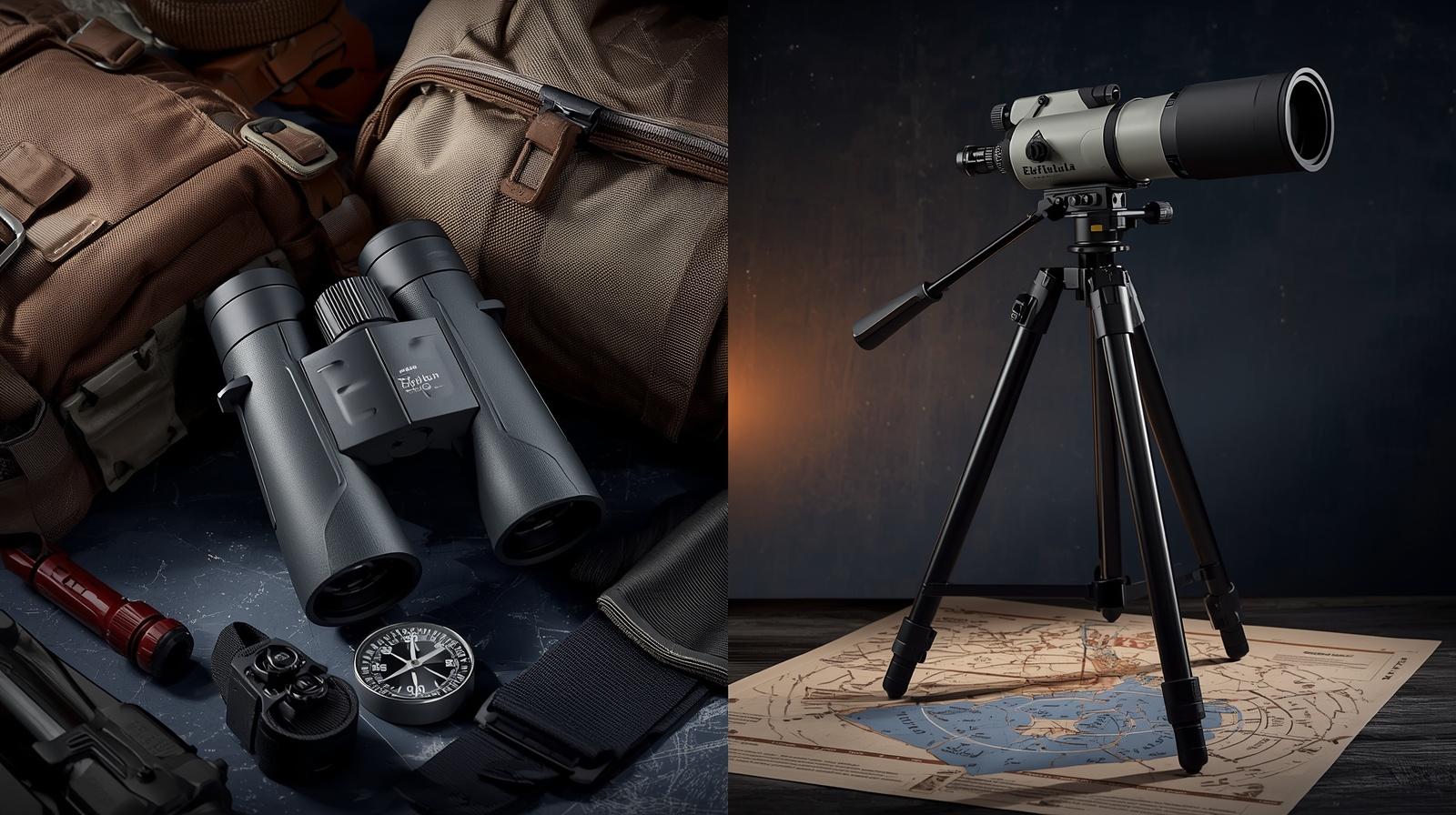
Nature DX vs SkyMaster: Pros and Cons
Nature DX Pros
- Better for handheld daytime use
- Easier to carry
- Faster for active viewing
- More practical for birding and general nature observation
Nature DX Cons
- Not as strong for dedicated astronomy
- Smaller objectives limit deep night performance
- Less wow factor for moon and bright sky targets than large astronomy binoculars
SkyMaster Pros
- Stronger low-light and night-sky performance
- Better for brighter deep-sky objects and lunar viewing
- More immersive for dedicated backyard astronomy
SkyMaster Cons
- Heavier and less convenient
- Harder to handhold steadily
- Not ideal for active birding or long walking sessions
For a broader brand-level comparison before you decide, this related guide is useful:
👉 Celestron vs Nikon Binoculars (2026): Which Brand Is Better?
How to Decide in 30 Seconds
If you are stuck between Celestron binoculars for astronomy vs birding, use this rule:
Choose Nature DX if:
- You mostly watch birds, wildlife, landscapes, or sports
- You need portability
- You want an all-purpose outdoor binocular
- Your astronomy use is casual, not the main event
Choose SkyMaster if:
- You mainly care about the night sky
- You observe from one place more often than on the move
- You are okay with more weight
- You value brightness over convenience
If you still want a methodical breakdown, use this buying guide next:
👉 How to Choose Celestron Binoculars (Step-by-Step Buyer’s Guide)
Final Verdict: Which One Should Most People Buy?
The honest answer in Celestron binoculars for astronomy vs birding is that most people should not buy the binocular that sounds more dramatic. They should buy the one that matches their most common use.
For birding, the Nature DX series is the better fit. It is faster, easier, lighter, and more realistic for the way birders actually move and observe.
For astronomy, the SkyMaster series is the better fit. It gathers more light, feels more rewarding under dark skies, and makes more sense when you are observing from a steady position.
If your hobby is clearly one or the other, the decision is simple.
If you want one binocular to do a bit of both, the safest crossover choice is still the Nature DX 8×42. It will not replace a true astronomy binocular, but it is the one you are more likely to carry, use, and keep liking after the purchase excitement wears off.
And that, irritatingly enough, is what makes it the smarter buy for many people.
To browse more optics content, comparisons, and buying advice, visit the 👉 BestBinocular.net home page and check the 👉 blog tips.
FAQs
Are Celestron binoculars good for both astronomy and birding?
Some Celestron binoculars can handle both casually, but most are better at one job than the other. Nature DX models are better for birding and daytime outdoor use. SkyMaster models are better for astronomy because their larger objectives gather more light.
Is the Celestron Nature DX good for stargazing?
Yes, for casual stargazing. A Nature DX can show the moon, brighter star fields, and some clusters, especially in darker skies. It is not the ideal choice for dedicated astronomy, but it is a realistic dual-purpose option.
Is the Celestron SkyMaster good for birding?
Not really as a primary birding binocular. It can work in limited situations, but it is usually too heavy and less agile for active birdwatching. Most birders will find it tiring and less convenient than a Nature DX.
What magnification is best for birding vs astronomy?
For birding, 8x or 10x is usually more practical because it balances detail, field of view, and handholding comfort. For astronomy, higher magnification can be useful, but only when paired with enough brightness and stability.
Which Celestron binocular series is more beginner-friendly?
For general use, the Nature DX series is more beginner-friendly because it is easier to carry, focus, and use in everyday situations. For beginners specifically focused on stargazing, SkyMaster can be more exciting, but also more demanding.
If I only buy one Celestron binocular, which type should I choose?
If you are torn between Celestron binoculars for astronomy vs birding and want one practical choice, go with a birding-style model like the Nature DX 8×42 unless astronomy is clearly your main hobby. It is the safer all-around buy.




