
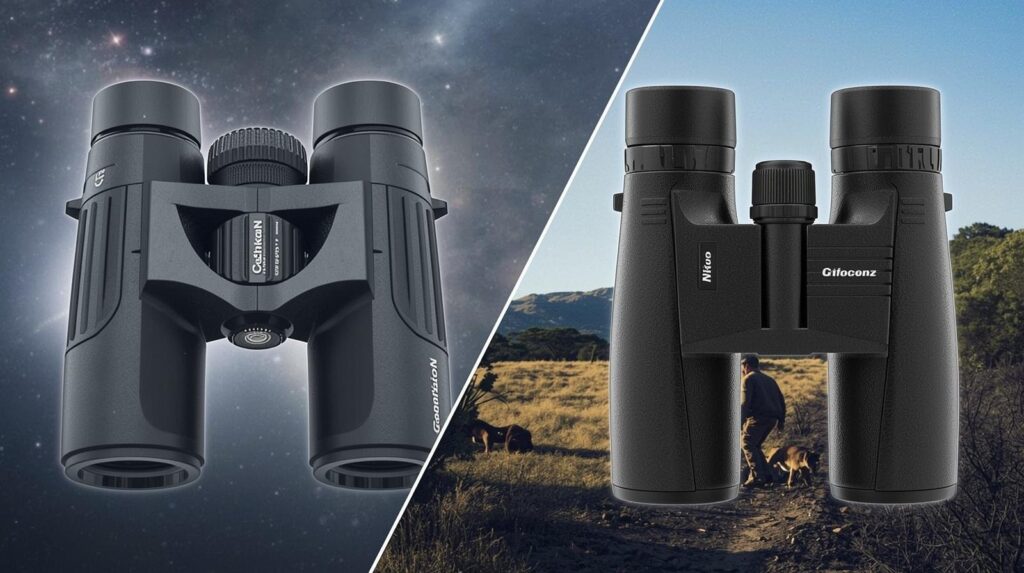
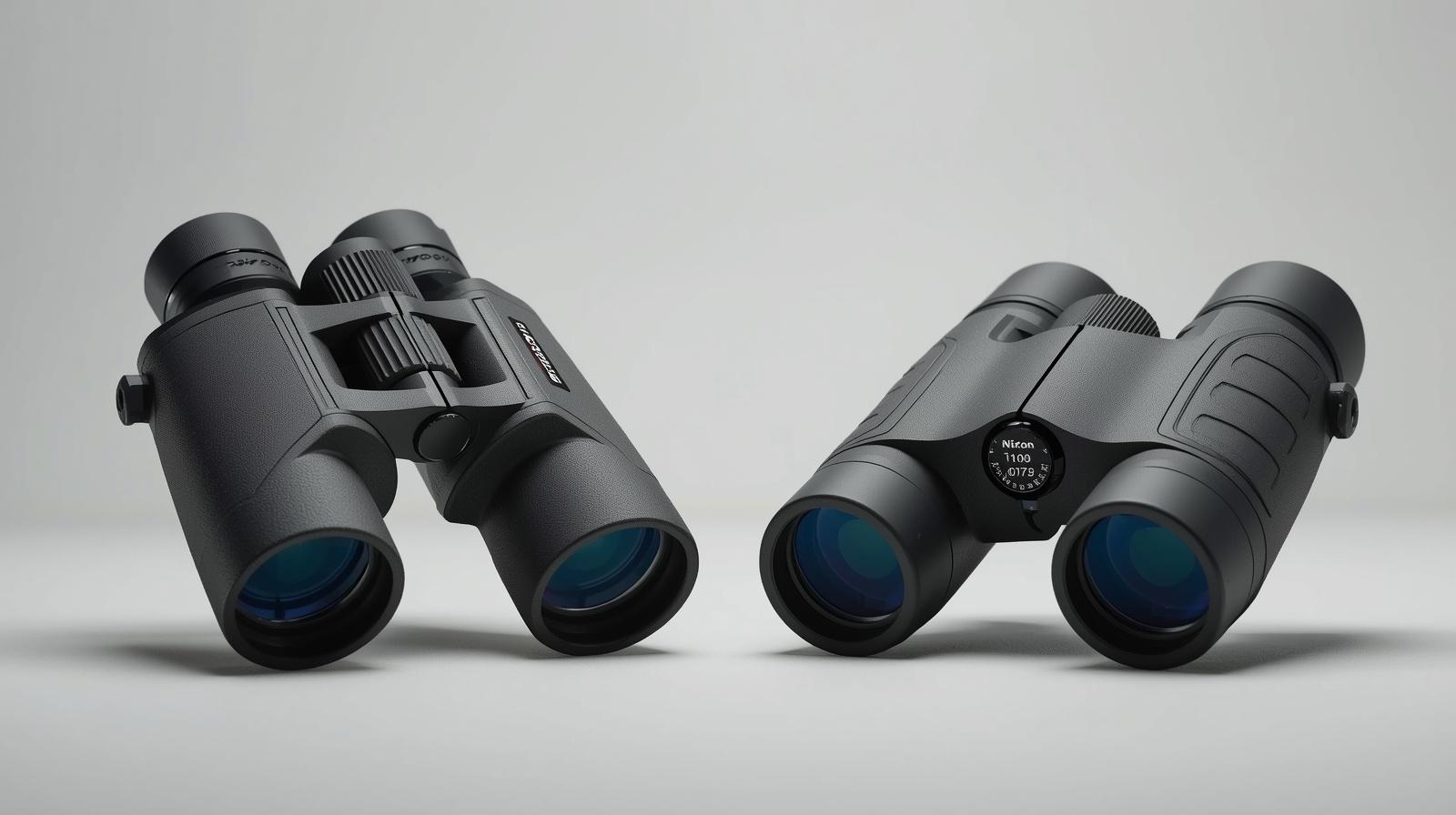
If you want the blunt answer, here it is: Nikon is the better all-around binocular brand for most outdoor users, while Celestron is the better value brand for buyers who care about astronomy, larger objective lenses, and stretching a budget further. In other words, if your weekends look like birding trails, travel, sports, and general-purpose use, Nikon usually feels more refined. If your idea of a good evening includes a tripod, a dark sky, and more aperture for less money, Celestron becomes very hard to beat.
That split is what makes Celestron vs Nikon binoculars such a useful comparison. These brands are not trying to win in exactly the same way. Nikon leans into polished outdoor optics, strong coatings, waterproofing, and better overall finishing in models like the PROSTAFF and MONARCH lines. Celestron, on the other hand, punches hard on value, especially with the Nature DX line for birding and the SkyMaster line for stargazing and long-range viewing.
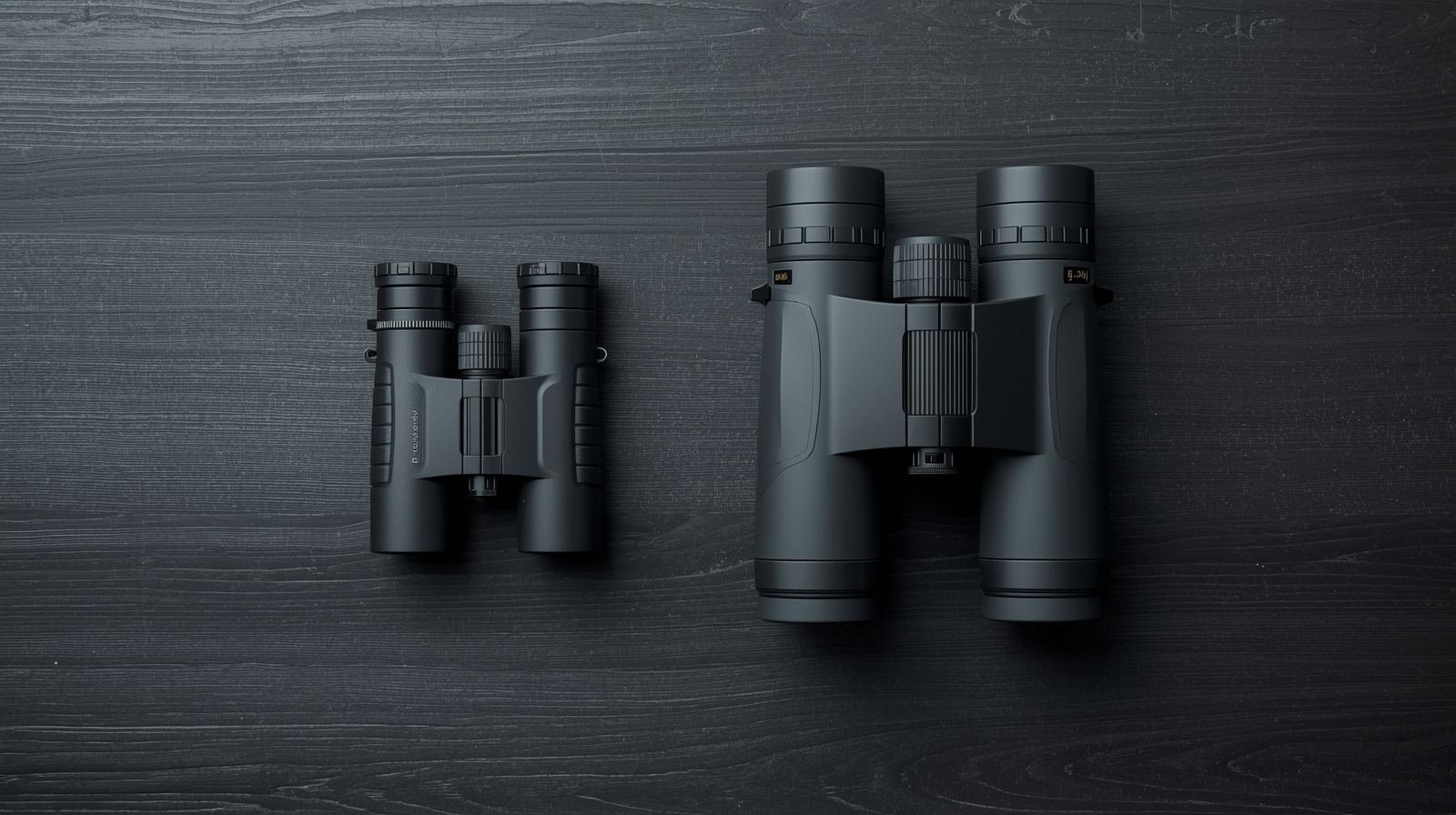
Before you buy, it helps to know where each brand actually shines. For a wider foundation before this brand showdown, start with the pillar guide: 👉Celestron Binoculars (Ultimate Buying Guide 2026).
The short verdict
Choose Nikon if:
- You want a better all-around outdoor binocular
- You care about cleaner ergonomics and premium finishing
- You wear glasses and want generous eye relief
- You want a binocular for hiking, birding, sports, and travel more than astronomy
Choose Celestron if:
- You want the most capability per dollar
- You care about astronomy binoculars or low-light observing
- You specifically want the Nature DX value sweet spot
- You want access to large-aperture models like the SkyMaster 15×70 without jumping into premium pricing
That is the real answer to Nikon vs Celestron binoculars in 2026. Nikon wins on refinement. Celestron wins on value and specialization.
What changed in 2026, and why it matters
A lot of older comparison articles still treat Nikon’s ACULON A211 as the obvious budget Nikon pick. That is outdated. Nikon announced on February 10, 2026 that the new ACTION and ACTION ZOOM binoculars are the successors to the ACULON A211 line, with updated optics, ergonomics, and pricing starting at $119.95 for the ACTION 8×42 and $129.95 for the ACTION 10×42. So if you are comparing Celestron vs Nikon binoculars (2026) and someone is writing as if ACULON is still Nikon’s current core Porro line, they are already behind.
That matters because Nikon’s lineup is now cleaner. At the value end, you are looking at ACTION. In the mid-range waterproof category, Nikon pushes PROSTAFF P3 and PROSTAFF P7. Move higher, and the MONARCH M5 gives you ED glass and a more premium package. Celestron’s story is different: Nature DX is the core value field binocular, while SkyMaster and SkyMaster Pro handle the “I want more light and reach” crowd.
Celestron vs Nikon binoculars by product philosophy
This is where buyer mistakes start.
A lot of people compare brands as if they are buying “brand reputation” first and the binocular second. That is backwards. Binoculars are brutally use-case dependent. A person who wants to scan star fields from a backyard should not shop the same way as someone who wants something comfortable for a three-hour bird walk.
Nikon’s approach
Nikon is generally stronger at:
- compact and full-size outdoor binoculars
- waterproof, fogproof field use
- coatings and eyeglass-friendly handling
- a cleaner progression from value to premium
Celestron’s approach
Celestron is generally stronger at:
- budget-to-midrange value
- astronomy-friendly magnifications and larger objectives
- specialized long-range viewing
- giving you more aperture for the money
That is why “which brand is better” has no honest one-word answer. It depends on whether you want a better field binocular or a better value astronomy binocular.
Nature DX vs Nikon PROSTAFF P7 vs MONARCH M5
If you are shopping for birding, wildlife observation, travel, or general outdoor use, this is the comparison that matters most.
The Celestron Nature DX 8×42 is one of the most important binoculars in this whole discussion because it hits a price/performance point that many buyers actually want. It is waterproof, phase-coated, fully multi-coated, offers a 388 ft field of view at 1,000 yards, and has a notably close 6.5 ft close focus, which is useful when you are looking at nearby detail instead of distant scenery all day. Celestron currently lists it at $179.95.
The Nikon PROSTAFF P7 8×42 costs more at $219.95, but it adds a more premium spec mix, including phase coating, dielectric coating, waterproof/fogproof construction, locking diopter, and oil-and-water repellent lens coating. It also stays lighter at 20.8 oz and gives you 20.2 mm eye relief, which many eyeglass wearers will appreciate.
The Nikon MONARCH M5 8×42 pushes the comparison further upmarket with ED glass, phase and dielectric coatings, waterproof/fogproof construction, and a listed price of $339.95. It is clearly not the same buyer as the Nature DX shopper, but it shows where Nikon becomes the more polished brand when budget loosens.
Quick comparison table
| Model | Best for | Current listed price | Field of view | Close focus | Eye relief | Key advantage |
|---|---|---|---|---|---|---|
| Celestron Nature DX 8×42 | Best value for general outdoor use | $179.95 | 388 ft | 6.5 ft | 17.5 mm | Big value, wide view, close focus |
| Nikon PROSTAFF P7 8×42 | Better all-around field use | $219.95 | 377 ft | 9.8 ft | 20.2 mm | Better coatings, lighter, more refined |
| Nikon MONARCH M5 8×42 | Premium outdoor use | $339.95 | 335 ft | 8.2 ft | 19.5 mm | ED glass and more premium optics |
Specs and listed prices above are from the official product pages.
So which one feels better in real use?
If you spend your time moving, glassing quickly, and carrying binoculars for hours, Nikon usually feels better. The PROSTAFF P7 especially looks like the kind of binocular Nikon actually wants you to use hard outdoors. The repellent coating, locking diopter, and longer eye relief are not glamorous features, but they are exactly the sort of details that make a binocular feel less annoying over time.
But the Nature DX remains the more interesting value play. It gives you a very wide view and unusually close focusing for the money. For someone getting serious about birding but not ready to jump toward MONARCH pricing, it makes a lot of sense. That is why it keeps showing up in serious budget conversations. For a deeper buying framework, read 👉 How to Choose Celestron Binoculars (Step-by-Step Buyer’s Guide).
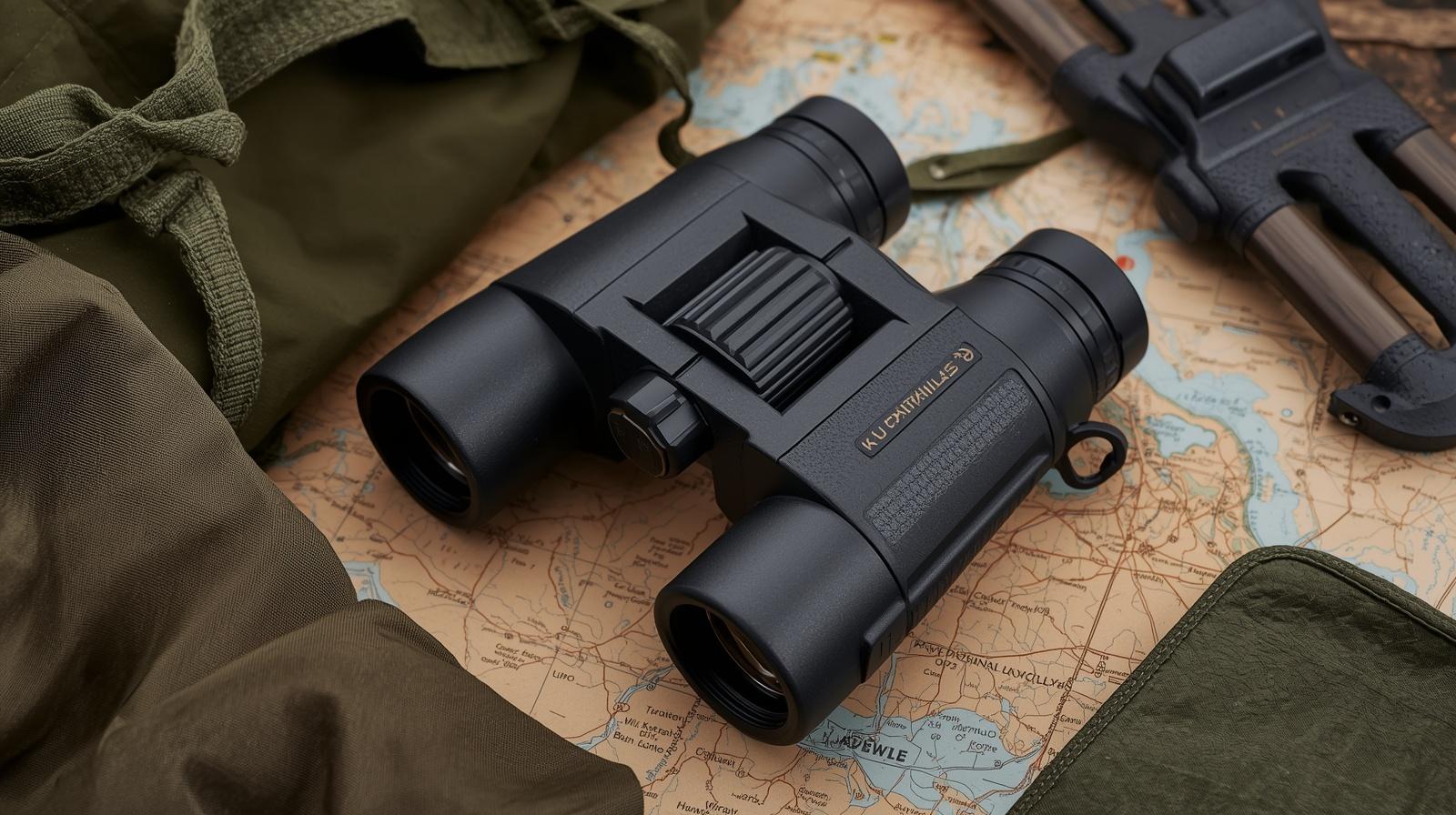
Where Celestron crushes Nikon: SkyMaster and affordable astronomy
This is the part many casual buyers miss.
If your main interest is astronomy binoculars, Nikon is not the obvious winner just because Nikon is Nikon. In fact, this is where Celestron takes over.
Celestron’s SkyMaster lineup includes large-aperture models such as 15×70, 20×80, and 25×100, while Nikon’s new ACTION line tops out at 16×50 in standard models and a 10-22×50 zoom. That difference in aperture is the whole story. A bigger objective pulls in more light, and for stargazing, that matters more than brand prestige.
The standard SkyMaster 15×70 is a classic “more sky for less money” binocular. Celestron lists it at $129.95, with 15x magnification, 70 mm objectives, a bundled tripod adapter, and suitability for terrestrial or astronomical viewing. But there is a catch: it is only listed as water resistant, and it is not nitrogen filled. That is fine for backyard astronomy. It is less ideal if you want something weatherproof for mixed outdoor use.
The SkyMaster Pro 15×70 is where Celestron gets more serious. According to the official page, it adds fully multi-coated optics with XLT coatings, BaK-4 prisms, waterproof construction, nitrogen purging, and a built-in tripod adapter. That turns it from “budget giant binocular” into something much more capable for committed observers.
Real-world stargazing scenario
If you live somewhere with decent skies and want to spend an hour scanning the Moon, star clusters, and brighter deep-sky objects, a SkyMaster 15×70 on a tripod will do more for your experience than a nice 8×42 field binocular from Nikon. Not because Celestron is a better optics company in every category, but because aperture wins that specific use case. It is simply the more correct tool.
That is also why this comparison should connect back to the stargazing pillar:👉 Best Celestron Binoculars for Stargazing (2026 Guide).
Use-case scenarios: which brand wins for your kind of buyer?
For birding
Nikon wins overall, especially from PROSTAFF upward. Better handling, better coatings, and more outdoor-focused design make it easier to live with for long sessions. But the Nature DX 8×42 remains one of the best birding-value buys in this conversation.
For hiking and travel
Nikon wins. Less of the lineup feels bulky or purpose-built around tripod use. If you want one binocular to throw in a bag and trust on mixed trips, Nikon is safer.
For astronomy
Celestron wins clearly. The SkyMaster family is simply more aligned with that use case. Nikon has solid optics, but Celestron gives you more relevant size and magnification options at accessible prices.
For eyeglass wearers
Nikon generally has the edge. The PROSTAFF P7 8×42 lists 20.2 mm eye relief, and the MONARCH M5 8×42 lists 19.5 mm, both higher than the Nature DX 8×42 at 17.5 mm.
For the most value per dollar
Celestron usually wins, especially if you are practical enough to care about outcomes more than logos.
One Celestron pick I’d actually recommend
If you want one highly relevant Celestron binocular from this article, make it the Celestron Nature DX 8×42.
It is not the fanciest binocular here. That is exactly why it is easy to recommend. It sits in the zone where many buyers actually shop, and the spec mix is sensible: 8×42, waterproof, fully multi-coated optics, phase-coated BaK-4 prisms, a wide view, and very usable close focus. It is the kind of binocular that can handle birding, travel, general wildlife viewing, and casual outdoor use without forcing you into premium pricing immediately.
If you already know astronomy is your main use, skip that recommendation and go straight to a SkyMaster-based setup instead. For that distinction, this companion guide helps:👉 Celestron Binoculars for Astronomy vs Birding: Key Differences Explained.
Common mistakes buyers make in this comparison
1. Comparing by brand reputation only
A Nikon badge does not automatically beat a Celestron binocular built for your exact use case.
2. Buying 10x or 15x without thinking about stability
More magnification is not always “better.” Handshake gets worse fast. For many people, 8×42 is the smarter daily binocular.
3. Ignoring weather sealing
A water-resistant astronomy binocular is not the same thing as a waterproof, nitrogen-filled field binocular. Celestron’s standard SkyMaster and SkyMaster Pro are not the same class in that respect.
4. Paying for premium optics you will not notice
If you mostly use binoculars casually on weekend walks, the jump from Nature DX to a more expensive Nikon may not change your life as much as the internet would like to pretend.
5. Buying an astronomy binocular without budgeting for support
A 15×70 or 20×80 sounds exciting until you try handholding it for ten minutes and your arms file a complaint.
Final verdict: which brand is better?
For most people asking “Celestron vs Nikon binoculars, which brand is better?”, the best honest answer is this:
- Nikon is the better all-around brand
- Celestron is the better value-and-astronomy brand
If your priority is birding, general outdoor use, comfort, and refinement, Nikon is the stronger pick. If your priority is stretching your budget, getting strong performance in the midrange, or stepping into astronomy binoculars, Celestron is the smarter brand to shop first.
For pricing context before you buy, see 👉Celestron Binoculars Price Guide (2026): What You Should Expect to Pay. And for more field-tested optics content, visit the home page at 👉BestBinocular.net.
FAQs
Is Celestron or Nikon better for bird watching?
For most bird watchers, Nikon is better overall because its field-oriented models like the PROSTAFF P7 and MONARCH M5 emphasize waterproofing, coatings, eye relief, and handling. But the Celestron Nature DX 8×42 is still one of the stronger value birding options if you want to spend less.
Are Celestron binoculars better for astronomy than Nikon?
In most budget and midrange cases, yes. Celestron’s SkyMaster lineup offers larger objective options such as 15×70, 20×80, and 25×100, while Nikon’s current ACTION line is centered lower, topping out at 16×50 in standard models. That gives Celestron a real advantage for affordable astronomy setups.
Is the Celestron Nature DX better than Nikon PROSTAFF P7?
Not overall. The Nature DX 8×42 is the better value buy, but the PROSTAFF P7 8×42 is the better finished binocular with stronger premium features like dielectric coating, locking diopter, repellent lens coating, lighter weight, and longer eye relief.
What replaced Nikon ACULON A211 in 2026?
Nikon announced that the new ACTION and ACTION ZOOM binoculars are the successors to the ACULON A211 series on February 10, 2026.
Which binocular brand gives better value for money?
For pure value, especially below premium pricing and in astronomy-friendly models, Celestron usually gives better value for money. For a more premium day-to-day field experience, Nikon often justifies the extra spend better.




