
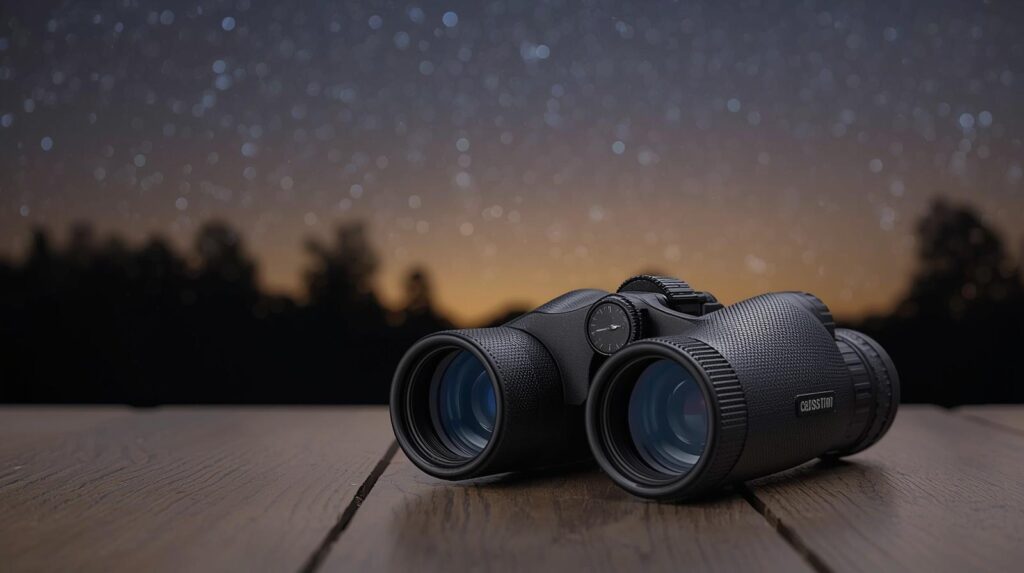
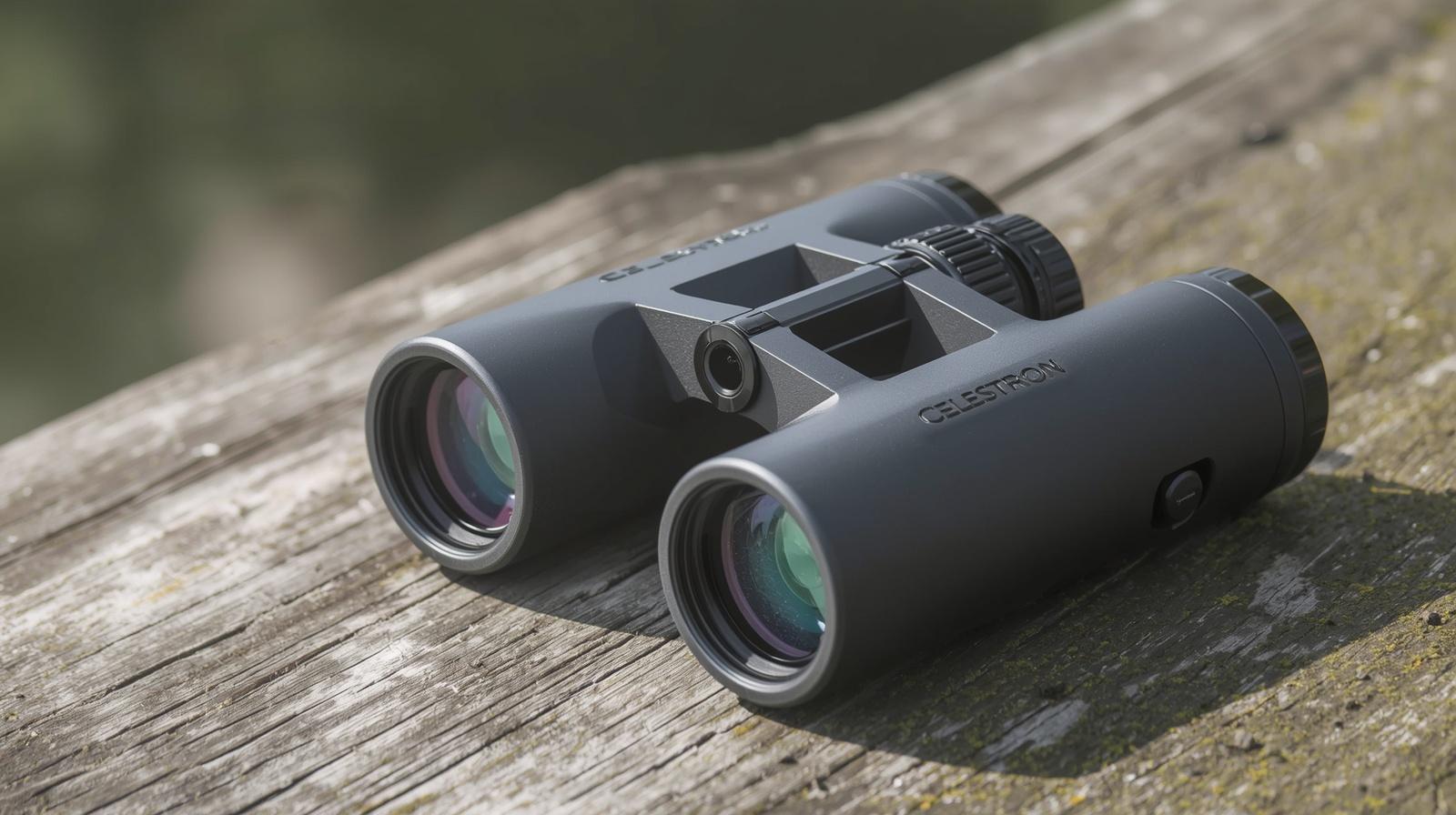
Getting into binoculars sounds easy… until you’re staring at a wall of specs that look like they were written by someone who enjoys confusing people for fun.
If you’ve landed on Celestron, though, you’ve already skipped a lot of bad decisions.
This Celestron binoculars review 2026 isn’t about repeating specs you can Google. It’s about what actually matters in real situations, where these binoculars shine, where they fall short, and whether they’re actually worth your money.
Celestron Binoculars Review 2026: Real-World Performance & Value
On paper, most binoculars look impressive. Numbers are big, features sound fancy, and everything claims to be “high quality.” Then you actually use them, and reality shows up uninvited.
This Celestron binoculars review 2026 focuses on how these binoculars perform outside the spec sheet. Because no one buys binoculars to admire numbers. You buy them to actually see things clearly, comfortably, and without constant frustration.
In real-world use, Celestron sits in a very practical position. Models like the Nature DX feel balanced and easy to handle, making them ideal for beginners who don’t want to fight with focus wheels or heavy designs. On the other hand, the SkyMaster series leans heavily into performance, especially in low-light situations where most budget binoculars struggle.
What stands out isn’t perfection. It’s consistency.
You don’t get premium-level edge-to-edge sharpness, but you do get a reliable viewing experience that holds up across different scenarios. Whether it’s a quick outdoor trip or a late-night sky session, the performance feels stable, predictable, and usable.
And honestly, that matters more than having the “best specs” on paper that you never fully benefit from.
Celestron isn’t trying to impress professionals with flawless optics. It’s built for people who want something that works well, lasts long enough, and doesn’t make them regret the purchase after a week.
Which, surprisingly, puts it ahead of a lot of brands in this price range.
Who This Review Is For (And Who Should Skip It)
If you’re:
- A beginner trying not to waste money
- Someone comparing Celestron vs other brands
- Looking for binoculars for stargazing or outdoor use
You’re in the right place.
If you’re expecting $3,000-level optics from a budget brand… you might want to adjust your expectations before reality does it for you.
What Makes Celestron Different in 2026?
Celestron sits in an interesting spot.
They’re not a luxury optics brand. They’re not the cheapest either. They’ve carved out a middle ground where beginners and hobbyists get serious performance without serious regret.
Here’s what actually stands out:
- Strong focus on astronomy and low-light optics
- Surprisingly good build quality for the price
- Wide range: from entry-level to semi-advanced gear
- Beginner-friendly without feeling disposable
But let’s not pretend they’re perfect.
Real-World Performance (Not Just Spec Sheet Fantasy)
1. Daytime Use (Birding, Travel, Casual Viewing)
Celestron binoculars like the Nature DX series perform well in daylight. Colors are neutral, sharpness is solid, and you won’t feel like you’re looking through fog.
But here’s the honest part:
- Edge sharpness drops slightly
- Not the brightest in heavy shade
Still, for beginners? More than enough.
2. Low-Light & Night Viewing
This is where Celestron actually starts flexing.
The SkyMaster series is built for:
- Stargazing
- Night sky observation
- Long-distance viewing
Large objective lenses (like 70mm) pull in more light, which means:
- Brighter images
- Better visibility at night
- More detail in stars and distant objects
It’s not telescope-level detail, but for binoculars? Pretty impressive.
Deep Dive: Nature DX vs SkyMaster Series
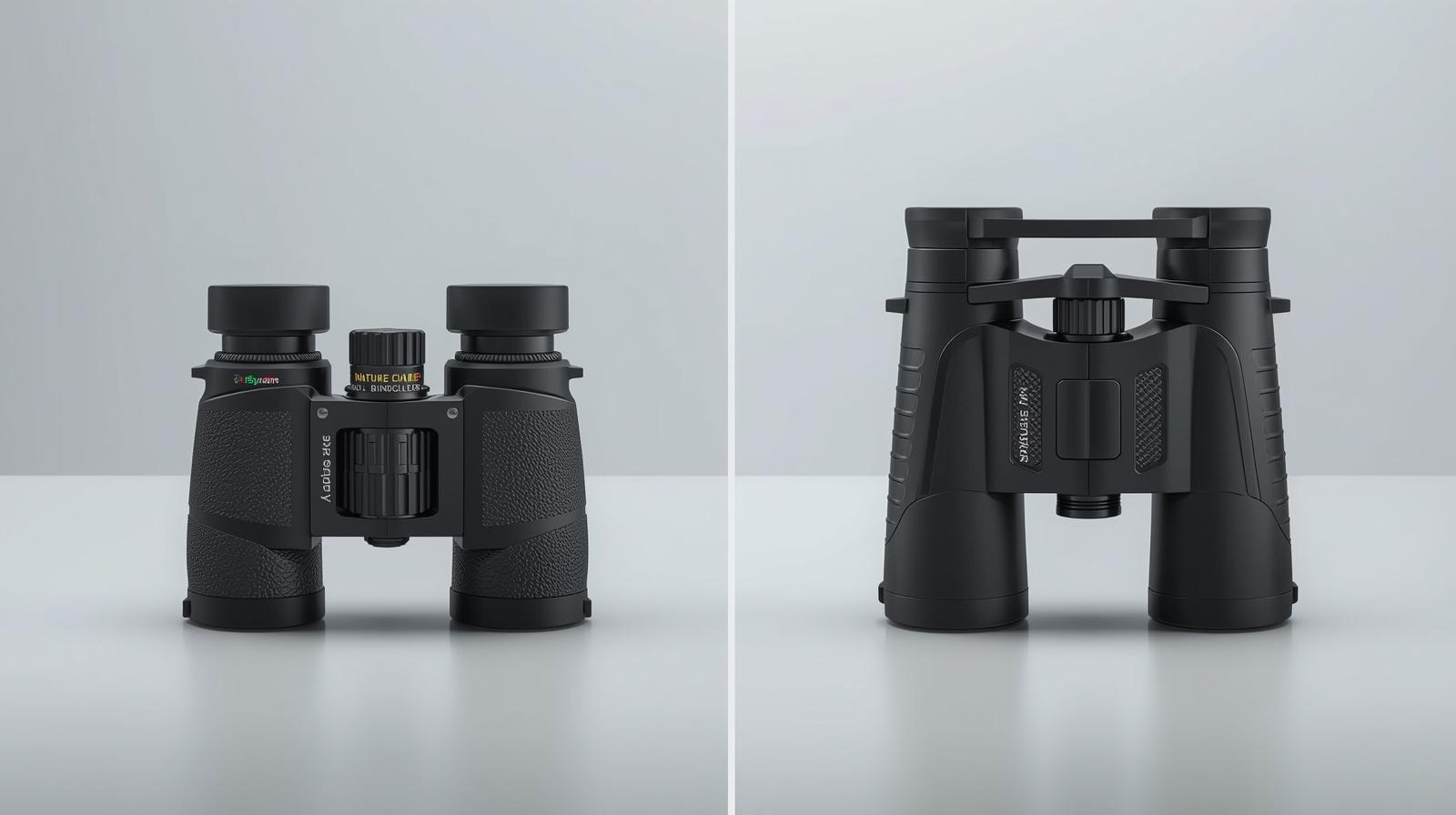
Let’s talk about the two stars of the show.
Nature DX Series (Best for Beginners)
These are your “safe choice” binoculars.
Best for:
- Bird watching
- Travel
- General outdoor use
What you’ll notice:
- Lightweight and easy to carry
- Waterproof and durable
- Crisp images in daylight
What you won’t love:
- Limited low-light performance
- Not ideal for serious astronomy
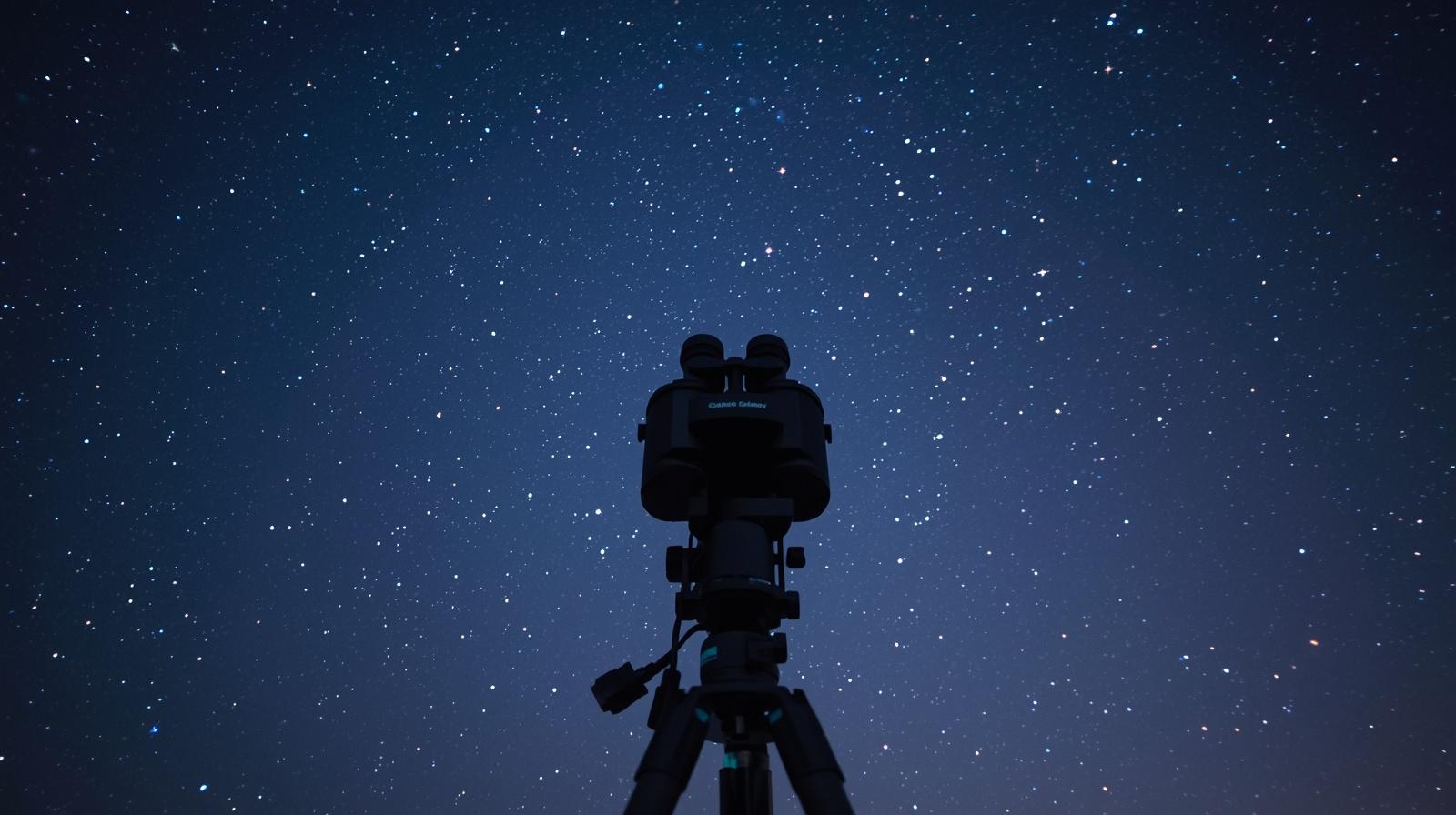
SkyMaster Series (Best for Stargazing)
These are not casual binoculars. These are “sit down and actually observe” binoculars.
Best for:
- Stargazing
- Moon viewing
- Long-distance landscapes
What stands out:
- Huge lenses = more light
- Excellent for night viewing
- Tripod adaptable
Trade-offs:
- Heavy
- Not handheld for long
- Overkill for casual users
Pros and Cons (No Sugarcoating)
Pros
- Excellent value for money
- Beginner-friendly without feeling cheap
- Strong performance in low light (SkyMaster especially)
- Durable and weather-resistant (Nature DX)
- Wide product range for different use cases
Cons
- Not as refined as premium brands
- Some models are bulky
- Edge sharpness could be better
- Tripod often needed for high magnification
Comparison: Celestron vs Nikon (Quick Reality Check)
| Feature | Celestron | Nikon |
|---|---|---|
| Price | More affordable | Slightly higher |
| Build Quality | Good | Excellent |
| Low-Light Use | Strong (SkyMaster) | Moderate |
| Portability | Mixed | Better |
| Beginner Friendly | Very high | High |
For a full breakdown:
👉 Celestron vs Nikon Binoculars (2026): Which Brand Is Better?
Use Case Scenarios (Where Celestron Actually Makes Sense)
1. Backyard Stargazing
You don’t need a telescope right away.
A SkyMaster 15×70 lets you:
- See star clusters
- Observe the moon
- Explore the night sky without complexity
2. Weekend Travel & Nature Trips
The Nature DX 8×42 is perfect for:
- Hiking
- Sightseeing
- Casual wildlife spotting
Lightweight, reliable, and doesn’t scream “I regret this purchase.”
3. Budget-Conscious Beginners
If you’re new, you don’t want to:
- Overspend
- Get confused
- Buy something unusable
Celestron avoids all three.
For more real-world applications:
👉 Visit the detailed use-case breakdown on bestbinocular.net

Buyer Tips (So You Don’t Regret It Later)
1. Don’t Chase Magnification Alone
15x sounds cool… until your hands shake like you’ve had too much caffeine.
Higher magnification = harder to stabilize.
2. Check Weight Before Buying
SkyMaster models are not pocket-friendly.
If you want portability, stick to Nature DX.
3. Tripod Compatibility Matters
If you’re going big (like 70mm lenses), get a tripod.
Otherwise, enjoy blurry stars.
4. Match Binoculars to Your Use
- Travel → Nature DX
- Stargazing → SkyMaster
- Mixed use → 10×42 range
For a full beginner breakdown:
👉 Best Celestron Binoculars for Stargazing (2026 Guide)
Common Mistakes People Make
- Buying high magnification without stabilization
- Ignoring weight and comfort
- Expecting telescope-level detail
- Choosing based on specs instead of use case
You don’t need the “best” binoculars. You need the right ones.
Recommended Pick (If You Just Want One Answer)
⭐ Celestron Nature DX 8×42
If you want something that:
- Works in most situations
- Doesn’t feel cheap
- Won’t overwhelm you
This is it.
It’s the safest “no regret” choice in their lineup.
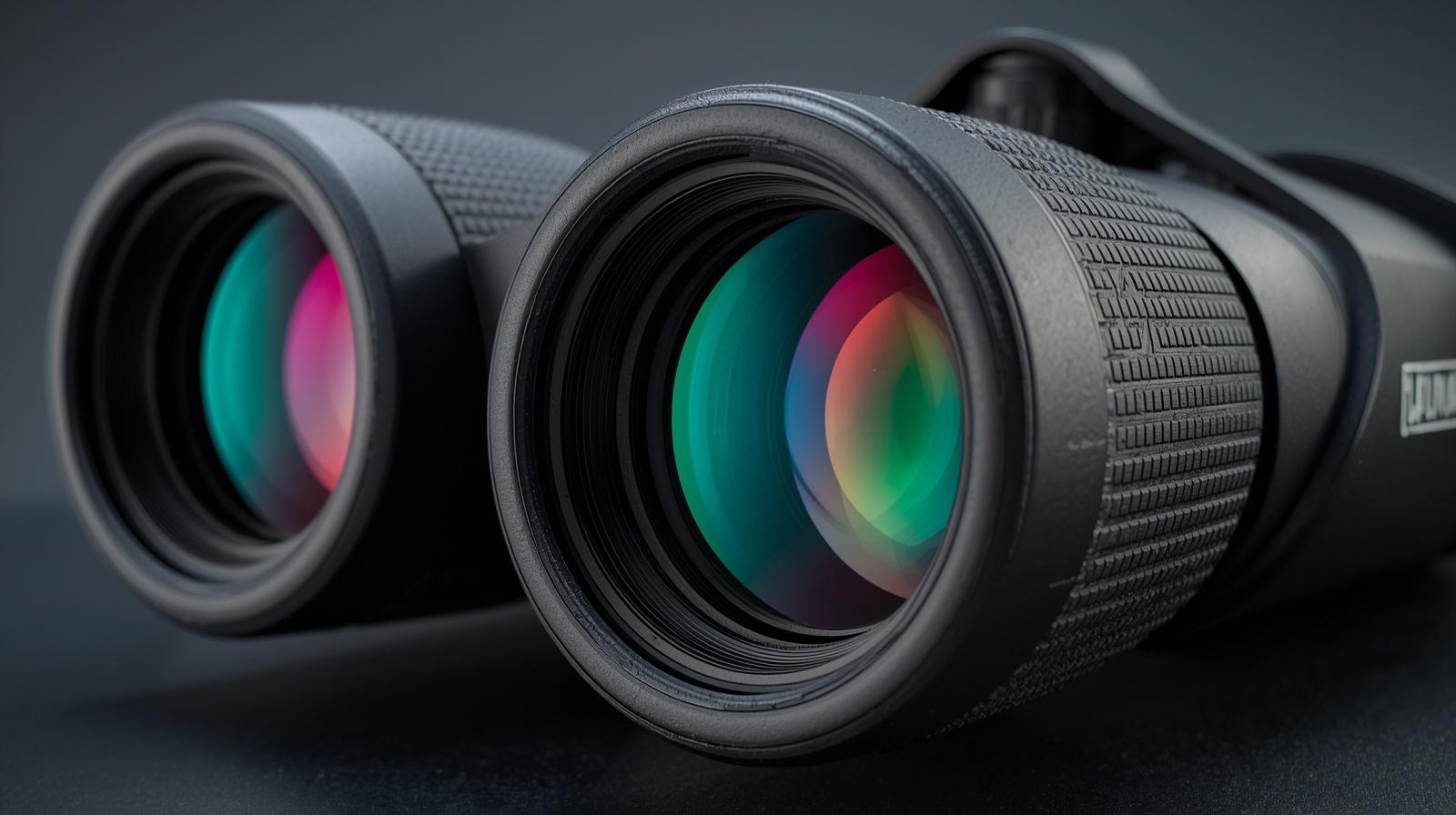
Are Celestron Binoculars Worth Buying in 2026?
Short answer: Yes.
Long answer:
They’re worth it if:
- You’re a beginner or intermediate user
- You want solid performance without overspending
- You actually plan to use them
They’re not worth it if:
- You expect premium optics at budget prices
- You don’t know what you need
For a deeper breakdown of strengths and weaknesses:
👉 Are Celestron Binoculars Good? Honest Pros & Cons Explained
And if you’re trying to understand pricing before buying:
👉 Celestron Binoculars Price Guide (2026): What You Should Expect to Pay
For a complete overview of all models:
👉 Celestron Binoculars (Ultimate Buying Guide 2026)
How Celestron Binoculars Hold Up Over Time
This is the part nobody talks about enough. Specs are cute. Longevity is what actually matters.
After months of use (and the usual careless handling most people pretend they don’t do), Celestron binoculars hold up surprisingly well.
Build Quality Reality Check
- Nature DX models feel solid, not toy-like
- Rubber armor actually protects against drops (within reason, don’t start throwing them around)
- Focus wheel stays smooth over time
- Waterproofing works, but don’t test it like you’re filming a survival documentary
The hinge tension also holds up, which is rare in this price range. Cheap binoculars usually loosen up fast. These don’t.
Lens Performance After Regular Use
Here’s what happens after real-world use:
- Coatings stay intact if you don’t clean them like a caveman
- No major fogging issues if stored properly
- Image clarity stays consistent
That said, if you:
- Leave them in dust
- Clean lenses with your shirt
- Toss them in a bag without a case
Then congratulations, you’ve personally sabotaged your optics.
Maintenance Tips (Because Apparently This Needs Saying)
You don’t need a lab. Just basic common sense.
Keep Them Clean (Properly)
- Use a microfiber cloth
- Use lens cleaning solution, not water from your kitchen tap
- Blow dust off before wiping
Store Them Like You Care
- Use the carrying case
- Avoid humid areas
- Don’t leave them in a hot car
Check Alignment Occasionally
If things start looking “off,” it’s not always your eyesight.
Misalignment can happen if:
- They’re dropped
- Pressure is applied unevenly
Who Should NOT Buy Celestron Binoculars
Let’s save someone from making a bad decision.
You should skip Celestron if:
- You want ultra-premium optics (look at Swarovski or Zeiss instead)
- You’re a professional wildlife observer needing edge-to-edge perfection
- You hate anything slightly bulky
Celestron is for practical users. Not perfectionists with unlimited budgets.
Market Position in 2026 (Where They Actually Stand)
Celestron isn’t competing with luxury optics brands.
They dominate the “serious beginner to intermediate” segment.
Think of it like this:
- Cheap brands → disposable
- Premium brands → expensive obsession
- Celestron → balanced, usable, logical
And in 2026, that middle ground is exactly where most buyers are.
Final Buying Mindset (This Matters More Than Specs)
People overthink binoculars like they’re buying a car.
Here’s the truth:
- You don’t need the highest magnification
- You don’t need the biggest lenses
- You don’t need the most expensive model
You need something you’ll actually use.
That’s why most people end up happier with:
- Nature DX for daily use
- SkyMaster for specific night viewing
Not the “most powerful” option they thought they needed.
FAQs
Are Celestron binoculars good quality?
Yes, especially for the price. They offer reliable optics, durable build, and strong performance for beginners and hobby users.
Which Celestron binocular is best for beginners?
The Nature DX 8×42 is widely considered the best starting point due to its balance of clarity, comfort, and versatility.
Are Celestron binoculars good for stargazing?
Yes. The SkyMaster series is specifically designed for low-light and astronomy use, making it ideal for stargazing.
Do I need a tripod for Celestron binoculars?
For high magnification models like 15×70 or 20×80, a tripod is highly recommended for stability.
How do Celestron binoculars compare to premium brands?
They offer great value but don’t match the optical refinement of high-end brands. However, for most users, the difference isn’t worth the extra cost.
Final Verdict
Celestron isn’t trying to impress optics purists. They’re trying to make binoculars that people actually use.
And honestly? They’ve done a pretty good job.
If you pick the right model for your needs, you’ll end up with something that feels way more expensive than it actually is.
Which, in this category, is basically the closest thing to winning.




