
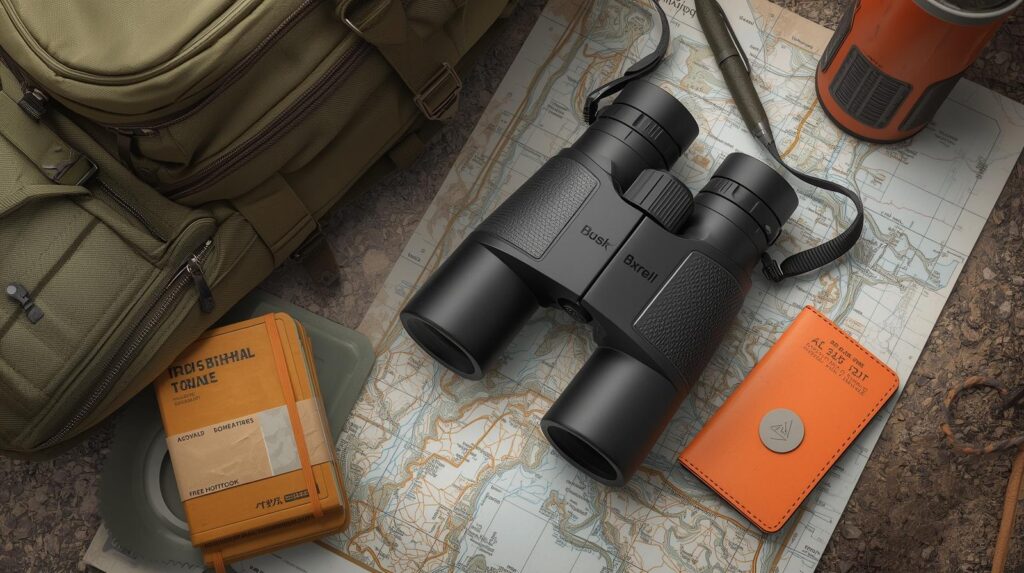
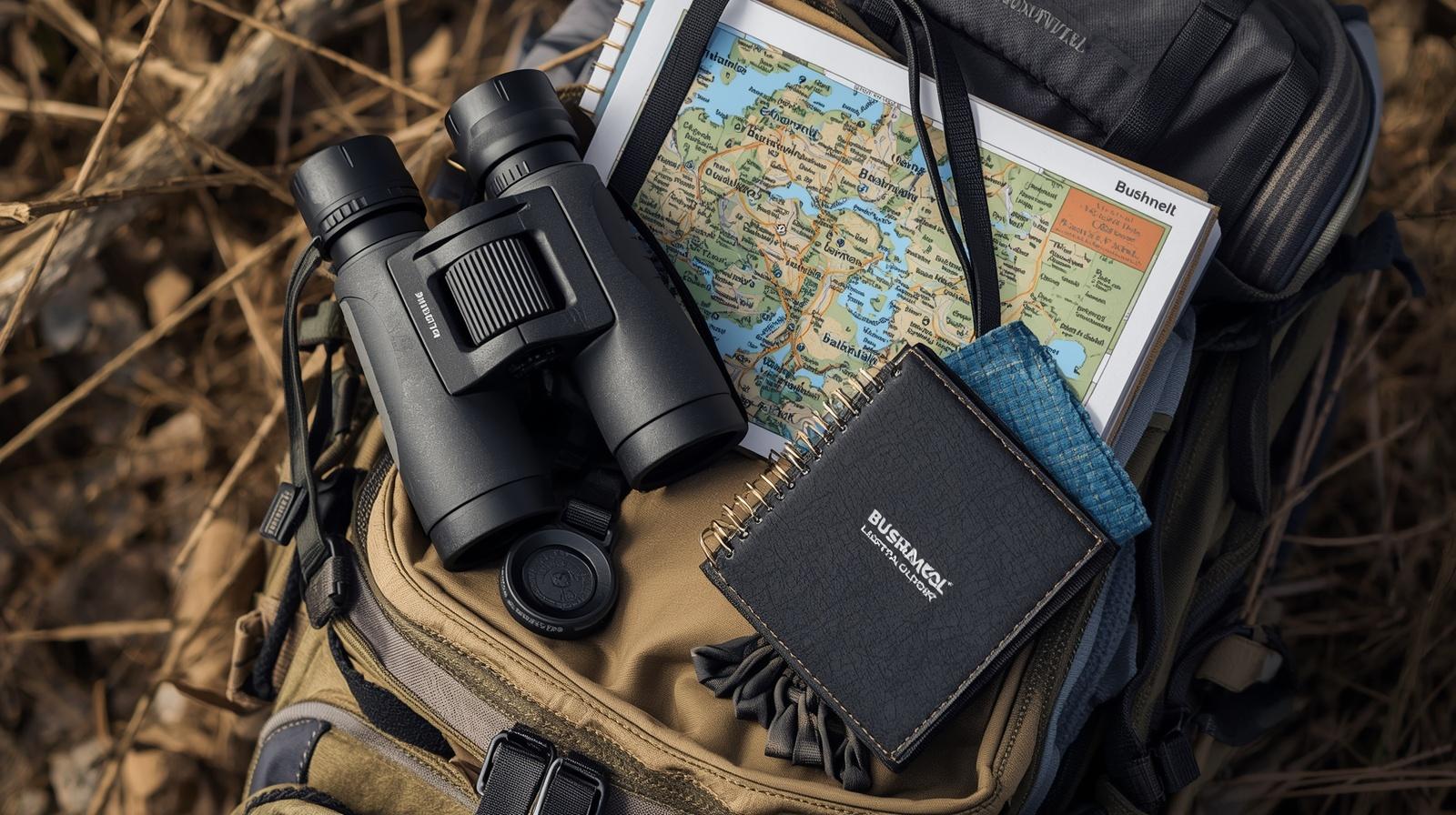
A lot of people say they want powerful binoculars. What they usually mean is they want clear views without carrying a brick around their neck for four hours.
That is exactly where lightweight Bushnell binoculars make sense.
If you hike, bird casually, scout from a truck, travel often, or just hate gear that feels heavier every mile, weight matters more than buyers admit. On paper, a few ounces can look trivial. In the field, after a long trail or a full day glassing, those ounces turn into annoyance, neck strain, and the kind of regret that makes expensive optics sit at home instead of getting used.
Bushnell has long been good at building practical binoculars for real-world users, and its current hunt lineup keeps things pretty focused rather than bloated with fifty near-identical models, because apparently not every brand needs to drown you in fake choice. Bushnell’s current hunt binocular collection includes the R3, R5, and Simmons Pro Hunter, with the R3 8×42 coming in lighter than the R5 8×42 and Simmons Pro Hunter 8×42.
This guide will help you choose the right lightweight Bushnell binoculars based on how people actually use them, not how spec sheets pretend they do.

Why Lightweight Binoculars Matter More Than Most Buyers Think
The first mistake many buyers make is treating weight like a minor spec. It is not.
With binoculars, comfort affects usage. Usage affects value. A technically better binocular that stays in the car is worse than a slightly simpler one you carry everywhere.
Lightweight binoculars help with:
- long walks and day hikes
- birding without a harness-heavy setup
- travel and sightseeing
- turkey hunting or quick scouting
- keeping fatigue low during all-day carry
- making binoculars easier for beginners and teens to use
There is also a psychological side to this. Buyers often chase “better” optics by sizing up too fast. They jump from compact curiosity to full-size overkill, then discover that bulk changes behavior. Suddenly they are leaving binoculars behind on short outings, or stuffing them into a pack instead of wearing them. That slows access and reduces how often they glass.
A lightweight pair is often the smarter buy because it gets used more.
What Counts as “Lightweight” in Bushnell Binoculars?
There are really two categories to think about.
1. Compact lightweight binoculars
These are the pocketable or near-pocketable models, often in 8×21, 10×25, or similar sizes. Bushnell has offered compact 10×25 designs for users who want easy storage and grab-and-go carry, and Bushnell’s own turkey gear content highlights a foldable 10×25 format as a packable option.
These are best for:
- travel
- casual wildlife viewing
- concerts and sports
- daypacks and glove compartments
- users who prioritize portability over low-light brightness
2. Lightweight full-size binoculars
This is the sweet spot for many people. You still get better brightness, a steadier view, and a more forgiving eye box than tiny compacts, but without moving into heavy premium glass territory.
In Bushnell’s current hunt lineup, the R3 8×42 weighs 21.3 oz, while the R5 8×42 weighs 24.7 oz and the Simmons Pro Hunter 8×42 also weighs 24.7 oz.
That makes the R3 the clearest current answer for someone searching specifically for lightweight Bushnell binoculars in a practical full-size format.
The Best Lightweight Bushnell Binoculars for Different Buyers
Here is the simple version first.
| Model | Size | Weight | Best For | Main Tradeoff |
|---|---|---|---|---|
| Bushnell R3 Binoculars | 8×42 | 21.3 oz | Best overall lightweight full-size option | Less premium optical coating package than R5 |
| Bushnell R5 Binoculars | 8×42 | 24.7 oz | Better optical features if you can tolerate a bit more weight | Heavier than R3 |
| Bushnell compact 10×25 options | 10×25 class | Lighter, more portable class | Travel, backup carry, ultra-portable use | Narrower comfort window and weaker low-light performance |
| Simmons Pro Hunter Binoculars | 8×42 | 24.7 oz | Budget-minded buyers wanting basic full-size carry | Simpler glass and coatings |
Best overall: Bushnell R3 8×42
If your main goal is finding lightweight Bushnell binoculars that still feel like real field binoculars, the R3 8×42 is the standout. It has an IPX7 waterproof rating, EXO Barrier lens protection, BaK-4 prisms, tripod adaptability, and a lighter body than the R5 and Simmons Pro Hunter in Bushnell’s current hunt range.
What I like about the R3 is that it understands its job. It is not pretending to be an elite optics-flex purchase. It is trying to be the pair you actually bring.
Pros
- light for a full-size 8×42
- waterproof and fog-resistant
- practical field features
- easier all-day carry than heavier full-size options
- solid value in Bushnell’s current lineup
Cons
- not the brightest or most refined optics in the lineup
- field of view is narrower than the R5 8×42
- less of a “buy once, obsess forever” option for hardcore enthusiasts
Best step-up option: Bushnell R5 8×42
Bushnell says the R5 uses dielectric prism coatings, PC3 phase coating, EXO Barrier protection, and an IPX7 waterproof sealed chassis. It also offers a wider 390 ft field of view at 1,000 yards than the R3 8×42’s 325 ft.
That matters if you are tracking movement, scanning edges, or birding in mixed cover. The tradeoff is simple: you gain optical upgrades, but you give back some weight savings.
Pros
- wider field of view
- stronger coating package
- better choice for users who care about image refinement
- still reasonable for carry
Cons
- heavier than the R3
- costs more
- less ideal if your top priority is shaving ounces
Best for ultra-portable use: Bushnell compact 10×25-style models
For travel, glove box use, and short outings, compact Bushnell binoculars make a lot of sense. Bushnell’s own material references a foldable 10×25 format as a practical carry choice for turkey vests and mobile use.
I would only go this route if portability is your number-one filter. Compact binoculars are easy to pack, but they are less forgiving in dim light and often less comfortable for long viewing sessions.
They are smart tools, not magic.
How to Choose the Right Lightweight Bushnell Binoculars
Choose 8x over 10x if comfort matters
This is one of the easiest wins.
If you want lightweight binoculars for birding, walking trails, casual scouting, or general outdoor use, 8x magnification is usually the safer choice. It gives you a steadier image, a wider view, and less hand shake than 10x. That makes lighter binoculars easier to enjoy.
A lot of buyers assume 10x is automatically better because bigger numbers calm the anxious little shopper brain. In reality, 8x is often more usable.
Do not chase tiny size if you need low-light performance
Compact models are great for convenience. They are not great at bending physics.
If you bird early in the morning, glass into shaded woods, or stay out until dusk, a lightweight 8×42 will usually outperform a tiny compact by a noticeable margin. Bushnell’s current R3 and R5 8×42 models both use full-size 42mm objectives and weather-ready chassis features built for field use.
Think about carrying style, not just storage size
A compact binocular is easy to pack.
A lightweight full-size binocular is easier to view through for longer periods.
That distinction matters. If you spend more than a few minutes glassing at a time, full-size comfort often beats compact convenience. If your binoculars are mostly “nice to have, just in case,” compact wins.
Real-World Use Cases for Lightweight Bushnell Binoculars
For hiking
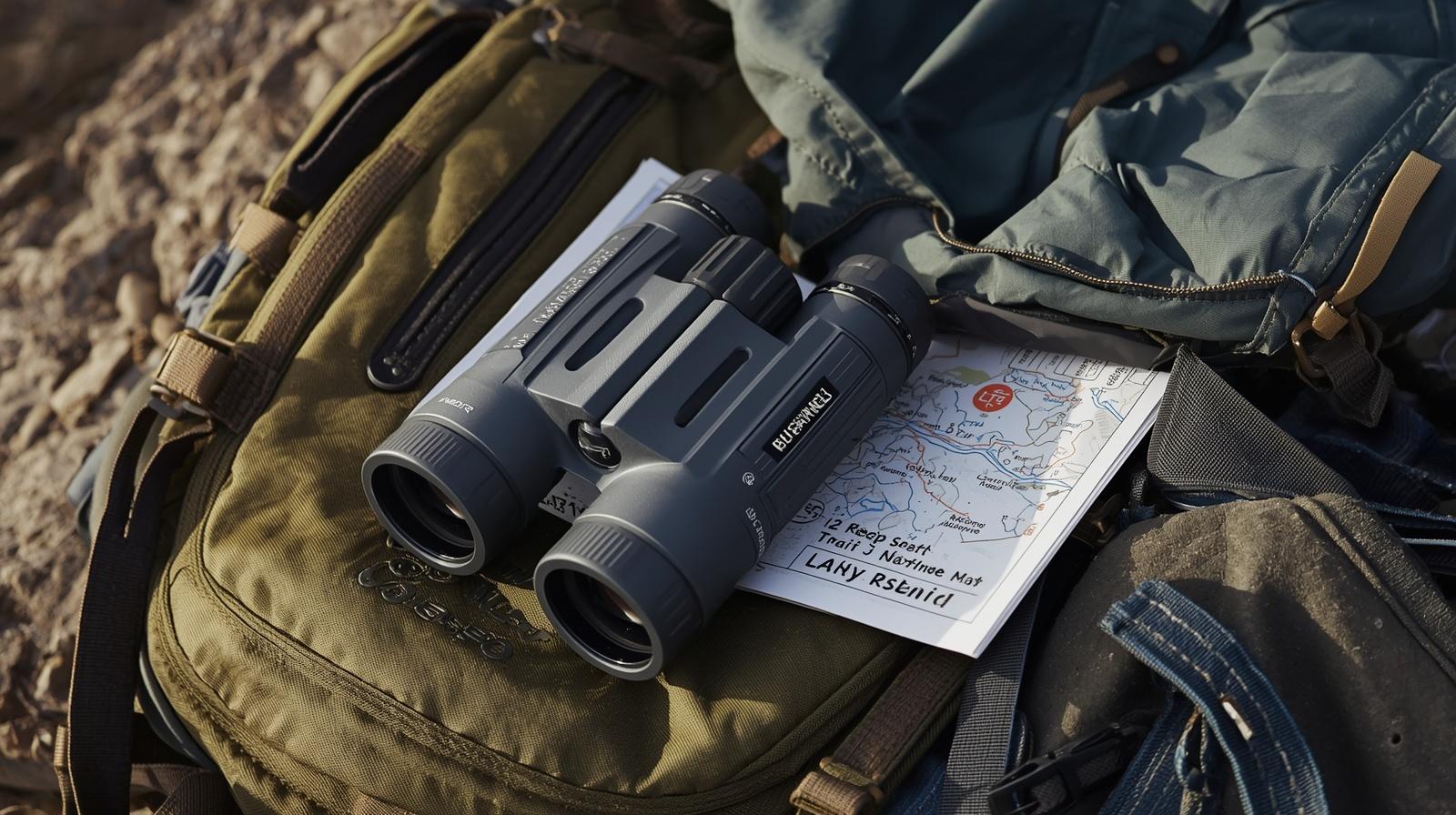
The ideal hiking binocular has to disappear until needed, then work without fuss. This is where the R3 8×42 makes a strong case. At 21.3 oz, it is light enough for repeated carry without feeling toy-like or underbuilt.
For birding beginners
New birders often buy too much magnification and too much weight. Then they wonder why their image shakes and their neck hurts. A lightweight 8×42 is a much more beginner-friendly format.
For a broader look at which Bushnell models suit birders best, see our Best Bushnell Binoculars for Bird Watching guide.
For hunting and scouting
If you are carrying multiple pieces of gear, binocular weight becomes part of total fatigue. Bushnell’s hunt lineup is designed around field durability, with the R3 and R5 offering waterproof construction and lens protection features suited to rougher use.
For buyers who also care about weather resistance, read our guide to 👉Waterproof Bushnell Binoculars for Birders.
For travel and casual sightseeing
This is where compact Bushnell binoculars shine. You do not need premium glassing performance for every use. Sometimes you just want a binocular that fits in a side pocket and gives you a better look at architecture, coastlines, or distant wildlife.
The One Bushnell Product I’d Actually Recommend Here
If I had to recommend just one product for this keyword, it would be the Bushnell R3 8×42.
Why?
Because it hits the best balance of:
- real field usability
- manageable carry weight
- weather-ready build
- sensible price
- full-size viewing comfort
Bushnell lists the R3 8×42 at 21.3 oz, with IPX7 waterproofing, EXO Barrier protection, BaK-4 prisms, and tripod adaptability.
That is exactly the kind of binocular many buyers should start with before they talk themselves into something heavier and more expensive.
Common Mistakes People Make When Buying Lightweight Binoculars
Mistake 1: Buying the lightest model without thinking about viewing comfort
Yes, lighter is nice. But too small can mean:
- harder eye placement
- shakier view
- poorer low-light performance
- less comfortable long-session use
Mistake 2: Assuming premium always means heavier
Not always. But better coatings, stronger chassis materials, and more robust weatherproofing can add some weight. The trick is deciding whether those upgrades matter enough for your use case.
For a broader comparison of brand philosophy and value, see 👉Bushnell vs Vortex for Bird Watching and Bushnell vs Nikon Binoculars.
Mistake 3: Ignoring field of view
A lighter binocular with a cramped feel can be frustrating. Bushnell lists the R5 8×42 at 390 ft @ 1,000 yds, compared with 325 ft @ 1,000 yds for the R3 8×42.
That difference may matter more to some users than a few ounces.
Mistake 4: Not considering weather protection
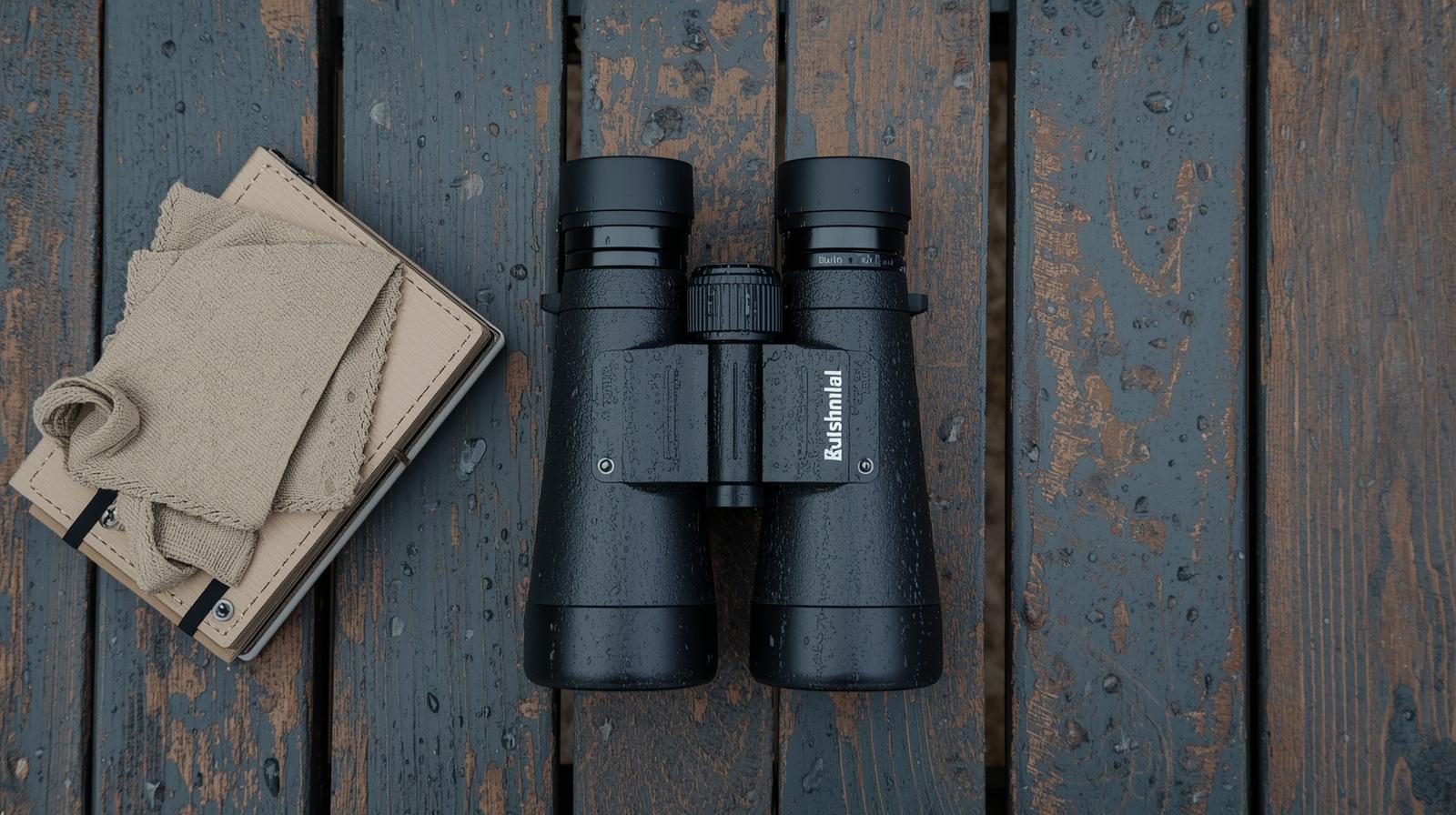
Lightweight does not help much if the binocular fogs internally or struggles in wet conditions. Bushnell’s R3 and R5 both include waterproof construction and anti-fog gas purging in their listed specs.
Are Lightweight Bushnell Binoculars Good Enough for Serious Use?
Usually, yes, with a caveat.
If by “serious use” you mean regular hiking, repeated birding, general wildlife observation, hunting backup glass, or travel, lightweight Bushnell binoculars are more than good enough. In fact, they can be the smarter choice because you are more likely to carry them consistently.
If by “serious use” you mean dedicated long-range glassing for hours every weekend in challenging light, then weight savings should not be your only priority. Optical refinement, field of view, brightness, and handling under strain begin to matter more.
That is why the R3 and R5 split nicely:
- R3 for lighter carry and value
- R5 for users who want better optical features and can accept more weight
For a broader comparison across Bushnell’s lineup, you can also see our detailed Bushnell Binoculars Review.
Final Verdict
The best lightweight Bushnell binoculars are not necessarily the smallest ones. They are the ones that balance portability with actual viewing comfort.
For most buyers, that means a lightweight full-size option beats a tiny compact. And within Bushnell’s current hunt lineup, the R3 8×42 is the most compelling choice if weight is a major concern. It is lighter than the current R5 8×42 and Simmons Pro Hunter 8×42, while still offering waterproof construction, EXO Barrier protection, and a usable full-size format.
If you want the simplest advice possible, here it is:
Buy compact Bushnell binoculars when storage space is the problem.
Buy the Bushnell R3 8×42 when carrying comfort is the problem.
Buy the R5 8×42 when optical upgrades matter more than shaving every ounce.
That is the whole game. The rest is marketing garnish and grown adults arguing over decimal points.
FAQs About Lightweight Bushnell Binoculars
Are lightweight Bushnell binoculars good for bird watching?
Yes. A lightweight Bushnell 8×42 can be a very good birding choice because it balances portability, image steadiness, and comfort. For most casual and intermediate birders, that matters more than chasing maximum magnification.
What is the best lightweight Bushnell binocular right now?
In Bushnell’s current hunt binocular range, the R3 8×42 is the best lightweight full-size option because it weighs 21.3 oz, less than the R5 8×42 and Simmons Pro Hunter 8×42.
Are compact Bushnell binoculars better than 8×42 models?
They are better for portability, but not always for comfort or low-light viewing. Compact models are ideal for travel and casual use. An 8×42 is usually better for longer viewing sessions and more demanding outdoor use.
Is the Bushnell R3 better than the R5 for lightweight use?
For weight-focused buyers, yes. The R3 8×42 is lighter. The R5 offers stronger optical features and a wider field of view, so it may still be better for users who care more about image quality than shaving weight.
Are lightweight Bushnell binoculars waterproof?
Some are. Bushnell lists both the R3 8×42 and R5 8×42 with IPX7 waterproof ratings and anti-fog gas purging.
Do lighter binoculars always mean lower quality?
No. Lighter binoculars can still be durable and field-capable. The real question is whether the model gives up too much optical comfort or low-light performance to save weight. The best lightweight binoculars keep that compromise reasonable.




