
What Makes Binoculars Under $200 Worth Buying?
There’s a reason this price bracket gets so much attention: around $200 is where binoculars stop feeling like disposable gear and start feeling genuinely useful outdoors. Not magical. Not alpha-glass good. But useful in the way that matters when you’re trying to pick out movement at tree line, read feather detail before the bird turns, or scan a valley without feeling like your eyes are arguing with the glass.
That’s also where a lot of buyers get slightly sidetracked.
They chase magnification instead of usability. They buy the lightest pair and then wonder why dusk performance feels thin. Or they buy the cheapest “HD” binocular they can find, only to realize that sharpness on paper and comfort in the field are not the same thing.
A good binocular under $200 should do three things well: give you a bright, easy view, survive real outdoor use, and feel natural enough that you actually carry it. Because the pair that stays in the closet is never the best value.
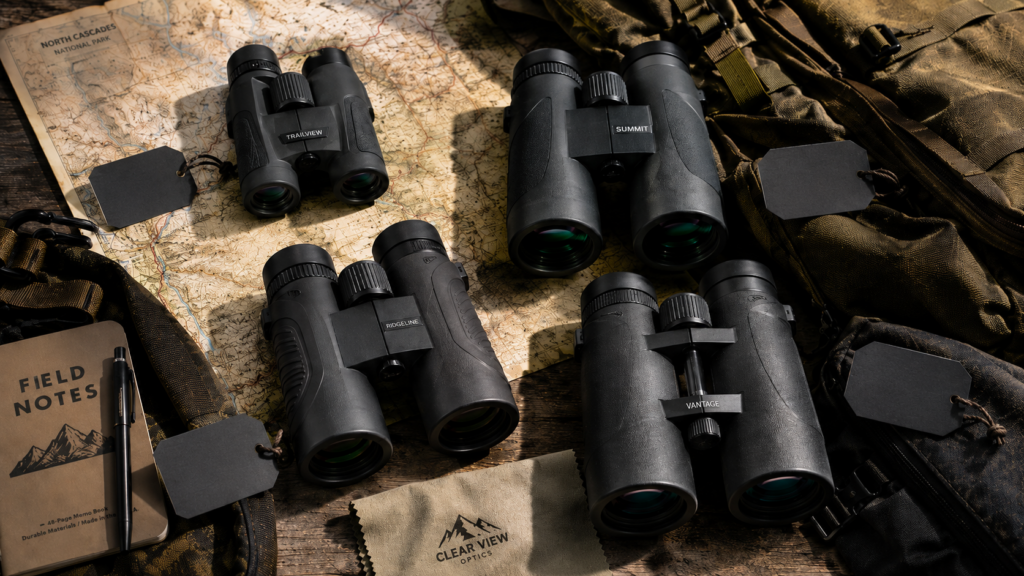
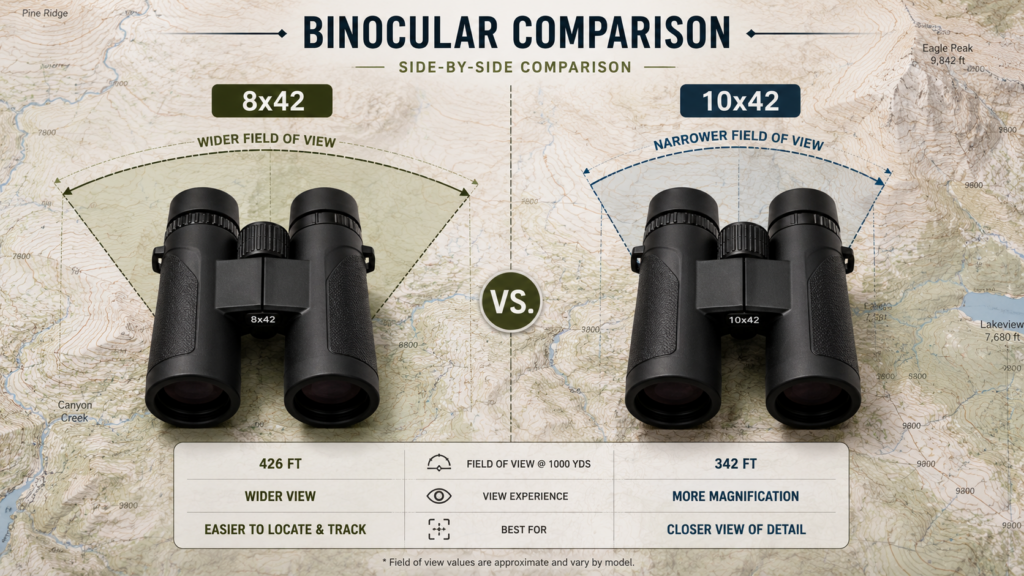
In this price range, the most practical sweet spot is still 8×42 or 10×42. REI notes that the numbers describe magnification and objective lens size, while broader optics guidance from Nikon and birding sources shows why field of view, close focus, and eye relief matter just as much in real use. Wider fields help you find and follow moving subjects; higher magnification helps at distance but is harder to hold steady.
The Shortlist: Best Binoculars Under $200 to Check First
The models below are strong budget-friendly options that often sit within or near the under-$200 range, depending on current retailer pricing, seasonal sales, and availability. They cover the main buyer types well: all-around users, birders, hikers, hunters, and people who want a safe, low-regret purchase. Always check the latest price and product details on the official brand page or a trusted retailer before buying.
| Model | Best for | Why it stands out | Main drawback | Typical price zone |
|---|---|---|---|---|
| Nikon PROSTAFF P3 10×42 | Best overall | Balanced optics, light enough, trusted generalist | Not the widest, calmest view | Around $170 |
| Celestron Nature DX 8×42 | Best for birding | Wide, easy view and close focus | Not the toughest-feeling chassis here | Around $180 |
| Bushnell Engage X 10×42 | Best for hunting | Weather-ready, solid coatings, practical field bino | Narrower field than 8×42 picks | Around $150 |
| Vortex Triumph HD 10×42 | Best under $100 | Big value, strong starter choice | Optical ceiling shows at the edges | Around $100 |
| Athlon Neos G2 HD 10×42 | Best value backup bino | Good price-to-performance ratio, waterproof | A bit less refined ergonomically | Around $125–$140 |
| Celestron Nature DX 10×42 | Best for longer reach on a budget | Strong close focus and useful 10x versatility | More hand shake than 8×42 | Around $190 |
| Celestron Outland X 8×42 | Best budget wide-view pick | Wide field and relaxed viewing | Not as optically polished as the top picks | Often below $150 |
Why the $200 Category Is Better Than It Used to Be
A few years ago, sub-$200 binoculars were often a compromise in the annoying way: soft edges, poor coatings, stiff focus wheels, weak waterproofing claims, and eye relief that looked acceptable until you actually wore glasses.
Now, even modestly priced models commonly offer fully multi-coated optics, roof-prism designs, waterproof or fogproof construction, and more usable ergonomics. Vortex’s Triumph HD line includes fully multi-coated lenses, waterproofing, fogproofing, shockproofing, and a 334-foot field of view. Nikon’s PROSTAFF P3 10×42 adds waterproofing, fogproofing, silver-alloy prism coating, and a 367-foot field of view at a modest 20.6 ounces. Athlon’s Neos G2 HD line brings waterproof/fogproof construction and HD glass into the lower-budget zone.
That doesn’t mean every budget binocular is a steal.
It means the good ones are now good enough to recommend without apologizing first.
How to Pick the Right Magnification Without Overthinking It
8×42: the calmer, easier view
An 8×42 is usually the easiest recommendation for mixed outdoor use. It gives you a wider field of view, feels steadier in the hands, and tends to be more forgiving when you’re locating moving subjects in woods, brush, or cluttered backgrounds. That is exactly why 8×42 keeps showing up as the safer choice for birding, hiking, and general nature use.
10×42: more reach, more discipline required
A 10×42 makes sense when you spend more time in open country, shorelines, ridgelines, marsh edges, or large fields where extra reach helps. The tradeoff is familiar: more visible hand shake and a slightly less relaxed viewing experience over long sessions. In other words, 10x gives you more detail only when you can actually hold the image well enough to use it.
The honest version
For most people buying one pair under $200, 8×42 is the smarter first purchase. For buyers who already know they glass open spaces, scan longer distances, or simply prefer a tighter view, 10×42 is still a strong call.
For a more specific breakdown by activity, the deeper comparisons on best binoculars under $200 for bird watching, best binoculars under $200 for hunting, and best 10×42 binoculars under $200 help narrow it fast.
Best Binoculars Under $200: Detailed Picks
Nikon PROSTAFF P3 10×42 — Best Overall
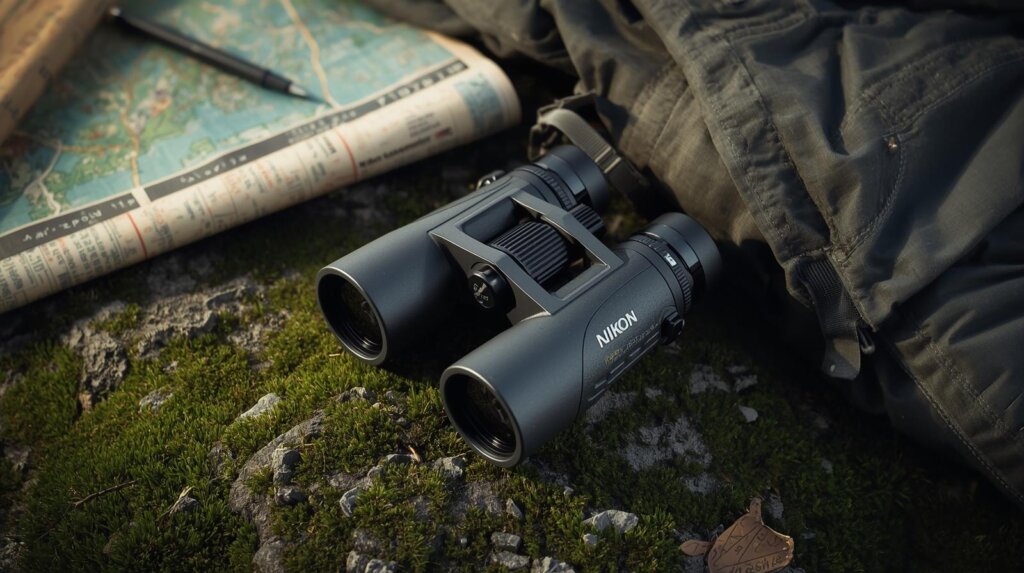
The Nikon PROSTAFF P3 10×42 is the pair I’d point most buyers toward first. Not because it dominates every category, but because it avoids the usual budget-binocular mistakes. It’s light enough to carry, bright enough for early and late use, and refined enough that you don’t feel like you bought a placeholder.
Nikon lists it at 10×42 with a 367-foot field of view at 1,000 yards, 9.8-foot close focus, waterproof/fogproof construction, and a 20.6-ounce weight. That combination matters more than it looks on a spec sheet. The close focus makes nearby detail easier than many budget 10x42s. The weight keeps it from becoming a shoulder-taxing brick. And the view has the kind of easy, clean usability that makes a buyer stop obsessing over upgrade spreadsheets.
Pros
- Strong all-purpose balance
- Light for a full-size 10×42
- Good general ergonomics
- Credible outdoor durability
Cons
- 10x still won’t be as relaxed as 8x
- Not the cheapest route into decent optics
This is the pair for someone who wants one binocular for birds, hikes, travel, overlooks, sports, and opportunistic wildlife watching without constantly feeling the compromises.
Check current pricing on the Nikon PROSTAFF P3 10×42 before stock or rebate pricing shifts.
Celestron Nature DX 8×42 — Best for Birding
The Celestron Nature DX 8×42 makes a lot of sense for birders because it gets the important things right for that job: a wider, calmer 8x view, useful close focus, and enough brightness to stay enjoyable when light starts getting soft.
Celestron specs describe the Nature DX 8×42 with phase-coated BaK-4 prisms, fully multi-coated optics, waterproof construction, and a close focus of 6.5 feet. That close-focus behavior is not a throwaway detail. It’s one of the reasons this model feels more “alive” in real birding use than many generic budget binoculars. When a warbler hops closer than expected or a dragonfly lands near the trail edge, you don’t feel instantly punished by the spec sheet.
Pros
- Very friendly for birding beginners
- Wide, easy view
- Useful close focus
- Good value for a true nature-first bino
Cons
- Not as compact as a travel-first model
- Build is good, but not especially premium-feeling
Birding-specific readers should also open best binoculars under $200 for bird watching. That article can go narrower into woodland use, feeder watching, marsh scanning, and edge habitat choices.
See current deals on the Celestron Nature DX 8×42 while it still stays in the budget lane.
Bushnell Engage X 10×42 — Best for Hunting
The Bushnell Engage X 10×42 feels built for buyers who care less about romantic optics talk and more about practical field use: weather resistance, dependable coatings, decent low-light help, and a design you won’t baby.
Bushnell specs highlight fully multi-coated optics, EXO Barrier protection on exterior lens surfaces, IPX7 waterproofing, 18mm eye relief, and a 620g weight. That’s a sensible feature stack for hunters who deal with damp mornings, dusty packs, and long sits where comfort matters as much as magnification.
Pros
- Hunting-friendly coatings and weather resistance
- Solid value at around $150
- Good eyecup/eye-relief setup
- Practical, no-nonsense field choice
Cons
- 10x view is less forgiving than 8x in timber
- Not the brightest glass in the category
It’s especially appealing for deer stands, open-field scanning, ridge glassing, and buyers who prefer a slightly tougher-feeling binocular over the softer, more birding-oriented alternatives.
For more hunting-specific recommendations, see best binoculars under $200 for hunting and best waterproof binoculars under $200.
Vortex Triumph HD 10×42 — Best True Budget Pick
The Vortex Triumph HD 10×42 is a strong choice for buyers who need a genuine budget win, not a fake bargain. It often appears near the entry-level budget range at major retailers, but pricing can change. Vortex specs show a 334-foot field of view, 17mm eye relief, 15.3-foot close focus, fully multi-coated lenses, and water/fog/shockproof construction.
This is not the pair that makes you forget premium glass exists. But that’s not the point. The point is that it gives beginners, backup-kit buyers, truck-binocular shoppers, and casual outdoors people a real 10×42 roof-prism option without creeping into “I should have just spent more” regret.
Pros
- Excellent entry price
- Strong value for a starter bino
- Nice included accessories
- Weather-ready enough for real use
Cons
- Edge performance and refinement are limited
- Some reviewers still view it as a beater-class option rather than a forever bino
This is the pair I’d choose for a glovebox, a backup pack, loaner duty, or the buyer who is curious about binoculars but not yet ready to pay for polish.
Check current pricing on the Vortex Triumph HD 10×42 if you’re hunting for the best true budget buy.
Athlon Neos G2 HD 10×42 — Best Value Backup or Truck Bino
The Athlon Neos G2 HD 10×42 sits in a very interesting zone: not ultra-cheap, not flashy, but quietly sensible. Athlon specs highlight waterproof/fogproof construction plus HD glass designed to support better brightness and sharpness.
In plain terms, this is the kind of binocular that earns its keep by being easy to justify. It’s the pair you throw in a daypack, keep in a side-by-side, or carry on trips where you’d rather not risk your nicer gear. Buyers looking for perfection will read right past it. Buyers who value good-enough performance at a fair price tend to appreciate it more with time.
Pros
- Good value-to-performance balance
- Waterproof and fogproof
- Sensible second-pair option
- Usually priced very competitively
Cons
- Less refined than the Nikon pick
- Not the strongest option for buyers chasing the widest view
It also fits nicely for anyone building a two-binocular setup: one better pair for serious outings, one durable budget pair that can live in the car.
Celestron Nature DX 10×42 — Best for Extra Reach on a Budget
The Celestron Nature DX 10×42 works well for people who like the Nature DX formula but want more reach than the 8×42 version. Celestron specs describe it with phase-coated BaK-4 prisms, fully multi-coated optics, waterproof construction, and a 6.5-foot close focus.
That makes it a compelling option for mixed nature use, shorelines, overlooks, sports fields, and daylight glassing where extra reach is genuinely useful. The caution is simple: at 10x, every weakness in your hand stability shows up faster. Some people love that more immersive reach. Others use it for ten minutes, then realize they’d have been happier with 8x.
Pros
- Solid budget 10x nature bino
- Great close focus for the class
- Better reach for open spaces
- Strong all-around features for the money
Cons
- Less forgiving than 8×42
- Near the top of the budget ceiling
This one makes a lot of sense for readers also considering best 10×42 binoculars under $200 or best binoculars under $200 for travel where daytime sightseeing and longer viewing distances matter.
Compare the current price of the Celestron Nature DX 10×42 before adding it to your shortlist.
Celestron Outland X 8×42 — Best Wide-View Budget Alternative
The Celestron Outland X 8×42 doesn’t get the same attention as the Nature DX line, but it’s still a smart budget option for buyers who want a wider, steadier 8×42 without chasing the upper end of the price bracket.
Celestron specs list it at 8×42 with a 368.4-foot field of view at 1,000 yards, 17.8mm eye relief, and 13.1-foot close focus. Those numbers hint at its real strength: relaxed viewing. It’s not trying to win the premium-optics argument. It’s trying to be pleasant enough that you keep using it. And honestly, that matters more.
Pros
- Comfortable 8x viewing
- Strong field of view
- Friendly for beginners
- Usually good value
Cons
- Optical performance doesn’t quite match the better Nature DX pick
- Less compelling for buyers who need more reach
For hikers and casual travelers, it’s a genuinely likable option. Readers focused on size and portability should also check best compact binoculars under $200 and best binoculars under $200 for hiking.
Nikon Aculon A211 10×42 — Best Budget Porro Option
The Nikon Aculon A211 10×42 is the odd one out here because it uses a porro prism design instead of a roof prism body. That means it has a bulkier shape, less streamlined packing, and a more old-school look. But it also brings a classic, roomy viewing experience that some people still prefer.
Nikon and major retailer specs describe it with multicoated lenses, BaK4 porro prisms, a 10×42 configuration, and a 314-foot field of view. The main catch is comfort for glasses wearers: the eye relief is around 11.6mm, which is not generous by current standards.
Pros
- Very affordable
- Classic porro depth feel
- Good daylight value
- Strong option for casual users who don’t mind bulk
Cons
- Bulkier to pack
- Short eye relief for glasses
- Less weather-ready than the strongest roof-prism picks
This is a better “yard, sports day, casual nature, and weekend bag” binocular than a serious wet-weather backcountry choice.
Real-World Buying Scenarios
For birding in woods and mixed habitat
Go 8×42 first. The wider view and steadier image matter more than extra reach in cluttered environments. The Celestron Nature DX 8×42 and Celestron Outland X 8×42 are the easiest fits here.
For hunting in open country
A 10×42 usually makes more sense. The Bushnell Engage X 10×42 is especially appealing for buyers who prioritize weather resistance and practical field durability.
For hiking
Weight and carry comfort start to matter more after the first hour, not the first five minutes. The Nikon PROSTAFF P3 10×42 is a strong full-size choice, while readers who want something lighter and less bulky should go straight to best compact binoculars under $200 and best binoculars under $200 for hiking.
For travel
Travel buyers often think “small first,” then regret dim, fiddly optics later. A good compact is fantastic; a bad compact is annoying. That’s why the travel-specific breakdown in best binoculars under $200 for travel is worth opening before you buy on size alone.
Mistakes Buyers Make in This Category
Buying 12x or higher just for “more zoom”
On a tripod, sure. In the hand, often frustrating.
Ignoring eye relief
For glasses wearers, this matters fast. A binocular can look fine on paper and still feel cramped.
Overvaluing “HD” in the product name
Some budget models use HD honestly. Some use it like seasoning.
Treating all waterproof claims as equal
A vague “weather resistant” label is not the same as proven waterproof/fogproof construction.
Buying for occasional use, then carrying the wrong size
This one sneaks up on people. A binocular you enjoy for ten minutes at the store can feel very different after a mile on trail.
Final Verdict
- For most buyers, the Nikon PROSTAFF P3 10×42 is the best overall binocular under $200 because it avoids obvious weaknesses and feels useful across the widest range of situations.
- For birding, the Celestron Nature DX 8×42 is the smarter pick.
- For hunting and weather-heavy use, the Bushnell Engage X 10×42 deserves real attention.
- For the tightest budget, the Vortex Triumph HD 10×42 is the most convincing low-cost entry.
- And that, really, is the bigger point: under $200 no longer means settling for junk. It means choosing your compromise carefully.
- For more field-ready comparisons and use-case buying guides, keep exploring bestbinocular.net before choosing your next pair.
FAQs About the Best Binoculars Under $200
What are the best binoculars under $200 overall?
For the broadest range of buyers, the Nikon PROSTAFF P3 10×42 is the safest overall choice. It balances size, usability, durability, and general optical quality better than most rivals at the price.
Are 10×42 binoculars better than 8×42?
Not automatically. A 10×42 gives more reach, but an 8×42 is usually easier to hold steady and easier to use in woods, birding, and mixed terrain.
What is the best binocular for bird watching under $200?
The Celestron Nature DX 8×42 is one of the strongest birding-focused options in this bracket because of its wide, forgiving view and close-focus ability.
What is the best binocular for hunting under $200?
The Bushnell Engage X 10×42 is a strong hunting choice thanks to practical coatings, IPX7 waterproofing, and a field-friendly feature set.
Are binoculars under $200 good enough for serious outdoor use?
Yes—provided you buy selectively. Models in this tier now commonly include meaningful waterproofing, decent coatings, and usable ergonomics. The best ones are absolutely good enough for regular birding, hunting, hiking, travel, and sports viewing.
Is it better to buy a compact binocular under $200?
Only when packability is your top priority. Full-size 8×42 and 10×42 binoculars usually deliver a more comfortable, brighter, easier view. Readers chasing smaller form factors should compare options in best compact binoculars under $200.




