
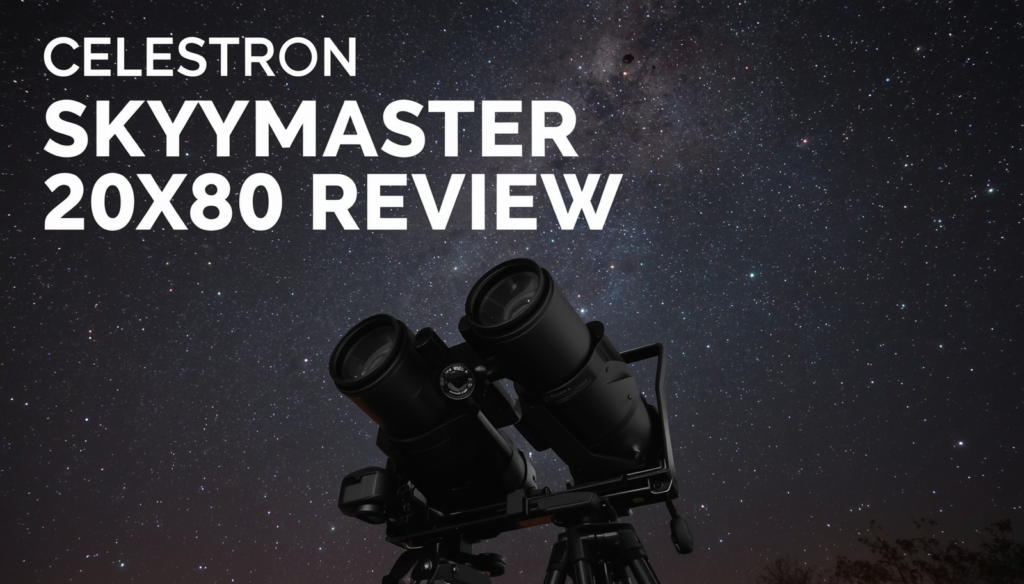
Celestron SkyMaster 20×80 Review 2026: Real Stargazing Experience
If you’ve ever tried stargazing with cheap binoculars and ended up seeing… basically nothing except disappointment, you already understand why something like the Celestron SkyMaster 20×80 Review 2026 even matters.
This isn’t your casual “throw-it-in-a-bag” binocular. It’s big, heavy, and unapologetically designed for one thing: pulling faint objects out of the night sky and actually making them visible.
But here’s the real question people don’t ask properly:
Is it actually worth buying in 2026, or just another overhyped giant binocular?
Let’s break it down based on real use, not marketing fluff.
What the SkyMaster 20×80 Actually Feels Like to Use
Before specs, before comparisons, let’s talk reality.
The first time you hold the SkyMaster 20×80, you immediately realize:
- This is not handheld-friendly for long sessions
- This is not “casual viewing” gear
- This is a serious observing tool
And that’s exactly why people either love it… or regret buying it.
Real-world scenario:
You’re on a rooftop, low light pollution, clear sky. You mount it on a tripod, aim toward Orion…
Suddenly:
- The Orion Nebula is not just a blur anymore
- Star clusters actually look like clusters
- You start noticing structure, not just dots
That’s where this binocular shines. Literally.
Key Specs (That Actually Matter)
- Magnification: 20x
- Objective Lens: 80mm
- Prism Type: Porro Prism (BAK-4)
- Exit Pupil: 4mm
- Weight: ~2.1 kg
Now, specs alone don’t mean much unless you understand what they do:
- 20x magnification → Great for deep-sky objects, not great for shaky hands
- 80mm aperture → Huge light gathering, excellent for low-light
- 4mm exit pupil → Balanced brightness and contrast
This setup is basically optimized for astronomy and long-distance observation, not casual birdwatching.
Optical Performance: Where It Earns Its Reputation 🔭
Let’s skip the usual “great optics” nonsense.
Here’s what you actually notice:
1. Light Gathering Is Impressive
You can see:
- Star clusters clearly
- Bright galaxies under decent skies
- Nebulae with shape and depth
This is where it outperforms smaller binoculars like the Nature DX line.
2. Edge Sharpness Is… Fine
Center view is sharp. Edges soften a bit.
If you’re expecting telescope-level clarity across the entire field, lower your expectations slightly.
3. Chromatic Aberration Exists
You’ll see some color fringing on bright objects (like the Moon), but honestly:
At this price point, it’s acceptable.
Tripod Requirement (Non-Negotiable)
Let’s be blunt.
If you plan to handhold this, you’re setting yourself up for frustration.
Why?
- 20x magnification amplifies hand shake
- Weight causes fatigue in minutes
- Image becomes unstable
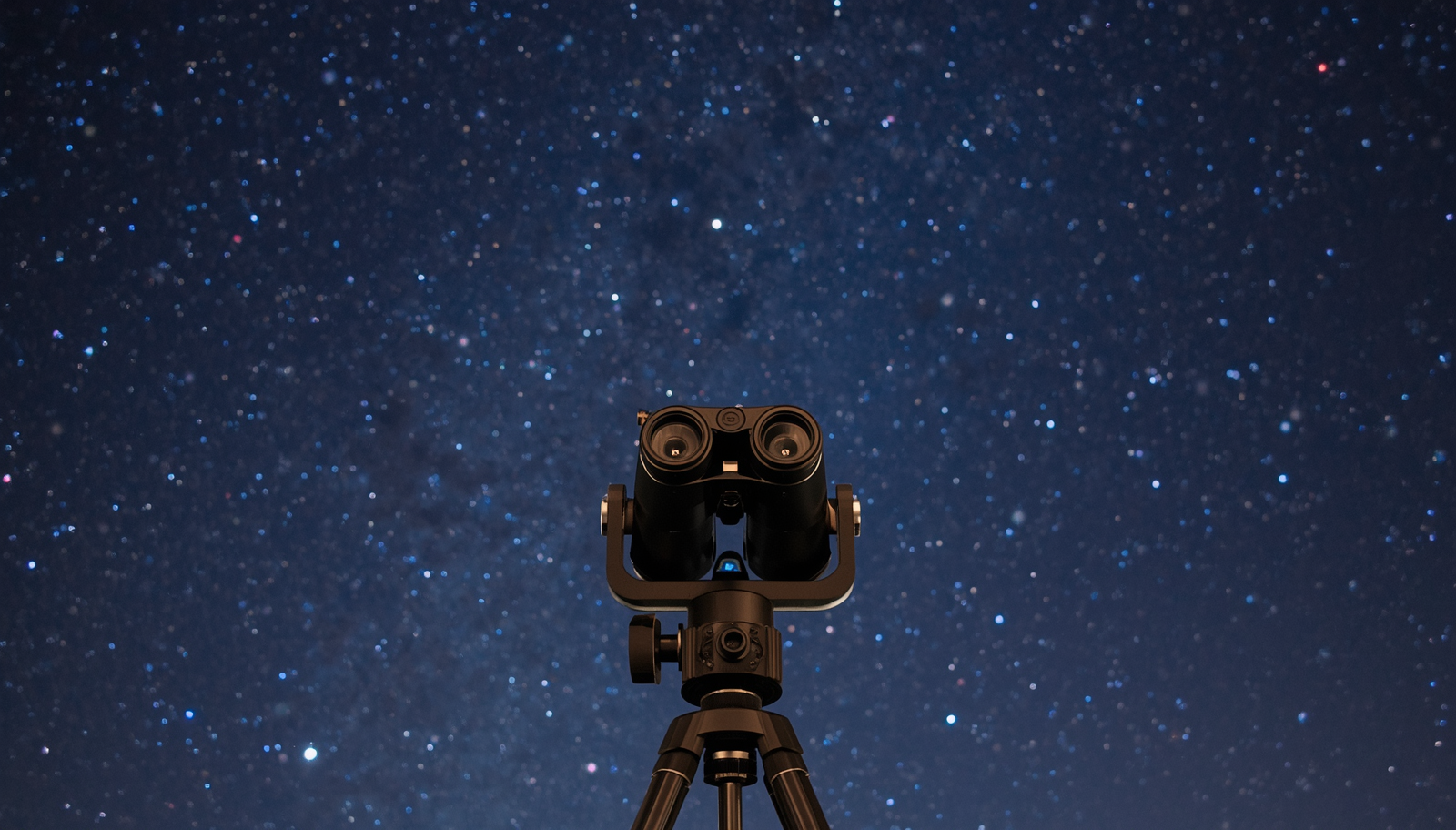
This binocular is practically designed to be used with a tripod.
For setup guidance, check this:
Best Tripod for Celestron Binoculars (2026 Buyer’s Guide)
That’s not optional reading. It’s survival.
SkyMaster 20×80 vs Nature DX (Real Talk)
The Nature DX series is often recommended as a beginner-friendly option.
Here’s the difference in real use:
| Feature | SkyMaster 20×80 | Nature DX |
|---|---|---|
| Portability | Low | High |
| Light Gathering | Very High | Moderate |
| Tripod Needed | Yes | No |
| Use Case | Astronomy | Birding, travel |
| Ease of Use | Medium | Very Easy |
Bottom line:
- Choose Nature DX if you want flexibility
- Choose SkyMaster 20×80 if you want serious sky performance
If you’re still unsure, start with this:
Best Celestron Binoculars for Stargazing (2026 Guide)
Real Use Cases (Where It Actually Makes Sense)
🌌 Stargazing (Best Use)
This is where it dominates.
You can:
- Observe deep-sky objects
- Track constellations
- Explore wide fields
🏞️ Long-Distance Viewing
Mountain ridges, coastlines, distant landmarks… it works.
But:
- Setup takes time
- Not ideal for quick scans
🚫 Birdwatching or Travel
No. Just no.
Unless you enjoy carrying a small dumbbell around your neck.
Pros and Cons (No Sugarcoating)
👍 Pros
- Excellent light gathering
- Ideal for astronomy
- Affordable for its size
- Wide field for scanning the sky
👎 Cons
- Heavy and bulky
- Requires tripod
- Not beginner-friendly
- Edge distortion noticeable
Common Mistakes Buyers Make
1. Thinking Bigger = Always Better
More magnification sounds great… until you realize you can’t hold it steady.
2. Skipping the Tripod
This ruins the entire experience.
3. Expecting Telescope-Level Detail
It’s powerful, but it’s still binoculars.
4. Using It in Light-Polluted Areas
Even the best optics struggle under city lights.
Comparison: SkyMaster 20×80 vs 25×70
This is one of the most common dilemmas.
Quick breakdown:
| Feature | 20×80 | 25×70 |
|---|---|---|
| Brightness | Higher | Lower |
| Magnification | Lower | Higher |
| Stability | Better | Worse |
| Field of View | Wider | Narrower |
Recommendation:
- Choose 20×80 for brighter, wider views
- Choose 25×70 if you want more zoom and can handle stability issues
For full details:
Celestron 20×80 vs 25×70 Binoculars: Which One Should You Buy?
Can It See Planets?
Short answer: Yes… but manage expectations.
You’ll see:
- Jupiter as a bright disk
- Possibly its moons
- Saturn as a slightly oval shape
But don’t expect rings in detail.
For a deeper breakdown:
Are Celestron Binoculars Good for Seeing Planets? (Real Answer)
Who Should Actually Buy This?
You SHOULD buy it if:
- You’re serious about stargazing
- You already have or will get a tripod
- You want deep-sky visibility without buying a telescope
You SHOULD NOT buy it if:
- You want portability
- You’re a beginner who just wants casual viewing
- You hate setup
Smart Buyer Tips (That Save You Regret)
1. Always Pair With a Tripod
Non-negotiable.
2. Check Your Sky Conditions
Dark skies make a massive difference.
3. Learn Basic Astronomy
Knowing what to look for changes everything.
4. Don’t Ignore Smaller Options
Sometimes, a lighter binocular gives a better experience overall.
Best Pick Based on Real Use
If you’re committing to this category, the best choice is obvious:
👉 Celestron SkyMaster 20×80
It hits the sweet spot between:
- Performance
- Price
- Accessibility
Not perfect, but very hard to beat in its class.
FAQs
What can you see with Celestron SkyMaster 20×80?
You can observe star clusters, nebulae, the Moon, and bright planets. It excels in deep-sky viewing under dark skies.
Do you need a tripod for SkyMaster 20×80?
Yes. Due to its weight and magnification, a tripod is essential for stable viewing.
Is SkyMaster 20×80 good for beginners?
It depends. Beginners interested in astronomy can use it, but casual users may find it heavy and complex.
Can SkyMaster 20×80 replace a telescope?
Not fully. It offers wide-field views but lacks the magnification and detail of a telescope.
Is 20×80 better than 25×70 binoculars?
For brightness and ease of use, yes. For higher magnification, the 25×70 may be better.
Final Verdict: Is It Worth It in 2026?
If you want a simple answer:
Yes… but only if you use it the way it’s meant to be used.
This is not a casual purchase. It’s a commitment.
- With a tripod → it’s powerful, immersive, and rewarding
- Without one → it’s frustrating and disappointing
If you’re serious about stargazing and want a budget-friendly entry into deep-sky observation, this is still one of the smartest buys in 2026.
For more practical guides, comparisons, and real-world insights, explore the main hub at BestBinocular.net.




