
Best Zoom Binoculars: Flexible Magnification Without the Common Buying Mistakes
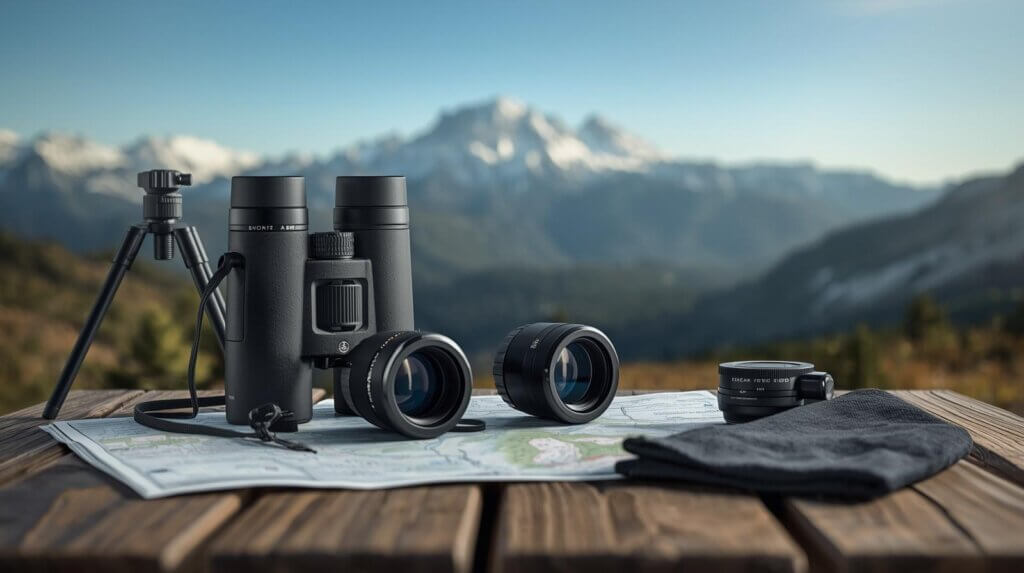
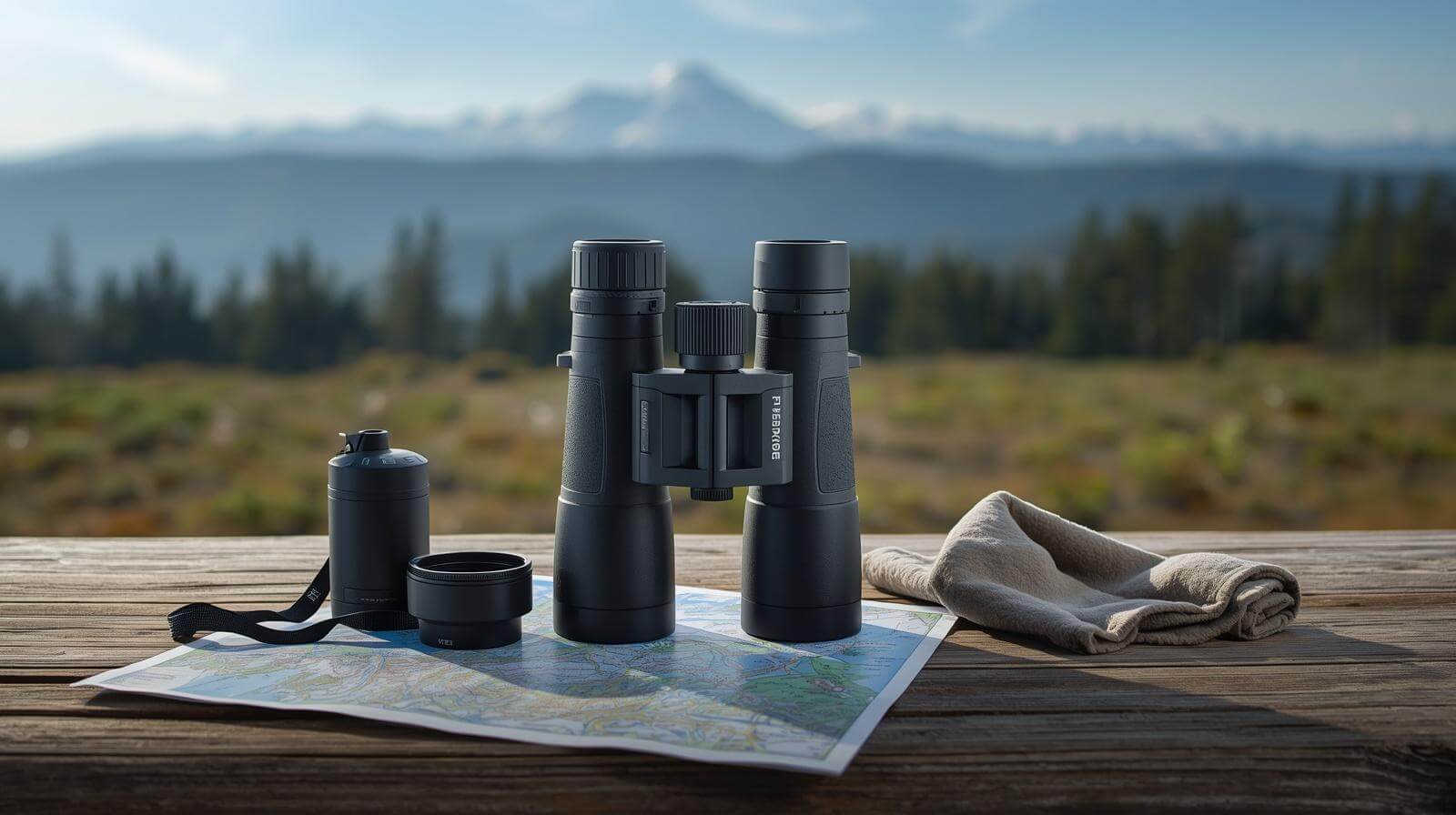
Zoom binoculars are tempting for one simple reason: they promise flexibility. Instead of carrying one fixed 10x binocular for general viewing and another high-power optic for distant detail, the best zoom binoculars let you adjust magnification depending on what you are looking at.
That sounds perfect on paper.
In real use, though, zoom binoculars are not always better than fixed-power binoculars. Some are genuinely useful. Some feel impressive for five minutes and annoying after that. The difference usually comes down to optical stability, focusing control, lens quality, field of view, and how realistic the magnification range actually is.
A good pair of zoom binoculars can work well for stadium viewing, casual astronomy, long-distance landscape scanning, ships at sea, mountain views, wildlife observation from a safe distance, and general outdoor use. A poor pair will give you a shaky image, narrow view, dim edges, and eye strain after a short session.
So this pillar guide is not just a list of random “high power” models. It is a practical buyer’s breakdown of the best zoom binoculars for different users, budgets, and real scenarios.
What Are Zoom Binoculars?
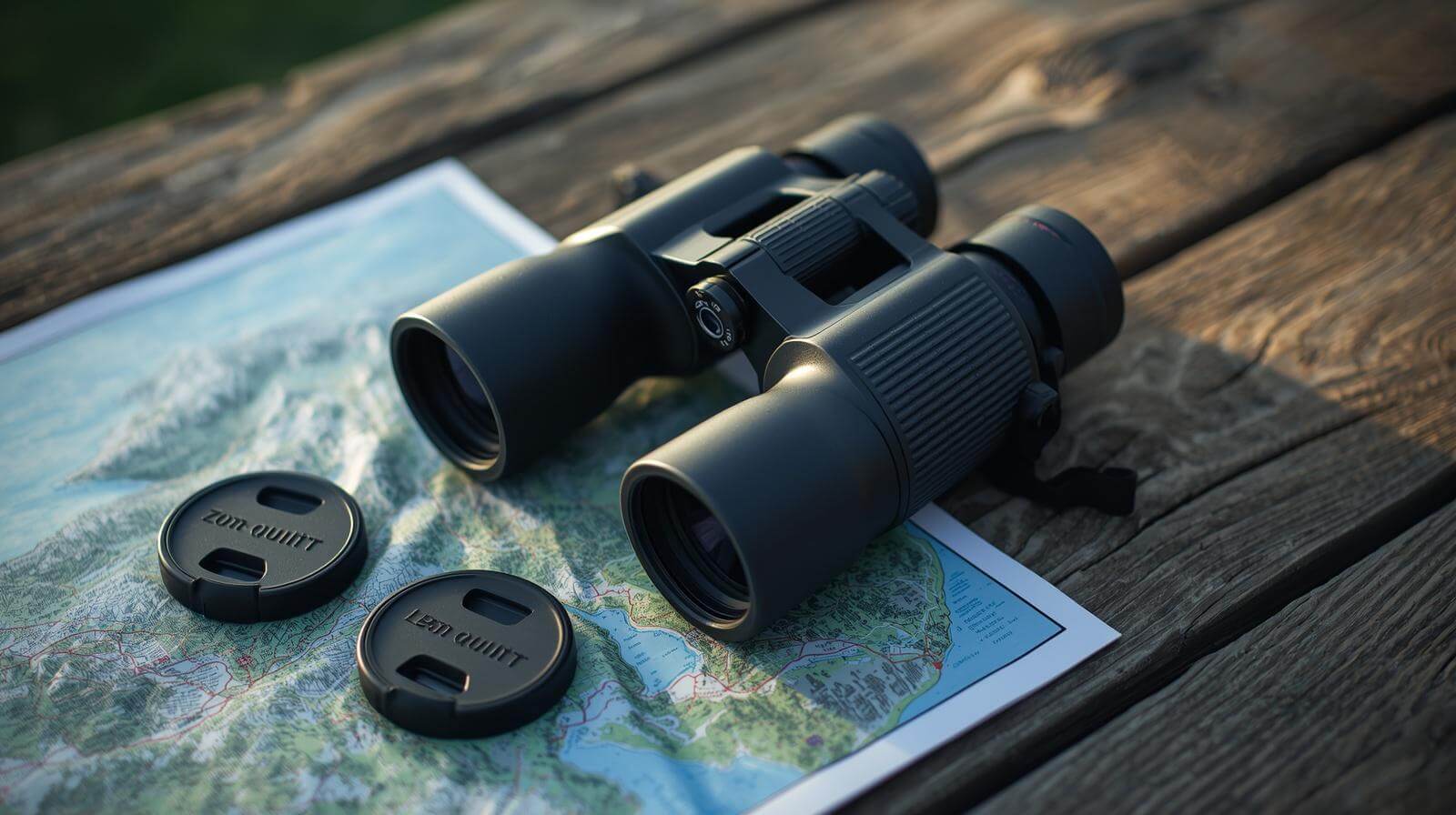
Zoom binoculars are binoculars with adjustable magnification. Instead of one fixed power like 8x, 10x, or 12x, they offer a magnification range such as 8-24x, 10-30x, 12-36x, or even 20-100x.
For example, a 10-30×50 zoom binocular means:
| Specification | Meaning |
|---|---|
| 10x | Lowest magnification |
| 30x | Highest magnification |
| 50mm | Objective lens size |
| Zoom lever | Adjusts magnification between 10x and 30x |
At 10x, you get a wider view and easier handheld use. At 30x, distant objects appear much closer, but the image becomes harder to keep steady.
That tradeoff is the heart of zoom binoculars. You gain flexibility, but you also need to understand the limits.
Are Zoom Binoculars Actually Worth Buying?
Yes, zoom binoculars are worth buying when you choose them for the right reason.
They are not the best choice for everyone. A premium fixed 8×42 or 10×42 binocular will usually deliver better brightness, wider field of view, sharper edges, and more relaxed viewing. But the best zoom binoculars are valuable when you want one optic that can handle both medium-distance scanning and higher-power detail checks.
Zoom binoculars make the most sense if you often think:
“I want to find the object first, then zoom in closer.”
That is where they feel useful.
For example, at a coastal viewpoint, you might scan boats at 10x, then zoom to 20x or 25x to read markings or inspect distant movement. At a stadium, you might watch the whole field at lower power, then zoom in on a specific area. For casual astronomy, you can scan the moon at lower power and increase magnification for craters.
But if you mostly want sharp, relaxed bird watching in forests or fast-moving wildlife tracking, fixed-power binoculars may still be better.
If your main use is everyday adult viewing, start with this supporting guide next: [best zoom binoculars for adults].
Quick Picks: Best Zoom Binoculars by Use Case
| Use Case | Best Magnification Range | Recommended Style |
|---|---|---|
| General outdoor use | 8-24x or 10-30x | Mid-size zoom binoculars |
| Stadium and sports | 8-24x | Lightweight zoom binoculars |
| Travel | 8-16x or 8-24x | Compact zoom binoculars |
| Long-distance viewing | 12-36x or 20-60x | Large objective zoom binoculars |
| Casual astronomy | 15-40x, 20-60x | Tripod-friendly models |
| Budget buyers | 10-30×50 | Porro prism zoom binoculars |
| Wet outdoor use | 8-24x or 10-30x | Waterproof zoom binoculars |
Best Overall Zoom Binoculars: Nikon Aculon A211 10-22×50
The Nikon Aculon A211 10-22×50 is one of the safest recommendations in the zoom binocular category because it does not chase ridiculous magnification numbers. It keeps the zoom range fairly realistic, and that matters.
Some zoom binoculars claim 60x, 80x, or 100x magnification, but the image often becomes too shaky and dim to enjoy. Nikon’s 10-22x range is more usable for handheld viewing, especially at the lower and middle part of the zoom range.
At 10x, it works well for landscapes, casual wildlife observation, distant signs, outdoor events, and general use. At around 15x to 18x, you get extra reach without the image falling apart too badly. At 22x, you will probably want steady hands or support, but it is still more realistic than many extreme zoom models.
The 50mm objective lens helps with brightness. It is not tiny, so this is not the pair I would throw into a jacket pocket. But for backyard use, viewpoints, road trips, and open-area observation, it feels like a sensible balance.
Best for: general outdoor users who want zoom without going into gimmicky magnification.
Pros
| Pros | Why It Matters |
|---|---|
| Realistic zoom range | More usable than extreme 60x claims |
| 50mm objective lens | Better light gathering than compact models |
| Good brand reputation | Safer long-term purchase |
| Comfortable for casual use | Works well for landscapes and open viewing |
Cons
| Cons | What to Know |
|---|---|
| Not waterproof in every version | Check product details before buying |
| Not pocket-size | Better for planned use than daily carry |
| Higher zoom needs support | Normal for zoom binoculars |
Check the latest price and availability before buying, as stock and warranty details may vary by seller.
Best Budget Zoom Binoculars: Celestron UpClose G2 10-30×50
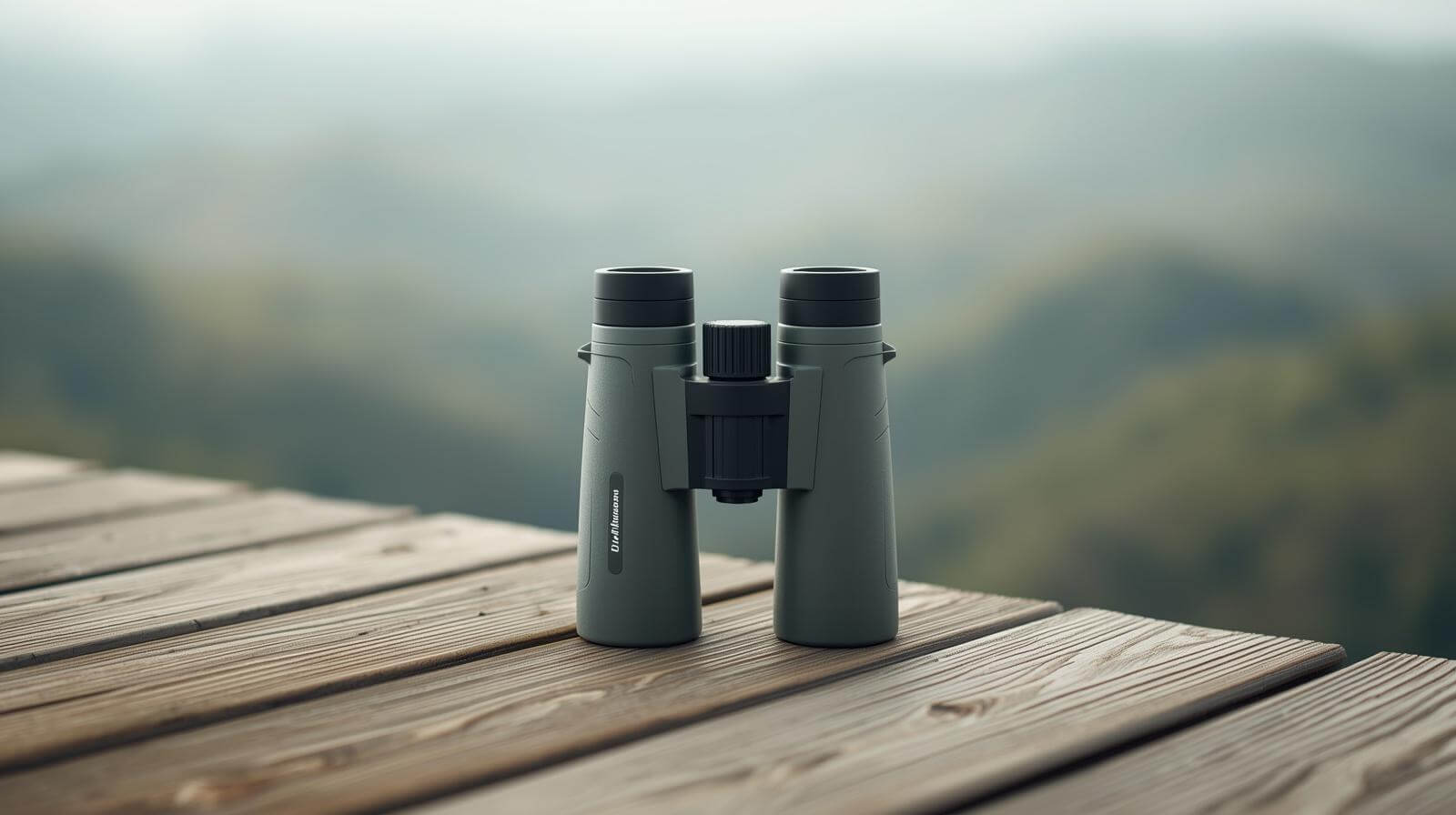
If you want affordable zoom binoculars without pretending you are buying professional-grade glass, the Celestron UpClose G2 10-30×50 is a practical budget-style choice.
It is the kind of binocular that makes sense for casual users: watching scenery, checking distant objects, occasional sports viewing, backyard sky watching, or keeping in the car for trips. The 10-30x zoom range sounds powerful, but realistically, the lower and middle range will be used most often.
At 10x, it is usable handheld. Around 15x to 20x, you get that satisfying “closer look” feeling. At 30x, image shake becomes obvious unless you brace your elbows, lean on a railing, or use a tripod adapter if supported.
This is not the binocular I would recommend to someone expecting premium sharpness edge-to-edge. But for the price, it fills a real need.
For more low-cost options, you can continue with the supporting guide: [best budget zoom binoculars].
Best for: beginners, casual outdoor users, and buyers who want zoom binoculars without spending much.
Pros
| Pros | Why It Works |
|---|---|
| Affordable entry point | Good for first-time zoom buyers |
| 10-30x flexibility | Useful for varied viewing distances |
| 50mm lenses | Better than small lenses for brightness |
| Easy to understand | Simple, beginner-friendly setup |
Cons
| Cons | What to Expect |
|---|---|
| Not premium sharpness | Especially at higher zoom |
| Needs steady support at 30x | Normal for high magnification |
| Bulky for travel | Better in a bag than pocket |
Best Compact Zoom Binoculars: Pentax UP 8-16×21
Compact zoom binoculars are tricky. Smaller lenses mean less light. Higher zoom means more shake. So when a small zoom binocular is actually usable, it deserves attention.
The Pentax UP 8-16×21 is not built for deep twilight, astronomy, or long-distance mountain scanning. Its strength is portability. It is the kind of binocular you bring when you are not sure you will need binoculars, but you still want something better than your eyes alone.
At 8x, it is easy to handle. At 12x to 16x, you can zoom closer for signs, stages, city viewpoints, museum details, architecture, or travel scenery. The 21mm objective lens means brightness is limited, but during daytime use, that is acceptable.
This type of binocular makes sense for travelers, concert viewers, cruise passengers, and people who do not want a heavy full-size optic.
Need a deeper compact-only breakdown? Read this next: [best compact zoom binoculars].
Best for: travel, daytime sightseeing, events, and lightweight carry.
Pros
| Pros | Why It Matters |
|---|---|
| Very portable | Easy to pack and carry |
| Lower 8x setting | More stable than starting at 12x |
| Useful for daytime viewing | Good for travel and events |
| Less intimidating | Nice for casual users |
Cons
| Cons | What to Know |
|---|---|
| Small lenses | Not ideal in low light |
| Limited high-power performance | Physics still matters |
| Narrower view at zoom | Common in compact zoom models |
Best Zoom Binoculars Under $100
The under-$100 category is where expectations matter most. You can find good value, but you should not expect premium coatings, perfect alignment, wide field of view, and crisp performance at maximum zoom.
The best zoom binoculars under $100 are usually best for casual use, not serious optical work. You are buying convenience and reach, not professional-level image quality.
Look for these specs:
| Feature | Good Under $100 Choice |
|---|---|
| Magnification | 10-30x or 8-24x |
| Objective lens | 40mm to 50mm |
| Prism type | Porro prism often gives better value |
| Tripod support | Helpful if using above 15x |
| Weight | Manageable but not tiny |
A model like the Celestron UpClose G2 10-30×50 often fits this buyer profile. Some Barska and Bushnell-style budget zoom binoculars may also appear in this range, depending on availability.
The key is avoiding exaggerated models that advertise huge zoom ranges but deliver poor clarity. A clean 10-30×50 is usually better than a cheap “20-180×100” style claim that looks exciting but disappoints in hand.
For price-focused buyers, this supporting article helps narrow the choices: [best zoom binoculars under 100].
Best Zoom Binoculars Under $200
Under $200 is the sweet spot for many people. You can step above the cheapest zoom binoculars and get better handling, better coatings, improved build quality, and more reliable focusing.
This is where the Nikon Aculon A211 10-22×50 becomes a strong candidate. It does not try to do too much. That is exactly why it works.
Under $200, I would rather buy a controlled zoom range from a trusted brand than a giant high-power model with questionable optical quality.
A good under-$200 zoom binocular should feel:
- Easier to focus
- More comfortable around the eyes
- Less distorted at moderate zoom
- More stable in real use
- Better built than bargain-bin options
The best buyer in this range is someone who says, “I want something better than basic, but I am not ready to spend premium spotting scope money.”
For more options in this price zone, visit: [best zoom binoculars under 200].
![best zoom binoculars under 100 and under 200 comparison]](https://bestbinocular.net/wp-content/uploads/2026/04/best-zoom-binoculars-under-100-and-under-200-comparison.jpg "best zoom binoculars under 100 and under 200 comparison]")
Best High-Power Zoom Binoculars for Long Distance
High-power zoom binoculars are the category that attracts the most excitement and the most disappointment.
A 20-60x, 20-80x, or 30-90x binocular sounds powerful. And yes, high magnification can be useful for very distant viewing. But there are three problems:
| Problem | What Happens |
|---|---|
| Image shake | Every hand movement becomes magnified |
| Dim image | Higher power reduces brightness |
| Narrow field of view | Harder to find and follow objects |
This does not mean high-power zoom binoculars are useless. It means they should be treated more like a binocular-spotting-scope hybrid.
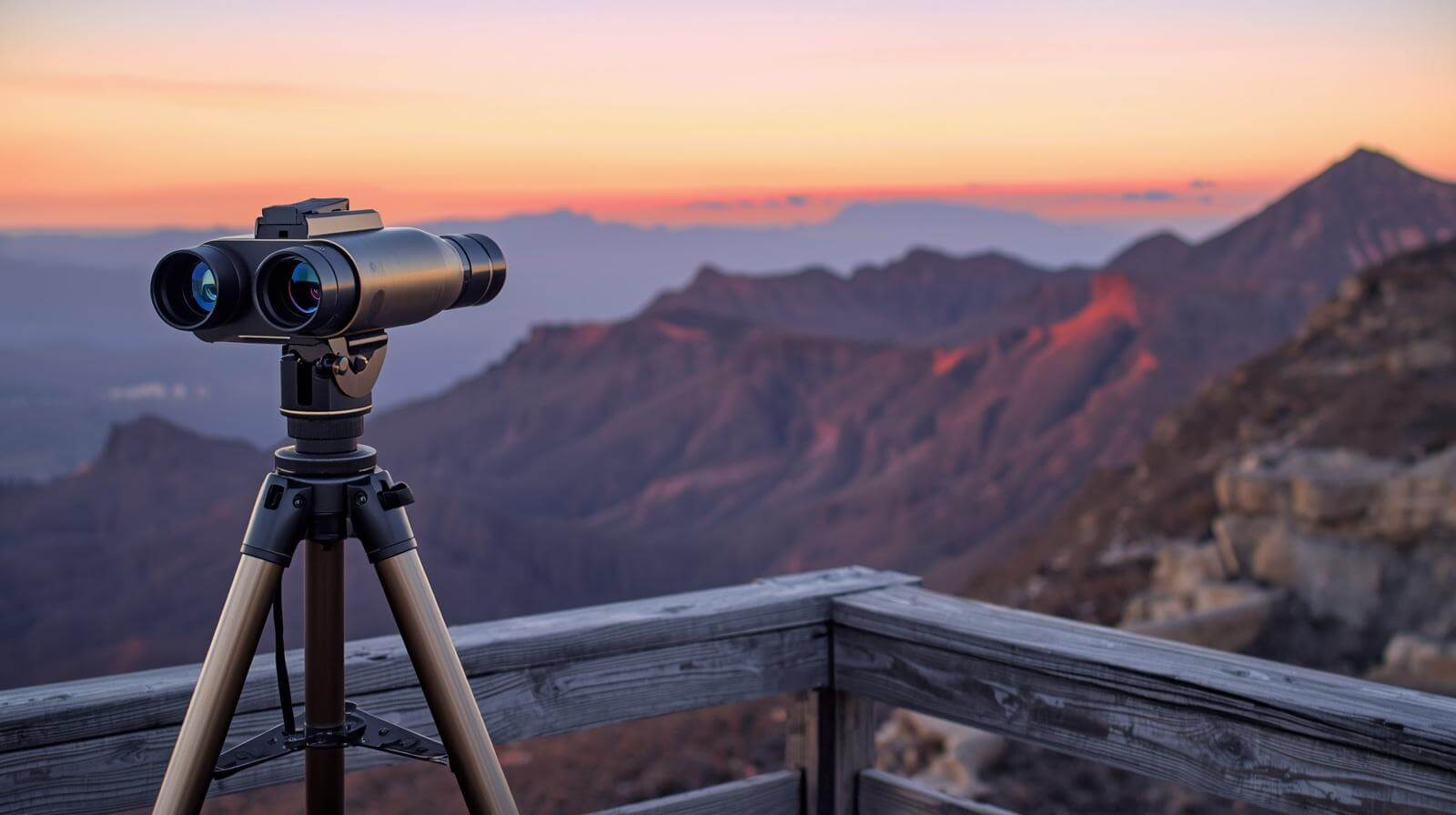
If you want to use 30x, 40x, or 60x magnification, you should plan on using a tripod. Without support, the image may look like it is dancing.
Large zoom binoculars such as 20-60×60, 20-80×70, or 25-125×80 models are better for stationary viewing. Think balconies, observation decks, coastal scanning, moon viewing, mountain lodges, and open landscapes.
Best for: users who want maximum reach and do not mind tripod use.
Not ideal for: handheld hiking, fast wildlife tracking, or casual walking around.
Best Waterproof Zoom Binoculars
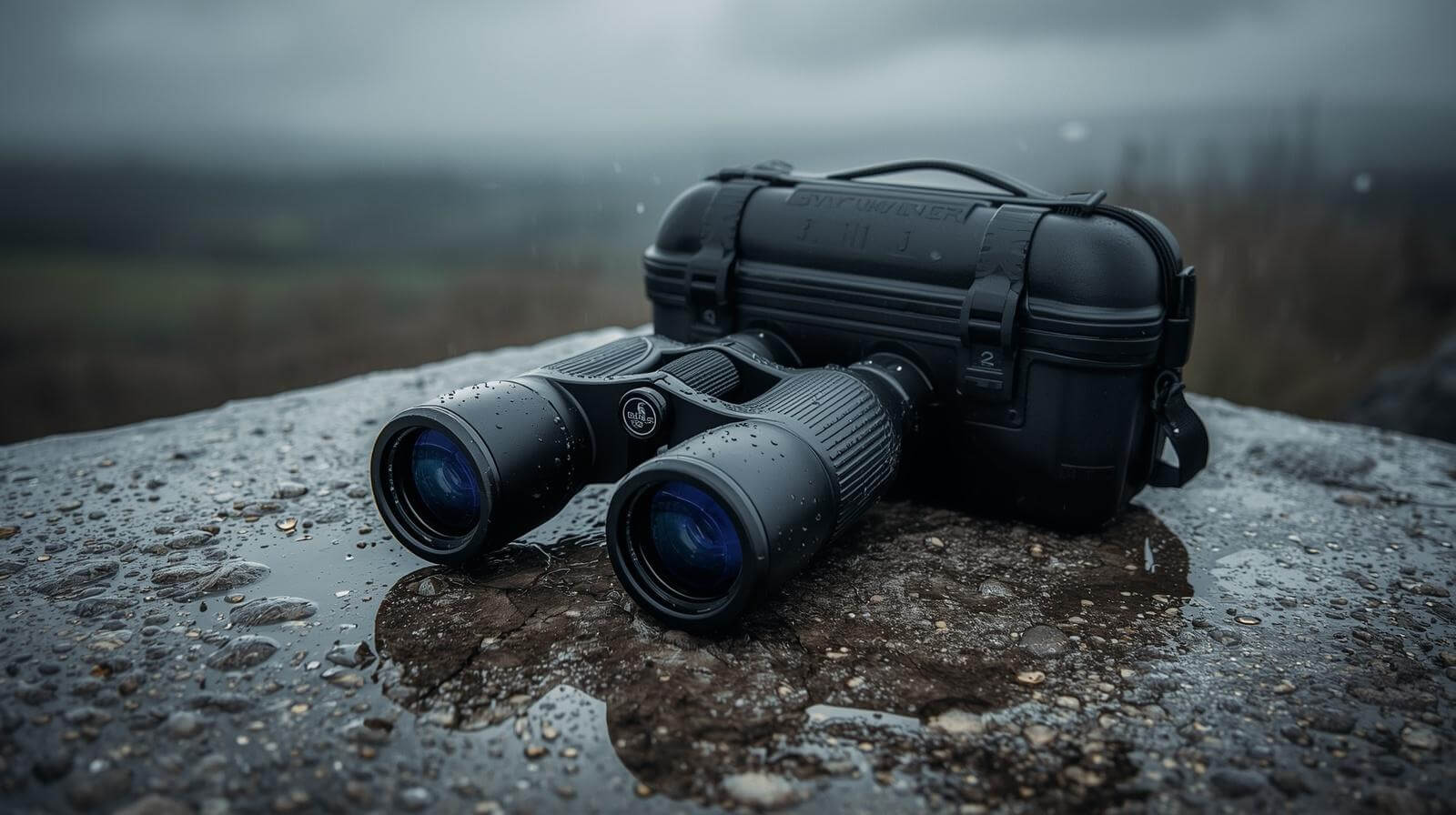
Waterproofing is important if you use binoculars near rain, boats, rivers, beaches, snow, or humid environments. Zoom binoculars are more mechanically complex than fixed-power binoculars, so waterproof construction can be harder to find in budget models.
A waterproof zoom binocular should ideally have:
| Feature | Why It Matters |
|---|---|
| Waterproof body | Protects against rain and splashes |
| Fog-resistant design | Helps with temperature changes |
| Rubber armor | Improves grip in wet conditions |
| Secure zoom lever | Easier to adjust with damp hands |
| Lens caps | Protects glass during travel |
If you need binoculars for boating, wet hiking, coastal viewpoints, or outdoor work, do not treat waterproofing as a bonus. Treat it as part of the purchase decision.
The phrase “water-resistant” is not the same as fully waterproof. For serious outdoor use, check the actual product description carefully.
For wet-weather options, continue here: [waterproof zoom binoculars].
Binoculars With Zoom and Focus: What Buyers Often Misunderstand
A lot of beginners search for “binoculars with zoom and focus” because they assume zoom and focus are the same control.
They are not.
Zoom changes magnification. Focus sharpens the image at the distance you are viewing.
On many zoom binoculars, you will use:
| Control | Purpose |
|---|---|
| Zoom lever | Moves from low to high magnification |
| Center focus wheel | Sharpens the image |
| Diopter adjustment | Balances focus between your eyes |
The tricky part is that changing zoom can slightly affect focus. So you may zoom in and then need to refocus. That is normal.
A good zoom binocular should have smooth zoom adjustment and a focus wheel that does not feel loose or overly stiff. If the focus is jumpy, high magnification becomes frustrating.
For a deeper explanation, read: [binoculars with zoom and focus].
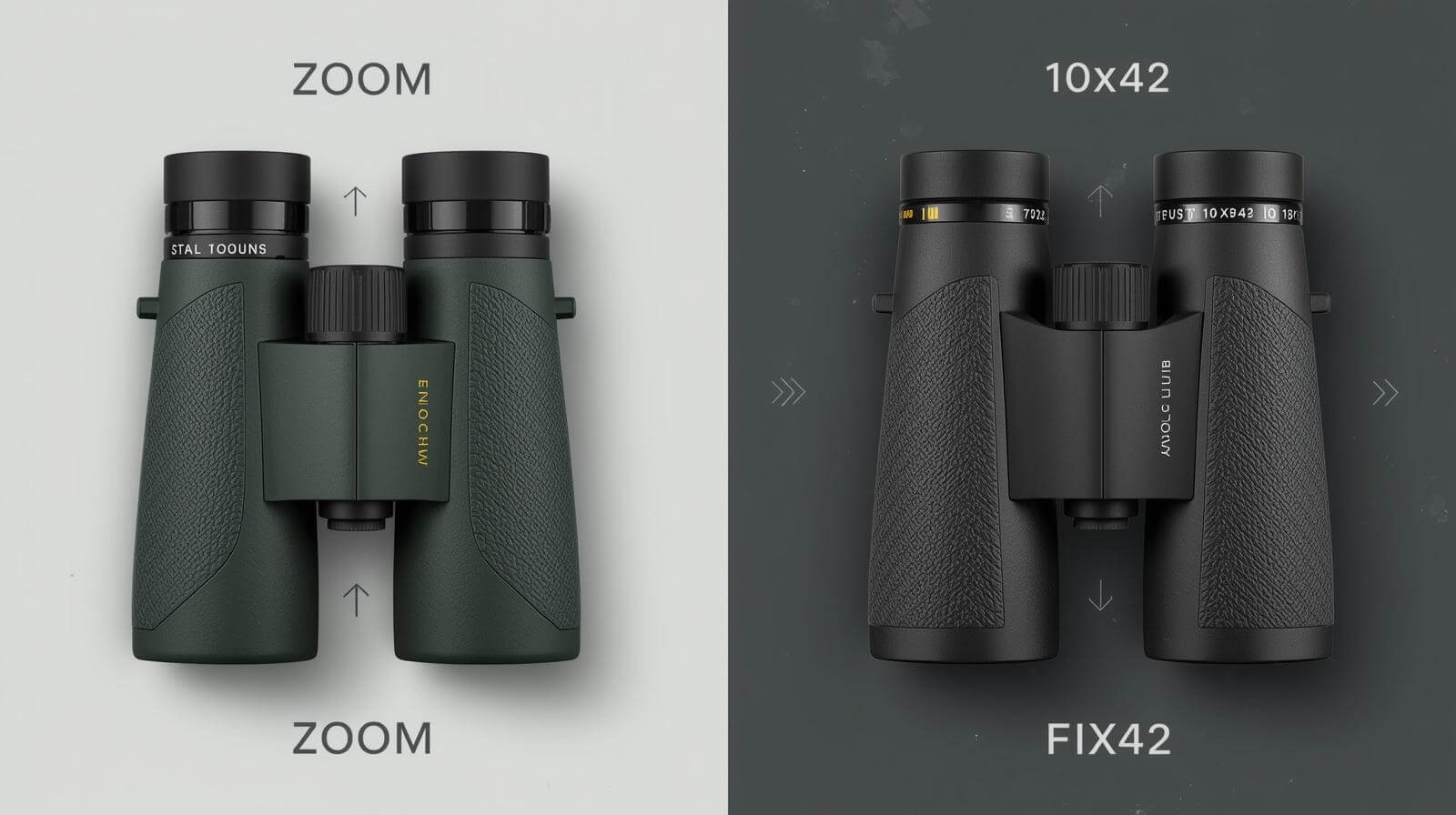
Zoom Binoculars vs Fixed Magnification Binoculars
This is one of the most important comparisons before buying.
| Feature | Zoom Binoculars | Fixed Binoculars |
|---|---|---|
| Magnification | Adjustable | Single power |
| Field of view | Usually narrower | Usually wider |
| Brightness | Often lower at high zoom | More consistent |
| Ease of use | More controls | Simpler |
| Best for | Flexible viewing | Sharp, relaxed viewing |
| Stability | Harder at high zoom | Easier |
| Price value | Varies widely | Often better optical value |
Fixed-power binoculars are usually better for serious bird watching, hunting, marine use, and low-light viewing. Zoom binoculars are better when flexibility matters more than perfect optical performance.
Here is my honest rule:
If you want the cleanest image, buy fixed power.
If you want one binocular for different distances, buy zoom.
That is the real decision.
What Magnification Range Is Best?
The best magnification range depends on how you plan to use your binoculars.
8-16x Zoom
This is the most comfortable range for compact travel binoculars. The lower 8x setting is stable, and 16x gives extra reach when needed.
Best for:
- Travel
- City views
- Museums
- Indoor events
- Daytime sightseeing
8-24x Zoom
This is one of the most practical zoom ranges. It gives a stable low end and a strong high end without going too extreme.
Best for:
- General outdoor viewing
- Sports
- Concerts
- Scenic overlooks
- Casual wildlife viewing
10-22x Zoom
This is a smart middle ground. It starts with useful 10x magnification and goes high enough for detail checking.
Best for:
- Landscapes
- Backyard viewing
- Road trips
- Distant objects
- All-purpose use
10-30x Zoom
This is common in budget and mid-range zoom binoculars. It is useful, but expect the top end to need steady support.
Best for:
- Budget buyers
- Long-distance casual viewing
- Outdoor events
- Open-area observation
20-60x Zoom
This is more like a tripod-friendly viewing setup. Do not buy this expecting relaxed handheld use.
Best for:
- Moon viewing
- Coastal observation
- Mountain viewing
- Stationary long-distance viewing
Objective Lens Size: 21mm, 50mm, 60mm, or 70mm?
The second number in binocular specs matters a lot. A 10-30×50 binocular has 50mm objective lenses. Bigger lenses collect more light, but they also add size and weight.
| Objective Size | Best For | Tradeoff |
|---|---|---|
| 21mm | Compact travel | Dimmer image |
| 25mm | Pocket-style use | Limited low light |
| 40mm | Balanced daylight use | Less bright than 50mm |
| 50mm | Best all-around zoom size | Heavier |
| 60mm+ | Long distance and astronomy | Tripod recommended |
| 70mm+ | High-power viewing | Bulky |
For most people, 50mm is the safest full-size choice. It gives better brightness than compact models without becoming too difficult to carry.
Field of View: The Hidden Weakness of Zoom Binoculars
One reason some people dislike zoom binoculars is field of view.
At low magnification, you see a wider scene. As you zoom in, the view narrows. This makes it harder to find moving objects or scan large areas.
For example, at 10x you may easily follow action across a field. At 30x, you might only see one small part of the scene.
This matters for:
- Sports
- Wildlife
- Boats
- Airshows
- Hiking
- Fast-moving subjects
A narrower field is not always bad. If you are looking at a fixed distant object, it is fine. But if your subject moves, too much zoom can become annoying.
That is why the best zoom binoculars are not always the highest-power ones. The best ones are the models that stay usable.
Image Stabilization: Do You Need It?
Image stabilization is amazing for high magnification, but stabilized zoom binoculars are less common and usually more expensive.
For standard zoom binoculars, your stabilization options are:
| Method | Best Use |
|---|---|
| Lean against a wall | Quick casual support |
| Rest elbows on railing | Stadiums and viewpoints |
| Use tripod adapter | High magnification |
| Choose lower zoom | More relaxed handheld viewing |
| Sit while viewing | Reduces body movement |
If you plan to use anything above 15x often, tripod support is worth considering. Above 20x, it becomes even more important.
Best Zoom Binoculars for Sports and Stadiums
For sports, do not chase maximum zoom. A football field, cricket ground, racing track, or stadium event requires a wider view most of the time.
The ideal stadium zoom binocular is:
- Lightweight
- Easy to focus
- Stable at low magnification
- Around 8x to 16x or 8x to 24x
- Comfortable for repeated viewing
A compact 8-16x or mid-size 8-24x binocular works better than a heavy 20-60x model.
In a stadium, you usually want to see the action develop. If the field of view is too narrow, you will miss the play while trying to zoom in. Lower magnification is often more enjoyable.
Best Zoom Binoculars for Travel
Travel binoculars should be easy to pack. This is where compact zoom binoculars make sense, even though they are not as bright as full-size models.
For travel, I like the idea of 8-16×21 or 8-24×25 because the lower end is still usable handheld. You can keep them in a small bag, use them at viewpoints, check architecture, enjoy cruise ship scenery, or view distant landmarks.
Avoid huge zoom binoculars for travel unless the trip is specifically built around observation. Heavy optics often stay in the hotel room. Small optics actually get used.
For a travel buyer, comfort beats technical ambition.
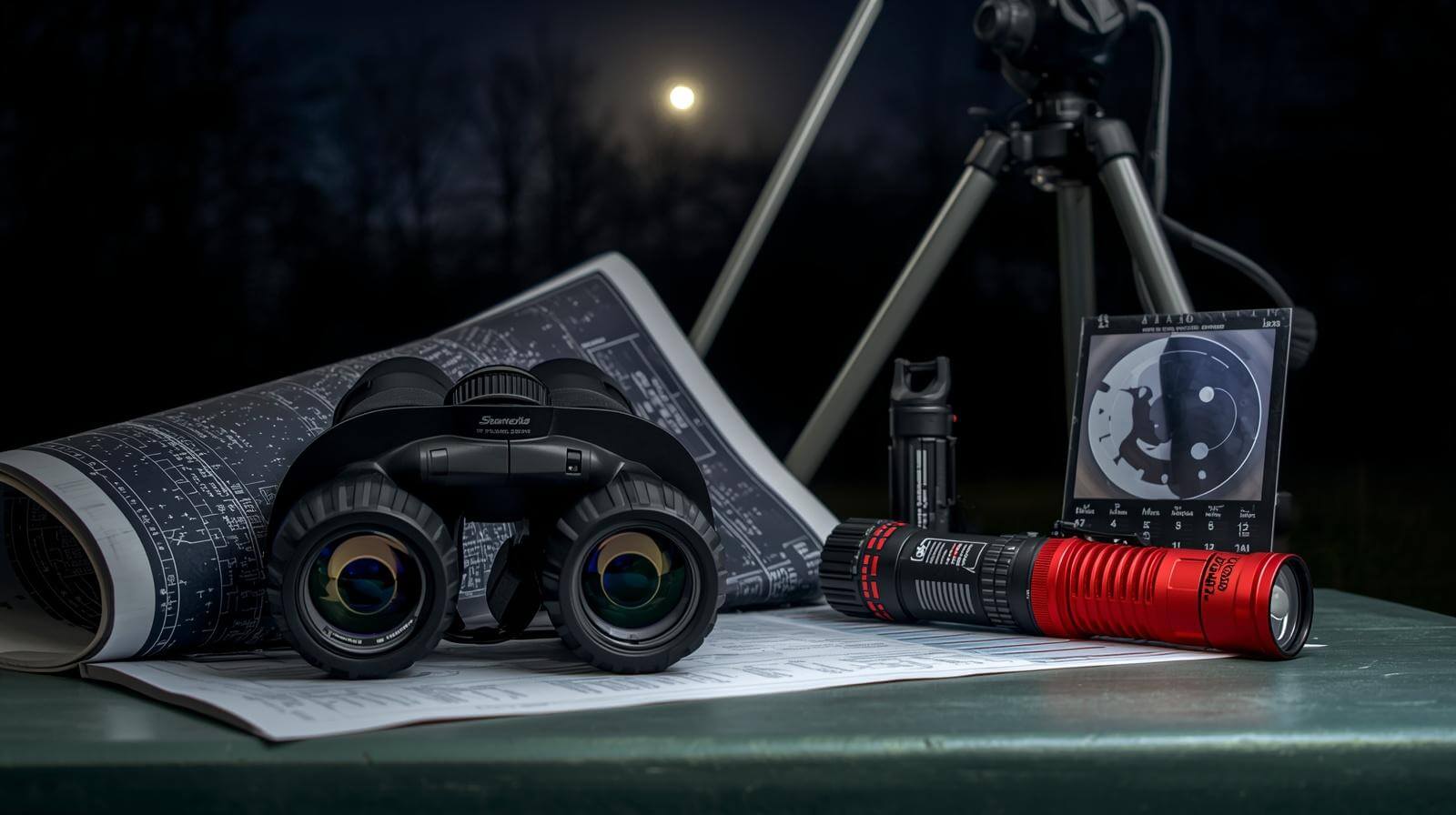
Best Zoom Binoculars for Casual Astronomy
Zoom binoculars can be fun for casual astronomy, especially moon viewing. But they are not a replacement for a telescope.
For astronomy, you want:
| Feature | Why It Helps |
|---|---|
| Large objective lens | Better light gathering |
| Tripod compatibility | Reduces shake |
| Moderate zoom range | More usable image |
| Comfortable eyecups | Longer viewing sessions |
| Smooth focus | Easier moon detail adjustment |
A 10-22×50 or 10-30×50 can show the moon nicely. A larger 20-60x or 20-80x binocular can show more detail, but only with support.
For stars, high zoom is not always better. Brightness and stability matter more than raw magnification.
Buyer Psychology: Why People Choose Zoom Binoculars
Most people buy zoom binoculars because they want control.
They do not want to wonder whether 8x is enough or 10x is too much. They want a binocular that can adapt. That feeling is powerful.
But there is also a trap: bigger numbers look more exciting.
A beginner may see 10-30x and 20-180x side by side and assume the second one is better. Usually, it is not. In optics, extreme claims often come with serious compromises.
Smart buyers choose usable power, not maximum power.
The best zoom binoculars give you confidence at the low end and useful detail at the high end. They do not force you to fight the image.
How to Choose the Best Zoom Binoculars
Start With Your Main Use
Before looking at specs, be honest about where you will use them most.
| Main Use | Best Choice |
|---|---|
| Travel | Compact 8-16x |
| General outdoor | 10-22×50 or 10-30×50 |
| Stadiums | 8-16x or 8-24x |
| Long distance | 12-36x or tripod-friendly 20-60x |
| Astronomy | 10-30×50 or larger with tripod |
| Wet weather | Waterproof zoom binoculars |
Avoid Unrealistic Magnification
Extremely high magnification sounds attractive, but handheld viewing becomes difficult quickly.
For most people, the practical handheld range is around 8x to 15x. You can go higher, but support helps a lot.
Choose Better Glass Over Bigger Numbers
A sharp 10-22x binocular from a reliable brand is more enjoyable than a blurry 20-80x model with poor alignment.
Think About Weight
Heavy binoculars feel stable for a moment, then tiring after several minutes. Compact binoculars are easier to carry but sacrifice brightness.
Check Eye Relief
If you wear glasses, eye relief matters. Short eye relief can make the view feel cramped and uncomfortable.
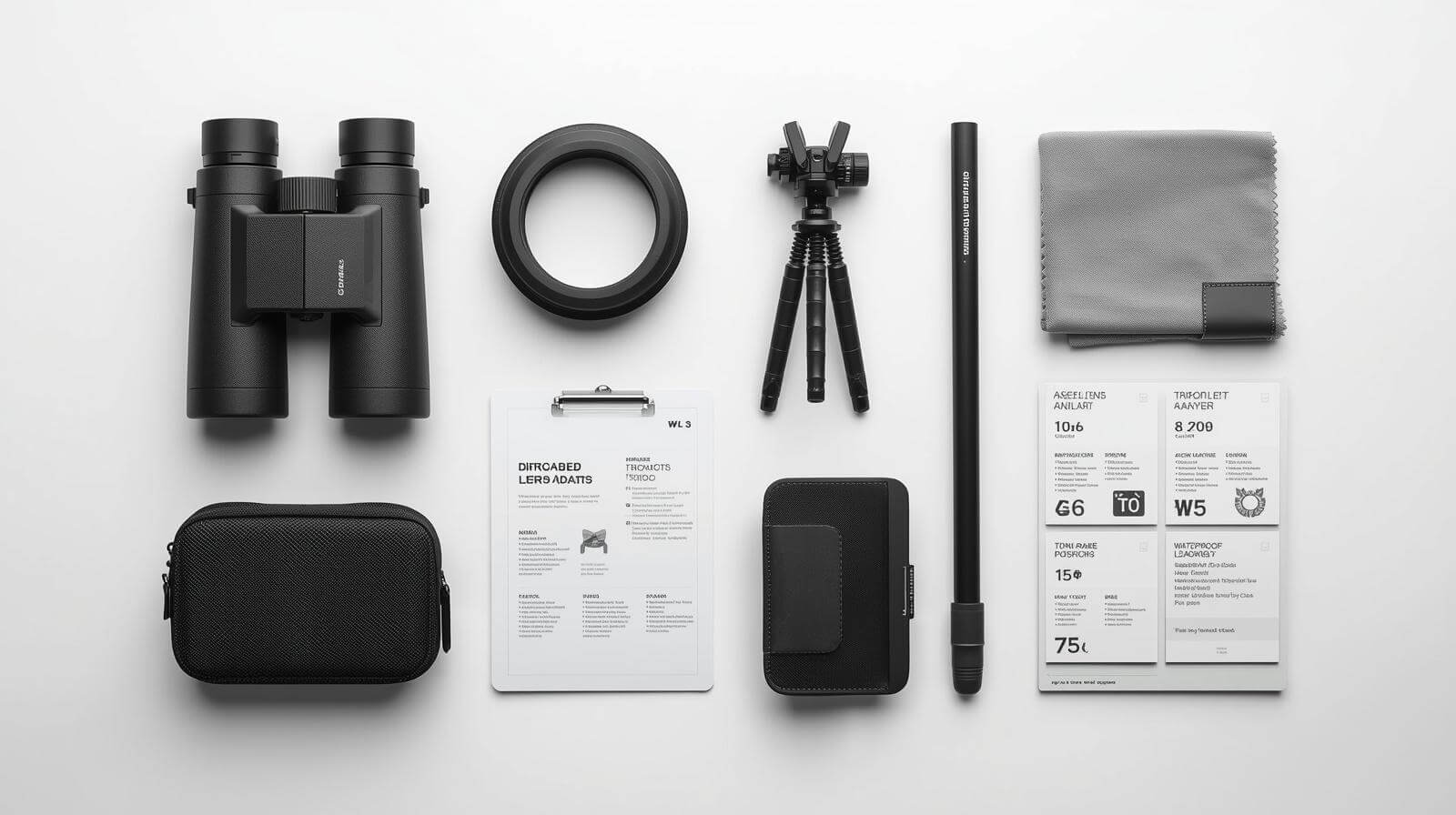
Look for Tripod Compatibility
This is especially important if the binocular goes above 20x. Even a simple tripod can completely change the experience.
Common Mistakes When Buying Zoom Binoculars
Mistake 1: Buying the Highest Zoom Number
More zoom does not automatically mean better viewing. It often means more shake, less brightness, and a narrower image.
Mistake 2: Ignoring the Low-End Magnification
The lowest magnification is what you will use most. If a binocular starts at 20x, it may be too powerful for relaxed handheld use.
Mistake 3: Expecting Telescope Performance
Zoom binoculars can bring distant objects closer, but they are still binoculars. For serious astronomy or extreme long-distance detail, a spotting scope or telescope may be better.
Mistake 4: Buying Compact Zoom for Low Light
Small zoom binoculars are convenient, but they are not ideal at dusk, dawn, or night.
Mistake 5: Forgetting About Stability
If you want high magnification, plan for support. A tripod is not a luxury at 30x and above. It is often the difference between frustration and enjoyment.
Recommended Zoom Binocular Product Shortlist
| Product Style | Example Model | Best For | |
|---|---|---|---|
| Best overall | Nikon Aculon A211 10-22×50 | General outdoor viewing | |
| Best budget | Celestron UpClose G2 10-30×50 | Beginners and casual users | |
| Best compact | Pentax UP 8-16×21 | Travel and events | |
| Best high power | Barska Gladiator-style zoom binoculars | Tripod-based long distance | |
| Best waterproof option | Waterproof 8-24x or 10-30x model | Rain, boating, humid use |
Before buying, always check the latest price, warranty, return policy, and seller details because zoom binocular models can vary by listing.
Where Zoom Binoculars Perform Best in Real Life
Zoom binoculars shine when the subject is not moving too fast and the distance changes.
Scenic Overlooks
You can scan a valley at low magnification, then zoom in on buildings, ridgelines, boats, or distant roads.
Stadium Seats
Lower power helps you follow the action, while zoom lets you inspect a specific play area.
Backyard Observation
They are useful for checking distant trees, rooftops, hills, or night sky objects from one fixed spot.
Coastal Viewing
Ships, buoys, islands, and horizon details are great examples of zoom-friendly subjects.
Road Trips
A full-size 10-30×50 in the car can be surprisingly useful at viewpoints and rest stops.
Who Should Not Buy Zoom Binoculars?
Zoom binoculars are not perfect for every user.
You may prefer fixed binoculars if you:
- Watch fast-moving birds
- Need the widest possible field of view
- Want top low-light performance
- Prefer simple focus-and-view operation
- Need professional hunting optics
- Want the sharpest image for the money
This is not a criticism of zoom binoculars. It is just matching the tool to the job.
A fixed 8×42 is often better for forest birding. A fixed 10×42 is better for many hunters. A spotting scope is better for extreme long-distance detail. But for flexible casual viewing, zoom binoculars still have a clear place.
Best Zoom Binoculars: Final Buying Recommendation
If I were choosing one pair for most people, I would start with a realistic full-size model like a 10-22×50 or 10-30×50. That range gives enough flexibility to enjoy the benefit of zoom without making the binocular too frustrating.
For compact travel, go smaller and accept the brightness tradeoff. For long-distance or astronomy, go larger and use a tripod. For wet outdoor use, prioritize waterproofing over extreme magnification.
The best zoom binoculars are not the ones with the biggest numbers printed on the box. They are the ones you can actually hold, focus, adjust, and enjoy without fighting the image.
And that is the simple difference between a binocular that gets used and one that stays in a drawer.
For more focused buying help, explore the full zoom binocular silo: [best zoom binoculars for adults], [best compact zoom binoculars], [best budget zoom binoculars], [best zoom binoculars under 100], [best zoom binoculars under 200], [binoculars with zoom and focus], and [waterproof zoom binoculars].
For more expert binocular comparisons, buying advice, and outdoor optics recommendations, start from the main resource hub at [BestBinocular.net].
FAQs About the Best Zoom Binoculars
What are the best zoom binoculars for most people?
The best zoom binoculars for most people are usually full-size models in the 10-22×50 or 10-30×50 range. They offer useful magnification flexibility without becoming as unstable or dim as extreme high-power zoom binoculars.
Are zoom binoculars better than regular binoculars?
Zoom binoculars are better for flexible viewing because you can adjust magnification. Regular fixed-power binoculars are usually better for brightness, sharpness, wider field of view, and simple handling. The better choice depends on your use case.
What magnification is best for zoom binoculars?
For handheld use, 8x to 15x is the most comfortable range. Zoom binoculars that reach 20x, 30x, or higher can be useful, but they often need steady support or a tripod for the best experience.
Can you use zoom binoculars for bird watching?
You can use zoom binoculars for casual bird watching in open areas, but they are not ideal for fast-moving birds or dense forests. Fixed 8×42 or 10×42 binoculars usually provide a wider, brighter, and easier view for serious birding.
Are 10-30×50 binoculars good?
Yes, 10-30×50 binoculars can be good for general outdoor use, landscapes, sports, backyard viewing, and casual long-distance observation. The 10x setting is usually the most comfortable handheld, while 20x to 30x works better with support.
Do zoom binoculars need a tripod?
Not always. Lower magnification settings can be used handheld. However, if you plan to use 20x, 30x, or higher magnification often, a tripod or stable support is strongly recommended.
Are compact zoom binoculars worth it?
Compact zoom binoculars are worth it for travel, daytime sightseeing, concerts, and casual events. They are not the best option for low light, astronomy, or serious long-distance viewing because their smaller lenses collect less light.
What is better: 8-24x or 10-30x zoom binoculars?
8-24x binoculars are usually easier to hold steady and better for general viewing. 10-30x binoculars offer more reach but can be shakier at the high end. For most casual users, 8-24x is more relaxed, while 10-30x feels more powerful.
Why do zoom binoculars get darker when zoomed in?
As magnification increases, the exit pupil becomes smaller, which reduces the amount of light reaching your eyes. That is why the image often looks dimmer at higher zoom settings.
What should I avoid when buying zoom binoculars?
Avoid unrealistic magnification claims, very cheap extreme-zoom models, poor build quality, and binoculars without clear specifications. Also avoid buying high-power zoom binoculars if you do not plan to use any support.




