
Best Zoom Binoculars Under $100: What to Expect Before You Buy
Finding the best zoom binoculars under 100 is tricky because this price range is full of big promises: “30x zoom,” “HD vision,” “military grade,” “low-light power,” and all the usual marketing noise. The truth is simpler: under $100, zoom binoculars can be useful, but only if you understand their limits.
A good budget zoom binocular is not supposed to replace premium fixed-power optics. It is for people who want one affordable pair that can scan wide at lower magnification, then zoom in on distant details when needed. Think stadium seats, mountain viewpoints, balcony views, casual wildlife watching, boats at the coast, or checking a far building from a safe distance.
If you want the wider buying picture, I recommend starting with the main pillar guide on best zoom binoculars, then coming back here when your budget is fixed under $100.
What to Expect From Zoom Binoculars Under $100
The biggest mistake buyers make is expecting cheap zoom binoculars to stay sharp at maximum zoom. They usually do not.
Most affordable zoom binoculars look best at the lower end of their zoom range. For example, a 10-30x binocular will usually be more comfortable around 10x to 18x. Once you push toward 25x or 30x, the image often gets darker, shakier, and more difficult to focus. That does not mean the binocular is bad. It means physics is doing what physics does.
With the best zoom binoculars under 100, you are mostly paying for flexibility, not perfect optical quality. You get the ability to start wide, find your subject, and then zoom closer. That is useful in real life.
For example, at a sports event, you may use 10x to follow the field and then zoom closer to check a player, scoreboard, or distant section. At a scenic overlook, you may scan the whole valley at low power, then zoom toward a bridge, tower, ridge line, or ship.
This is where zoom binoculars make sense.
Best Overall Pick Under $100: Celestron UpClose G2 10-30×50 Zoom
If I had to recommend one practical option in this category, it would be the Celestron UpClose G2 10-30×50 Zoom Porro Binoculars.
It is not a luxury binocular, and it should not be judged like one. But for the price, it gives you the combination that matters most in budget zoom optics: a usable 10x starting point, a large 50mm objective lens, tripod adaptability, and enough zoom range to make distant viewing feel more flexible.
Celestron lists this model with 10-30x magnification, 50mm objective lenses, multi-coated optics, BK7 Porro prisms, water-resistant protection, 28 oz weight, and tripod adaptability. The official field of view is 225 ft at 1000 yards on 10x and 115 ft at 1000 yards on 30x, which also shows why the view feels much narrower when fully zoomed in.
Why It Makes Sense
The reason I like this as a budget recommendation is because it starts at 10x. That matters. Some cheap zoom binoculars start too high, like 20x, and become annoying almost immediately because the view is shaky and hard to locate.
With 10x, you can still scan naturally. Then, when the subject is already centered, you can increase the magnification.
This is exactly how a budget zoom binocular should be used.
Pros
The 10-30x zoom range gives you real flexibility for casual viewing. The 50mm lenses help keep the image more usable than tiny compact zoom binoculars. The Porro prism design also gives a wider, more natural handheld feel compared with many cheap roof-style zoom models.
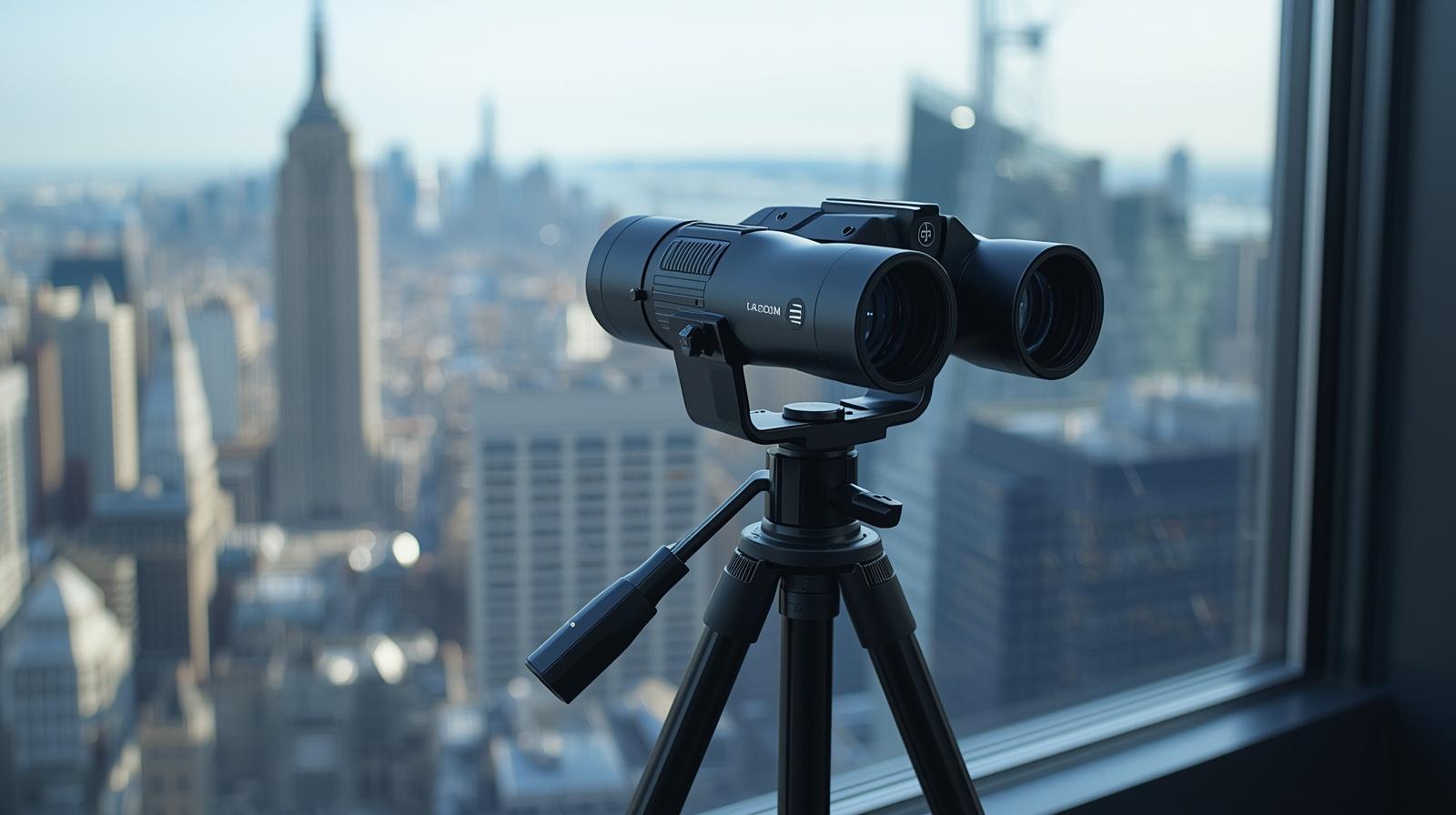
It is also tripod adaptable, which is important because 30x handheld viewing is rarely comfortable for long.
Cons
The image gets dimmer at high zoom. The binocular is not nitrogen-filled, so it is not the best choice for heavy rain, wet marine use, or humid storage. It is also not pocket-friendly. At 28 oz, this is more of a carry-in-a-bag binocular than a jacket-pocket binocular.
My honest take: for the best zoom binoculars under 100, this is a smart pick if you want reach, casual versatility, and occasional tripod use. It is not the right pick if you want premium sharpness edge-to-edge.
Best Zoom Binoculars Under 100: Quick Comparison Table
| Buyer Type | Best Zoom Range | What Matters Most | What to Avoid |
|---|---|---|---|
| Stadium viewer | 8-24x or 10-30x | Wide low power, quick focus | Using max zoom all the time |
| Travel user | 8-20x | Lighter body, easy carry | Heavy 50mm models if walking all day |
| Casual wildlife viewer | 10-30x | 50mm lens, tripod option | Expecting premium birding sharpness |
| Balcony or distance viewing | 10-30x | Stable grip, center focus | Tiny compact zooms with dark views |
| Beginner astronomy | 10-30×50 | Tripod adaptability | Handholding at 30x for long sessions |
This is why I usually tell people not to buy budget zoom binoculars only by the highest number printed on the body. A 10-30x binocular that is usable at 10x, 15x, and 20x is better than a “super zoom” model that looks messy after five seconds.
Who Should Buy Zoom Binoculars Under $100?
The best zoom binoculars under 100 are ideal for casual users who want flexibility without building a full optics collection.
They make sense if you are the kind of person who says, “I do not need professional birding binoculars, but I want to see faraway details better.” That is the real buyer psychology here. You want extra reach. You want control. You want to feel like you can zoom in when something interesting appears.
For travel, they are helpful when you visit viewpoints, harbors, old buildings, towers, desert landscapes, or mountain roads. For sports, they work best when you are seated far from the action and want a closer look without carrying a huge spotting scope.
For nature watching, they are okay for casual use, but serious birders may prefer fixed 8×42 or 10×42 binoculars. Fixed-power models usually provide better brightness, stability, and field of view.
If you are still comparing budget levels, the next step up is worth reading: best zoom binoculars under 200. That price range usually gives you better coatings, smoother mechanics, and improved clarity at higher magnification.
When Budget Zoom Binoculars Feel Good in Real Use
Zoom binoculars under $100 feel best in situations where your subject is not moving too fast.
A mountain ridge? Good. A ship offshore? Good. A stadium scoreboard? Good. A building detail across the city? Good. The moon from a tripod? Surprisingly fun.
Fast-moving birds in trees? Not so good. A running player while zoomed to 30x? Difficult. A small object in low light? Usually frustrating.
That is why I recommend using the lower zoom range first. Start at 10x. Find the subject. Focus carefully. Then zoom in slowly. After zooming, refocus again. Many beginners forget this part. They zoom and expect the image to stay perfect. With budget binoculars, you often need a small focus correction.
If you want a deeper explanation of how zoom and focusing work together, read the supporting guide on binoculars with zoom and focus. It will help you avoid the most common setup mistakes.
What Specs Matter Most Under $100?
Magnification Range
For this budget, 10-30x is usually more practical than extreme zoom claims. The lower number matters more than the higher number. A 10x starting point is manageable. A 20x starting point can feel too narrow and shaky for beginners.
Objective Lens Size
A 50mm lens is useful because zoom binoculars lose brightness as magnification increases. At 10x, a 50mm binocular can feel reasonably bright. At 30x, the exit pupil gets much smaller, so the view becomes darker. This is normal.
Field of View
Field of view is one of the most overlooked specs. As zoom increases, field of view shrinks. That means it becomes harder to locate and follow the subject. This is why cheap zoom binoculars feel much easier at low power.
Tripod Adaptability
For the best zoom binoculars under 100, tripod adaptability is not a bonus. It is almost necessary if you plan to use high magnification often. Even steady hands struggle beyond 15x to 20x.
Coatings and Prism Type
Multi-coated lenses are better than fully uncoated optics. Porro prism binoculars often give better value at this price because the design is less expensive to manufacture well. Roof prism zoom binoculars under $100 can look attractive, but they often sacrifice optical quality.
Common Mistakes When Buying Zoom Binoculars Under $100
The first mistake is chasing maximum zoom. A “60x” claim on a cheap binocular may sound exciting, but in real use, it often means narrow view, dark image, soft focus, and lots of shaking.
The second mistake is buying tiny compact zoom binoculars and expecting them to work well in low light. Compact lenses do not gather as much light. Add zoom into the equation, and the image can get dim quickly.
The third mistake is ignoring weight. A 50mm zoom binocular is better for brightness, but it is not something most people want hanging from their neck all day. For hikes, travel, and walking tours, think carefully about how you will carry it.
The fourth mistake is expecting waterproof performance from a water-resistant binocular. Water-resistant is fine for light splashes or unexpected drizzle. It is not the same as sealed, nitrogen-purged waterproof construction.
Budget Zoom vs Fixed-Power Binoculars
| Feature | Budget Zoom Binoculars | Fixed-Power Binoculars |
|---|---|---|
| Flexibility | Better because magnification changes | Limited to one power |
| Image brightness | Usually weaker at high zoom | Usually brighter and steadier |
| Ease of use | Takes more adjustment | Faster and simpler |
| Best for | Casual distance viewing | Birding, hiking, general outdoor use |
| Under $100 value | Good if expectations are realistic | Often more optically reliable |
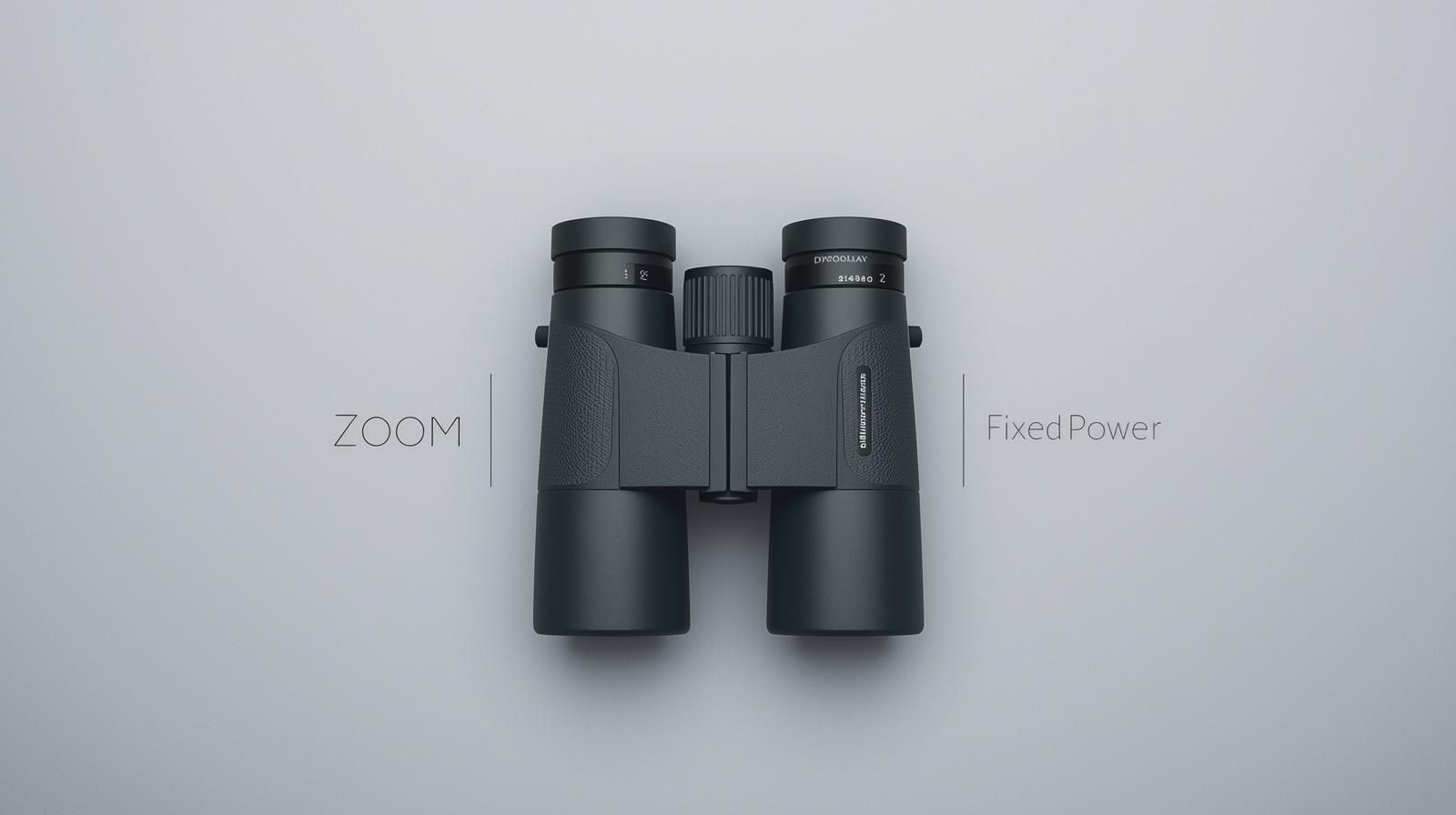
Here is the honest buying advice: choose zoom if you care about getting closer to distant objects. Choose fixed-power if you care more about a cleaner, wider, more stable image.
That is why the best zoom binoculars under 100 are not for everyone. They are for people who value reach and versatility more than optical perfection.
Best Use-Case Scenarios
For Sports Events
Use the lowest magnification to follow the field. Zoom only when the action slows down or when you want to inspect details. If you stay at maximum zoom, you will miss movement.
For Travel and Sightseeing
Budget zoom binoculars are fun at viewpoints. They let you move from wide scenic scanning to closer detail. Just remember that a 50mm model needs bag space.
For Backyard and Balcony Viewing
This is one of the strongest use cases. You are not walking far, you can rest your elbows, and you can even use a tripod. For this kind of viewing, the best zoom binoculars under 100 can feel more useful than expected.
For Casual Astronomy
A 10-30×50 binocular can show the moon nicely, especially on a tripod. Do not expect deep-sky performance like a telescope, but for lunar viewing and casual night-sky scanning, it can be enjoyable.
Important safety note: never look directly at the sun through binoculars. This can cause permanent eye damage. Celestron also includes solar safety warnings with its optics.
Final Verdict: Are the Best Zoom Binoculars Under 100 Worth It?
Yes, but only for the right buyer.
The best zoom binoculars under 100 are worth it if you want affordable reach for travel, stadiums, scenic viewing, balcony use, casual wildlife watching, and occasional tripod-supported observation. They are not worth it if you expect premium sharpness, professional birding performance, or bright high-zoom views in poor light.
My top practical recommendation is the Celestron UpClose G2 10-30×50 Zoom because it gives you a realistic zoom range, large 50mm lenses, tripod compatibility, and a proven budget-friendly design. Use it mostly at 10x to 20x, save 30x for supported viewing, and you will enjoy it much more.
For more buying help across different budgets, visit the main best zoom binoculars guide. You can also explore more practical optics advice on the blog tips page or start from the Best Binocular home page for broader binocular guides.
FAQs About the Best Zoom Binoculars Under 100
Are zoom binoculars under $100 actually good?
Yes, they can be good for casual use, but they are not premium optics. The best results usually come at lower and middle magnification. At maximum zoom, expect more shake, less brightness, and a narrower field of view.
What magnification is best for budget zoom binoculars?
A 10-30x range is one of the most practical choices. Start at 10x for scanning and use higher zoom only after the subject is centered. For handheld viewing, staying below 20x is usually more comfortable.
Are 10-30×50 binoculars good under $100?
They can be a smart choice if you want reach and do not mind a larger body. The 50mm objective lenses help with brightness, while the 10x starting point keeps the binocular usable for general viewing.
Do I need a tripod for zoom binoculars?
You do not need one at 10x, but a tripod helps a lot at higher magnification. If you plan to use 25x or 30x often, tripod support will make the experience much better.
Are zoom binoculars good for bird watching?
They are okay for casual bird watching in open areas, but they are not ideal for fast-moving birds in trees. Most birders prefer fixed 8x or 10x binoculars because they are brighter, steadier, and easier to focus quickly.
What is the biggest problem with cheap zoom binoculars?
The biggest problem is image quality at maximum zoom. Many budget models become dim, narrow, and shaky when fully zoomed in. That is why realistic expectations matter when shopping for the best zoom binoculars under 100.
Should I buy zoom binoculars under $100 or spend more?
If you only need casual viewing, under $100 is fine. If you want better sharpness, smoother zoom, improved coatings, and stronger low-light performance, consider stepping up to the best zoom binoculars under 200 category.




