
Best Roof Prism Binoculars: How to Choose the Right Pair for Real Outdoor Use
Finding the best roof prism binoculars is not about choosing the most expensive pair on the shelf. It is about matching the binocular to how your eyes, hands, budget, and outdoor habits actually work together. A binocular can look amazing in a product photo and still feel wrong after ten minutes on a trail, in a hunting blind, at a stadium, or during a foggy early-morning glassing session.
Roof prism binoculars are popular because they are slim, easy to pack, and comfortable to hold for long periods. Compared with the wider, classic Porro prism design, roof prism binoculars usually feel more modern and travel-friendly. They slide into a chest harness more easily, sit flatter against the body, and are less awkward when you are moving through brush, climbing, hiking, or scanning from a vehicle.
But here is where many buyers go wrong: they only compare magnification. They see 10x, assume it is better than 8x, and ignore field of view, eye relief, coatings, prism quality, low-light performance, waterproofing, focus feel, balance, and warranty. In real use, those details matter more than the number printed on the side.
This guide is written for buyers who want a serious, practical answer — not another thin affiliate list. Below, you will find the best roof prism binoculars for different users, including hunters, bird watchers, hikers, travelers, sports viewers, and budget-conscious outdoor buyers. I will also show you when to choose 8×42, when 10×42 makes more sense, and when compact binoculars are actually worth the compromise.
What Are Roof Prism Binoculars?
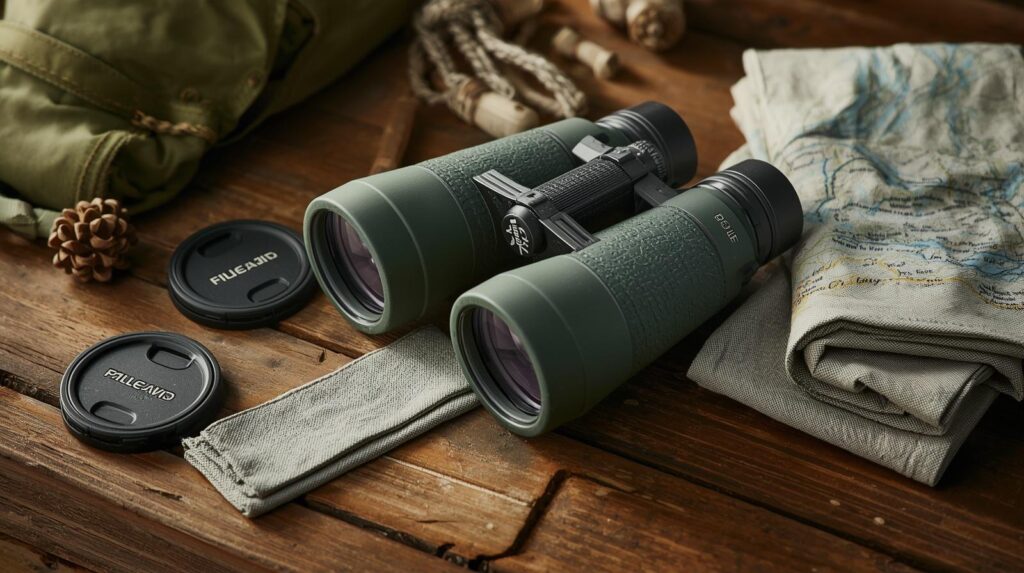
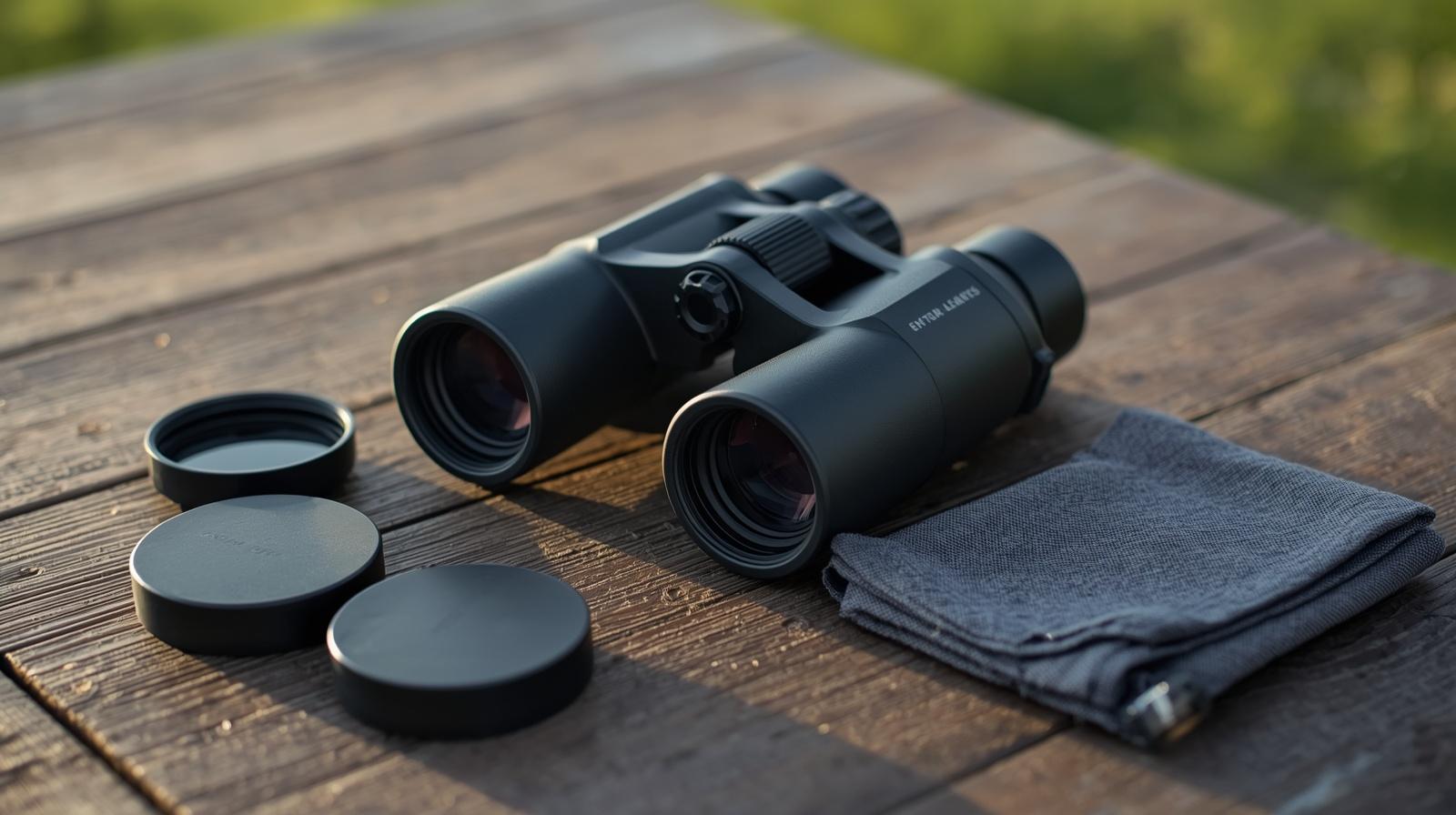
Roof prism binoculars use a straight-barrel internal prism system, which is why they look slim and streamlined. The eyepieces and objective lenses line up in a more direct shape, making the binocular easier to carry and more compact than most Porro prism models.
The best roof prism binoculars normally use phase-corrected prisms, dielectric coatings, fully multi-coated lenses, and waterproof construction. These features help improve brightness, contrast, color accuracy, and durability.
A cheap roof prism binocular without proper coatings can look dim or slightly flat. A good one, however, can feel sharp, balanced, and surprisingly natural, especially when you are tracking movement or scanning wide areas.
In simple terms:
| Feature | Why It Matters in Roof Prism Binoculars |
|---|---|
| Phase-corrected prisms | Improves sharpness and contrast |
| Dielectric prism coating | Helps brightness and color accuracy |
| ED glass | Reduces color fringing around high-contrast edges |
| Waterproof/fogproof body | Protects the binocular in rain, humidity, and cold |
| Wide field of view | Makes tracking birds, wildlife, or moving subjects easier |
| Good eye relief | Important for eyeglass wearers |
| Smooth focus wheel | Helps you react quickly in real viewing situations |
Roof prism binoculars cost more to manufacture well, so ultra-cheap models often disappoint. That does not mean you need to spend premium money, but it does mean you should avoid buying only by magnification and price.
Best Roof Prism Binoculars: Quick Comparison Table
Here is a practical comparison of some of the most reliable roof prism binocular choices for different buyers.
| Model | Best For | Strength | Possible Drawback | |
|---|---|---|---|---|
| Nikon Monarch M7 8×42 | Best overall everyday use | Wide view, ED glass, comfortable handling | Not the cheapest option | |
| Vortex Diamondback HD 10×42 | Best budget-friendly all-rounder | Strong value, rugged build, good warranty reputation | 10x can feel shaky for some users | |
| Vortex Viper HD 10×42 | Best serious hunting/outdoor upgrade | Better glass, strong low-light usability, durable feel | Heavier than entry models | |
| Celestron TrailSeeker ED 8×42 | Best value for birding and hiking | ED glass, generous features for price | Edge sharpness not premium-level | |
| Zeiss Terra ED 8×42 | Best lightweight premium-entry option | Compact feel, bright image, trusted optics brand | Not as immersive as high-end alpha glass | |
| Swarovski NL Pure 8×42 | Best premium roof prism binocular | Huge field of view, excellent brightness, premium handling | Very expensive |
Nikon lists the Monarch M7 8×42 as an ED-glass roof prism model with waterproofing, nitrogen filling, and a lightweight 23.6 oz body, which is why it remains one of the easiest premium-midrange recommendations for buyers who want one binocular for many situations.
Best Overall Roof Prism Binoculars: Nikon Monarch M7 8×42
The Nikon Monarch M7 8×42 is one of the safest recommendations if you want one binocular that can handle bird watching, travel, light hunting, hiking, nature observation, and general outdoor use without feeling too specialized.
What makes it stand out is not one dramatic feature. It is the balance. The view feels wide, the body is light enough for long walks, the focus is friendly, and the image has enough brightness and contrast to satisfy most serious users who are not ready to spend alpha-optics money.
I usually think of the Monarch M7 8×42 as the “buy once, use everywhere” choice. It is not the cheapest. It is not the most luxurious. But for many people searching for the best roof prism binoculars, this is the point where price, optical quality, and everyday comfort meet nicely.
Why It Works So Well
The 8x magnification is steady in the hands, and the 42mm objective lenses give you better low-light comfort than compact 25mm or 32mm models. If you are glassing a shaded treeline, watching birds move through branches, or scanning a distant hillside in soft evening light, 8×42 feels forgiving.
The Monarch M7 also has ED glass, which helps control color fringing. You will notice this when viewing dark branches against a bright sky or reflective objects near water. Cheap binoculars often show purple or green edges in these situations. Better ED models control that better.
Best For
| User Type | Why the Nikon Monarch M7 8×42 Fits |
|---|---|
| Bird watchers | Wide view helps track movement |
| Hikers | Light enough for regular carry |
| Travelers | Durable and versatile |
| Beginner-to-serious users | Easy upgrade without going ultra-premium |
| Eyeglass wearers | Comfortable eye relief for most users |
Pros
Good brightness for the size, wide field feel, reliable Nikon build, ED glass, easy handling, waterproof and fogproof construction.
Cons
More expensive than budget roof prism binoculars, and some users may still prefer 10x if they mostly glass open country.
Best Budget Roof Prism Binoculars: Vortex Diamondback HD 10×42
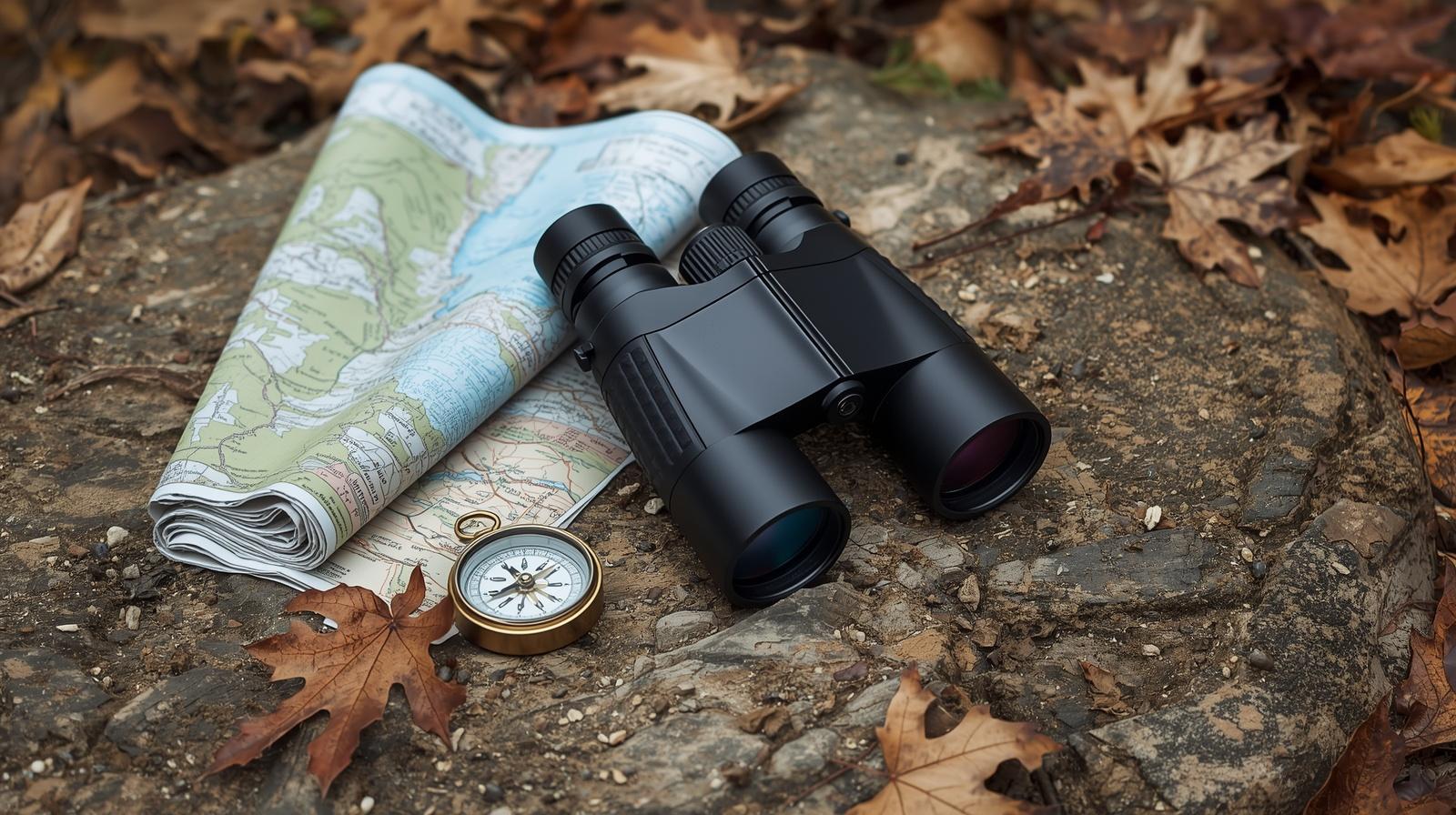
The Vortex Diamondback HD 10×42 is a strong choice for buyers who want rugged roof prism binoculars without stepping into premium pricing. It is especially popular because it feels like a real outdoor binocular rather than a fragile budget gadget.
The 10×42 format gives more reach than 8×42, which helps when you are viewing deer across a field, reading distant terrain, watching sports from higher seats, or scanning open landscapes. Vortex lists the Diamondback HD 10×42 with 10x magnification, 42mm objectives, 15mm eye relief, 330 ft field of view at 1,000 yards, close focus of 5 ft, and a 21.3 oz weight.
The important thing to understand is this: 10x is not automatically better. It magnifies hand shake too. If your hands are not steady, or if you often watch fast-moving birds in woods, 8x may feel easier. But for hunters, open-country hikers, and general long-distance viewing, the Diamondback HD 10×42 gives a lot of performance for the money.
Where It Feels Strong
The Diamondback HD does well when the buyer wants durability, decent brightness, and a compact roof prism shape at a reasonable price. It is the kind of binocular you can keep in a truck, backpack, range bag, or travel kit without babying it too much.
Where It Shows Its Price
Compared with a higher-end roof prism binocular, you may notice less edge-to-edge sharpness and a less refined low-light image. That is normal in this price class. The center image is what matters most for many users, and that is where this binocular delivers good value.
Pros
Strong value, lightweight for a 10×42, rugged feel, useful close focus, good all-round outdoor option.
Cons
Eye relief may be tight for some eyeglass wearers, and 10x can be harder to hold steady during long viewing sessions.
If your buying decision is mostly about price, durability, and real outdoor usefulness, you should also read [best budget roof prism binoculars] before choosing. That supporting guide can help you avoid the common mistake of buying cheap magnification instead of usable clarity.
Best Premium Roof Prism Binoculars: Swarovski NL Pure 8×42
The Swarovski NL Pure 8×42 is for buyers who already know they want top-tier glass. This is not a casual “maybe I will use it twice a year” binocular. It is the kind of optic serious birders, professional guides, mountain hunters, and high-end outdoor users buy when they care deeply about view quality and comfort.
Swarovski lists the NL Pure 8×42 with 8x magnification, 42mm objective lenses, 18mm eye relief, 477 ft field of view at 1,000 yards, 6.6 ft shortest focusing distance, and 91% light transmission.
The biggest thing you notice with a binocular like this is not just sharpness. Many good binoculars are sharp in the center. What separates a premium roof prism binocular is the whole viewing experience: field width, edge performance, contrast, color neutrality, low-light comfort, balance, focus feel, and how relaxed your eyes feel after extended glassing.
Who Should Buy It?
Buy the Swarovski NL Pure 8×42 if binoculars are central to your hobby, work, or hunting system. If you glass for hours, not minutes, the comfort difference becomes easier to justify.
For casual backyard viewing or occasional travel, it is overkill. For serious observation, it is one of the clearest examples of why premium optics still exist.
Pros
Outstanding field of view, premium image quality, excellent low-light performance, comfortable handling, serious long-term investment.
Cons
Very expensive, too much binocular for casual users, and you may not fully appreciate it unless you compare it directly against midrange glass in difficult light.
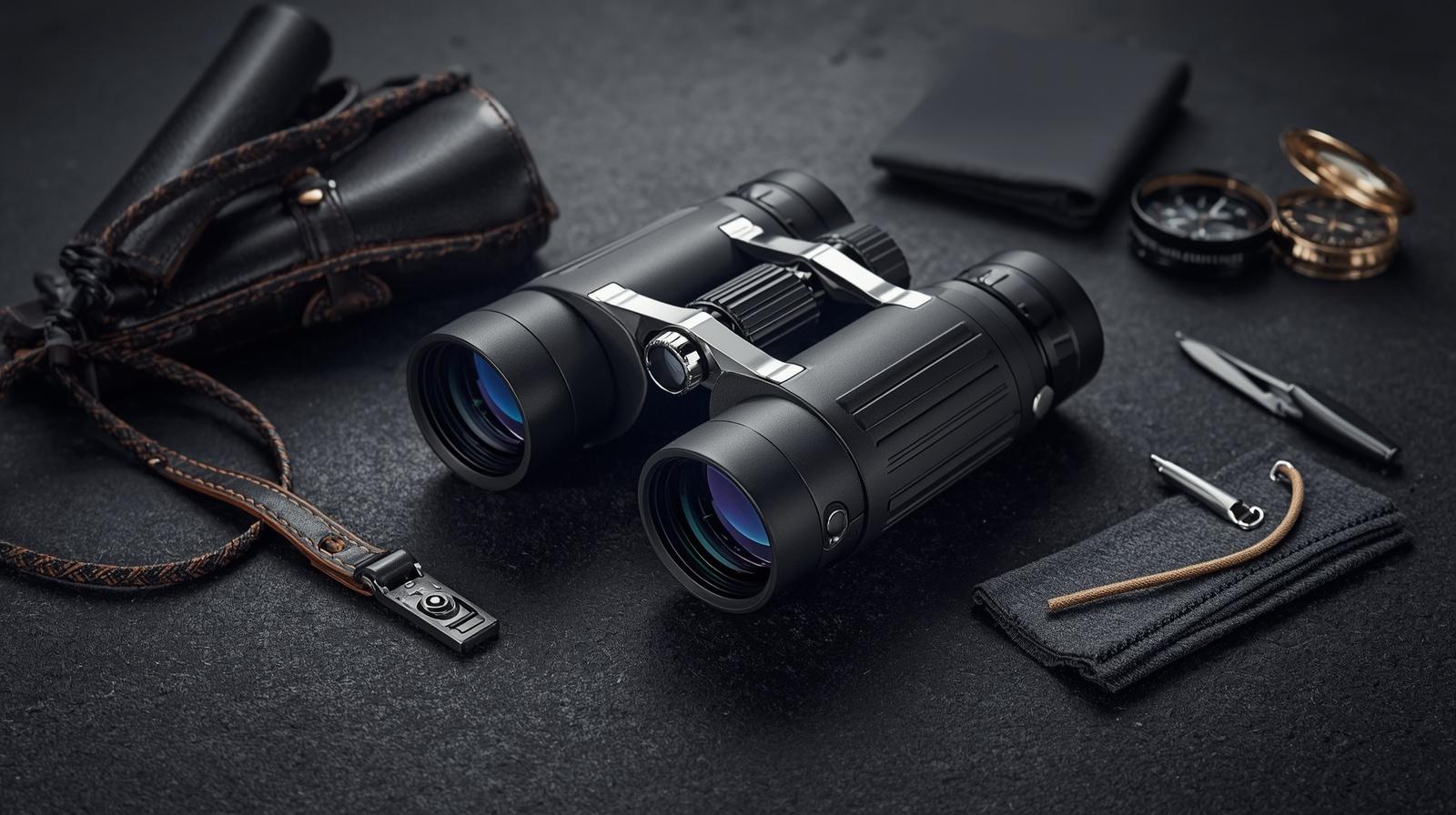
Best Roof Prism Binoculars for Hunting: Vortex Viper HD 10×42
For hunting, I usually lean toward binoculars that offer a tough body, strong low-light performance, comfortable grip, and enough magnification to identify details without becoming annoying to hold steady.
The Vortex Viper HD 10×42 fits that role well. It is a step above the Diamondback HD and feels more refined optically and mechanically. Vortex lists the Viper HD 10×42 with 10x magnification, 42mm objective lenses, 17mm eye relief, 341 ft linear field of view at 1,000 yards, 6 ft close focus, and 24.9 oz weight.
This is not the lightest option, but for hunting that is not always bad. A little extra weight can help stabilize the image, especially at 10x. When you are glassing across a cutline, hillside, field edge, or open valley, that extra reach helps.
Real Hunting Use Case
Imagine you are scanning a shaded treeline 30 minutes before sunset. A cheaper binocular may show movement but not enough detail. You keep refocusing, your eyes work harder, and you start second-guessing what you are seeing.
A better 10×42 roof prism binocular gives you more usable detail. You still need realistic expectations — no binocular turns darkness into daylight — but better coatings, better glass, and better contrast make the last usable minutes of light more productive.
Pros
Strong outdoor build, good detail at distance, better eye relief than some budget 10×42 options, useful for open-country hunting.
Cons
Costs more than beginner models, and some thick-cover hunters may still prefer 8×42 for a wider, steadier view.
If your main priority is field performance before sunrise, after sunset, or across open land, continue into [best roof prism binoculars for hunting]. That supporting page should help buyers choose between 8×42, 10×42, rangefinder models, and low-light hunting setups.
Best Value Roof Prism Binoculars for Birding and Hiking: Celestron TrailSeeker ED 8×42
The Celestron TrailSeeker ED 8×42 is a smart pick for users who want ED glass and a feature-rich roof prism binocular without premium pricing. It works especially well for birding, hiking, general nature viewing, and travel.
Celestron describes the TrailSeeker ED 8×42 as a roof binocular with ED objective lenses and outdoor-focused optical/mechanical features, positioning it for birders, hunters, and outdoor enthusiasts.
The reason I like this type of binocular for birding is simple: 8×42 is comfortable. You get a bright exit pupil, a steadier image than 10x, and enough field of view to follow movement. When a bird jumps from one branch to another, 8x is less frustrating. When you are hiking and breathing harder, 8x is easier to stabilize.
Where It Makes Sense
This is a good choice for buyers who want more than an entry-level binocular but do not want to pay for Nikon Monarch M7, Zeiss, Leica, or Swarovski pricing.
It is also a good “first serious binocular” for someone who started with a cheap pair and now realizes why the view always looked dim, narrow, or tiring.
Pros
ED glass, strong feature set for the price, good for birding and hiking, comfortable 8×42 format.
Cons
Not as refined at the edges as premium binoculars, and build feel may not satisfy buyers used to higher-end optics.
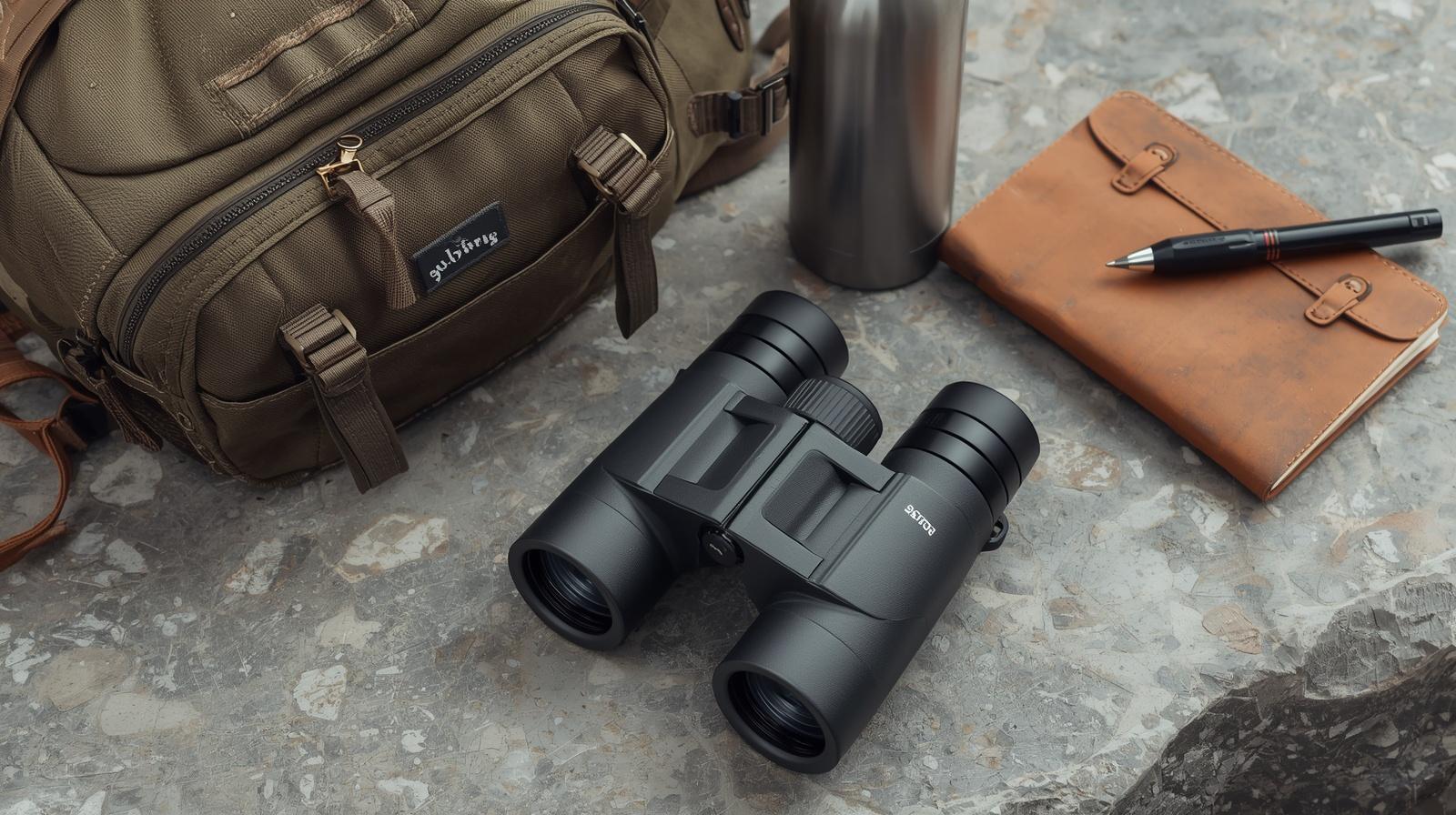
Best Lightweight Premium-Entry Roof Prism Binoculars: Zeiss Terra ED 8×42
The Zeiss Terra ED 8×42 sits in an interesting space. It is not an ultra-premium alpha binocular, but it carries the Zeiss name, has a compact feel, and gives buyers a more premium-entry experience than many basic outdoor binoculars.
Zeiss lists the Terra ED 8×42 with 8x magnification, 42mm lenses, 5.3mm exit pupil, 88% light transmission, 375 ft field of view at 1,000 yards, 5.3 ft close focus, nitrogen filling, and water resistance.
In the hand, Terra ED models tend to appeal to users who want something compact, clean, and easy to travel with. It is a nice choice for sightseeing, hiking, casual birding, and general nature observation.
Who Should Choose It?
Choose the Zeiss Terra ED 8×42 if you care about brand trust, compact handling, and an easy-viewing 8×42 setup, but you do not want to jump to Swarovski, Leica, or Zeiss Victory pricing.
Pros
Compact feel, good brightness, close focus, trusted optics brand, useful for travel and nature viewing.
Cons
Not the widest or most immersive premium view, and some midrange competitors may offer aggressive value at similar prices.
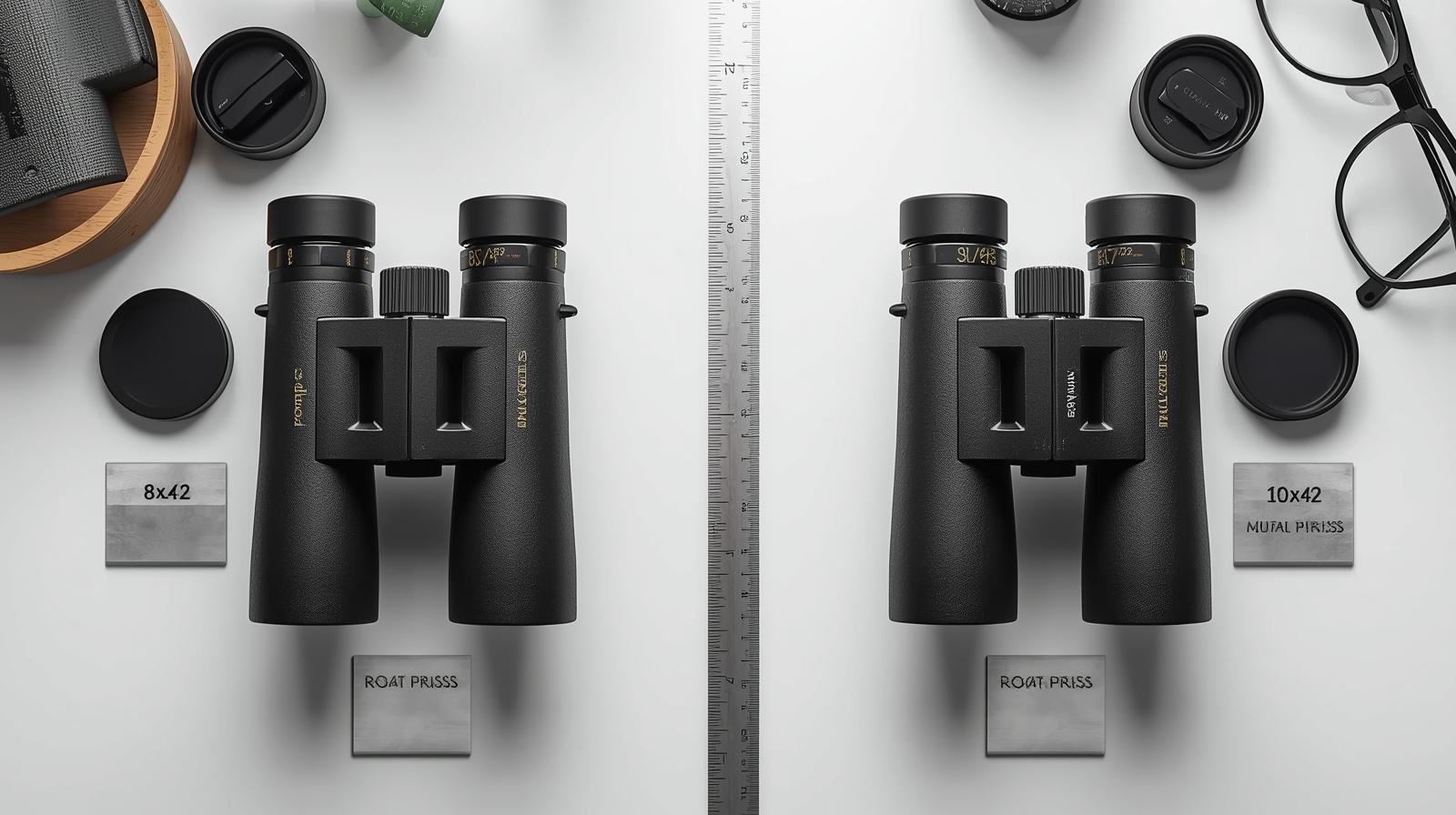
8×42 vs 10×42 Roof Prism Binoculars: Which Is Better?
This is where buyer psychology gets tricky. Many people want 10x because it sounds more powerful. More power feels like more value. But binoculars are not like phone cameras where more zoom always feels useful.
The best roof prism binoculars are the ones you can actually hold steady, focus quickly, and use comfortably.
Choose 8×42 If You Want
| 8×42 Advantage | Real-World Benefit |
|---|---|
| Wider field of view | Easier to find and follow subjects |
| Steadier image | Less hand shake |
| Brighter-feeling view | More forgiving in low light |
| Easier long sessions | Less eye fatigue |
| Better for woods | Useful in close and medium distances |
8×42 is usually better for birding, hiking, forest hunting, travel, and general use.
If you are leaning toward this balanced format, read [best 8×42 roof prism binoculars]. It can help you compare the most comfortable all-day options without getting distracted by unnecessary magnification.
Choose 10×42 If You Want
| 10×42 Advantage | Real-World Benefit |
|---|---|
| More detail at distance | Better for open fields and ridgelines |
| Stronger reach | Useful for hunting and long-range viewing |
| Better identification at range | Helps when subjects are far away |
| More satisfying for open country | Feels more powerful in wide landscapes |
10×42 is usually better for open-country hunting, mountain viewing, long-distance wildlife observation, and sports.
For buyers who want extra reach without moving into bulky optics, [best 10×42 roof prism binoculars] is the next comparison to read before making a final choice.
Compact Roof Prism Binoculars: Are They Worth It?
Compact roof prism binoculars are tempting because they are small, light, and easy to carry. A compact 8×25 or 10×25 can disappear into a jacket pocket, glove box, sling bag, or travel pouch.
But compact binoculars have trade-offs. Smaller objective lenses gather less light. The exit pupil is smaller. Eye placement can feel more sensitive. In bright daylight, they can be excellent. In dawn, dusk, deep shade, or cloudy weather, they usually feel less comfortable than 8×42 models.
That does not mean compact binoculars are bad. They are just specialized.
Compact Roof Prism Binoculars Make Sense For
Travel, concerts, stadiums, casual hiking, daytime sightseeing, keeping a backup pair in a car, and people who refuse to carry full-size binoculars.
Compact Roof Prism Binoculars Are Less Ideal For
Serious low-light hunting, long birding sessions, astronomy, marine use, and anyone who wears glasses and needs generous eye relief.
If portability matters more than low-light power, visit [best compact roof prism binoculars]. That supporting guide is useful for buyers who want binoculars they will actually carry, not full-size glass that stays at home.
Waterproof Roof Prism Binoculars: Do You Really Need Them?
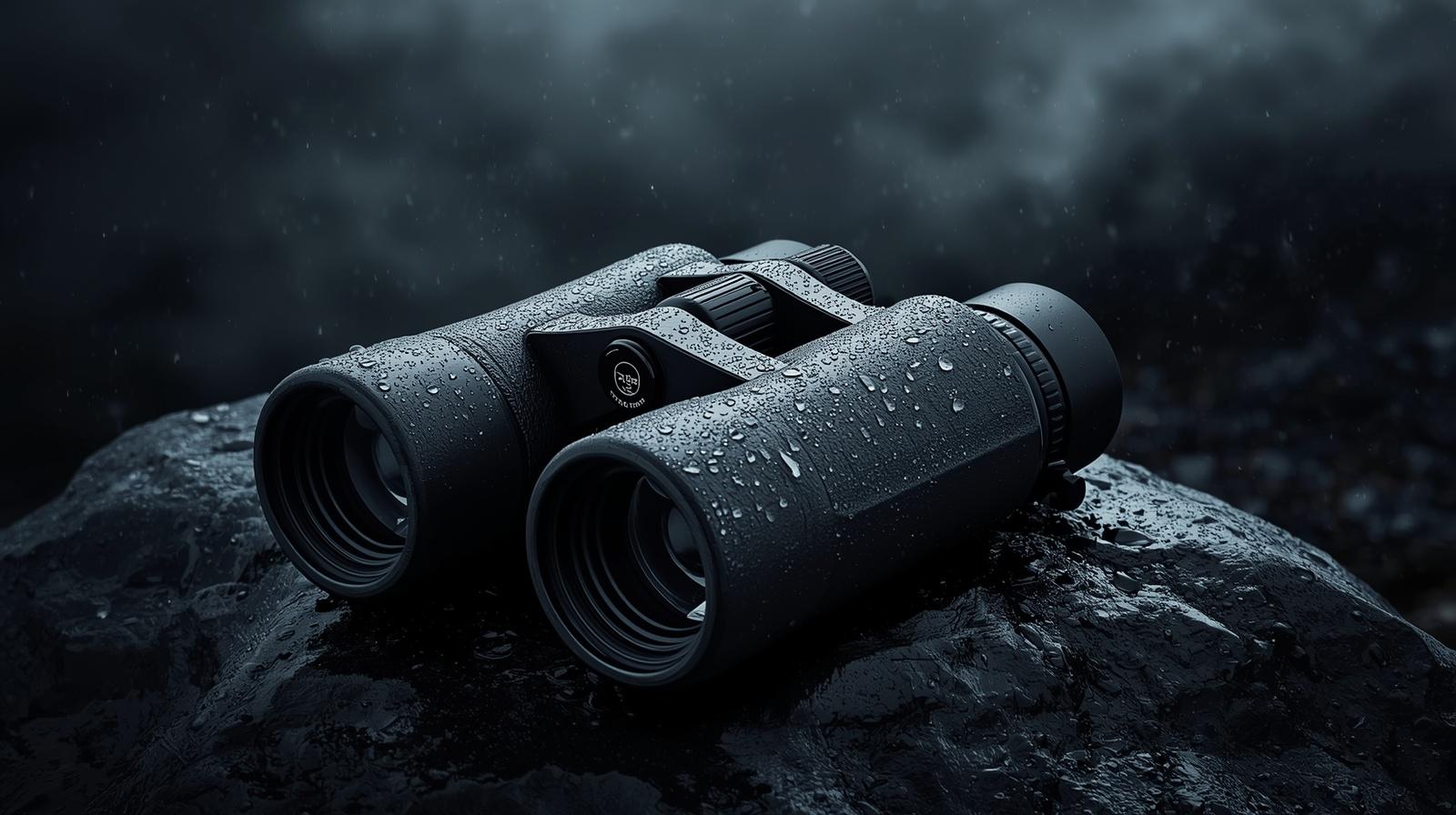
For outdoor use, yes. Waterproofing matters more than many beginners think.
A binocular does not need to fall into a river to suffer moisture problems. Rain, humidity, wet backpacks, cold mornings, warm vehicles, ocean air, and sudden temperature changes can all cause issues over time.
The best roof prism binoculars are usually waterproof and nitrogen- or argon-purged to reduce internal fogging. This does not mean they are indestructible, but it does mean they are built for real outdoor conditions.
When Waterproofing Is Essential
| Situation | Why Waterproofing Matters |
|---|---|
| Hunting | Rain, snow, wet brush, cold mornings |
| Birding | Wetlands, humid trails, sudden weather |
| Marine use | Spray, salt air, damp storage |
| Travel | Unpredictable climates |
| Hiking | Sweat, rain, backpack moisture |
If you regularly use binoculars near rain, boats, wetlands, snow, or humid weather, [best waterproof roof prism binoculars] should be part of your buying path. A slightly better seal can save you from replacing a fogged binocular later.
What Makes the Best Roof Prism Binoculars Actually Good?
A good roof prism binocular is not just a tube with magnification. Several features work together to create the final view.
1. ED Glass
ED glass helps reduce chromatic aberration, which is the colored fringing you may see around bright edges. It is especially noticeable when viewing branches against the sky, white signs, reflective water, or animals against snow.
You do not always need ED glass for casual use, but once you compare ED and non-ED binoculars side by side, the difference becomes easier to see.
2. Phase-Corrected Prisms
Roof prism binoculars need phase correction to preserve sharpness and contrast. Without it, the image may look softer or less crisp. This is one reason very cheap roof prism binoculars often disappoint.
3. Dielectric Prism Coatings
Dielectric coatings help improve light transmission and image brightness. In real use, this can mean a cleaner-looking view in dull weather or shaded areas.
4. Fully Multi-Coated Lenses
Coatings reduce reflections and improve light transmission. “Fully multi-coated” is better than vague claims like “coated optics.” It usually signals a more serious binocular design.
5. Field of View
Field of view is one of the most underrated specs. A wider view makes it easier to find subjects, track movement, and enjoy a more natural image.
Bird watchers usually notice field of view quickly. Hunters notice it when scanning terrain. Sports viewers notice it when trying to follow action.
6. Eye Relief
If you wear glasses, do not ignore eye relief. Around 16mm or more is often more comfortable, though eyecup design also matters. Too little eye relief can make the image feel cramped or cause dark edges.
7. Focus Wheel Feel
A good focus wheel should be smooth, predictable, and easy to control with one finger. Too stiff, and you miss quick moments. Too loose, and you overshoot focus.
This is one of those details you only appreciate after using binoculars outside, not just reading specs.
Roof Prism vs Porro Prism Binoculars
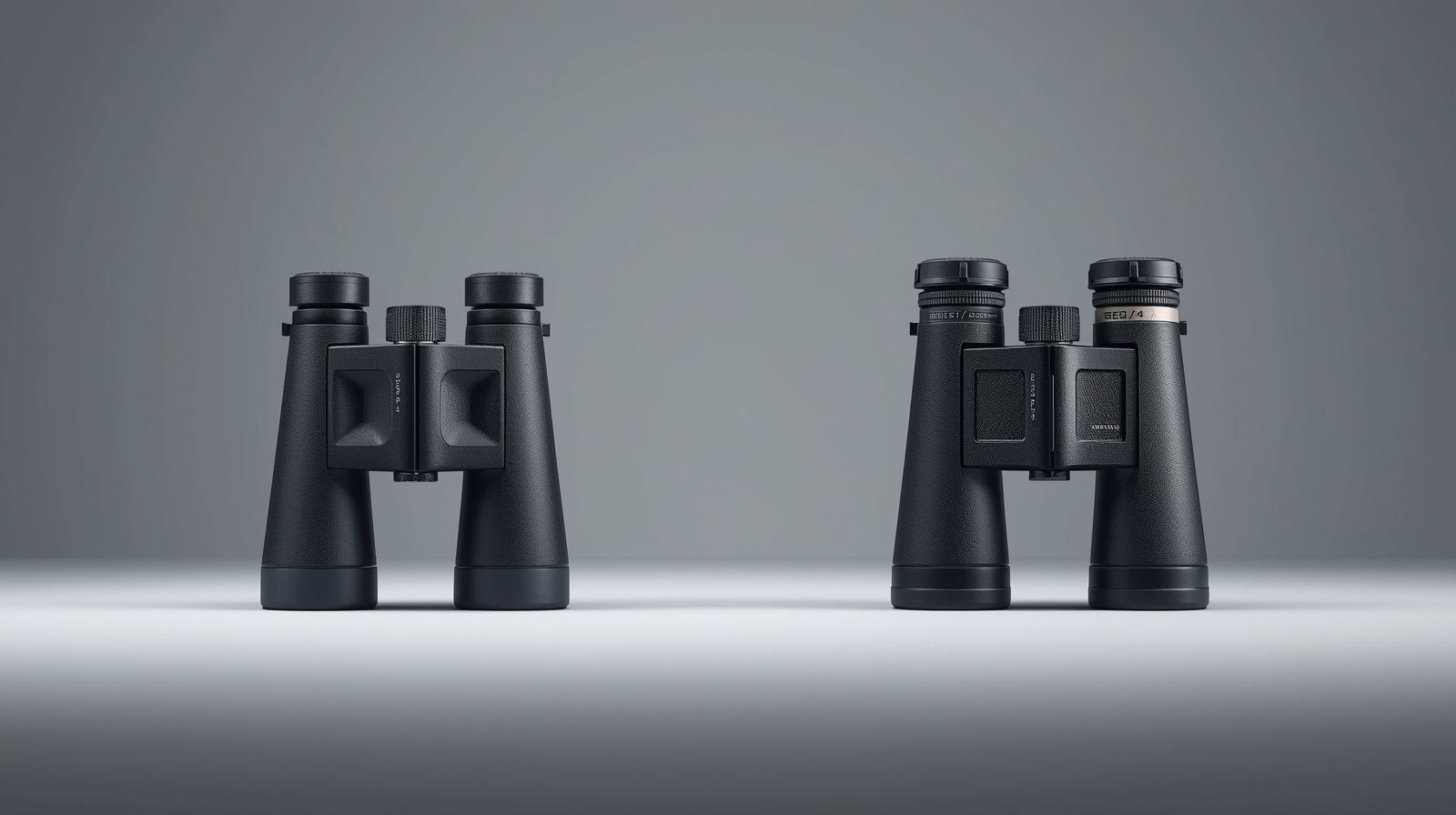
Porro prism binoculars are the older-looking style with offset barrels. They can offer excellent depth perception and optical value for the money. Roof prism binoculars are slimmer, more compact, and often more durable for field carry.
| Feature | Roof Prism Binoculars | Porro Prism Binoculars |
|---|---|---|
| Shape | Slim and straight | Wider and offset |
| Portability | Easier to pack | Bulkier |
| Durability | Often better sealed | Depends on model |
| Cost for quality | Usually higher | Often better value |
| Modern outdoor use | Very popular | Less compact |
| Best for | Hunting, hiking, birding, travel | Budget optics, casual viewing, astronomy |
For most modern outdoor buyers, roof prism binoculars are easier to live with. They carry better, store better, and feel more natural in a chest harness or small bag.
Best Roof Prism Binoculars by Use Case
Different users need different binoculars. A hunter, birder, traveler, and stadium viewer should not always buy the same model.
Best for Bird Watching
Choose 8×42 roof prism binoculars with wide field of view, close focus, ED glass, and comfortable eye relief. Nikon Monarch M7 8×42, Celestron TrailSeeker ED 8×42, and Zeiss Terra ED 8×42 are all sensible options.
Birding rewards comfort. If the binocular is too shaky, too narrow, or too heavy, you will miss movement.
Best for Hunting
Choose 10×42 for open country and 8×42 for woods. Look for waterproofing, good low-light contrast, rugged armor, and a focus wheel you can use with gloves.
Vortex Viper HD 10×42 and Nikon Monarch M7 10×42 are strong practical choices. For premium users, Swarovski NL Pure 10×42 or 8×42 can be excellent depending on terrain.
Best for Hiking
Choose something light enough that you will not leave it behind. 8×42 is ideal if you care about low light. 8×32 or compact roof prism binoculars are better if weight matters more.
Best for Travel
Travel binoculars should be compact, durable, and easy to pack. Zeiss Terra ED 8×32, Nikon Monarch M7 8×30, or other compact roof prism models make sense for sightseeing and daytime use.
Best for Sports
For stadiums, 8x or 10x compact binoculars are usually enough. You do not need heavy 42mm glass unless you also use the binocular outdoors.
Best for Low Light
For low light, choose 8×42, 10×50, or premium 42mm models with strong coatings. Cheap 10×25 compact binoculars are usually disappointing at dusk.
Buyer Psychology: What People Regret After Buying Binoculars
Most binocular regrets fall into predictable patterns.
Regret 1: Buying Too Much Magnification
A 12x binocular sounds powerful, but without support, it can be shaky and tiring. For handheld viewing, 8x and 10x are usually the sweet spots.
Regret 2: Ignoring Eye Relief
Eyeglass wearers often buy based on reviews, then discover they cannot see the full image comfortably.
Regret 3: Choosing the Cheapest Roof Prism Binocular
Cheap roof prism binoculars can look tempting, but poor coatings and weak prism quality often create a dim, narrow, low-contrast view.
Regret 4: Not Thinking About Weight
A heavy binocular may look serious, but if it stays in the car because you hate carrying it, it is not the right binocular.
Regret 5: Assuming All Waterproof Claims Are Equal
Outdoor users should look for real waterproof/fogproof construction, not vague weather-resistant language.
How Much Should You Spend on Roof Prism Binoculars?
You can find roof prism binoculars at almost every price point, but performance does not rise evenly with price.
| Price Range | What to Expect |
|---|---|
| Under $100 | Basic use, often limited coatings and durability |
| $100–$250 | Better entry-level options, good for casual users |
| $250–$500 | Strong value zone with better optics and build |
| $500–$1,000 | Serious midrange and premium-entry binoculars |
| $1,000+ | Premium glass, better field, comfort, and refinement |
| $2,000+ | Alpha optics for serious users |
For most buyers, the best roof prism binoculars are found between the better budget and midrange categories. That is where you begin to see ED glass, waterproofing, better coatings, and more comfortable handling without paying luxury prices.
Premium optics are worth it only if you use them often enough to appreciate the difference. If you glass twice a year, spend carefully. If you glass every weekend, buy better.
My Practical Buying Recommendations
If you want the safest all-around pick, choose Nikon Monarch M7 8×42.
If you want budget value with more reach, choose Vortex Diamondback HD 10×42.
If you want a hunting-focused upgrade, choose Vortex Viper HD 10×42.
If you want strong value for birding and hiking, choose Celestron TrailSeeker ED 8×42.
If you want a lightweight premium-entry binocular, choose Zeiss Terra ED 8×42.
If you want the premium experience and budget is not the main concern, choose Swarovski NL Pure 8×42.
The best roof prism binoculars are not always the ones with the highest magnification or the longest feature list. They are the ones you enjoy using when conditions are imperfect — when the light is fading, your hands are cold, your subject is moving, or you only have a few seconds to focus.
Common Mistakes to Avoid
Buying 10x When You Really Need 8x
If you mostly watch birds, hike in woods, or want a relaxed all-day view, 8×42 is often better. A steady 8x image can show more usable detail than a shaky 10x image.
Ignoring the Return Policy
Binocular comfort is personal. Your face shape, glasses, hand size, and focusing preference all matter. Buy from a place with a fair return policy.
Overvaluing Zoom Binoculars
Most zoom binoculars are not ideal for serious outdoor use. They often sacrifice brightness, field of view, and durability.
Forgetting About Accessories
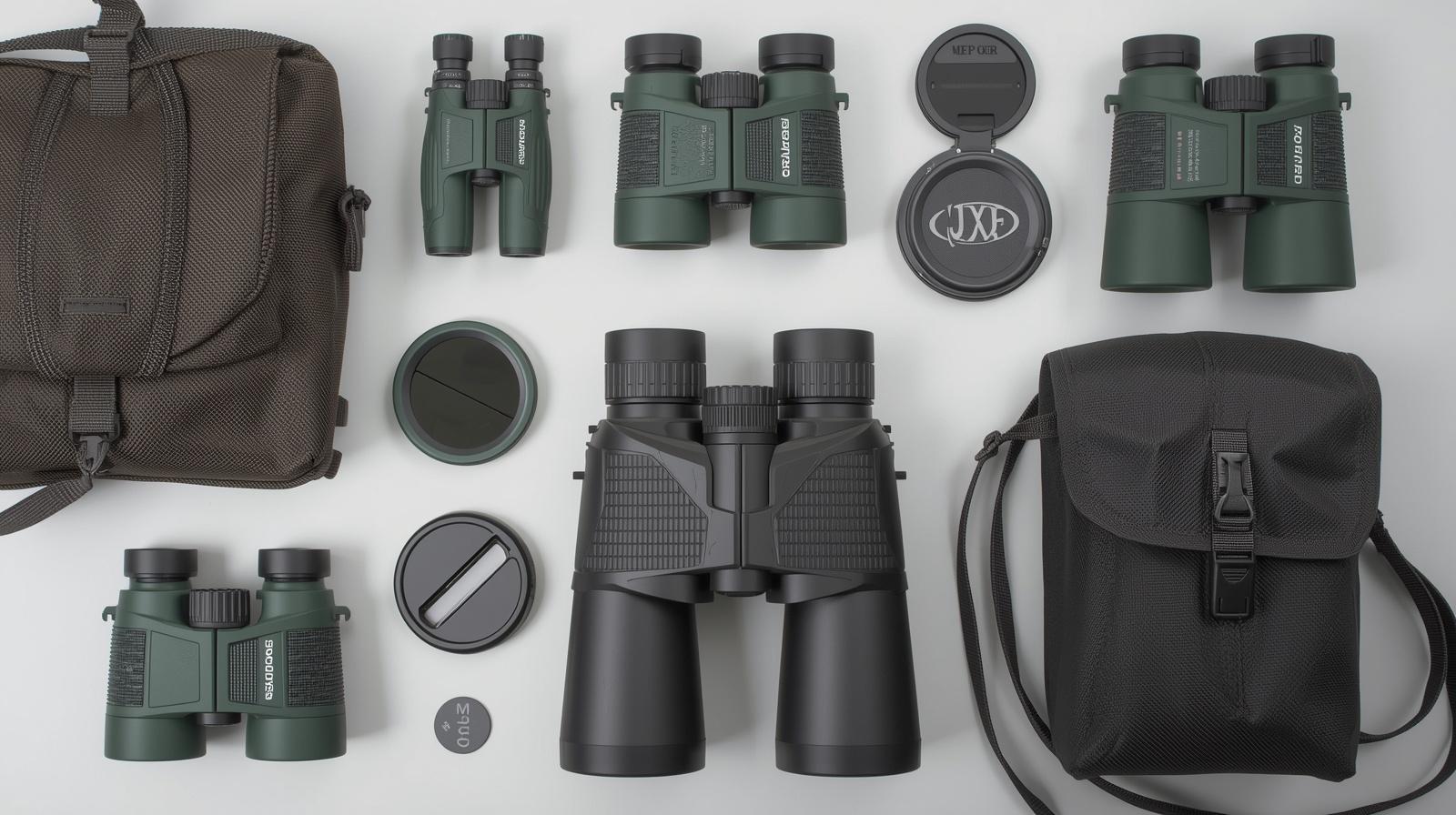
A good strap, harness, case, lens cloth, and rain guard can make a big difference. Binoculars that are easy to carry get used more.
Believing Every “HD” Label
HD is not a regulated promise of greatness. Look at actual optical design, coatings, user experience, and brand reputation.
FAQs About the Best Roof Prism Binoculars
What are the best roof prism binoculars for most people?
The best roof prism binoculars for most people are usually 8×42 models with ED glass, waterproof construction, phase-corrected prisms, and a comfortable field of view. Nikon Monarch M7 8×42 is one of the strongest all-around choices because it balances optical quality, size, weight, and usability.
Are roof prism binoculars better than Porro prism binoculars?
Roof prism binoculars are usually better for portability, field carry, waterproofing, and modern outdoor use. Porro prism binoculars can offer excellent optical value, but they are bulkier. For hunting, hiking, travel, and birding, roof prism binoculars are often more convenient.
Is 8×42 or 10×42 better for roof prism binoculars?
8×42 is better for steadiness, wider field of view, birding, hiking, woods, and general use. 10×42 is better for distance, open country, hunting, and long-range viewing. Most beginners are happier with 8×42, while distance-focused users often prefer 10×42.
Are compact roof prism binoculars good?
Compact roof prism binoculars are good for travel, sports, concerts, and casual daytime use. They are not as strong in low light as full-size 8×42 or 10×42 binoculars. Choose compact binoculars when portability matters more than brightness.
What does ED glass mean in binoculars?
ED glass means extra-low dispersion glass. It helps reduce color fringing and improves clarity around high-contrast edges. It is especially useful for birding, hunting, and nature viewing where fine detail and clean contrast matter.
Do I need waterproof roof prism binoculars?
Yes, if you use binoculars outdoors regularly. Waterproof and fogproof construction protects the binocular from rain, humidity, temperature changes, and wet storage conditions. It is especially important for hunting, birding, hiking, and marine use.
Are expensive roof prism binoculars worth it?
Expensive roof prism binoculars are worth it if you use them often and care about long viewing comfort, edge clarity, low-light performance, field of view, and premium build quality. Casual users can get excellent value from midrange models.
What magnification is best for hunting binoculars?
For hunting, 10×42 is popular for open country, while 8×42 is better for woods and closer ranges. If you glass from a tripod or in very open terrain, higher magnification may help, but handheld users should usually stay with 8x or 10x.
What are the best budget roof prism binoculars?
The best budget roof prism binoculars are models that still offer decent coatings, waterproofing, and reliable construction. Vortex Diamondback HD is a popular budget-friendly choice because it gives strong real-world performance without premium pricing.
How long should good roof prism binoculars last?
Good roof prism binoculars can last many years if they are stored properly, cleaned carefully, and not abused. Waterproofing, rubber armor, quality hinges, and a strong warranty all help extend their useful life.
Final Verdict: Which Roof Prism Binocular Should You Buy?
The best roof prism binoculars are the ones that match your real viewing habits.
For most people, the Nikon Monarch M7 8×42 is the best overall choice because it is bright, wide, comfortable, and versatile. For budget buyers, the Vortex Diamondback HD 10×42 gives strong value and rugged usefulness. For hunters who want an upgrade, the Vortex Viper HD 10×42 makes sense. For birding and hiking value, the Celestron TrailSeeker ED 8×42 is easy to recommend. For premium buyers, the Swarovski NL Pure 8×42 is the kind of binocular that can spoil you for everything else.
Here is the honest buying rule: do not chase specs you will not use. A wider, steadier, more comfortable binocular will beat a more powerful but shaky one almost every time.
Choose 8×42 if you want comfort and versatility. Choose 10×42 if you need more reach. Choose compact roof prism binoculars if carry size matters most. Choose waterproof models if you actually go outside in real weather.
And before you finalize your purchase, explore more hands-on binocular comparisons and outdoor optics guides at BestBinocular.net.




