
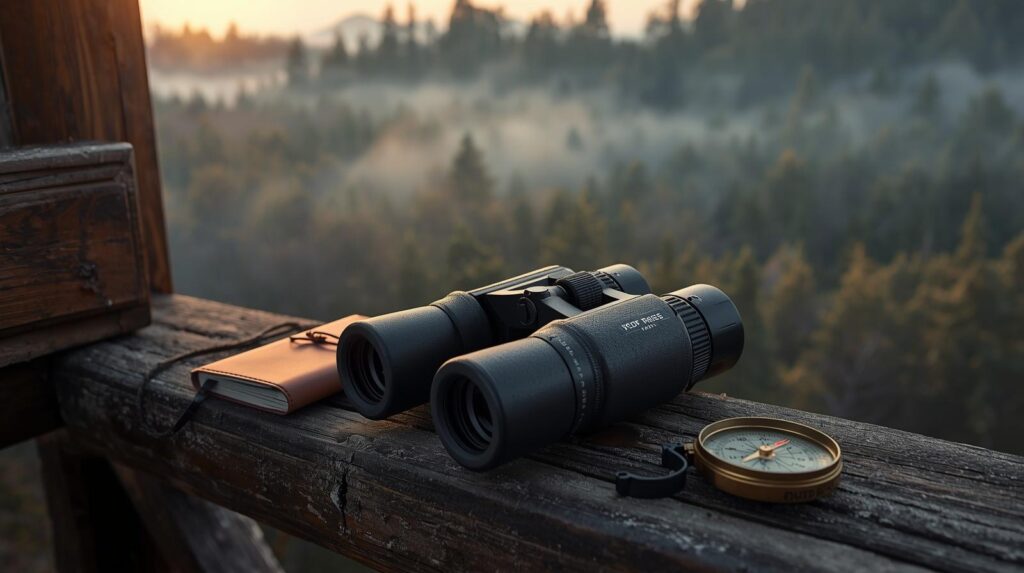
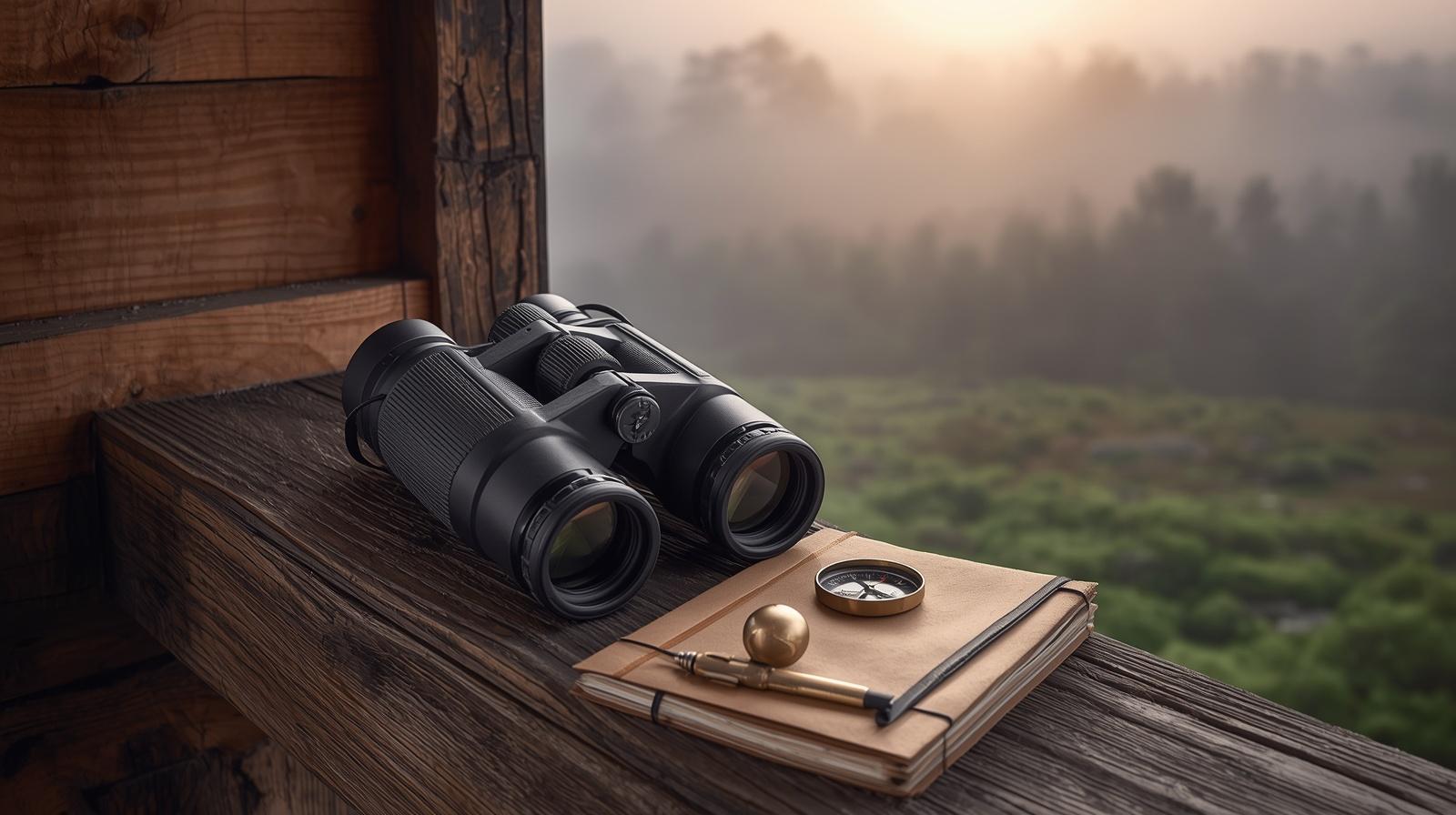
Best Roof Prism Binoculars for Hunting: What Matters in Real Field Use
Choosing the best roof prism binoculars for hunting is not about buying the most expensive glass you can find. It is about choosing binoculars that stay useful when the light is weak, your hands are cold, the terrain is uneven, and you only have a few seconds to judge distance, movement, and detail.
That is where roof prism binoculars make sense.
They are slimmer than old-school Porro prism designs, easier to carry in a chest harness, and better suited for long walks, tree stands, blinds, and open-country glassing. A good pair should feel natural in your hands, focus fast, handle bad weather, and show enough detail without turning every scan into eye strain.
This guide focuses on one clear intent: helping you choose hunting roof prism binoculars that actually work in real field conditions, not just on a spec sheet.
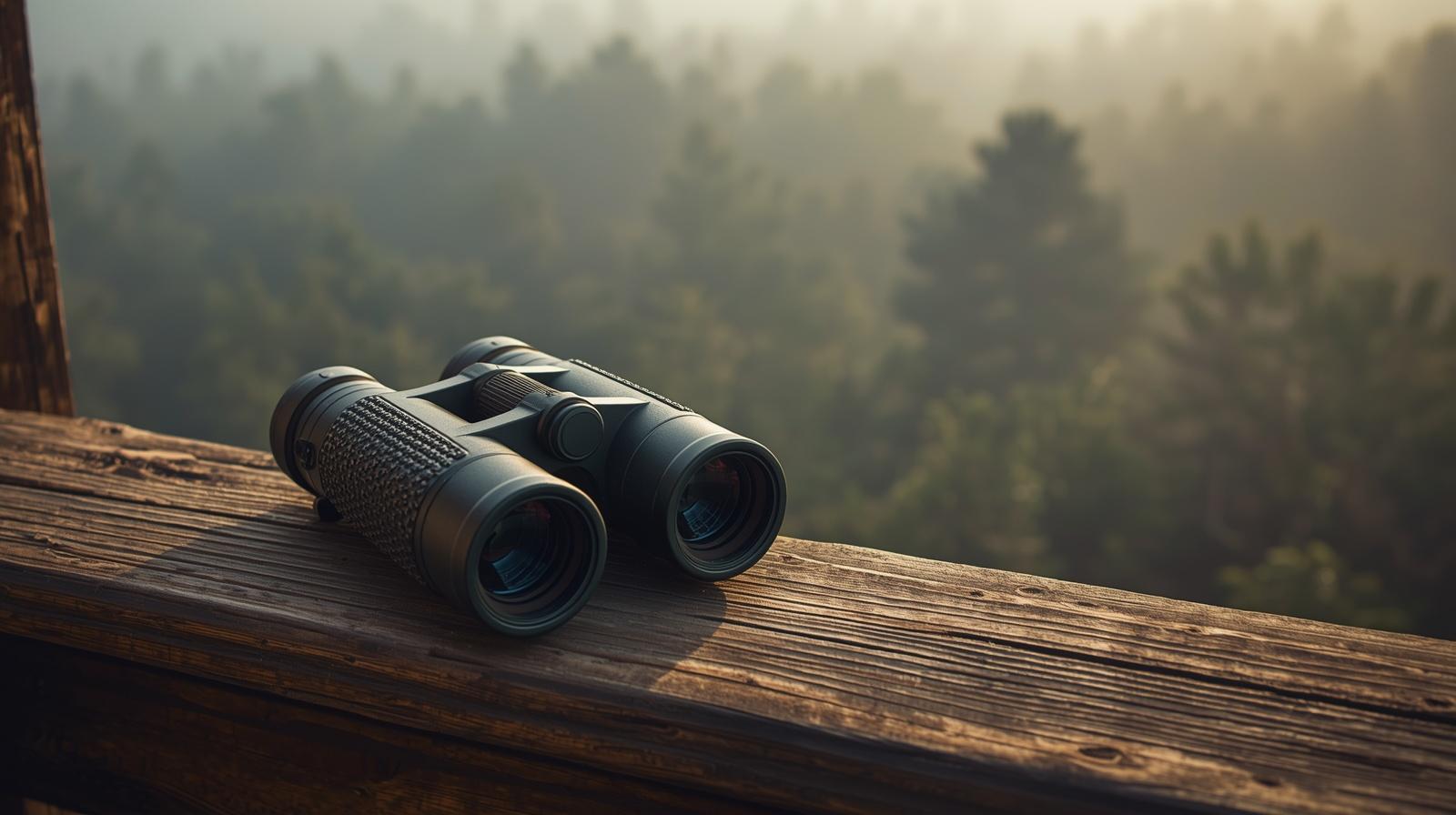
Why Roof Prism Binoculars Make Sense for Hunting
Roof prism binoculars are popular with hunters because they are compact, straight-barreled, and easier to pack. When you are moving through brush, climbing into a stand, or wearing a chest harness all day, that shape matters more than people think.
A bulky binocular may look powerful on a table, but after three hours in the field, weight and balance start telling the truth.
Roof prism designs also tend to seal well against moisture and dust. That is important because hunting conditions are rarely clean. You may deal with drizzle, frost, dirt roads, cold mornings, or sudden temperature changes. Fogged internal lenses can ruin a session fast.
For a deeper breakdown of this optic style, read the main guide on best roof prism binoculars before comparing hunting-specific models.
What Size Is Best for Hunting?
For most hunters, the sweet spot is 10×42.
That does not mean 10×42 is perfect for every person, but it hits the most useful balance between reach, brightness, size, and weight.
8×42 vs 10×42 for Hunting
An 8×42 roof prism binocular gives you a wider field of view and a steadier image. It is easier to hold still, especially if you are scanning thick woods or tracking movement at closer ranges.
A 10×42 roof prism binocular gives you more detail at distance. This helps in open fields, hills, ridgelines, and wider terrain where animals or landmarks may be farther away.
Here is the simple field logic:
| Binocular Size | Best For | Main Advantage | Main Trade-Off |
|---|---|---|---|
| 8×42 | Woods, brush, shorter viewing distances | Steadier image and wider view | Less reach |
| 10×42 | Mixed terrain, open fields, longer scanning | Better detail at distance | Slightly more hand shake |
| 10×50 | Low-light watching from fixed spots | More light gathering | Heavier and bulkier |
| 8×32 / 10×32 | Lightweight carry | Compact and easy to pack | Weaker in low light |
If you are still deciding between 8x and 10x, check the supporting guide on best 8×42 roof prism binoculars. It is especially useful if you prefer a steadier view over extra magnification.
The Real Hunting Problem: Low Light
Most binoculars look fine at noon.
The real test happens around dawn, dusk, cloudy afternoons, and shaded timber. That is when cheap glass starts looking flat, dull, or washed out.
For hunting, you want binoculars that maintain usable contrast in weak light. Not just brightness. Contrast is what helps separate a shape from the background.
A 42mm objective lens is popular because it brings in enough light without making the binocular too heavy. A 10×42 binocular gives you a 4.2mm exit pupil, which is practical for most daytime and low-light field use.
A 10×50 can look brighter, but it also adds bulk. That extra weight may be fine from a blind or vehicle-based scouting position, but it can get annoying on long walks.
My honest take: most hunters are better served by a good 10×42 than a mediocre 10×50.
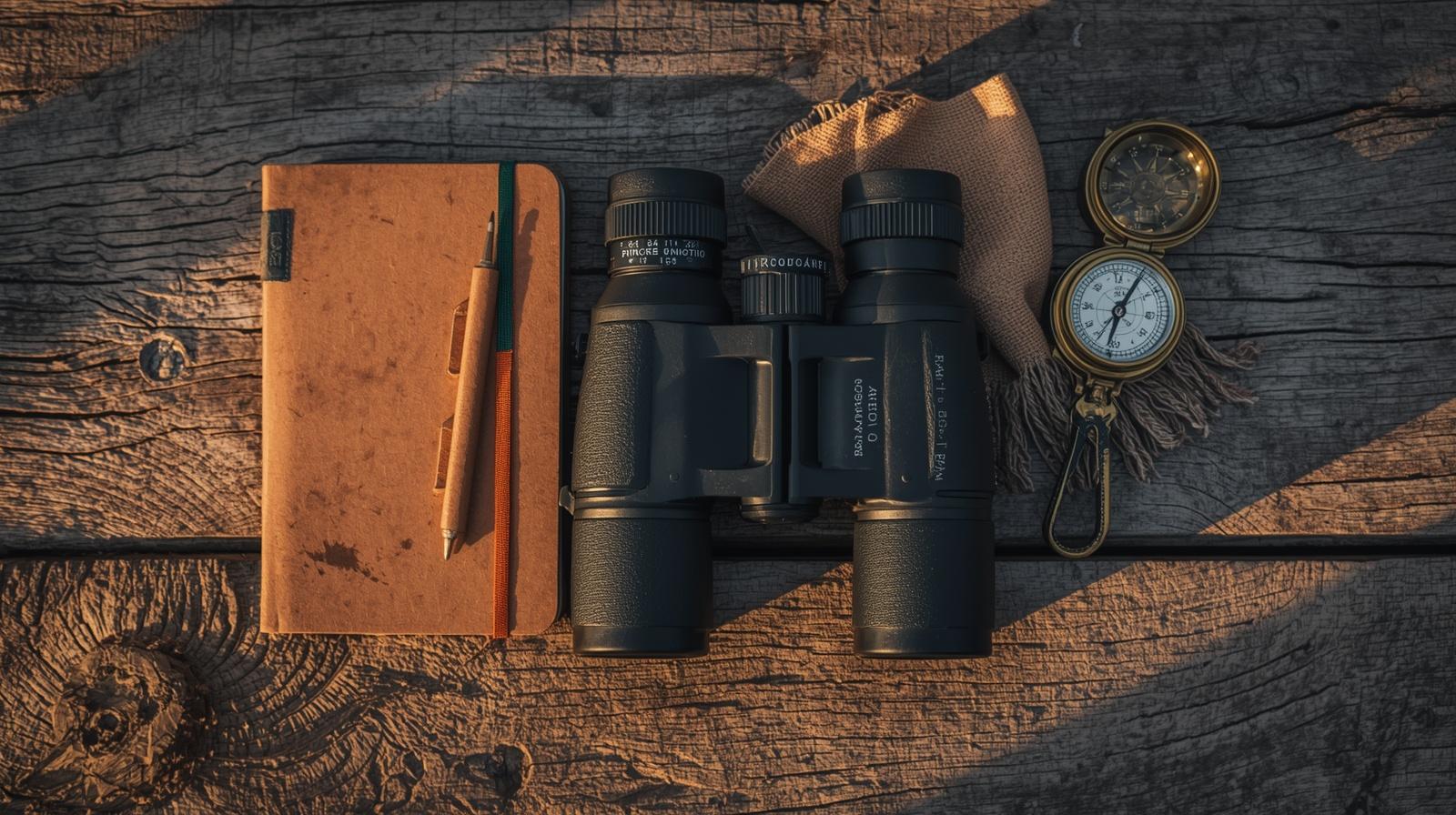
Recommended Product: Vortex Diamondback HD 10×42
If you want one practical, widely relevant recommendation, the Vortex Diamondback HD 10×42 is a strong choice for hunters who want dependable performance without jumping into premium pricing.
It is a roof prism binocular built around the hunting use case, with features that fit common hunting needs such as contrast, durability, and field-ready handling. The official Vortex page also lists hunting as a recommended use for this model.
Why this one makes sense:
Pros
- Good 10x reach for mixed hunting terrain
- 42mm objective size keeps it useful in low light
- Compact roof prism body works well in a chest harness
- Durable enough for rough outdoor use
- Strong value compared with premium hunting binoculars
- Tripod adaptable for longer glassing sessions
Cons
- 10x magnification can show hand shake if you are tired
- Eye relief may not feel perfect for every glasses wearer
- Not a true premium alpha-glass experience
- Edge sharpness is not going to beat high-end models
This is the kind of binocular I would recommend to someone who wants a serious hunting optic but does not want to overpay for features they may not notice in real use.
It is not magic glass. It is not going to turn bad visibility into perfect visibility. But for the money, it fits the actual way many hunters use binoculars: quick scans, careful identification, weather exposure, long carry, and low-light checks.
What Makes a Hunting Binocular “Good” in Real Use?
Specs help, but specs do not tell the whole story.
A hunting binocular has to work under pressure. You may be standing, kneeling, breathing hard, wearing gloves, or trying to focus through branches. Small design choices become obvious fast.
Fast Focus Matters More Than People Admit
A stiff focus wheel is annoying. A loose focus wheel is also annoying.
You want a focus wheel that moves smoothly, with enough resistance to stay controlled. In real field use, you may shift from a close tree line to a far ridge quickly. If the focus feels slow or sloppy, you lose time.
Grip and Balance Matter
Some binoculars look great online but feel awkward in one hand. Hunting binoculars should have enough texture to stay secure when your hands are cold or damp.
A roof prism body usually helps here because it is slim and easy to wrap your fingers around.
Eye Cups Should Lock Firmly
Twist-up eye cups are small parts, but they affect comfort a lot. If they collapse too easily or feel uneven, your viewing position becomes inconsistent.
That leads to blackouts, eye strain, and constant readjusting.
Weather Resistance Is Not Optional
Waterproof and fogproof construction should be treated as a baseline feature, not a luxury. Hunting often means cold mornings, wet grass, rain, dust, and temperature swings.
Internal fogging is a deal-breaker.
Best Use-Case Scenarios for Roof Prism Hunting Binoculars
Different hunters need different binocular behavior. A wooded property and a wide-open hillside do not ask the same thing from your optics.
Scenario 1: Tree Stand or Blind Hunting
If you mostly sit in one location, weight matters less than clarity and comfort. A 10×42 is still a smart choice because it gives enough reach while staying manageable.
A tripod or window mount can help if you glass for long stretches.
Scenario 2: Thick Woods and Brush
In tighter areas, 8×42 can be more comfortable. The wider field of view helps you scan without feeling zoomed-in too much.
This is where some hunters buy too much magnification and regret it. A shaky 12x view in the woods is not helpful.
Scenario 3: Open Fields and Rolling Terrain
This is where 10×42 shines. You get better reach across fields, slopes, and distant edges while still carrying a binocular that is not overly heavy.
Scenario 4: Long Walks and Lightweight Setups
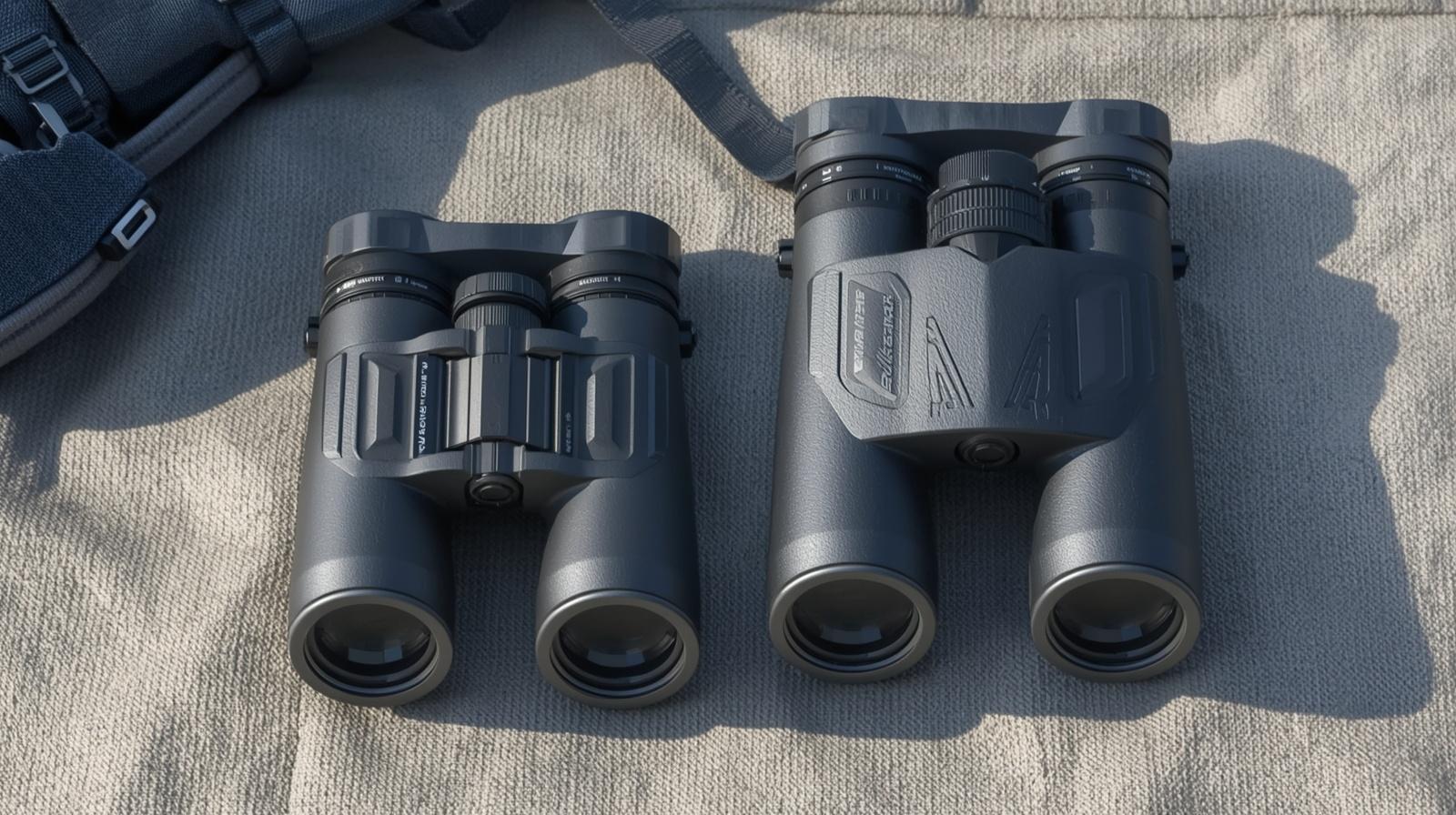
If you care more about pack weight than low-light performance, consider reading the supporting article on best compact roof prism binoculars. Compact models are easier to carry, but they usually sacrifice some brightness.
Common Mistakes When Buying Hunting Binoculars
A lot of buyers get pulled into numbers and marketing terms. That is how people end up with binoculars that look impressive but feel wrong in the field.
Mistake 1: Buying Too Much Magnification
More magnification sounds better, but it also magnifies hand shake.
A 12x binocular can be useful from a tripod, but handheld viewing becomes harder. For most hunters, 8x or 10x is more practical.
Mistake 2: Ignoring Field of View
A narrow field of view makes scanning tiring. You see less area at once, so you move the binocular more often.
For hunting, field of view matters because you are usually searching, not just staring at one fixed object.
Mistake 3: Choosing Cheap Glass for Low Light
Budget binoculars may look fine in bright daylight. The weakness appears when the sun drops or shadows get heavy.
If low-light performance matters to you, prioritize lens coatings, contrast, and real user feedback over exaggerated claims.
Mistake 4: Forgetting About Comfort
A binocular that causes eye strain will stay in the bag. Check eye relief, eye cups, focus feel, and weight.
Comfort is not a bonus. It decides whether you actually use the binocular.
Mistake 5: Thinking Waterproof Means Indestructible
Waterproof does not mean careless-proof. Keep lenses clean, use caps, avoid unnecessary drops, and store your binocular dry after use.
Good optics still need basic care.
Buyer Tips Before You Choose
Before buying the best roof prism binoculars for hunting, think about how you actually hunt or scout.
Not the fantasy version. The real version.
Do you walk a lot? Sit mostly? Scan open land? Watch through trees? Wear glasses? Use a tripod? Hunt in rain or dusty conditions?
These questions matter more than brand hype.
My Practical Buying Checklist
| Feature | What to Look For | Why It Matters |
|---|---|---|
| Magnification | 8x or 10x | Best balance for handheld hunting use |
| Objective Lens | 42mm | Good light without too much bulk |
| Prism Type | Roof prism | Slim, packable, field-friendly design |
| Coatings | Fully multi-coated preferred | Better brightness and contrast |
| Weatherproofing | Waterproof and fogproof | Needed for real outdoor conditions |
| Weight | Around 20–25 oz for full-size | Easier to carry all day |
| Eye Relief | Better if you wear glasses | Prevents viewing discomfort |
| Tripod Adaptability | Useful for long glassing | Helps reduce shake |
The best choice is not always the highest spec. It is the binocular that fits your routine and still performs when conditions are not perfect.
Roof Prism vs Porro Prism for Hunting
Porro prism binoculars can offer strong optical value, especially at lower prices. They often have a wider body and a classic offset shape.
Roof prism binoculars are usually more compact, easier to seal, and easier to carry. That is why they dominate modern hunting optics.
Here is the clean comparison:
| Feature | Roof Prism Binoculars | Porro Prism Binoculars |
|---|---|---|
| Shape | Slim and straight | Wider and offset |
| Carry Comfort | Better for harness use | Bulkier |
| Durability Design | Often easier to seal | Varies by model |
| Price-to-Optics Value | Can cost more | Often strong value |
| Hunting Practicality | Excellent | Good, but less compact |
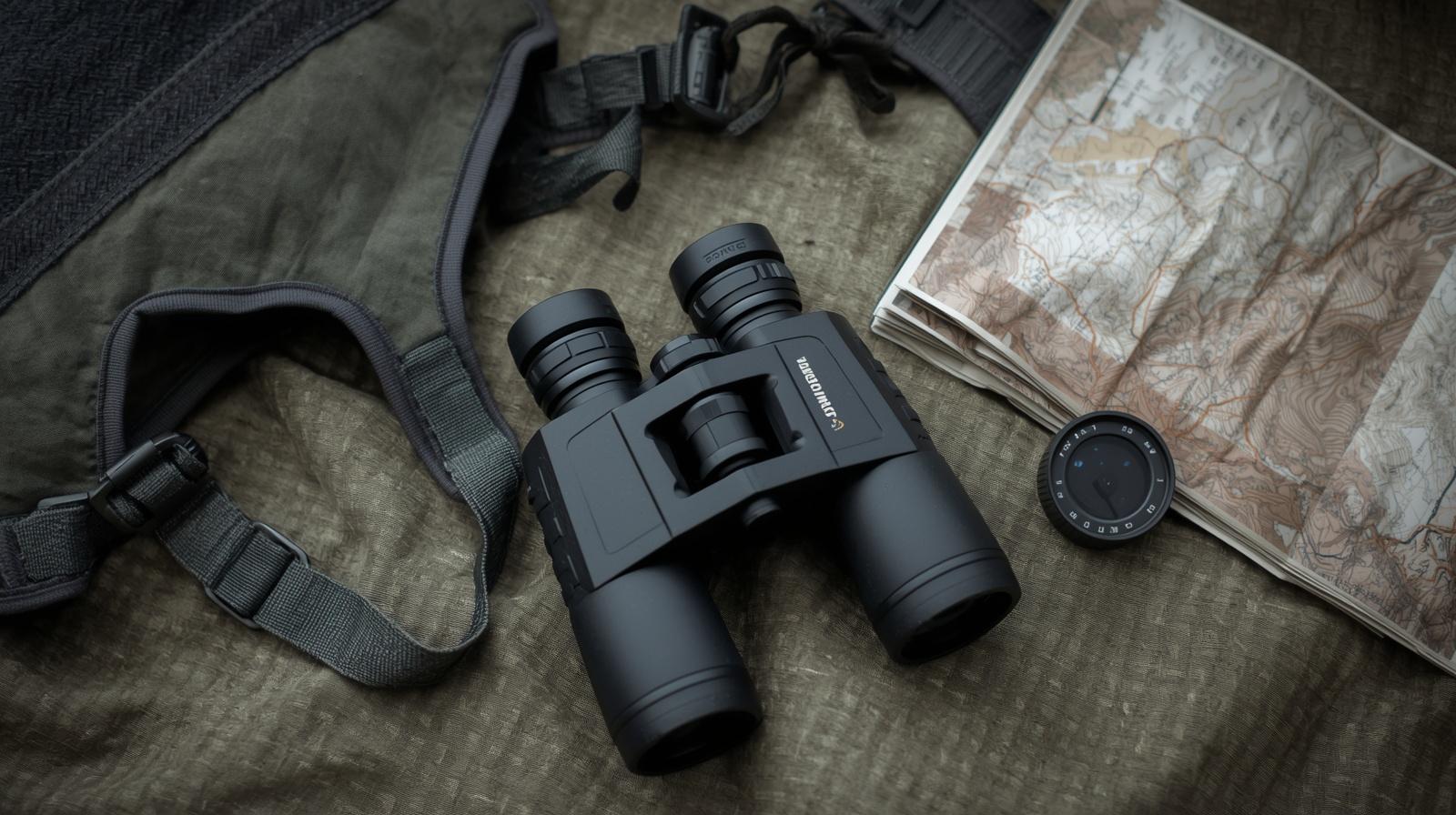
For hunting, I usually lean roof prism because the carry experience is better. When binoculars are easy to carry, they get used more. Simple as that.
How to Match Binoculars to Your Hunting Style
Choose 8×42 If…
You hunt mostly in woods, brush, or shorter distances. You want a steadier image, wider view, and less shake.
This is also a good choice if your hands are not very steady or you glass for long periods without support.
Choose 10×42 If…
You hunt mixed terrain and want more detail at distance. This is the most flexible size for many hunters.
It works well for fields, hills, edges, and general scouting.
Choose Compact 8×32 or 10×32 If…
You want a lightweight backup binocular or you walk long distances. Just remember that compact models usually lose some low-light strength.
Choose 10×50 If…
You mostly glass from a fixed position and do not mind extra weight. It can help in low-light observation, but it is not always the easiest all-day carry.
Buyer Psychology: What Most People Get Wrong
Many buyers want a binocular that feels like a “serious” purchase. So they chase bigger numbers, heavier builds, and premium buzzwords.
But the binocular you actually use is usually the one that feels natural.
A slightly lighter 10×42 that sits comfortably in your hands may beat a heavier model with better specs on paper. A smooth focus wheel may matter more than a tiny improvement in edge sharpness. A comfortable eye box may matter more than a fancy coating name.
That is why I like practical mid-range hunting binoculars. They often give you 80% of the performance most people need without the pain of premium pricing.
Final Verdict: What Should You Buy?
For most people searching for the best roof prism binoculars for hunting, I would start with a quality 10×42 roof prism binocular.
It gives enough reach for open areas, enough light for early and late viewing, and enough portability for real field use. If you mostly hunt tighter woods, go 8×42 instead. If you walk long distances and care about weight, consider a compact model, but understand the low-light trade-off.
My one product recommendation is the Vortex Diamondback HD 10×42 because it fits the practical middle: durable, field-friendly, hunting-focused, and not wildly overpriced. Vortex positions the Diamondback HD line around hunting reliability, contrast, and ruggedness, which lines up well with this use case.
For the bigger silo, compare more options in the main guide to best roof prism binoculars. For lightweight carry, read best compact roof prism binoculars. For steadier full-size viewing, check best 8×42 roof prism binoculars.
FAQs About the Best Roof Prism Binoculars for Hunting
What are the best roof prism binoculars for hunting?
The best roof prism binoculars for hunting are usually 8×42 or 10×42 models with good lens coatings, waterproof construction, comfortable eye relief, and a durable body. For most hunters, 10×42 is the most balanced choice.
Are 10×42 binoculars good for hunting?
Yes, 10×42 binoculars are excellent for hunting because they offer strong detail at distance while still keeping the binocular reasonably compact. They work especially well in mixed terrain, open fields, and longer viewing situations.
Is 8×42 or 10×42 better for hunting?
8×42 is better for thick woods, closer distances, and steadier handheld viewing. 10×42 is better when you need more reach and detail at longer distances. The better choice depends on your terrain.
Are roof prism binoculars better than Porro prism binoculars for hunting?
Roof prism binoculars are usually better for hunting carry because they are slimmer, easier to pack, and often easier to weather-seal. Porro prism binoculars can still offer good value, but they are usually bulkier.
Do hunting binoculars need to be waterproof?
Yes, waterproofing is highly recommended. Hunting conditions often include rain, fog, frost, wet grass, and dust. Waterproof and fogproof binoculars are more reliable in changing outdoor conditions.
What magnification is too much for hunting binoculars?
For handheld use, anything above 10x can become harder to keep steady. 12x binoculars may work well with a tripod, but many hunters find 8x or 10x easier for real field use.
Are compact roof prism binoculars good for hunting?
Compact roof prism binoculars are good for lightweight carry and backup use. However, they usually do not perform as well in low light as full-size 42mm models. For dawn and dusk viewing, 8×42 or 10×42 is usually better.
Where can I learn more about binocular buying tips?
You can explore more binocular guides, comparisons, and practical buying tips on our main optics blog.




