
Best Waterproof Roof Prism Binoculars: What Really Matters Before You Buy
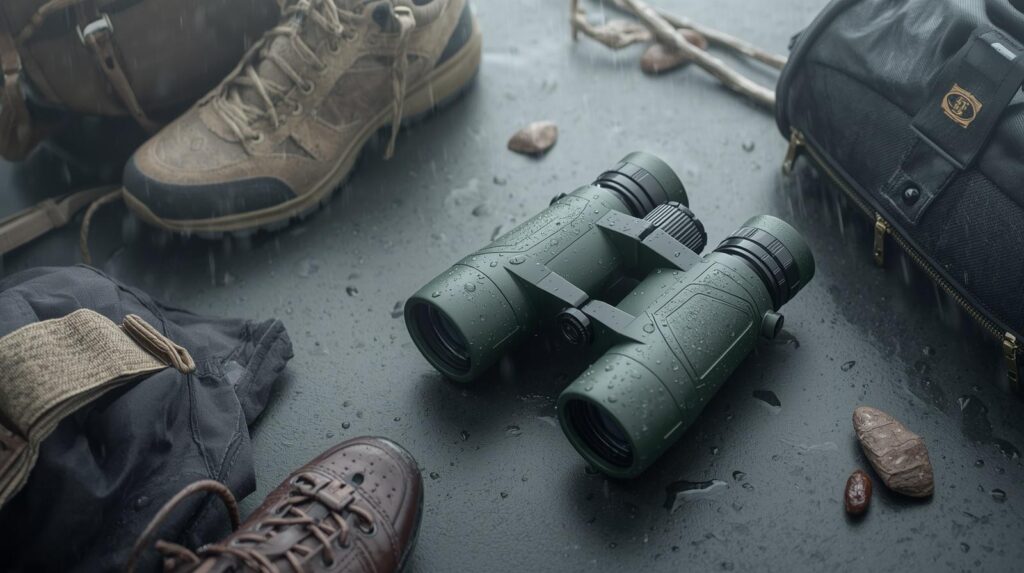
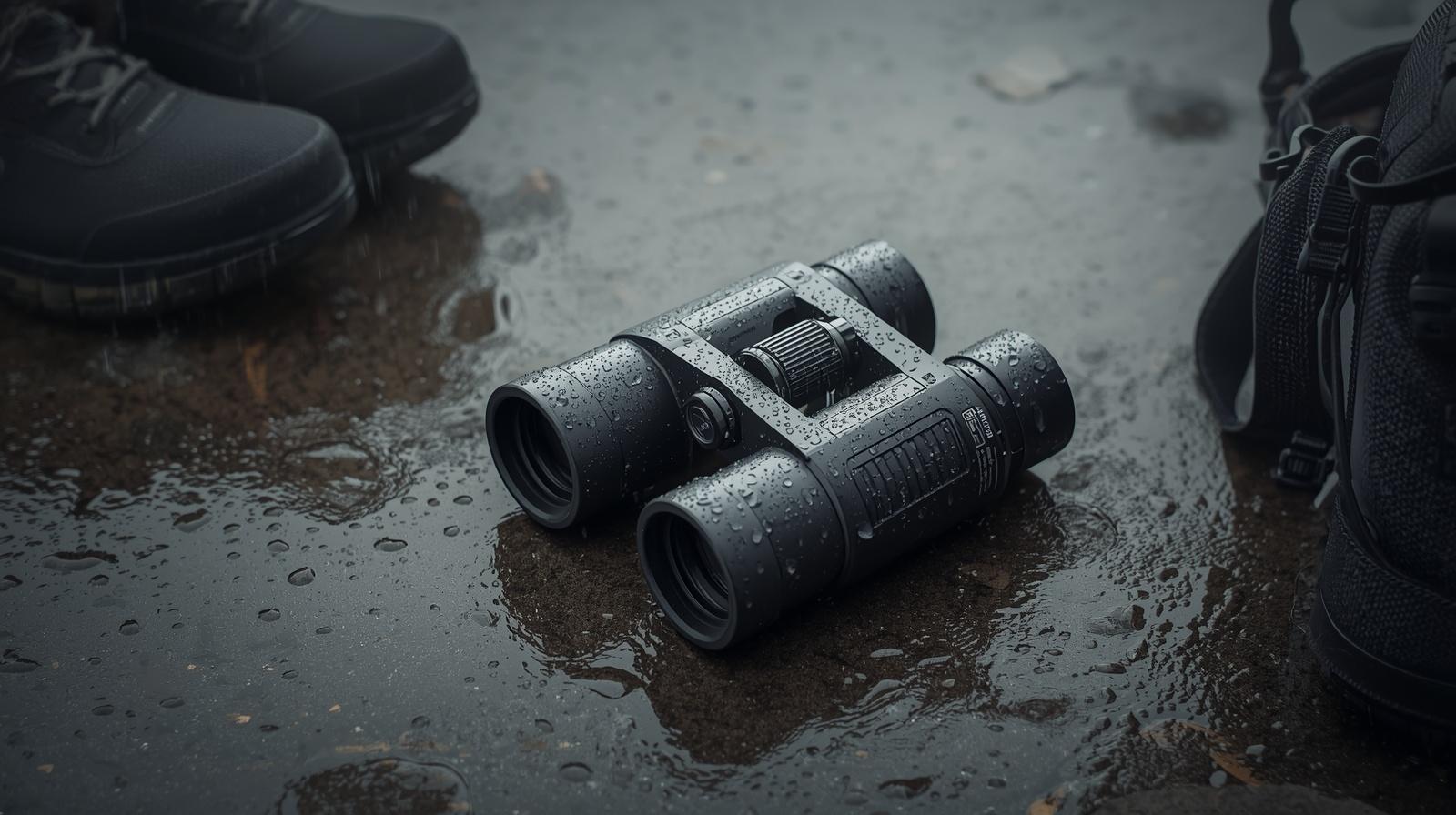
Choosing the best waterproof roof prism binoculars is not only about buying something labeled “waterproof” on the box. That word gets thrown around a lot. Some binoculars can handle a light drizzle. Some can handle wet backpacks, boat spray, cold fog, and muddy outdoor conditions without fogging up from the inside.
That difference matters.
Roof prism binoculars are already popular because they are slim, easy to carry, and more modern-looking than bulky Porro prism models. But when you add waterproofing, fog resistance, rubber armor, sealed barrels, and good optical coatings, you get binoculars that feel more dependable in real outdoor use.
If you hike near lakes, watch wildlife after rain, travel in humid places, sit in a blind during cold mornings, or keep binoculars in your truck or backpack, waterproofing is not a luxury. It is protection for your money.
Why Waterproof Roof Prism Binoculars Are Worth Buying
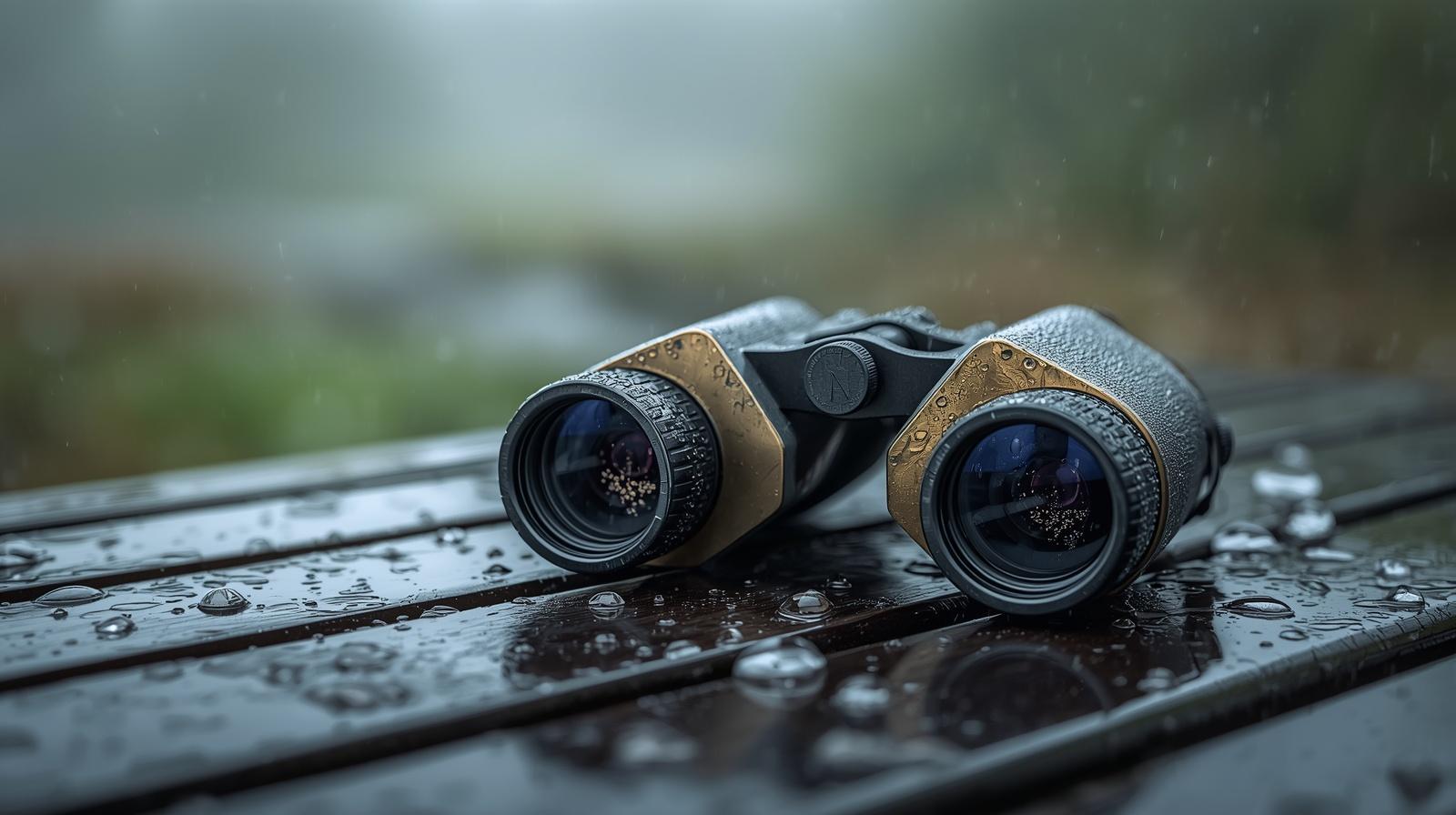
The best waterproof roof prism binoculars protect the inside of the binocular, not just the outside shell. That is the main point many buyers miss.
Rain on the body is annoying, but moisture inside the optical tubes is worse. Once internal fogging starts, the view can look cloudy, washed out, or permanently damaged. Cheap binoculars may seem fine on a sunny day, then become frustrating the moment temperature changes or humidity hits.
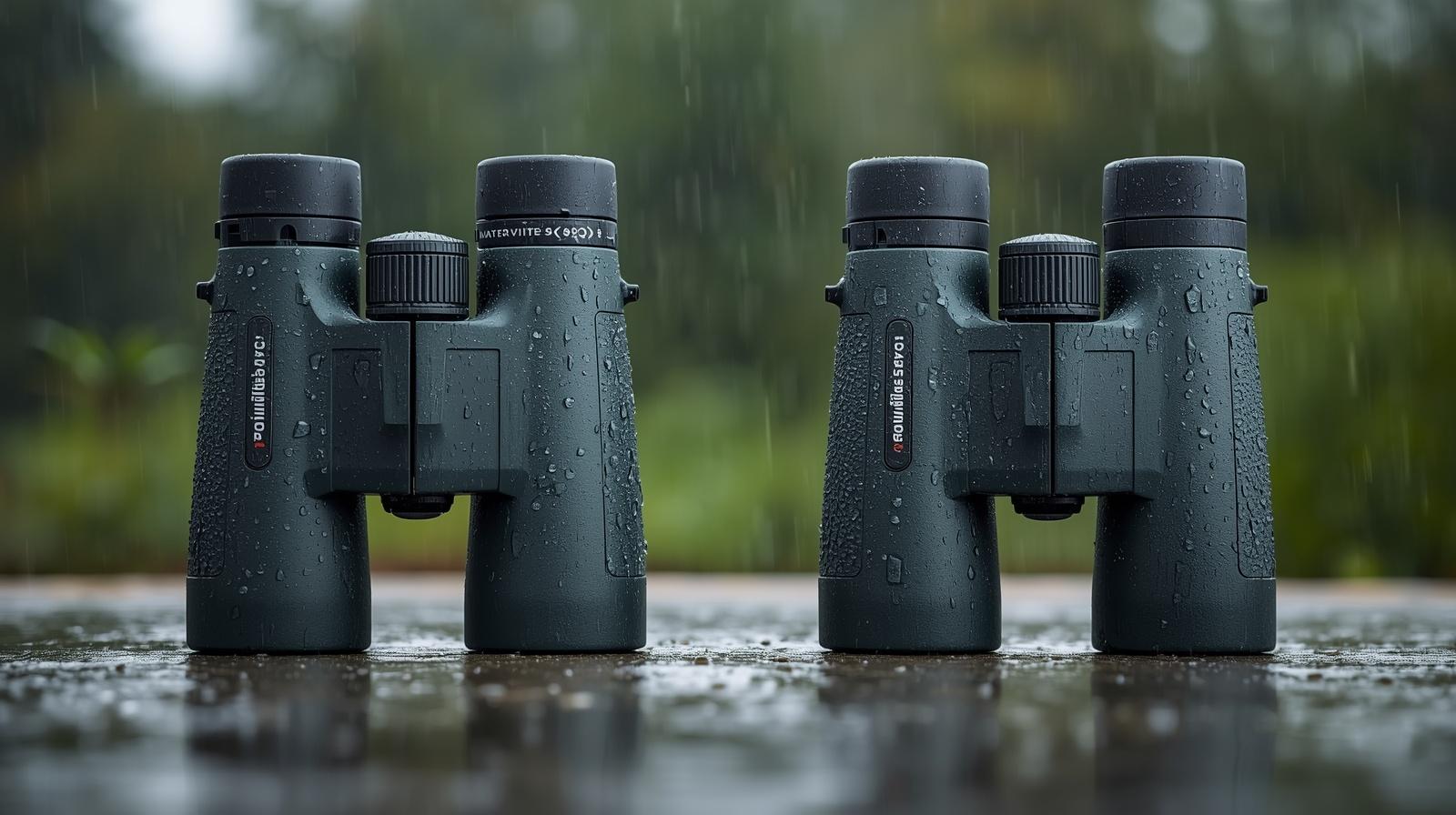
A proper waterproof roof prism binocular usually includes:
| Feature | Why It Matters |
|---|---|
| O-ring seals | Help block water, dust, and air from entering |
| Nitrogen or argon purging | Reduces internal fogging during temperature changes |
| Rubber armor | Improves grip and protects against knocks |
| Fully multi-coated lenses | Helps maintain brightness in dull weather |
| Phase-corrected roof prisms | Improves contrast and sharpness |
| Twist-up eyecups | Makes viewing easier with or without glasses |
The big win is confidence. You do not baby them every time clouds show up. You can throw them in a daypack, use them near water, or keep glassing when the weather gets messy.
Who Needs the Best Waterproof Roof Prism Binoculars?
Not everyone needs expensive waterproof optics. If you only use binoculars from your porch twice a year, a basic model can work.
But if your binoculars go outside often, waterproofing becomes a smart investment.
The best waterproof roof prism binoculars make the most sense for:
- Hikers who deal with rain, mist, and changing elevation
- Bird watchers who go out early when dew is heavy
- Travelers visiting humid, coastal, or mountain areas
- Hunters who sit through cold mornings and wet brush
- Boaters, anglers, and beach users
- Sports fans who want compact weather-safe optics
- Anyone who stores binoculars in a car, bag, or cabin
The biggest mistake is thinking waterproof binoculars are only for heavy rain. In real life, fog and condensation cause more problems than rain itself. You walk from a warm car into cold air, or from air conditioning into humid weather, and suddenly cheap binoculars become useless.
That is where sealed roof prism binoculars earn their keep.
Best Waterproof Roof Prism Binoculars: What Specs Actually Matter?
A lot of specs sound important, but only a few really affect daily use. Here is what I would focus on before buying.
8×42 Is the Safest All-Round Choice
For most users, 8×42 is the sweet spot.
You get enough magnification to see detail, but not so much that the image shakes badly. The 42mm objective lenses also bring in good light during cloudy mornings, shaded trails, and late afternoon viewing.
A 10×42 can show slightly more detail at distance, but it is harder to hold steady. If your hands shake, or you scan for long periods, 8×42 usually feels more relaxed.
For the best waterproof roof prism binoculars, I would start with 8×42 unless you have a specific long-distance need.
Waterproof Rating Should Be Real, Not Vague
Look for actual wording like “waterproof to 1 meter,” “sealed,” “O-ring sealed,” “nitrogen-filled,” or “fogproof.”
Marketing lines like “weather resistant” or “splash resistant” are weaker. They may survive drizzle, but they are not the same as fully sealed waterproof binoculars.
Good Eye Relief Matters More Than People Think
If you wear glasses, eye relief is huge. Look for around 16mm or more. Long eye relief helps you see the full field of view without pressing your glasses into the eyecups.
Even if you do not wear glasses, comfortable eyecups make long viewing sessions much better.
Weight Should Match Your Use
Heavy binoculars can feel premium for five minutes and annoying after two hours.
For hiking and travel, stay around 20–25 oz if possible. For backyard use, car travel, or short walks, weight matters less.
Best Waterproof Roof Prism Binoculars vs Water-Resistant Binoculars
This is where buyers get tricked.
| Type | Good For | Weak Point |
|---|---|---|
| Water-resistant binoculars | Light drizzle, casual use, dry climates | Not ideal for heavy rain, fog, or humidity |
| Waterproof binoculars | Rain, wet trails, boats, travel, field use | Usually costs more |
| Waterproof + fogproof binoculars | Cold mornings, humidity, changing temperatures | Best option for serious outdoor use |
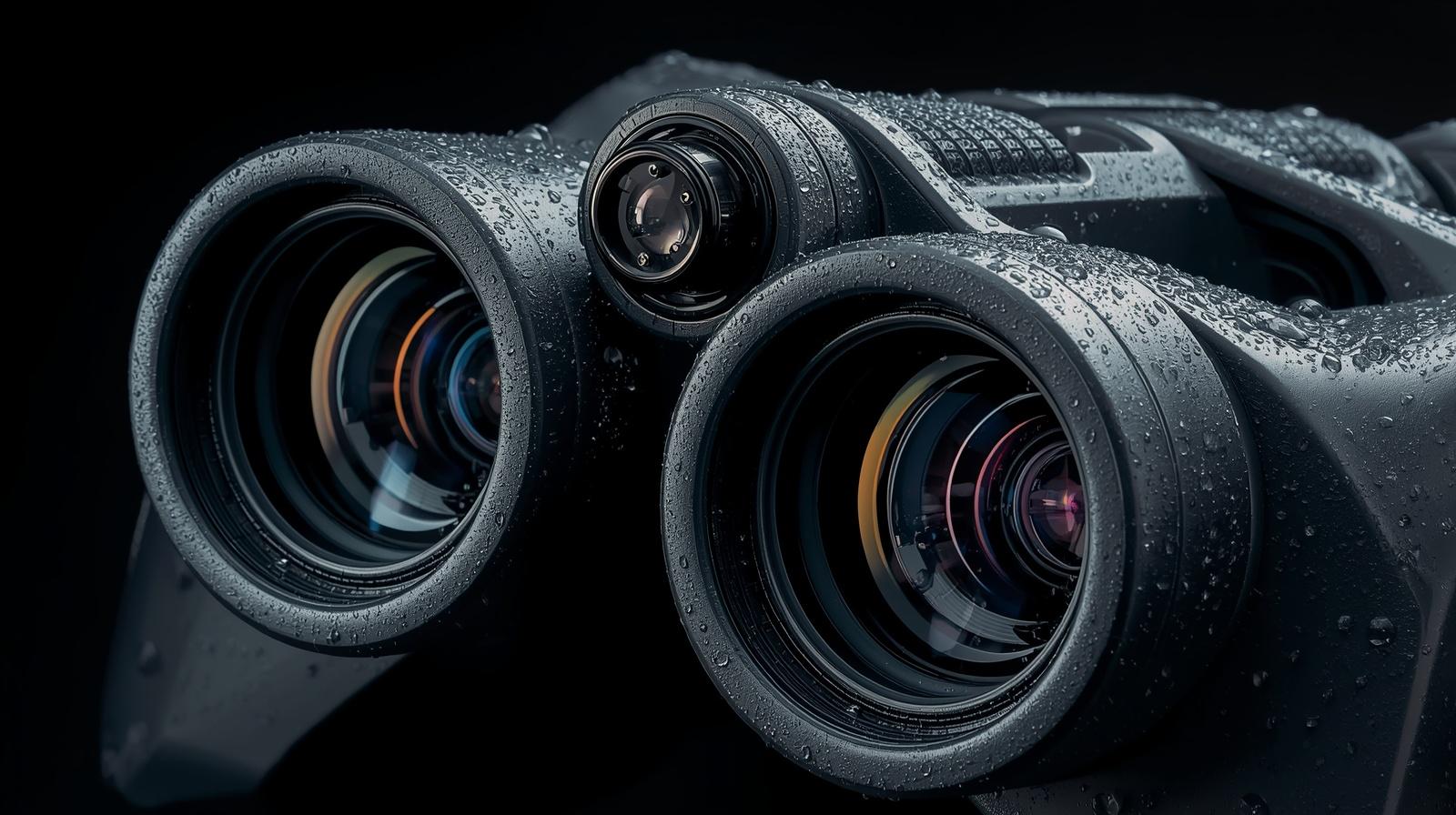
If you want one pair to last, choose waterproof and fogproof. Not just water-resistant.
A good waterproof binocular should feel like outdoor gear, not a delicate camera accessory. You still need to care for it, but it should not panic every time the weather turns ugly.
My Top Product Pick: Nikon MONARCH M5 8×42
For one highly relevant affiliate recommendation, the Nikon MONARCH M5 8×42 is one of the easiest binoculars to recommend in this category.
It hits the practical middle ground: not bargain-bin, not luxury-priced, and strong enough for real outdoor use. Nikon lists the MONARCH M5 8×42 with 8x magnification, 42mm objectives, ED glass, nitrogen-filled fogproof construction, rubber armor, and waterproofing down to 3.3 ft / 1m for 10 minutes.
Why it makes sense:
| Nikon MONARCH M5 8×42 | Real-World Benefit |
|---|---|
| 8×42 format | Stable, bright, easy for most people |
| ED glass | Better control of color fringing |
| Waterproof and fogproof | Reliable in rain, humidity, and cold mornings |
| Rubber-armored body | Better grip when hands are wet |
| Long eye relief | More comfortable for glasses users |
| 22.2 oz weight | Light enough for hiking and travel |
This is the type of binocular I would suggest to someone who wants one dependable pair for birding, hiking, travel, and general outdoor viewing without jumping into premium pricing.
Is it the absolute sharpest binocular ever made? No. But for the money, it gets the balance right. That matters more than chasing one perfect spec.
Real-World Use Cases for Waterproof Roof Prism Binoculars
Rainy Trail Hikes
On a damp trail, you need binoculars that grip well and focus smoothly. Rubber armor matters here. So does a focus wheel that does not become slippery.
The best waterproof roof prism binoculars should let you scan ridgelines, treetops, and distant scenery without worrying about drizzle. A compact body also helps because you are probably carrying water, snacks, layers, and maybe a camera.
For hikers who want something smaller, it is worth reading the supporting article on best compact roof prism binoculars. Compact models are easier to carry, but they usually give up some brightness compared with 8×42 binoculars.
Early Morning Wildlife Viewing
Morning is brutal on cheap optics. Dew, fog, and cold air expose weak sealing fast.
A waterproof and fogproof 8×42 roof prism binocular works well because it gives you a brighter image before the sun is fully up. The wider view also helps when you are scanning slowly instead of staring at one fixed point.
This is where 8x beats 10x for many users. You get less shake, easier tracking, and a calmer viewing experience.
Hunting and Field Use
For hunting-style field use, waterproofing is almost mandatory. Wet grass, cold air, dusty roads, and sudden rain are normal, not rare.
The best waterproof roof prism binoculars for this use should have strong armor, quiet handling, dependable low-light performance, and a comfortable harness setup. If your main use is hunting, check the supporting article on best roof prism binoculars for hunting because that topic needs more focus on distance, durability, and field conditions.
Coastal Travel and Boating
Salt air, spray, and humidity are rough on optics. Even if you never drop binoculars in water, moisture exposure builds up.
For coastal use, do not cheap out. Pick sealed binoculars, clean the body after salty conditions, and avoid leaving them baking in a hot car.
Marine binoculars are a separate category, but waterproof roof prism binoculars are still great for beach walks, ferry rides, sightseeing, and travel.
8×42 vs 10×42 Waterproof Roof Prism Binoculars
This choice confuses a lot of buyers.
| Feature | 8×42 | 10×42 |
|---|---|---|
| Image steadiness | Better | More hand shake |
| Field of view | Usually wider | Usually narrower |
| Low-light comfort | Usually easier | Slightly darker feel |
| Long-distance detail | Good | Better |
| Beginner-friendly | Yes | Sometimes |
| Best for | Hiking, birding, travel, general use | Open fields, distant viewing, experienced users |
My honest take: most people should buy 8×42 first.
A 10×42 sounds stronger, but stronger is not always better. If you cannot hold the image steady, the extra magnification becomes pointless. The best waterproof roof prism binoculars are not the ones with the biggest number. They are the ones you actually enjoy using.
Common Mistakes When Buying Waterproof Roof Prism Binoculars
Mistake 1: Buying Only for Magnification
A 12x binocular may look tempting, but handheld viewing becomes harder. More magnification also usually means a narrower field of view and more visible shake.
For daily outdoor use, 8x or 10x is enough.
Mistake 2: Ignoring Fogproof Construction
Waterproofing keeps water out. Fogproofing helps prevent internal condensation. You want both.
A binocular can survive rain and still fog internally if it is poorly sealed or not properly purged.
Mistake 3: Choosing Tiny Lenses for Serious Outdoor Use
Compact binoculars are great for travel, but small 25mm or 28mm lenses do not perform as well in dim light. If your use includes woods, dawn, dusk, or cloudy weather, 42mm is safer.
Mistake 4: Forgetting About Grip
Wet hands plus smooth plastic equals frustration. Rubber armor is not only for protection. It improves control.
Mistake 5: Paying for Features You Will Not Use
Not everyone needs premium European glass. If your main use is hiking, travel, backyard wildlife, and casual outdoor viewing, a strong mid-range waterproof roof prism binocular can be enough.
Buyer Tips Before You Choose
Before buying the best waterproof roof prism binoculars, think about where they will live most of the time.
If they stay in your backpack, weight and size matter. If they stay in your vehicle, durability and heat resistance matter. If you use them near water, waterproof sealing matters more than fancy styling.
Also check the accessories. A poor neck strap or loose lens caps can make a good binocular annoying. Many buyers upgrade to a binocular harness later, especially for longer walks or field use.
A good rule: buy for your worst realistic condition, not your perfect sunny day.
That means if you sometimes face rain, buy waterproof. If you sometimes view in cold mornings, buy fogproof. If you sometimes hike long distances, buy lightweight enough that you will actually carry them.
For a full buying path across different budgets and use cases, visit the main pillar article on best roof prism binoculars. That page helps connect waterproof models with compact, hunting, travel, and general-purpose options.
Waterproof Roof Prism Binoculars for Different Users
| User Type | Best Match |
|---|---|
| Beginner outdoor user | 8×42 waterproof and fogproof |
| Hiker | Lightweight 8×42 or compact 8×32 |
| Bird watcher | 8×42 with wide field of view |
| Hunter | 10×42 or 8×42 depending on terrain |
| Traveler | Compact waterproof roof prism binoculars |
| Boat/coastal user | Fully sealed waterproof binoculars |
| Glasses wearer | Long eye relief, adjustable eyecups |
This is why one “best” binocular does not fit everyone. The best waterproof roof prism binoculars for a traveler may be too small for a dawn wildlife watcher. The best hunting binocular may feel too heavy for someone packing light.
Where Waterproof Binoculars Fit in This Silo
If you are building a smart buying journey, waterproof binoculars sit right in the middle of the roof prism category. They are not just a niche feature. They connect directly to durability, outdoor performance, and long-term value.
Start with the main guide to best roof prism binoculars if you want the broad comparison first. Then narrow down based on use:
- Need field durability? Read best roof prism binoculars for hunting.
- Need something lighter for travel? Read best compact roof prism binoculars.
- Want more buying advice and practical optics tips? Explore the blog tips section on BestBinocular.net.
- For the full site and latest binocular guides, visit the BestBinocular.net homepage.
That internal path helps readers move from general research to the exact binocular type they need.
Final Verdict: What Makes the Best Waterproof Roof Prism Binoculars?
The best waterproof roof prism binoculars should feel dependable, not delicate.
Look for waterproof sealing, fogproof purging, a comfortable 8×42 or 10×42 format, rubber armor, good coatings, and enough eye relief for relaxed viewing. Do not get distracted by extreme magnification or cheap “weather-resistant” wording.
For most people, an 8×42 waterproof and fogproof roof prism binocular is the smart buy. It is steady, bright, versatile, and useful across hiking, birding, travel, and general outdoor viewing.
If you want one practical recommendation, the Nikon MONARCH M5 8×42 is a strong mid-range pick because it gives you waterproofing, fogproofing, ED glass, comfortable handling, and a proven all-round format without going into luxury pricing.
Buy once, buy for real weather, and your binoculars will spend more time outside with you instead of sitting safely in a drawer.
FAQs About the Best Waterproof Roof Prism Binoculars
What are the best waterproof roof prism binoculars for most people?
The best choice for most people is an 8×42 waterproof and fogproof roof prism binocular. It gives a steady image, good brightness, comfortable handling, and enough durability for hiking, birding, travel, and general outdoor use.
Are waterproof binoculars also fogproof?
Not always. Waterproof means the binocular is sealed against water entry. Fogproof usually means the internal air has been replaced with nitrogen or argon gas to reduce internal fogging. The best waterproof roof prism binoculars should have both.
Is 8×42 or 10×42 better for waterproof roof prism binoculars?
8×42 is better for most users because it is steadier and usually offers a wider field of view. 10×42 is better if you need more distance detail and can hold binoculars steady.
Can waterproof binoculars be used in heavy rain?
Good waterproof binoculars can handle rain, but you should still dry them after use. Waterproofing protects the binocular, but long-term care still matters.
Are roof prism binoculars better than Porro prism binoculars for wet weather?
Roof prism binoculars are usually slimmer and easier to seal, which makes them popular for waterproof outdoor models. Porro prism binoculars can also be waterproof, but roof prism designs are more common in modern compact outdoor binoculars.
Do waterproof binoculars need special care?
Yes. Wipe them dry after rain, clean lenses with a proper lens cloth, avoid storing them wet inside a case, and keep them away from extreme heat when possible.
Are compact waterproof binoculars good enough?
Compact waterproof binoculars are great for travel and casual use, but they are not as bright as 42mm binoculars in low light. For serious outdoor viewing, 8×42 is usually more versatile.




