
Best Zoom Binoculars Under $200: What You Should Know Before Buying
Finding the best zoom binoculars under 200 is tricky because the budget zoom category is full of big promises. You will see models shouting “10-30x,” “20-180x,” “military power,” and “HD vision,” but not all of them are actually usable in real life.
Here is the honest truth: under $200, zoom binoculars can be useful, but only if you understand their limits.
They are not the best choice if you expect premium edge clarity, perfect low-light performance, or rock-steady handheld viewing at maximum zoom. But if you want one affordable pair for backyard viewing, casual astronomy, sports, lake views, mountain scenery, or checking distant objects from a fixed position, a good budget zoom binocular can make sense.

Why Best Zoom Binoculars Under 200 Are Different From Regular Binoculars
Regular binoculars have fixed magnification, like 8×42 or 10×50. Zoom binoculars let you adjust magnification, usually from a lower setting to a much higher one. For example, a 10-30×50 zoom binocular starts at 10x and can zoom up to 30x.
That sounds amazing on paper.
In real use, the lower zoom range is where most people will spend their time. At 10x or 12x, the image is easier to hold steady, brighter, and wider. When you push toward 20x or 30x, the view gets shakier, dimmer, and narrower.
This is why the best zoom binoculars under 200 are not about chasing the biggest number. They are about getting a usable zoom range, decent optics, and a body that does not feel like a toy after two weekends.
For a wider buying overview, you can also check our main silo guide on best zoom binoculars before choosing a final model.
Who Should Buy Zoom Binoculars Under $200?
Budget zoom binoculars are best for people who want flexibility more than perfection.
They make sense if you:
| Use Case | Why Zoom Helps | What to Watch For |
|---|---|---|
| Backyard viewing | Start wide, then zoom closer | Image shake above 15x |
| Stadium or event viewing | Adjust distance quickly | Narrow field at high zoom |
| Scenic travel | Scan landscapes, then inspect details | Weight can be noticeable |
| Moon viewing | Higher zoom helps with craters | Tripod is strongly recommended |
| Lake or coastal viewing | Useful for boats, shorelines, buildings | Waterproofing matters near water |
They are less ideal for fast bird tracking, serious hunting, or long handheld sessions. For those, fixed 8×42 or 10×42 binoculars are often easier to use.
Still, if your goal is affordable reach, the best zoom binoculars under 200 can be a fun and practical choice.
Best Overall Pick Under $200: Celestron UpClose G2 10-30×50 Zoom
If I had to recommend only one affordable zoom binocular that actually fits the intent of this article, I would choose the Celestron UpClose G2 10-30×50 Zoom Porro Binocular.
It is not perfect, but it makes sense for the price range. Celestron lists this model with 10-30x magnification, 50mm objective lenses, a 225 ft field of view at 10x, and multi-coated optics in a water-resistant rubber-covered aluminum body.
Why it works: the 10x setting is usable for general viewing, while the 30x end gives you extra reach when the binocular is supported. The 50mm objective lenses also help more than tiny compact zoom binoculars, especially around sunset or in shaded areas.
Pros
| Pros | Why It Matters |
|---|---|
| 10-30x zoom range | Flexible for casual long-distance viewing |
| 50mm objective lenses | Better light gathering than compact zoom models |
| Budget-friendly | Usually fits the under-$200 buyer intent |
| Rubber-armored body | Easier grip for outdoor use |
| Good for tripod use | High zoom becomes more practical |
Cons
| Cons | Real-World Impact |
|---|---|
| Not pocket-friendly | Better for planned use than quick carry |
| High zoom needs support | 25x-30x is shaky by hand |
| Not premium glass | Edges and brightness will not match expensive optics |
| Limited close focus | Not ideal for insects or very close subjects |
My take: this is a smart pick for someone buying their first pair of zoom binoculars under $200. Use 10x to 15x handheld, then mount it or brace your elbows when you want the full zoom. That is where it feels much more useful.
The Real Buying Rule: Do Not Chase Crazy Zoom Numbers
This is where many buyers mess up.
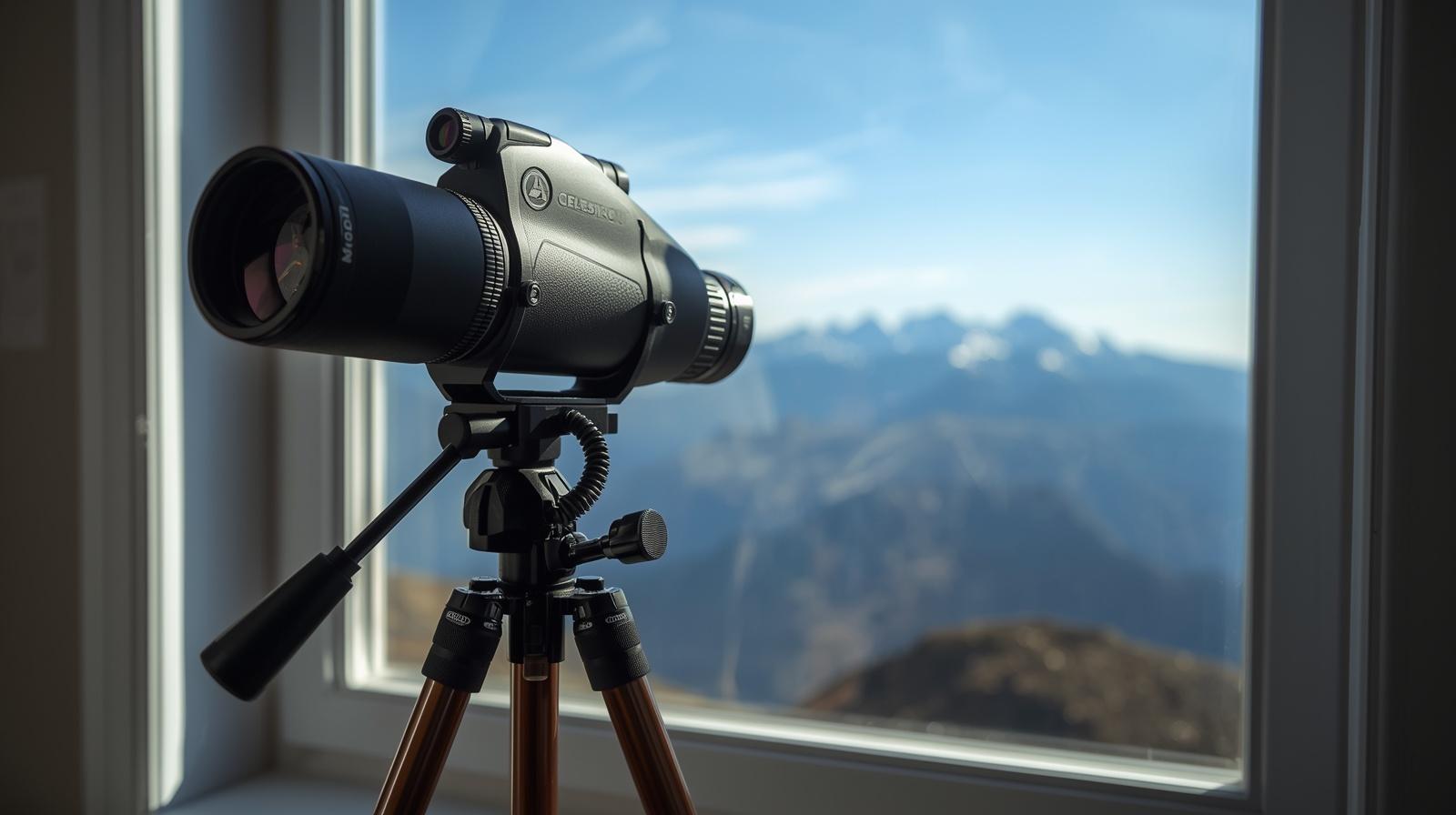
A 10-30x binocular sounds reasonable. A 20-180x binocular sounds powerful, but in most real cases, it is a red flag. Extreme zoom claims often lead to a dark, shaky, narrow image that looks worse than a normal 10x binocular.
The best zoom binoculars under 200 usually stay in a practical range:
| Zoom Range | Practical Rating | Best Use |
|---|---|---|
| 8-20x | Very usable | Travel, events, casual viewing |
| 10-22x | Balanced | General outdoor and moon viewing |
| 10-30x | Powerful but needs support | Long-distance viewing |
| 20-60x | Better as spotting scope territory | Tripod required |
| 30x+ handheld | Not recommended | Too shaky for most users |
A good rule: if you cannot hold it steady, more zoom does not help. It just magnifies your hand movement.
What Magnification Is Actually Useful?
For handheld viewing, 10x to 12x is the comfort zone for most people. You can still scan, focus, and follow distant objects without fighting the image every second.
At 15x, things get more detailed but also more sensitive to movement. At 20x and above, you should lean against a wall, sit down, rest your elbows, or use a tripod.
For the best zoom binoculars under 200, I would rather have a clear 10-22x binocular than a blurry “super zoom” model with impossible marketing numbers.
Porro Prism vs Roof Prism in Budget Zoom Binoculars
Most affordable zoom binoculars use Porro prism designs. They are usually wider, a bit bulkier, and often cheaper to make with decent optical performance.
Roof prism binoculars are slimmer and more modern-looking, but good roof prism optics cost more. Under $200, a zoom Porro binocular often gives better value than a cheap zoom roof prism model.
| Type | Best For | Budget Zoom Verdict |
|---|---|---|
| Porro Prism | Value, depth, wider body grip | Usually better under $200 |
| Roof Prism | Compact design, modern shape | Good models cost more |
| Compact Zoom | Travel convenience | Often dimmer and harder to stabilize |
If you care more about waterproofing than zoom power, read our guide on waterproof zoom binoculars because weather protection can matter more than magnification for outdoor users.
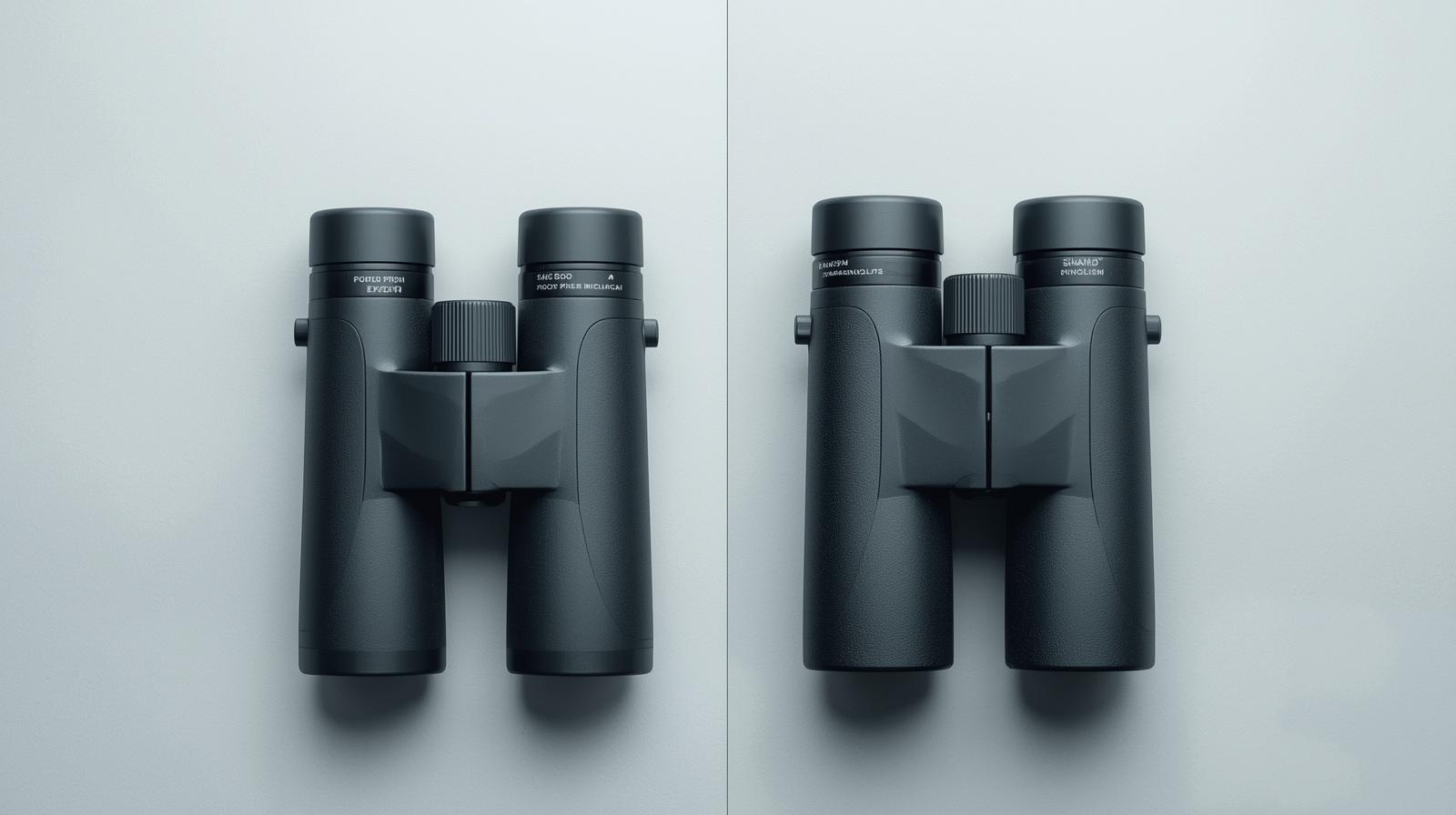
Image Quality Expectations Under $200
Let’s keep it real: the best zoom binoculars under 200 will not look like $600 optics.
At lower zoom, a good budget model can look sharp enough in the center. Colors may be decent. Brightness can be acceptable, especially with 50mm lenses. But as you zoom in, the field of view gets smaller and the exit pupil gets smaller too. That means less light reaches your eye.
You may notice:
| Issue | Why It Happens | Is It Normal Under $200? |
|---|---|---|
| Dimmer image at high zoom | Smaller exit pupil | Yes |
| Soft edges | Budget optical design | Common |
| More shake | Higher magnification | Yes |
| Harder focusing | Narrow depth of field | Common |
| Color fringing | Lower-cost glass/coatings | Possible |
This does not mean budget zoom binoculars are bad. It just means you should use them correctly.
The sweet spot is often the middle zoom range, not the maximum setting.
Best Real-World Uses for Zoom Binoculars Under 200
1. Backyard and Neighborhood Viewing
For checking distant rooftops, hills, towers, or open landscapes, zoom binoculars are fun. Start low, find your subject, then zoom in slowly. Do not start at full zoom because it becomes harder to locate anything.
2. Moon Viewing
This is one of the better uses for affordable zoom binoculars. The moon is bright, large, and easy to find. With a tripod, a 10-30×50 binocular can show impressive lunar detail for the money.
3. Sports and Stadium Seating
Zoom helps if you are seated far from the field. But keep expectations realistic. At high zoom, following fast movement can be annoying because the field of view becomes narrow.
4. Travel and Scenic Lookouts
If you visit mountains, lakes, coastlines, or city viewpoints, zoom binoculars give you flexibility. They are not as compact as small travel binoculars, but they can be more fun when you want to inspect distant details.
5. Casual Stargazing
Budget zoom binoculars can work for the moon and bright star fields, but they are not ideal for serious astronomy. A fixed 10×50 is often easier for handheld night sky use. Still, if you use a tripod, zoom binoculars can be enjoyable.
Where Zoom Binoculars Struggle
Zoom binoculars under $200 are not magic. They struggle most in situations where speed, brightness, or stability matters.
They are not my first choice for:
| Activity | Better Option |
|---|---|
| Fast bird watching | 8×42 or 10×42 fixed binoculars |
| Serious low-light use | Larger fixed binoculars |
| Long hiking trips | Compact fixed binoculars |
| Marine use | Waterproof fixed 7×50 or marine binoculars |
| Professional wildlife glassing | Higher-end fixed binoculars or spotting scope |
For buyers who still want zoom plus easier focusing, our supporting article on binoculars with zoom and focus explains how center focus, diopter adjustment, and zoom control work together in daily use.
Buyer Psychology: Why People Regret Cheap Zoom Binoculars
Most regret comes from buying based on the biggest magnification number.
People imagine that 30x or 60x means they will see everything clearly. Then they try to hold the binocular by hand, and the image jumps around. They think the binocular is defective, but the real problem is physics.
High magnification needs stability.
Another mistake is expecting zoom binoculars to replace every other optic. They are flexible, but not always the best at one specific job. Fixed binoculars are simpler and often brighter. Spotting scopes handle high magnification better. But zoom binoculars sit in the middle: convenient, affordable, and fun when used within reason.
That is why the best zoom binoculars under 200 are best for curious users, casual explorers, and people who want one flexible pair without spending premium money.
Features That Actually Matter
Objective Lens Size
For budget zoom binoculars, 50mm objective lenses are a good target. They gather more light than 25mm or 32mm compact zoom models.
Coatings
Look for multi-coated optics. Fully multi-coated is even better, but rare at lower prices.
Tripod Adaptability
This matters a lot. If the binocular supports a tripod adapter, high zoom becomes much more useful.
Eye Relief
If you wear glasses, eye relief matters. Around 15mm or more is more comfortable, though performance can vary by zoom setting.
Weight
Heavy binoculars are stable in one way but tiring in another. If you plan to carry them on hikes, do not ignore weight.
Water Resistance
Water-resistant is better than nothing, but it is not the same as fully waterproof. For wet weather, boating, or coastal use, waterproofing should be a priority.
Common Mistakes to Avoid
Buying “Military Grade” Marketing
Most cheap “military” claims are just sales copy. Focus on specs, brand reputation, and realistic reviews.
Using Full Zoom All the Time
Full zoom is not always the best view. Use lower zoom to find your target, then increase slowly.
Ignoring Tripods
A small tripod or monopod can make a budget zoom binocular feel twice as useful.
Expecting Premium Low-Light Performance
Under $200, low-light viewing is limited. A 50mm lens helps, but zoom still reduces brightness at higher magnification.
Choosing Tiny Compact Zooms for Serious Viewing
Compact zoom binoculars are easy to carry but often dim and shaky. For better image quality, choose larger lenses.
Quick Comparison: Budget Zoom vs Fixed Binoculars
| Feature | Zoom Binoculars Under $200 | Fixed Binoculars Under $200 |
|---|---|---|
| Flexibility | Better | Limited magnification |
| Brightness | Lower at high zoom | Usually better |
| Stability | Harder at high zoom | Easier |
| Field of view | Narrows when zooming | More consistent |
| Beginner-friendly | Moderate | Easier |
| Fun factor | High | Simple and reliable |
My opinion: if you want the easiest, cleanest view, buy fixed binoculars. If you want adjustable reach and do not mind using support, choose zoom.
Practical Setup Tips for Better Results
Start at the lowest magnification. Focus carefully. Adjust the diopter for your eyes. Then zoom in slowly and refocus if needed.
For high zoom, sit down if possible. Rest your elbows on a table, railing, backpack, or car window frame. Even a small support makes a huge difference.
Clean the lenses with a proper lens cloth, not your shirt. Budget coatings can scratch if treated badly.
And please do not judge the binocular only at maximum zoom. Most zoom binoculars look their best in the lower-to-mid range.
Final Verdict: Are the Best Zoom Binoculars Under 200 Worth It?
Yes, but only for the right buyer.
The best zoom binoculars under 200 are worth buying if you want flexible magnification for casual viewing, travel, moon watching, scenic lookouts, and general long-distance observation. They are not worth it if you expect premium optical sharpness, perfect handheld stability at 30x, or professional performance.
For most people, the smartest move is to choose a realistic zoom range like 10-22x or 10-30x, use the lower range handheld, and save the higher zoom for supported viewing.
The Celestron UpClose G2 10-30×50 is a sensible budget pick because it offers real zoom flexibility, 50mm lenses, and a practical design without pretending to be a high-end optic.
For more buying help, visit the Best Binocular home page and explore our blog tips page for practical guides before choosing your next pair.
FAQs About Best Zoom Binoculars Under 200
Are zoom binoculars under $200 any good?
Yes, some are good for casual use, but they work best when used correctly. Lower zoom settings are usually clearer and easier to hold steady. High zoom should be used with support or a tripod.
What magnification is best for budget zoom binoculars?
A practical range is usually 10-22x or 10-30x. Anything much higher can become shaky, dim, and hard to focus unless the binocular is mounted.
Are zoom binoculars better than fixed binoculars?
Not always. Zoom binoculars are more flexible, but fixed binoculars often give a brighter, sharper, and more stable view. Choose zoom if you want adjustable reach. Choose fixed if you want simplicity and better optical consistency.
Can I use zoom binoculars for astronomy?
Yes, especially for moon viewing. For stars and deep-sky objects, a fixed 10×50 binocular or a telescope may be better. A tripod helps a lot with zoom binoculars.
Do I need a tripod for zoom binoculars?
You do not need one at low magnification, but a tripod is highly recommended above 15x or 20x. It makes the image steadier and easier to enjoy.
What is the best zoom binocular under $200 for beginners?
The Celestron UpClose G2 10-30×50 is a strong beginner-friendly option because it has a useful zoom range, large 50mm lenses, and a budget-friendly design.
Are waterproof zoom binoculars under $200 available?
Yes, but fully waterproof models are less common in this price range. Many budget zoom binoculars are water-resistant, which is fine for light outdoor use but not ideal for heavy rain or marine conditions.




