
Most people who search for binoculars with zoom and focus want one simple thing: a pair of binoculars that can look wide when scanning, then zoom in when something interesting appears. It sounds perfect. You spot a boat far offshore, a sign across a valley, a target at the range, or a ridge line on a hike, then you twist the zoom lever and bring it closer.
That is the dream.
The reality is a little more mixed. Binoculars with zoom and focus can be useful, but only when you choose them with realistic expectations. Some zoom binoculars are fun and practical. Others look impressive on paper but become shaky, dim, and frustrating at higher magnification.
This article is written for buyers who want a clear, practical answer: are zoom-focus binoculars worth buying, what should you look for, and which type makes the most sense for real use?
What Are Binoculars With Zoom and Focus?
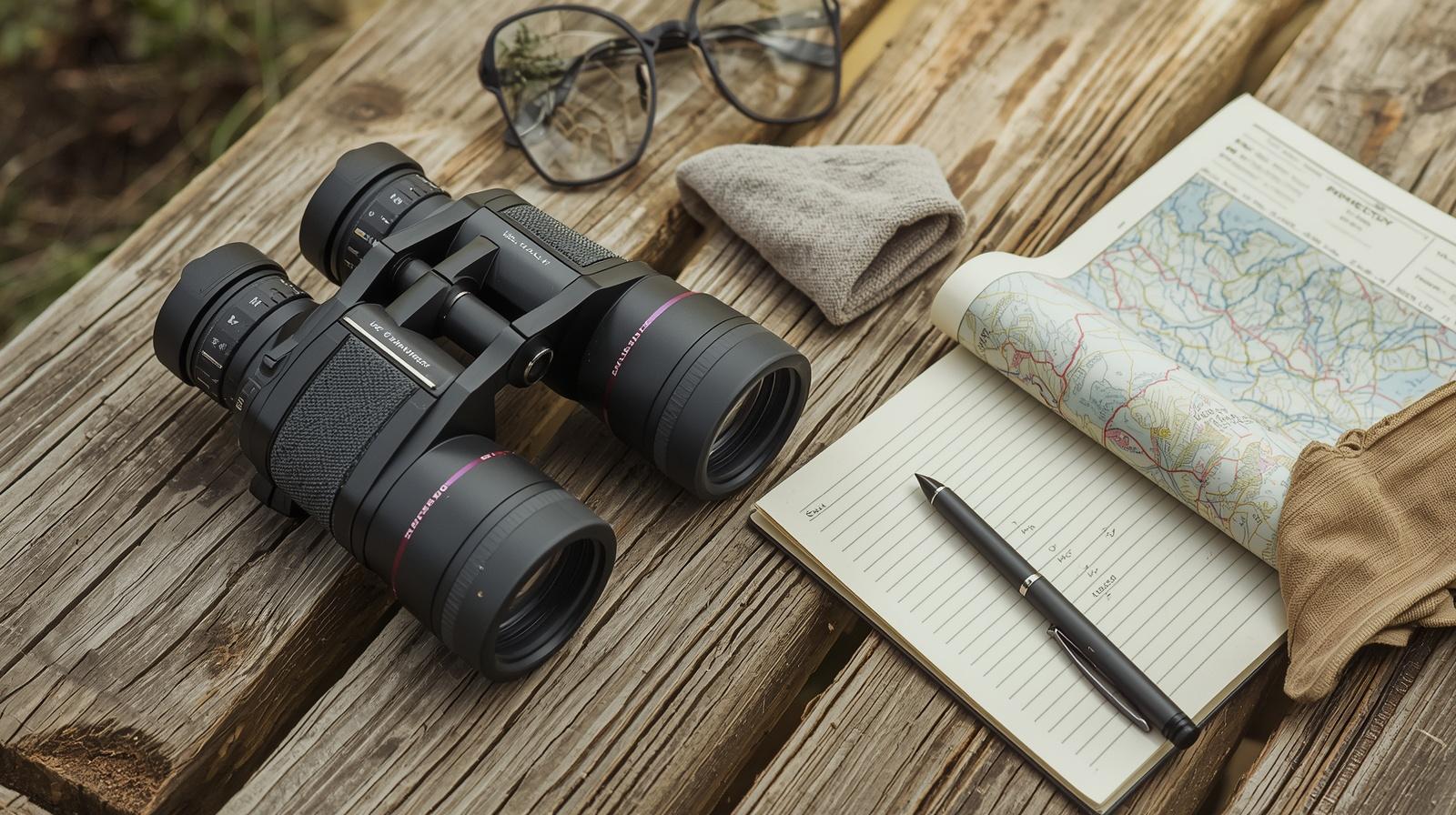
Binoculars with zoom and focus are binoculars that allow you to adjust magnification instead of staying fixed at one power. A normal binocular might be 8×42 or 10×50, meaning the magnification is fixed at 8x or 10x. A zoom binocular may be listed as 10-30×50, 8-24×50, or 10-22×50.
The first number range tells you the zoom power. For example, 10-30x means the binocular starts at 10x magnification and can zoom up to 30x. The second number, such as 50, is the objective lens size in millimeters.
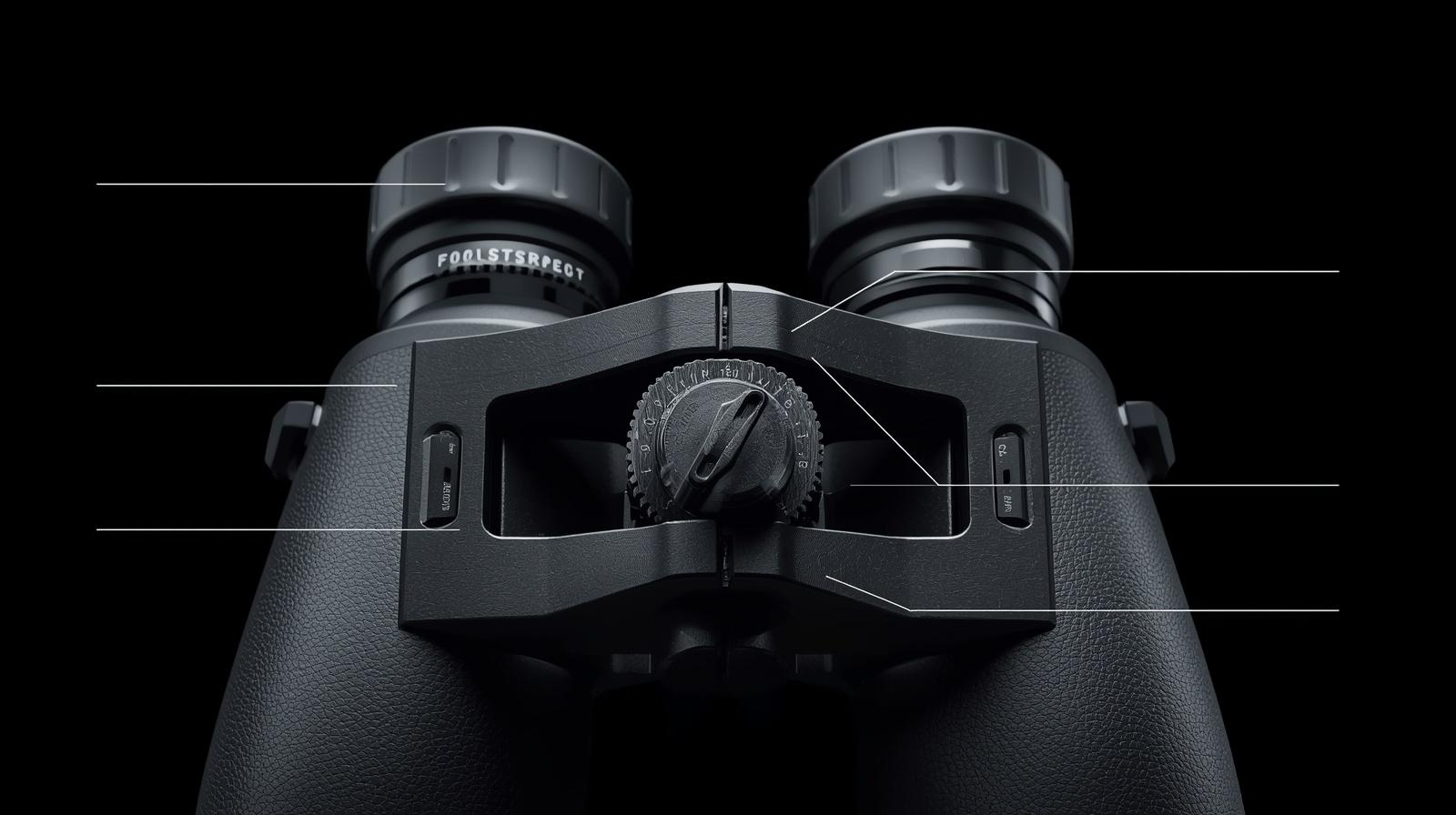
The focus part matters just as much. Most zoom binoculars use a central focus wheel, just like regular binoculars. You zoom to your preferred magnification, then adjust the focus until the image becomes sharp. Some also include a right-eye diopter adjustment to balance the focus between both eyes.
In real use, the process usually looks like this:
- Start at the lowest magnification.
- Find your subject.
- Focus clearly.
- Increase the zoom slowly.
- Refocus slightly if needed.
That last step is where beginners often get surprised. On many binoculars with zoom and focus, the image does not stay perfectly sharp through the entire zoom range. You may need small focus corrections as you increase magnification.
Who Should Actually Buy Binoculars With Zoom and Focus?
Zoom binoculars are not for everyone. If you want the brightest, sharpest, most stable image possible, fixed-power binoculars usually win. But if you want flexibility and enjoy switching between wide viewing and closer inspection, binoculars with zoom and focus can make sense.
They are especially useful for:
| Use Case | Why Zoom Helps | Best Magnification Range |
|---|---|---|
| Scenic viewing | Scan wide landscapes, then zoom into buildings, mountains, or ships | 8-24x or 10-30x |
| Casual astronomy | View the moon, bright star clusters, and large sky areas | 10-30×50 or 12-36×60 |
| Sports from a distance | Start wide, then zoom toward action | 8-24×50 |
| Coastal viewing | Watch boats, buoys, piers, and landmarks | 10-30×50 |
| Range spotting | See targets at moderate distances | 10-30×50 or higher with tripod |
| Travel | One binocular covers multiple viewing needs | Compact zoom models |
Where they struggle is fast action. For bird watching, wildlife tracking, and moving subjects, fixed 8x or 10x binoculars are usually easier. A zoom mechanism narrows the field of view, and the higher magnification makes hand shake more obvious.
So my honest view is this: binoculars with zoom and focus are best for slower, more controlled viewing. Landscapes, ships, stadiums, distant objects, moon viewing, and casual target checking are good matches. Fast birds in trees? Not so much.
Zoom vs Focus: Don’t Confuse the Two
A lot of buyers mix up zoom and focus, but they do different jobs.
Zoom changes how close the object appears. Focus changes how sharp it looks.
You can zoom in on a distant object and still have a blurry image if the focus is not adjusted correctly. You can also focus perfectly at low power, then lose some clarity when zooming higher because the optics are being pushed harder.
Here is the simple version:
| Feature | What It Does | Common Mistake |
|---|---|---|
| Zoom lever | Changes magnification power | Using max zoom all the time |
| Focus wheel | Sharpens the image | Not refocusing after zooming |
| Diopter ring | Balances left/right eye difference | Ignoring it completely |
| Tripod adapter | Stabilizes high zoom viewing | Trying 30x handheld |
This is why the best experience with binoculars with zoom and focus comes from learning the rhythm: low power first, focus, zoom slowly, refocus slightly, then stabilize.
Are Binoculars With Zoom and Focus Good for Beginners?
Yes, but with one warning: beginners often expect the maximum zoom number to be the most important feature. It is not.
A 10-30x binocular looks more exciting than a 10×50 binocular because 30x sounds powerful. But at 30x, the image may be darker, narrower, and shakier. If the glass quality is average, the edges may soften too. That does not mean the binocular is bad. It means zoom binoculars work best when used sensibly.
For most beginners, the sweet spot is usually the lower to middle part of the zoom range. On a 10-30×50 model, you may use 10x to 18x most of the time. The 25x to 30x range is useful when the binocular is braced against something or mounted on a tripod.
If you want beginner-friendly binoculars with zoom and focus, look for:
- A large focus wheel that turns smoothly
- Not too much weight
- 50mm objective lenses for better brightness
- Tripod compatibility
- A realistic zoom range, not extreme marketing numbers
- Rubber grip for steady handling
- Decent eye relief if you wear glasses
My practical advice: don’t buy the highest zoom number you can find. Buy the zoom binocular that still feels usable at the magnification you will actually hold by hand.
Best Magnification Range for Binoculars With Zoom and Focus
The most common zoom binocular sizes are 8-24x, 10-22x, 10-30x, and 12-36x. Each has a different personality.
8-24x Zoom Binoculars
These are usually easier for casual users because they start at a lower magnification. The lower starting power gives you a wider field of view, making it easier to find objects.
They are good for travel, stadium viewing, general outdoor use, and casual sightseeing.
The downside is that image quality can still drop at the top end, especially in cheaper models.
10-22x Zoom Binoculars
This is one of the more balanced zoom ranges. You get enough power for distant details without pushing the optics too aggressively.
For many people, 10-22x is more comfortable than 10-30x because the top magnification is easier to manage. If you want binoculars with zoom and focus that still feel practical handheld, this range is worth considering.
10-30x Zoom Binoculars
This is probably the most popular zoom style. It feels powerful, versatile, and fun. At 10x, you can scan comfortably. At 20x, you can inspect distant details. At 30x, you can get impressive reach, but stability becomes the main issue.
For this range, I strongly prefer using a tripod or at least resting elbows on a railing, car roof, bench, or backpack.
12-36x Zoom Binoculars
These are more specialized. The high magnification can be useful for moon viewing, range spotting, and stationary observation, but they are not ideal for casual handheld use. They are heavier, shakier, and often less bright at the top end.
Unless you already know why you need 36x, most buyers are better served by 8-24x or 10-30x.
Recommended Product: Nikon Aculon A211 10-22×50
If I had to recommend one practical pair of binoculars with zoom and focus for most casual users, I would shortlist the Nikon Aculon A211 10-22×50.
It does not chase silly magnification numbers. That is a good thing. The 10-22x range is more usable than many extreme zoom binoculars, especially for people who want handheld viewing. The 50mm objective lenses help with brightness, and the design feels more sensible for real outdoor use.
This is the kind of binocular I would consider for scenic viewing, coastal watching, casual moon viewing, travel viewpoints, and general distance observation.
Why It Makes Sense
| Feature | Practical Benefit |
|---|---|
| 10-22x zoom range | Useful reach without becoming too extreme |
| 50mm objective lenses | Better light gathering than compact 25mm or 32mm zoom models |
| Central focus wheel | Familiar and easy to adjust |
| Nikon optical reputation | More confidence than no-name high-zoom models |
| Good for casual viewing | Works well for landscapes, distant objects, and slow observation |
Pros
- More realistic zoom range than 10-60x style models
- Comfortable for general outdoor viewing
- Better brand confidence
- Good choice for beginners who want zoom without going too extreme
- Useful for landscapes, travel, and casual astronomy
Cons
- Not pocket-friendly
- Still needs steady hands at higher zoom
- Not the best choice for fast birding
- A tripod helps when using the upper zoom range
This is not a magic binocular, and it will not replace a premium fixed-power model. But as a practical entry into binoculars with zoom and focus, it makes more sense than many overhyped options with huge zoom numbers.
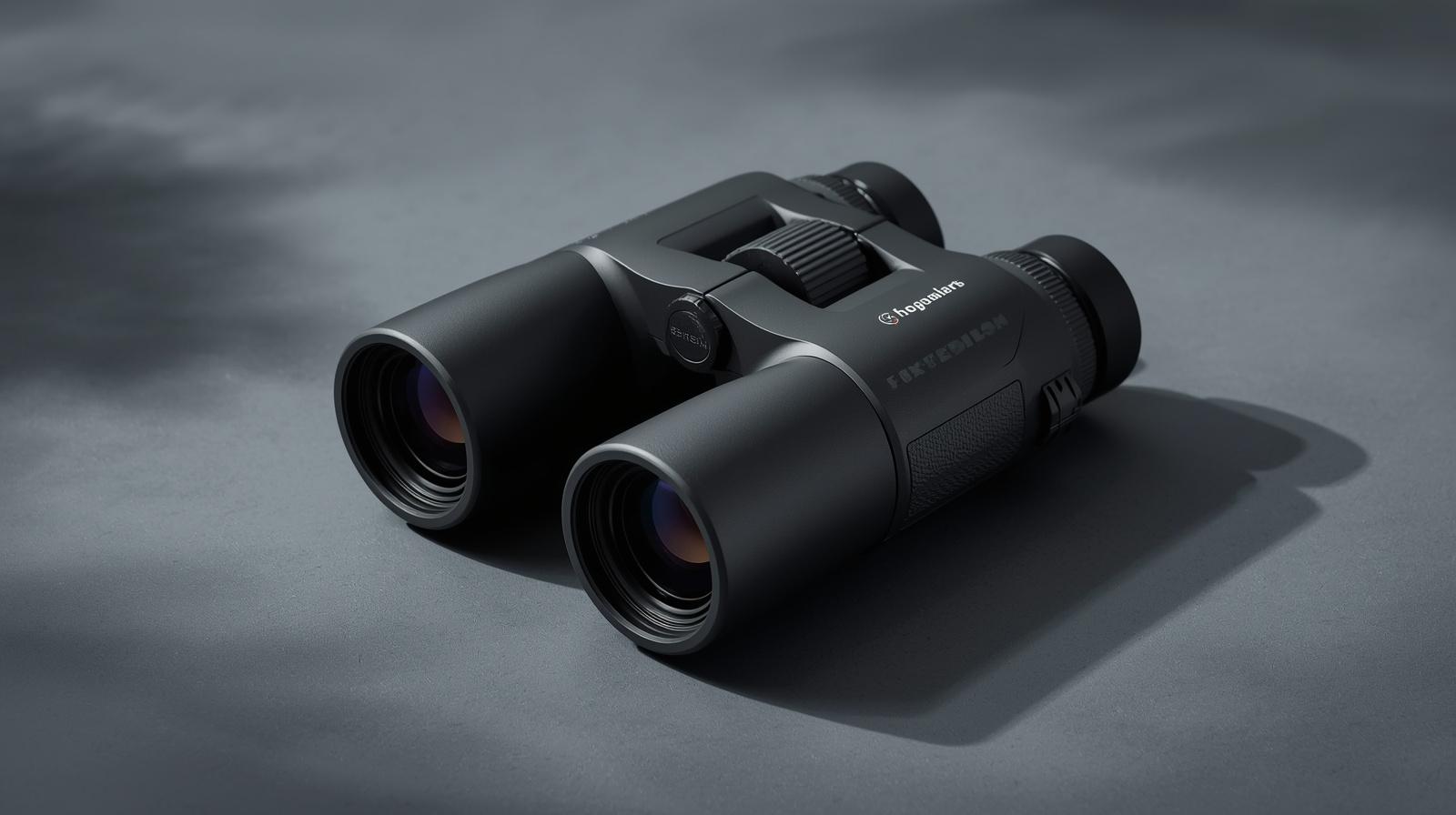
Binoculars With Zoom and Focus vs Fixed-Power Binoculars
This is the comparison that matters most. Zoom binoculars are flexible. Fixed-power binoculars are usually sharper, brighter, and easier to use.
| Feature | Zoom Binoculars | Fixed-Power Binoculars |
|---|---|---|
| Magnification | Adjustable | One fixed power |
| Ease of use | Slight learning curve | Very simple |
| Brightness | Can reduce at high zoom | Usually more consistent |
| Field of view | Narrows when zoomed in | Often wider |
| Stability | Harder at high power | Easier handheld |
| Best for | Landscapes, distance viewing, casual astronomy | Birding, hiking, wildlife, all-day use |
| Buyer appeal | Versatility | Optical quality and comfort |
If you are building a general outdoor kit, fixed 8×42 or 10×42 binoculars are often the safer first purchase. But if you already know you want adjustable magnification, binoculars with zoom and focus give you something fixed binoculars cannot: control over how close you want the scene to feel.
For a broader comparison of top zoom models, you can visit our main guide to the best zoom binoculars, where the full silo covers different zoom styles, use cases, and buyer needs.
Real-World Use Cases
Use Case 1: Scenic Overlook or Mountain Viewpoint
This is where zoom binoculars feel fun. At low power, you scan the whole valley. Then you notice a cabin, road, tower, or ridge line and zoom in to inspect details.
For this kind of viewing, binoculars with zoom and focus are genuinely enjoyable. You are not chasing a fast-moving subject, so the narrower field of view at higher zoom is less annoying.
Best range: 8-24x or 10-30x
Recommended setup: handheld at low zoom, braced at high zoom
Use Case 2: Watching Boats or Coastal Activity
Coastal viewing is another good match. Boats, buoys, piers, and distant structures move slowly enough that zoom can be useful.
The mistake is trying to use maximum zoom while standing in wind. Even a small hand movement becomes obvious. Resting your elbows on a railing can make a huge difference.
Best range: 10-22x or 10-30x
Recommended setup: use 10x to locate, 15x to 22x for detail
Use Case 3: Stadium or Outdoor Sports
Zoom binoculars can work well from high seats, especially when the action is not too fast. You can zoom out to follow the wider field, then zoom in during slower moments.
For fast sports, though, don’t overdo the zoom. A narrow field of view makes it harder to track movement.
Best range: 8-24x
Recommended setup: keep zoom moderate
Use Case 4: Casual Moon Viewing
The moon looks great through many binoculars with zoom and focus, especially 50mm models. You can start low to frame the moon, then increase zoom to see more surface detail.
A tripod helps a lot here. At higher magnification, handheld shake makes the moon dance around.
Best range: 10-30×50
Recommended setup: tripod or solid support
Use Case 5: Travel and Road Trips
If you enjoy stopping at viewpoints, deserts, mountains, lakes, and city skylines, zoom binoculars are a flexible travel tool. They are not always compact, but one pair can cover many situations.
For travel, I would avoid giant 60x or 70x models. They look powerful but often become annoying to carry and hard to stabilize.
Best range: 8-24x or 10-22x
Recommended setup: medium-size binocular with neck strap and case
For adults who want easier handling and a more practical buying angle, our supporting guide on best zoom binoculars for adults is a helpful next read.
What to Look for Before Buying
1. Don’t Trust Extreme Zoom Numbers Blindly
A cheap binocular advertising 20-180x or 30-260x may sound exciting, but those numbers are rarely useful in real life. High magnification needs excellent optics and strong stabilization. Without that, you get a dim, shaky image.
For most buyers, a moderate zoom range is better than an extreme one.
2. Choose 50mm Objective Lenses for Better Brightness
Many good binoculars with zoom and focus use 50mm objective lenses. This gives the binocular more light to work with, especially when zooming higher.
Compact zoom binoculars are easier to carry, but they often lose brightness faster. If image comfort matters more than pocket size, 50mm is a smart choice.
3. Check Tripod Compatibility
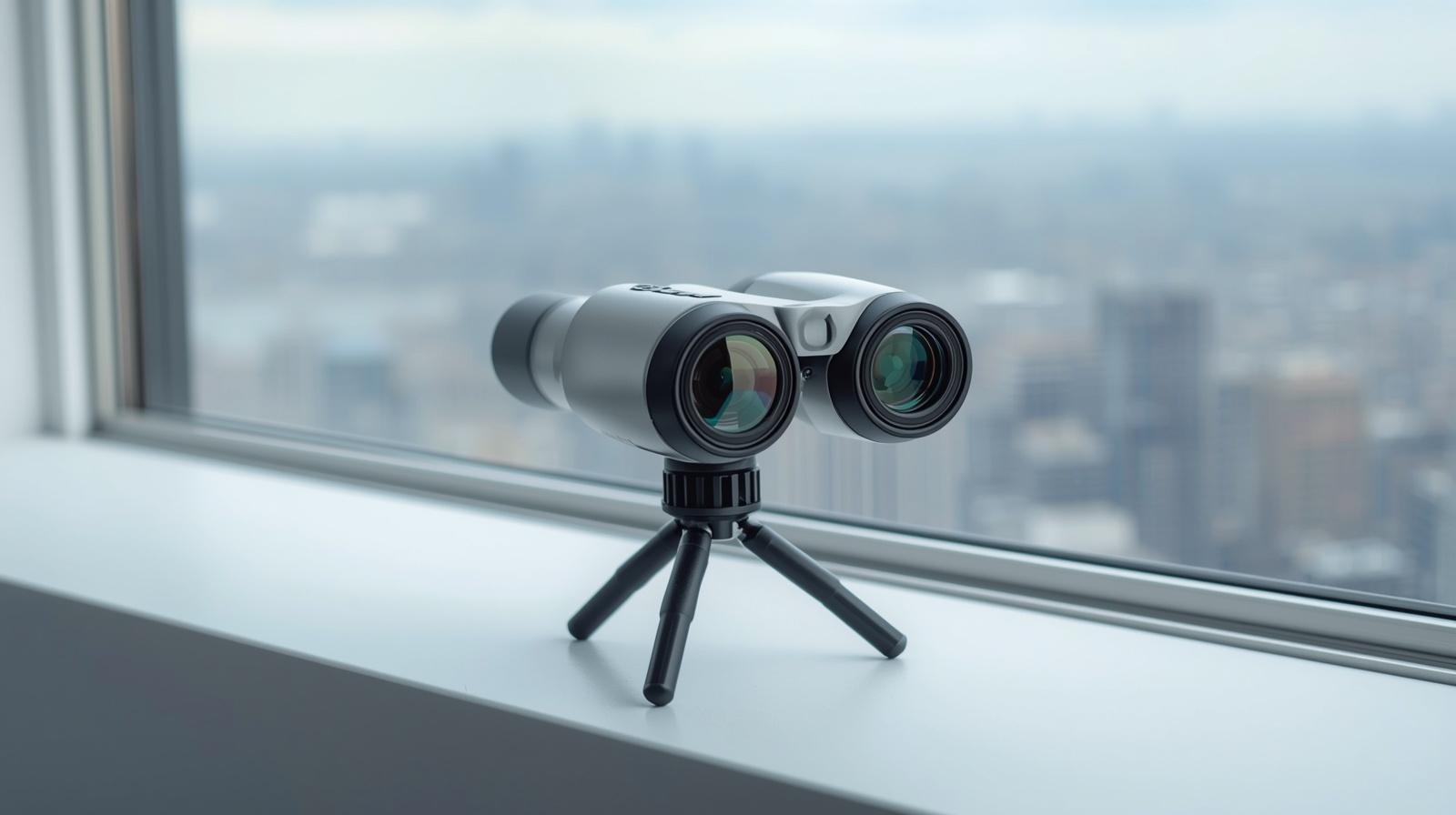
This is a big one. At high zoom, even steady hands are not enough. A tripod adapter socket makes zoom binoculars much more useful.
If you plan to use 20x or higher often, tripod compatibility should be a priority.
4. Pay Attention to Eye Relief
If you wear glasses, eye relief matters. Short eye relief can make it hard to see the full image. Look for binoculars with comfortable eyecups and enough eye relief for your needs.
5. Consider Weight
Zoom binoculars are often heavier than compact fixed models. That is not always bad because weight can make them feel stable, but too much weight gets tiring.
If you want something easy to carry, read our guide to best compact zoom binoculars before choosing a full-size model.
Common Mistakes People Make With Zoom Binoculars
Mistake 1: Using Maximum Zoom All the Time
Maximum zoom is not always the best view. In fact, the best image is often in the lower or middle zoom range. Use high zoom only when the subject is steady and you have support.
Mistake 2: Buying Based on Magnification Alone
A sharp 10-22x binocular is usually more enjoyable than a blurry 10-60x binocular. Bigger numbers do not automatically mean better viewing.
Mistake 3: Ignoring the Focus Wheel Feel
The focus wheel should feel smooth, not loose or stiff. If focusing feels awkward, the binocular becomes annoying quickly.
Mistake 4: Expecting Premium Clarity From Budget Zooms
Budget binoculars with zoom and focus can be useful, but they have limits. Expect some softness at higher zoom. That is normal in this category.
Mistake 5: Not Using a Tripod
A tripod can turn a shaky zoom binocular into a much more enjoyable tool. For moon viewing, range use, coastal watching, and long-distance observation, it is worth it.
Buyer Psychology: Why Zoom Binoculars Are So Tempting
People like control. That is the real reason binoculars with zoom and focus attract so many buyers. Fixed binoculars feel simple, but zoom binoculars feel more powerful. You can adjust, explore, inspect, and experiment.
There is also a “more is better” trap. A buyer sees 30x, 60x, or 100x and feels like the bigger number must be the smarter purchase. In optics, that thinking can backfire.
The best zoom binocular is not the one with the biggest zoom. It is the one you can actually use clearly, comfortably, and repeatedly.
A good rule: buy for your most common use, not your most extreme fantasy use. If 80% of your viewing is travel, scenery, and casual distance viewing, you do not need monster magnification. You need a comfortable binocular that stays reasonably sharp and easy to focus.
Final Verdict: Are Binoculars With Zoom and Focus Worth It?
Yes, binoculars with zoom and focus are worth it for the right person. They are especially useful for scenic views, travel stops, coastal observation, casual moon viewing, stadium seats, and slow-distance subjects.
They are not the best choice for every situation. If you want maximum brightness, wide field of view, and fast tracking, fixed-power binoculars are usually better. But if your main goal is flexible magnification, zoom binoculars offer a fun and practical experience.
For most users, I would stay in the 8-24x, 10-22x, or 10-30x range. Avoid extreme zoom claims unless you know exactly what you are buying. Use low power to find the subject, zoom gradually, refocus when needed, and stabilize the binocular at higher magnification.
That is how binoculars with zoom and focus become useful instead of frustrating.
For more buying help, visit the Best Binocular homepage or explore more practical tips on the binoculars blog tips page. You can also continue through this zoom binocular silo by reading our main best zoom binoculars guide.
FAQs About Binoculars With Zoom and Focus
Are binoculars with zoom and focus better than regular binoculars?
Not always. Binoculars with zoom and focus are better when you want adjustable magnification. Regular fixed-power binoculars are usually better for brightness, sharpness, wide field of view, and fast viewing. Choose zoom if flexibility matters more. Choose fixed-power if image quality and simplicity matter more.
What is the best zoom range for binoculars?
For most people, 8-24x, 10-22x, or 10-30x is the most practical range. These offer useful magnification without becoming too difficult to handle. Very high zoom ranges may look attractive, but they often need a tripod and better optics to perform well.
Do zoom binoculars need to be focused again after zooming?
Often, yes. Some binoculars with zoom and focus need small focus adjustments after changing magnification. The best method is to focus at low power first, zoom in slowly, then fine-tune the focus again.
Are zoom binoculars good for bird watching?
They can work for casual bird watching, especially for birds sitting still at a distance. But for serious birding, fixed 8×42 or 10×42 binoculars are usually better because they offer a wider field of view, brighter image, and faster handling.
Can I use binoculars with zoom and focus for astronomy?
Yes, especially for the moon and bright sky objects. A 10-30×50 zoom binocular can be fun for casual astronomy. However, a tripod is strongly recommended because high magnification makes hand shake very noticeable.
Why does the image get darker when I zoom in?
As magnification increases, the exit pupil usually becomes smaller, which makes the image appear dimmer. This is normal with zoom binoculars. Larger objective lenses, such as 50mm, help reduce this issue.
Are compact zoom binoculars worth buying?
Compact zoom binoculars are worth buying if portability matters more than low-light performance. They are easier to carry but may feel dimmer and less stable at higher zoom. For travel and casual daytime use, they can be a good choice.
What is the biggest mistake when buying binoculars with zoom and focus?
The biggest mistake is buying based only on the highest magnification number. A moderate zoom binocular with better clarity is usually more enjoyable than an extreme zoom binocular that is shaky, dim, and hard to focus.




