
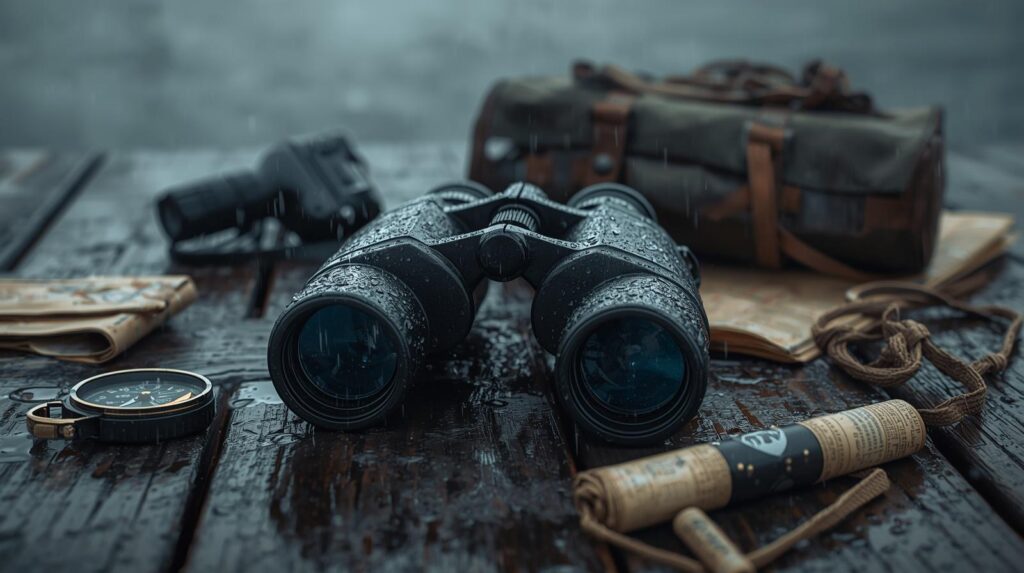
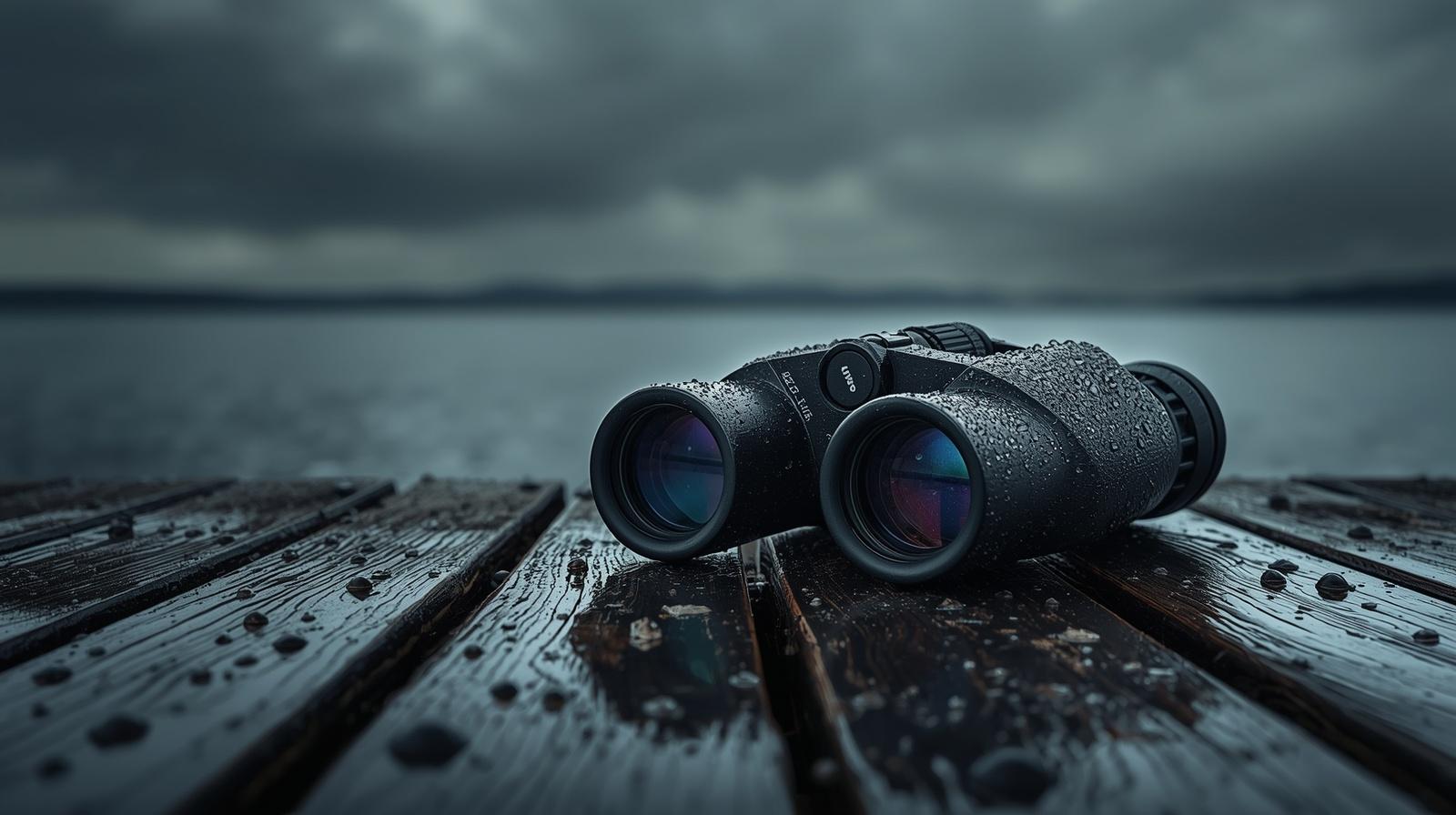
Waterproof zoom binoculars sound like the perfect outdoor tool: one pair for faraway views, changing distance, damp weather, misty mornings, boats, lakesides, camping trips, and unpredictable skies.
But here’s the truth most affiliate articles skip: zoom binoculars are not automatically better than fixed-power binoculars. They are useful, but only when you buy them for the right reason.
A good pair of waterproof zoom binoculars makes sense when you want flexibility. Maybe you want a wider 10x view for scanning a hillside, then extra reach at 16x or 22x when something catches your eye. Maybe you travel near water, watch boats from shore, check landscapes after rain, or want one pair that can handle weekend use without babying it.
However, choosing the wrong pair can result in shaky, dim, and heavy binoculars that may become frustrating to use.
So this article is written for one clear purpose: helping you understand which waterproof zoom binoculars are actually worth considering, when they make sense, and what mistakes to avoid before buying.
What Are Waterproof Zoom Binoculars?
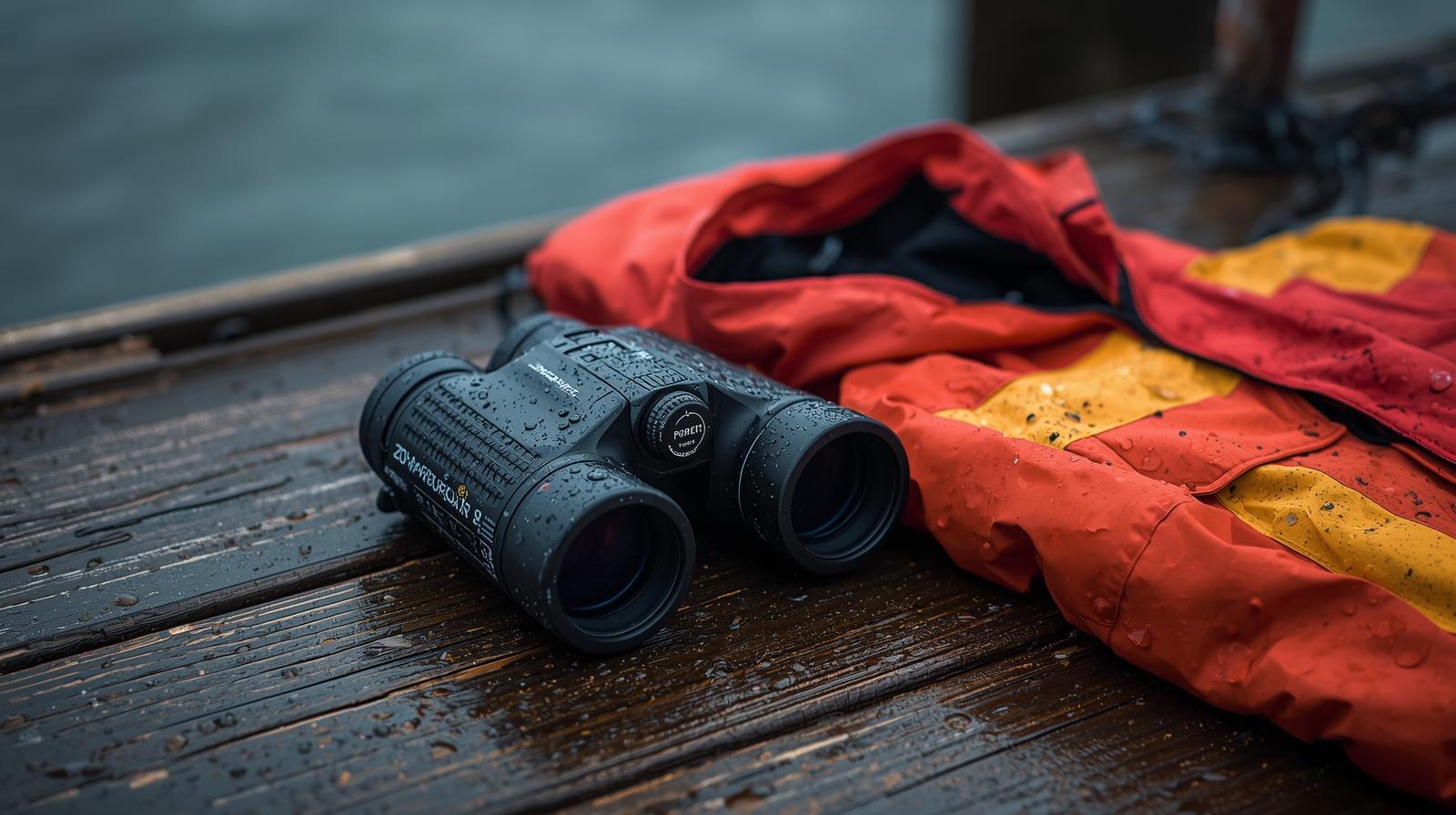
Waterproof zoom binoculars are binoculars with adjustable magnification and a sealed body designed to resist water entry.
For instance, a binocular model labeled 10-22×50 means:
| Spec | Meaning | Real-World Impact |
|---|---|---|
| 10x | Lowest magnification | Easier scanning, wider view, less shake |
| 22x | Highest magnification | More reach, but harder to hold steady |
| 50mm | Objective lens size | Brighter view than small compact lenses |
| Waterproof | Sealed body | Better for rain, damp trips, boats, foggy mornings |
The zoom part is the main attraction. Instead of being locked at 8x, 10x, or 12x, you can adjust the magnification range.
That sounds powerful, but zoom binoculars involve trade-offs. At higher magnification, the image usually becomes darker, the field of view gets narrower, and hand shake becomes more obvious. This is why waterproof zoom binoculars are best for users who understand when to zoom in and when to stay at lower power.
For most real use, you will probably spend more time around 10x to 14x than at maximum zoom.
That’s not a bad thing. It’s just how these binoculars work in the real world.
Who Should Buy Waterproof Zoom Binoculars?
Waterproof zoom binoculars are ideal for those seeking a versatile pair for outdoor activities in unpredictable weather conditions.
They are especially useful for:
- Lakeside viewing
- Camping and hiking trips
- Mountain scenery
- Boat watching from shore
- Outdoor sports from a distance
- Travel viewpoints
- Backyard wildlife viewing from a covered patio
- Casual astronomy under dry or damp night air
They are not the best choice for serious birding, long hiking, or fast-moving subjects where a wide field of view matters more than zoom reach.
If your main priority is general all-around performance, check our main silo page on best zoom binoculars because that page compares zoom models across different uses, not just waterproof designs.
Why Waterproofing Matters More Than People Think
A lot of buyers think waterproofing only matters if binoculars fall into water.
Not true.
Moisture damage is more often caused by small, boring situations:
A sudden rain shower.
A foggy morning.
Wet hands.
A boat deck.
A backpack sitting on damp grass.
Condensation after moving from cold air to warm indoor air.
Cheap non-sealed binoculars may survive a light splash, but moisture can still creep inside. Once internal fogging starts, cleaning the outside lenses will not fix it.
That’s why waterproof zoom binoculars are worth considering if you plan to use them outdoors instead of leaving them near a window.
Waterproof vs Water-Resistant
These two terms are not the same.
| Label | What It Usually Means | Should You Trust It? |
|---|---|---|
| Water-resistant | Can handle light moisture | Okay for casual use |
| Waterproof | Sealed against water entry | Better for outdoor use |
| Fogproof | Filled/sealed to reduce internal fogging | Very useful in temperature changes |
| IPX7 | Tested water resistance rating | Stronger buying signal |
For outdoor use, waterproof and fogproof together are better than waterproof alone.
The Real Problem With Zoom Binoculars
Here is the honest part: zoom binoculars are harder to make well than fixed-power binoculars.
A fixed 10×50 binocular has one optical job. A 10-22×50 zoom binocular has to perform across a wide magnification range. That extra flexibility can reduce edge sharpness, brightness, and image stability.
This is why very cheap zoom binoculars often disappoint.
You may see huge numbers like 20-180×100 or 30-260×160 online. Most of those claims are marketing noise. In normal handheld use, anything above 20x becomes hard to enjoy without a tripod.
Good waterproof zoom binoculars usually stay in a realistic range like 8-16x, 10-22x, or similar.
My Practical Rule
For handheld use, buy waterproof zoom binoculars for the lower half of the zoom range, not the maximum number printed on the box.
If the binocular is 10-22x, expect the best everyday experience around 10x to 14x. Use 18x to 22x only when your hands are braced, you are seated, or the binocular is mounted.
Best Use Cases for Waterproof Zoom Binoculars
1. Lakes, Rivers, and Coastal Viewing
This is one of the best reasons to buy waterproof zoom binoculars.
Near water, weather changes quickly. Spray, mist, and damp air are common. You may want to scan a wide area at 10x, then zoom in on boats, shoreline details, buoys, or distant structures.
A 50mm objective lens helps here because water and cloudy skies can create flat lighting. Smaller lenses may feel dim.
2. Camping and Weekend Travel
For camping, waterproof zoom binoculars offer convenience. You can use low magnification for scenery and higher magnification for distant ridges, signs, cabins, or landscape details.
The downside is weight. Many zoom binoculars with 50mm lenses are not pocket-friendly. They are better for car camping, short walks, and travel bags than long backpacking routes.
3. Outdoor Sports and Events
If you sit far from the action, zoom can be useful. Start low to follow movement, then zoom in during slower moments.
The mistake is staying at maximum zoom the whole time. You will lose field of view and may keep “chasing” the subject.
4. Casual Night Sky Viewing
Waterproof zoom binoculars can be fun for looking at the moon or bright star fields, especially if they have 50mm lenses.
But don’t expect telescope-level results. At high zoom, you’ll need support. Even leaning your elbows on a table makes a big difference.
Recommended Product: Bushnell Legacy WP 10-22×50 Zoom Binoculars
One highly relevant model to shortlist is the Bushnell Legacy WP 10-22×50 Zoom Binoculars.
Why this one makes sense: it uses a realistic zoom range, a 50mm objective lens, Porro prism design, BaK-4 prisms, fully multi-coated optics, and a rubber-armored build. Some retailer listings also describe IPX7 waterproof construction, while other listings mention waterproof/fogproof protection, so check the exact model and seller listing before buying.
This is not a lightweight pocket binocular. It is more of a practical outdoor zoom binocular for people who want stronger reach and weather protection in one package.
Why It Fits This Article
| Feature | Why It Matters |
|---|---|
| 10-22x zoom | Flexible for scanning and distance viewing |
| 50mm lenses | Better brightness than compact zoom binoculars |
| Rubber armor | Easier grip in damp conditions |
| BaK-4 prisms | Better optical quality than basic BK7 designs |
| Tripod-friendly style | Helpful at higher zoom levels |
Would I recommend it for long hikes? Not really.
Would I consider it for lakeside use, travel viewpoints, camping, casual astronomy, and outdoor viewing from fixed spots? Yes, that’s where it makes more sense.
Waterproof Zoom Binoculars vs Fixed Waterproof Binoculars
This is where buyer psychology matters.
Many people buy waterproof zoom binoculars because they want “more power.” That is understandable. More zoom feels like more value.
But fixed waterproof binoculars often give a cleaner, brighter, wider, easier view.
So the decision is not about which one is “better.” It is about what kind of user you are.
| Type | Best For | Main Weakness |
|---|---|---|
| Waterproof zoom binoculars | Flexible distance viewing, travel, lakeside use | Less stable at high zoom |
| Fixed 8×42 waterproof binoculars | Birding, hiking, steady handheld viewing | Less reach |
| Fixed 10×50 waterproof binoculars | Bright outdoor viewing and basic astronomy | No zoom flexibility |
| Compact waterproof binoculars | Travel and portability | Less brightness and zoom power |
If you want flexible magnification and don’t mind a heavier body, waterproof zoom binoculars are the better fit.
If you want the sharpest, easiest handheld view, fixed magnification may be better.
What Specs Matter Most?
Magnification Range
For most buyers, 10-22x is more realistic than extreme zoom claims.
Avoid anything that promises ridiculous magnification in a cheap body. It usually means shaky views, dim images, and disappointment.
Objective Lens Size
A 50mm lens is common for waterproof zoom binoculars because zoom needs light. As magnification increases, the exit pupil shrinks and the image can look darker.
That’s why compact zoom binoculars often struggle at higher power.
Waterproof and Fogproof Sealing
Look for terms like:
- O-ring sealed
- Nitrogen purged
- Fogproof
- IPX7 waterproof
- Waterproof construction
Don’t rely only on “weatherproof” unless the listing gives more detail.
Prism Type
Porro prism binoculars are often bulkier but can offer good depth and brightness for the money. Roof prism designs are slimmer, but high-quality waterproof zoom roof prism models can cost more.
Tripod Adaptability
This is huge.
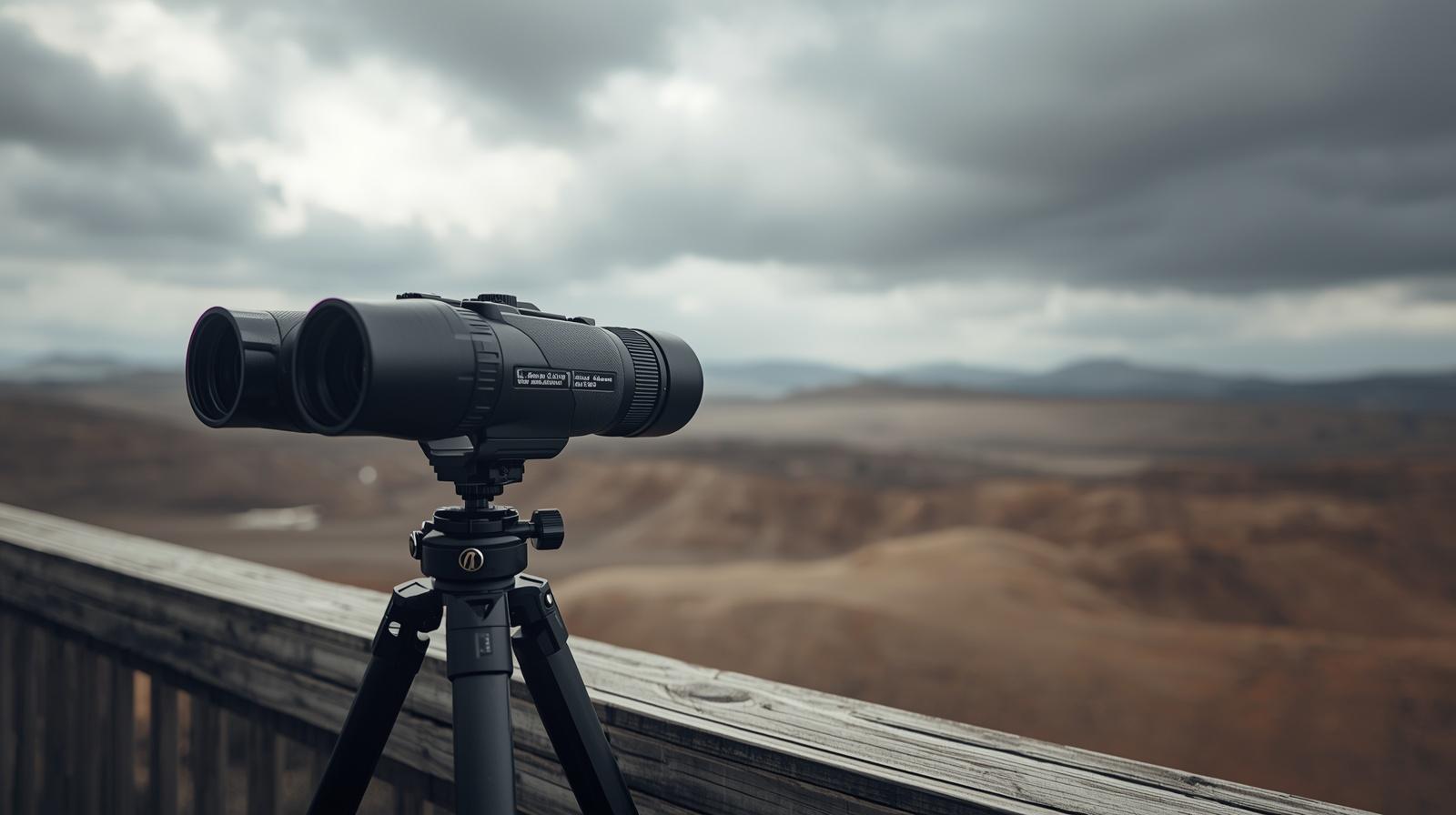
At 18x, 20x, or 22x, even good waterproof zoom binoculars become hard to hold steady. If the binocular can mount to a tripod, you get much more value from the zoom range.
Pros and Cons of Waterproof Zoom Binoculars
Pros
Flexible viewing range
You can scan at lower power and zoom in when needed.
Better outdoor confidence
Waterproof protection gives peace of mind in rain, fog, and damp conditions.
Useful for mixed activities
They can work for travel, camping, scenery, sports, and casual sky viewing.
More fun for casual users
Zooming in feels interactive and satisfying, especially for landscape viewing.
Cons
High zoom is shaky
You will need steady hands, support, or a tripod.
Image quality can drop at max zoom
Expect less brightness and a narrower field of view.
Usually heavier than compact binoculars
Many waterproof zoom binoculars are not ideal for minimalist hiking.
Cheap models can be poor
Low-quality zoom binoculars often overpromise and underdeliver.
Common Mistakes Buyers Make
Mistake 1: Buying the Highest Zoom Number
This is the biggest trap.
More magnification does not mean a better view. A clear, stable 12x view is more useful than a shaky 40x view that looks dim and narrow.
Mistake 2: Ignoring Waterproof Details
Some listings use vague terms. “Outdoor binoculars” does not mean waterproof. “Water-resistant” does not always mean sealed.
For real outdoor use, look for stronger waterproof language.
Mistake 3: Expecting One Pair to Do Everything
Waterproof zoom binoculars are versatile, but they are not perfect for every activity.
They are not as quick as fixed 8x binoculars for fast scanning. They are not as powerful as a spotting scope for extreme distance. They are not as portable as compact travel binoculars.
They sit in the middle: flexible, weather-ready, and useful when you accept the trade-offs.
Mistake 4: Not Using Support at High Zoom
If your zoom binoculars reach 20x or more, a tripod or monopod changes the experience completely.
Even a simple window mount, railing, or table support helps.
Best Buying Tips Before You Choose
Choose waterproof zoom binoculars if you want flexibility more than pure optical perfection.
For most people, the sweet spot is:
| Feature | Better Choice |
|---|---|
| Magnification | 10-22x or similar |
| Lens size | 50mm |
| Prism | BaK-4 preferred |
| Coating | Fully multi-coated preferred |
| Body | Rubber armored |
| Weather protection | Waterproof + fogproof |
| Support | Tripod adaptable |
Also, check eye relief if you wear glasses. Some zoom binoculars become less comfortable at higher magnification.
If you are shopping on a tighter budget, you may also want to compare models in best budget zoom binoculars before spending more. That article is useful if you care about price but still want decent outdoor performance.
And if your budget is very limited, read best zoom binoculars under 100 first. It will help you avoid the cheap zoom models that look powerful on paper but feel weak in real use.
Real-World Scenario: When Zoom Actually Helps
Imagine you are standing near a lake after rain.
At 10x, you scan the opposite shoreline. The view is wider, steadier, and easier on your eyes. You notice a distant sign, cabin, or boat dock.
Then you slowly move the zoom lever to 14x or 16x. Now the detail becomes easier to read. If you need more, you brace your elbows or use a tripod.
That is the right way to use waterproof zoom binoculars.
The wrong way is starting at maximum zoom, struggling with shake, and blaming the binoculars.
Zoom is a tool, not a default setting.
Money Page Priority: Where This Article Fits in the Silo
This article supports the broader buying journey.
If a reader is still choosing between different zoom types, send them to the main best zoom binoculars page.
If they care about price, send them to the budget article.
If they specifically need weather protection, this waterproof zoom binoculars page should help them decide whether the waterproof feature is worth paying for.
This is how the silo works naturally: broad comparison first, then budget, then weather-specific, then use-case-specific content.
For more binocular buying tips, visit the Best Binocular homepage and explore the latest blog tips before choosing your next pair.
Final Verdict: Are Waterproof Zoom Binoculars Worth It?
Waterproof zoom binoculars are worth buying when you want one flexible outdoor pair that can handle damp weather, changing distances, and mixed viewing situations.
They are not magic. They will not beat premium fixed binoculars for sharpness, brightness, or ease of use. But for the right person, they are genuinely useful.
Buy them if you want:
- Adjustable magnification
- Weather protection
- Better reach than standard 8x or 10x binoculars
- A practical pair for camping, lakesides, travel, and scenic viewing
Skip them if you want:
- Ultra-light hiking binoculars
- Serious birding performance
- Maximum low-light brightness
- A perfectly steady view at high magnification without support
My honest take: waterproof zoom binoculars make the most sense for patient outdoor users. If you know when to stay at lower power and when to zoom in, they can be a fun, practical, and weather-ready choice. If you expect maximum zoom to look perfect in your hands, you’ll probably be disappointed.
Choose realistic specs, prioritize waterproof and fogproof construction, and don’t get trapped by fake mega-zoom marketing. That’s how you buy a pair you’ll actually enjoy using.
FAQs About Waterproof Zoom Binoculars
Are waterproof zoom binoculars good for bird watching?
They can work for casual backyard or lakeside bird watching, but they are not the best choice for serious birding. Fixed 8x or 10x binoculars usually offer a wider, steadier view. Waterproof zoom binoculars are better when you want flexible distance viewing across mixed outdoor scenes.
What magnification is best for waterproof zoom binoculars?
A range around 10-22x is practical for many users. The lower end is better for handheld scanning, while the higher end is useful only when your hands are steady or the binoculars are mounted.
Do waterproof zoom binoculars need a tripod?
Not always, but a tripod helps a lot at higher magnification. Around 10x to 12x, most people can handhold them. At 18x to 22x, support makes the view much more comfortable.
Are waterproof zoom binoculars good for boating?
They can be useful near water, but for active boating, image-stabilized or marine-specific binoculars may be better. Waterproof zoom binoculars are more suitable for shore viewing, docks, lakesides, and casual coastal observation.
What does 10-22×50 mean on zoom binoculars?
It means the binoculars adjust from 10x to 22x magnification and use 50mm objective lenses. The 10x setting gives a wider, steadier view, while 22x gives more reach but needs steadier handling.
Are cheap waterproof zoom binoculars worth it?
Some are okay for casual use, but many cheap models exaggerate performance. Avoid extreme magnification claims and look for realistic specs, waterproof sealing, BaK-4 prisms, and fully multi-coated optics.
Can waterproof zoom binoculars be used in fog?
Yes, if they are also fogproof. Waterproofing protects against water entry, while fogproof construction helps prevent internal lens fogging during temperature changes.




