
Best Budget Zoom Binoculars: How to Choose Real Value Without Wasting Money
Finding the best budget zoom binoculars sounds easy until you actually start shopping.
Every listing promises “powerful zoom,” “HD clarity,” and “long-distance viewing.” Then you look closer and realize half of them are oversized, shaky at high magnification, weak in low light, or built like they might not survive one weekend trip.
That is the real issue with cheap zoom binoculars. The zoom feature is useful, but only when the binocular is balanced well enough to stay clear, stable, and comfortable. A 10–30x zoom binocular can be handy for scenery, sports, casual wildlife viewing, travel viewpoints, and checking distant objects from a balcony or campsite. But if the optics are poor, extra magnification just makes the image darker and harder to control.
So this article is not about chasing the biggest zoom number. It is about choosing the best budget zoom binoculars that actually make sense in real use.
What Are Budget Zoom Binoculars Actually Good For?
Budget zoom binoculars are best for people who want one binocular that can handle different viewing distances without spending premium money.
You can start at lower magnification to scan a wider area, then zoom in when something catches your attention. That makes them useful for:
- Scenic viewpoints
- Stadium seats
- Outdoor trips
- Casual astronomy
- Ships, hills, rooftops, and faraway landmarks
- Backyard or balcony viewing
- General travel use
The key word is casual. Budget zoom binoculars are not magic. They usually cannot match fixed-power binoculars in sharpness, brightness, or edge clarity. A good 10×50 fixed binocular may look cleaner than a cheap 10–30×50 zoom binocular at the same 10x setting.
But zoom binoculars win when flexibility matters more than perfect optical purity.
That is why the best budget zoom binoculars are usually bought by people who want one affordable pair for mixed use, not by specialists chasing premium glass.
Best Budget Zoom Binoculars: My Practical Pick
If you want one safe, sensible recommendation, the Celestron UpClose G2 10–30×50 Zoom Porro Binoculars are a strong budget-friendly option.
They offer a 10–30x zoom range, 50mm objective lenses, multi-coated optics, and a water-resistant rubber-covered aluminum body, according to Celestron’s product listing. B&H also lists them as Porro prism binoculars with BK7 prisms, 10–30x magnification, 50mm objectives, 20mm eye relief at 10x, and 15mm eye relief at 30x.
Are they perfect? No.
But for the money, they make sense because the specs are realistic. A 10–30×50 setup gives you a usable low end and a high end that is better for short, steady viewing rather than long handheld sessions.
Why this model makes sense
The 10x setting is the most useful part. It gives you enough magnification for outdoor viewing without making the image too shaky. The 20x to 30x range is more situational. It works better when your elbows are supported, you are sitting still, or you use a tripod adapter.
That is exactly how budget zoom binoculars should be judged. Not by the biggest number on the box, but by how often you can actually use that number.
Quick Comparison: Budget Zoom vs Fixed Binoculars
| Feature | Budget Zoom Binoculars | Fixed-Power Binoculars |
|---|---|---|
| Magnification | Adjustable, usually 10–30x or 8–24x | Fixed, like 8x, 10x, or 12x |
| Best for | Mixed-distance viewing | Sharper everyday viewing |
| Stability | More shake at high zoom | Easier to hold steady |
| Brightness | Drops as zoom increases | Usually more consistent |
Here is my honest take: if you only care about the sharpest image, buy fixed 8×42 or 10×50 binoculars. But if you enjoy zooming in and out on landscapes, stadium action, or distant buildings, the best budget zoom binoculars can be more fun.
What Magnification Range Should You Choose?
Most budget zoom binoculars come in ranges like:
- 8–24x
- 10–30x
- 12–36x
- 20–60x
For most people, 10–30×50 is the sweet spot.
The 10x setting is still manageable by hand. The 30x setting gives you that “closer look” feeling without going into extreme gimmick territory. Anything like 20–60x in handheld binocular form is usually too shaky unless you are using support.
A big mistake beginners make is thinking higher zoom automatically means better viewing. It does not.
At higher zoom, the image gets harder to hold steady. The field of view becomes narrower. The image may also appear dimmer, especially in cloudy weather or near sunset.
That is why the best budget zoom binoculars are not the ones with the largest magnification. They are the ones that stay usable across most of their zoom range.
Lens Size Matters More Than People Think
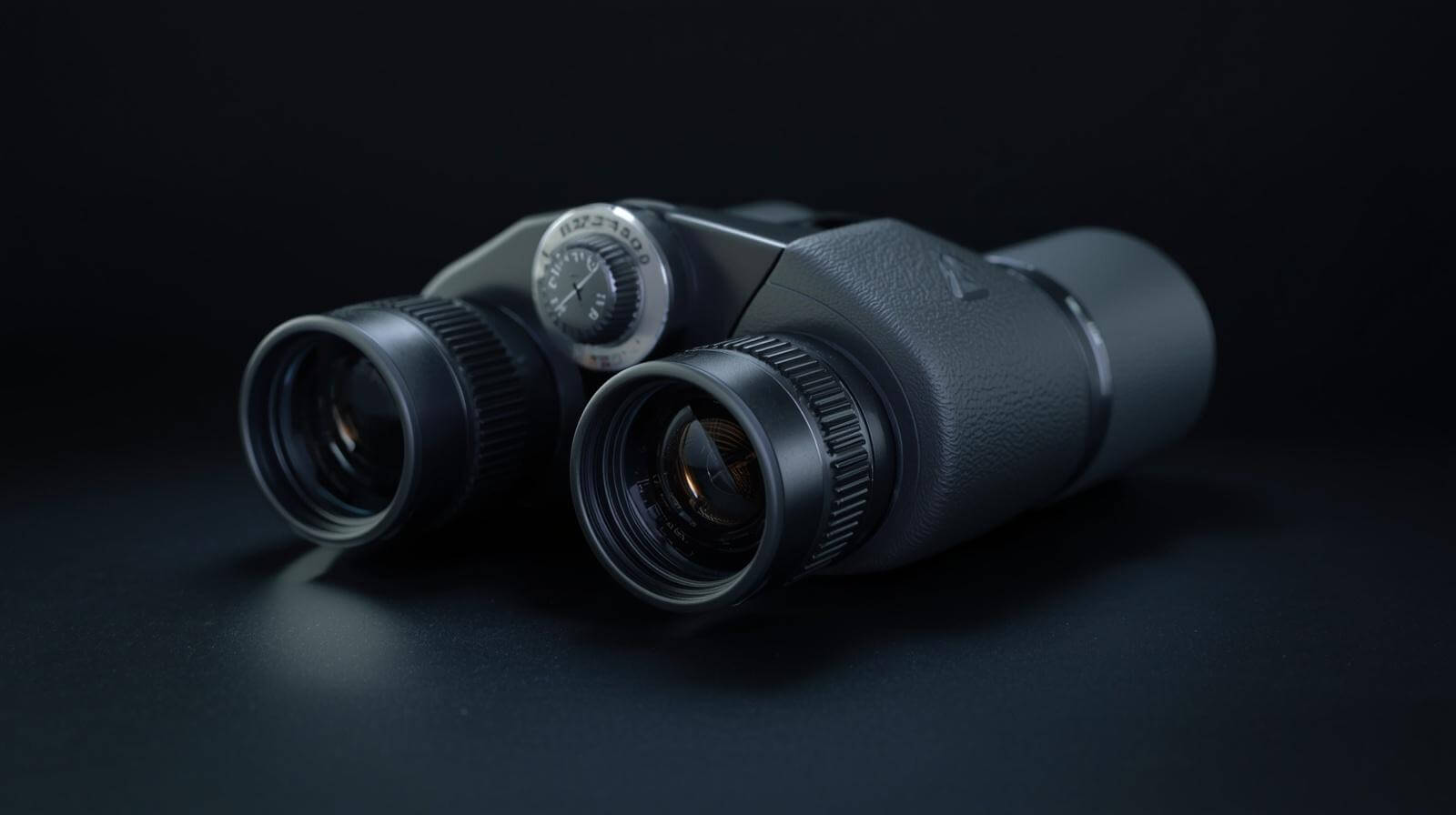
For budget zoom binoculars, objective lens size is important. The objective lenses are the large front lenses that collect light.
A 50mm lens is common because it gives the binocular more light-gathering ability than small compact models. This helps when you are viewing in shade, cloudy weather, or late afternoon.
But there is a trade-off.
A 10–30×50 binocular is not pocket-sized. It is better for backpacks, car trips, balcony viewing, or planned outdoor use. If you want something tiny for casual walking, compact zoom binoculars may be easier to carry, but they usually feel weaker in brightness and comfort.
For most buyers searching for the best budget zoom binoculars, I would choose 50mm lenses over tiny compact bodies. The image usually feels more relaxed and usable.
Real-World Use Cases
For travel viewpoints
Budget zoom binoculars are great when you visit mountains, beaches, city rooftops, or observation decks. Start at 10x to scan the area, then zoom in when you want to inspect a distant tower, boat, ridge, or building detail.
This is where zoom binoculars feel genuinely useful. You are not trying to track fast movement. You are taking your time, looking around, and enjoying the scene.
For sports and stadium viewing
If your seat is far from the action, zoom binoculars can help. Keep them around 10x to 15x for normal viewing. Only push higher when the action is paused or when you want to look at a specific part of the field.
Do not expect to follow fast movement at 30x smoothly. That is asking too much from a handheld budget binocular.
For casual astronomy
Budget zoom binoculars can be fun for looking at the moon, bright star fields, and wide night-sky areas. But they are not a telescope replacement.
At higher zoom, you will want a tripod or at least a stable surface. Handheld moon viewing at 30x can get shaky fast. Still, for beginners who want occasional sky viewing without buying a telescope, the best budget zoom binoculars can be a fun starting point.
For home and balcony viewing
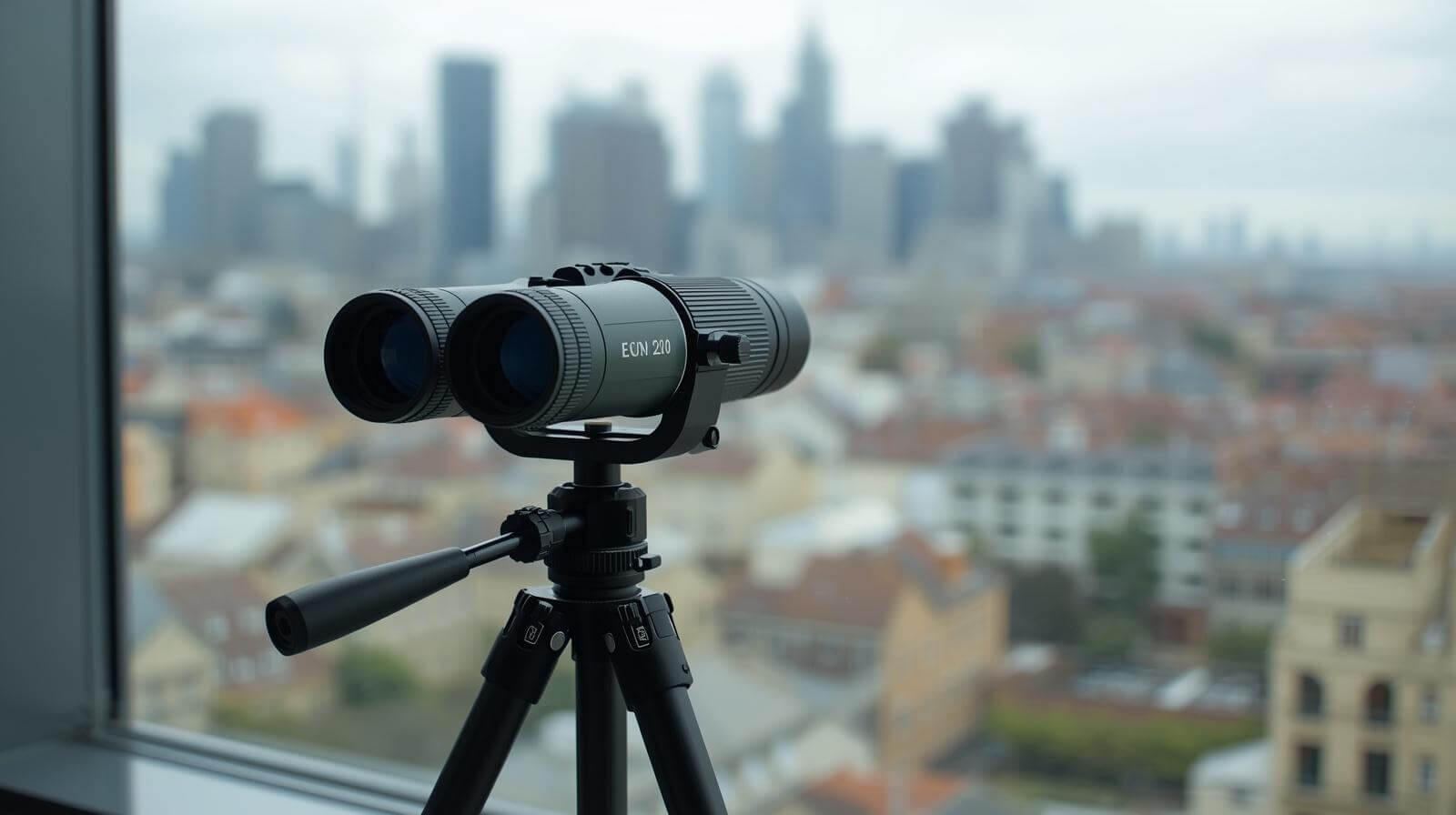
This is one of the most underrated uses. If you live near hills, open fields, water, roads, or a skyline, zoom binoculars are useful from a balcony or window. You can leave them at home and use them whenever you want a closer look at distant scenery.
Pros and Cons of Budget Zoom Binoculars
Pros
Flexible magnification
You can scan wide at low power and zoom in when needed.
Good value for casual users
You get more viewing options without buying multiple binoculars.
Fun for scenery and travel
Zooming in on distant details makes outdoor viewing more engaging.
Good starter choice
They help beginners understand what magnification they actually prefer.
Cons
High zoom can be shaky
Anything above 15x or 20x is harder to hold steady.
Image gets dimmer when zoomed in
This is normal with many zoom binoculars, especially budget models.
Not always as sharp as fixed binoculars
Fixed 8x or 10x binoculars often provide cleaner image quality.
Build quality varies a lot
Some cheap zoom binoculars look powerful on paper but feel weak in real use.
Common Mistakes When Buying Budget Zoom Binoculars
Mistake 1: Buying the highest zoom number
A 100x zoom claim sounds exciting, but in real binocular use, it is usually a red flag. Extreme zoom often means poor stability, dark images, and frustrating focus.
Stay realistic. For most buyers, 10–30x is far more useful than crazy magnification claims.
Mistake 2: Ignoring weight
Large binoculars can get tiring. If you plan to carry them for hours, weight matters. A heavier binocular may feel stable for short viewing, but annoying during long walks.
Mistake 3: Expecting premium sharpness
Budget zoom binoculars are about flexibility. They are not designed to beat premium fixed-power binoculars. Buy them for convenience, not perfection.
Mistake 4: Using high zoom without support
This is huge. At 25x or 30x, even small hand movement becomes obvious. Rest your elbows on a railing, sit down, or use a tripod. The difference is massive.
Mistake 5: Choosing tiny lenses for high zoom
Small compact zoom binoculars may look convenient, but high magnification with small lenses often creates a dim view. For better comfort, 50mm lenses are usually a smarter budget choice.
Buyer Psychology: Who Should Actually Buy These?
The best budget zoom binoculars are ideal for the “one pair for everything” buyer.
You may not know yet whether you prefer 10x, 15x, or 20x. You might want binoculars for travel one month, balcony viewing the next, and casual sky viewing later. In that case, zoom binoculars let you experiment.
But if you already know your main use, be more selective.
For walking and hiking, fixed 8×42 may be easier. For long-distance viewing from one spot, 10–30×50 zoom binoculars can make sense. For serious low-light viewing, budget zoom models may disappoint because brightness drops when magnification rises.
That is why my advice is simple: buy zoom binoculars when flexibility is your main reason, not because you think zoom automatically means premium performance.
How to Use Budget Zoom Binoculars for Better Results
Start at the lowest magnification first. Find your subject at 10x, get the focus right, then slowly zoom in. This makes viewing much easier.
If you zoom first and then try to find the subject, you will struggle because the field of view becomes narrower.
Also, refocus after zooming. Many budget zoom binoculars need small focus adjustments as you change magnification. That is normal.
For the clearest image, use high zoom only when you are steady. Lean against a wall, rest your elbows, or mount the binocular on a tripod. Even an affordable tripod can make budget zoom binoculars feel much better.
More Zoom Binocular Buying Guides
For a broader buying overview, check the main silo guide on best zoom binoculars. It helps you compare zoom ranges, lens sizes, and use cases before choosing a model.
If your budget is tight, you may also want the guide on best zoom binoculars under 100. That page is useful when you want affordable options without paying for features you will barely use.
For a slightly better viewing experience, read best zoom binoculars under 200. That price range often gives you better build quality, smoother focusing, and more comfortable handling.
For more binocular tips and practical buying advice, visit the blog section and homepage at BestBinocular.net.
Final Verdict: Are Budget Zoom Binoculars Worth It?
Yes, the best budget zoom binoculars are worth buying if you understand their limits.
They are not the sharpest binoculars in the world. They are not ideal for every serious hobby. And no, the highest zoom setting will not always look amazing handheld.
But for travel, scenery, balcony viewing, stadium use, casual astronomy, and general long-distance observation, they can be genuinely useful. The trick is choosing a realistic zoom range, preferably with decent-sized objective lenses, and using support when you zoom high.
My practical recommendation is to look for a 10–30×50 model from a known optics brand rather than chasing unknown ultra-zoom binoculars with wild claims. The Celestron UpClose G2 10–30×50 is a sensible example because it gives you useful magnification, large 50mm lenses, and a budget-friendly setup without pretending to be premium glass.
For most buyers, that is exactly what budget zoom binoculars should be: affordable, flexible, and good enough to make outdoor viewing more enjoyable without turning the purchase into a headache.
FAQs About Best Budget Zoom Binoculars
What are the best budget zoom binoculars for beginners?
The best budget zoom binoculars for beginners are usually 10–30×50 models because they offer a practical low-end magnification and enough lens size for casual outdoor viewing. They are easier to use than extreme zoom binoculars and more flexible than fixed-power models.
Are zoom binoculars better than regular binoculars?
Zoom binoculars are better for flexibility, but regular fixed-power binoculars are often better for sharpness, brightness, and stability. If you want one binocular for many casual uses, zoom is useful. If you want the cleanest image, fixed power is usually better.
Is 10–30x good for budget zoom binoculars?
Yes, 10–30x is one of the most practical ranges for budget zoom binoculars. The 10x setting is useful for handheld viewing, while 20x to 30x works better when supported by a tripod, railing, or steady surface.
Why do budget zoom binoculars get shaky at high magnification?
Higher magnification makes hand movement more visible. At 10x, small movement is manageable. At 30x, the same movement looks much bigger. That is why high zoom works best with support.
Can I use budget zoom binoculars for astronomy?
Yes, you can use budget zoom binoculars for casual astronomy, especially for the moon and bright sky objects. For the best results, use a tripod or stable surface because high magnification is hard to hold steady by hand.
Are compact zoom binoculars worth buying?
Compact zoom binoculars are worth buying only if portability matters more than brightness and comfort. For better image quality, especially at higher zoom, 50mm objective lenses are usually a better choice.
What should I avoid when buying cheap zoom binoculars?
Avoid unrealistic magnification claims, unknown brands with no clear specs, very small lenses paired with huge zoom numbers, and models with poor return policies. The best budget zoom binoculars should feel usable, not just impressive on paper.




