
How to Use Binoculars for Stargazing as a Beginner
If you’ve ever stepped outside on a clear night and felt overwhelmed by the sky, you’re not alone. For a lot of beginners, the night sky looks beautiful but also a little confusing. You know there’s a lot to see up there—you just do not know where to start.
That is exactly why learning how to use binoculars for stargazing makes so much sense.
Most people assume you need a telescope to enjoy astronomy, but that is not really true. A good pair of binoculars is often the easier, smarter starting point. They are simple to carry, quick to use, and powerful enough to show far more than most beginners expect on a dark night.
In this beginner-friendly guide, I’ll show you how to use binoculars for stargazing in a practical way, based on real use rather than generic advice. You’ll learn how to find objects more easily, avoid the mistakes that frustrate most first-time users, and get better results from beginner-friendly options like the Celestron Nature DX and SkyMaster series.
Why Binoculars Are Perfect for Beginner Stargazing
Before we dive into technique, let’s clear something up.
Binoculars aren’t a “cheap alternative” to telescopes—they’re a different experience entirely.
What makes them beginner-friendly:
- Wide field of view → easier to locate objects
- No complicated setup → just grab and go
- Natural two-eye viewing → less strain
- Great for learning the night sky
In fact, many experienced astronomers still use binoculars regularly. They’re especially useful for scanning star fields, tracking satellites, and enjoying large objects like the Milky Way.
If you’re unsure which models are best, start here:
Best Celestron Binoculars for Stargazing (2026 Guide)
Step 1: Choose the Right Binoculars for Stargazing
Not all binoculars are equal at night. This is where most beginners go wrong.
Ideal specs for stargazing:
| Feature | Recommended Range | Why It Matters |
|---|---|---|
| Magnification | 7x–15x | Higher = more detail, but harder to hold |
| Objective Lens | 50mm–70mm | Larger lenses gather more light |
| Exit Pupil | 5mm+ | Brighter images in dark conditions |
Real-world recommendations:
- Celestron Nature DX 10×50
→ Great all-rounder for beginners
→ Lightweight, easy to hold, sharp optics - Celestron SkyMaster 15×70
→ Serious stargazing upgrade
→ Brighter, deeper sky views (needs tripod for best use)
Step 2: Find a Dark Location (This Matters More Than Gear)
You could have $500 binoculars—but if you’re in a city with light pollution, you’ll see very little.
What to aim for:
- Minimal street lighting
- Clear horizon view
- No direct light sources nearby
Even moving 20–30 minutes outside the city can completely change your experience.
Pro tip from real use:
Let your eyes adjust for 15–20 minutes before observing. No phone, no bright lights. Your night vision improves dramatically.
Step 3: Learn the Sky Before You Look Through Binoculars
Here’s something beginners don’t expect:
👉 It’s easier to find objects with your naked eye first.
Trying to locate stars through binoculars alone is frustrating because of the limited field of view.
Simple approach:
- Identify a bright object (Moon, Venus, Orion constellation)
- Lock onto it with your eyes
- Then raise binoculars slowly to your face
Apps like SkyView or Stellarium help, but don’t rely on them entirely—learn patterns.
Step 4: Stabilize Your View (Game Changer)
Handheld viewing works—but only up to a point.
If you’ve ever noticed stars “shaking” in your view, that’s normal.
Stability options:
- Lean against a wall or car
- Sit in a reclining chair
- Use a tripod (best option for 12x+)
For models like the SkyMaster 15×70, a tripod isn’t optional—it’s essential.
👉 For the best setups:
Best Tripod for Celestron Binoculars (2026 Buyer’s Guide)
Step 5: Adjust Your Binoculars Properly
Most people skip this—and end up with blurry views.
Quick adjustment checklist:
- Set interpupillary distance (fit both eyes comfortably)
- Focus using center wheel
- Adjust diopter (for eye differences)
Real-world tip:
Focus on a bright star first. It should appear as a sharp point—not a blob.
Step 6: Start with Easy Targets
Don’t jump straight into deep-sky objects. Start simple.
Best beginner targets:
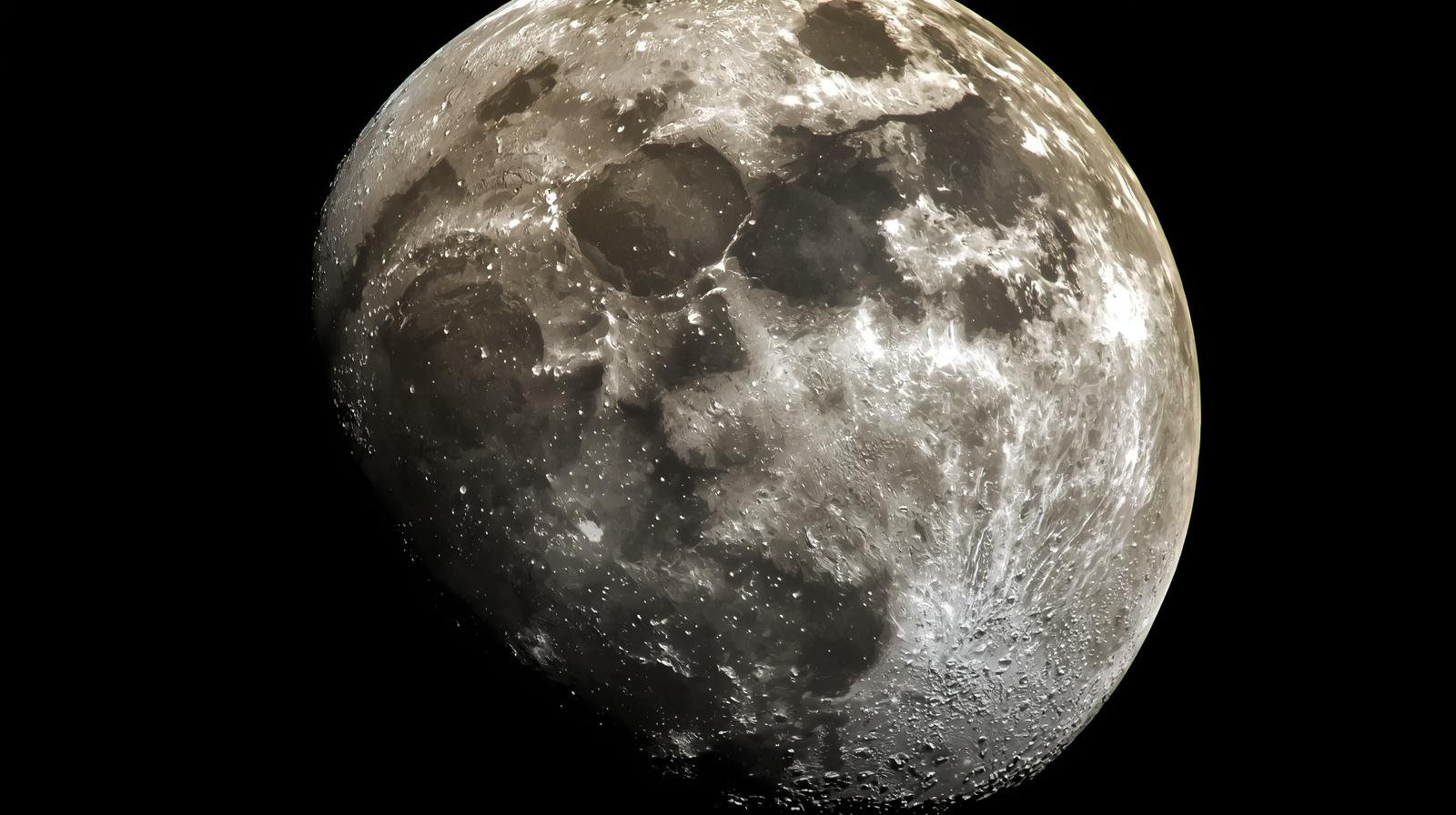
- 🌙 Moon → craters and shadows are incredible
- ⭐ Orion Nebula → faint but visible even in 10×50
- 🌌 Milky Way → sweeping views with wide binoculars
- 🌟 Pleiades (Seven Sisters) → perfect binocular cluster
These are rewarding immediately—no frustration.
Step 7: Understand What You CAN and CAN’T See
Let’s be honest—binoculars have limits.
What you can see:
- Moon in great detail
- Star clusters
- Bright nebulae
- Some galaxies (faint smudges)
What you won’t see clearly:
- Planet details (rings of Saturn, Jupiter bands)
- Deep space structure
👉 If you’re curious about planetary viewing:
Are Celestron Binoculars Good for Seeing Planets? (Real Answer)
Nature DX vs SkyMaster for Stargazing
Let’s compare the two popular series in real usage.
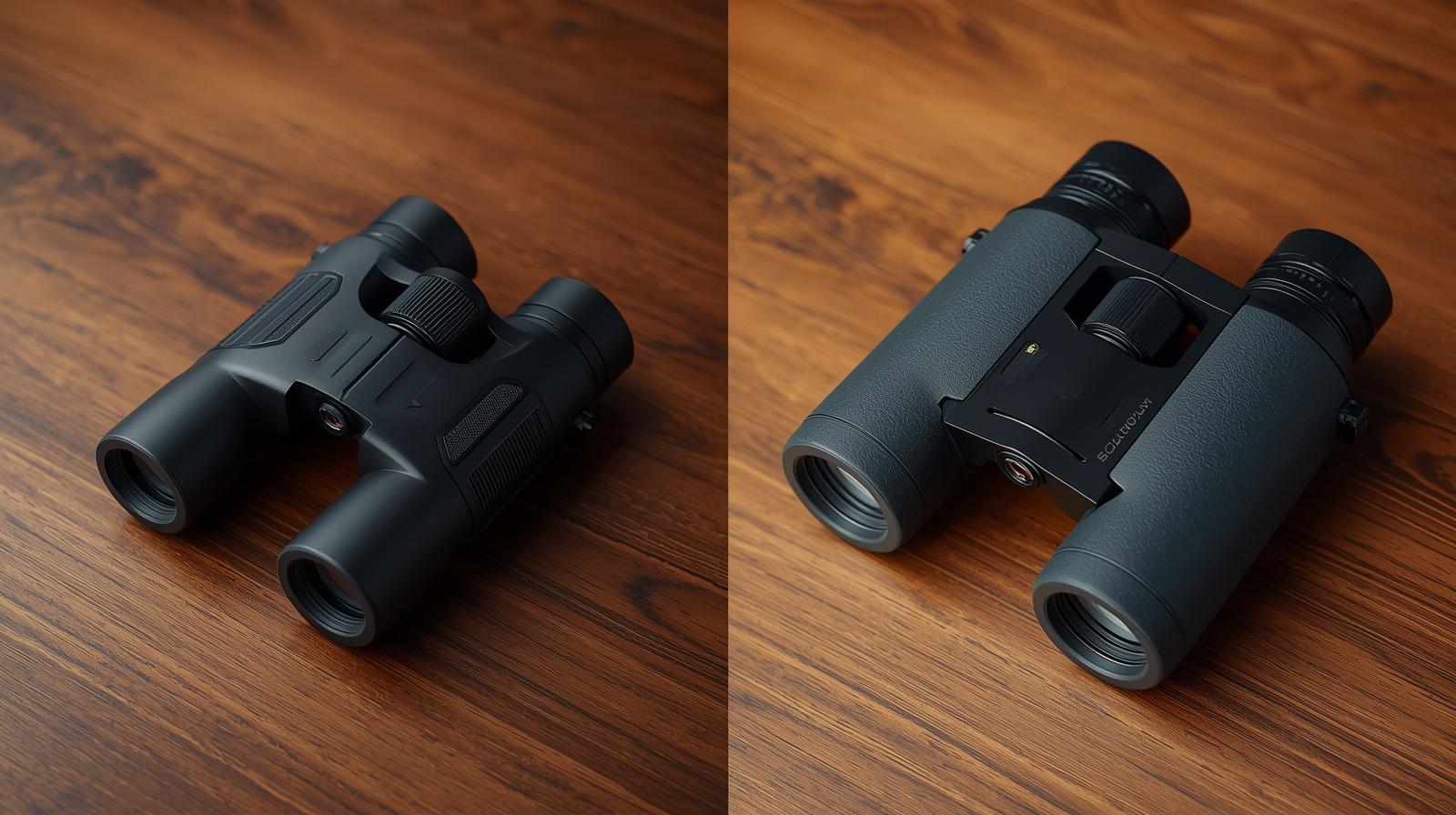
| Feature | Nature DX 10×50 | SkyMaster 15×70 |
|---|---|---|
| Weight | Light | Heavy |
| Portability | Excellent | Moderate |
| Brightness | Good | Excellent |
| Stability | Handheld | Tripod needed |
| Best Use | Casual stargazing | Deep sky viewing |
My honest take:
- If you’re just starting → Nature DX
- If you’re serious about night sky → SkyMaster
Common Mistakes Beginners Make (Avoid These)
❌ Going too high magnification
More zoom = more shake. Stick to 10x–12x initially.
❌ Ignoring light pollution
This ruins your experience more than bad gear.
❌ Expecting telescope-level detail
Binoculars are for wide, immersive views—not zoomed-in planets.
❌ Skipping tripod for large models
You’ll regret it with anything above 12x.
Real Use Case Scenarios
🌌 Scenario 1: Casual backyard stargazing
Use Nature DX 10×50
→ Quick sessions, easy scanning, no setup
🌠 Scenario 2: Camping trip
Nature DX again
→ Lightweight and versatile
🔭 Scenario 3: Dedicated sky watching
SkyMaster 15×70 + tripod
→ Deep sky objects, longer sessions
Pros & Cons of Using Binoculars for Stargazing
👍 Pros:
- Beginner-friendly
- Portable and quick
- Wide sky views
- Affordable
👎 Cons:
- Limited planetary detail
- Requires stability for high magnification
- Not ideal for deep astrophotography
Buyer Tips (Based on Real Experience)
- Don’t chase specs—balance matters
- 10×50 is the safest starting point
- Invest in a tripod if going 15x+
- Check weight before buying
- Look for multi-coated optics
For more detailed recommendations and tested picks, explore:
👉 https://bestbinocular.net/
What to Expect on Your First Night of Binocular Stargazing
This is the part most beginner guides skip.
Your first night using binoculars for stargazing probably won’t look the way you imagined—and that’s completely normal. A lot of beginners expect huge, dramatic views right away, especially of planets. In reality, binocular stargazing is more subtle. But that’s also what makes it so enjoyable. You’re not forcing detail. You’re learning how to notice it. 🌙
The first thing that usually surprises people is how immersive the sky feels through binoculars. Instead of looking at one tiny part of the sky, you’re seeing whole areas at once. That makes objects like the Moon, the Pleiades, and the Orion region feel more connected and easier to appreciate.
If you start with something like the Celestron Nature DX 10×50, the experience is usually very beginner-friendly. It is light enough for short handheld sessions, bright enough to make stars pop, and simple enough that you spend more time looking than adjusting. If you move up to a SkyMaster 15×70, the view can feel much more dramatic, especially on darker nights—but only if you use it properly. Without a tripod, larger binoculars can turn a good session into a shaky one very quickly.
Another thing worth knowing: finding objects is part of the fun. On your first night, you may spend more time locating targets than actually observing them. That is not wasted time. It is how you start building sky knowledge. Once you find something like the Orion Nebula for yourself, even if it looks faint, it feels rewarding in a way that specs and marketing blurbs never explain.
A simple first-night checklist
- Pick a clear night, not necessarily a perfect one
- Start with the Moon if it is visible
- Move to an easy target like the Pleiades or Orion
- Give your eyes at least 15–20 minutes to adjust
- Keep your phone screen dim
- Use a tripod for larger binoculars
- Slow down and spend time on each object
The mindset that makes beginner stargazing easier
The biggest mistake is expecting instant wow-factor from every target.
Binocular stargazing gets better as your eyes and brain learn what to look for. A faint cluster becomes more obvious. A star field starts to show shape. You begin to recognize areas of the sky instead of just scanning randomly. That learning curve is actually part of the appeal.
FAQs
What is the best binocular size for stargazing?
10×50 is ideal for beginners. It offers a balance between magnification and brightness.
Can you see planets with binoculars?
You can see bright planets like Jupiter and Venus, but not detailed features. For more info:
Are Celestron Binoculars Good for Seeing Planets? (Real Answer)
Do I need a tripod for binocular stargazing?
Only for higher magnification models like 15×70. Lower magnifications can be handheld.
Are Celestron binoculars good for beginners?
Yes, especially the Nature DX series. They offer excellent clarity, durability, and ease of use.
How do I find objects in the sky with binoculars?
Locate them with your naked eye first, then bring binoculars into position.
Final Thoughts
Using binoculars for stargazing isn’t just a beginner step—it’s a different way to experience the night sky.
You’re not zooming in.
You’re exploring wide, immersive views that telescopes often miss.
Start simple. Learn the sky. Be patient.
And once it clicks—you’ll never look at the night the same way again. 🌌




