
Are Celestron Binoculars Good for Seeing Planets? What You Can Really Expect
If you’ve ever pointed a pair of binoculars at the night sky hoping to see Jupiter’s storms or Saturn’s rings, you already know the answer is not as straightforward as most reviews make it sound.
So let’s answer it properly—without hype, without generic claims, and without pretending binoculars can do what a telescope does.
Are Celestron binoculars good for seeing planets? Yes, they can be—but only within realistic limits. With the right Celestron model, especially in the SkyMaster range, you can spot bright planets, see Jupiter’s moons, and enjoy surprisingly good night-sky views. But no, you should not expect telescope-level planetary detail.
In this guide, I’ll break down what Celestron binoculars can actually show you, which models make the most sense, and how to get better results in real-world stargazing conditions.
What You Can Actually See with Celestron Binoculars
Let’s get expectations straight first.
Binoculars are not telescopes. But they’re far more capable than most beginners think.
Real-world planet visibility
With decent Celestron binoculars:
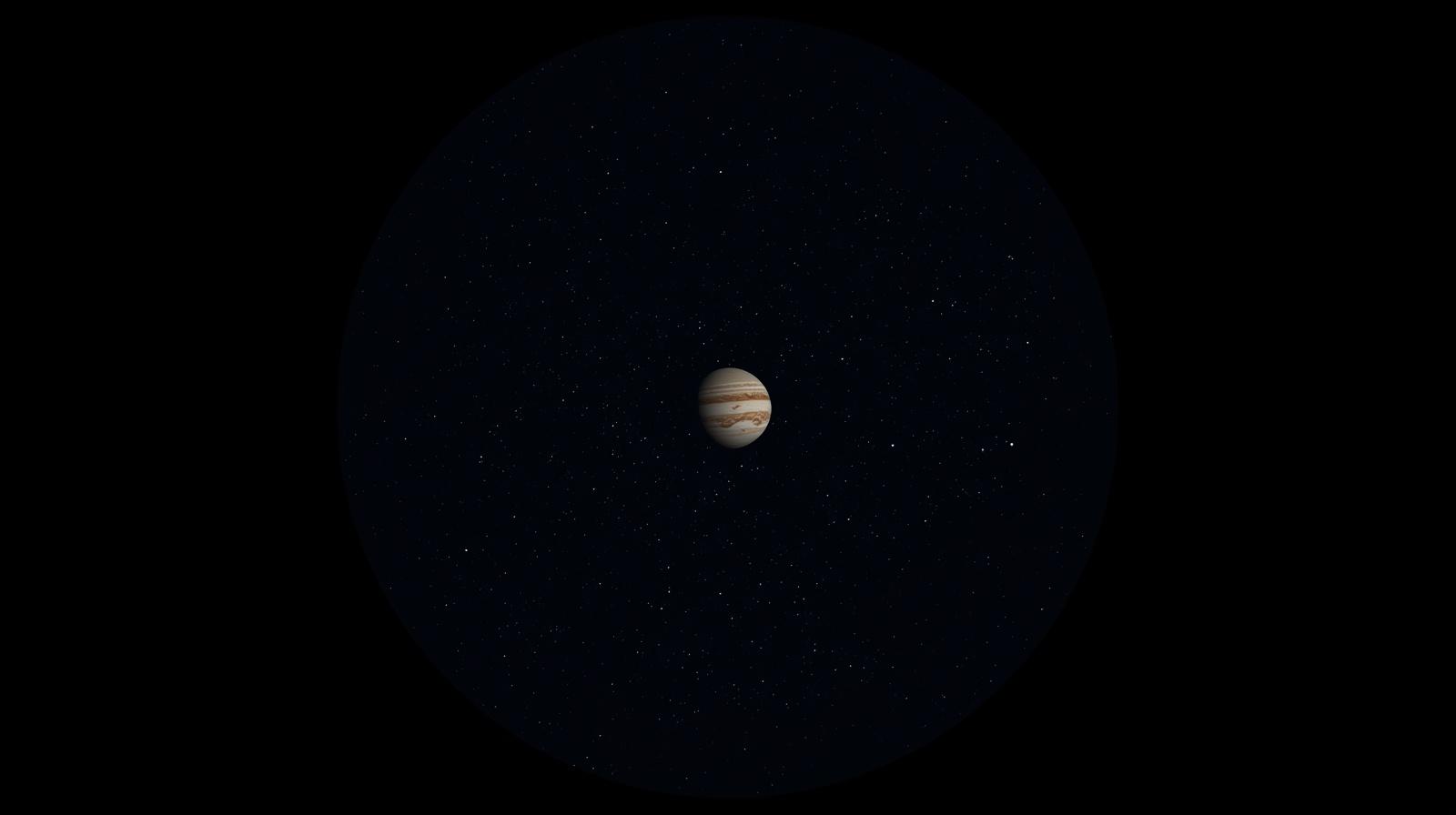
- Jupiter → bright disk + 2–4 moons visible
- Saturn → small oval shape (rings not clearly defined, but hinted)
- Venus → bright crescent-like phase sometimes
- Mars → small reddish dot
- Moon → extremely detailed (this is where binoculars shine)
You’re not “zooming into planets.” You’re observing them as bright celestial objects with context—which is honestly more enjoyable for beginners.
Why Celestron Binoculars Work Well for Planet Viewing
There’s a reason Celestron shows up in almost every beginner astronomy setup.
1. Wide field of view (this matters more than you think)
Unlike telescopes, binoculars give you a wide slice of the sky.
That means:
- Easier to locate planets
- More immersive viewing
- Less frustration for beginners
If you’ve ever tried finding Jupiter with a cheap telescope, you’ll appreciate this instantly.
2. Bright image performance
Celestron binoculars—especially the SkyMaster line—are designed to pull in more light.
That translates to:
- Brighter planets
- Better contrast against the sky
- Easier viewing in slightly light-polluted areas
3. Ease of use (huge advantage)
No setup. No alignment.
You just:
- Step outside
- Look up
- Adjust focus
For beginners, this simplicity is often the difference between using gear regularly… or letting it collect dust.
Nature DX vs SkyMaster: Which One Is Better for Planets?
This is where most people get stuck.
Both series are popular—but they serve very different use cases.
Quick Comparison Table
| Feature | Nature DX | SkyMaster |
|---|---|---|
| Magnification | Moderate (8x–12x) | High (15x–25x+) |
| Portability | Very portable | Bulky |
| Planet Detail | Limited | Better |
| Stability | Easy handheld | Needs tripod |
| Best For | Casual stargazing + daytime | Serious night sky viewing |
Nature DX: Good… But Not Built for Planets
The Nature DX line is excellent—but let’s be honest about its strengths.
When it works:
- You want quick, casual planet spotting
- You also plan to use binoculars for daytime (birds, landscapes)
- You value portability over power
Real experience:
Using a Nature DX 10×42:
- Jupiter is visible and sharp
- Moons may appear in very clear conditions
- Saturn looks like a bright star (not much detail)
Verdict:
👉 Good for beginners—but not ideal if your main goal is planetary viewing.
SkyMaster Series: Where Planet Viewing Actually Gets Interesting
If you’re serious about using binoculars for astronomy, this is the line you should be looking at.
Why SkyMaster works better:
- Higher magnification (15x–25x+)
- Larger objective lenses (70mm, 80mm)
- More light gathering = clearer celestial objects
Real experience:
With something like SkyMaster 15×70:
- Jupiter → clear disk + multiple moons
- Saturn → elongated shape (rings hinted)
- Moon → insane detail for binoculars
- Star clusters → stunning
The catch:
You cannot comfortably use these handheld.
Which leads to a critical point…
You’ll Need a Tripod (Most People Ignore This)
This is the biggest mistake beginners make.
High magnification + shaky hands = blurry mess.
If you’re using SkyMaster binoculars:
👉 A tripod is not optional.
For a full breakdown of what works best:
👉 Check this guide: Best Tripod for Celestron Binoculars (2026 Buyer’s Guide)
Recommended Model (If You Want Real Planet Viewing)
If you’re picking just one binocular for planets:
👉 Celestron SkyMaster 15×70
Why this one:
- Best balance of power and usability
- Strong light gathering
- Affordable compared to telescopes
- Proven performance for beginners
Real-world use case:
This is the model many people actually stick with.
It’s powerful enough to show meaningful detail—but not so extreme that it becomes frustrating.
When Binoculars Beat Telescopes for Planets
This might surprise you.
There are situations where binoculars are actually better.
1. Quick sessions
You don’t need setup time.
Perfect for:
- Spotting Jupiter after dinner
- Checking planetary alignment
2. Learning the sky
Binoculars help you:
- Understand star positions
- Track planetary movement
- Build navigation skills
For beginners, this is huge.
3. Travel and portability
You’re not carrying a telescope on a casual trip.
But binoculars?
Always doable.
Common Mistakes That Ruin Planet Viewing
Let’s save you from frustration.
❌ Expecting telescope-level detail
You won’t see Saturn’s rings clearly. That’s normal.
❌ Using high magnification without support
Shaky hands = useless image.
❌ Ignoring sky conditions
Even the best binoculars struggle in:
- Heavy light pollution
- Hazy skies
❌ Buying based on zoom alone
Magnification isn’t everything.
Balance matters.
How to Get Better Planet Views with Binoculars
Small tweaks make a big difference.
1. Go out at the right time
Planets are brightest:
- Just after sunset
- Early morning
2. Let your eyes adjust
Give it 15–20 minutes in darkness.
3. Use a stable position
Even without a tripod:
- Lean against a wall
- Sit down
- Rest elbows
4. Learn where to look
If you struggle finding planets:
👉 Read this: How to Use Binoculars for Stargazing (Beginner-Friendly Guide)
Are Celestron Binoculars Worth It for Planet Viewing?
Let’s give a straight answer.
Pros
- Easy to use
- Affordable entry into astronomy
- Wide field makes finding planets easier
- Great for multi-purpose use
Cons
- Limited detail compared to telescopes
- High-power models need tripod
- Not ideal for deep planetary observation
Final verdict:
👉 Yes—but only if your expectations match reality.
They’re perfect for:
- Beginners
- Casual stargazers
- People who want flexibility
They’re not for:
- Hardcore planetary detail seekers
If You Want the Full Picture (Before Buying)
If you’re still comparing options or confused between models:
👉 Read the full breakdown here:
Best Celestron Binoculars for Stargazing (2026 Guide)
Also, for more practical tips and real-world advice, you can explore our main resource hub:
👉 bestbinocular.net
FAQs
Are binoculars good enough to see planets clearly?
Binoculars can show planets as bright objects and reveal some features like Jupiter’s moons, but they cannot match the detailed views of telescopes.
Can you see Saturn’s rings with Celestron binoculars?
You may see Saturn as an elongated shape with high-power binoculars like SkyMaster, but the rings will not be clearly defined.
Which Celestron binocular is best for planets?
The Celestron SkyMaster 15×70 is one of the best options for planetary viewing due to its balance of magnification and brightness.
Is a tripod necessary for astronomy binoculars?
Yes, especially for high-magnification models like SkyMaster. A tripod significantly improves clarity and reduces shake.
Are Nature DX binoculars good for astronomy?
They are good for casual stargazing and moon viewing but not ideal for detailed planet observation.
Final Thoughts
Celestron binoculars can absolutely be used for planetary viewing—but only if you understand what they’re realistically capable of.
They’re not designed to replace a telescope, and expecting detailed views of Saturn’s rings or Jupiter’s surface will only lead to disappointment. But if your goal is to spot planets clearly, see Jupiter’s moons, and enjoy the night sky in a more immersive way, then yes—Celestron binoculars deliver.
Models like the Nature DX are great for casual, all-purpose use, while the SkyMaster series is where things start to get genuinely interesting for astronomy. Pair the right binoculars with stable support and dark skies, and you’ll have an experience that’s simple, enjoyable, and surprisingly rewarding.
The real answer?
👉 Celestron binoculars are good for seeing planets—but they shine best as a beginner-friendly gateway into astronomy, not as a replacement for high-powered telescopes.




