
Best Celestron Binoculars for Stargazing: Which Series Makes the Most Sense?
There’s a reason Celestron keeps coming up in astronomy gear conversations, especially when buyers start looking for the best Celestron binoculars for stargazing. Not because every model is some kind of miracle, and certainly not because brand loyalty has ever improved anyone’s night sky. It’s because Celestron still offers one of the clearest binocular lineups in the hobby: entry-level large-aperture SkyMaster models for budget-minded stargazers, upgraded SkyMaster Pro and Pro ED versions for people who want better mechanics and coatings, and Nature DX / Nature DX ED models for buyers who want one binocular for both the night sky and daytime use. In 2026, that lineup still makes sense, which is exactly why Celestron remains such a strong name for astronomy-focused binocular buyers.
For pure stargazing, the SkyMaster family remains the center of gravity. The standard 15×70, 20×80, and 25×70 models are still positioned as low-light, long-range binoculars that work especially well for astronomical use, while the Pro and Pro ED versions add better coatings, weather sealing, sturdier construction, and more serious tripod integration. On the other side, Nature DX and Nature DX ED are built more as general outdoor roof-prism binoculars, but the 10×50, 10×56, and 12×50/12×56 versions can still serve very well as “one pair does everything” options.
If your goal is simple, this guide cuts through the noise:
- Buy SkyMaster 15×70 if you want the best value-for-money astronomy binocular.
- Buy SkyMaster Pro ED 20×80 if you want the best premium Celestron binocular for stargazing without moving into giant binocular telescope territory.
- Buy Nature DX ED 10×50 if you want a lighter binocular that still performs at night and won’t feel out of place in daylight.
If you want the broader brand breakdown before narrowing into astronomy-only picks, start here: [Celestron Binoculars (Ultimate Buying Guide 2026)].
Quick Picks 🌌
| Best for | Model | Why it stands out | Best use |
|---|---|---|---|
| Best overall value | Celestron SkyMaster 15×70 | Big 70mm objectives, 15x magnification, tripod adapter included | Backyard sessions, Moon, bright deep-sky |
| Best premium stargazing pick | Celestron SkyMaster Pro ED 20×80 | ED glass, XLT coatings, waterproof body | Mounted observing, lunar detail |
| Best dual-use pick | Celestron Nature DX ED 10×50 | Lighter roof-prism body, waterproof, nitrogen filled | Travel, birding, handheld night sky scanning |
The specs and current list pricing behind these picks come from Celestron’s official product and collection pages, including SkyMaster 12×60, 15×70, 20×80, 25×70, SkyMaster Pro/Pro ED models, and Nature DX ED 10×50.
Why Celestron is still a strong stargazing buy in 2026
Celestron’s biggest strength isn’t that every binocular is perfect. It’s that the lineup makes sense. The company still sells true large-aperture porro-prism astronomy binoculars at entry-level prices, then offers clear upgrade paths into better coatings, waterproofing, ED glass, and more tripod-friendly designs. That matters because most buyers are not deciding between five abstract optical philosophies. They’re deciding whether to spend around entry-level SkyMaster money, jump to the Pro tier, or stretch into Pro ED territory.
The standard SkyMaster models are still compelling because porro-prism binoculars can deliver strong optical value for the money, and Sky & Telescope notes that good porro-prism binoculars for astronomy are available in roughly the $100 to $200 range. That lines up almost perfectly with where Celestron’s standard SkyMaster 12×60, 15×70, 20×80, and 25×70 sit on the official store.
But the upgrade tiers are not fake upsells. The jump from standard SkyMaster to SkyMaster Pro or Pro ED buys you real-world improvements: waterproofing instead of mere water resistance, nitrogen purging, XLT coatings, sturdier chassis design, and better tripod solutions. In other words, fewer of the small irritations that start showing up when you observe longer, travel more, or use your binoculars in damp conditions.
How to choose the right Celestron binocular for stargazing 🔭
1) Start with how you actually observe, not with magnification envy
Most people shopping astronomy binoculars make the same mistake: they see 20x or 25x and assume bigger number equals better experience. Sometimes it does. Sometimes it just buys you more shake, a narrower field, fussier eye placement, and a tripod you now have to buy after pretending you wouldn’t need one.
For most people, the sweet spots in Celestron’s lineup are 10×50, 12×60, and 15×70. Once you move into 20×80 and especially 25×70, mounting goes from “recommended” to “basically part of the system.” Sky & Telescope also notes that standard tripod mounting is a big deal for steadier binocular views, and Celestron itself positions these higher-power SkyMasters as tripod-adaptable astronomy binoculars.
2) Aperture matters, but only if you can use it comfortably
Bigger objective lenses gather more light. That’s why 70mm and 80mm binoculars are so appealing for the Moon, star clusters, bright nebulae, and dark-sky sweeping. Celestron’s standard and Pro SkyMaster pages consistently emphasize that the large objective lenses are there for low-light and astronomical viewing.
But bigger glass also means more weight. Official specs show the Nature DX ED 10×50 at 806g, the standard SkyMaster 15×70 at 1361g, the SkyMaster Pro ED 15×70 at 2089g, and the SkyMaster Pro ED 20×80 at 3492g. That’s a huge jump in handling, and it changes everything about how often you’ll actually use the binocular.
3) Exit pupil and field of view still matter more than marketing copy
A few examples from Celestron’s current specs tell the story nicely:
- Nature DX ED 10×50: 5mm exit pupil, 5.9° field of view
- SkyMaster 12×60: 5mm exit pupil, 5.3° field of view
- SkyMaster 15×70: 4.7mm exit pupil, 4.4° field of view
- SkyMaster 20×80: 4mm exit pupil, 3.7° field of view
- SkyMaster 25×70: 2.8mm exit pupil, 2.7° field of view
- SkyMaster Pro ED 7×50: 6.4mm exit pupil, 7.8° field of view
In plain English, that means the 25×70 is not automatically the “best.” It gives you more magnification, yes, but also a tighter view and a much smaller exit pupil. For beginners under suburban skies, the result can feel less relaxed than a 12×60 or 15×70. For experienced observers on a stable tripod, it can be fun. For first-time buyers, it’s often the wrong first move.
4) Nature DX vs SkyMaster is really about role, not brand quality
This is where buyers get stuck. The Nature DX and Nature DX ED models are roof-prism outdoor binoculars designed for broader use. They’re waterproof, nitrogen filled, fully multi-coated, and use phase-coated BaK-4 prisms. The 10×50 and 12×50 ED versions are tripod-adaptable and much lighter than the large SkyMaster astronomy porros.
So if you want one binocular for hiking, travel, occasional moon viewing, and wide-field sky scans, Nature DX ED makes a lot of sense. But if your real goal is sitting under dark skies and squeezing the most sky performance per dollar, SkyMaster still wins.
If you’re trying to understand the ideal power range before picking a model, read [Best Magnification for Stargazing Binoculars (Complete 2026 Guide)].
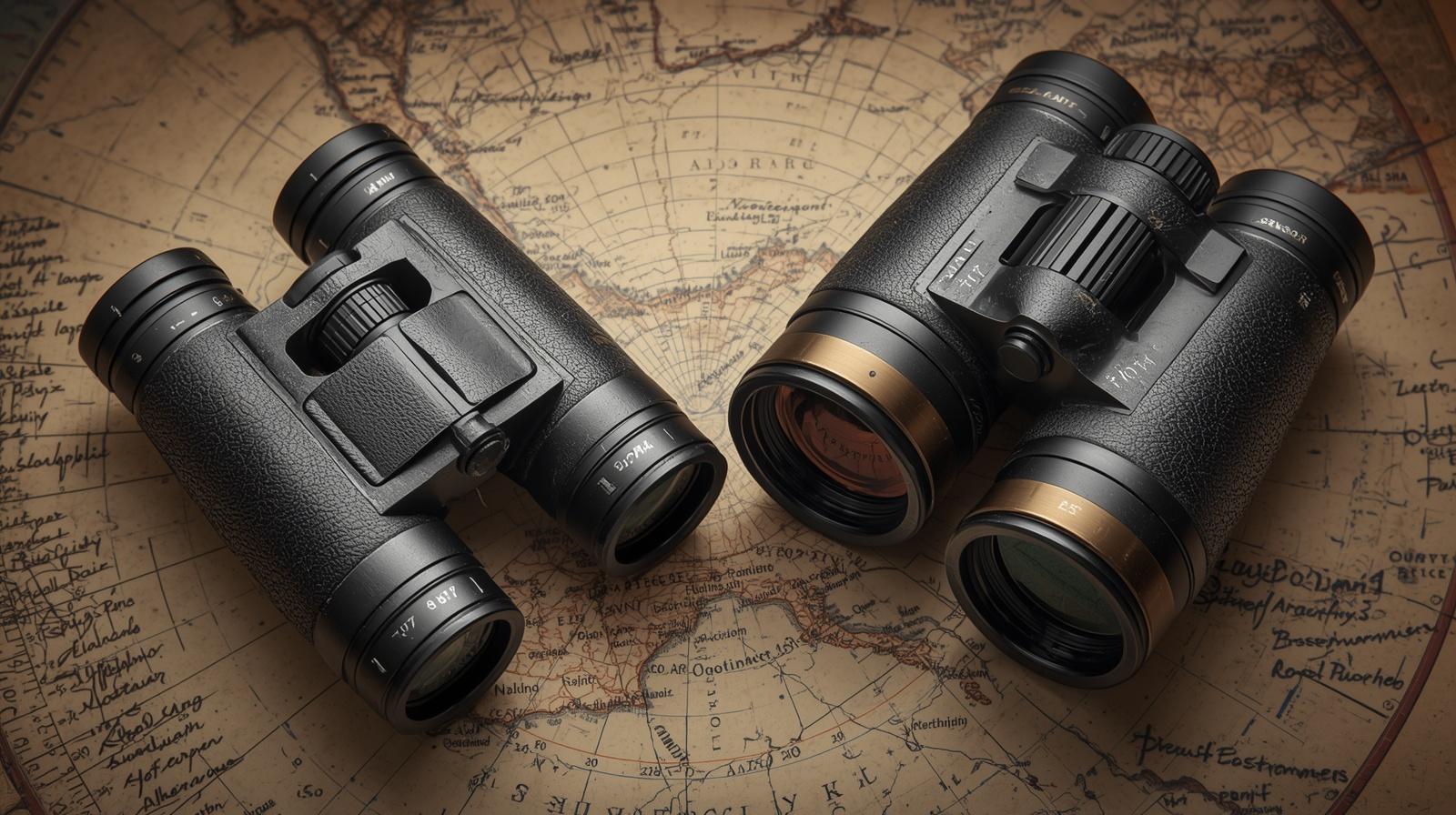
The best Celestron binoculars for stargazing in 2026
1) Celestron SkyMaster 15×70: best overall for most stargazers
If someone asked me for one Celestron astronomy binocular without giving me a dramatic speech about “future proofing,” this is where I’d start.
The SkyMaster 15×70 remains the most balanced buy in the line. Officially, it gives you 15x magnification, 70mm objectives, a 4.4° field of view, 4.7mm exit pupil, 18mm eye relief, and a bundled tripod adapter. At 1361g, it’s still big, but it hasn’t crossed fully into “this is now a mounted instrument only” territory.
What that means in real use is simple: the 15×70 feels like an astronomy binocular, not just a daytime binocular pretending to stay up late. It has enough aperture to make star fields look alive, enough magnification to make the Moon feel satisfying, and a field wide enough that you don’t feel trapped in a soda straw.
Why I recommend it
- Best price-to-performance point in the Celestron stargazing range
- Big enough to feel like a serious upgrade from 10×50 class binoculars
- Wide enough and bright enough for sweeping the Milky Way under dark skies
- Usually the easiest SkyMaster to recommend to beginners who are actually committed to astronomy
Pros
- Strong low-light performance for the money
- Long eye relief
- Tripod adapter included
- Excellent gateway into mounted or semi-mounted binocular astronomy
Cons
- Only water resistant, not waterproof
- Standard SkyMaster mechanics are fine, not luxurious
- Handheld use is possible for short sessions, but mounting improves it a lot
If you want a beginner-friendly starting point, read [Best Celestron Binoculars for Astronomy Beginners (2026 Guide)].
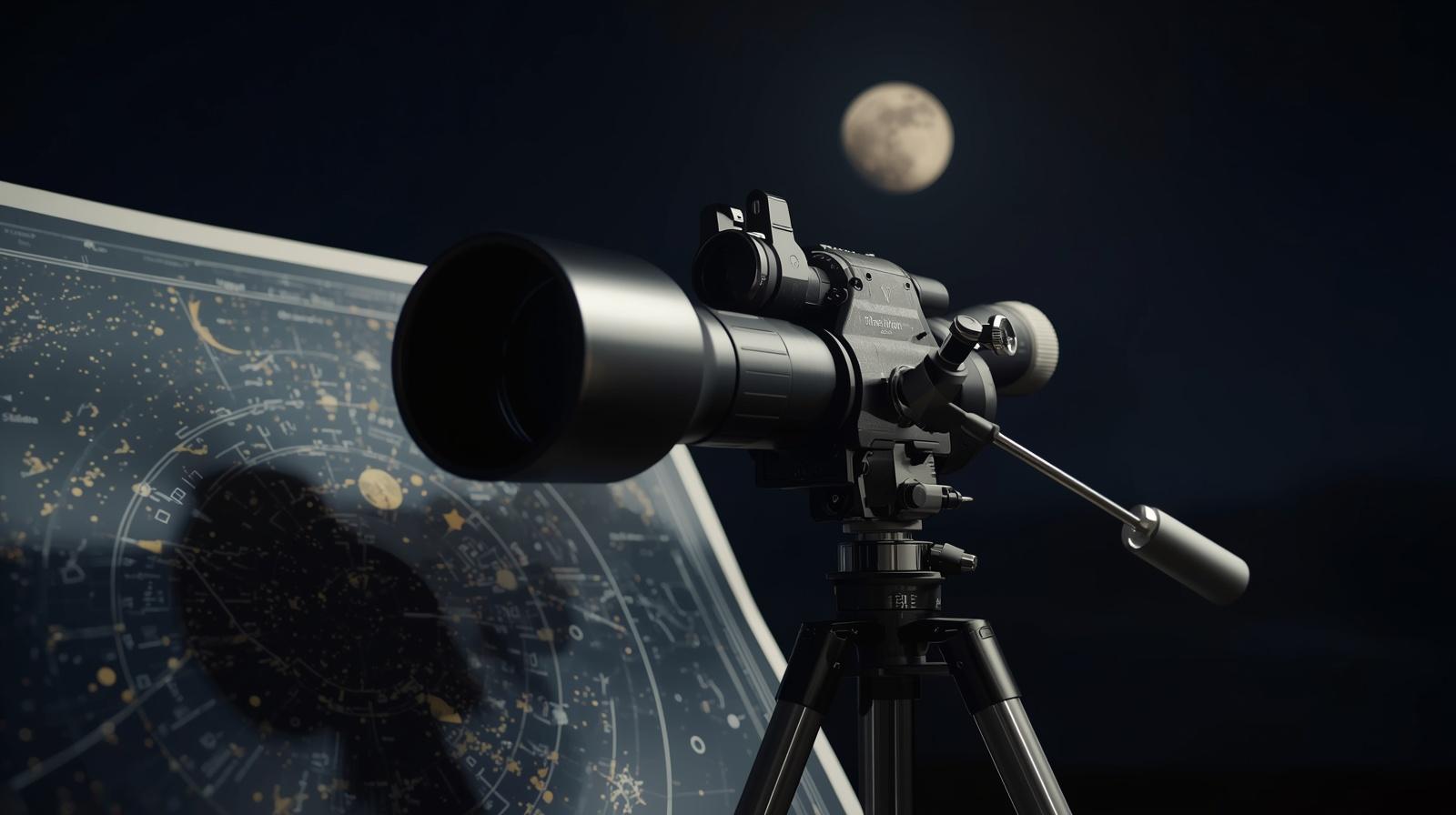
2) Celestron SkyMaster Pro ED 20×80: best premium Celestron stargazing binocular
This is the one you buy when you already know you enjoy binocular astronomy and you’re tired of pretending a cheaper pair will scratch the same itch.
The SkyMaster Pro ED 20×80 brings together the features serious observers actually notice: ED glass, fully multi-coated XLT optics, BaK-4 prisms, waterproof IPX7 construction, nitrogen purging, built-in tripod integration on a balance compensation rail, and eyepieces threaded for 1.25-inch astronomy filters. Official specs list 20x magnification, 80mm aperture, 3.4° field of view, 4mm exit pupil, and a weight of 3492g. Celestron also notes Red Dot Design Award recognition in 2024 and Good Design Award recognition in 2023.
In practice, this is where Celestron’s binocular line starts to feel truly refined. Lunar views gain obvious bite. Bright clusters look denser. The step up from standard coatings to the Pro ED treatment is not imaginary, especially if you observe often enough to care about contrast, edge cleanliness, and mechanical confidence.
Why I recommend it
- Best premium Celestron binocular for dedicated night-sky use
- Clear optical and build upgrade over standard SkyMaster models
- Filter-threaded eyepieces are genuinely useful for astronomy tinkerers
- Better long-session instrument than the cheaper big-aperture options
Pros
- ED glass and XLT coatings
- Waterproof, nitrogen-filled body
- Built-in tripod/balance system
- Strong lunar and bright deep-sky performance
Cons
- Heavy, and I mean actually heavy
- Not a casual handheld option
- Price moves it out of beginner impulse territory
If you want a full breakdown of this model’s strengths, weaknesses, and real-world value, check [Celestron SkyMaster 20×80 Review (2026): Is It Worth It?].
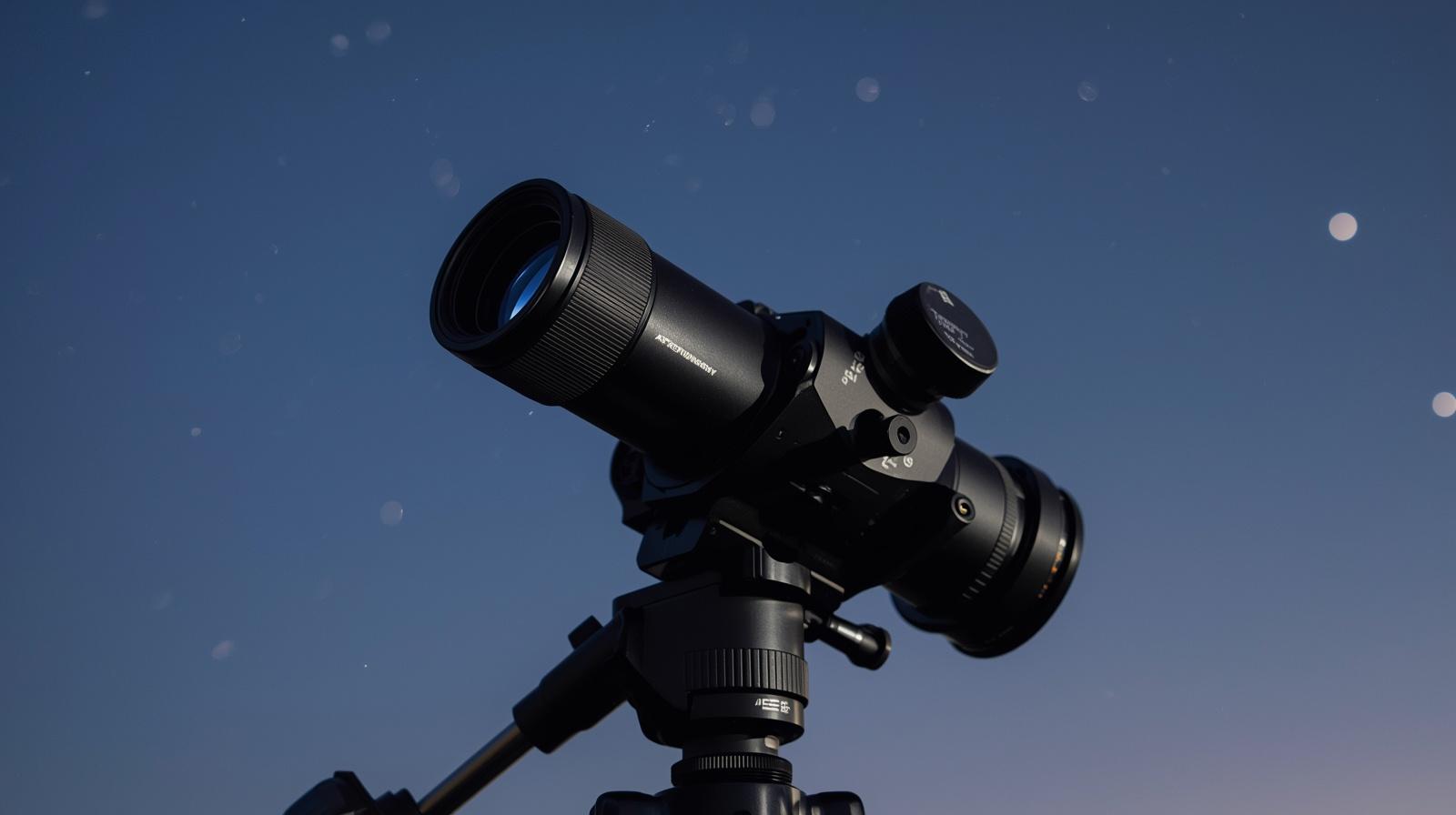
3) Celestron Nature DX ED 10×50: best all-rounder for sky and daytime use
This is not the best dedicated astronomy binocular in Celestron’s catalog. It’s the best choice for readers who want one binocular to justify itself all year.
The Nature DX ED 10×50 gives you 10x magnification, 50mm objectives, a 5.9° field of view, 5mm exit pupil, 17.8mm eye relief, tripod adaptability, fully multi-coated optics, phase-coated BaK-4 prisms, ED glass, waterproofing, nitrogen purging, and a weight of just 806g. That is dramatically lighter than the big SkyMasters.
That lighter build changes behavior. You carry it more. You use it more. You’re more likely to grab it for a quick scan of Jupiter, the Moon, the Pleiades, or a summer Milky Way sweep from the backyard, then use the same binocular for birds, travel, or sports. For many readers, that practicality beats owning a larger astro binocular that lives in a closet until guilt sets in.
Why I recommend it
- Best for mixed-use buyers
- Good handheld comfort
- Better optical refinement than cheap general-use binoculars
- Works for stargazing without forcing a fully astronomy-only setup
Pros
- Much lighter than large-aperture astro binoculars
- ED glass helps in low-light and improves image cleanliness
- Waterproof and more travel-friendly
- Easy recommendation for readers not ready for giant porros
Cons
- Doesn’t give the same “wow, that’s a lot of sky” punch as 15×70 or 20×80
- Less raw reach on lunar and deep-sky targets
- Daytime-first design philosophy is still obvious
For readers who want a slightly brighter all-rounder with 56mm objectives, the standard Nature DX 10×56 is also worth a look, with a 5.6mm exit pupil, 6.0° field of view, and waterproof, phase-coated roof-prism design.
Other Celestron binoculars worth considering
SkyMaster 12×60
This is the sleeper pick in the range. Official specs show 12x magnification, 60mm objectives, 5.3° field, 5mm exit pupil, and 1111g weight. That combination makes it friendlier than a lot of buyers expect. If the 15×70 sounds a little too jumpy, bulky, or commitment-heavy, the 12×60 is a smart middle ground.
SkyMaster 20×80
Still a strong value model if you know you’ll mount it. You get 20x, 80mm, 3.7° field, 4mm exit pupil, and an integrated tripod rod, but you give up waterproofing and the nicer Pro-level build. Good choice for balcony users and readers who want reach before refinement.
SkyMaster 25×70
This one is tempting because the price is usually attractive for 25x power, but the official specs also show the tradeoffs clearly: 2.7° field of view, 2.8mm exit pupil, and 13mm eye relief. I like it better as a second bino for experienced tripod users than as a first purchase.
SkyMaster Pro 15×70
If you love the idea of the standard 15×70 but want a more weather-ready, sturdier version with XLT coatings, waterproofing, nitrogen fill, and the reflex-sight-ready rail, this is the grown-up upgrade.
If you’re torn between the classic larger-format sizes, this head-to-head will help: [Celestron 20×80 vs 25×70 Binoculars: Which One Should You Buy?].
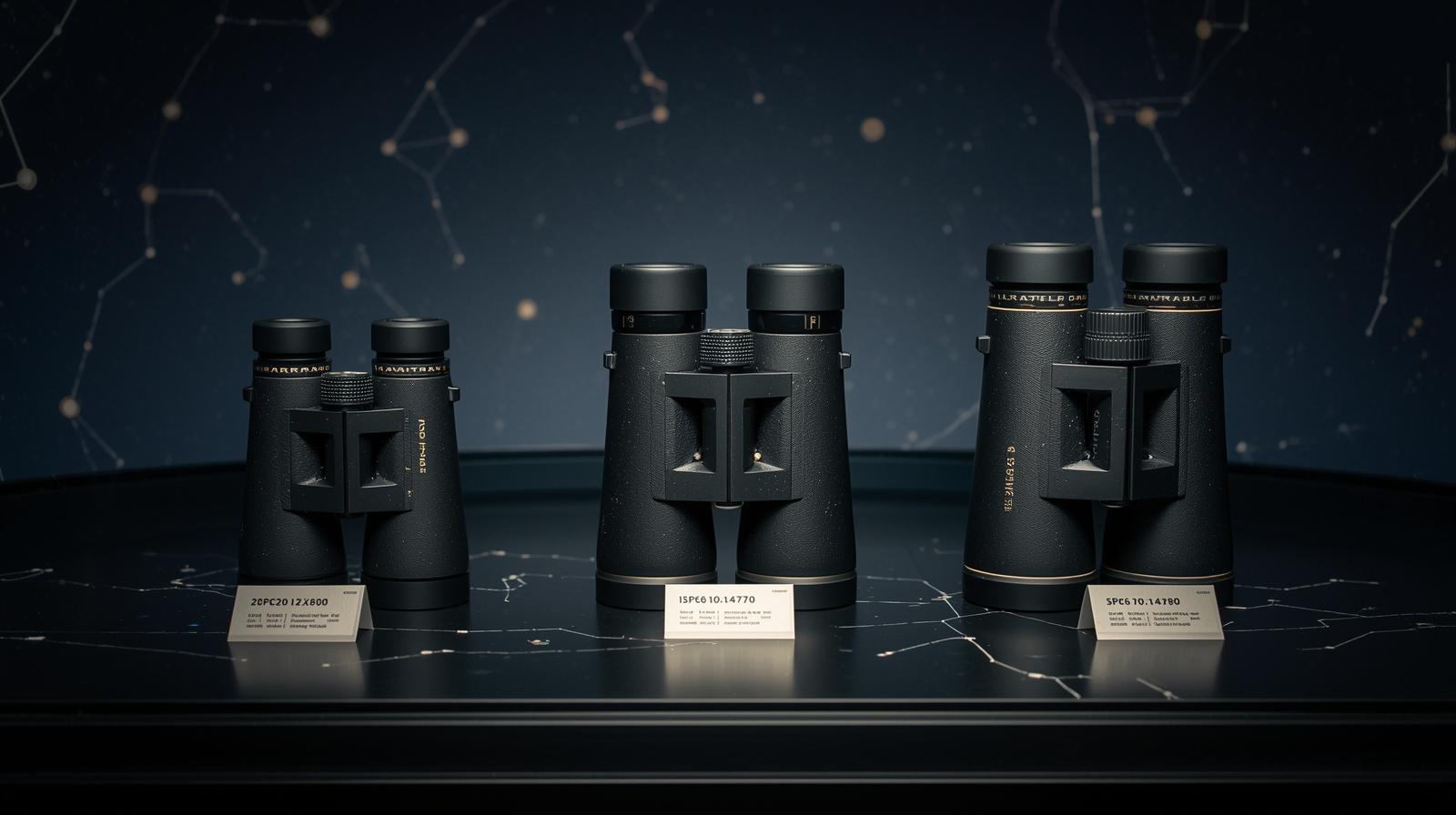
SkyMaster vs Nature DX: which Celestron line should you buy?
| If you are this kind of buyer… | Buy this line | Why |
|---|---|---|
| You want maximum astronomy value per dollar | SkyMaster | Larger apertures and higher magnification dominate the entry-level astronomy conversation |
| You want better weather sealing and better mechanics | SkyMaster Pro / Pro ED | Waterproofing, nitrogen fill, better coatings, sturdier mounting solutions |
| You want one binocular for birds, travel, and occasional sky use | Nature DX / Nature DX ED | Lighter roof-prism bodies, waterproof design, easier daytime portability |
| You hate tripods and want quick handheld sessions | Nature DX ED 10×50 or SkyMaster 12×60 | Better comfort and more forgiving use than the heavier 20×80-class models |
| You mainly observe from dark skies with a tripod | SkyMaster 15×70, Pro 15×70, or Pro ED 20×80 | These are the sweet spots for immersive binocular astronomy |
The line distinction is backed up by Celestron’s own positioning: SkyMaster and SkyMaster Pro/Pro ED are marketed around large-aperture, long-range, low-light and astronomy use, while Nature DX models are framed as serious outdoor binoculars with lighter, waterproof roof-prism bodies.
Real-world buying scenarios ✨
“I’m new, I have suburban skies, and I don’t want to overspend.”
Buy the SkyMaster 15×70 if you’re serious about astronomy, or the SkyMaster 12×60 if you want an easier first step. The 15×70 gives the more dramatic upgrade. The 12×60 gives the easier learning curve.
“I want one binocular for camping, travel, birds, and occasional stargazing.”
Buy the Nature DX ED 10×50. This is the easiest no-regret choice for a mixed-use buyer. You’ll actually carry it, which matters more than internet bragging rights.
“I already know I like astronomy and I want something that feels like a real instrument.”
Buy the SkyMaster Pro ED 20×80. Mounted, patient, dark-sky use is where it earns its price.
“I only observe from a balcony or tripod in the backyard.”
The standard SkyMaster 20×80 is a very rational choice. Big aperture, real reach, less money than the premium tiers.
“I want to sweep wide star fields, not chase magnification.”
Consider the SkyMaster Pro ED 7×50. Its official 7.8° field of view, 6.4mm exit pupil, and 20.8mm eye relief make it a true comfort-first sky sweeper, especially for darker skies.
If you’re just getting started, read [How to Use Binoculars for Stargazing (Beginner-Friendly Guide)] to make your first stargazing sessions easier.
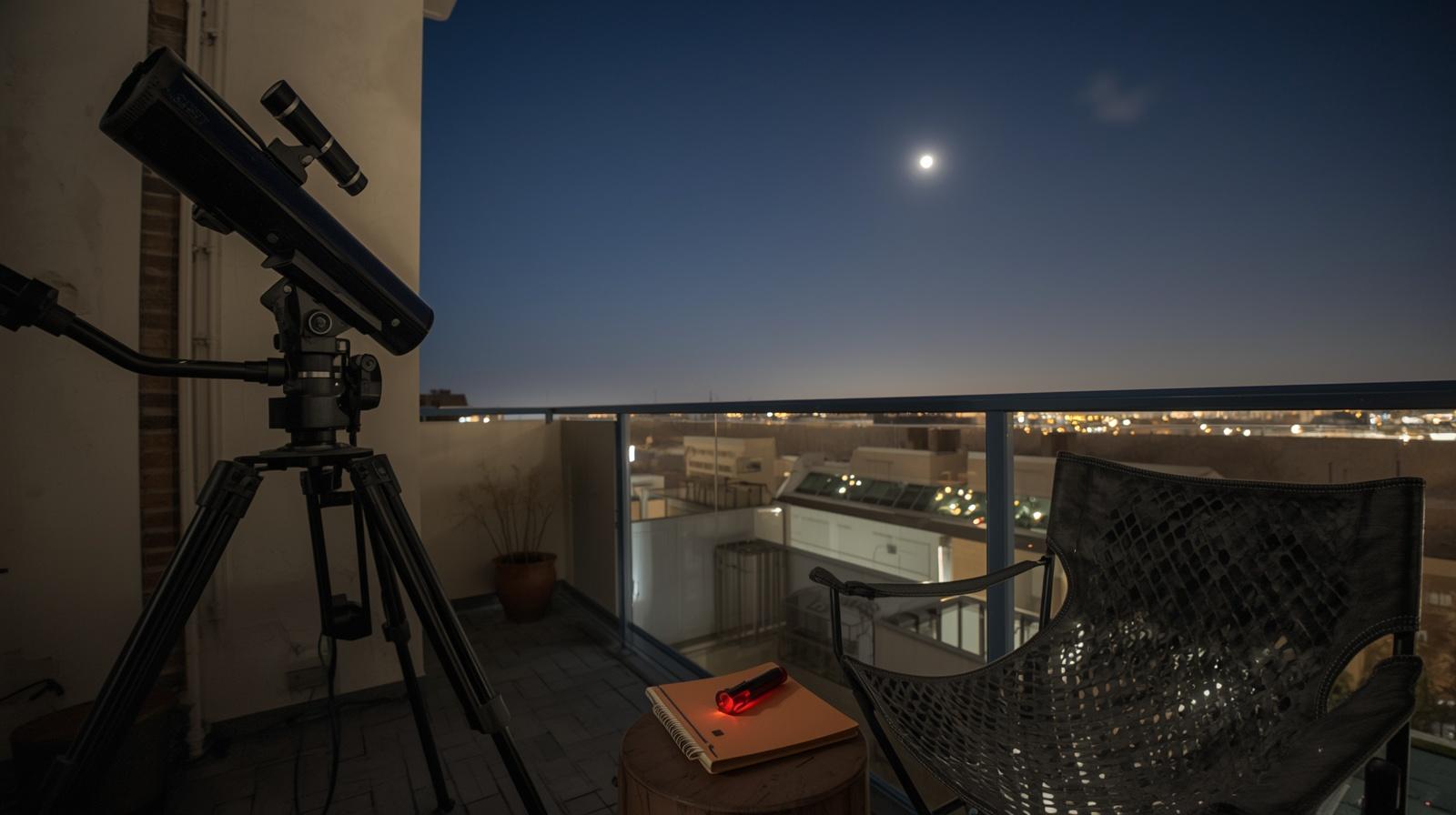
What can you realistically see with Celestron stargazing binoculars?
A good binocular article should tell you this plainly: binoculars are not telescopes, and that’s fine. They win on comfort, simplicity, wide-field immersion, and the feeling of seeing the sky as a landscape instead of a target.
With the right Celestron binocular, you can expect:
- rich lunar views, especially with 15×70 and 20×80 class models
- bright star clusters like the Pleiades and Beehive to look excellent
- large Milky Way sweeps on clear, moonless nights
- Jupiter as a tiny bright disk, with its moons visible in binoculars
- Saturn as a tiny object, sometimes looking slightly non-stellar or oval in binoculars, but not a dramatic telescope-style ring show
That last point matters because buyers constantly overestimate what binoculars do on planets. They’re wonderful for orientation, conjunctions, lunar context, and bright-sky targets. They are not ring-and-band-detail machines.
If you want a more realistic breakdown of what to expect from binoculars on planets, read [Are Celestron Binoculars Good for Seeing Planets? (Real Answer)].
Common mistakes people make when buying Celestron binoculars for astronomy
Buying too much magnification too early
The 25×70 looks exciting on paper. In practice, beginners often enjoy a 15×70 or 12×60 more because the view feels easier and more relaxed. Official spec differences in field of view and exit pupil explain why.
Ignoring tripod cost
Celestron and Sky & Telescope both make the stabilization point clear in different ways: steadier views matter. Large binoculars reward mounting more than many buyers expect.
Buying a dedicated astronomy bino when you really want a travel bino
If your real life includes trips, wildlife, road travel, and quick evening sky scans, don’t force yourself into an 80mm beast. The Nature DX ED 10×50 exists for a reason.
Forgetting comfort
Sky & Telescope specifically notes that looking high overhead with binoculars can be hard on the neck, and even mentions a zero-gravity chair as a comfort booster for larger hand-held binoculars like Celestron 15x70s. That sounds small until you spend 45 minutes pointed at Cygnus and begin resenting your skeleton.
If you’re considering a mounted setup for better stability and comfort, read [Best Tripod for Celestron Binoculars (2026 Buyer’s Guide)].
FAQs: Best Celestron binoculars for stargazing
What is the best Celestron binocular for stargazing overall?
For most buyers, it’s the Celestron SkyMaster 15×70. It hits the best balance of aperture, magnification, field of view, price, and real-world usability in the current lineup.
Are Nature DX binoculars good for stargazing?
Yes, especially the Nature DX ED 10×50 and Nature DX 10×56 / 12×56 if you want a mixed-use binocular. They are not as astronomy-focused as SkyMaster models, but they are lighter, waterproof, and easier to use for daytime activities too.
Is SkyMaster better than Nature DX for astronomy?
For dedicated astronomy, yes. SkyMaster models offer larger apertures and are purpose-built around low-light, long-distance, and astronomical use. Nature DX is better if you want portability and dual-use flexibility.
Is 20×80 too much for a beginner?
Not if you’re comfortable using a tripod. If you want handheld flexibility or a simpler learning curve, 15×70 or 12×60 is usually the better starting point. Celestron’s own specs show the 20×80’s narrower field and heavier form factor, which explain why it feels more demanding.
Can you see planets with Celestron binoculars?
You can see bright planets, conjunctions, and Jupiter’s moons, and you may detect Jupiter as a tiny disk. But binoculars are not the right tool if your main goal is detailed planetary viewing.
Which Celestron binocular is best for both birding and stargazing?
The Nature DX ED 10×50 is the most balanced answer. It stays useful in daylight, travels well, and still offers a very respectable night-sky experience.
Final verdict
If you want the cleanest answer, here it is:
- Buy the SkyMaster 15×70 if you want the best Celestron binocular for stargazing for most people.
- Buy the SkyMaster Pro ED 20×80 if you want the best premium Celestron binocular for serious mounted observing.
- Buy the Nature DX ED 10×50 if you want one binocular that handles both the sky and the rest of your life.
That’s the page in one breath. The rest is just deciding whether you’re a wide-field wanderer, a tripod loyalist, or someone trying to justify a binocular purchase as “multi-purpose” so your cart feels responsible.
For more expert optics advice, detailed binocular comparisons, and buyer-focused guides, visit [BestBinocular.net].




