
Introduction: Start Your Journey Into the Stars with Confidence
Looking up at the night sky has always filled humans with wonder. The moon glowing softly, stars scattered like diamonds, and planets moving silently across space — all of this can feel magical. If you’re new to stargazing, you might think you need an expensive telescope to begin. But the truth is, the best binoculars for astronomy beginners are often the smartest and easiest way to start.
Binoculars are simple to use, affordable, portable, and powerful enough to show you the moon’s craters, star clusters, and even some distant galaxies. For beginners, they offer a gentle and exciting entry into astronomy without complicated setup or technical learning.
In this complete guide, we’ll explain why binoculars are perfect for beginners, what features matter most, and review the best stargazing binoculars that are beginner-friendly, budget-friendly, and enjoyable to use.
Why Binoculars Are Perfect for Astronomy Beginners
Many beginners make the mistake of jumping straight into telescopes. While telescopes are amazing, they can also be heavy, confusing, and expensive. Binoculars remove all that stress and let you focus on what matters — enjoying the sky.
Easy to Use from Day One
Binoculars don’t need assembly, alignment, or power. You simply pick them up, focus, and start observing. This makes beginner binoculars for stargazing ideal for people who want instant results without frustration.
Wide View of the Sky
Unlike telescopes that zoom in very tightly, binoculars show a wide section of the sky. This makes it easier to find stars, constellations, and planets. Beginners often enjoy this wider view because it feels more natural and less confusing.
Affordable Entry into Astronomy
Good astronomy binoculars cost far less than telescopes. There are many affordable binoculars for astronomy that offer excellent performance without breaking the bank.
Portable and Travel-Friendly
Binoculars are lightweight and easy to carry. You can use them in your backyard, on a rooftop, or even while traveling. This flexibility makes astronomy more accessible and fun.
What to Look for in Binoculars for Astronomy Beginners
Choosing the right binoculars is important. The wrong size or magnification can make stargazing difficult. Here are the most important features beginners should focus on.
Magnification: Keep It Simple
For astronomy beginners, 7x to 10x magnification is ideal.
- 7x magnification gives a steady image and wide field of view
- 10x magnification shows more detail but may shake more
Higher magnification is not always better. Too much zoom makes stars harder to keep in view. This is why 7×50 astronomy binoculars are so popular for beginners.
Objective Lens Size: Let the Light In
The second number in binoculars (like 7×50) refers to the objective lens size in millimeters.
- Larger lenses collect more light
- More light = brighter stars and clearer objects
For astronomy, 50mm lenses are excellent because they allow you to see faint stars and deep-sky objects more clearly.
Image Brightness and Clarity
Astronomy is all about light. Look for binoculars with:
- Multi-coated lenses
- Good light transmission
- Clear, sharp edges
These features help stars appear brighter and more defined instead of dull or blurry.
Comfort and Stability
You’ll often be looking up for long periods. Comfortable binoculars with:
- Smooth focus wheel
- Rubber grip
- Balanced weight
will make stargazing more enjoyable and less tiring.
Durability and Build Quality
Beginner binoculars should be sturdy enough to handle outdoor use. A solid build ensures your binoculars last for years as your interest in astronomy grows.
Comparison Table – Best Binoculars for Astronomy Beginners
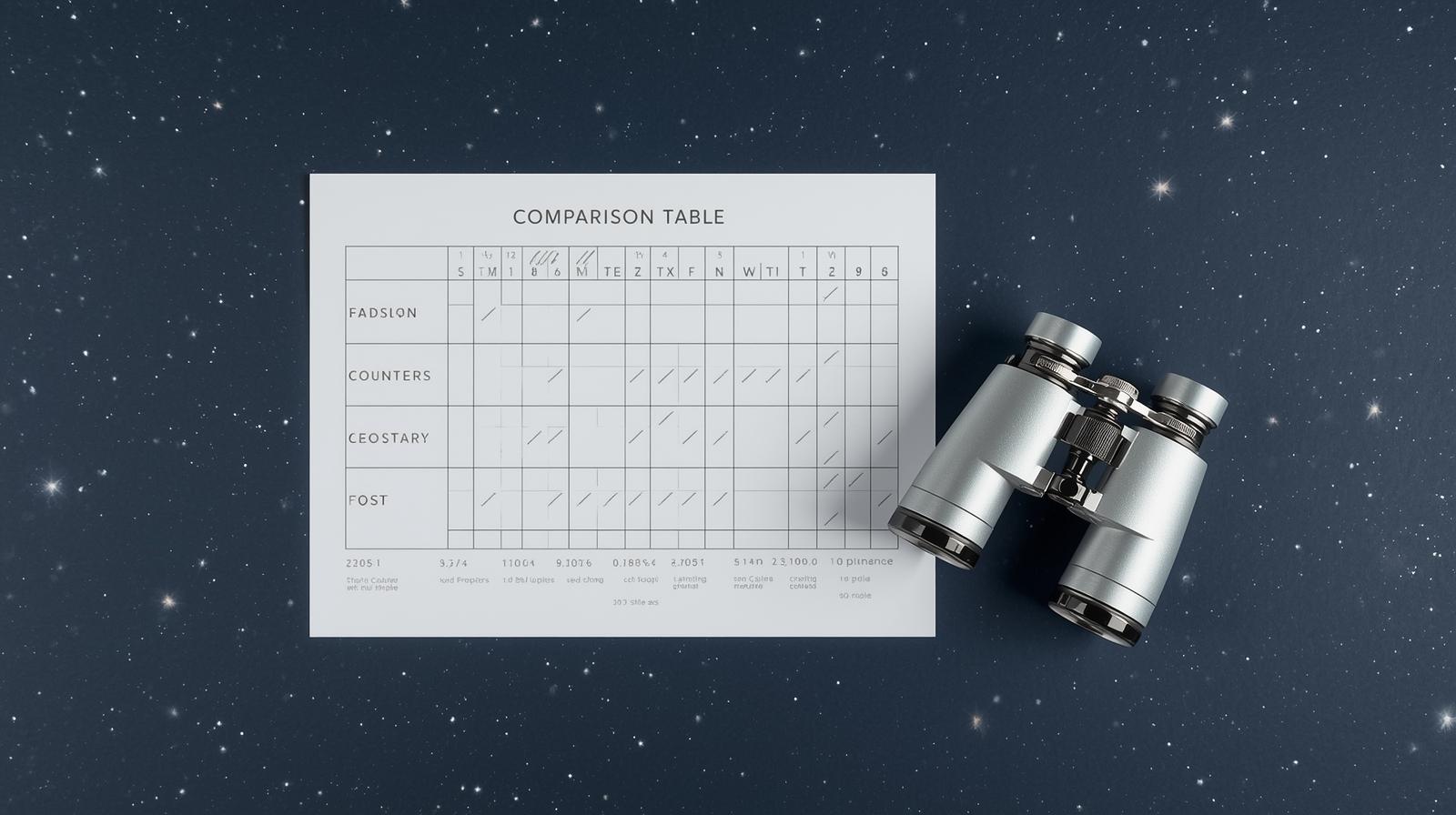
| Model | Key Features | Pros | Cons | Rating |
|---|---|---|---|---|
| Celestron Cometron 7×50 | 7x magnification, 50mm lenses | Bright views, wide field, perfect for beginners | Larger size | ★★★★★ (4.8/5) |
| Nikon ACULON A30 10×25 | 10x magnification, compact | Lightweight, portable | Smaller lenses, less light | ★★★★☆ (4.5/5) |
| SkyGenius 10×50 | 10x magnification, 50mm lenses | Detailed views, good value | Heavier | ★★★★☆ (4.6/5) |
Top Picks: Best Binoculars for Astronomy Beginners
1. Celestron Cometron 7×50 – Best Overall for Beginners
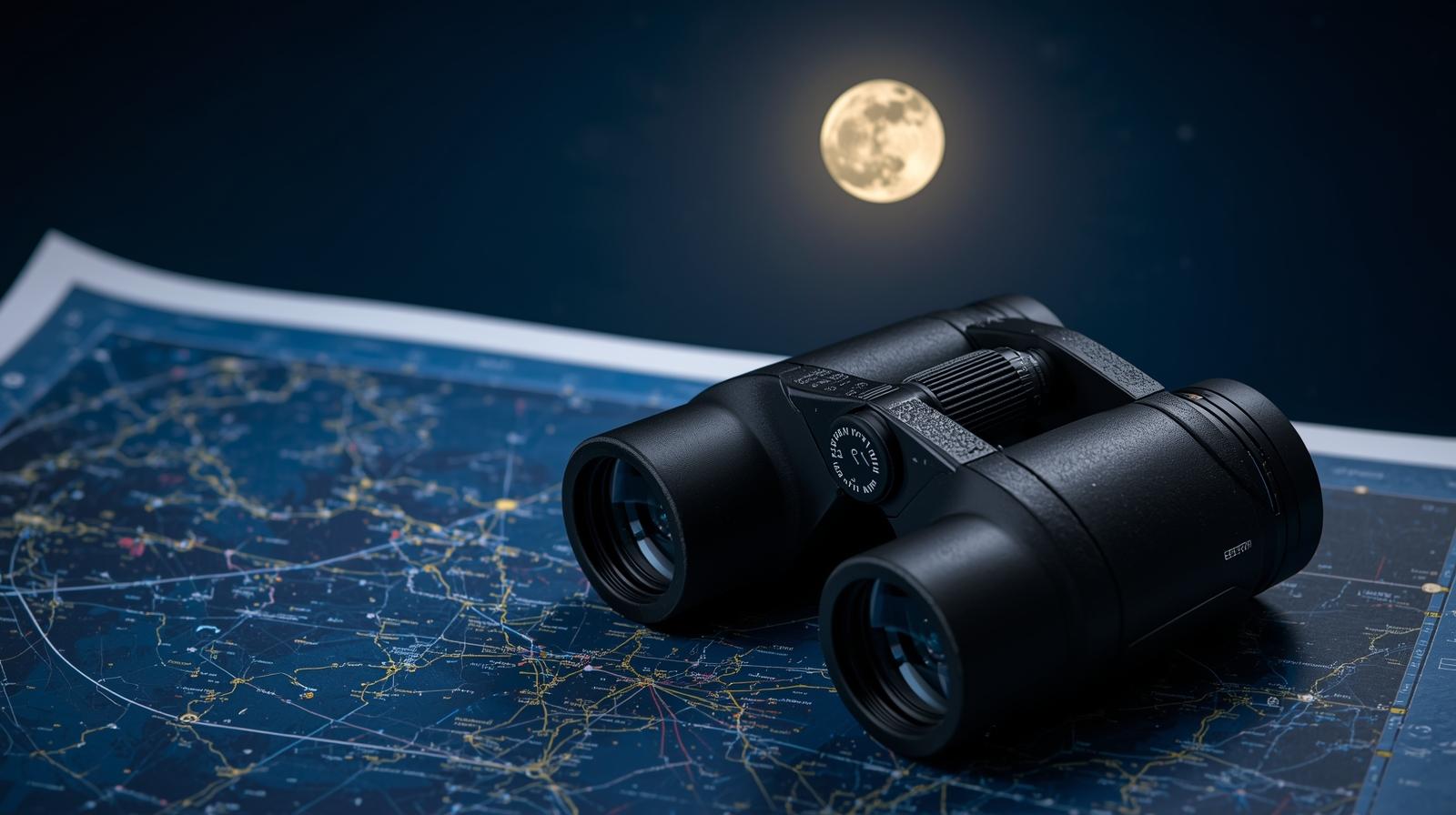
The Celestron Cometron 7×50 Astronomy Binoculars are often recommended as the best starting point for beginners — and for good reason.
Key Features
- 7x magnification for steady viewing
- Large 50mm lenses for bright images
- Wide field of view for easy star tracking
Pros
- Very bright and clear night sky views
- Easy to use with minimal shaking
- Excellent for moon, star clusters, and Milky Way
Cons
- Slightly larger than compact binoculars
- Not pocket-friendly
Why We Recommend It
If you want the best binoculars for astronomy beginners, this model offers the perfect balance of brightness, stability, and ease of use.
2. Nikon ACULON A30 10×25 – Best Compact Option for Casual Stargazing
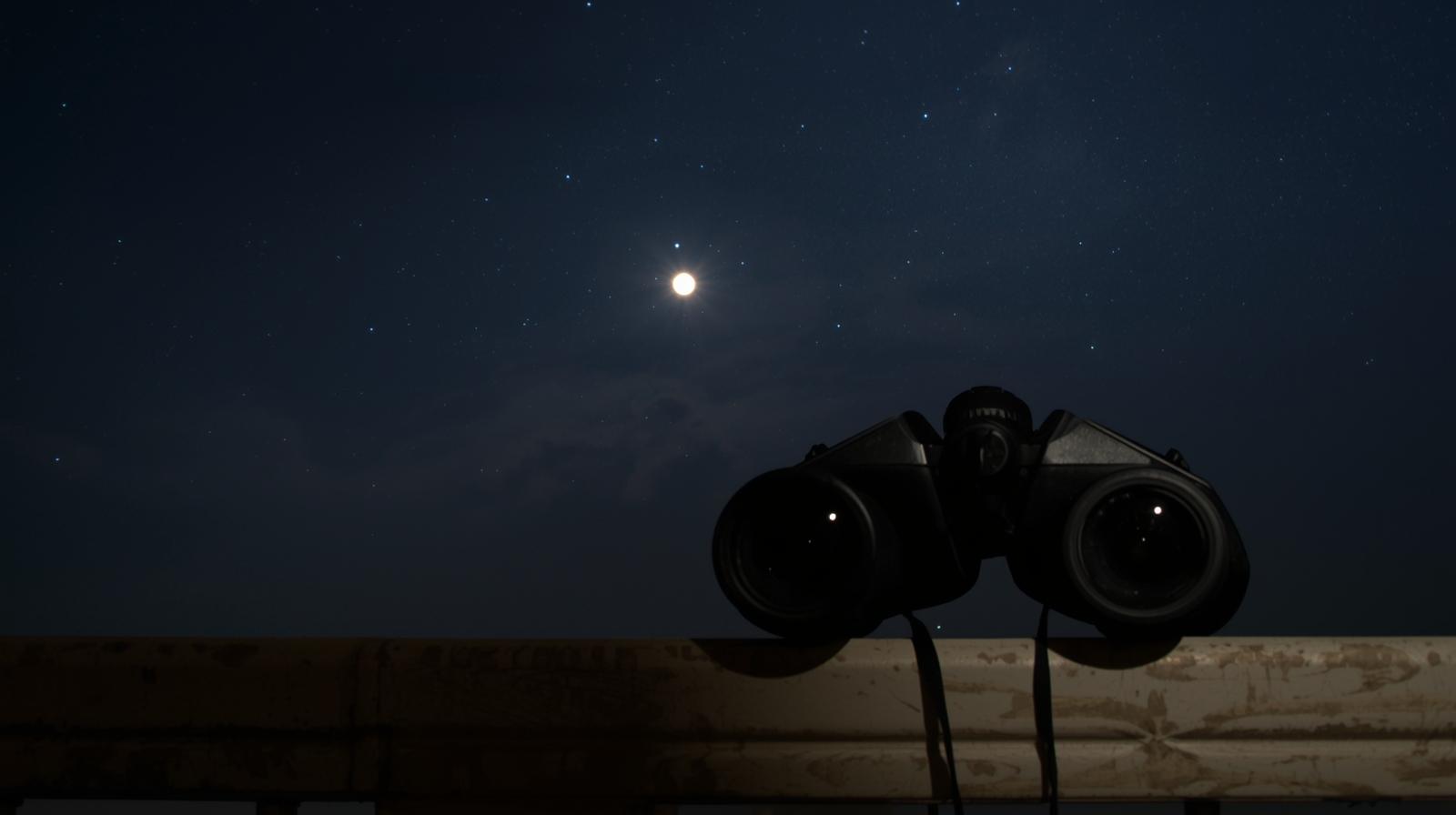
The Nikon ACULON A30 10×25 binoculars are ideal for beginners who want something lightweight and travel-friendly.
Key Features
- 10x magnification
- Compact and lightweight design
- Simple focus system
Pros
- Easy to carry anywhere
- Good for moon viewing and brighter objects
- Affordable and beginner-friendly
Cons
- Smaller lenses limit faint star visibility
- Not ideal for deep-sky objects
Why We Recommend It
Perfect for casual beginners who want to enjoy the night sky without carrying heavy equipment.
3. SkyGenius 10×50 – Best for Detailed Stargazing on a Budget
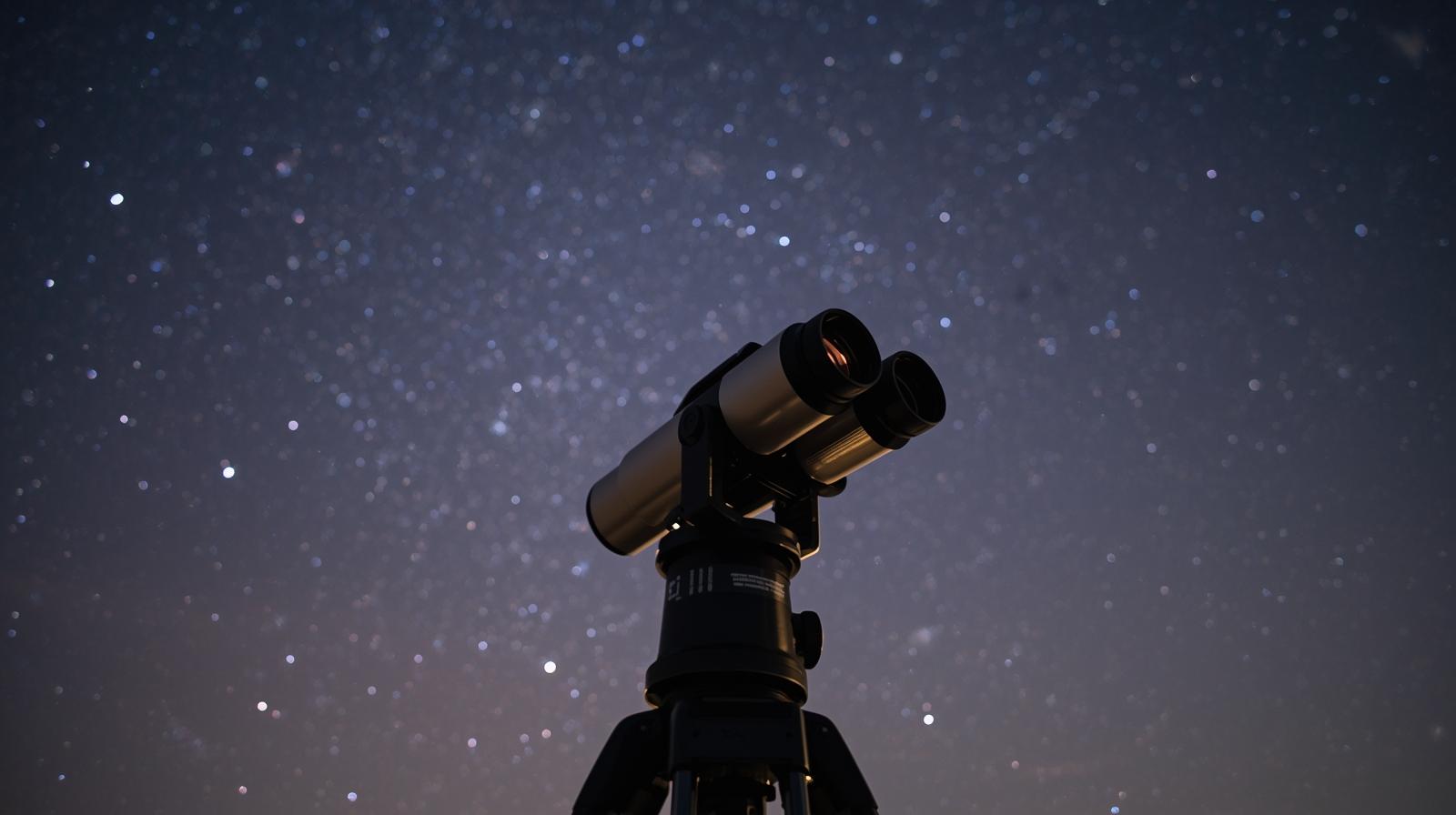
The SkyGenius 10×50 Compact Binoculars offer powerful performance at a reasonable price, making them a strong option for beginners ready for more detail.
Key Features
- 10x magnification
- 50mm objective lenses
- Good low-light performance
Pros
- Brighter and more detailed views
- Great value for money
- Suitable for deep-sky objects
Cons
- Heavier than 7×50 models
- May benefit from tripod use
Why We Recommend It
Ideal for beginners who want to explore deeper into the night sky without spending too much.
What Can You See with Astronomy Binoculars?
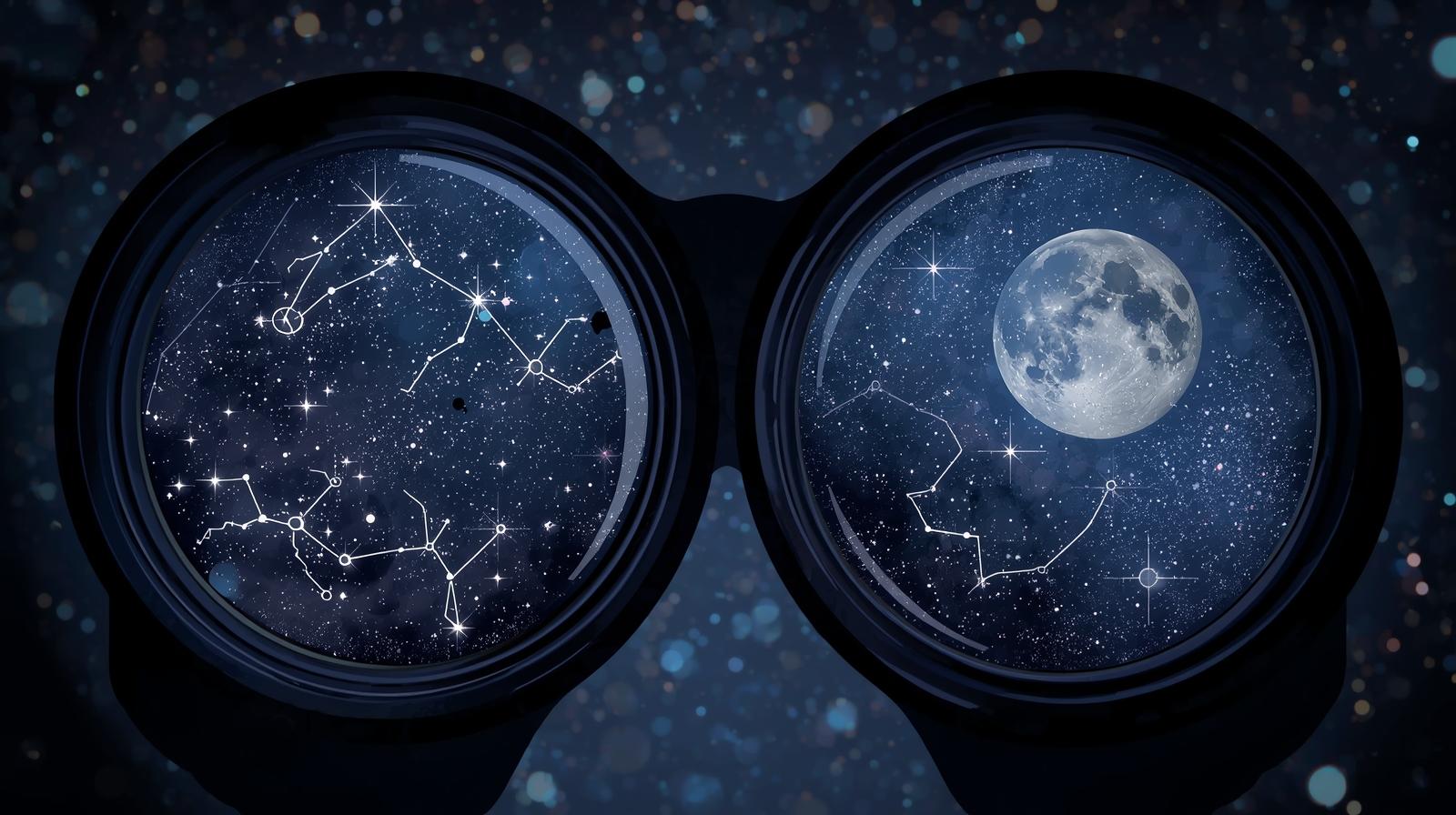
With the right binoculars, beginners can observe:
- Moon craters and shadows
- Jupiter’s moons
- Star clusters like the Pleiades
- The Milky Way
- Bright nebulae
Binoculars help you learn the sky naturally, building confidence before moving to advanced equipment.
Tips for Beginner Stargazers
- Start with the moon — it’s bright and easy
- Use a star map or mobile app
- Lie back or use a chair for comfort
- Avoid city lights when possible
- Be patient — your eyes adjust over time
Final Verdict: Which Binoculars Should Beginners Choose?
- Best Overall: Celestron Cometron 7×50
- Best Compact: Nikon ACULON A30 10×25
- Best Value for Detail: SkyGenius 10×50
Each of these offers a great starting point depending on your needs, space, and budget.
Related Posts
- Best Binoculars for Stargazing
- Best Budget Binoculars for Beginners
- Binoculars vs Telescope for Beginners
Start Exploring the Night Sky Today!
👉 You don’t need expensive gear to enjoy astronomy. Choose the best binoculars for astronomy beginners and start discovering the universe tonight.
FAQs – Best Binoculars for Astronomy Beginners
Are binoculars better than telescopes for beginners?
Yes, binoculars are easier to use, cheaper, and more beginner-friendly.
What binocular size is best for astronomy beginners?
7×50 is the most recommended size for beginners.
Can I see planets with binoculars?
Yes, especially the moon and Jupiter’s moons.
Do I need a tripod?
Not always, but it helps with heavier binoculars.
Are expensive binoculars necessary?
No. Many affordable binoculars offer excellent astronomy performance.




