
Celestron 20×80 vs 25×70 Binoculars: Why This Comparison Matters Before You Buy
If you are stuck between Celestron 20×80 vs 25×70 binoculars, you are asking the right question.
On paper, both look like big-aperture, budget-friendly astronomy binoculars from the Celestron SkyMaster series. Both promise bright views, both are popular with beginners moving beyond small handheld binoculars, and both seem close enough that choosing one can feel annoying.
But in real use, they do not feel the same.
The 25×70 gives you more reach and a stronger “pull things closer” effect. The 20×80 gives you a brighter, more relaxed image and is often the better buy for people who care about comfort over long sessions. That sounds simple, but the better choice depends on how you actually plan to use them: backyard stargazing, tripod-based moon watching, long-distance terrestrial viewing, or occasional deep-sky scanning.
So let’s make this easy. 👍
This guide breaks down the real-world differences between Celestron SkyMaster 20×80 and 25×70 binoculars, who each one suits, what mistakes buyers make, and which one you should actually buy based on your use case.
For a wider shortlist before you commit, check Best Celestron Binoculars for Stargazing (2026 Guide).
Quick answer: which one should most people buy?
Here is the fast recommendation:
- Buy the Celestron 20×80 if you want a brighter, easier, more forgiving binocular for astronomy and longer sessions.
- Buy the Celestron 25×70 if you want more magnification, mainly observe from a tripod, and care more about reach than comfort.
If you are still on the fence, I would lean 20×80 for most buyers.
Why? Because many people shopping this comparison think they want “more power,” but later realize that brightness, steadiness, and eye comfort matter more than chasing extra magnification. That is especially true with budget giant binoculars.
Celestron 20×80 vs 25×70 at a glance
| Feature | Celestron SkyMaster 20×80 | Celestron SkyMaster 25×70 |
|---|---|---|
| Magnification | 20x | 25x |
| Objective lens size | 80mm | 70mm |
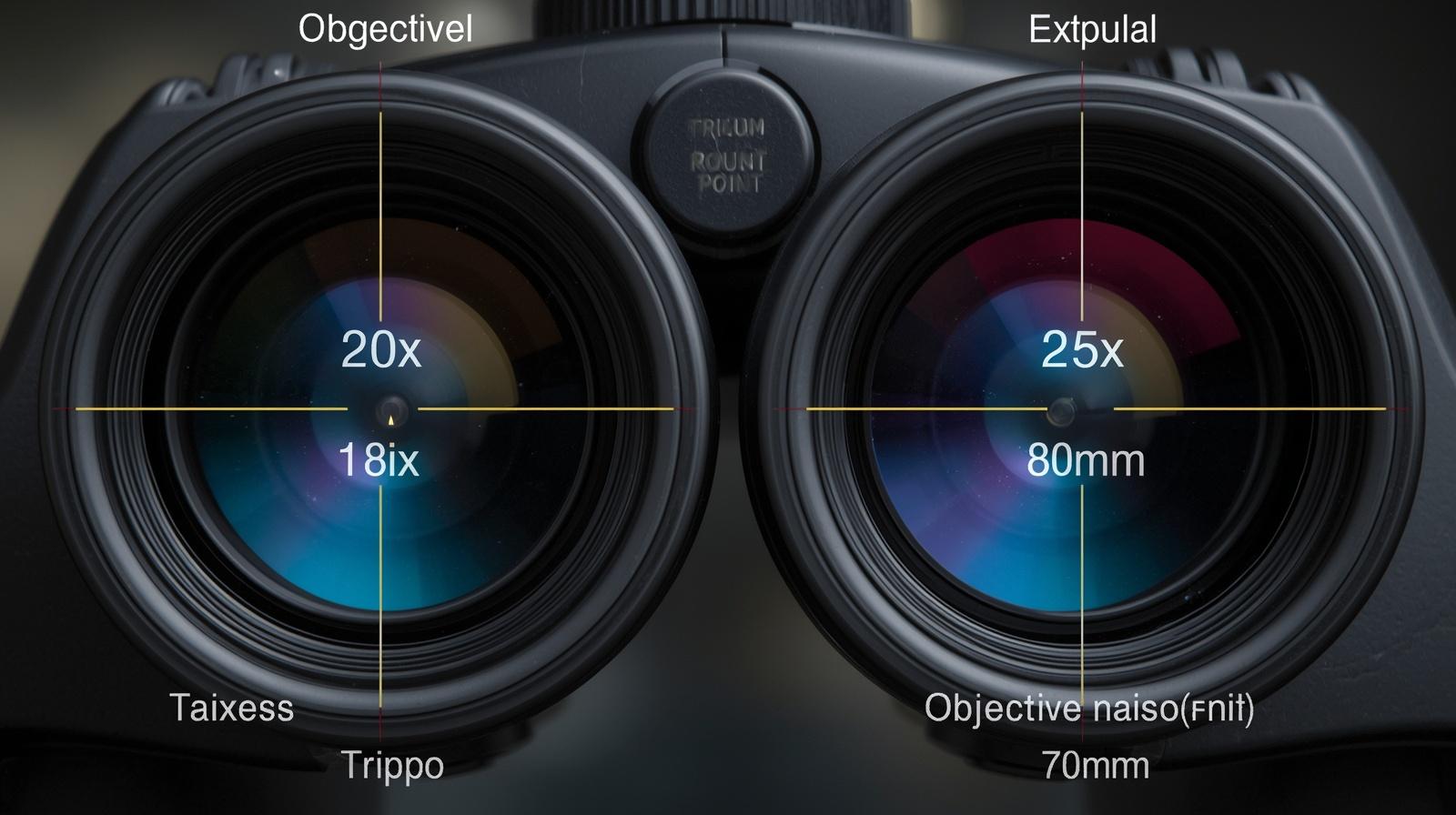
| Exit pupil | 4mm | 2.8mm |
| Best use | Bright astronomy views, scanning, longer sessions | More reach for moon, distant targets, tighter framing |
| Ease of viewing | Easier | Less forgiving |
| Tripod need | Yes | Absolutely yes |
| Low-light performance | Better | Good, but dimmer |
| Handheld use | Not realistic | Not realistic |
| Best for beginners | Usually yes | Only if they accept the tradeoffs |
That exit pupil difference matters more than many buying guides admit.
A 20×80 gives you a 4mm exit pupil, which usually translates into a brighter, more comfortable image in actual night-sky use. The 25×70, with a 2.8mm exit pupil, can look sharper on some targets because of the higher power, but it also looks dimmer and feels less relaxed.
In plain English: the 25×70 often gives more “wow” at first glance, while the 20×80 is often the one you end up enjoying more over an entire session.
Why this comparison confuses buyers
The specs mess with people.
A lot of buyers think like this:
- 25x is more powerful, so it must be better
- 80mm is larger, so it must be way brighter
- They are both in the same SkyMaster family, so performance should be nearly identical
Not quite.
The SkyMaster series is popular because it gives a lot of aperture for the money, but once you move into these larger models, the experience becomes more dependent on mounting, eye placement, observing habits, and expectations.
That is why this comparison is not really about “which spec wins.” It is about which compromises bother you less.
If you are new to big astronomy binoculars, also read How to Use Binoculars for Stargazing (Beginner-Friendly Guide). It will save you from some very predictable frustration.
Real-world viewing: what changes when you actually use them?
The 20×80 experience
The Celestron SkyMaster 20×80 feels like a classic giant astronomy binocular. It is large, it wants a tripod, and once mounted properly, it gives a nice balance of scale and brightness.
This is the one I would choose for:
- sweeping star fields
- brighter deep-sky objects
- moon watching without pushing magnification too hard
- longer observing sessions where eye fatigue matters
The view usually feels more open and easier to settle into. You are not fighting the optics as much. Small mount vibrations are still annoying, but they are less punishing than with 25x.
The 25×70 experience
The Celestron SkyMaster 25×70 is more of a specialist. It is for the buyer who really wants that extra reach and is okay with the fact that the image is less bright and less forgiving.
This is the one I would choose for:
- looking a little closer at the moon
- distant ridge lines, buildings, ships, or static terrestrial targets
- buyers who prefer tighter framing over wider, brighter scanning
- people who already know they are tripod users
The 25×70 can feel more impressive in short bursts, especially if you are looking at high-contrast targets. But if your tripod is mediocre, your chair angle is awkward, or your eyes do not line up quickly, it gets tiring faster.
That is the part many affiliate articles skip.
Brightness and low-light performance
This is where the 20×80 quietly wins.
In night-sky observing, brightness is not just about objective size in isolation. It is about how magnification and aperture work together. The 20×80’s larger 80mm objectives paired with 20x magnification create a view that tends to feel brighter and easier on the eyes than the 25×70.
That matters for:
- star clusters
- scanning the Milky Way
- extended observing sessions
- suburban astronomy where faint objects already struggle
The 25×70 is not bad in low light. It is just more demanding. If your expectation is “more power = automatically better night view,” you may end up disappointed.
For planet-specific expectations, read Are Celestron Binoculars Good for Seeing Planets? (Real Answer). A lot of buyers expect giant binoculars to act like telescopes, and that is where regret starts.
Sharpness, detail, and the magnification question
Now the other side.
Yes, the 25×70 can show a bit more detail on certain targets because of the higher magnification. The moon is the obvious example. Distant terrestrial subjects also benefit when atmospheric conditions are decent and your tripod setup is solid.
But there is a catch: usable detail is not just about magnification.
If the image is dimmer, shakier, or harder to hold comfortably, that extra magnification does not always turn into more enjoyable viewing. It can just turn into more fiddling.
That is why the 20×80 often feels like the better-balanced instrument, while the 25×70 feels more situational.
Comfort, mounting, and session length
Here is the honest truth: neither of these is a casual grab-and-go binocular.
Both are large. Both really want support. Both become annoying if paired with a weak tripod.
And the bigger mistake buyers make? They spend all their budget on the binocular and almost nothing on the mount.
Common mounting mistake
People buy a giant SkyMaster, put it on a light photo tripod, then blame the binocular for shaky performance.
That is not a fair test.
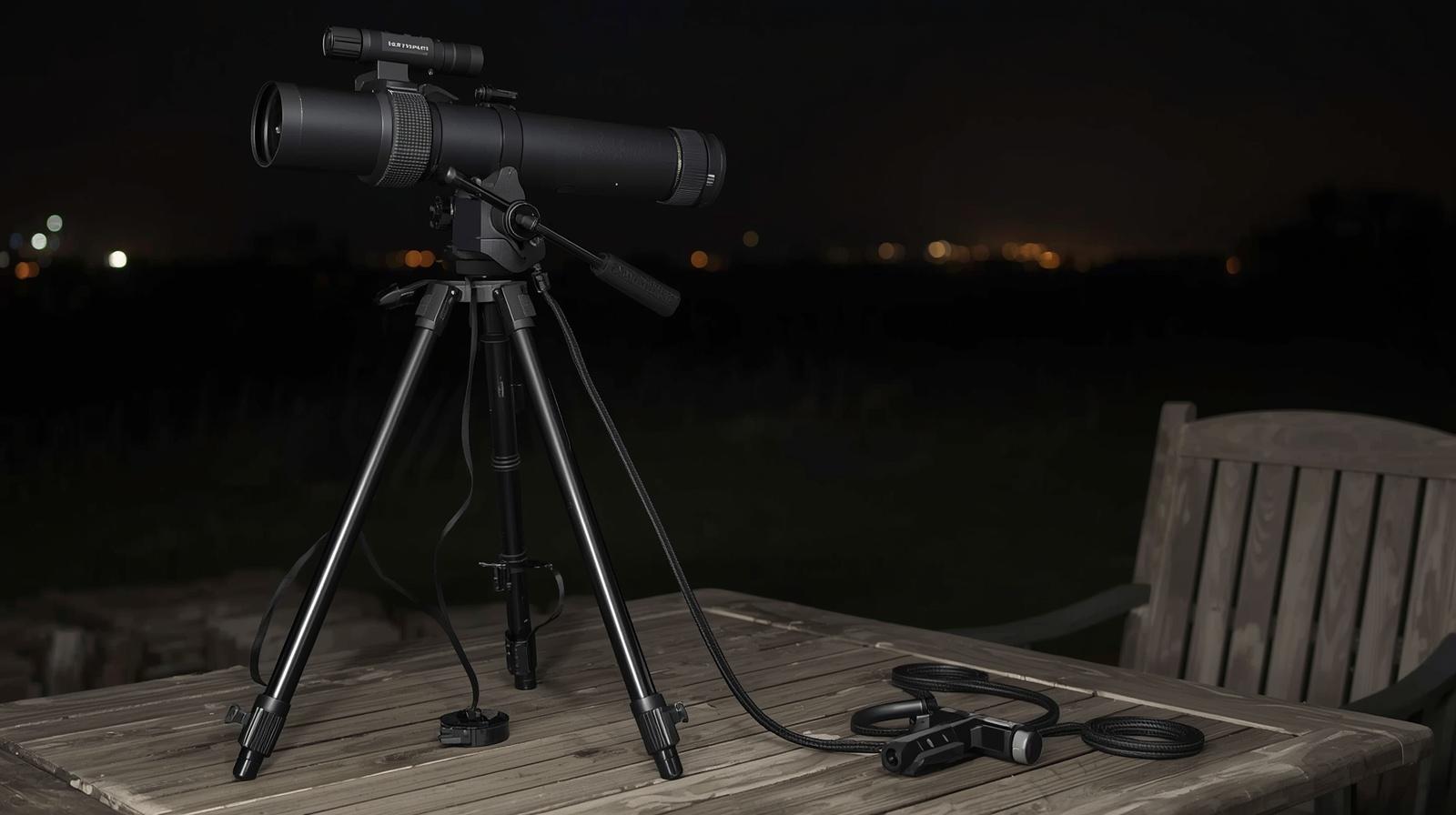
If you buy either model, especially the 25×70, read Best Tripod for Celestron Binoculars (2026 Buyer’s Guide) before checkout. A stable tripod and a usable head matter almost as much as the binocular itself.
Pros and cons of each model
Celestron SkyMaster 20×80 pros
- Brighter image for astronomy
- Easier eye placement than 25×70
- Better for longer viewing sessions
- More forgiving of minor tripod vibration
- Excellent value for wide, immersive night-sky use
Celestron SkyMaster 20×80 cons
- Still bulky and not handheld
- Less reach than 25×70
- Requires a decent mount to perform well
- Large size can discourage casual use
Celestron SkyMaster 25×70 pros
- More magnification for moon and distant targets
- Tighter framing can feel more dramatic
- Slightly more appealing if you prioritize reach
- Good value for buyers who know they want 25x
Celestron SkyMaster 25×70 cons
- Dimmer, less relaxed image
- More sensitive to shake
- Less forgiving eye placement
- Can be less enjoyable for long astronomy sessions
- Often chosen for the wrong reason: chasing magnification
Which one should you buy for your use case?
Buy the 20×80 if you are mainly stargazing
This is the safer recommendation for most astronomy-first buyers.
If your idea of fun is taking a chair outside, scanning constellations, watching the moon, and enjoying brighter sky views without fighting the binocular all night, the 20×80 is the better fit.
Buy the 25×70 if you mostly want more reach
If you already accept that tripod use is mandatory and you want a more zoomed-in look at distant subjects, the 25×70 makes sense.
This buyer usually says things like:
- “I want more detail, not a wider feel.”
- “I mostly observe static targets.”
- “I do not mind fussier viewing.”
That is a narrower buyer profile, but it is real.
Buy neither if you want a mixed daytime + casual-use binocular
This is where a lot of people are shopping the wrong category.
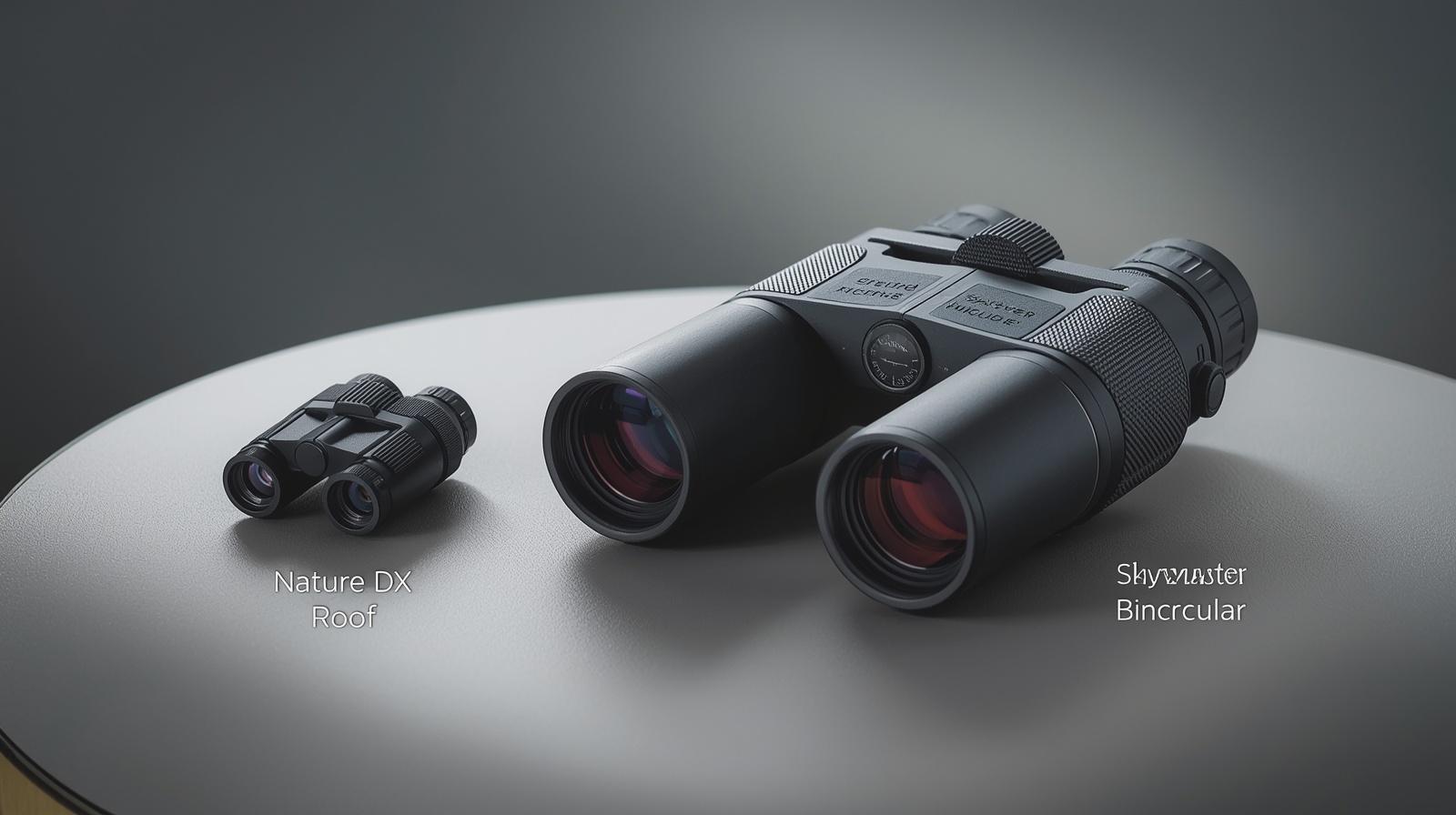
If you want something you can use for nature, travel, occasional moon viewing, and regular handheld use, giant SkyMaster binoculars are not the smart choice. You should be looking at something like the Celestron Nature DX series instead.
The Nature DX line is much better for flexible, real-life use where portability matters. SkyMaster is where you go when you have already accepted the size and support requirements.
One Celestron product worth recommending here
If you are leaning toward giant astronomy binoculars and want the more balanced option, the Celestron SkyMaster 20×80 is the one I would recommend first.
Not because it is perfect. It is not.
I recommend it because it matches what most buyers actually enjoy after the excitement of the spec sheet wears off. It is the more sensible buy for night-sky use, and it usually gives fewer “I thought this would be easier” moments than the 25×70.
Buyer tips before you order
1. Budget for the tripod first, not last
A giant binocular without a stable tripod is a half-finished purchase.
2. Do not buy 25x just because it sounds more serious
This is probably the biggest mistake in the entire comparison.
3. Be honest about your observing style
If you observe in short sessions and mostly want moon detail, 25×70 is fine. If you want longer, more relaxed sky sessions, 20×80 is usually better.
4. Think about storage and setup friction
Large binoculars that take effort to mount often get used less than you expect.
5. Do not expect telescope-level planet views
Binoculars can show bright planets, but not in the way many beginners imagine. For a reality check, see Are Celestron Binoculars Good for Seeing Planets? (Real Answer).
Common mistakes people make with this comparison
- Buying based only on magnification
- Ignoring tripod quality
- Assuming both will work well handheld
- Expecting the 25×70 to be “better at everything”
- Choosing giant binoculars when they really needed a versatile Nature DX model
- Underestimating how much comfort affects viewing satisfaction
This sounds basic, but it matters: the best binocular is not the one with the more dramatic numbers. It is the one you will actually enjoy using on a real Tuesday night.
Final verdict: 20×80 vs 25×70
For most people, Celestron 20×80 wins.
It is the better-balanced buy. It gives a brighter image, feels easier to use, and suits the way most people actually stargaze with giant binoculars.
The 25×70 is still worth buying for the right person, but it is more niche. It is better for tripod-committed users who know they want extra magnification and are comfortable trading away some brightness and ease.
So here is the clean recommendation:
- Choose 20×80 for astronomy-first, longer, more comfortable viewing
- Choose 25×70 for more reach, more demanding viewing, and static distant targets
- Choose Nature DX instead if you want portability and all-around versatility
For more comparison-driven buying help, browse the latest guides on BestBinocular.net.
FAQs
What is better for stargazing, Celestron 20×80 or 25×70?
For most people, the Celestron 20×80 is better for stargazing because it offers a brighter and more comfortable image. It is usually easier to enjoy for longer sessions, especially when scanning star fields and brighter deep-sky objects.
Is the Celestron 25×70 sharper than the 20×80?
The 25×70 can show more apparent detail on some targets because of the higher magnification, especially the moon and distant terrestrial objects. But that does not automatically make it the better binocular overall. Comfort, brightness, and tripod stability still matter.
Can you use Celestron 20×80 or 25×70 binoculars without a tripod?
You can technically hold them for a moment, but in practical use, both models should be considered tripod binoculars. The 25×70 especially becomes frustrating without stable support.
Are Celestron SkyMaster binoculars good for planets?
They can show bright planets as points of light and may reveal limited detail contextually, but they do not replace a telescope for planetary viewing. For a full explanation, read Are Celestron Binoculars Good for Seeing Planets? (Real Answer).
Should I buy SkyMaster or Nature DX?
Buy SkyMaster if your main goal is mounted astronomy and large-aperture viewing. Buy Nature DX if you want a lighter, more versatile binocular for daytime use, travel, wildlife observation, and occasional sky viewing.




