
What’s the Best Magnification for Stargazing Binoculars?
If you’re shopping for stargazing binoculars, the obvious trap is thinking more magnification automatically means better views. It sounds logical. It also gets a lot of people stuck with shaky, heavy binoculars they use twice and then leave in a cupboard.
For most people, the best magnification for stargazing binoculars is 10x if you want a handheld, beginner-friendly setup, 15x if you want a more serious astronomy-focused view and are willing to use support, and 20x only if you already accept that a tripod is part of the package. That lines up with current astronomy buying guidance and the way Celestron’s own lineup is structured across the Nature DX and SkyMaster ranges.
That’s the short answer. The better answer is that magnification only matters when it matches the way you’ll actually observe. A person scanning the Milky Way from a lawn chair needs something very different from someone trying to squeeze more detail out of the Moon from a tripod on a balcony.
The quick answer: which magnification is best?
| Magnification | Best for | What it feels like in real use |
|---|---|---|
| 7x to 8x | Wide-field sky scanning | Very easy to hold, relaxed views, less reach on smaller targets |
| 10x | Best overall for most beginners | The sweet spot between reach, brightness, and hand-holdability |
| 12x | Best middle ground | Noticeably more detail than 10x, but shake starts to matter |
| 15x | Best for serious binocular astronomy | Excellent jump in detail, but support becomes very helpful |
| 20x+ | Best for mounted observing only | Impressive Moon and deep-sky views, but not casual or forgiving |
If you only want one safe buying direction, 10×50 remains the most dependable entry point, while 15×70 is where binocular astronomy starts to feel more immersive and less like “just looking up with stronger eyes.” Current astronomy guides still treat 10×50 as the practical handheld ceiling for most adults, and 15×70 as a size that really benefits from mounting.
Why magnification alone is a bad way to choose binoculars
Magnification gets the attention, but it doesn’t work alone. Every time you raise magnification, you usually give up something else: image steadiness, field of view, or ease of use. That tradeoff is why the “best magnification” question has no one-number answer.
The first thing to understand is exit pupil, which is your objective lens diameter divided by magnification. A 10×50 binocular gives you a 5mm exit pupil. A 15×70 gives you about 4.7mm. An 8×42 gives you 5.25mm. Bigger exit pupils generally make low-light viewing feel easier and brighter, which matters under the night sky. Nikon’s binocular guide still explains this the same way: larger exit pupils matter more in dark conditions, and the formula is straightforward.
The second thing is shake. Under the stars, even tiny hand tremors make detail disappear. Sky & Telescope flat-out warns that once you go above 10x, steady handheld viewing gets difficult without support. That matches real use. On paper, 12x or 15x sounds like a small step up. Against the sky, it can feel like the difference between “nice” and “why is everything wobbling?”
The third thing is field of view. Higher magnification usually narrows the slice of sky you can see at once. That matters more than many buyers expect. Beginners often enjoy binocular astronomy most when they can frame star fields, clusters, and bright constellations comfortably rather than constantly hunting through a tight tunnel of sky.
Best magnification range for different stargazing styles
8x: best for relaxed, wide-field sky watching
An 8x binocular is underrated for astronomy because people obsess over reach. But for casual use, 8x is easy, forgiving, and fun. You can sweep large areas of sky, follow star patterns naturally, and spend longer observing without arm fatigue.
This is especially good if your idea of stargazing is lying back and scanning the Milky Way, the Pleiades, or big star fields rather than trying to push as much detail as possible out of the Moon. An 8×42 in the Nature DX style also makes sense if you want one pair for daytime use and occasional astronomy.
The downside is simple: 8x can start to feel limited once you want tighter views of craters, open clusters, or bright deep-sky targets. You see more sky, but less detail per target.
10x: the best overall magnification for most people 🌌
For most buyers, 10x is the sweet spot.
This is where you get a real jump over casual binoculars without turning the experience into a balancing act. A 10×50 setup gives you stronger reach than 8x, keeps a healthy 5mm exit pupil, and is still manageable by hand for most adults. BBC Sky at Night still describes 10×50 as an ideal entry-level astronomy format and the maximum magnification and aperture many people can comfortably hold by hand.
In Celestron’s range, the Nature DX 10×50 sits right in this zone. Celestron positions it as an all-around model with fully multi-coated optics, phase-coated BaK-4 prisms, waterproof construction, and 10x magnification with 50mm objectives that are still light enough to use without a tripod.
Real-world use case: if you live in a city, observe from a terrace, and want one binocular that can handle the Moon, brighter clusters, occasional comet spotting, and daytime use, 10x is usually the most sensible answer. It’s the least likely choice to annoy you later.
12x: the underrated middle ground
A lot of buyers jump straight from 10x to 15x in their heads, but 12x deserves more attention.
It gives you a noticeable increase in reach over 10x without immediately becoming as demanding as 15x or 20x. This is the magnification for someone who already knows they want a bit more sky detail, but still values portability and flexibility.
Celestron has two interesting examples here. The Nature DX 12×56 is designed as a more versatile roof-prism option, while the SkyMaster 12×60 pushes more directly toward low-light and stargazing use with larger porro-prism objectives. Celestron describes the Nature DX 12×56 as balancing performance and ease of use, and the SkyMaster 12×60 as a stargazing-friendly model with BaK-4 prisms and larger objective lenses for low-light performance.
The catch is that 12x is where hand shake starts becoming much more noticeable in real use. Some people can manage it briefly. Many think they can until they actually point upward for ten minutes.
15x: the real sweet spot for dedicated binocular astronomy 🔭
If your question is not “What is easiest?” but “What magnification feels best for serious night-sky use before things get too extreme?”, my answer is 15x.
This is where the sky starts looking more dramatic. Open clusters look richer. The Moon feels closer and more textured. Bright nebula regions and dense star fields become more satisfying. You’re still in binocular territory, but the jump from 10x is obvious.
That’s exactly why the Celestron SkyMaster 15×70 has stayed such a relevant format. Celestron lists it with 15x magnification, 70mm objectives, a 4.7mm exit pupil, long eye relief, and an included tripod adapter. Astronomy guidance from Sky at Night also treats 15×70 as a format that really wants mounting, even if it can be handheld briefly.
20x and above: powerful, but not forgiving
A 20×80 sounds exciting because it is exciting. Mounted properly, it can give you more satisfying Moon views, better target separation, and a stronger “wow” factor on many bright night-sky objects than a 10×50 ever will.
But this is where marketing and ownership experience often split apart.
Celestron’s SkyMaster 20×80 is clearly positioned as a mounted binocular with its integrated tripod adapter rod and 20x magnification paired to 80mm objectives. That tells you everything important. It is not pretending to be casual.
If you are not willing to use a tripod, don’t buy 20×80 because you admire the numbers. Humans do this constantly with optics and then act betrayed by physics. The problem is not the binocular. It’s the fantasy that high magnification should somehow stay effortless.
Best magnification by observing goal
| Your main goal | Best magnification | Best fit in Celestron style |
|---|---|---|
| Casual stargazing and daytime use | 8x to 10x | Nature DX 8×42 or 10×50 |
| First serious astronomy binocular | 10x | Nature DX 10×50 |
| More detail without going huge | 12x | Nature DX 12×56 or SkyMaster 12×60 |
| Best value astronomy-focused upgrade | 15x | SkyMaster 15×70 |
| Mounted lunar and deep-sky viewing | 20x | SkyMaster 20×80 |
The real pattern here is simple: Nature DX makes more sense when versatility matters, while SkyMaster makes more sense when the night sky is the main event. Celestron’s current product pages support that divide pretty clearly through design, format, and intended use.
Nature DX vs SkyMaster: which series matches your magnification needs?
Choose Nature DX if:
- you want one binocular for both daytime and occasional astronomy
- you care about waterproofing, lighter weight, and easier portability
- you prefer 8x, 10x, or moderate 12x formats
- you don’t want your binoculars to demand a tripod every time
Choose SkyMaster if:
- your main goal is stargazing first
- you want larger objectives and stronger magnification
- you’re okay with bulkier porro-prism binoculars
- you understand that 15x and 20x are better with support
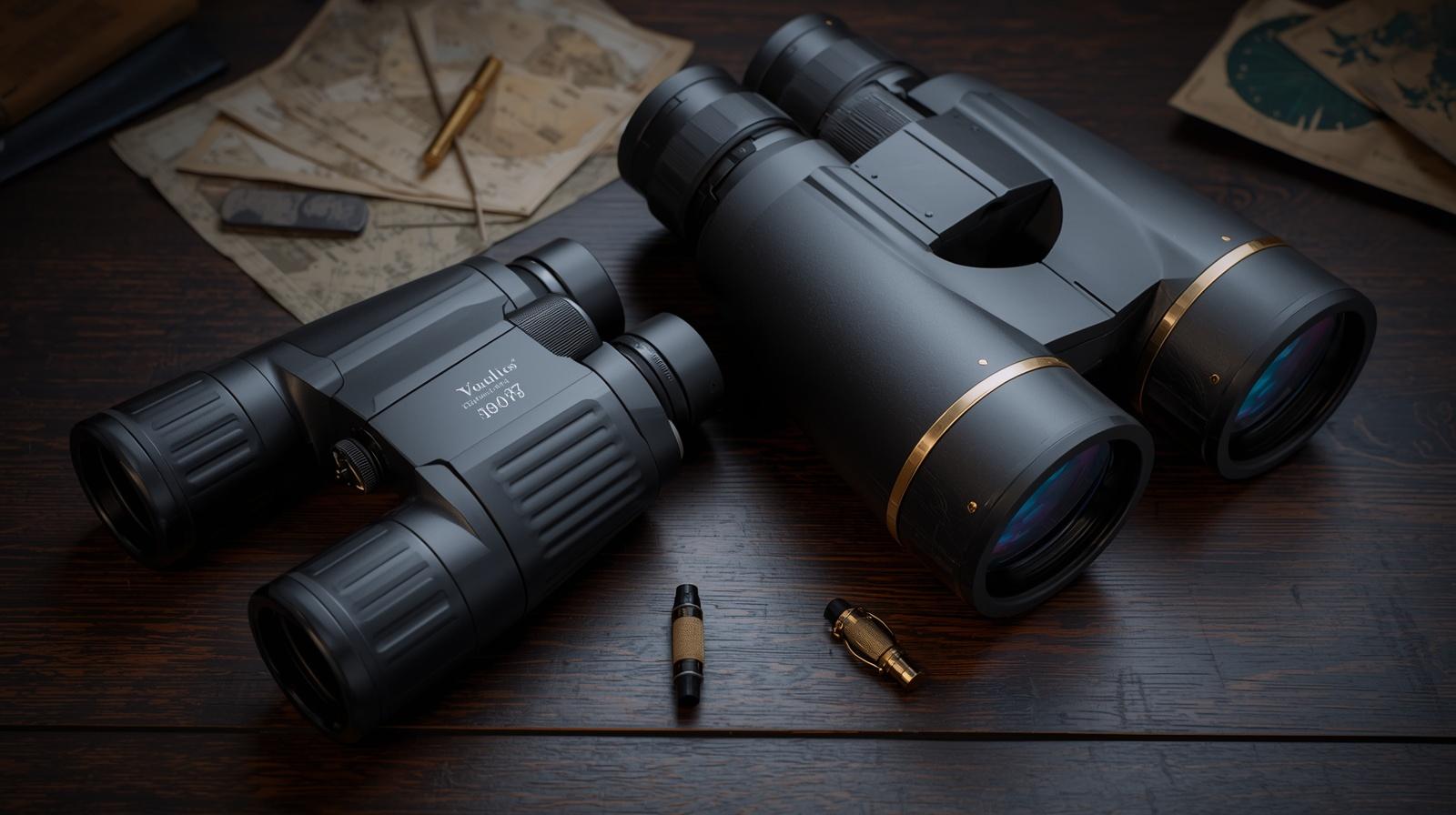
The current Nature DX line emphasizes fully multi-coated optics, phase-coated BaK-4 prisms, waterproofing, and multi-use outdoor performance. The SkyMaster line emphasizes large objectives, low-light brightness, and astronomy-friendly higher magnifications.
Common mistakes buyers make when choosing magnification
1. Buying 20x first because it “shows more”
Technically, yes. Practically, only if you stabilize it.
2. Ignoring mount costs
If you move into 15×70 or 20×80 territory, a tripod or mounting solution is not some optional luxury add-on. It changes the whole experience. Sky & Telescope explicitly notes that steadier mounting helps all binoculars and becomes crucial once magnification climbs.
3. Thinking brightness is only about lens size
An 80mm objective sounds brighter than 50mm, but magnification changes the equation. Exit pupil still matters. That’s why 10×50 remains such a respected format.
4. Choosing zoom binoculars
For astronomy, that usually ends badly. Sky & Telescope recommends avoiding zoom binoculars for night-sky use because good zoom eyepieces require a level of precision that cheaper models typically don’t deliver.
5. Underestimating comfort
The binocular you enjoy using for 30 minutes will beat the one you admire for 30 seconds.
More Celestron Binocular Guides Worth Reading
Thinking about a larger astronomy model? Check Celestron SkyMaster 20×80 Review (2026): Is It Worth It?.
Stuck between two large formats? See Celestron 20×80 vs 25×70 Binoculars: Which One Should You Buy?.
Want realistic expectations for planet viewing? Read Are Celestron Binoculars Good for Seeing Planets? (Real Answer).
For more buying tips and guides, visit BestBinocular.net.
FAQs: Best magnification for stargazing binoculars
Is 10×50 still the best beginner size for astronomy?
Yes. For most people, 10×50 is still the most balanced starting point because it combines usable reach, manageable shake, and a 5mm exit pupil that works well in the dark. That’s why it keeps showing up in astronomy guidance year after year.
Is 15×70 better than 10×50 for stargazing?
For pure astronomy, often yes. You get more detail and stronger target presentation. But it is less forgiving, heavier, and much more likely to benefit from a tripod. If you value ease and flexibility, 10×50 is still the smarter first buy.
Is 20×80 too much for beginners?
Usually, yes. Not because the view is bad, but because the setup becomes less casual. A 20×80 is better for someone who already accepts mounted observing as part of the hobby.
Is 12×56 a good compromise for astronomy?
Yes, especially if you want more reach than 10x without jumping fully into heavy 15×70 or 20×80 territory. Just be honest about your tolerance for handshake and arm fatigue.
Can binoculars show planets well?
They can show bright planets as distinct objects and may reveal things like Jupiter’s moons, but they are not the right tool for detailed planetary viewing. That’s exactly why the planet-specific article in this silo matters.
Final verdict
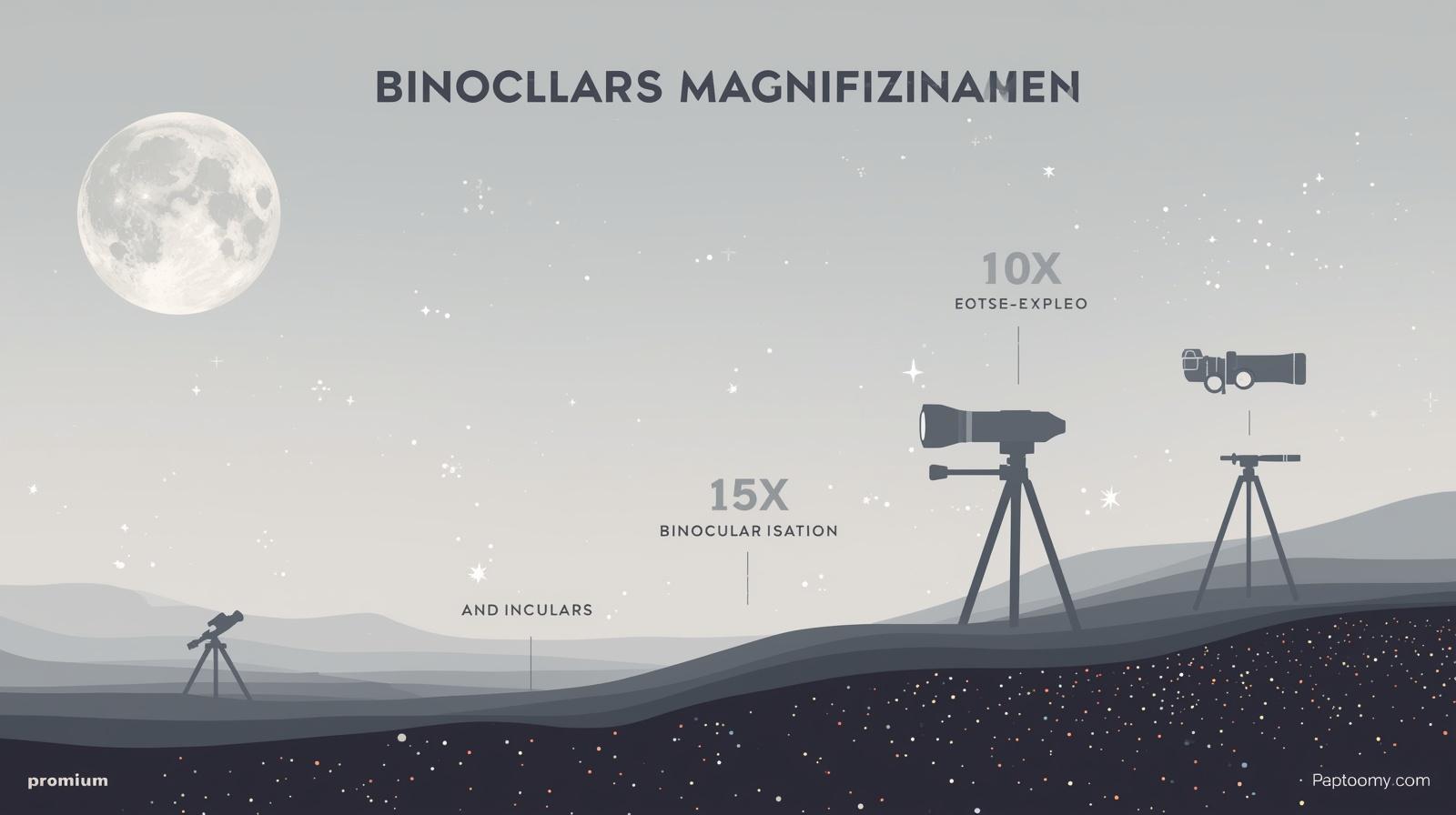
If you want the cleanest possible answer, here it is:
- Best handheld magnification for most people: 10x
- Best magnification for more serious binocular stargazing: 15x
- Best mounted high-power option: 20x
- Best magnification to avoid for your first buy unless you know what you’re doing: anything above 15x
For mixed-use buyers, a Nature DX-style 10×50 makes more sense. For people buying binoculars mainly to observe the night sky, the SkyMaster 15×70 is the smarter, more satisfying step up.
That’s the real trick with stargazing binoculars. The best magnification is not the biggest one. It’s the one you’ll actually enjoy using under the sky instead of resenting after the unboxing glow wears off.




