
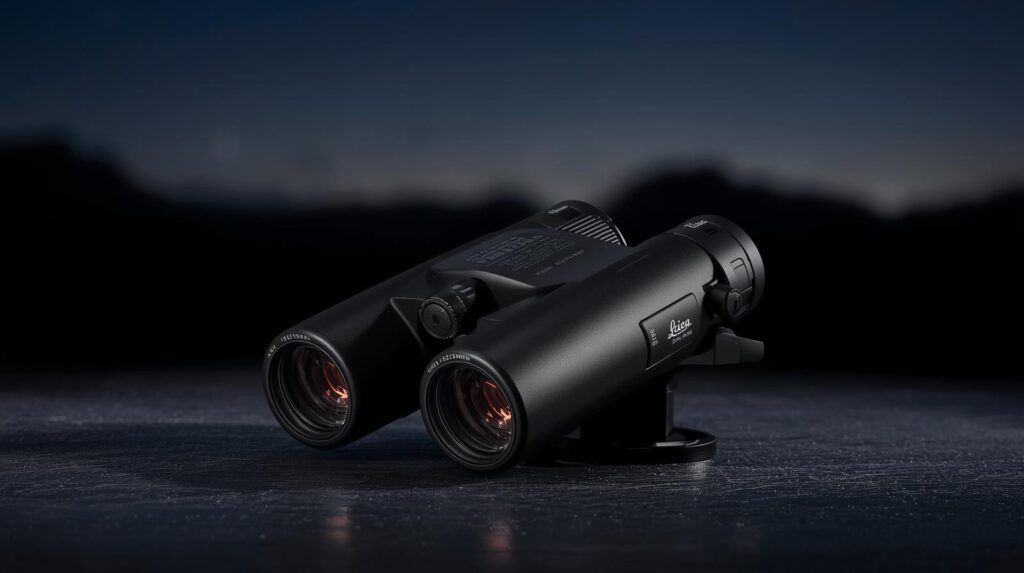

Discover the Cosmos with Precision
Every stargazer knows the magic of that first clear night sky — when the Milky Way stretches like a painted river of light. But not all binoculars reveal this celestial beauty equally.
That’s where Leica binoculars for stargazing redefine your experience.
For decades, Leica has stood as a symbol of German engineering and optical perfection. Designed with the same precision found in its legendary cameras, these binoculars turn ordinary stargazing into an extraordinary, immersive journey.
Whether you’re watching constellations from your backyard or scanning Jupiter’s moons on a remote hillside, Leica astronomy binoculars combine luxury, power, and clarity.
In this comprehensive guide, we’ll explore the best Leica binoculars for astronomy, compare their features, and help you choose the perfect companion for your night-sky adventures.
Why Choose Leica Binoculars for Stargazing
When it comes to high-magnification binoculars for stargazing, Leica stands apart. Their optical craftsmanship ensures razor-sharp resolution, incredible light transmission, and edge-to-edge clarity — exactly what every astronomer dreams of.
Superior Low-Light Performance
Stargazing demands bright optics. Leica’s multi-coated lenses and large objective diameters pull in every photon of light, giving you crisp visibility even during twilight or moonlit nights.
Rugged Yet Elegant Build
Each pair is crafted from magnesium alloy, nitrogen-filled for fogproofing, and sealed against moisture — delivering both waterproof astronomy binoculars performance and unmatched luxury aesthetics.
True-to-Life Colors
Leica optics reproduce natural hues with remarkable fidelity. When you view star clusters, you don’t just see light — you see the faint color shifts that make each galaxy unique.
Built for Generations
From their tactile focus wheel to scratch-resistant lenses, these binoculars are designed to last decades. It’s not just a purchase — it’s an investment in lifelong exploration.
Quick Comparison – Top 3 Leica Binoculars for Stargazing
Before diving into detailed reviews, here’s a side-by-side look at Leica’s best astronomy models.
| Model | Key Features | Pros | Cons | Rating |
|---|---|---|---|---|
| LEICA Noctivid 10×42 | 10x magnification, 42 mm lens, waterproof & nitrogen-filled | Stunning brightness, exceptional contrast, ergonomic design | Premium price tag | ★★★★★ (5/5) |
| LEICA Ultravid HD-Plus 10×50 | 10x magnification, 50 mm objective, AquaDura lens coating | Superior low-light performance, fogproof, crystal clarity | Slightly heavier | ★★★★☆ (4.8/5) |
| LEICA 8×42 Trinovid HD | 8x magnification, 42 mm lens, lightweight body | Affordable Leica option, compact, waterproof | Slightly less reach for deep-sky objects | ★★★★☆ (4.6/5) |
Detailed Reviews – Best Leica Binoculars for Stargazing
Let’s explore what makes each Leica model a true marvel of night-sky engineering.
1. LEICA Noctivid 10×42 – The Flagship Stargazing Powerhouse

If there were a “Ferrari of binoculars,” the Leica Noctivid 10×42 would be it. Built for professionals and enthusiasts alike, it offers breathtaking clarity and balance.
Key Features
- Razor-sharp images with minimal distortion
- Handles dew, fog, and humidity with ease
- Wide field of view ideal for constellation sweeps
- Lightweight yet solid build
Why We Recommend It:
Perfect for serious astronomers who crave uncompromising optical precision. Whether you’re spotting Saturn’s rings or tracing the Andromeda Galaxy, Noctivid reveals detail ordinary binoculars miss.
Ideal For: Experienced stargazers, astrophotographers, and travelers seeking elite optics.
2. LEICA Ultravid HD-Plus 10×50 – Brightest View Under the Stars
When it comes to low-light stargazing, the Leica Ultravid HD-Plus 10×50 is second to none. Its extra-large lenses gather more light, revealing nebulae and clusters invisible to the naked eye.
Key Features
- Exceptional brightness for deep-sky viewing
- Sharp detail at extreme distances
- Anti-reflective coating reduces glare
- Comfortable long-eye relief for glasses wearers
Why We Recommend It:
For those who chase starlight long after midnight, this model provides brilliance and depth that almost rivals small telescopes.
Ideal For: Amateur astronomers and night-sky enthusiasts needing extreme clarity and brightness.
3. Leica 8×42 Trinovid HD – Compact Luxury for Everyday Exploration

For beginners or travelers who value portability, the Leica Trinovid HD 8×42 offers the perfect mix of affordability, comfort, and performance.
Key Features
- Lightweight and balanced design
- Crisp images with true-to-life colors
- Crisp images with true-to-life colors
- Lower price for a premium Leica product
Why We Recommend It:
This model brings Leica craftsmanship to a wider audience. Ideal for casual stargazers who love both night-sky watching and daylight adventures.
Ideal For: Beginners, travelers, and anyone wanting affordable stargazing binoculars without compromise.
How to Choose the Right Leica Binoculars for Stargazing
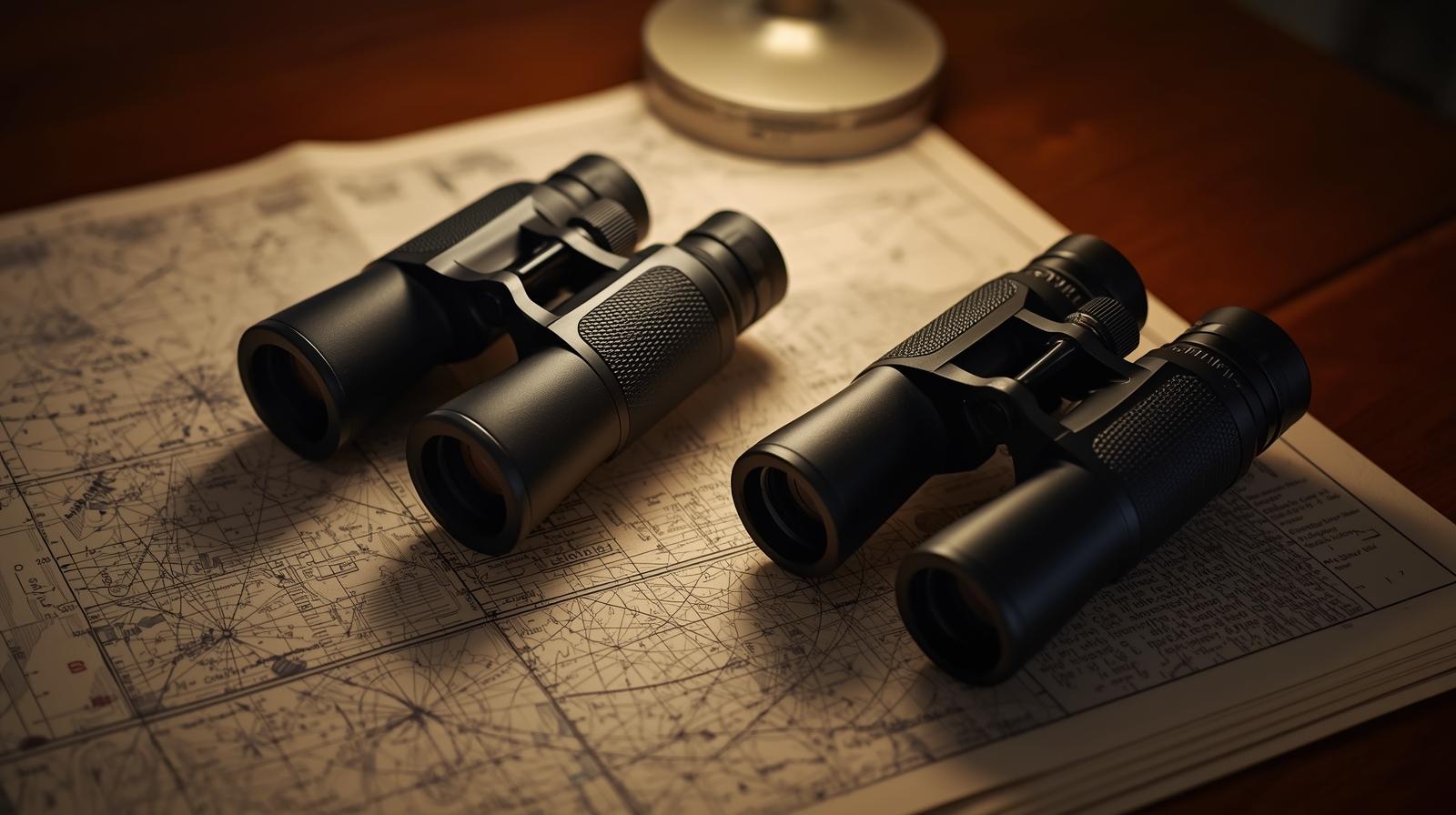
Selecting the right binoculars isn’t just about magnification — it’s about how you plan to explore the sky.
Magnification and Lens Size
For stargazing, 10x magnification is ideal for balancing detail and stability.
Larger lenses (like 50 mm) collect more light but weigh more; smaller lenses (42 mm) offer portability for long nights outdoors.
Waterproofing and Durability
Choose waterproof astronomy binoculars if you plan to observe in humid or coastal areas. Leica’s nitrogen-filled designs prevent internal fogging even with temperature changes.
Comfort and Handling
Rubber-armored coatings and open-bridge designs give better grip and reduce hand fatigue during extended viewing sessions.
Price vs. Performance
While Leica binoculars sit in the premium range, their durability and optical excellence make them a long-term investment worth every cent.
Best Use Cases for Leica Binoculars in Astronomy
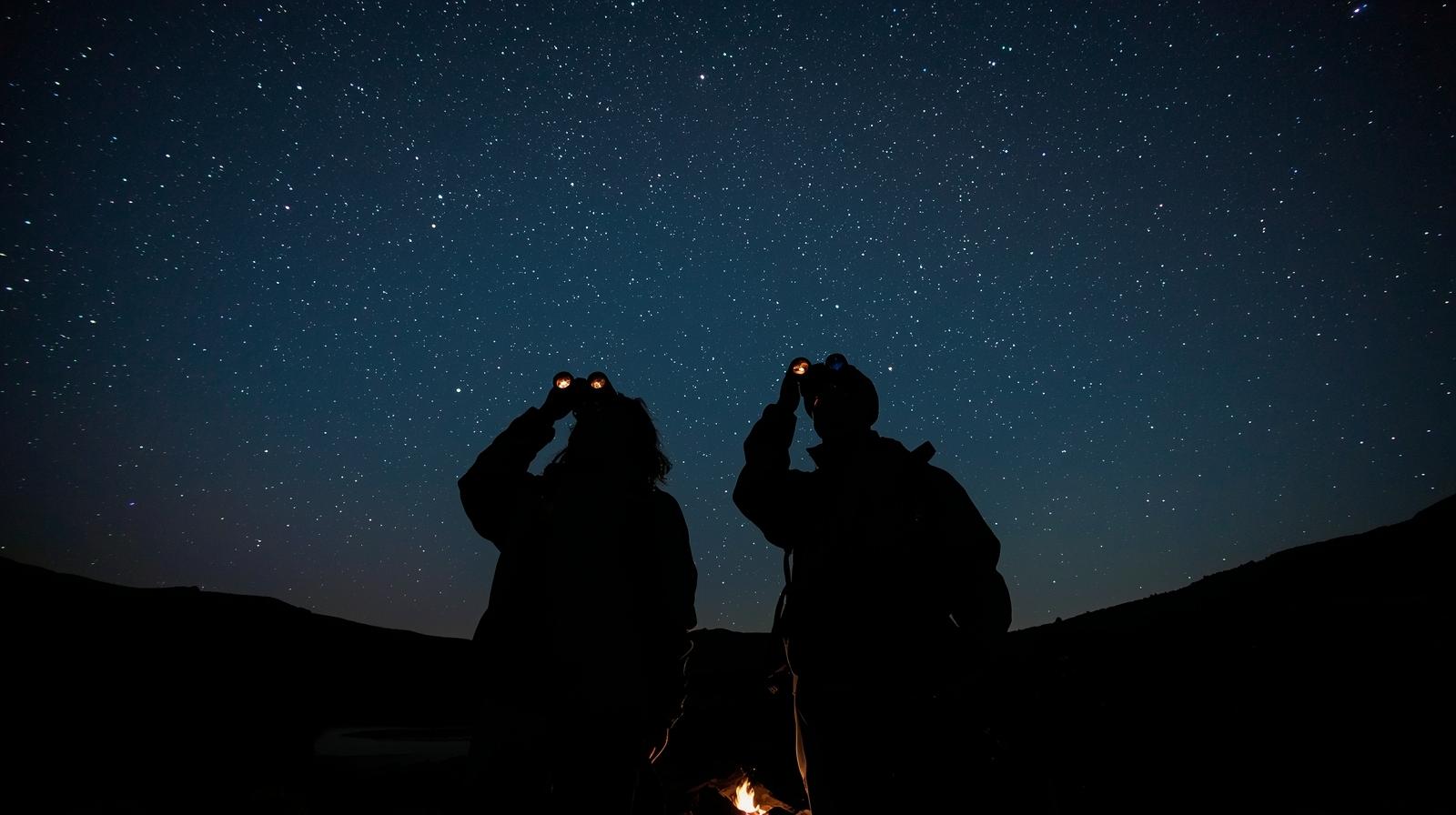
Backyard Stargazing
Enjoy brilliant views of the moon, planets, and star clusters without needing a telescope.
Astro-Photography Assistance
Leica binoculars help frame targets before telescope alignment — an underrated but powerful companion tool for astrophotography’s.
Travel and Outdoor Expeditions
Compact designs like the Trinovid HD fit easily in luggage or backpacks, ideal for travelers visiting dark-sky reserves.
Maintenance Tips for Leica Binoculars

Even the most durable optics need care:
- Store binoculars in a dry, cool place after use.
- Wipe lenses gently with a microfiber cloth — never paper towels.
- Avoid touching lenses with fingers.
- After humid sessions, leave eyecups open to air dry.
Proper care ensures your investment stays crystal clear for years.
Where to Buy Leica Binoculars for Stargazing
You can find all three models on Amazon, where verified reviews and exclusive discounts make it easy to choose authentically sourced gear.
Ready to Explore the Universe in 4K Clarity?
Don’t wait for the next clear sky.
See Today’s Deal and bring the stars closer than ever
Our Final Verdict
For serious astronomers or luxury-loving explorers, Leica is more than a brand — it’s a promise of visual perfection.
- Best Overall: Leica Noctivid 10×42 — flagship brilliance for precision enthusiasts.
- Best Low-Light Choice: Leica Ultravid HD-Plus 10×50 — stunning brightness and contrast for night owls.
- Best Compact Option: Leica Trinovid HD 8×42 — perfect blend of portability and performance.
Whichever you choose, you’re not just buying binoculars — you’re investing in a gateway to the cosmos.
FAQs About Leica Binoculars for Stargazing
Q1: Are Leica binoculars good for astronomy beginners?
Yes. Models like the Trinovid HD 8×42 offer easy handling and bright views, perfect for newcomers to stargazing.
Q2: What makes Leica binoculars different from cheaper brands?
Leica uses premium glass, advanced coatings, and precision alignment that deliver exceptional contrast and color fidelity — unmatched by budget optics.
Q3: Can Leica binoculars be mounted on a tripod?
Absolutely. Most Leica models are tripod-compatible, which helps steady your view during extended observations.
Q4: Are Leica binoculars weatherproof?
Yes. They are waterproof and nitrogen-filled to resist fogging and moisture in all environments.
Q5: Which Leica model is best for deep-sky observation?
The Ultravid HD-Plus 10×50 gathers the most light, making it ideal for viewing nebulae and distant galaxies.




