
Best Cleaning Wipes for Optical Lenses for Clear, Scratch-Free Binocular Views
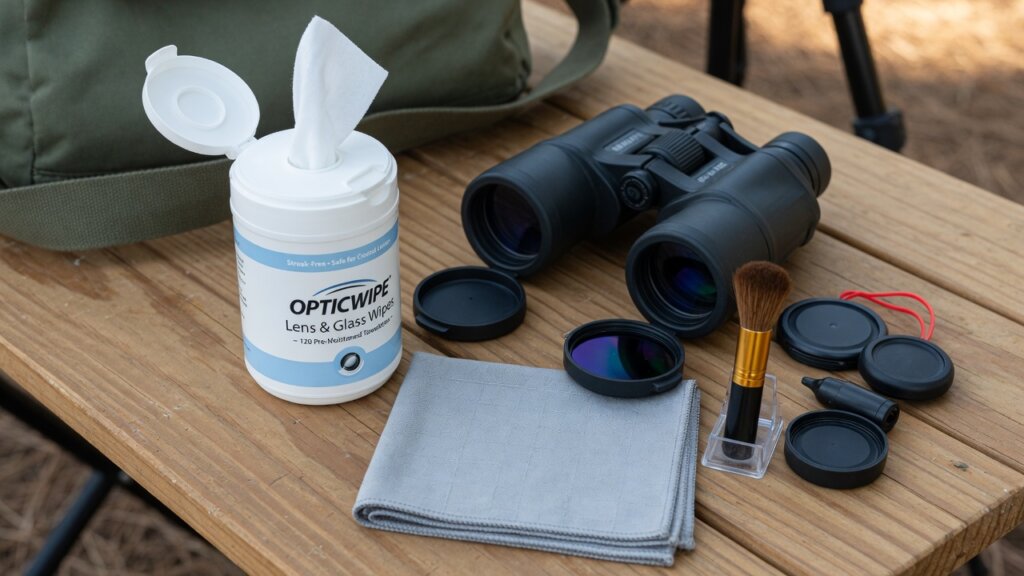
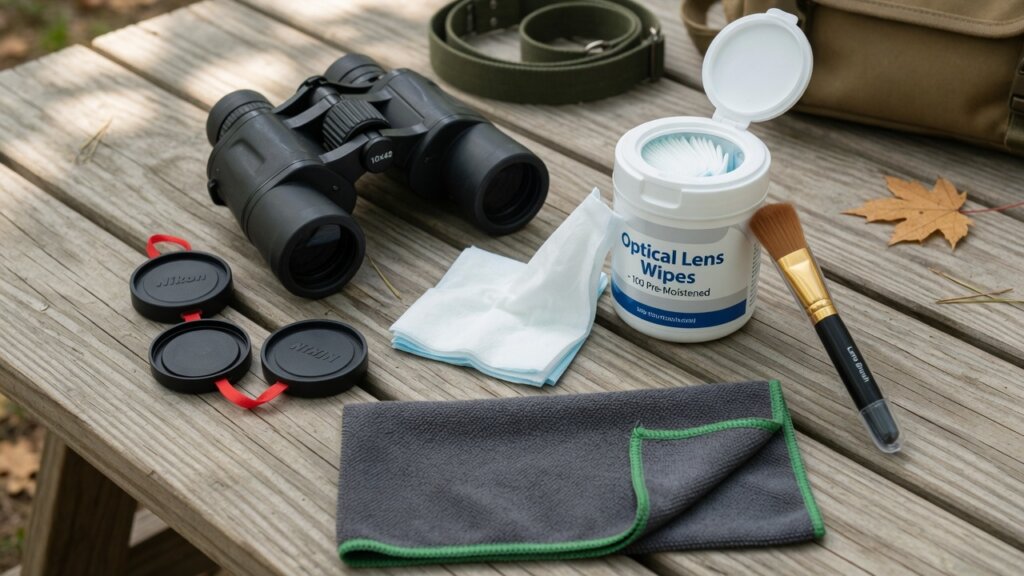
Cleaning wipes for optical lenses are one of those small accessories that feel unnecessary until the exact moment your binocular lenses pick up fingerprints, sunscreen smears, dust, or oily moisture in the field. A dry cloth can handle light marks, but once grime becomes sticky, a pre-moistened optical wipe can save the view without forcing you to carry a bottle of lens solution.
For binocular users, the goal is simple: clean the lens surface without scratching coatings, leaving streaks, or grinding dust into the glass. Good cleaning wipes for optical lenses should be soft, individually wrapped, safe for coated optics, and wet enough to lift oil without flooding the lens edges.
Why Cleaning Wipes for Optical Lenses Are Useful for Binocular Owners
Binocular lenses live a harder life than eyeglasses. They get carried in dusty backpacks, touched during quick adjustments, exposed to morning dew, and sometimes wiped with whatever is nearby. That is where cleaning wipes for optical lenses become useful.
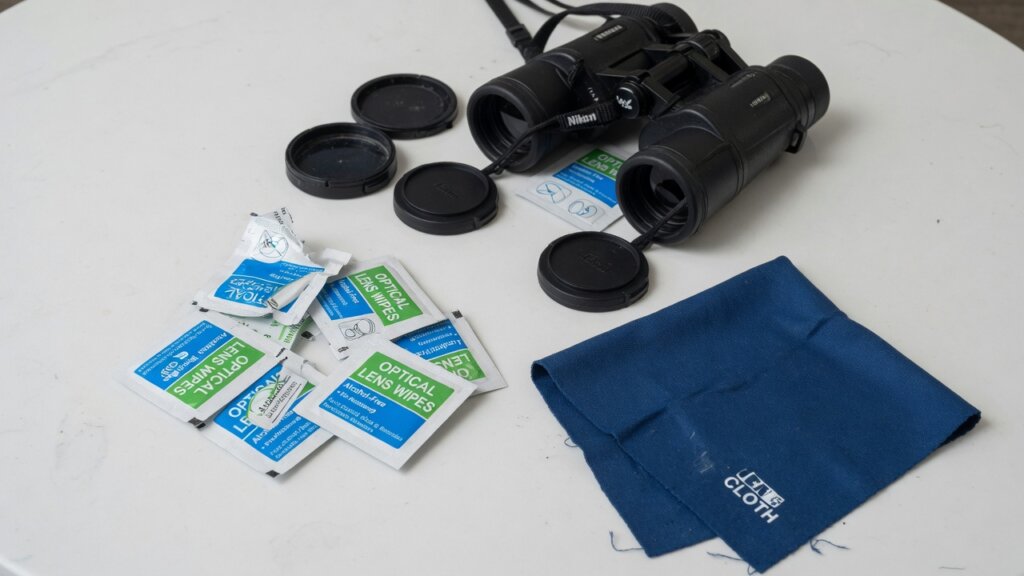
They are not meant to replace every cleaning tool, but they are excellent for oily smudges and quick field cleanup. A sealed wipe stays clean until opened, which makes it more reliable than a loose cloth sitting in a pocket with lint, grit, or sand.
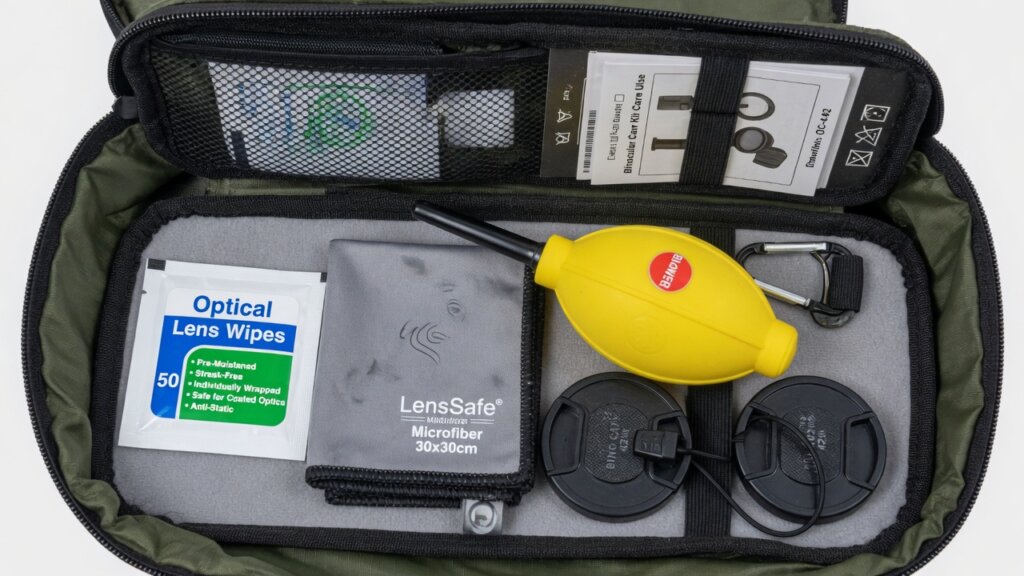
For a complete cleaning setup, pair wipes with a proper binocular cleaning tools kit. Wipes handle fingerprints and grease, while brushes, blowers, and microfiber cloths handle loose dust and final polishing.
Best Situations to Use Optical Lens Cleaning Wipes
Cleaning wipes for optical lenses work best when the lens has fingerprints, sweat marks, light oil, dried mist, or sunscreen residue. These are the stains that dry microfiber cloths often smear around instead of removing.
A practical example: you are glassing from a viewpoint, your thumb touches the objective lens while removing the cap, and the center of the image looks hazy. A sealed optical wipe can remove that mark quickly without unpacking a spray bottle.
They are also useful for travel. If you keep binoculars in a car, cabin bag, hunting pack, or camera pouch, individually wrapped wipes are easier to carry than liquids. No leaks. No bottle cap problems. No guessing whether the cloth is still clean.
When You Should Not Use Cleaning Wipes First
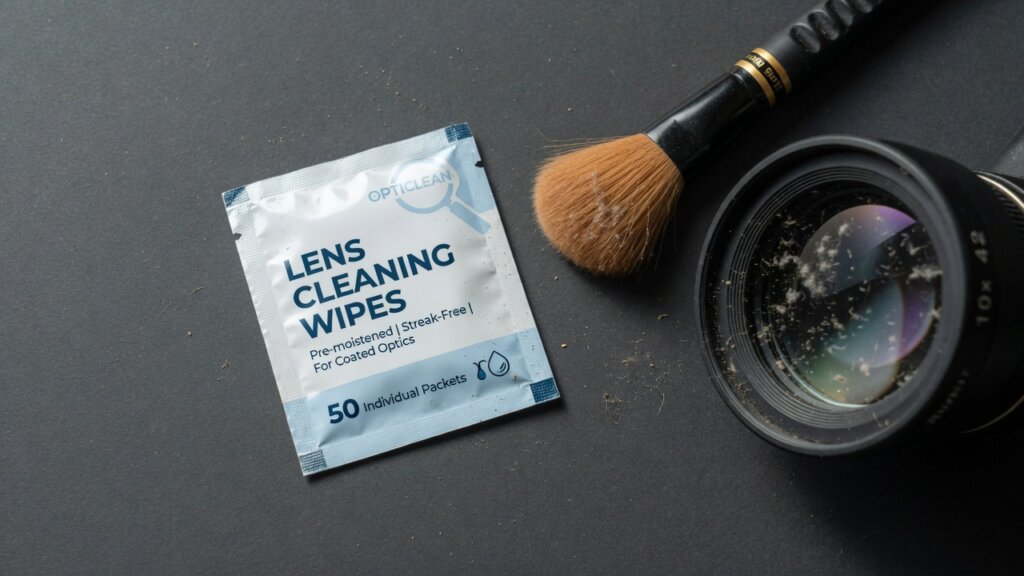
Cleaning wipes for optical lenses should not be the first step when lenses are covered in dry dust, sand, mud particles, or grit. Wiping directly over loose particles can drag debris across the coating.
Start with air, a blower, or a soft brush. Then use the wipe only after loose debris is gone. For this reason, a wipe alone is not a complete cleaning system.
If your binoculars are often exposed to desert dust, beach sand, camp ash, or dry trail dirt, read the supporting article on lens cleaning brush for binoculars. A brush is safer for the first contact with dusty glass.
Cleaning Wipes vs Microfiber Cloth vs Lens Spray
Every cleaning method has a place. The mistake is treating one tool as the answer for every lens problem.
| Cleaning Method | Best For | Weak Point | Field Use |
|---|---|---|---|
| Cleaning wipes for optical lenses | Fingerprints, oil, sweat, light smudges | Not ideal for heavy dust first | Excellent |
| Microfiber cloth | Final polish, light haze, dry touch-up | Can collect grit if stored badly | Excellent |
| Lens spray | Controlled cleaning at home | Needs a clean cloth | Good |
| Lens brush/blower | Dust, grit, loose particles | Does not remove oil | Excellent |
| Tissue/shirt/sleeve | Emergency only | High scratch risk | Poor |
A microfiber cloth is still important after using wipes. Some wipes dry cleanly, but others may leave faint streaks if the lens is cold, humid, or heavily marked. A clean cloth gives you that last clear finish. For a better cloth setup, use the tips in microfiber cloth for binocular lenses.
What Makes a Good Optical Lens Wipe?
A good wipe should be made for coated optics, not general household glass. Binocular lenses often have anti-reflective, hydrophobic, or protective exterior coatings, while some binoculars also use prism coatings to improve contrast and clarity. Cheap wipes with harsh ingredients can leave haze, streaks, or gradually reduce lens performance.
Look for these qualities:
| Feature | Why It Matters |
|---|---|
| Individually wrapped | Keeps each wipe clean and moist |
| Safe for coated lenses | Reduces coating damage risk |
| Lint-free material | Avoids fibers on glass |
| Fast-drying formula | Helps prevent streaks |
| Ammonia-free formula | Safer for many optical coatings |
| Non-abrasive texture | Reduces scratch risk |
| Moderate moisture | Cleans oil without soaking lens edges |
Practical recommendation: avoid bargain wipes that only say “glass cleaner” without mentioning lenses, optics, cameras, binoculars, or coatings. The price difference is small, but the risk to expensive binoculars is not.
Recommended Product: ZEISS Lens Wipes
For most binocular owners, ZEISS Lens Wipes are a safe, sensible pick because they are individually wrapped, pre-moistened, and designed for coated precision lenses, including binoculars and camera lenses. ZEISS describes them as fast drying, streak-free, and suitable for high-quality coated lenses.
They make the most sense for hikers, bird watchers, hunters, travelers, and anyone who wants a quick pocket-ready option. I would still pair them with a blower or brush, because no wipe should be dragged over gritty lenses.
Pros and Cons of Cleaning Wipes for Optical Lenses
Pros
- Easy to carry and use anywhere.
- Individually sealed, so they stay clean.
- Good for oily fingerprints and smudges.
- Removes sunscreen or greasy marks better than dry microfiber.
- Useful for quick binocular cleaning in the field.
Cons
- Disposable, so they cost more over time.
- Some wipes can dry out if packaging is poor.
- Not best for dusty lenses unless dust is removed first.
- Rubbing over dust can scratch lens coatings.
- Should be used gently, not aggressively.
How to Use Cleaning Wipes Without Damaging Binocular Lenses
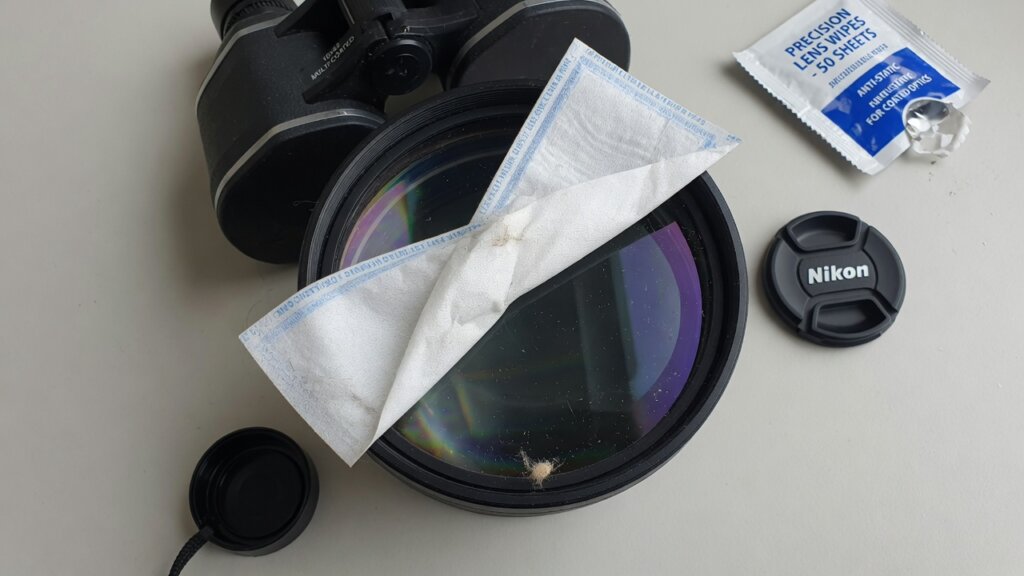
Start by checking the lens under light. If you see visible dust, sand, or grit, remove it first with a blower or lens brush. Do not press a wipe into dry particles.
Open the wipe and let it unfold naturally. Use light pressure. Clean from the center outward in soft circular passes. Do not scrub like you are cleaning a window.
After the lens looks clean, let it dry for a few seconds. If a faint streak remains, finish with a clean microfiber cloth. Keep that cloth in a pouch, not loose in a jacket pocket.
Small habit, big difference: use one wipe for the glass and avoid using the same dirty corner repeatedly. Once a wipe has picked up grit or oil, it should not go back onto the lens.
Real-World Use Cases
Hiking and Backpacking
Cleaning wipes for optical lenses are excellent for hiking because they weigh almost nothing. Keep two or three sealed wipes in your binocular case, especially if you hike in humid, dusty, or windy areas.
On long trails, lenses often collect sweat mist, trail dust, and fingerprints from quick handling. A wipe gives you a clean view without carrying a full cleaning pouch.
Bird Watching
Bird watchers need clarity fast. A smudged eyepiece can make fine feather detail look soft, especially in shaded woodland or early morning light.
For birding, use wipes carefully on eyepieces because they pick up face oil more often than objective lenses. Clean the eyecups too, but avoid soaking rubber parts.
Hunting and Glassing
During long glassing sessions, binoculars often get touched with gloves, exposed to moisture, or placed near dust and vegetation. Cleaning wipes for optical lenses are handy when image contrast drops and you need a quick reset.
However, hunters should be careful with scented wipes. Choose fragrance-free options whenever possible, especially for close-range hunting setups.
Travel and Safari Trips
Cleaning wipes are especially useful for travel. Airports, cars, hotels, and outdoor viewpoints all expose optics to dust and fingerprints. Sealed wipes are cleaner than a cloth that has been sitting in a travel pouch for weeks.
Pack them with lens caps, a microfiber cloth, and a small brush. For more binocular care ideas, explore the blog page and visit the bestbinocular.net home page for more optics content.
Common Mistakes to Avoid
The biggest mistake is using cleaning wipes for optical lenses on dirty, gritty glass. If the lens looks dusty, blow or brush first. Wipes are for residue, not for scraping away particles.
Another mistake is using household disinfecting wipes. They may be fine for counters, but optical coatings are different. Strong chemicals, perfumes, and rough fibers can create haze or coating wear.
Do not over-clean either. A tiny speck near the lens edge rarely affects the view. Constant rubbing causes more harm than a small harmless mark. Clean when the view is affected or when residue is obvious.
Also avoid using old dried-out wipes. A dry wipe loses the benefit of moisture and may behave like rough tissue. If it feels dry when opened, throw it away.
Buyer Tips Before Choosing Optical Lens Wipes
Choose cleaning wipes for optical lenses based on your binocular value and usage style. If you own budget binoculars for casual use, a basic optical-safe wipe is fine. If you own expensive roof prism binoculars with premium coatings, buy from known optical brands.
Check whether the wipes mention coated lenses, cameras, binoculars, scopes, or precision optics. That wording matters more than flashy packaging.
For field users, individual sachets are better than a tub. A tub may dry out faster and can collect contamination each time it opens. Sachets are slower to use, but they stay cleaner.
For home use, wipes are convenient but not always the cheapest option. Lens spray plus microfiber can be more economical. Still, wipes win when speed and cleanliness matter.
My Practical Cleaning Setup
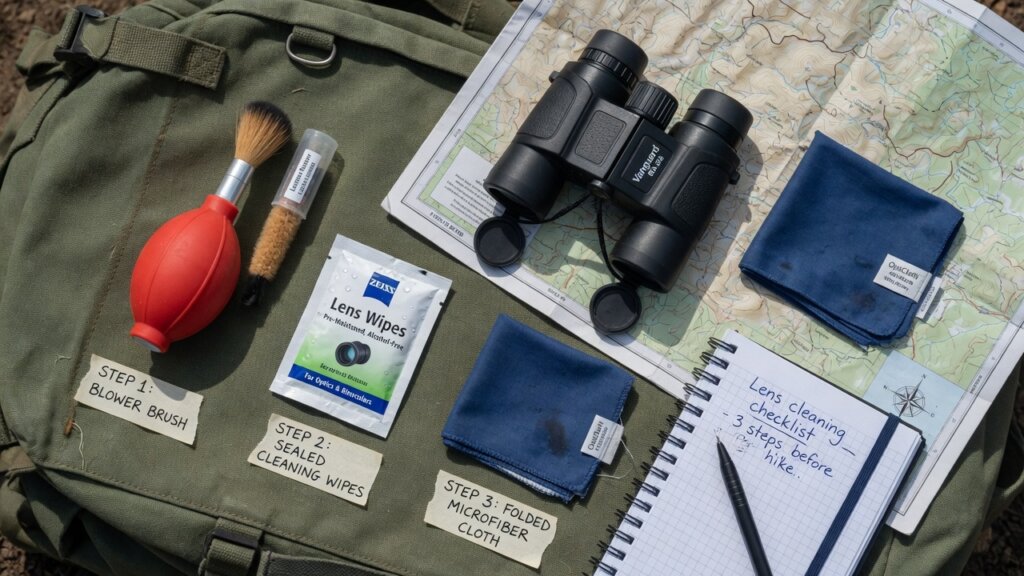
For binoculars, I like a simple three-step setup: brush or blower first, cleaning wipes for optical lenses second, microfiber cloth last. That sequence handles dust, oil, and streaks without overcomplicating things.
It also prevents the common mistake of asking one item to do everything. A wipe is not a dust remover. A cloth is not always enough for oil. A brush cannot remove fingerprints. Together, they make a safer system.
FAQs About Cleaning Wipes for Optical Lenses
Are cleaning wipes for optical lenses safe for binoculars?
Yes, cleaning wipes for optical lenses are safe for binoculars when they are made for coated optics and used correctly. Remove dust first, use light pressure, and avoid household wipes.
Can I use eyeglass cleaning wipes on binocular lenses?
You can use eyeglass cleaning wipes if they are safe for coated lenses and mention optical surfaces. For expensive binoculars, choose wipes that also mention cameras, scopes, or binoculars.
Do lens wipes scratch binocular lenses?
The wipe itself usually does not scratch the lens if it is optical-safe and non-abrasive. Scratches often happen when dust, sand, or grit is wiped across the coating.
Should I use a microfiber cloth after lens wipes?
Yes, a clean microfiber cloth is useful after lens wipes if faint streaks remain. Use very light pressure and store the cloth in a clean pouch.
Are alcohol lens wipes safe for coated optics?
Many optical wipes use fast-drying alcohol-based formulas, but they should be labeled safe for coated lenses. Avoid random alcohol pads made for skin, electronics, or general cleaning.
How often should I clean binocular lenses?
Clean binocular lenses only when dirt, fingerprints, or smudges affect the view. Over-cleaning can create unnecessary contact with delicate coatings.
Can I use cleaning wipes on eyepieces and objective lenses?
Yes, cleaning wipes for optical lenses can be used on both eyepieces and objective lenses. Eyepieces usually need cleaning more often because they collect face oil and eyelash marks.
What should I avoid when cleaning optical lenses?
Avoid paper towels, shirts, tissues, household glass cleaners, disinfecting wipes, and heavy pressure. Also avoid wiping dry dust without brushing or blowing it away first.
Final Thoughts
Cleaning wipes for optical lenses are not just a convenience item. Used properly, they are a smart part of binocular care, especially when fingerprints, sweat, sunscreen, or oily haze interrupt the view.
The safest approach is simple: remove loose dust first, use a quality optical wipe with light pressure, then finish with clean microfiber if needed. That routine keeps your binoculars ready for real use instead of turning lens cleaning into a risky guessing game.




